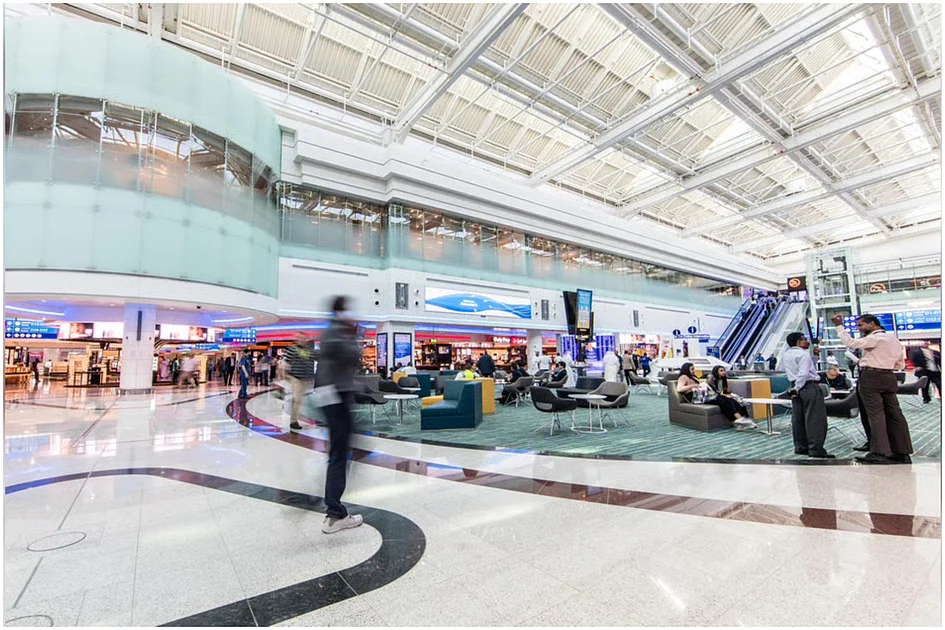
The Gulf Cooperation Council (GCC) has unveiled a groundbreaking ‘one-stop’ travel system aimed at streamlining cross-border movement for Gulf citizens. The UAE and Bahrain have been chosen to spearhead the pilot phase of this initiative, set to commence in December 2025. This innovative system will consolidate all travel procedures—including immigration, customs, and security checks—into a single checkpoint, eliminating the need for multiple inspections upon arrival. GCC Secretary-General Jasem Mohamed Albudaiwi announced the project during the 42nd meeting of GCC Interior Ministers in Kuwait City, emphasizing that the system will be expanded to all six member states if the pilot proves successful. The initiative aligns with the GCC’s broader efforts to enhance regional integration, including the introduction of a unified GCC tourist visa, which is expected to launch in late 2025. Together, these measures are poised to revolutionize intra-Gulf and inbound travel, fostering a more seamless and efficient experience for citizens, residents, and international visitors alike.
分类: world
-
India vows justice after deadly ‘terror’ car blast
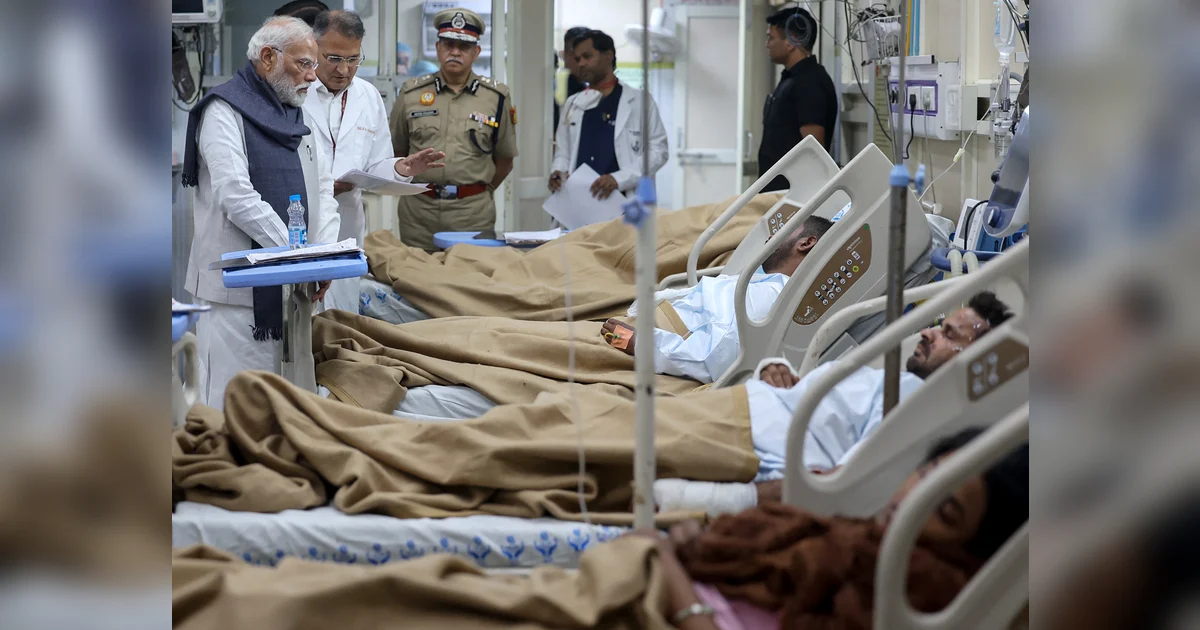
India has vowed to bring the perpetrators of a deadly car explosion near the historic Red Fort in Delhi to justice. The blast, which occurred on Monday, killed at least 12 people and injured 30 others, marking one of the most significant security incidents in recent months. The Indian government, in a cabinet statement, confirmed the incident as an act of terrorism, describing it as a ‘heinous terror incident perpetrated by anti-national forces.’ Prime Minister Narendra Modi chaired the emergency meeting, where the cabinet expressed profound grief over the loss of lives and reiterated India’s ‘zero tolerance’ policy towards terrorism. The Red Fort, a UNESCO World Heritage Site and the venue for the annual Independence Day speech, is one of India’s most iconic landmarks. Witnesses recounted the harrowing scene of the car exploding in traffic, with victims engulfed in flames. The explosion occurred hours after Indian police arrested a gang linked to Pakistan-based radical groups Jaish-e-Mohammed and Ansar Ghazwat-ul-Hind, both designated as terrorist organizations in India. The National Investigation Agency is leading the probe, with the government emphasizing its commitment to safeguarding national security and bringing the culprits to justice. The incident has drawn international condemnation, with foreign governments expressing solidarity. This attack follows a pattern of escalating tensions between India and Pakistan, particularly after the April 22 attack in Pahalgam, Kashmir, which India blamed on Pakistan. The recent Islamabad suicide bombing, claimed by a Pakistani Taliban faction, has further strained relations, with both nations trading accusations of supporting terrorism.
-

France wary of enemy that never went away, 10 years after Bataclan attacks
As France commemorates the 10th anniversary of the devastating Bataclan massacre, the nation is reminded of the persistent threat of jihadist violence. The arrest of Maëva B, a 27-year-old French convert to Islam and former associate of Salah Abdeslam, underscores the enduring danger. Abdeslam, the sole surviving jihadist from the 2015 attacks, is serving a life sentence. Investigations revealed that Maëva B had been in contact with Abdeslam and was allegedly planning her own jihadist attack, leading to her arrest alongside two associates. The Bataclan attacks, which claimed 130 lives and left hundreds injured, remain a symbol of extreme Islamist violence in France. Despite the decline of the Islamic State (IS) as a major force, the threat has evolved into what experts term ‘ambient jihadism,’ fueled by social networks and geopolitical tensions. France’s political instability further exacerbates the risk, as extremists gain influence. Commemorations include the lighting of the Eiffel Tower in the French tricolor and the opening of a memorial garden. Meanwhile, Abdeslam’s offer to participate in ‘restorative justice’ has sparked controversy, with some survivors rejecting the notion that terrorism can be equated with common crimes.
-
Indian government terms Delhi car blast as ‘terrorist incident’
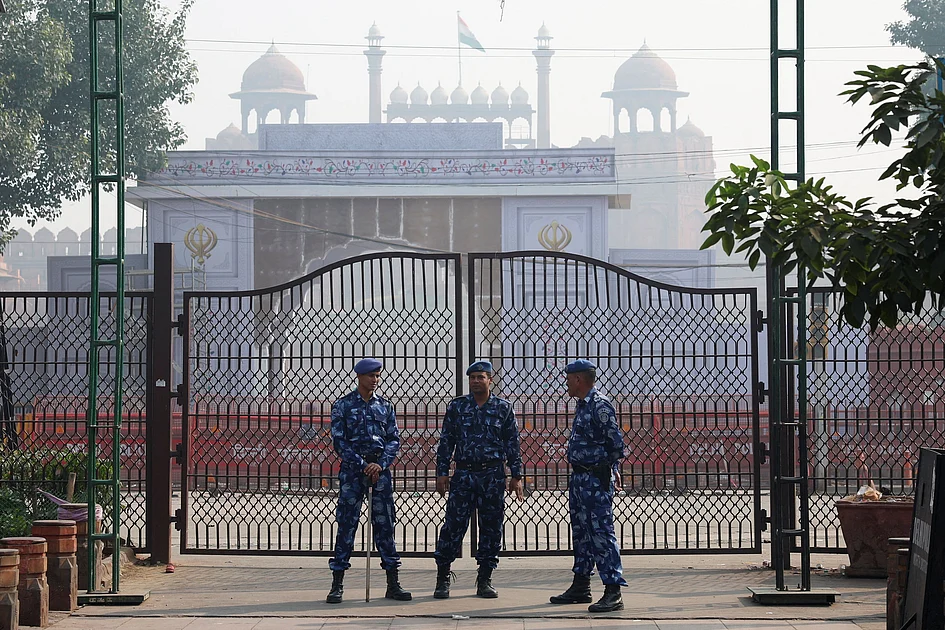
The Indian government has officially classified the devastating car explosion near Delhi’s historic Red Fort as a ‘terrorist incident.’ The tragic event, which occurred on November 11, 2025, claimed the lives of eight individuals and left at least 20 others injured. The declaration was made following a resolution by the country’s federal cabinet of ministers, as reported by Reuters. The blast, which took place on Monday, has sent shockwaves across the nation, prompting immediate action from authorities. On Wednesday, the government issued directives to investigative agencies, urging them to handle the case with ‘utmost urgency and professionalism’ to ensure that the perpetrators and their sponsors are swiftly brought to justice. The incident has raised concerns about security in the region, with officials emphasizing the need for heightened vigilance to prevent future attacks. The Red Fort, a UNESCO World Heritage Site and a symbol of India’s rich history, has been a focal point of national pride, making the attack particularly significant. The government’s swift response underscores its commitment to addressing terrorism and ensuring public safety. As investigations continue, the nation mourns the loss of lives and stands united in the face of this tragic event.
-
India asks UN wildlife body to not curb animal imports amid Ambani zoo uproar
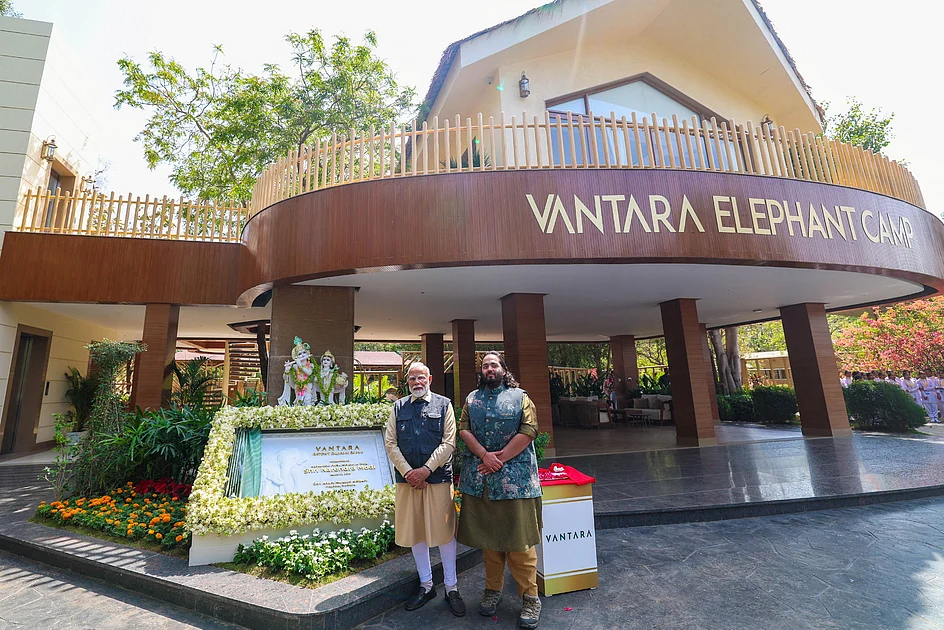
India has appealed to the United Nations’ wildlife trade body, CITES, to refrain from imposing restrictions on its imports of endangered species. This comes amid allegations of improper animal shipments to Vantara, a sprawling 3,500-acre zoo in Gujarat, operated by the philanthropic arm of billionaire Mukesh Ambani’s conglomerate. The zoo has faced scrutiny from authorities in Germany and the European Union over claims of irregular imports. Despite a Supreme Court-appointed panel clearing Vantara of wrongdoing in September, CITES recently urged India to review its import procedures, citing discrepancies in trade data and insufficient checks on animal origins. In a submission dated November 10, India argued that any restrictive measures would be premature and disproportionate, potentially destabilizing the CITES framework. The government emphasized that it has already tightened oversight, including enhanced due diligence for all future acquisitions. Vantara, home to 2,000 species, including exotic animals from South Africa, Venezuela, and the Democratic Republic of Congo, maintains that all imports comply with regulations. The controversy highlights ongoing tensions between wildlife conservation efforts and the operations of private zoos.
-

Delhi blast: Red car allegedly linked to prime suspect rounded up by police
In a significant development in the Delhi blast case, authorities have seized a red Ford EcoSport, bearing the license plate DL 10 CK 0458, suspected to be linked to the prime suspect, Dr. Umar Un Nabi. The vehicle was discovered parked near Khandawali village in Faridabad, part of India’s National Capital Region. According to a police spokesperson, the car was registered under Dr. Nabi’s name, and its details had been shared with police forces in Uttar Pradesh and Haryana.
-

Did you know? 7 of the 10 tallest hotels in the world are in Dubai
Dubai has solidified its position as a global leader in architectural innovation and luxury hospitality, with seven of the world’s ten tallest hotels located within its borders. The city, already home to the iconic Burj Khalifa, continues to redefine its skyline with towering structures that blend opulence and cutting-edge design. The latest addition, Ciel Dubai Marina, has claimed the top spot as the tallest hotel globally, surpassing the Gevora Hotel on Sheikh Zayed Road. Standing at an impressive 377 meters, Ciel Dubai Marina offers over 800 rooms, eight dining venues, three outdoor pools, including the world’s tallest infinity pool, a luxury spa, and a state-of-the-art gymnasium. The hotel is set to open for bookings on November 15, 2025, further cementing Dubai’s reputation as a premier tourist destination. Other notable entries include the Gevora Hotel (356 meters), JW Marriott Marquis Dubai (355 meters), and the iconic Burj Al Arab (280 meters), which resembles a dhow sail and is built on reclaimed land. Beyond Dubai, the list features hotels from Shanghai, Bangkok, and Wuxi, showcasing the global competition in luxury hospitality. Dubai’s dominance in this arena reflects its commitment to pushing architectural boundaries and offering unparalleled experiences to visitors.
-
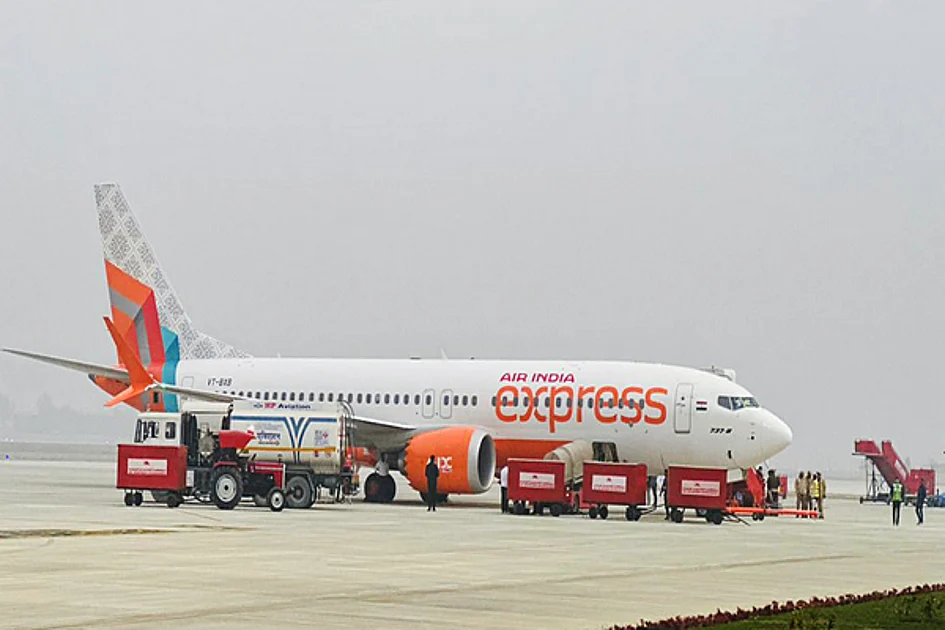
Varanasi-bound Air India Express flight gets threat, plane to be released after checks
An Air India Express flight bound for Varanasi was subjected to a security threat on Wednesday, November 12, 2025, amidst a series of bomb hoaxes targeting multiple Indian airports. The airline promptly alerted the Bomb Threat Assessment Committee and initiated all necessary security protocols. The flight, which landed safely, disembarked all passengers without incident. The aircraft will be cleared for operations once comprehensive security checks are completed. This incident coincides with a bomb hoax at Delhi Airport Terminal 3, where an email claiming a bomb was discovered prompted a swift response from authorities. The threats follow a deadly explosion near Delhi’s Red Fort, which claimed 12 lives and left several injured. Investigations into the blast are ongoing, with forensic teams recovering over 40 samples, including live ammunition and explosive materials suspected to be ammonium nitrate. Two individuals connected to Al Falah University were arrested in Faridabad with 360 kg of ammonium nitrate, raising suspicions of their involvement in the Red Fort blast. The government has announced compensation of Rs1,000,000 for the victims’ families. Multiple agencies, including the National Security Guard and the National Investigation Agency, are working to uncover the truth behind these alarming events.
-

Bomb threat sent to Delhi airport two days after deadly Red Fort blast
In the wake of a devastating explosion near New Delhi’s Red Fort, which claimed 12 lives and left many injured, a bomb threat sent to Delhi Airport Terminal 3 on November 12, 2025, triggered widespread panic. The threat, received via an email on IndiGo’s grievance portal, also implicated other major airports in Chennai and Goa. Delhi Police swiftly responded, mobilizing the fire brigade and conducting thorough inspections at all mentioned locations. However, after a detailed investigation, the threat was confirmed to be a hoax. The Red Fort blast, which occurred on November 10, has been under intense scrutiny by multiple agencies, including the National Security Guard, National Investigation Agency, and the Central Reserve Police Force. Forensic analysis from the blast site revealed the presence of ammonium nitrate among other explosives. In a related development, 360 kg of ammonium nitrate was seized in Faridabad, leading to the arrest of two individuals linked to Al Falah University, who are suspected to be connected to the Red Fort incident. The Indian government has announced compensation of Rs1,000,000 for the victims’ families, as investigations continue to uncover the full scope of this tragic event.
-

Gambling ringleader sent back to China
She Zhijiang, the mastermind behind a sprawling cross-border gambling and fraud syndicate operating in Myanmar, has been extradited to China. Known also as Tang Kriang Kai, She was escorted by Thai police to Bangkok’s airport on Wednesday afternoon, marking a significant step in international law enforcement cooperation. The extradition follows a prolonged legal battle, culminating in the Thai Court of Appeal upholding a lower court’s decision on November 10, 2025, to send She back to China to face charges related to illegal casino operations. According to Thai prosecutors, She is accused of orchestrating 239 gambling websites, which facilitated transactions totaling approximately 2.77 trillion yuan ($389.18 billion). Additionally, he is suspected of running extensive gambling and telecommunications fraud operations in Myanmar, targeting Chinese citizens through online platforms. Interpol had issued a Red Notice for She in May 2021, linking him to a criminal group that registered shell companies and developed online gambling platforms, generating around 150 million yuan in illegal profits. She was arrested by Thai authorities in August 2022, and after a series of legal proceedings, his extradition was finally approved in October 2025. This case underscores the global efforts to combat transnational organized crime and highlights the collaboration between Thailand and China in addressing such issues.