分类: world

  • NGOs fear ‘catastrophic impact’ of new Israel registration rules

    NGOs fear ‘catastrophic impact’ of new Israel registration rules

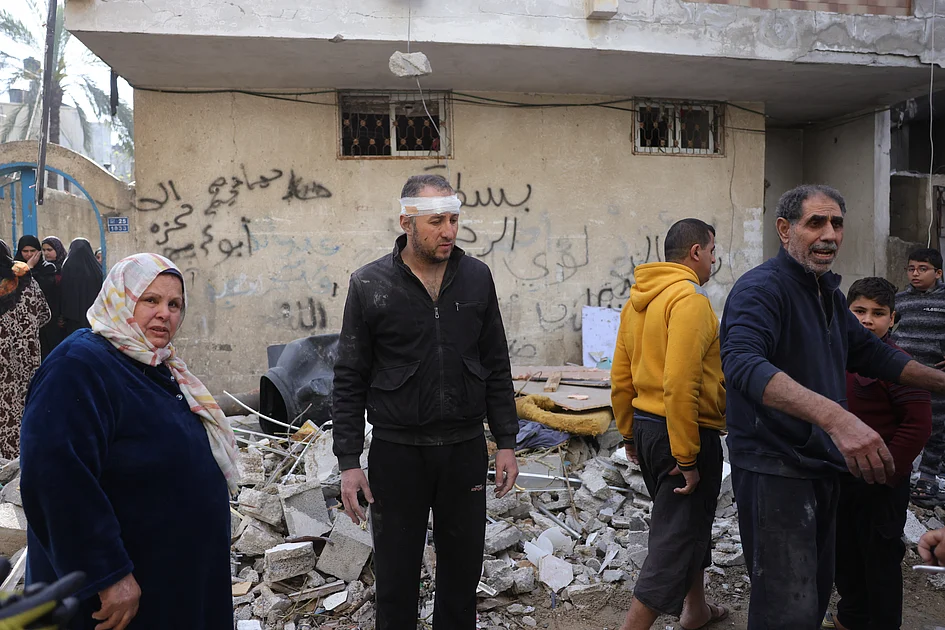
    Humanitarian organizations are issuing dire warnings that Israel’s newly implemented registration requirements for non-governmental organizations could devastate aid operations across Gaza and the West Bank. The controversial policy, which mandates all NGOs to register under a new framework by December 31, 2025, has already resulted in the rejection of at least 14 organizations including prominent groups like Save the Children and the American Friends Service Committee.

    According to Israel’s Ministry of Diaspora Affairs and Combating Antisemitism, approximately 100 registration requests had been submitted as of November 2025, with the majority either approved or under review. The government maintains that the regulations aim to prevent “hostile actors or supporters of terrorism” from operating in Palestinian territories, specifically targeting organizations involved in terrorism, antisemitism, Holocaust denial, or delegitimization of Israel.

    The policy emerges amid persistent humanitarian crises in Gaza, where basic infrastructure including running water and electricity remains unavailable despite the US-brokered October ceasefire. Current aid delivery falls dramatically short of requirements—while the ceasefire agreement stipulated 600 trucks daily, only 100-300 trucks carrying humanitarian aid actually enter the region.

    Rejected organizations now face a 60-day deadline to withdraw all international staff from Gaza, the West Bank, and Israel, while losing authorization to send humanitarian supplies across borders. This development threatens essential services for vulnerable populations, including Save the Children’s programs supporting 120,000 children with psychosocial support and education.

    The Humanitarian Country Team for the Occupied Palestinian Territory cautioned that deregistration could collapse the humanitarian response entirely, noting that currently approved NGOs represent only a fraction of required capacity. Many organizations report complying with most requirements but refusing to cross “red lines” such as providing information about Palestinian staff.

    Legal experts highlight particular concern over the vague terminology surrounding “delegitimization” of Israel, which NGOs say could encompass any criticism of Israeli policies. Israeli lawyer Yotam Ben-Hillel, representing several organizations in appeals, noted that any reporting on ground conditions could potentially justify rejection under these provisions.

    With the year-end deadline approaching, humanitarian workers fear catastrophic consequences for Gaza’s population if experienced organizations are replaced by unknown entities without established operational capacity or expertise in the region.
  • Turkey says captured senior Daesh figure on Afghan-Pakistan border

    Turkey says captured senior Daesh figure on Afghan-Pakistan border

    Turkish intelligence forces have successfully apprehended a high-ranking operative of the Daesh terrorist organization in a sophisticated cross-border operation along the Afghanistan-Pakistan frontier. The captured individual, identified as Turkish national Mehmet Goren, held a leadership position within Islamic State Khorasan Province (IS-K), the group’s regional affiliate known for its brutal attacks across South and Central Asia.

    According to detailed reports from Turkey’s state-run Anadolu Agency, Goren had been actively coordinating suicide operations targeting civilian populations across multiple regions including Afghanistan, Pakistan, Turkey, and European nations. Intelligence tracking revealed Goren’s journey from Turkey to the Afghanistan-Pakistan border region, where he ascended through Daesh’s ranks while operating from militant training camps.

    The Turkish National Intelligence Organization (MIT) conducted meticulous surveillance before executing the precise apprehension in the volatile border zone. Goren, who reportedly survived previous airstrikes targeting Daesh positions in Pakistan, was subsequently transferred to Turkish territory for detention and interrogation.

    This operation represents another strategic victory in Turkey’s intensified counterterrorism campaign against Daesh networks. Turkish authorities have particularly focused on disrupting the group’s Khorasan affiliate, which has claimed responsibility for numerous devastating attacks including the March 2024 Moscow concert hall massacre that killed over 140 people.

    Security analysts note that Goren maintained operational connections with Ozgur Altun (also known as Abu Yasir Al Turki), previously arrested and imprisoned for facilitating militant transfers from Turkey to conflict zones. The successful capture demonstrates Turkey’s growing capability to project intelligence operations beyond its immediate borders against transnational terrorist threats.

  • Warlords, sheikhs and politicians: The men at the heart of Sudan’s bloodshed

    Warlords, sheikhs and politicians: The men at the heart of Sudan’s bloodshed

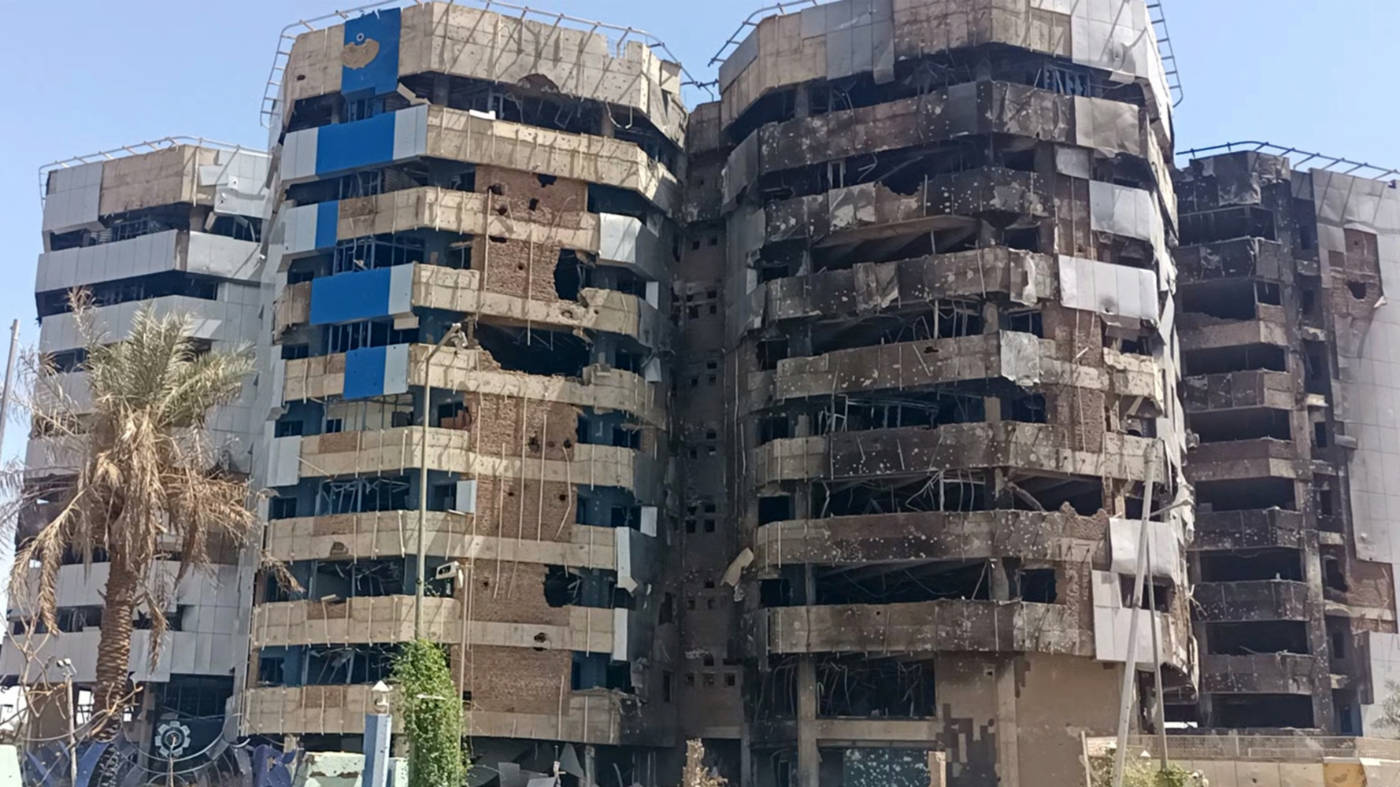
    Sudan has been engulfed in a catastrophic civil war since April 2023, resulting in thousands of fatalities and displacing approximately 13 million people. The conflict pits the paramilitary Rapid Support Forces (RSF) against the Sudanese Armed Forces (SAF), with both factions facing severe allegations of war crimes and human rights violations.

    The RSF, commanded by Mohamed Hamdan ‘Hemedti’ Dagalo, stands accused of orchestrating mass killings in el-Fasher and systematic atrocities against civilians. Meanwhile, the SAF, led by General Abdel Fattah al-Burhan, has similarly been implicated in ethnic-based violence and chemical weapons usage, according to U.S. sanctions.

    This devastating conflict originated from the fractured alliance between Burhan and Hemedti, who previously collaborated to oust long-term ruler Omar al-Bashir in 2019. Their partnership dissolved in 2023 amid disputes over integrating the RSF into the national army, triggering widespread violence that has fractured the nation.

    International dimensions complicate the conflict, with the United Arab Emirates facing credible accusations of supplying advanced weaponry to the RSF despite UN arms embargoes. The Sudanese government formally charged the UAE with complicity in genocide at the International Criminal Court in April 2025, though the case was dismissed on technical grounds.

    Regional actors have aligned with the warring factions: the UAE backs the RSF while Egypt and Saudi Arabia maintain ties with the SAF. The conflict has drawn in various armed groups, including former Darfur rebels and the Sudan People’s Liberation Army-North, which has allied with the RSF.

    The humanitarian situation remains dire, with numerous ceasefire proposals rejected by both sides. International diplomatic efforts have stalled as violence continues to escalate, creating one of the world’s most severe displacement crises and drawing condemnation from human rights organizations worldwide.

  • Lebanon says 3 killed in Israeli strike on vehicle near Sidon

    Lebanon says 3 killed in Israeli strike on vehicle near Sidon

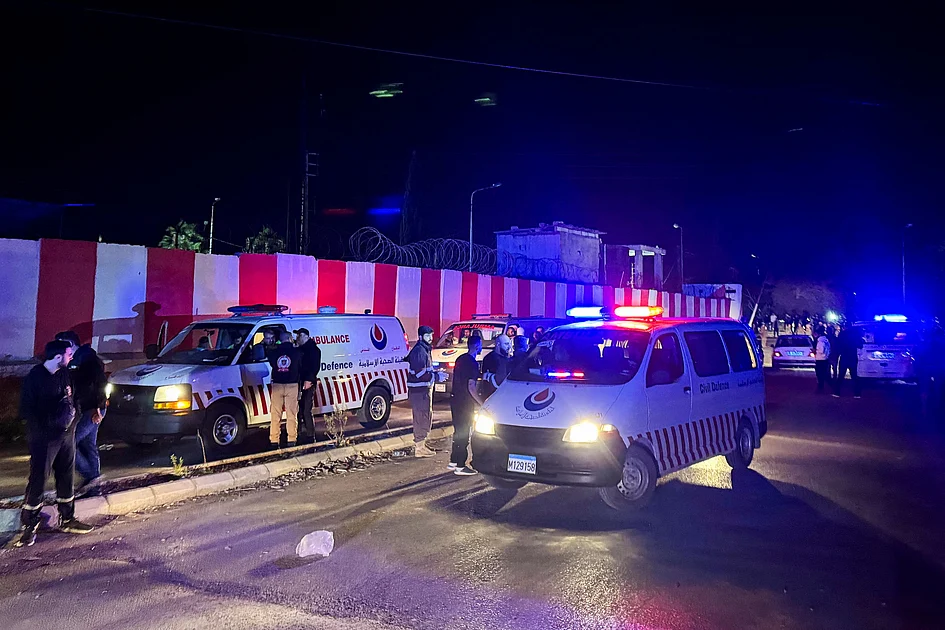
    An Israeli drone strike targeted a vehicle near the southern Lebanese city of Sidon on Monday, resulting in three fatalities according to Lebanese authorities. The attack occurred approximately 10 kilometers from the coastal city, marking one of the northernmost engagements in recent months.

    The Israeli military confirmed the operation, stating it had ‘struck several Hezbollah terrorists in the area of Sidon.’ This development comes amid mounting international pressure on Lebanon to disarm the Iran-backed militant group, particularly in southern regions bordering Israel.

    Lebanese President Joseph Aoun emphasized that ongoing negotiations aim to ‘stop the hostilities, achieve Israel’s withdrawal, return prisoners held in Israel and return southern residents to their villages.’ These diplomatic efforts include unprecedented direct talks between Lebanese and Israeli civilian representatives under the ceasefire monitoring committee’s auspices.

    Prime Minister Nawaf Salam announced that the Lebanese army’s plans for the initial phase of disarmament south of the Litani River are ‘days away from completion.’ The government has expressed readiness to proceed with subsequent phases extending north of the river based on military-prepared strategies.

    The international monitoring committee, comprising representatives from Lebanon, Israel, the United States, France, and the United Nations Interim Force in Lebanon (UNIFIL), continues to oversee these delicate proceedings. Despite a November 2024 ceasefire agreement, tensions persist with regular Israeli strikes targeting what it identifies as Hezbollah operatives.

    According to AFP tallies of Lebanese health ministry reports, Israeli military actions have resulted in over 340 fatalities in Lebanon since the ceasefire took effect. Israel maintains troops in five strategic locations in south Lebanon, citing ongoing security concerns about Hezbollah’s rearmament activities.

  • Bangladesh editors warn of ‘fight for survival’ as mob violence targets media

    Bangladesh editors warn of ‘fight for survival’ as mob violence targets media

    Media executives in Bangladesh issued urgent warnings on Monday that the nation’s press corps faces an existential threat following a wave of targeted mob violence against news organizations. The alarming escalation comes after the assassination of prominent youth activist Sharif Osman Hadi, whose death triggered widespread protests that rapidly devolved into coordinated attacks on major media institutions.

    Hadi, a 32-year-old key figure in the student-led uprising that ousted long-serving Prime Minister Sheikh Hasina last year, was fatally shot by masked assailants in Dhaka while campaigning for February’s parliamentary elections. His killing on Thursday served as the catalyst for subsequent arson and vandalism attacks targeting the offices of leading publications including The Daily Star and Prothom Alo.

    Assailants explicitly accused these media outlets of “serving the interests of India and Sheikh Hasina,” allegations that editors have vehemently denied. Hasina, who fled to India following her removal from power, remains in New Delhi despite extradition requests from Bangladeshi authorities.

    During an emergency meeting convened by the Editors’ Council and Newspaper Owners’ Association of Bangladesh, The Daily Star editor Mahfuz Anam revealed that journalists are receiving direct death threats through social media channels. “We have seen messages specifically calling for hunters to target and kill journalists from The Daily Star and Prothom Alo in their homes,” Anam stated. “This situation has moved beyond concerns about freedom of expression—it has become a fundamental struggle for the right to remain alive.”

    The crisis unfolds against Bangladesh’s troubling position at 149th out of 180 countries on the World Press Freedom Index. Human rights organizations warn that continued attacks on journalists and activists could severely constrict civic freedoms ahead of the February 12 parliamentary elections.

    Adding to the gravity of the situation, New Age editor and Editors’ Council president Nurul Kabir reported being physically assaulted while attempting to rescue colleagues during the attacks. Kabir accused the assailants of attempting to immolate journalists inside their offices.

    The interim administration led by Nobel laureate Muhammad Yunus, which currently governs Bangladesh, has characterized the violence as the work of fringe elements and promised full accountability. Yunus’ press office confirmed on Monday that police have identified 31 suspects and made nine arrests in connection with the assaults.

  • Russia escalates attacks on key Ukrainian region of Odesa

    Russia escalates attacks on key Ukrainian region of Odesa

    The southern Ukrainian region of Odesa has endured hundreds of targeted strikes over the past week, marking a significant escalation in Russia’s offensive strategy. Ukrainian officials report these systematic attacks have crippled power infrastructure for approximately 120,000 residents and caused substantial damage to critical maritime facilities.

    Ukrainian Deputy Prime Minister Oleksiy Kuleba characterized the assaults as calculated operations aimed at dismantling the region’s infrastructure. President Volodymyr Zelensky asserted these attacks represent a deliberate Russian campaign to blockade Ukraine’s maritime access, echoing Vladimir Putin’s December threats to sever Ukraine’s sea connectivity in retaliation for drone strikes on Russia’s sanctioned ‘shadow fleet’ tankers in the Black Sea.

    The humanitarian and economic consequences have been severe. A Sunday night offensive triggered massive power outages and ignited a destructive fire at a major port facility, obliterating dozens of containers storing flour and vegetable oil. This incident follows a tragic ballistic missile strike on Pivdenniy port that claimed eight lives and wounded at least 30 individuals. Earlier attacks resulted in civilian casualties, including a woman killed while traveling with her three children, and damaged the sole bridge connecting Ukraine with Moldova.

    Odesa’s strategic significance cannot be overstated. As Ukraine’s third-largest city and primary remaining functional port, it serves as the nation’s economic lifeline. Since August 2023, it has operated as the launching point for a crucial grain export corridor navigating along Romanian and Bulgarian coastlines to Turkey. Despite ongoing conflict, Ukraine maintains its position as a top global exporter of wheat and corn.

    President Zelensky announced pending leadership changes with the selection of a new regional air force commander following the dismissal of Dmytro Karpenko. Meanwhile, diplomatic efforts continue to stall. Recent US-mediated talks in Miami between Ukrainian and Russian delegations produced optimistic statements but no tangible progress toward ending the nearly four-year conflict.

    The diplomatic divide remains profound. While US Special Envoy Steve Witkoff discussed aligning positions on Ukraine’s 20-point peace proposal, Kremlin officials immediately dismissed European and Ukrainian modifications to peace terms. Russian Deputy Foreign Minister Sergei Ryabkov accused EU nations of actively sabotaging potential Russia-US agreements, alleging European leaders suffer from ‘maniacal’ fears of Russian aggression—concerns Moscow has repeatedly offered to address through written security guarantees.

  • ‘Treated as criminals’: Gaza fishermen risk everything at sea

    ‘Treated as criminals’: Gaza fishermen risk everything at sea

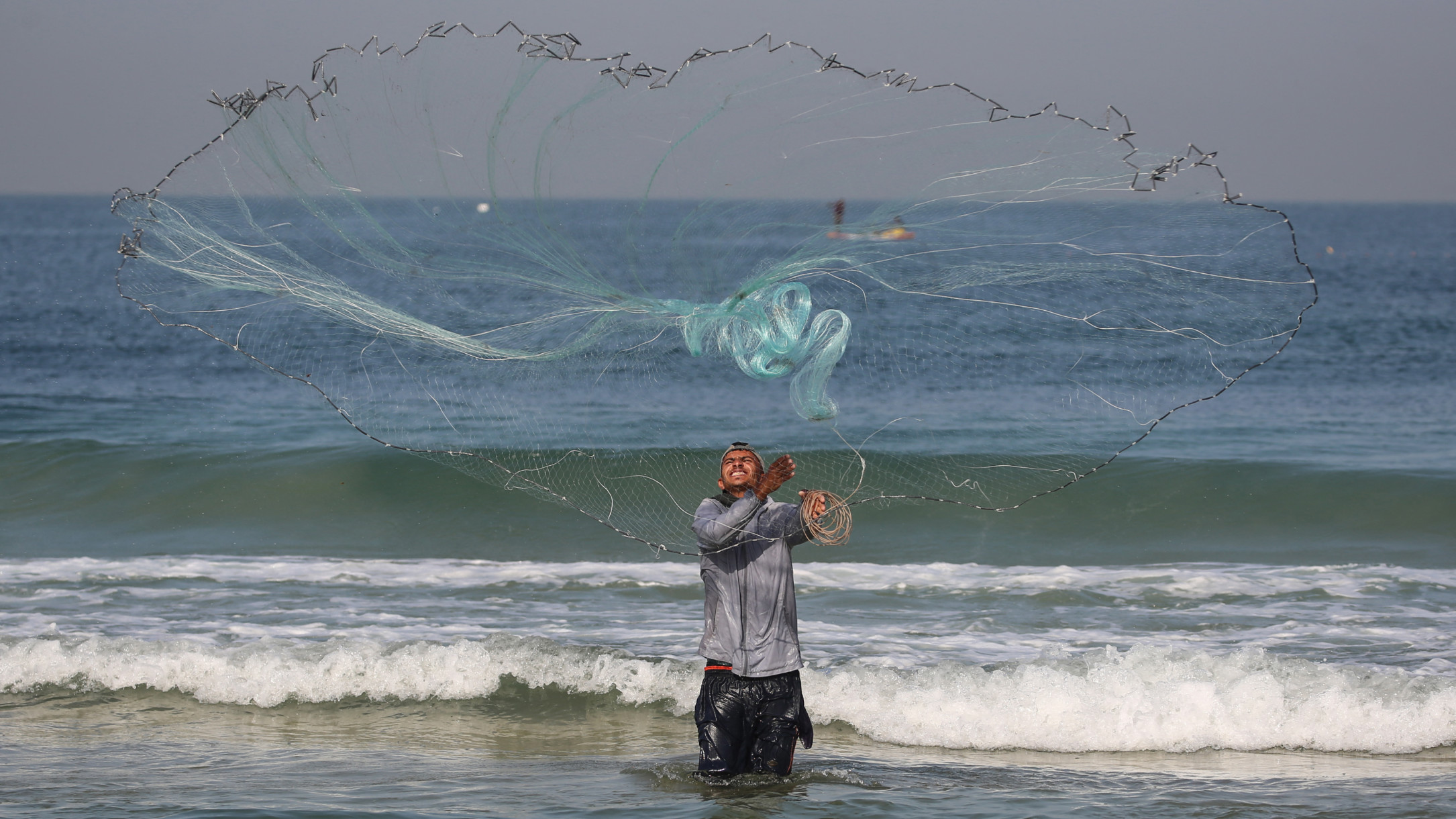
    Ismail Farhat, a Gaza fisherman, endured over two months of brutal detention and torture by Israeli forces after being apprehended at sea—a testament to the systematic targeting of Palestinian fishermen amid Israel’s complete naval blockade of the Strip.

    Despite having his original fishing boat destroyed in previous Israeli bombardments, Farhat continued venturing out on a small handmade punt to feed his family. On October 8, his routine fishing expedition turned into a nightmare when an Israeli naval vessel intercepted him near Deir al-Balah in central Gaza.

    According to Farhat’s account to Middle East Eye, soldiers forced him to strip and swim to their vessel before subjecting him to repeated interrogations. After initially being released, he was abruptly recaptured minutes later when soldiers called him by name and ordered him back into the water.

    “They began insulting and beating me,” Farhat recounted. “As usual, they accused every fisherman of being affiliated with Hamas. They told me I was Hamas and pretending to be a fisherman.”

    Farhat was transported to the notorious Sde Teiman detention facility, where approximately 150 Palestinian detainees were held under severe conditions. For 50 consecutive days, he remained handcuffed around the clock, forbidden from speaking, leaning, or sleeping on anything but iron mesh. Any unintentional movement resulted in punishment, including forced standing for hours.

    Medical care was virtually nonexistent. Requests for painkillers were routinely denied, with detainees subjected to lengthy procedures for even single doses of medication. Farhat described nighttime raids by commando units throwing stun and smoke grenades at prisoners, who were often forced to remain kneeling.

    His experience reflects a broader pattern of systematic suppression of Gaza’s fishing industry. According to Zakaria Bakr, head of the Fishermen Union Committees in Gaza, Israeli forces have destroyed over 95% of Gaza’s fishing sector through killing fishermen, destroying boats, and targeting vital infrastructure including storage facilities, the ice factory, Gaza Port, and the fish market.

    The Palestinian Fishermen Syndicate reports at least 230 fishermen killed since October 2023, with 65 shot dead while actively working at sea. Despite theoretical rights to access up to 20 nautical miles under the Oslo Accords, Israel has imposed a complete naval closure reducing the permitted fishing area to zero.

    Before the war, approximately 4,500 registered fishermen operated in Gaza, with another 3,500 working under temporary permits or in related sectors. Today, only 400-500 remain, using makeshift platforms reconstructed from destroyed boats and refrigerator doors. Daily catches have plummeted from pre-war levels of up to 15 tonnes to just 16 kilograms collectively.

    “No one is allowed to enter the sea,” Bakr stated. “This is collective punishment.”

    Farhat was released on December 16 as part of ceasefire negotiations between Israel and Palestinian factions, but countless fishermen remain detained without charge, their families deprived of both livelihoods and loved ones in what human rights organizations describe as a deliberate strategy of maritime suppression.

  • UAE offers condolences over victims of school bus accident in Colombia

    UAE offers condolences over victims of school bus accident in Colombia

    The United Arab Emirates has formally expressed its profound condolences and solidarity with the Republic of Colombia following a devastating school bus accident that claimed multiple lives. Through an official statement released by its Ministry of Foreign Affairs (MoFA), the UAE government conveyed its heartfelt sympathies to the families of the victims, the Colombian people, and its wishes for the swift recovery of those injured in the tragic incident.

    The fatal accident occurred when a bus carrying high school students plunged approximately 40 meters into a ravine in a rural, northern region of Colombia. The victims were identified as 16 students, aged between 16 and 18 years old, who were celebrating their recent graduation, along with their bus driver. The group was returning from a trip to a Caribbean beach on the Colombian coast. According to reports from Agence France-Presse (AFP), an additional 20 individuals sustained injuries in the devastating plunge.

    The students were from an educational institution in the municipality of Bello, located near the city of Medellin. The incident, which transpired last week, has cast a pall of mourning over the local community and drawn international attention and expressions of sympathy from nations worldwide, highlighting the global resonance of the tragedy.

  • US in ‘pursuit’ of third oil tanker in Caribbean, says official

    US in ‘pursuit’ of third oil tanker in Caribbean, says official

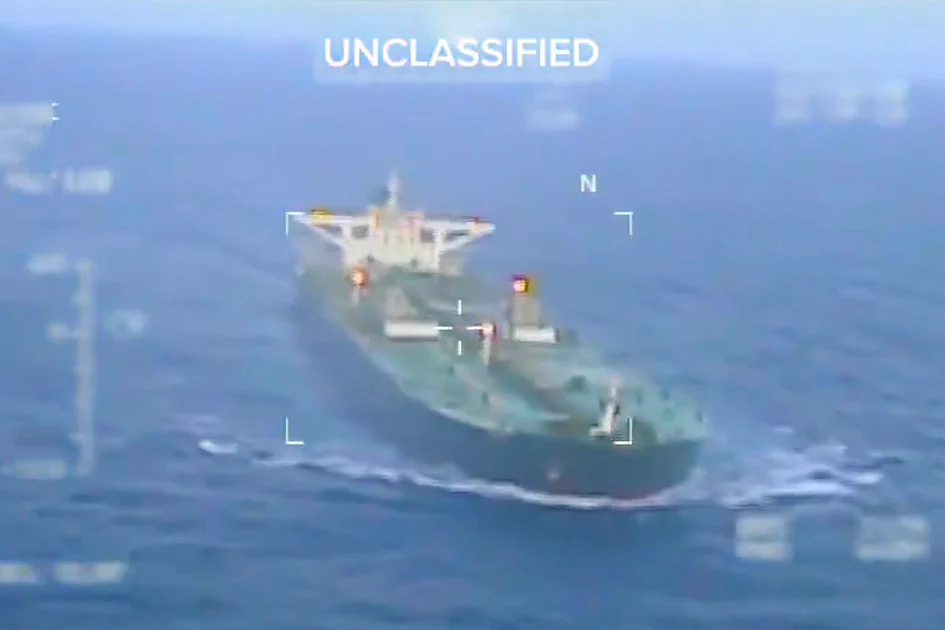
    The United States Coast Guard has initiated an active pursuit operation targeting a third sanctioned oil tanker in Caribbean waters, according to an official statement received by AFP on Sunday. This development represents the latest escalation in Washington’s intensified pressure campaign against Venezuela’s crucial petroleum industry.

    The vessel in question has been identified by maritime authorities as the Bella 1, an oil tanker that has been subject to American sanctions since 2024 due to its purported connections with Iran and Hezbollah. The US official, who requested anonymity, characterized the ship as operating under a false flag while being part of Venezuela’s “illegal sanctions evasion” network and subject to a judicial seizure order.

    This maritime operation follows the dramatic seizure of the Chinese-owned, Panama-flagged tanker Centuries just one day earlier. According to TankerTrackers, a specialized vessel monitoring service, the Centuries had loaded approximately 1.8 million barrels of crude oil at a Venezuelan port earlier this month before being intercepted and escorted beyond Venezuela’s exclusive economic zone on December 18.

    The current pursuit marks the third such intervention within a two-week period, demonstrating the implementation of President Donald Trump’s December 16 announcement establishing a blockade against “sanctioned oil vessels” traveling to and from Venezuela. The administration maintains that these measures are necessary to recover allegedly stolen US assets from the oil-rich South American nation.

    Meanwhile, Venezuelan Vice President Delcy Rodriguez addressed the situation through social media channels, highlighting that American petroleum giant Chevron had simultaneously dispatched a tanker carrying Venezuelan crude to the United States. Rodriguez emphasized that this shipment occurred “in strict adherence to regulations and in fulfillment of the commitments undertaken by our oil industry,” while notably avoiding direct commentary on the interdicted vessels.

    The geopolitical tension is further compounded by the deployment of a substantial US naval armada to the Caribbean under the stated mission of combating drug trafficking—a justification that Caracas dismisses as pretext for a campaign to overthrow President Nicolas Maduro and gain control over Venezuela’s substantial oil reserves.

    The Trump administration alleges that Venezuela utilizes its primary resource, petroleum, to finance “narcoterrorism,” prompting additional military actions including a series of airstrikes against suspected drug trafficking vessels since September. These operations, which have resulted in over 100 fatalities, have faced scrutiny regarding their legal justification under international law.

  • Critically endangered ‘camel bird’ returns to Saudi Arabia after almost 100 years

    Critically endangered ‘camel bird’ returns to Saudi Arabia after almost 100 years

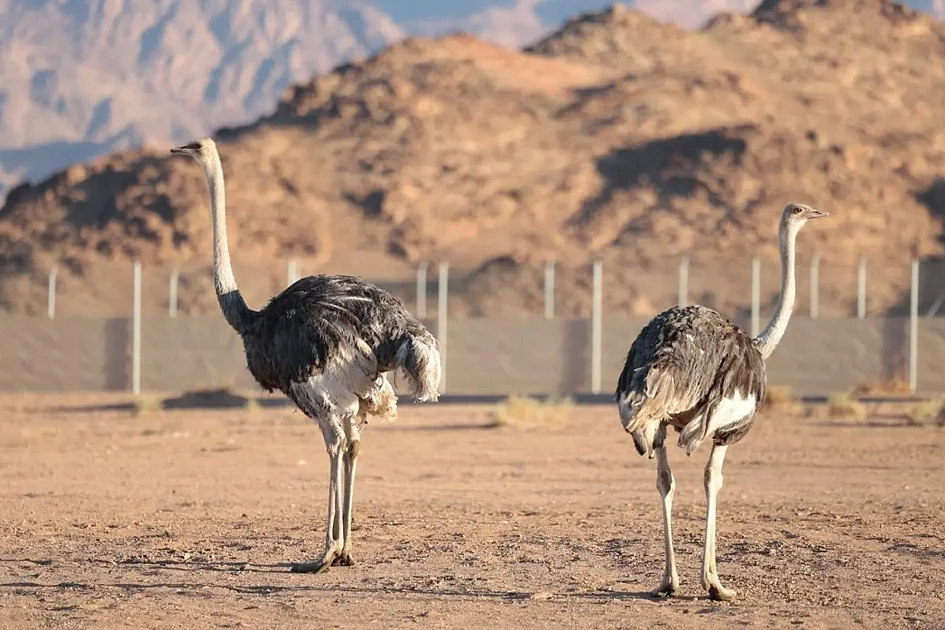
    In a landmark conservation achievement, the Prince Mohammed bin Salman Royal Reserve has successfully reintroduced the critically endangered red-necked ostrich to Saudi Arabia’s deserts after nearly a century of absence. This ambitious initiative represents a biological replacement for the extinct Arabian ostrich, which vanished from the region in the early 20th century due to excessive hunting and habitat destruction.

    The red-necked ostrich (Struthio camelus camelus), known historically as the ‘camel bird’ and genetically identified as the closest living relative to the Arabian subspecies, has been carefully selected for its remarkable adaptability to arid environments. With fewer than 1,000 individuals remaining worldwide—primarily scattered across Africa’s Sahel region—this reintroduction marks a critical intervention for the species’ survival.

    This project forms part of a comprehensive ecosystem restoration strategy that has already reintroduced 12 of 23 historically occurring species, including the Arabian oryx, Persian onager, and various gazelle species. The 24,500 square kilometer reserve, spanning from the Harrat lava fields to the Red Sea, represents one of the Middle East’s most biodiverse protected areas, encompassing 15 distinct ecosystems while hosting over 50% of Saudi Arabia’s documented species.

    The reintroduction program aligns with Saudi Arabia’s Vision 2030 and the Saudi Green Initiative, which commit to protecting 30% of the Kingdom’s terrestrial and marine territories by 2030. The royal reserve system, established by royal decree and overseen by Crown Prince Mohammed bin Salman, represents a significant national investment in environmental stewardship and biodiversity conservation.

    Ostriches serve as essential ecosystem engineers, contributing to seed dispersal, insect population control, and maintaining healthy rangeland habitats. Their return promises to restore ecological functions lost with the extinction of the Arabian ostrich, while reviving cultural connections to a species celebrated in ancient Arabic poetry and depicted in sandstone petroglyphs throughout the region.