分类: world

  • At least 26 dead, 14 missing as boat capsizes in northeast Nigeria

    At least 26 dead, 14 missing as boat capsizes in northeast Nigeria

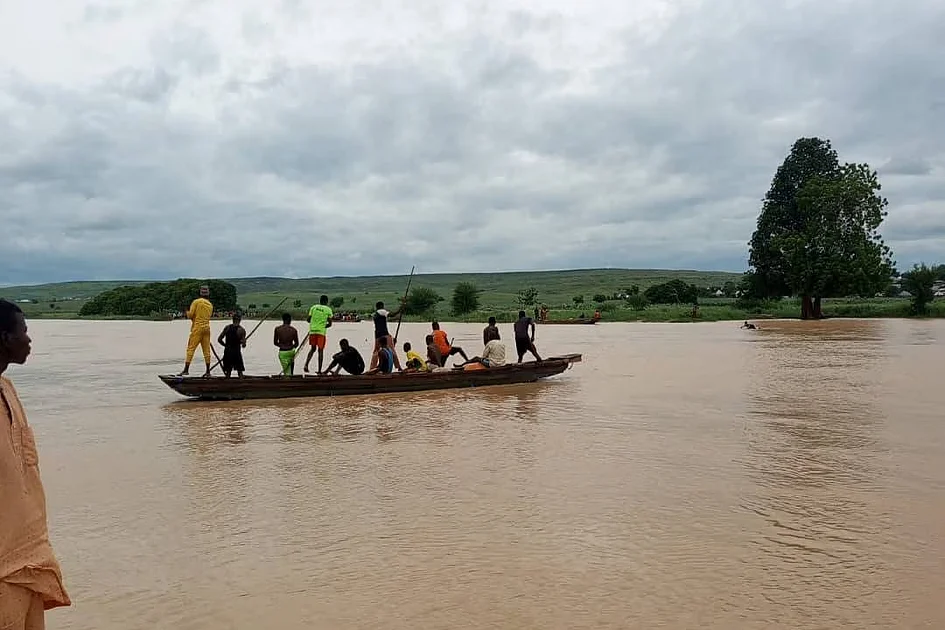
    A devastating maritime accident has struck northeastern Nigeria, resulting in significant loss of life when an overloaded passenger vessel capsized during transit between states. Emergency services confirmed at least 26 fatalities with 14 individuals remaining missing following Saturday’s tragedy on the region’s busy waterways.

    The catastrophic incident occurred as the rudimentary boat journeyed from Jigawa State to Yobe State, carrying local farmers and fishermen. According to Mohammed Goje, Executive Director of Yobe State’s Emergency Management Agency, the craft succumbed to unknown circumstances late Saturday, plunging passengers into perilous waters.

    Rescue operations mobilized immediately with emergency volunteers recovering two dozen bodies from the accident site. Thirteen survivors were successfully rescued and provided medical attention, while search teams continue recovery efforts for the remaining missing persons. The ongoing operation faces challenges typical of Nigeria’s riverine regions where infrastructure limitations complicate disaster response.

    This tragedy highlights persistent transportation safety issues plaguing Nigerian waterways, where overcrowding, inadequate maintenance, and regulatory non-compliance regularly contribute to preventable accidents. National records indicate similar incidents claim dozens of lives annually across the country’s extensive network of rivers and water channels, raising urgent questions about enforcement of maritime safety protocols and vessel capacity regulations.

    The latest capsizing incident represents one of the most severe water transportation disasters in recent months, underscoring the critical need for improved safety measures and regulatory oversight in Nigeria’s vital river transport systems that serve countless communities dependent on waterborne mobility.

  • Iran protests: Death toll rises to 16 amid ongoing crackdown

    Iran protests: Death toll rises to 16 amid ongoing crackdown

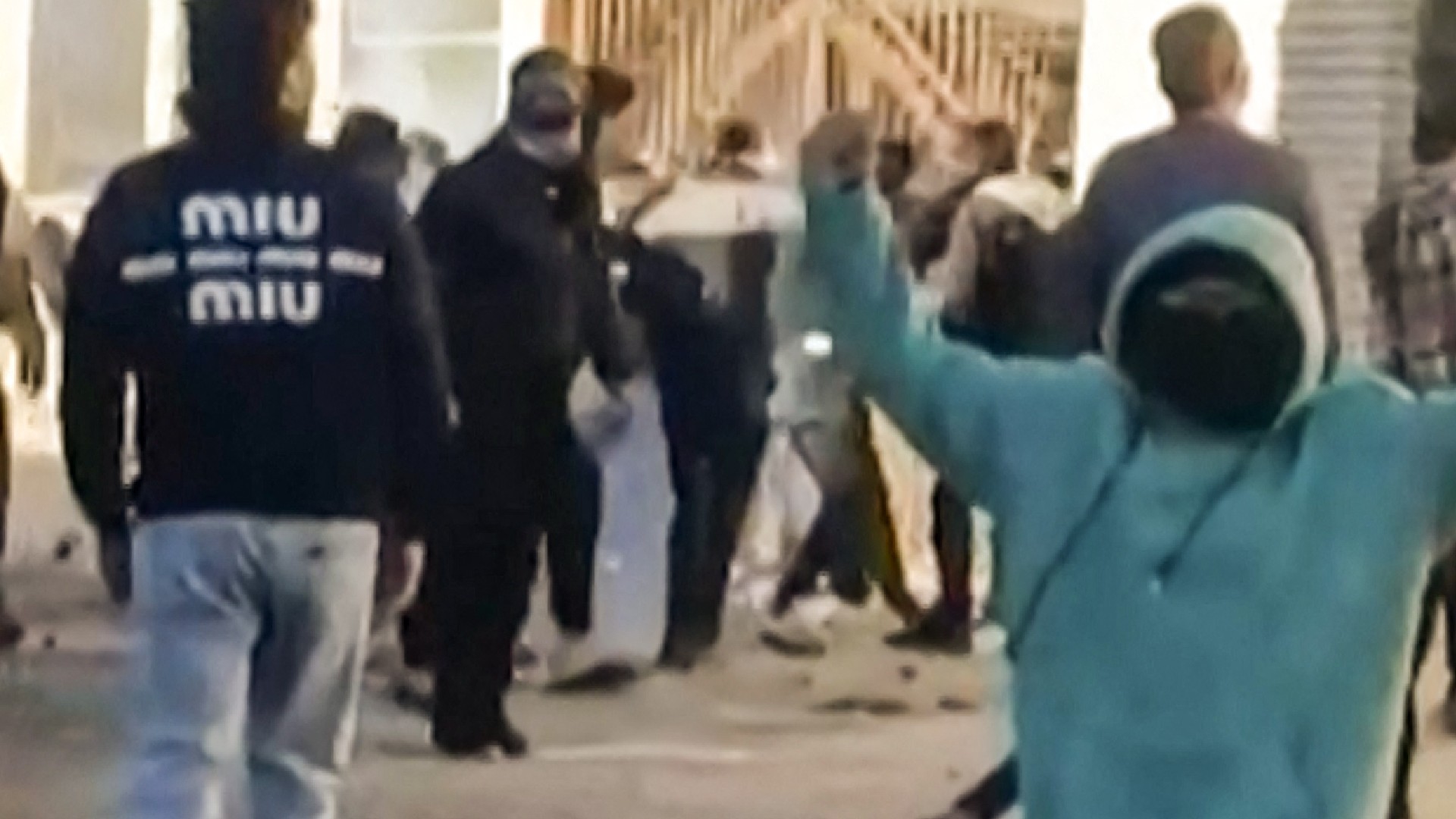
    Iranian security forces have reportedly killed at least four protesters during demonstrations in Malekshahi county, Ilam province, according to Norway-based Iran Human Rights (IHRNGO). The organization documented 30 additional injuries resulting from clashes between security forces and demonstrators on Saturday.

    The protests, initially sparked by economic grievances including soaring inflation and the collapsing rial currency, have rapidly evolved into widespread political dissent across at least 30 Iranian cities. This represents the most significant wave of civil unrest since 2022, though demonstrations have yet to reach the capital, Tehran.

    Conflicting casualty figures have emerged from various human rights monitors. Kurdish rights group Hengaw estimates at least 17 fatalities since protests commenced last week, while activist network HRANA reports 16 deaths and 582 arrests nationwide.

    The economic foundation of the unrest traces to the Iranian rial’s catastrophic devaluation, with the currency trading at approximately 1.45 million to the US dollar by December’s end—a stark contrast to the 55,000-rial exchange rate in 2018 before the reimposition of US sanctions. Analysts attribute the economic collapse to comprehensive US sanctions on Iran’s energy exports, international banking restrictions, and domestic corruption.

    International tensions escalated when US President Donald Trump declared Friday that Washington would “come to the rescue” if Iran continued using lethal force against protesters, stating America was “locked and loaded and ready to go.”

    Iranian officials responded aggressively to both domestic unrest and international threats. Ali Larijani, secretary of Iran’s supreme national security council, accused the US and Israel of instigating protests and warned of regional destabilization should America intervene. Pro-government media have similarly characterized protesters as foreign pawns, raising concerns about potential justification for intensified crackdowns.

  • Nicolas Maduro put in New York jail; Venezuela’s VP demands his release

    Nicolas Maduro put in New York jail; Venezuela’s VP demands his release

    In an unprecedented military operation, Venezuelan President Nicolás Maduro has been apprehended by U.S. forces and transported to New York City to face federal charges. The dramatic capture occurred following early Saturday airstrikes on Caracas that targeted key military installations, marking a significant escalation in Washington’s efforts to dismantle Maduro’s administration.

    White House-released footage depicts the 63-year-old leftist leader handcuffed and wearing sandals while being escorted through a Manhattan DEA facility. Maduro, who has governed Venezuela for over a decade amid widespread allegations of electoral manipulation, was heard offering a subdued greeting in English: ‘Good night, happy new year.’

    The operation involved approximately 150 aircraft providing support for commandos who extracted Maduro and his wife based on extensive intelligence regarding his personal routines. General Dan Caine confirmed the capture occurred without resistance and with no American casualties, though President Trump subsequently indicated ‘many’ Cuban security personnel had been killed during the intervention.

    Venezuela’s political future remains uncertain as Vice President Delcy Rodriguez assumed acting presidential powers following a Supreme Court directive. Rodriguez has vehemently demanded Maduro’s immediate release while vowing to defend national sovereignty, despite Trump’s suggestion of potential cooperation with her administration.

    The U.S. President openly acknowledged strategic economic interests behind the operation, stating American oil companies would invest billions to rehabilitate Venezuela’s crippled petroleum infrastructure. The country possesses approximately 17% of global oil reserves but currently produces under one million barrels daily due to systemic mismanagement.

    International reactions reflect deep divisions. While exiled Venezuelans celebrated from Madrid to Miami, traditional U.S. allies including France and the EU joined China, Russia, and Iran in condemning the operation. United Nations Secretary-General António Guterres expressed profound concern regarding potential violations of international law, with the Security Council scheduled to convene urgently to address the crisis.

  • At least 30 killed in attack on Nigeria village

    At least 30 killed in attack on Nigeria village

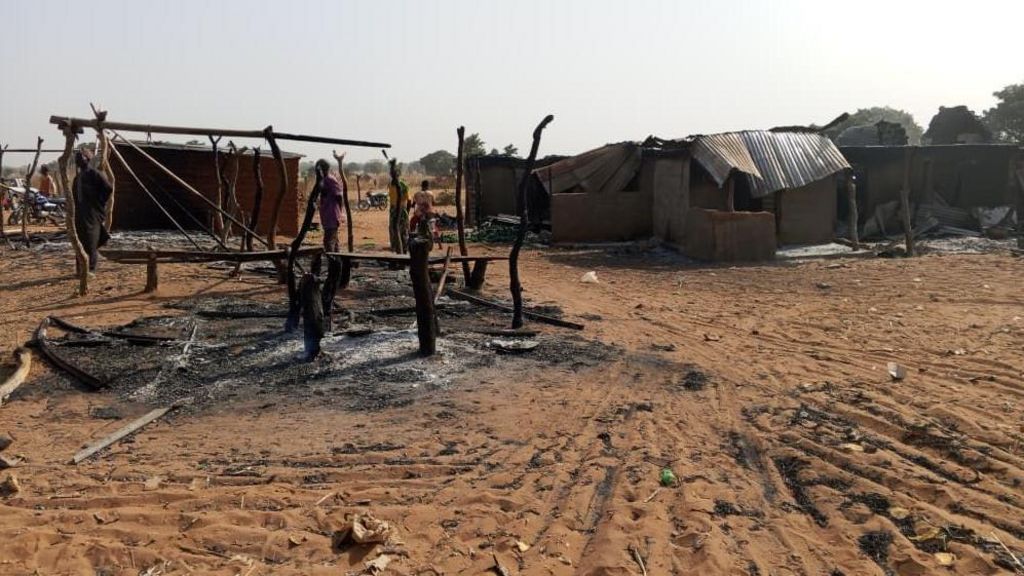
    In a brutal assault that underscores Nigeria’s escalating security crisis, armed militants slaughtered at least 30 civilians during a coordinated attack on Kasuwan-Daji village in Niger State. The assailants, emerging from nearby forests on motorcycles, unleashed terror upon the rural community this past Saturday.

    The attack followed a familiar pattern of violence plaguing northwestern Nigeria. Witnesses reported that gunmen systematically rounded up villagers before executing them, with some victims slaughtered while others were shot at close range. The assailants simultaneously torched the community’s central marketplace and looted commercial establishments before abducting an unspecified number of residents.

    Local authorities confirmed the grim details through multiple channels. Abdullahi Rofia of the Niger State Emergency Management Agency described a population paralyzed by fear, noting that survivors remain too terrified to speak publicly about the atrocities. ‘They are hiding, they are too afraid to talk to anybody,’ Rofia explained. ‘They are scared that if you talk, they will turn and do the same to you.’

    This violence occurs against a backdrop of worsening security conditions throughout Nigeria’s central and western regions. Despite government classifications designating these criminal groups as terrorist organizations, attacks have intensified in both frequency and brutality. Niger State police spokesperson Wasiu Abiodun confirmed that emergency response teams have been deployed to assist the wounded while security forces pursue hostage recovery operations.

    The timing of this massacre proves particularly alarming to security analysts, occurring merely one day after state authorities announced phased school reopenings following November’s mass abduction of 250 students and staff from St. Mary’s Catholic School in Papiri. While those hostages were eventually rescued before Christmas, the latest violence suggests security measures remain critically inadequate.

    Villagers expressed desperation through interviews with BBC Hausa service, with one witness lamenting the absence of security forces during the attack. ‘We are dying like chickens, and does the government care about us?’ the survivor questioned. ‘The government hears and sees what is happening, but it is not doing anything about it.’

    This incident represents the latest in a devastating pattern of village attacks throughout Niger State, driving internal displacement as lifelong residents flee territories their families have inhabited for generations. The federal prohibition on ransom payments appears routinely ignored in practice, creating a complex crisis that continues to evolve without clear resolution.

  • Italy: Thousands stranded overnight as Bergamo airport halts flights

    Italy: Thousands stranded overnight as Bergamo airport halts flights

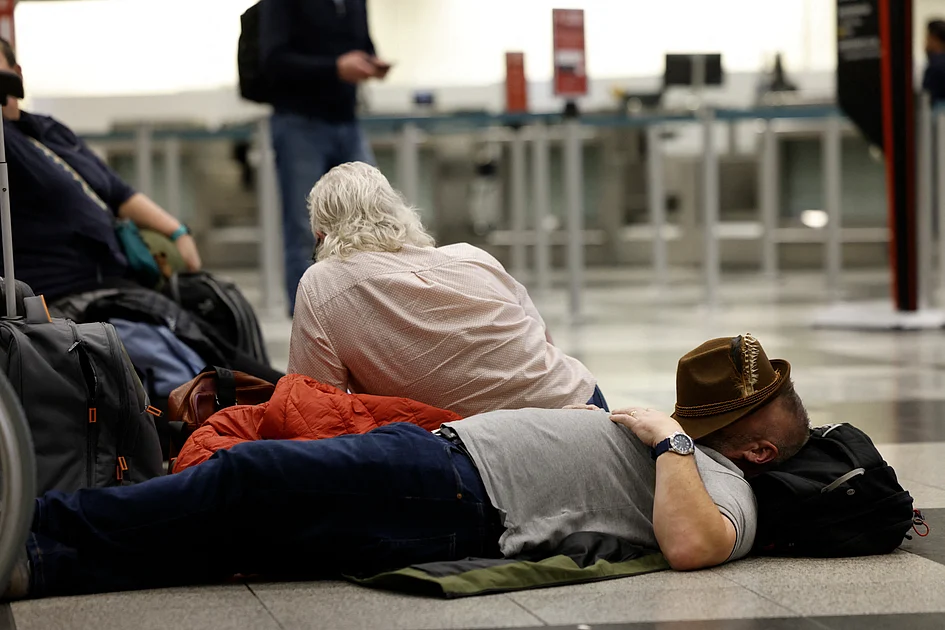
    A significant operational disruption at Italy’s Bergamo Orio al Serio Airport (BGY) left thousands of passengers stranded overnight Saturday into Sunday. The airport, a major hub for Ryanair serving the Milan region, was forced to suspend all flight operations due to a critical confluence of adverse weather and a technical malfunction.

    The primary cause of the halt was identified as a failure within the instrument landing system (ILS), a crucial navigational aid that guides aircraft during low-visibility approaches. This technical issue was severely compounded by poor weather conditions, including dense fog, which rendered visual landings unsafe. SACBO, the airport’s operating company, confirmed the technical fault was rectified by approximately midnight. However, the airport’s official website continued to issue advisories warning travelers of potential ongoing delays and cancellations throughout Sunday.

    According to reports from Italian media, the cascading effects of the shutdown were substantial. A total of 26 departing flights were canceled outright. Furthermore, six inbound flights were diverted to alternative airports, while an additional seven flights were officially rescheduled for the following day. With all movement suspended, travelers had no choice but to bed down inside the terminal. Circulated images depicted a scene of widespread inconvenience, with passengers sleeping on floors and even atop airport baggage carousels in an attempt to rest.

    The Corriere della Sera daily reported that the initial flight suspensions began around 6:00 PM local time (1700 GMT) on Saturday. By Sunday morning, the airport’s real-time flight status board displayed a lengthy catalog of disruptions, predominantly affecting Ryanair’s schedule. While some flights, including a delayed service to Cagliari and a Neos airline flight to Sharm-el-Sheikh, managed to depart later in the morning, the backlog of passengers and aircraft indicated that full operational normality would take time to restore.

  • France, UK conduct joint strikes against IS in Syria

    France, UK conduct joint strikes against IS in Syria

    In a significant display of multinational military cooperation, British and French armed forces executed coordinated airstrikes against Islamic State positions in northeastern Syria on Saturday night. The joint operation targeted a subterranean weapons storage facility utilized by the terrorist organization in the sparsely populated desert region north of Palmyra.

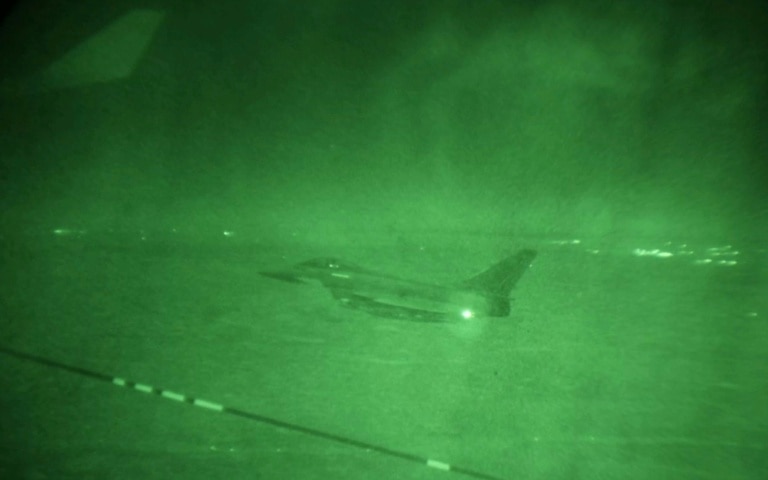
    The UK Ministry of Defence released video documentation showing Royal Air Force Typhoon aircraft conducting aerial refueling maneuvers during the mission. Military authorities from both nations confirmed the operation was conducted under the umbrella of Operation Inherent Resolve, the United States-led international coalition against Islamic State forces across Iraq and Syria.

    According to official statements, the targeted complex was situated in an area devoid of civilian population, with no indications of collateral damage or civilian casualties reported. The strategic strikes aimed to disrupt ISIS’s logistical capabilities and prevent the terrorist organization from regrouping and reestablishing operational strength in the region.

    The operation comes amid heightened security concerns following last month’s attack in Palmyra, where an ISIS gunman killed two American soldiers and a civilian contractor. This incident prompted retaliatory strikes by US forces against dozens of ISIS targets throughout Syria.

    The historic city of Palmyra, home to UNESCO World Heritage archaeological sites, previously served as a stronghold for jihadist fighters before being liberated from ISIS control. The recent military action underscores ongoing international efforts to maintain security stability under the administration of President Ahmed al-Sharaa, who assumed power following the ouster of former leader Bashar al-Assad approximately one year ago.

  • Stuck in Afghanistan, Pakistanis want border to finally reopen

    Stuck in Afghanistan, Pakistanis want border to finally reopen

    A protracted border closure between Pakistan and Afghanistan has created a humanitarian and economic crisis, leaving thousands of students, merchants, and families stranded with no clear resolution in sight. The land crossings have remained shut for nearly three months following deadly clashes in October that resulted in over 70 casualties, severing a vital conduit for communities on both sides.

    The colonial-era Durand Line, a 2,600-kilometer border dividing the two South Asian nations, is normally a bustling artery for those who share deep cultural, economic, and familial ties. Its closure has particularly impacted the Pashtun communities it bifurcates—the same ethnic group that forms the core support for the Afghan Taliban government.

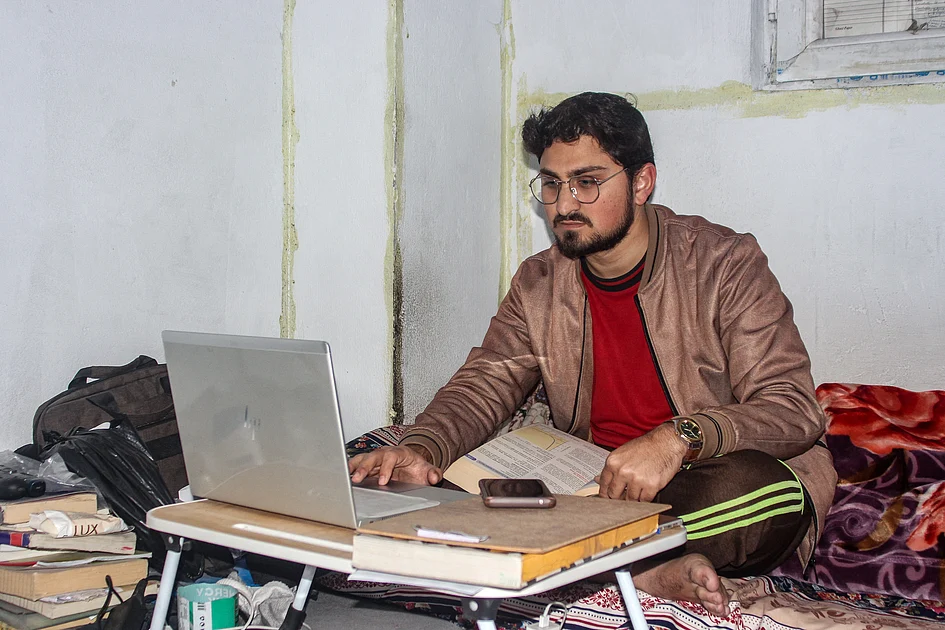
    University students represent a significant portion of those trapped. Shah Faisal, a 25-year-old medical student in Afghanistan, exemplifies the personal toll, stating, ‘We miss our parents and relatives,’ after his plans to return to Pakistan during the winter break were thwarted. With commercial flights being prohibitively expensive and smuggling routes deemed too dangerous, an estimated 500-600 Pakistani students in Nangarhar province alone are seeking safe passage home.

    The impasse stems from Islamabad’s allegations that Kabul is providing sanctuary to militant groups launching attacks on Pakistani soil—a charge the Taliban administration vehemently denies. Despite mediation attempts, no lasting agreement has been reached, and both governments have warned that hostilities could reignite at any moment.

    Beyond the student population, the closure has crippled cross-border commerce and stranded travelers. Ehsanullah Himmat, a 21-year-old shopkeeper, traveled to Kandahar for a wedding and now finds himself and his family effectively displaced, reliant on the hospitality of relatives as winter sets in. For truck drivers like Khan Muhammad, idled at the Spin Boldak crossing, livelihoods have evaporated. ‘Work has come to a standstill,’ he lamented. ‘All our livelihoods depend on this gate.’

    Official channels offer limited respite. Pakistan’s foreign ministry acknowledged nearly 1,200 citizens seeking repatriation assistance through its Kabul embassy, with just over 300 managing to return via air by December’s end. With neither government signaling a timeline or conditions for reopening, the fates of thousands hang in the balance, awaiting a political solution to a deeply entrenched dispute.

  • From Caracas ‘fort’ to New York court: Maduro’s capture in pictures and maps

    From Caracas ‘fort’ to New York court: Maduro’s capture in pictures and maps

    In an unprecedented military operation codenamed “Operation Absolute Resolve,” United States forces successfully captured Venezuelan President Nicolás Maduro and his wife Cilia Flores during a meticulously planned dawn raid on Saturday. The operation, which culminated months of strategic planning, lasted approximately 150 minutes from execution to extraction.

    The assault commenced at approximately 02:00 local time (06:00 GMT) with coordinated airstrikes targeting key military installations in Caracas, including Fuerte Tiuna—Venezuela’s largest military complex and residential compound for high-ranking officials. US forces implemented a citywide power blackout described by former President Donald Trump as “dark and deadly,” effectively disabling Venezuelan air defenses and creating optimal conditions for the insertion of special operations units.

    Elite Delta Force troops penetrated the fortified compound at 02:01 local time, encountering minimal resistance during the apprehension. According to General Dan Caine, the nation’s highest-ranking military officer, the Maduros “gave up” without struggle as they attempted to reach a secured safe room characterized by Trump as a military “fortress” with “very thick, very heavy” steel doors.

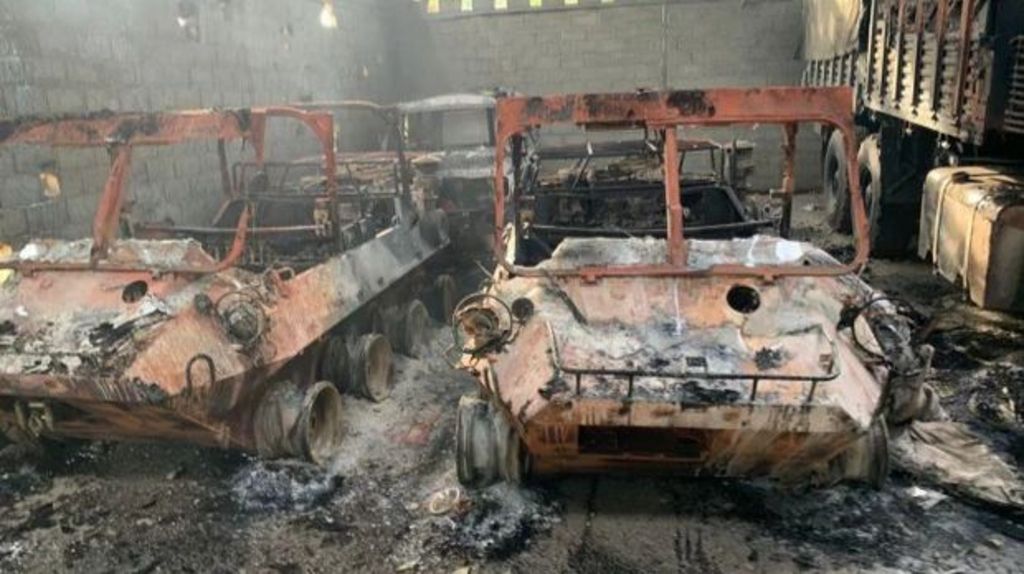
    Visual documentation from the operation reveals extensive structural damage at Fuerte Tiuna, with bombed-out buildings and charred vehicles visible throughout the complex. Military helicopters faced anti-aircraft fire during the insertion but sustained no critical damage according to official reports.

    The captured leaders were immediately transported via helicopter to the USS Iwo Jima stationed in the Caribbean, achieving extraction “over the water” by 04:29 local time. Distributed images show Maduro in custody wearing handcuffs, ear protection, and specialized eyewear resembling darkened sunglasses.

    Following initial processing at Guantánamo Bay’s naval facility, the detainees were transferred to Stewart Air National Guard Base in New York before concluding their journey via helicopter to Manhattan. The couple now faces multiple federal charges including conspiracy to commit narco-terrorism, cocaine importation, and weapons violations. They remain held at a New York detention facility adjacent to Federal Bureau of Prisons headquarters under maximum security protocols.

    Attorney General Pam Bondi confirmed the detainees will “face the full wrath of American justice on American soil in American courts” as Venezuela declares a national emergency following the unprecedented cross-border military action.

  • Four Indians killed in Saudi road accident: Media reports

    Four Indians killed in Saudi road accident: Media reports

    A Kerala family’s spiritual journey to Saudi Arabia ended in tragedy on Saturday evening when a fatal road accident claimed four lives. The incident occurred at approximately 6 PM local time as the family traveled from Makkah to Madinah following their completion of the Umrah pilgrimage.

    According to multiple Indian media reports, the deceased have been identified as Abdul Jaleel, a resident of Manjeri in Kerala’s Malappuram district; his wife Tasna Thodengal; their young son; and Jaleel’s mother Maimunath Kakkengal. The family had undertaken the religious pilgrimage as part of their spiritual obligations.

    Two daughters of Abdul Jaleel survived the catastrophic collision but sustained significant injuries. They are currently receiving medical treatment at undisclosed healthcare facilities in Saudi Arabia. Local authorities have launched an investigation into the circumstances surrounding the accident, though specific details regarding the cause remain unclear.

    The Indian community in Saudi Arabia and diplomatic representatives have been alerted to provide necessary assistance to the surviving family members. Such incidents highlight the risks faced by international pilgrims traveling along Saudi Arabia’s extensive road networks, particularly during peak religious seasons when millions visit the holy cities.

  • ‘Stunned’: Dubai billionaire questions implications of US action in Venezuela

    ‘Stunned’: Dubai billionaire questions implications of US action in Venezuela

    Prominent Dubai billionaire Khalaf Al Habtoor has expressed profound shock and condemnation following the United States’ military intervention in Venezuela and the subsequent arrest of President Nicolás Maduro. The chairman of Al Habtoor Group publicly questioned the ethical and legal foundations of unilateral action against a sovereign nation, sparking international discourse about state sovereignty and global power dynamics.

    In a strongly worded statement disseminated through social media platforms, Al Habtoor challenged the justification behind President Donald Trump’s announcement that the US would assume control of Venezuela’s governance and natural resources. The Emirati business magnate raised fundamental questions about international law, asking whether national sovereignty had become ‘a mere detail’ in global politics and expressing concern about the precedent set by such actions.

    Al Habtoor emphasized that this situation transcends political disagreement, representing instead a critical ethical and humanitarian issue. He called attention to the implications for Venezuela’s population of approximately 30 million people, whose national leadership was determined through external intervention rather than democratic processes.

    The billionaire philanthropist, known for his outspoken commentary on global affairs, further questioned the international community’s response and the United Nations’ position regarding what he characterized as a violation of established international norms. He warned that this breach of sovereignty could establish dangerous precedents with unpredictable consequences for global stability.

    Beyond his business accomplishments, Al Habtoor has established himself as a vocal commentator on social and political matters, regularly hosting discussions in Dubai on contemporary issues. His previous engagements include proposing a reconstruction plan for Gaza in October 2025 and advocating for social policies encouraging marriage among Emirati youth.