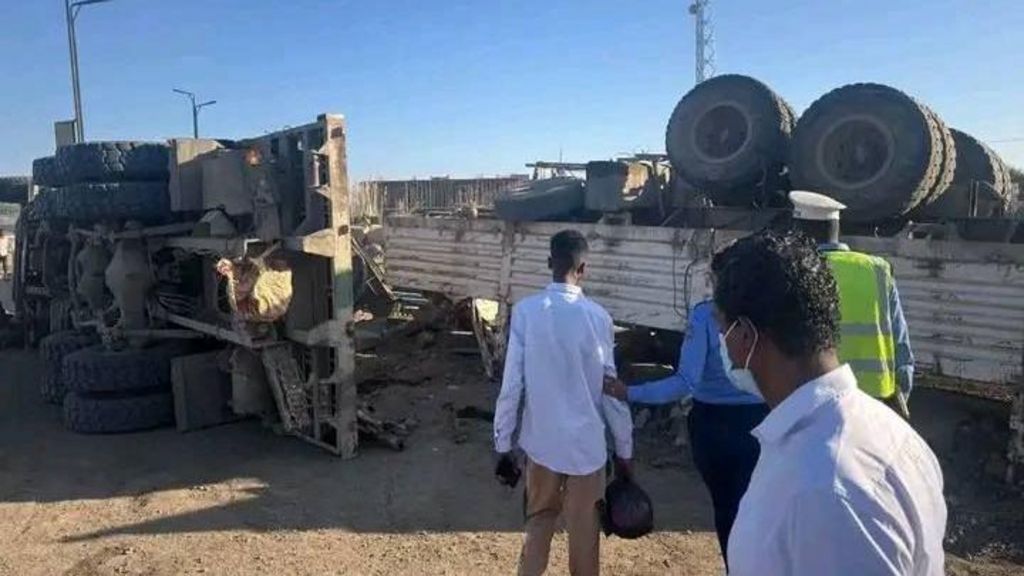
In a significant crackdown on narcotics trafficking, Oman’s Royal Police have successfully arrested five members of an international drug gang. The suspects, all of Asian nationality, were apprehended in coordinated raids across various locations at different times. The operation was led by the General Directorate for Combating Drugs and Psychotropic Substances in collaboration with the South Al Batinah Police Command. The gang is accused of smuggling drugs into Oman, preparing them for re-export to other countries, and distributing a portion within the Sultanate. A 2.56-minute video released by the police details the meticulous planning and execution of the raids. Authorities noted that the gang attempted to cross into Oman but were intercepted following suspicious activities. This bust follows another major arrest in October, where an Arab national was caught with over 24 kilograms of narcotics on a passenger bus. These operations underscore Oman’s commitment to combating drug trafficking and protecting its borders.
分类: world
-

Philippines’ Kanlaon Volcano spews ash; alert level 2 remains
The Kanlaon Volcano on Negros Island in the Philippines has once again made headlines with its recent ash emission on the morning of October 31, 2025. According to the Philippine Institute of Volcanology and Seismology (PHIVOLCS), the volcano’s summit crater spewed ash for seven minutes starting at 6:30 AM local time. The event produced grayish plumes that rose 250 meters above the crater before drifting northwest, as captured by the Kanlaon Volcano Observatory’s IP camera. This latest activity follows the volcano’s eruption on October 24, which prompted authorities to maintain Alert Level 2, indicating heightened unrest and the potential for sudden steam-driven or phreatic eruptions. Under this alert level, entry into the four-kilometre Permanent Danger Zone (PDZ) and any aircraft activity near the volcano are strictly prohibited. The ongoing volcanic activity has already displaced thousands of residents earlier this year. In July, over 94,000 individuals across 30 neighbourhoods were affected, with nearly 6,000 seeking refuge in evacuation centres and over 10,600 finding temporary shelter elsewhere. The Philippine government has responded by providing more than Php192.7 million in humanitarian aid to support the affected communities. As the situation remains volatile, residents and authorities are on high alert, with PHIVOLCS continuing to monitor the volcano closely.
-

Kuwait: Resident arrested with 10 kgs of pure drugs worth nearly 170,000 dinars
In a significant crackdown on drug trafficking, Kuwaiti authorities have arrested an Asian resident in the Al-Mangaf area for possessing 10 kilograms of pure narcotics. The seizure, conducted by the General Directorate for Drug Control, included six kilograms of pure heroin and four kilograms of shabu (crystal meth), with an estimated market value of 170,000 Kuwaiti dinars (over Dh2 million). This operation underscores Kuwait’s intensified efforts to combat the illegal drug trade. Police investigations revealed that the suspect was receiving instructions from abroad and utilized a social media platform’s location-sharing feature to coordinate deliveries to pre-determined locations. Authorities have urged residents to report suspicious activities through official channels, emphasizing the importance of public cooperation in these efforts. This arrest follows another recent raid on October 24, where Kuwaiti authorities uncovered a marijuana cultivation farm in the Sabah Al-Salem area, seizing 27 marijuana seedlings, one kilogram of processed marijuana, 50 grams of seeds, and two precision scales. These operations highlight Kuwait’s commitment to eradicating drug-related crimes through continuous field monitoring and enforcement.
-

Umrah visa rules: Saudi Arabia to change validity soon, reports say
Saudi Arabia is set to implement significant changes to its Umrah visa regulations in response to the growing number of pilgrims visiting the Kingdom. According to reports from Al Arabiya.net, the Saudi Ministry of Hajj and Umrah has decided to reduce the validity of Umrah visas from three months to one month from the date of issuance. This new rule, which will take effect next week, aims to better manage the influx of pilgrims during the cooler months when travel to the region increases. Additionally, visas will be automatically canceled if pilgrims fail to enter Saudi Arabia within 30 days of issuance. However, the permitted duration of stay for pilgrims remains unchanged at three months upon arrival. The decision comes as the Kingdom has already issued over four million Umrah visas since the start of the new season in early June, marking a record high. Ahmed Bajafar, advisor to the National Committee for Umrah and Visit, explained that the changes are designed to prevent overcrowding in Makkah and Medina, where many pilgrims also visit the Prophet Mohammad’s mosque. Earlier in October, Saudi Arabia introduced stricter Umrah rules, including mandatory pre-booking of accommodation and transport verification through the Nusuk or Masar platforms. The Kingdom has also clarified that holders of all visa types are permitted to perform Umrah during their stay.
-

At least 49 dead as Hurricane Melissa wreaks destruction across Caribbean
Hurricane Melissa, a catastrophic Category 5 storm, has left a devastating mark across the Caribbean, claiming at least 49 lives and causing widespread destruction. The hurricane made landfall in southwestern Jamaica on Tuesday, marking the strongest storm to directly hit the island since 1988. With wind speeds far exceeding the threshold for the highest hurricane classification, Melissa tied as the second-strongest Atlantic hurricane on record. The storm’s slow movement exacerbated its impact, leading to prolonged torrential rains and severe flooding. In Haiti, which was not directly hit, at least 30 deaths were reported, with 20 people still missing. Jamaica’s information minister confirmed 19 fatalities, while hundreds of thousands remain without power, and infrastructure lies in ruins. The Bahamas and Cuba also faced significant damage, with Cuba evacuating 735,000 residents. Scientists attribute the increasing intensity and frequency of hurricanes to warming ocean waters caused by climate change. Caribbean leaders have called for reparations from wealthy, high-polluting nations to address the escalating crisis. The U.S. has pledged immediate humanitarian aid, with search and rescue teams en route to Jamaica. Recovery efforts are underway, but the region faces a long road to rebuilding.
-

King Charles strips brother Andrew of royal titles, Windsor mansion
In a decisive move, King Charles III has stripped his younger brother, Prince Andrew, of his royal titles and ordered him to vacate his residence at Windsor Castle. The announcement, made on October 30, 2025, follows renewed allegations of sexual assault against Andrew, linked to the infamous Jeffrey Epstein scandal. Buckingham Palace confirmed that Andrew will now be referred to as Andrew Mountbatten Windsor, marking the formal removal of his princely status. Additionally, he has been instructed to relocate to private accommodations as soon as possible. The decision underscores the monarchy’s commitment to distancing itself from the ongoing controversy surrounding Andrew, who has consistently denied the accusations. The palace emphasized its sympathy for victims of abuse, stating, ‘Their Majesties wish to make clear that their thoughts and utmost sympathies have been, and will remain with, the victims and survivors of any and all forms of abuse.’ The move comes days after the posthumous publication of Virginia Giuffre’s memoir, which detailed her allegations of being trafficked by Epstein to engage in sexual encounters with Andrew. Giuffre, who tragically took her own life in April 2025, had previously settled a civil case against Andrew in 2022. Public outrage has intensified following revelations about Andrew’s minimal rent payments for his Windsor residence and his associations with Epstein and other convicted offenders. The decision to revoke Andrew’s titles and evict him from Royal Lodge reflects the monarchy’s efforts to address public discontent and uphold its reputation.
-

Connected hearts, shared future
As the 2025 APEC summit approaches, the theme of ‘connection’ has sparked meaningful conversations across Asia. In South Korea, young people are redefining what it means to be connected in a globalized world. For them, connection transcends mere communication; it embodies mutual support, the dismantling of barriers, and collective efforts toward shared prosperity. This new generation is actively fostering dialogue and collaboration, breathing life into APEC’s vision of a more interconnected and inclusive future. Their perspectives highlight the importance of cultural exchange, economic integration, and cross-border partnerships in shaping a harmonious global community. From ancient bridges to modern economic ties, the essence of connectivity continues to evolve, driven by the aspirations of youth and the collective will to build a better tomorrow.
-

Hurricane Melissa death toll rises as aid struggles to reach parts of Jamaica
Hurricane Melissa, one of the most powerful storms to hit the Caribbean, has left a trail of destruction across multiple nations, with the death toll rising to at least 49. In Jamaica, 19 fatalities have been confirmed, while Haiti reports 30 deaths. Information Minister Dana Morris Dixon described ‘devastating’ scenes in western Jamaica, with entire communities marooned and areas flattened. Satellite imagery reveals near-total destruction in some villages, with residents expressing the indescribable impact of the storm. Electricity remains out across most of Jamaica, and thousands are desperate for aid as they salvage belongings from floodwaters and mud. Food and water shortages are worsening, with some areas without water for days. Aid supplies are arriving more rapidly through Kingston’s main airport, but smaller regional airports remain partially operational, hindering access to the hardest-hit areas. In Haiti, many victims perished when a river overflowed in Petit-Goave, and assessments are ongoing in inaccessible regions. Over 15,000 Haitians are sheltering in more than 120 facilities. In Cuba, 3 million people faced life-threatening conditions, with 735,000 evacuated safely. No fatalities have been reported in Cuba, but flooding and landslides have isolated nearly 240 communities. The US, UK, and international organizations are mobilizing support, including disaster response teams, emergency supplies, and funding. Bermuda is bracing for Melissa’s impact, with government offices and schools closed as the storm approaches.
-

Drones, oil and escalation: Ukraine’s deep strikes impact Russia, altering war calculations
In a covert operation in rural Ukraine, attack drones are assembled under the cover of night to strike strategic targets deep within Russia, including oil refineries, fuel depots, and military logistics hubs. Since the summer, Ukraine’s long-range drone campaign has intensified, significantly impacting Russia’s energy infrastructure and stretching Moscow’s air defenses thin. These drones, constructed from parts produced in a decentralized network of workshops, now boast extended ranges, enabling them to reach targets far beyond previous capabilities. The strikes have led to gasoline shortages in Russia, prompting rationing in some regions and highlighting vulnerabilities in the country’s infrastructure. Western analysts note that while the attacks have had a serious impact, they have not been crippling. According to the Carnegie Endowment, Ukrainian drones have hit 16 major Russian refineries, representing about 38% of the country’s nominal refining capacity. However, most plants have resumed operations within weeks, cushioned by idle capacity and existing fuel surpluses. Despite this, the strikes have given Kyiv the initiative at a critical juncture, as the U.S. and Europe ramp up sanctions on Russia’s oil industry. Ukrainian President Volodymyr Zelenskyy claims that these strikes have caused Russia to lose up to 20% of its gasoline supply, forcing the Kremlin to import fuel and curb exports. The commander overseeing the drone operations, identified by his call sign ‘Fidel,’ emphasized the evolution of drone technology, with some models now capable of flying 1,000 kilometers. The Liutyi, a homegrown drone, has become a symbol of national pride, reflecting Ukraine’s no-frills war production philosophy. The increased range of these drones marks a shift in the conflict’s geography, with attacks now reaching targets within a 1,000-kilometer radius of the border. This has forced Russia to reroute supplies and commit air defenses to a wider area, degrading its capacity to sustain large-scale operations. The Paris-based International Energy Agency reports that repeated drone strikes have cut Russia’s refining capacity by about 500,000 barrels a day, triggering domestic fuel shortages and curbing exports. Ukraine’s independent drone launch capability allows it to bypass Western approval required for imported long-range weapons, providing a strategic advantage. Each mission is meticulously planned, with fewer than 30% of drones reaching their target area. Fidel reflected on the human cost of the war, stating that the current generation is fighting for a free democratic future for their children.
-

Beyond all that UAE glitter, glimpses of life before oil
The United Arab Emirates (UAE), often synonymous with the glittering skylines of Dubai and Abu Dhabi, holds a lesser-known history rooted in the pearl industry. Long before oil transformed the nation into a global economic powerhouse, the UAE thrived on the luster of pearls harvested from the Arabian Gulf. Today, the smaller, less-visited emirates offer a glimpse into this bygone era, providing a stark contrast to the modern opulence of its more famous cities. On a warm morning in Ras Al Khaimah, the northernmost emirate, visitors can step aboard a traditional wooden dhow and witness the art of pearl diving at Suwaidi Pearl Farm. Here, a guide clad in a pristine white headscarf demonstrates the delicate process of extracting pearls from oysters, a practice that once sustained the region. This experience is part of a broader journey through Sharjah, Ajman, Fujairah, and Ras Al Khaimah—emirates that remain less developed but rich in cultural heritage. Sharjah, for instance, is a hub of authenticity with its coral-walled buildings and the Sharjah Museum of Islamic Civilisation, which showcases the region’s deep-rooted history. Ajman, the smallest emirate, offers a laid-back vibe with its golden beaches and burgeoning tourism scene. Fujairah, located on the Gulf of Oman, is home to the UAE’s oldest mosque, Al Bidyah, while Ras Al Khaimah boasts the world’s longest zip-line and a thriving pearl farming industry. These emirates, often overshadowed by Dubai’s grandeur, provide a window into the UAE’s past, revealing a harmonious blend of tradition and modernity. As the nation continues to evolve, these hidden gems remind us that the UAE’s true wealth lies not just in its oil reserves but in its rich cultural tapestry and the resilience of its people.