分类: world

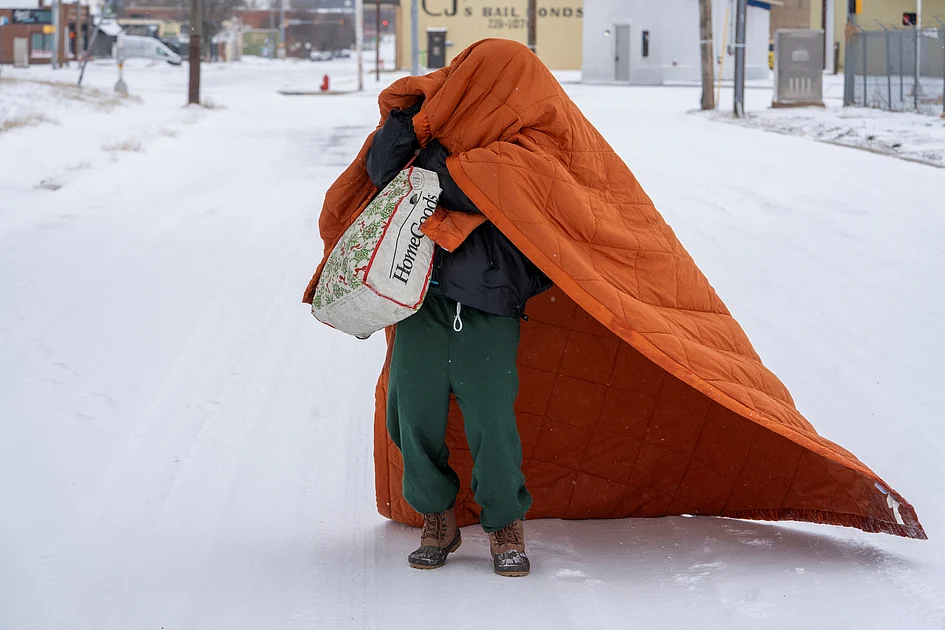
  • Look: Massive winter storm blankets parts of US, disrupting lives of more than 200 million

    Look: Massive winter storm blankets parts of US, disrupting lives of more than 200 million

    A colossal winter storm system has engulfed significant portions of the United States, unleashing a cascade of severe weather conditions that have severely disrupted daily life for more than 200 million citizens. The extreme weather event, characterized by heavy snowfall, freezing rain, and dangerously low temperatures, has triggered widespread travel chaos, power outages, and emergency declarations across multiple states.

    Meteorological reports indicate the storm’s immense scale, stretching from the Midwest through the Northeast and down into traditionally warmer southern regions unaccustomed to such winter severity. Transportation networks have borne the brunt of the impact, with thousands of flights canceled nationwide and major highway systems becoming treacherous or impassable. Emergency management agencies have issued stern warnings against unnecessary travel, citing whiteout conditions and rapidly deteriorating road surfaces.

    The storm’s timing during late January has amplified its disruptive potential, affecting commercial operations, educational institutions, and critical infrastructure. Utility companies report escalating power disruptions as ice accumulation threatens power lines and energy demand spikes due to extreme cold. Local governments have activated emergency response protocols, opening warming centers and deploying snow removal assets in round-the-clock operations.

    This weather event represents one of the most extensive winter storm impacts in recent years, testing the preparedness of municipal authorities and the resilience of community infrastructure. The National Weather Service continues to update forecasts with warnings that conditions may persist for several days, prolonging the operational challenges for recovery efforts and public safety agencies.
  • France detains captain of suspected Russian ‘shadow fleet’ tanker seized in Mediterranean

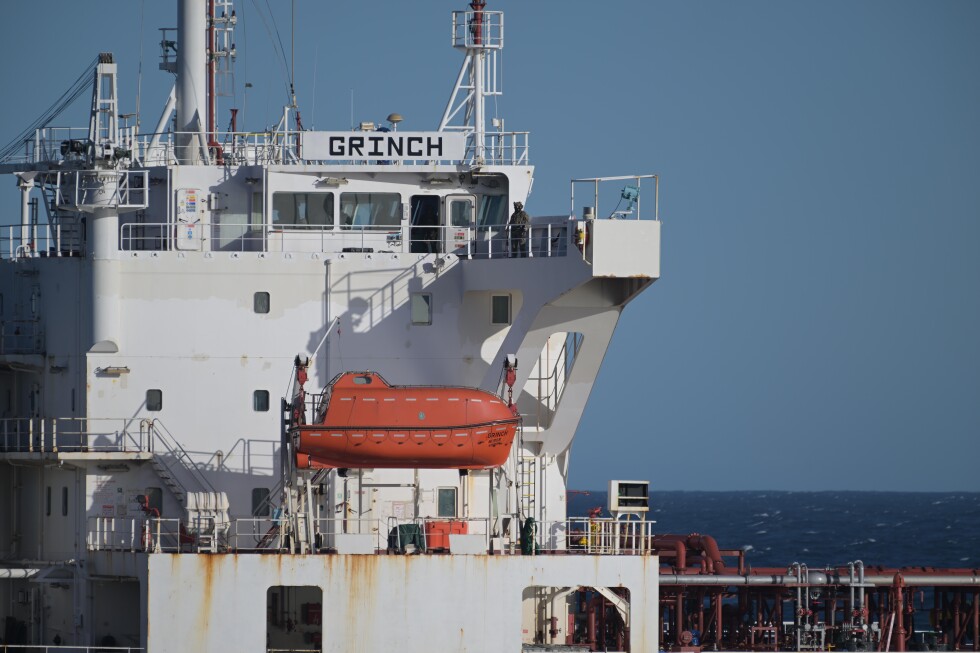
    France detains captain of suspected Russian ‘shadow fleet’ tanker seized in Mediterranean

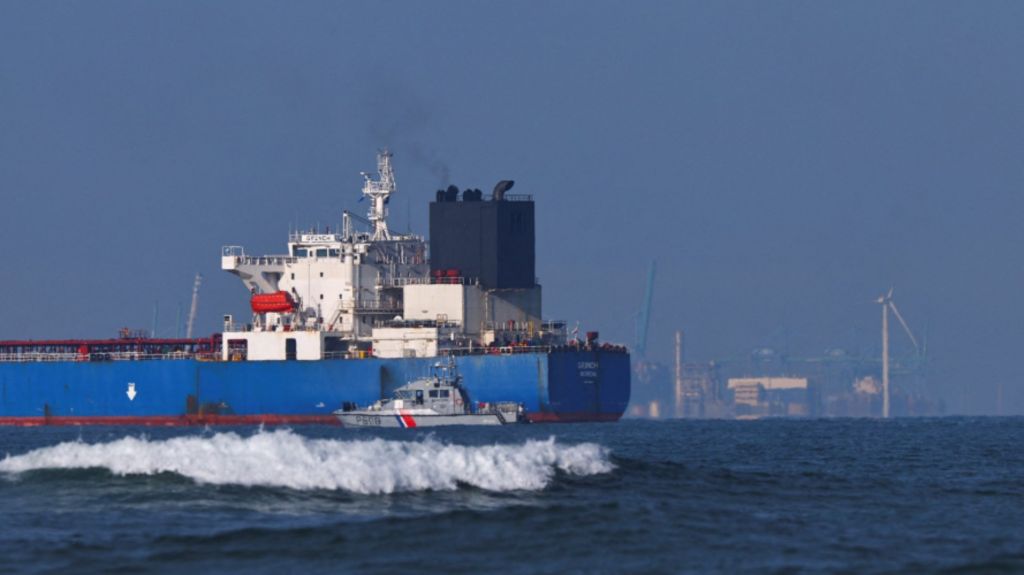
    French judicial authorities have taken into custody the Indian captain of an oil tanker intercepted by naval forces in the Mediterranean Sea amid allegations of violating international sanctions against Russia. The vessel ‘Grinch,’ which originated from Murmansk in northwestern Russia, has been identified as a potential member of Russia’s sanctioned ‘shadow fleet’ operating to circumvent economic restrictions related to the Ukraine conflict.

    According to statements from the Marseille prosecutor’s office obtained by French media outlets, the captain was transferred to judicial authorities after the tanker was diverted to anchorage in the Gulf of Fos-sur-Mer. The entire Indian-nationality crew remains confined aboard the vessel while investigators conduct a preliminary inquiry into maritime regulation violations, including failure to properly display national flags.

    The interception operation, documented through military-released footage, involved French naval personnel boarding the ship via helicopter earlier this week. This action represents the latest in a series of enforcement measures targeting Russia’s estimated 400-vessel shadow fleet, which predominantly consists of aging tankers owned by opaque entities registered in non-sanctioning countries.

    This incident echoes a similar September interception off France’s Atlantic coast, which Russian President Vladimir Putin condemned as ‘piracy.’ The captain from that previous seizure faces trial in February regarding allegations of non-cooperation with authorities. France and allied nations have intensified maritime surveillance and enforcement operations to disrupt Russia’s oil transportation networks amid ongoing geopolitical tensions.

  • Captain of suspected Russian shadow tanker in French custody

    Captain of suspected Russian shadow tanker in French custody

    In a significant maritime enforcement operation, French naval forces intercepted the oil tanker ‘Grinch’ on Thursday as it transited through the Mediterranean Sea. The vessel, suspected of belonging to Russia’s shadow fleet, was seized following orders from President Emmanuel Macron who declared the tanker was “subject to international sanctions and suspected of flying a false flag.

    The interception occurred while the Grinch was en route from the Russian Arctic port of Murmansk. The vessel is currently secured under guard at a southern French port near Marseille while investigations continue.

    French authorities have taken the Indian captain, 58, into custody while the remaining crew members—all Indian nationals—remain confined aboard the vessel. The Marseille prosecutor’s office confirmed an ongoing investigation to “verify the validity of the flag used by the tanker,” with French media reporting the vessel was sailing under a Comoros Islands registry.

    President Macron emphasized that such shadow fleet operations directly “finance Russia’s war of aggression against Ukraine.” The French government has established nautical and air exclusion zones around the anchorage site as security measures.

    This action represents the latest in a series of Western enforcement measures against Russian energy sanctions implemented following the 2022 invasion of Ukraine. Earlier in January, British armed forces supported a U.S. operation to seize a Russian-flagged tanker in the Atlantic for sanctions violations.

    Shadow fleets have become increasingly prevalent with Venezuela, Iran, and Russia all accused of utilizing them to circumvent oil sanctions. According to financial intelligence firm S&P Global, approximately one in five oil tankers worldwide are now used to transport oil from sanctioned nations.

    The operation follows France’s October interception of another sanctioned tanker, the Boracay, which was released after several days of investigation.

  • Gaza’s Rafah crossing with Egypt to open soon, Palestinian official says

    Gaza’s Rafah crossing with Egypt to open soon, Palestinian official says

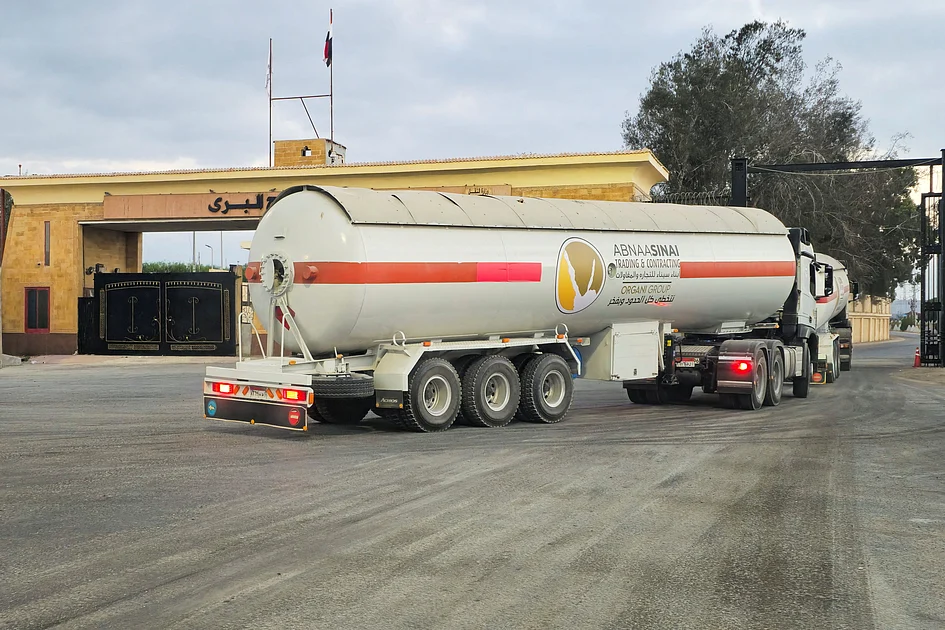
    In a significant development for Gaza’s humanitarian situation, Palestinian authorities have confirmed the imminent reopening of the Rafah border crossing with Egypt. The announcement came during a high-profile event in Davos hosted by former President Donald Trump, where Palestinian technocrat leader Ali Shaath revealed via video link that the critical passage would resume operations next week.

    The Rafah crossing, described by Shaath as “more than a gate—it is a lifeline and symbol of opportunity,” has remained largely closed throughout the Israel-Hamas conflict. Its reopening represents a key implementation of the October ceasefire agreement brokered by Trump, which had previously left this crucial element unfulfilled.

    The announcement occurred during the formal launch of Trump’s “Board of Peace” initiative, which initially focuses on cementing Gaza’s fragile ceasefire. Shaath emphasized that “opening Rafah signals that Gaza is no longer closed to the future and to the war,” highlighting the crossing’s symbolic and practical importance for Palestinian mobility and access.

    Notably absent was immediate commentary from Israeli authorities, who have maintained control over the Rafah crossing since 2024. The current ceasefire arrangement leaves Israel in control of more than half of Gaza territory, including the area adjacent to the border crossing, while Hamas retains control over the remaining enclave sections.

    The reopening promises to restore Gaza’s primary gateway to the outside world, enabling the movement of Palestinians in both directions after prolonged restrictions during the conflict period.

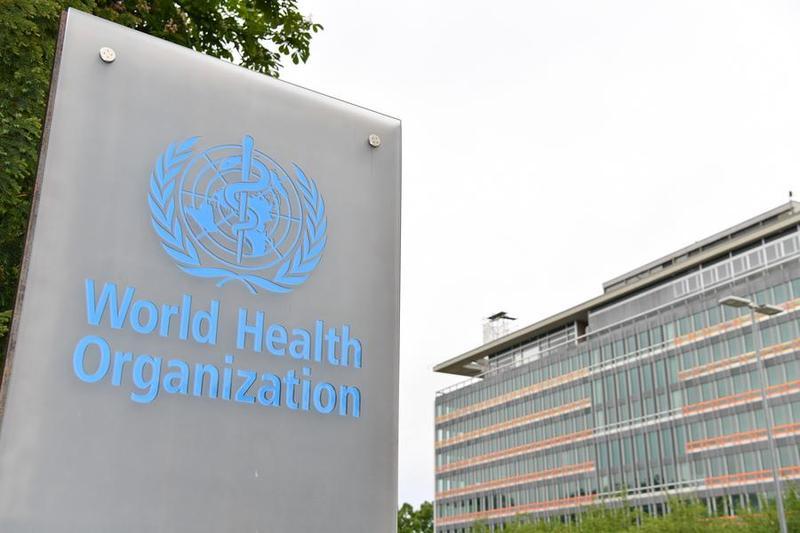
  • WHO chief says reasons US gave for withdrawing ‘untrue’

    WHO chief says reasons US gave for withdrawing ‘untrue’

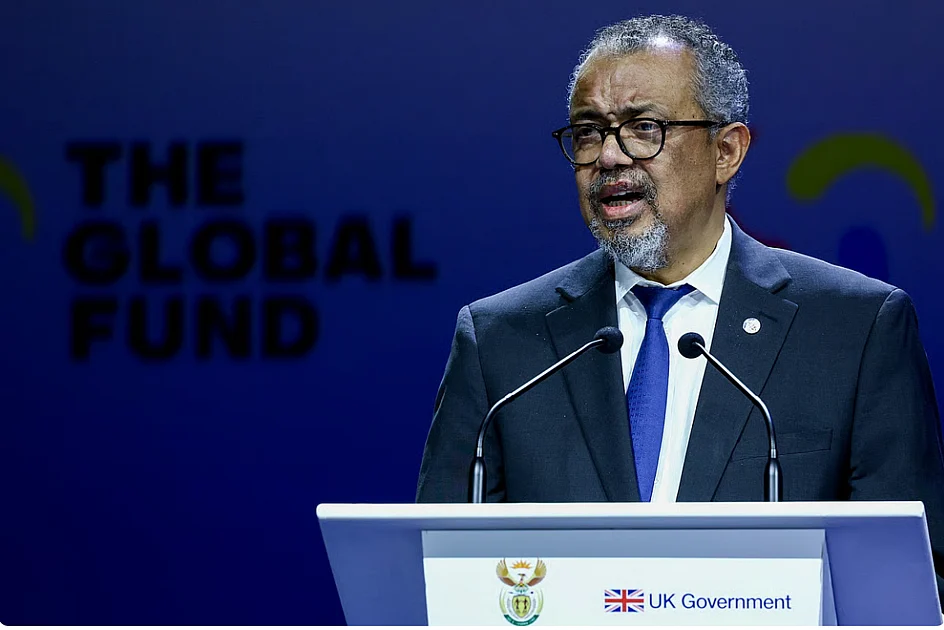
    In a striking rebuttal to Washington’s official position, World Health Organization Director-General Tedros Adhanom Ghebreyesus has publicly challenged the United States’ stated justification for withdrawing from the UN health agency, characterizing the reasoning as fundamentally inaccurate. The diplomatic confrontation emerged following Thursday’s formal announcement by U.S. Secretary of State Marco Rubio and Health Secretary Robert F. Kennedy Jr. that America would terminate its WHO membership.

    The WHO leadership issued a comprehensive response on multiple platforms, including an official statement and social media postings on X (formerly Twitter), directly countering the U.S. administration’s claims. The organization emphasized that it has consistently operated with full respect for national sovereignty while facilitating international cooperation during health emergencies.

    The American withdrawal notification, which follows an executive order signed by President Donald Trump one year ago, cites alleged failures during the COVID-19 pandemic and actions purportedly taken against U.S. interests. Specifically, U.S. officials accused the WHO of obstructing timely information sharing and concealing operational shortcomings that potentially cost American lives.

    WHO’s rebuttal systematically addressed each criticism, noting that the organization ‘acted quickly, shared all information it had rapidly and transparently with the world, and advised Member States on the basis of the best available evidence’ throughout the pandemic. The agency clarified that while it recommended protective measures including masks, vaccines, and physical distancing, it never mandated specific implementations, leaving those decisions to sovereign governments.

    Complicating the withdrawal process are outstanding financial obligations totaling approximately $260 million in unpaid dues for 2024 and 2025. The WHO has indicated that the withdrawal notification ‘raises issues’ that will require examination during upcoming Executive Board meetings in February and the World Health Assembly in May. Despite the diplomatic rupture, Dr. Tedros expressed hope for America’s eventual return to active participation in global health governance while reaffirming WHO’s commitment to its constitutional mandate of achieving the highest attainable health standard for all people.

  • India-EU ‘mother of all deals’ nears finish line as Trump tariffs jolt trade

    India-EU ‘mother of all deals’ nears finish line as Trump tariffs jolt trade

    In a significant geopolitical shift, India and the European Union are finalizing a comprehensive free trade agreement, strategically timed to counter growing global trade volatility. The pact, dubbed the ‘mother of all deals,’ represents a decisive move to establish stable trade corridors amid increasing unpredictability in US trade relations under the Trump administration.

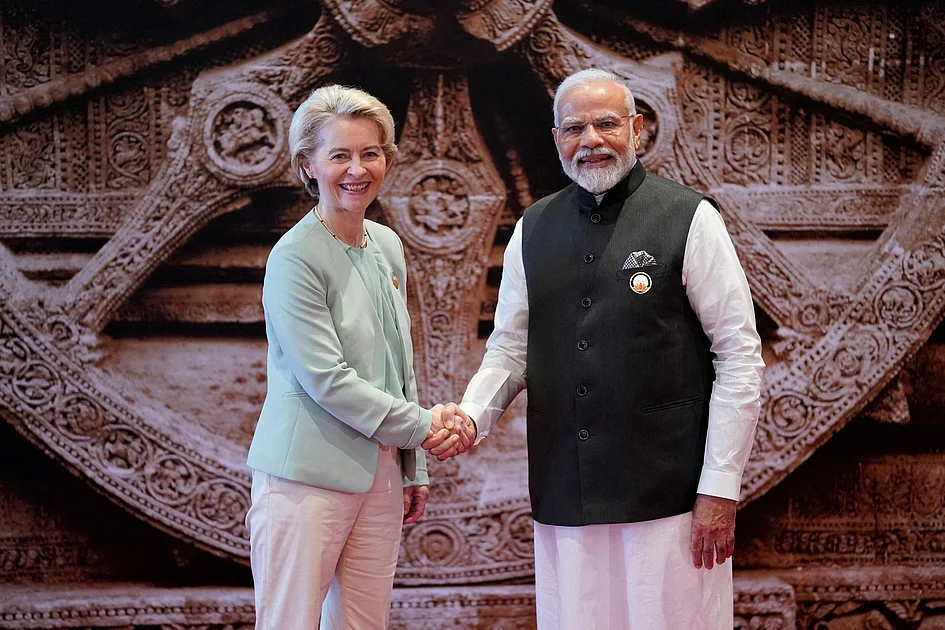
    European Commission President Ursula von der Leyen and European Council President António Costa have arrived in New Delhi for the 16th EU-India Summit on January 27, where officials anticipate announcing the conclusion of negotiations that have spanned nearly two decades. While formal signatures may follow later, the political commitment marks a watershed moment in EU-India relations.

    The agreement emerges against a backdrop of escalating US tariff pressures, with some Indian exports facing duties as high as 50%. This environment has transformed the EU-India negotiation from a conventional economic initiative into a strategic safeguard mechanism. The partnership aims to secure predictable trade rules, diversify market access, and reduce vulnerability to abrupt policy changes from traditional partners.

    The scale of existing trade underscores the agreement’s potential impact. Two-way goods trade between India and the EU reached approximately $136 billion in FY2024/25, making the bloc India’s largest goods trading partner. The proposed FTA would expand this economic corridor across multiple sectors—from industrial goods to services—while addressing persistent non-tariff barriers and regulatory friction.

    This development reflects India’s broader ‘portfolio approach’ to trade diplomacy, systematically building bilateral agreements to broaden market access and attract foreign investment. A recent example includes the ambitious agreement with the UAE, targeting a doubling of bilateral trade to $200 billion within six years after surpassing $100 billion under the CEPA framework.

    Despite the breakthrough, sensitive issues remain unresolved. Agriculture remains politically contentious, with the most sensitive agricultural matters temporarily excluded from negotiations. Additionally, Europe’s Carbon Border Adjustment Mechanism (CBAM) presents concerns for Indian industries fearing new carbon-based charges on exports.

    The EU has simultaneously pushed for stronger intellectual property protections and data governance assurances. Beyond commercial elements, the summit is expected to yield a comprehensive strategic package including defense cooperation, information security agreements, and mobility frameworks covering skilled workers, students, and researchers.

    Trade analysts characterize the impending agreement as India’s clearest signal yet of its strategy to build overlapping trade alliances as economic shock absorbers. In an era of tariff threats and shifting trade blocs, both New Delhi and Brussels appear determined to establish a historic economic corridor before the next wave of global trade turbulence emerges.

  • Indonesia resumes search for 80 after landslide kills 10 in West Java

    Indonesia resumes search for 80 after landslide kills 10 in West Java

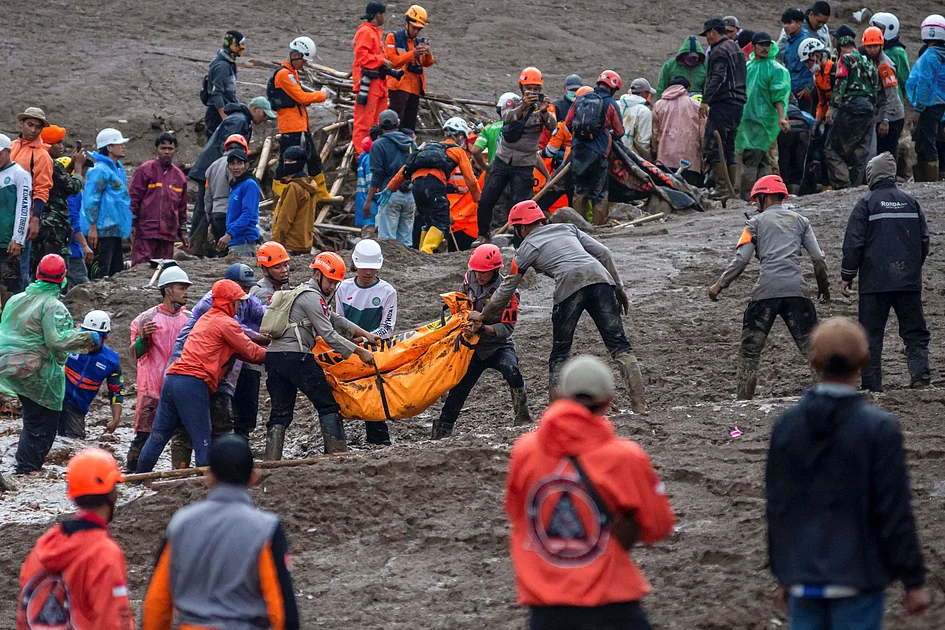
    Search operations have recommenced in Indonesia’s West Java province following a devastating landslide that claimed at least 10 lives and left 80 individuals missing. The catastrophe occurred early Saturday in Pasir Langu village, approximately 100 kilometers southeast of Jakarta, after torrential rainfall saturated the region.

    Emergency response teams faced significant challenges throughout the weekend as continuing precipitation and unstable ground conditions prevented the deployment of heavy excavation equipment. According to Kompas TV reports, rescue personnel have been forced to rely on manual search methods amid the treacherous terrain.

    The meteorological agency has issued extended weather advisories, forecasting potentially persistent rainfall across West Java and surrounding regions for the coming week. This warning raises concerns about further geological instability in the area.

    Local resident Dedi Kurniawan, 36, described the event as unprecedented in his community. “While minor flooding from nearby rivers occasionally occurs, this massive landslide originated directly from the forested areas,” he told Reuters.

    The landslide has triggered widespread flooding across multiple West Java districts, including portions of the capital Jakarta. Numerous residents from severely affected zones have been compelled to evacuate to higher ground and safer locations.

    This tragedy echoes similar devastation that occurred just two months prior when cyclone-induced flooding and landslides on Sumatra island resulted in approximately 1,200 fatalities, widespread property destruction, and the displacement of over one million residents, highlighting Indonesia’s vulnerability to extreme weather events.

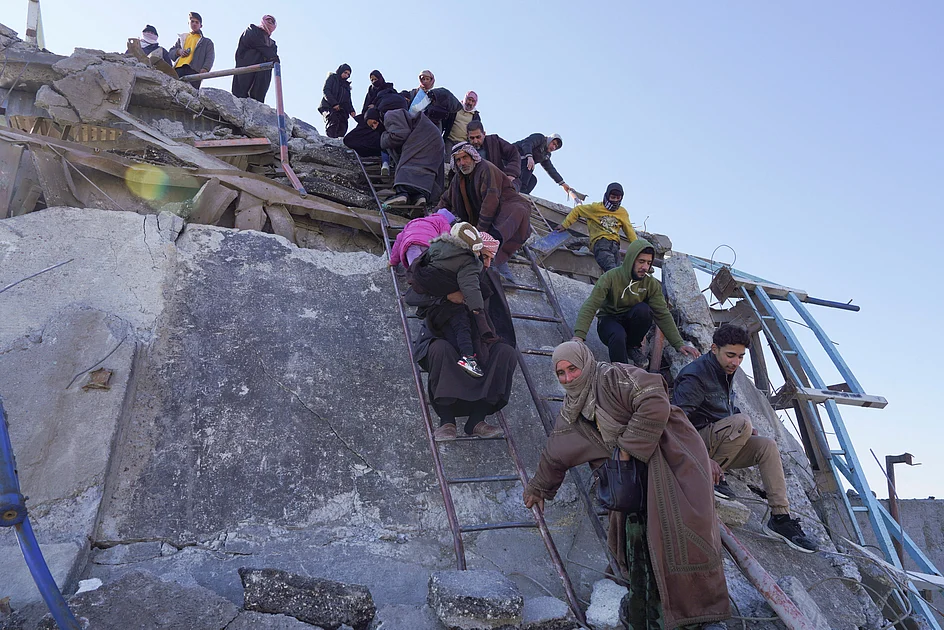
  • Syria extends ceasefire with Kurdish forces by 15 days

    Syria extends ceasefire with Kurdish forces by 15 days

    In a significant development for Middle Eastern stability, Syria has prolonged its temporary truce with Kurdish-led forces for an additional 15 days following intensive international mediation efforts. The ceasefire extension, which took effect at 11:00 PM local time on Saturday, provides a crucial breathing space amid escalating military tensions in northern and eastern territories.

    The Syrian Democratic Forces (SDF) confirmed the arrangement through an official statement, noting that ‘dialogue with Damascus continues’ despite previous deadlocks. This diplomatic breakthrough comes after government troops under President Ahmed al-Sharaa captured substantial territories from Kurdish forces in recent weeks, dramatically shifting the regional power balance.

    The extension emerged through complex international diplomacy, with the United States actively mediating between the parties. Washington’s engagement aims to establish a lasting ceasefire and facilitate the integration of the SDF—formerly America’s primary Syrian partner—into the state apparatus led by Sharaa, who overthrew longtime ruler Bashar al-Assad in late 2024.

    Western powers including France have expressed grave concerns about potential humanitarian consequences, urging restraint to prevent mass abuses against Kurdish civilians. These apprehensions are heightened by previous sectarian violence that claimed nearly 1,500 lives from minority communities last year.

    Concurrently, the U.S. military is conducting large-scale transfers of detained ISIS combatants from SDF-run facilities in northeastern Syria to Iraqi detention centers—an operation that influenced Syria’s decision to extend the ceasefire.

    This temporary resolution culminates a year of mounting tensions between Damascus and Kurdish authorities, who have maintained autonomous governance in northeastern regions for the past decade. The current standoff represents the most critical challenge to Kurdish autonomy since Sharaa assumed power.

  • ‘Historic’ US storm leaves 160,000 without power, forces over 13,000 flight cancellations

    ‘Historic’ US storm leaves 160,000 without power, forces over 13,000 flight cancellations

    A catastrophic winter storm of historic proportions has plunged large portions of the United States into chaos, leaving approximately 160,000 households without electricity and triggering the cancellation of over 13,000 flights across the nation. The severe weather system, characterized by heavy snowfall, freezing rain, and dangerously frigid temperatures, continues to sweep across the eastern two-thirds of the country with potentially crippling consequences.

    In response to the escalating crisis, President Donald Trump approved federal emergency disaster declarations for multiple states including South Carolina, Virginia, Tennessee, Georgia, North Carolina, Maryland, Arkansas, Kentucky, Louisiana, Mississippi, Indiana, and West Virginia. The President emphasized ongoing monitoring of the situation through his Truth Social platform, urging citizens to ‘Stay Safe, and Stay Warm.’

    The Department of Homeland Security confirmed that seventeen states alongside the District of Columbia have declared weather emergencies. Secretary Kristi Noem reported tens of thousands of residents in southern states experiencing power losses, with utility crews working tirelessly to restore electricity. PowerOutage.com data revealed the majority of outages concentrated in Louisiana and Texas as of Saturday evening.

    The aviation sector experienced unprecedented disruptions with FlightAware reporting over 4,000 Saturday flights cancelled and approximately 9,400 Sunday flights preemptively scrapped. Major carriers including Delta Air Lines, JetBlue, and United Airlines implemented extensive schedule adjustments, with Delta relocating cold-weather experts to southern airports to support de-icing operations and baggage handling.

    The National Weather Service issued grave warnings regarding widespread heavy ice accumulation across southeastern regions, anticipating ‘crippling to locally catastrophic impacts.’ Forecasters predicted record-breaking cold temperatures and dangerous wind chills extending into the Great Plains by Monday.

    Energy infrastructure faced severe strain as the Department of Energy authorized emergency measures for Texas’s Electric Reliability Council to deploy backup generation resources at critical facilities including data centers. Dominion Energy warned that current ice forecasts could produce one of the most significant winter events ever to affect their Virginia operations, which support the world’s largest concentration of data centers.

    Officials urged residents to stock up on essential supplies including fuel and food, emphasizing community resilience in facing the prolonged extreme weather conditions.

  • WHO chief says US reasons for withdrawal ‘untrue’

    WHO chief says US reasons for withdrawal ‘untrue’

    In a striking rebuttal, World Health Organization Director-General Tedros Adhanom Ghebreyesus has publicly declared the United States’ rationale for withdrawing from the UN health agency to be fundamentally inaccurate. The WHO leader issued this condemnation through his official social media channel on Saturday, emphasizing that America’s departure would compromise both national and global security.

    The controversial withdrawal process, initiated by former President Donald Trump through an executive order signed on January 20, 2025, is now approaching its procedural conclusion. According to WHO regulations, the separation becomes official one year after formal notification is received by the United Nations, which occurred just two days following Trump’s executive action.

    Compounding the diplomatic rift, WHO press officials confirmed this week that the United States has failed to settle its outstanding financial obligations to the organization. The unpaid dues for the 2024-2025 biennium amount to approximately $278 million, as reported by U.S. media outlet National Public Radio.

    The formalization of America’s exit is scheduled for discussion during the WHO’s imminent Executive Board meeting. Organization representatives indicated that the Secretariat will proceed according to the guidance provided by its governing bodies regarding this unprecedented withdrawal by the agency’s traditional largest funder.