分类: world

  • Watch: Trump joins Diwali celebration in White House, calls Modi ‘great friend’

    Watch: Trump joins Diwali celebration in White House, calls Modi ‘great friend’

    US President Donald Trump marked Diwali with a grand celebration at the White House on Tuesday, extending heartfelt greetings to the people of India and Indian-Americans. During the event, Trump lauded Indian Prime Minister Narendra Modi as a ‘great person’ and a ‘great friend,’ emphasizing the strengthening ties between the United States and India in trade and regional peace. Trump revealed that he had a productive phone conversation with Modi earlier in the day, discussing trade relations and the importance of maintaining peace with Pakistan. ‘We talked about trade… and let’s have no wars with Pakistan. That was a very, very good thing,’ Trump stated. He also highlighted the symbolic significance of Diwali, describing it as a festival that celebrates the triumph of light over darkness, knowledge over ignorance, and good over evil. Following his remarks, Trump lit traditional diyas (lamps) to commemorate the occasion. In response, Prime Minister Modi expressed gratitude on social media, thanking Trump for his warm wishes and reaffirming the shared commitment of both nations to combat terrorism. The event was attended by senior officials from the Trump Administration, including FBI Director Kash Patel and ODNI Director Tulsi Gabbard, as well as a delegation of prominent Indian-American business leaders. The celebration underscores the cultural importance of Diwali in American society and the deepening relationship between the US and India. Earlier, US Congressmen Raja Krishnamoorthi and Brian Fitzpatrick introduced a bipartisan resolution in the House of Representatives to recognize the religious and historical significance of Diwali, reflecting the growing influence of the Indian diaspora in the US. Diwali, a five-day festival, is celebrated with rituals, prayers, and family gatherings, symbolizing prosperity, unity, and the victory of good over evil.

  • 63 dead, others injured in bus collision in Uganda

    63 dead, others injured in bus collision in Uganda

    A devastating road accident on one of Uganda’s busiest highways has resulted in the deaths of at least 63 people, with numerous others injured, according to police reports on Wednesday. The collision occurred just after midnight on the highway connecting the capital city of Kampala to the northern city of Gulu. Preliminary investigations indicate that the crash was caused by two buses traveling in opposite directions attempting to overtake other vehicles, including a lorry and a sport utility vehicle (SUV). The Uganda Police Force stated on X that both buses collided head-on during these overtaking maneuvers, leading to the tragic loss of all occupants from the involved vehicles. This incident highlights the ongoing challenges of road safety in the region.

  • UN chief defends science and weather forecasting as Trump threatens both

    UN chief defends science and weather forecasting as Trump threatens both

    In a powerful address to the World Meteorological Organization (WMO) in Geneva, United Nations Secretary-General Antonio Guterres underscored the critical role of science and meteorology in combating climate change and saving lives. Speaking at a special WMO meeting on Wednesday, Guterres lauded the agency’s efforts in developing early-warning systems that help nations prepare for climate-related disasters such as floods, storms, wildfires, and heatwaves. He emphasized that these systems have protected communities and saved millions of lives annually, calling climate change a ‘dangerous and existential threat.’ Guterres’ remarks come amid a contentious anti-science stance in the United States, where the Trump administration has slashed funding for the National Weather Service and dismissed hundreds of employees at the National Oceanic and Atmospheric Administration. Last week, the WMO reported a record surge in atmospheric carbon dioxide levels, reaching unprecedented heights in human history and exacerbating extreme weather events. Guterres urged scientists to remain fearless in their pursuit of truth, describing WMO staff as the ‘quiet force’ guiding rational climate decisions.

  • Watchdog report says American e-waste is causing a ‘hidden tsunami’ in Southeast Asia

    Watchdog report says American e-waste is causing a ‘hidden tsunami’ in Southeast Asia

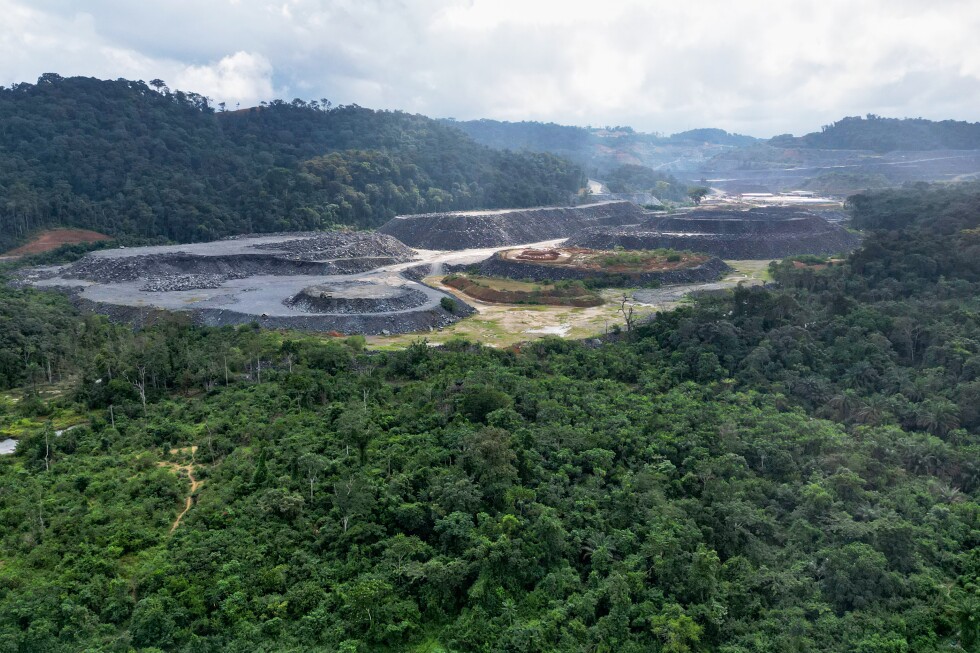
    A groundbreaking report by the Seattle-based environmental watchdog Basel Action Network (BAN) has revealed that millions of tons of discarded electronics from the United States are being shipped to developing countries, particularly in Southeast Asia. These nations, ill-equipped to handle hazardous waste, are facing an environmental crisis as toxic materials from e-waste seep into their ecosystems. The report, based on a two-year investigation, identified at least 10 U.S. companies exporting used electronics to Asia and the Middle East, labeling the phenomenon as a ‘hidden tsunami’ of electronic waste.

  • Saudi-led task force, Pakistan Navy seize drugs worth nearly $1 billion in Arabian Sea

    Saudi-led task force, Pakistan Navy seize drugs worth nearly $1 billion in Arabian Sea

    In a significant maritime operation, the Saudi-led Combined Task Force (CTF) 150, in collaboration with the Pakistan Navy, intercepted narcotics worth nearly $1 billion in the Arabian Sea. The operation, conducted by the Pakistani naval vessel PNS Yarmook, targeted two sailboats within a 48-hour period. The first interception on October 18 yielded over two tons of crystal methamphetamine, valued at approximately $822.4 million. The second operation, less than two days later, resulted in the seizure of 350 kg of crystal methamphetamine worth $140 million and 50 kg of cocaine valued at $10 million. The Combined Maritime Forces (CMF), a 47-nation naval partnership, confirmed that the intercepted vessels were stateless, with no indication of their origin. Commodore Fahad Aljoiad of the Royal Saudi Naval Forces described the operation as one of the most successful narcotics seizures in CMF history. The U.S. Central Command also praised the efforts of the CTF 150, which patrols over 3 million square miles of sea, including critical global shipping lanes, to combat drug and weapon smuggling.

  • A Cuban man deported by the US to Africa is on a hunger strike in prison, his lawyer says

    A Cuban man deported by the US to Africa is on a hunger strike in prison, his lawyer says

    A Cuban national, Roberto Mosquera del Peral, deported by the United States to Eswatini, has initiated a hunger strike while detained in a maximum-security prison for over three months without charge or access to legal representation. This case highlights the contentious U.S. third-country deportation program, which has drawn criticism from human rights advocates for its alleged denial of due process and exposure of deportees to rights abuses. Mosquera’s U.S.-based lawyer, Alma David, expressed grave concerns over his health and demanded immediate updates on his condition and access to legal counsel. Mosquera is among five men from Cuba, Jamaica, Laos, Vietnam, and Yemen deported to Eswatini, an absolute monarchy accused of human rights violations. While the Jamaican deportee was repatriated last month, the others remain incarcerated, prompting legal challenges against the Eswatini government. The U.S. Department of Homeland Security asserts that these individuals were convicted of serious crimes, including murder and rape, and were in the U.S. illegally. However, their lawyers argue that they have completed their sentences and are now being held unlawfully in Eswatini. The Trump administration’s deportation program has expanded to include agreements with several African nations, with reports indicating that the U.S. is paying millions to these countries to accept deportees. Critics argue that the program prioritizes immigration enforcement over human rights, raising ethical and legal concerns.

  • Six dead in Russian airstrikes, hours after Trump shelves bid for Putin talks

    Six dead in Russian airstrikes, hours after Trump shelves bid for Putin talks

    In a harrowing escalation of the ongoing conflict, Russian drone and missile strikes have inflicted severe damage across Kyiv and other Ukrainian cities, resulting in at least six fatalities, including two children, and leaving 21 others wounded. Ukrainian President Volodymyr Zelensky condemned the attacks, emphasizing that Moscow’s relentless aggression underscores the inadequacy of international pressure to halt the war. The strikes, the first of such intensity since late September, targeted residential areas and energy infrastructure, plunging several regions into emergency power outages. Among the victims were a couple in their 60s, a six-month-old baby, and a 12-year-old girl, highlighting the devastating human toll of the conflict. Rescue teams worked tirelessly through the night to extinguish fires in residential buildings as the capital remained under a ballistic missile warning. Meanwhile, Ukraine’s military reported a successful counterstrike on a Russian chemical plant in the Bryansk border region using UK-supplied Storm Shadow missiles. The plant, which produces gunpowder, explosives, and rocket fuel components, was described as a critical target in disrupting Russia’s ammunition supply chain. The attack comes amid stalled diplomatic efforts, as US President Donald Trump shelved plans for a summit with Russian President Vladimir Putin, citing concerns over a ‘wasted meeting.’ Zelensky, who recently returned from talks with Trump, expressed frustration over the US’s reluctance to provide long-range Tomahawk missiles, a move he believes could shift the diplomatic landscape. As the war rages on, the international community faces mounting pressure to address the escalating humanitarian crisis and seek a viable resolution to the conflict.

  • Nation’s green initiatives a catalyst for global change

    Nation’s green initiatives a catalyst for global change

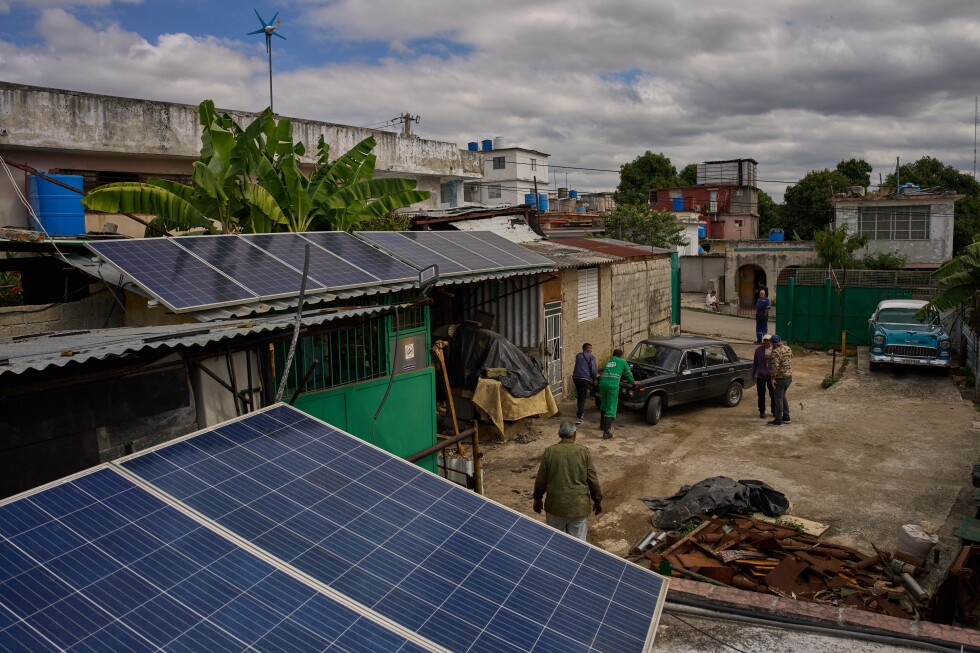
    China has emerged as a global leader in green development, leveraging its advancements in renewable energy and new energy vehicles (NEVs) to inspire and support global climate action. Through initiatives like South-South cooperation and the Belt and Road Initiative, China is sharing its technological innovations and expertise to assist developing nations in their green transitions. At a recent press conference, Li Gao, Vice-Minister of Ecology and Environment, highlighted China’s achievements, including surpassing its 2030 target for wind and solar power capacity, which now stands at 1,700 gigawatts. Additionally, China has implemented a comprehensive action plan to control methane emissions, a potent greenhouse gas, and has expanded its carbon trading market to cover over 60% of the country’s carbon dioxide emissions. The nation’s commitment to green innovation is further underscored by its dominance in the NEV sector, accounting for 70% of global power battery production and leading in green technology patents. Experts like Chai Qimin and Wu Rui emphasize China’s concrete actions in low-carbon transportation, from passenger vehicles to heavy-duty machinery, showcasing its dedication to a sustainable future.

  • A major Russian drone and missile attack on Ukraine kills at least 6 people, officials say

    A major Russian drone and missile attack on Ukraine kills at least 6 people, officials say

    In a devastating escalation of the ongoing conflict, Russia launched a massive drone and missile attack across Ukraine, resulting in the deaths of at least six individuals, including a mother and her two young daughters. The assault, which spanned the night and extended into Wednesday morning, targeted multiple Ukrainian cities, including a village in the Kyiv region where a strike ignited a house, tragically claiming the lives of the family. Regional head Mykola Kalashnyk confirmed the incident, while authorities reported at least 18 injuries in Kyiv alone. The attack also severely damaged Ukraine’s energy infrastructure, causing widespread blackouts as Russia intensifies efforts to disrupt the country’s power grid ahead of the harsh winter season. Amid these developments, U.S.-led initiatives to broker peace have faltered, with President Donald Trump expressing frustration over Russian President Vladimir Putin’s unwillingness to compromise. Ukrainian President Volodymyr Zelenskyy has called for increased military support and international pressure on Russia, emphasizing the need for sanctions, advanced missile capabilities, and coordinated diplomacy. Zelenskyy is set to engage in a week of intense diplomatic efforts, including meetings with Swedish Prime Minister Ulf Kristersson and participation in international summits aimed at bolstering support for Ukraine. Meanwhile, Ukraine’s military reported striking a critical Russian chemical plant in the Bryansk region using British-made Storm Shadow missiles, further escalating the conflict. The international community continues to monitor the situation closely as the war shows no signs of abating.

  • Top UN court to rule on Israel’s obligations to ensure humanitarian aid reaches Palestinians

    Top UN court to rule on Israel’s obligations to ensure humanitarian aid reaches Palestinians

    The International Court of Justice (ICJ) in The Hague is poised to deliver a crucial advisory opinion on Wednesday regarding Israel’s legal responsibilities to ensure the delivery of urgently needed humanitarian aid to Palestinians in Gaza and the occupied West Bank. This ruling comes in response to a request from the U.N. General Assembly, made last year, following Israel’s decision to effectively ban the U.N. agency for Palestinian refugees (UNRWA) from operating in Gaza. UNRWA has been the primary provider of aid in the region. While advisory opinions are nonbinding, they carry significant legal weight and could have far-reaching implications for the U.N. and its global missions. The proceedings, which began in April, predate the fragile U.S.-brokered ceasefire that took effect on October 10, aimed at ending the two-year conflict in Gaza. Despite the ceasefire, tensions flared earlier this week after Israeli forces launched deadly strikes, citing the killing of two soldiers by Hamas militants. Under the ceasefire agreement, Israel is required to allow 600 humanitarian aid trucks into Gaza daily. The U.N. has announced plans to increase aid shipments, and Hamas has acknowledged Israel’s compliance with the agreement. However, Palestinian Ambassador Ammar Hijazi accused Israel of “starving, killing, and displacing Palestinians” while obstructing humanitarian efforts. Israel has denied these allegations, calling the proceedings biased, and did not attend the hearings, though it submitted a 38-page written response. The ICJ’s opinion could reinforce the principle that states cannot selectively restrict U.N. operations, according to international law experts. This case follows previous ICJ rulings critical of Israeli policies, including the West Bank separation barrier and the occupation of Palestinian territories. The advisory opinion is separate from South Africa’s ongoing case accusing Israel of genocide in Gaza, which Israel vehemently denies. The conflict, triggered by Hamas’ October 7 attack on southern Israel, has resulted in significant casualties, with Gaza’s Health Ministry reporting over 68,000 deaths, a figure disputed by Israel.