分类: world

  • Thousands flee Philippine coast as storm Fengshen approaches

    Thousands flee Philippine coast as storm Fengshen approaches

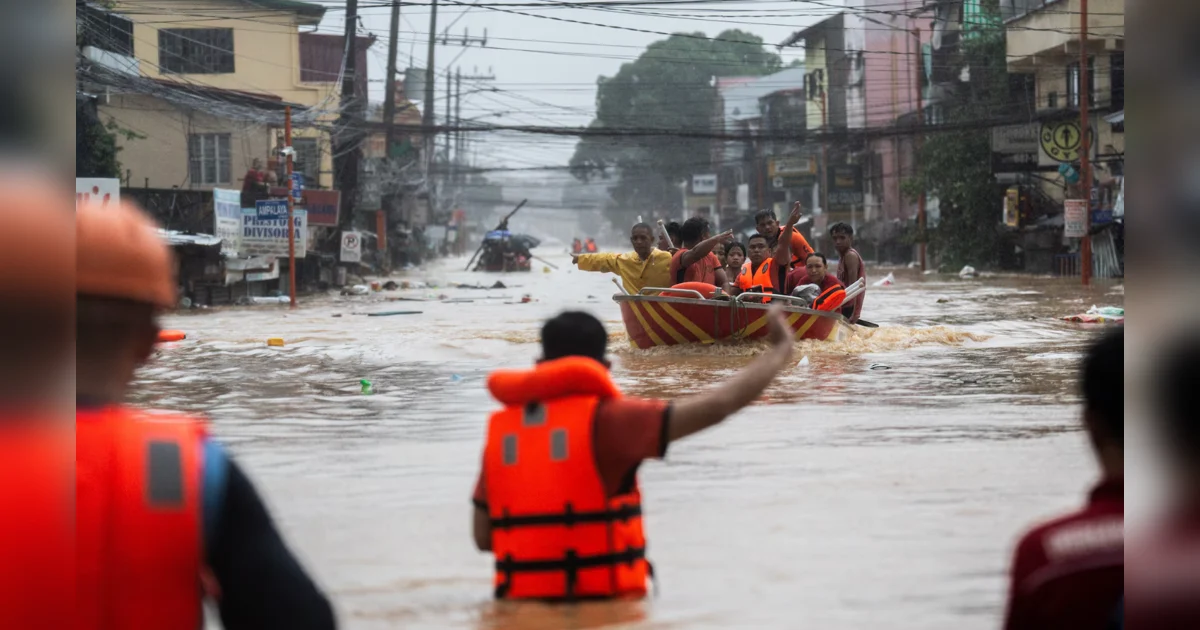
    Thousands of residents in the Philippines’ Catanduanes Island were forced to evacuate their homes on Saturday as Tropical Storm Fengshen approached, bringing fears of coastal flooding and severe weather. The storm, with wind gusts reaching up to 80 km/h (50 mph), was predicted to pass near the island, home to 270,000 people, later in the day. Government weather services warned of heavy rainfall and a ‘minimal to moderate risk’ of coastal flooding due to waves measuring 1-2 meters (3-6 feet).

    Local disaster officials reported that over 9,000 residents had already relocated to safer areas, following well-practiced evacuation protocols. Catanduanes, often the first landmass hit by cyclones forming in the western Pacific, activated evacuation plans for high-risk zones, including coastal areas, low-lying communities, and landslide-prone slopes. Neighboring provinces of Sorsogon and Albay also initiated preemptive evacuations, though official numbers were not immediately available.

    The Philippines, an archipelago prone to natural disasters, faces an average of 20 storms and typhoons annually, many of which strike impoverished regions. Scientists have linked the increasing intensity of such storms to human-driven climate change. The arrival of Fengshen follows a series of devastating earthquakes in the country, which claimed at least 87 lives over the past three weeks, compounding the challenges for disaster response efforts.
  • Burning ship loaded with gas abandoned in Gulf of Aden off Yemen as 1 mariner missing

    Burning ship loaded with gas abandoned in Gulf of Aden off Yemen as 1 mariner missing

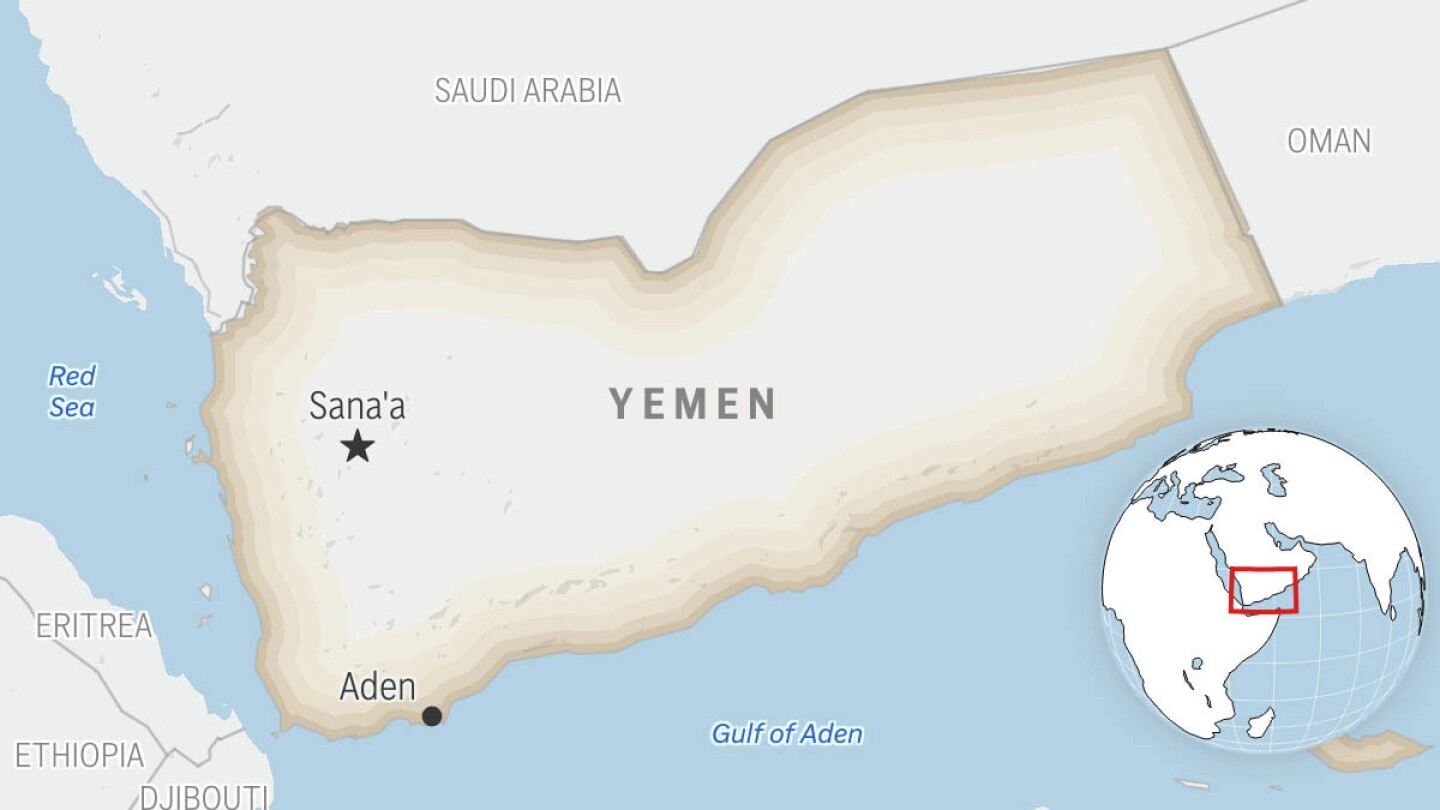
    A Cameroonian-flagged vessel, the Falcon, caught fire in the Gulf of Aden off Yemen on Saturday, following a suspected projectile strike. At least one mariner is missing, and another is believed to remain aboard the burning tanker after the rest of the 26-member crew, predominantly Indian with one Ukrainian, abandoned the ship. The incident has sparked conflicting explanations, with British authorities suggesting a projectile hit the vessel, while the European Union described it as an accident. The ship, fully loaded with liquefied petroleum gas, poses a significant explosion risk, prompting warnings to nearby vessels. The British military’s United Kingdom Maritime Trade Operations (UKMTO) reported the incident occurred approximately 210 kilometers east of Aden, with investigations ongoing. The EU’s Operation Aspides, which patrols the region, noted the Greek frigate HS Spetsai and a French aircraft were nearby. The Falcon has previously been linked to an alleged Iranian ‘ghost fleet’ evading international sanctions, though its Indian-based owners could not be reached for comment. The Houthi rebels, known for targeting ships in the Red Sea, have not claimed responsibility, though their activities have disrupted global shipping routes, with $1 trillion in goods passing through annually before the conflict. The Israeli military denied involvement in the incident. The Houthis’ campaign has already claimed nine mariners’ lives and sunk four ships, exacerbating regional tensions.

  • Afghan and Pakistani delegations head to Doha for crisis talks

    Afghan and Pakistani delegations head to Doha for crisis talks

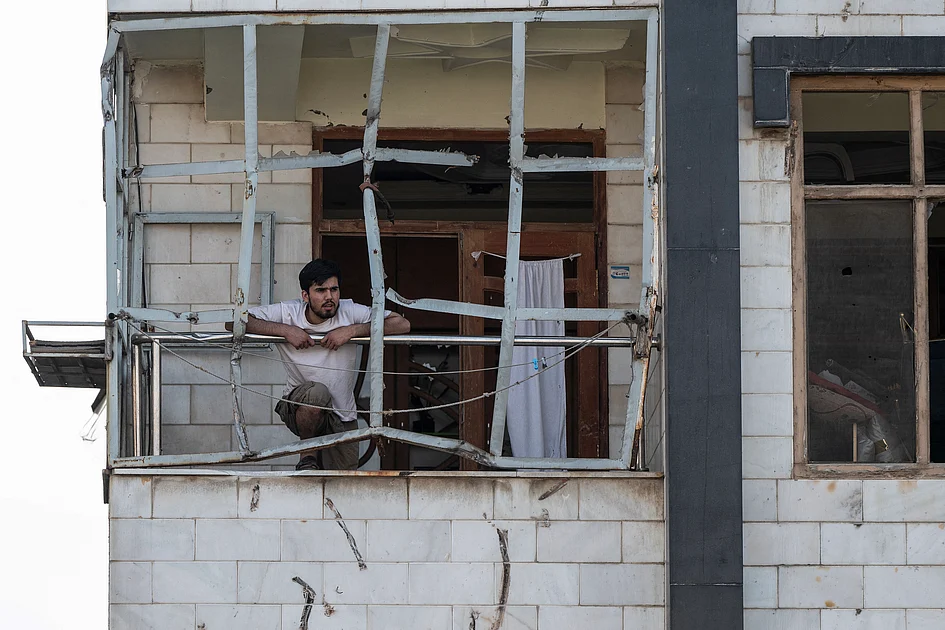
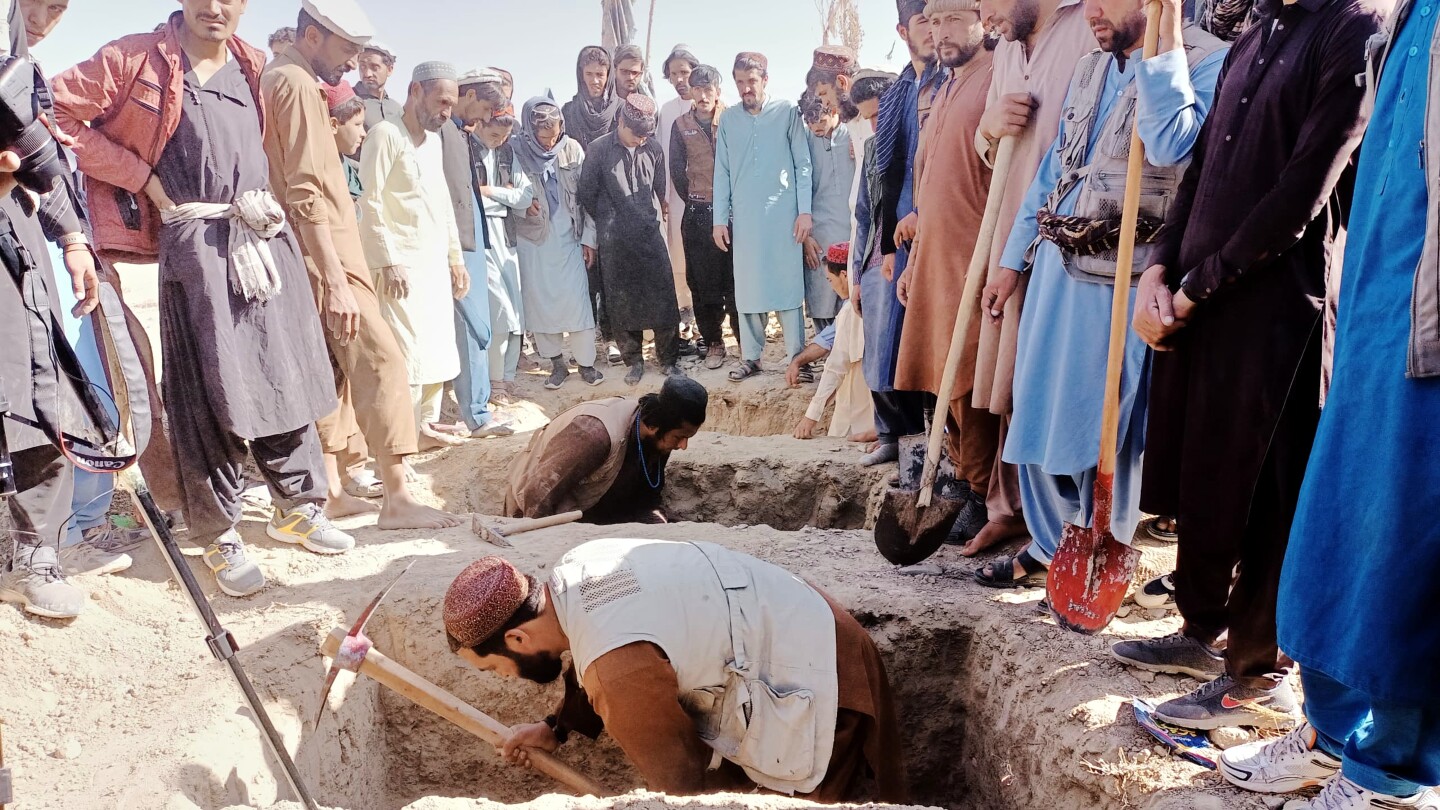
    In a bid to de-escalate the deadliest crisis between Afghanistan and Pakistan in recent years, delegations from both nations are en route to Doha, Qatar. The move follows over a week of intense border clashes that have resulted in dozens of fatalities and hundreds of injuries on both sides. The Taliban government confirmed that the Afghan delegation includes the defense minister and the head of the national intelligence agency, while Pakistan’s delegation departed on Saturday, as reported by the national broadcaster PTV.

  • Nearly 60 South Koreans repatriated by Cambodia over alleged scams

    Nearly 60 South Koreans repatriated by Cambodia over alleged scams

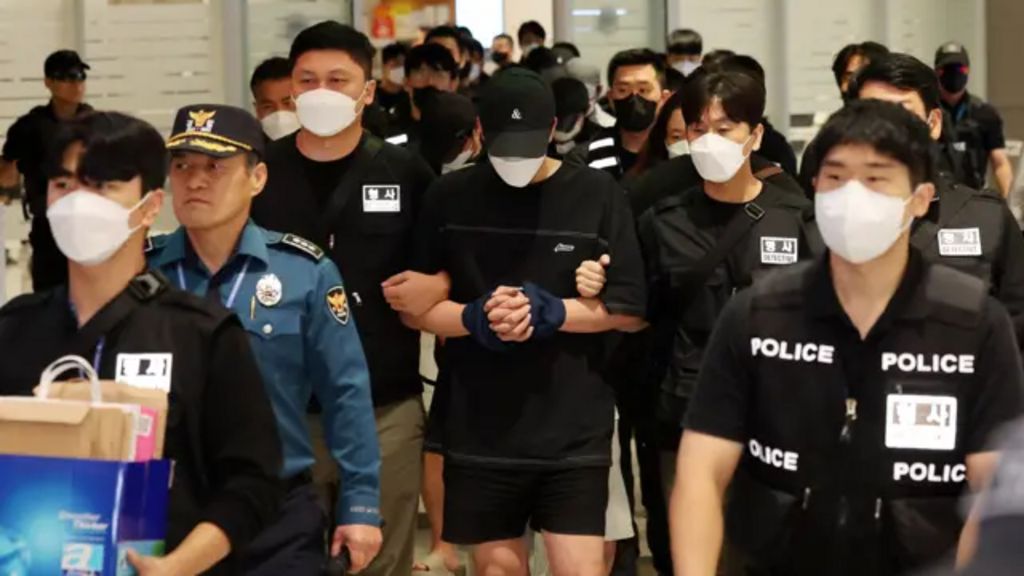
    In a significant international operation, 59 South Koreans detained in Cambodia for their alleged participation in online scam networks have been repatriated to their home country. The group, escorted in handcuffs, arrived at Incheon Airport on Saturday morning. This development follows a high-level diplomatic mission by South Korean officials to Cambodia, prompted by reports of a South Korean student’s alleged death due to torture within a scam center. The repatriation underscores the growing global concern over cybercrime and human exploitation in Southeast Asia. According to the United Nations, an estimated 200,000 individuals have been ensnared in such schemes across the region, lured by promises of lucrative jobs or coerced into participation. The majority of the repatriated individuals were apprehended during a Cambodian government crackdown, while five reportedly surrendered voluntarily. Upon arrival, they were immediately taken into custody by South Korean authorities, as the aircraft carrying them is considered South Korean territory under national law. South Korea’s National Security Adviser, Wi Sung-lac, emphasized that the group’s involvement in the scams ranged from voluntary to involuntary, with most likely having committed criminal acts. The repatriation coincides with heightened diplomatic efforts between South Korea and Cambodia to combat transnational cybercrime. Cambodian Prime Minister Hun Manet recently met with South Korean officials to discuss strengthening bilateral cooperation in preventing and suppressing online scams. This incident also follows a U.S. government crackdown on a Cambodian business empire allegedly involved in a $14 billion cryptocurrency scam. Online fraud centers in Southeast Asia, including those orchestrating romance scams, generate billions annually for criminal networks, according to UN estimates.

  • UK sees lessons from Northern Ireland that could aid the fragile Gaza ceasefire process

    UK sees lessons from Northern Ireland that could aid the fragile Gaza ceasefire process

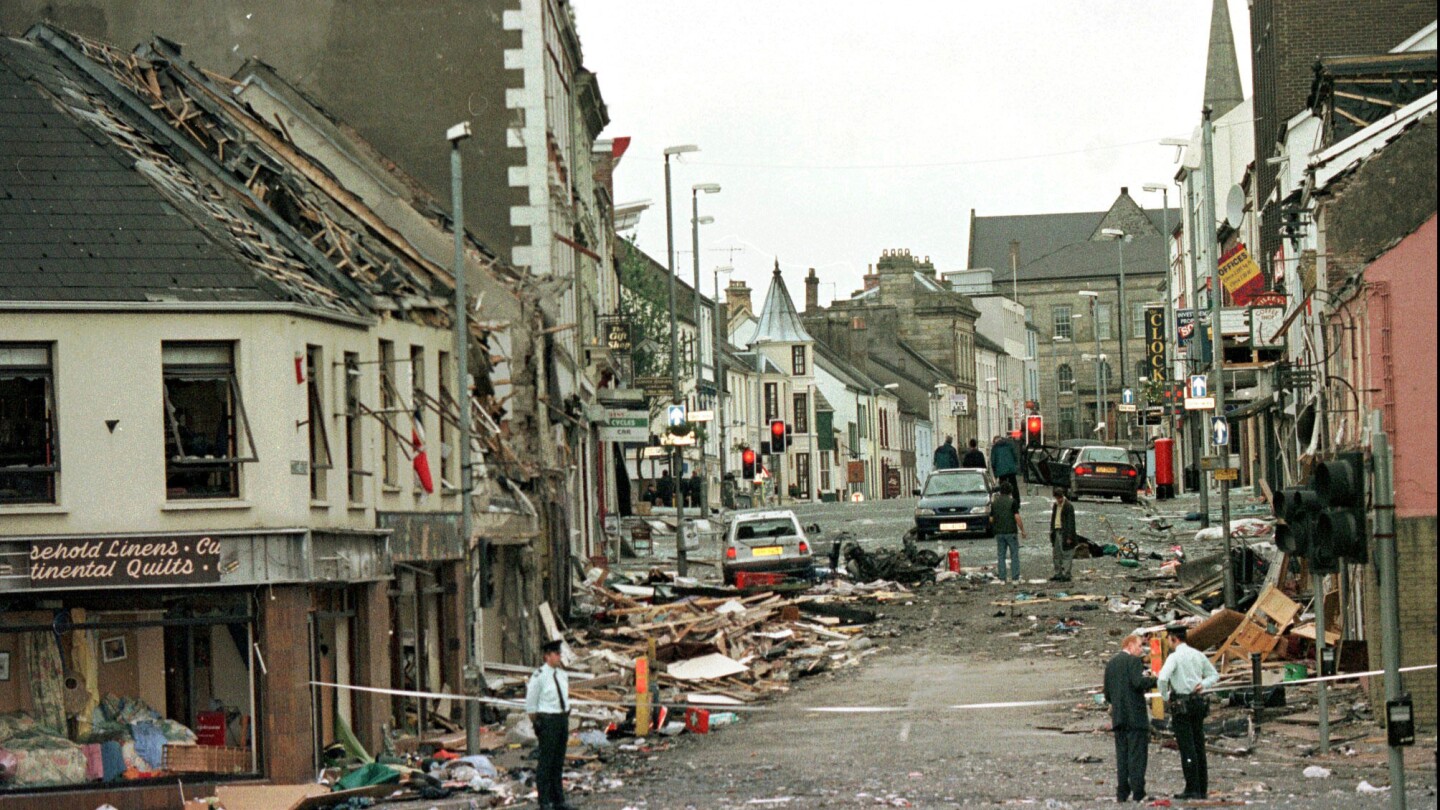
    As the ceasefire in the two-year Gaza war holds, the international community looks to the Northern Ireland peace process of the 1990s for insights into resolving seemingly intractable conflicts. Key figures from that era, including former British Prime Minister Tony Blair and his former chief of staff Jonathan Powell, have re-emerged in discussions about Gaza’s future. British Prime Minister Keir Starmer has emphasized the UK’s readiness to assist in disarming Hamas, drawing parallels to the disarmament of the Irish Republican Army (IRA) during the Northern Ireland peace process. The IRA’s eventual agreement to decommission weapons, overseen by an international commission, was a pivotal moment in the 1998 Good Friday Agreement, which largely ended decades of violence known as ‘the Troubles.’ However, experts caution that while there are parallels between the two conflicts, the scale of devastation and complexity in Gaza is far greater. The Trump-backed plan for Gaza focuses narrowly on Hamas’ disarmament but fails to address broader issues like Palestinian statehood, which is widely seen as essential for lasting peace. The Northern Ireland experience highlights the importance of inclusivity and patience in peacebuilding, though achieving a similar consensus in the Middle East remains a monumental challenge. Despite its successes, the Northern Ireland peace process was not without setbacks, including occasional dissident attacks and the collapse of its power-sharing government. Experts argue that excluding Hamas from future political processes could hinder progress, as inclusivity was a cornerstone of Northern Ireland’s success. As key players like Blair and Powell return to the spotlight, their experience in conflict resolution may offer valuable lessons, though the path to peace in Gaza remains fraught with uncertainty.

  • Britain’s Prince Andrew gives up royal title, denies accusations in Epstein case

    Britain’s Prince Andrew gives up royal title, denies accusations in Epstein case

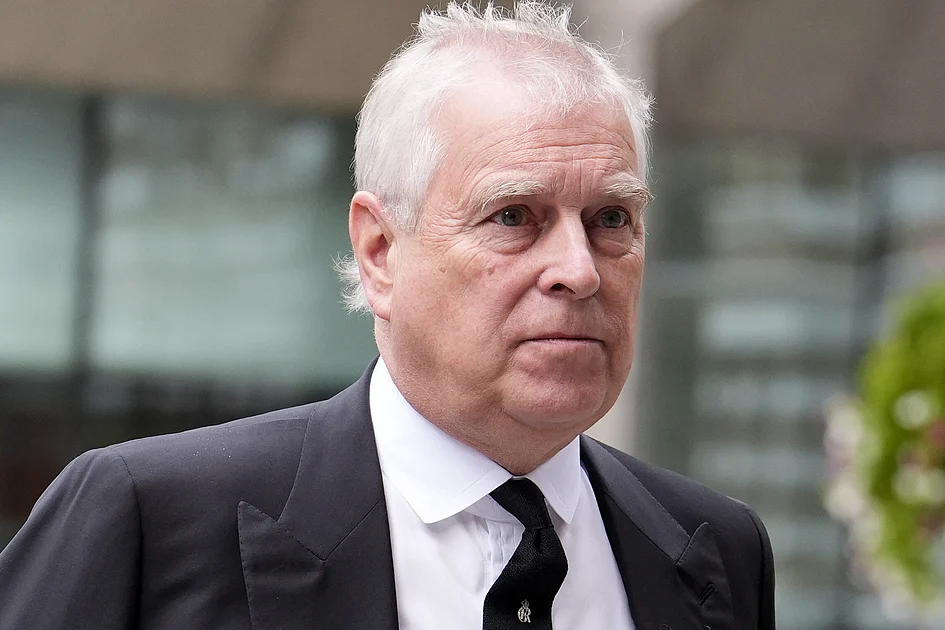
    In a significant development within the British royal family, Prince Andrew has announced his decision to relinquish his title as the Duke of York. This move comes amidst ongoing scrutiny and criticism regarding his association with the late Jeffrey Epstein, a financier convicted of sex trafficking. Prince Andrew made the announcement on Friday, October 17, 2025, emphasizing his continued denial of the allegations against him. In a formal statement, he expressed concern that the persistent accusations were diverting attention from the duties of his elder brother, King Charles, and the broader responsibilities of the royal family. ‘I will therefore no longer use the title or the honours which have been conferred upon me. As I have said previously, I vigorously deny the accusations against me,’ Prince Andrew declared. This decision marks a pivotal moment in the royal family’s efforts to distance itself from the scandal and maintain its public image.

  • Belgian court clears extradition of diamond trader Mehul Choksi to India

    Belgian court clears extradition of diamond trader Mehul Choksi to India

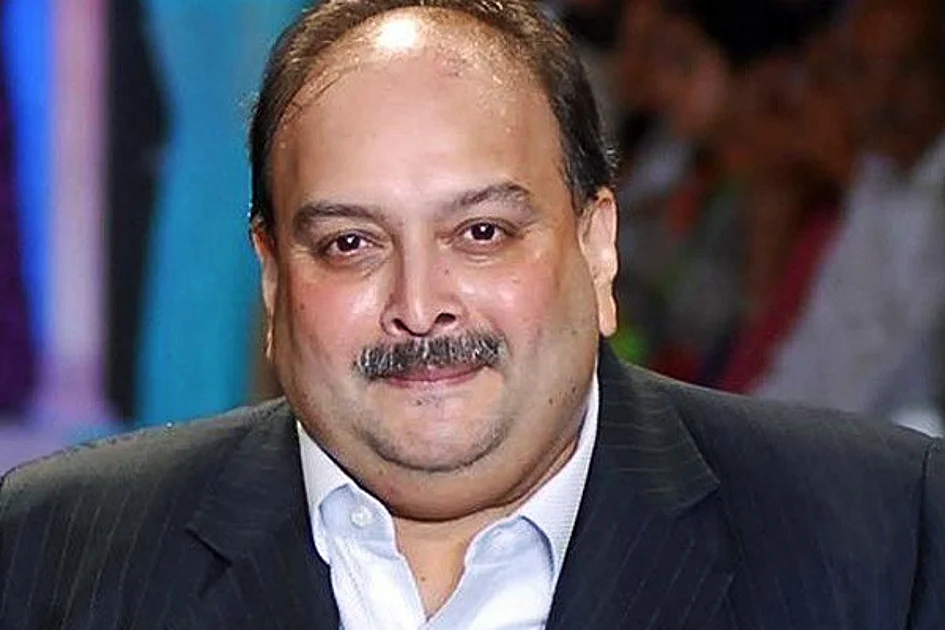
    In a landmark decision, a Belgian court in Antwerp has granted India’s request for the extradition of fugitive diamond trader Mehul Choksi, marking a significant step in the ongoing Punjab National Bank (PNB) fraud case. The court ruled that Choksi’s arrest by Belgian authorities earlier this year was lawful, paving the way for his potential return to India. However, the extradition process is not immediate, as Choksi retains the right to appeal the decision before a higher court.

    Choksi, along with his nephew Nirav Modi, is accused of masterminding one of India’s largest banking frauds, involving fraudulent letters of undertaking that allegedly defrauded PNB of over Rs13,000 crore. Following a formal request from Indian authorities, Choksi was arrested by Antwerp police on April 11, 2025, and has since been held in a Belgian prison. Multiple bail pleas have been rejected due to concerns over his potential flight risk.

    To address human-rights concerns raised during the extradition proceedings, India’s Ministry of Home Affairs (MHA) provided a detailed letter of assurance to Belgian authorities. The document outlined specific safeguards for Choksi’s detention in India, including access to medical care, adequate living conditions, and oversight by human rights commissions. Choksi is expected to be held in Barrack No. 12 at Arthur Road Jail in Mumbai, a facility designed for non-violent offenders, equipped with modern amenities and 24×7 medical support.

    The Indian government has also assured that Choksi will receive specialised medical treatment at Sir J J Group of Hospitals, with judicial and human rights oversight to ensure compliance with international standards. This ruling represents a critical development in India’s efforts to bring Choksi to justice, as he faces multiple charges under the Indian Penal Code and the Prevention of Corruption Act, 1988.

  • US sinks international deal on decarbonising ships

    US sinks international deal on decarbonising ships

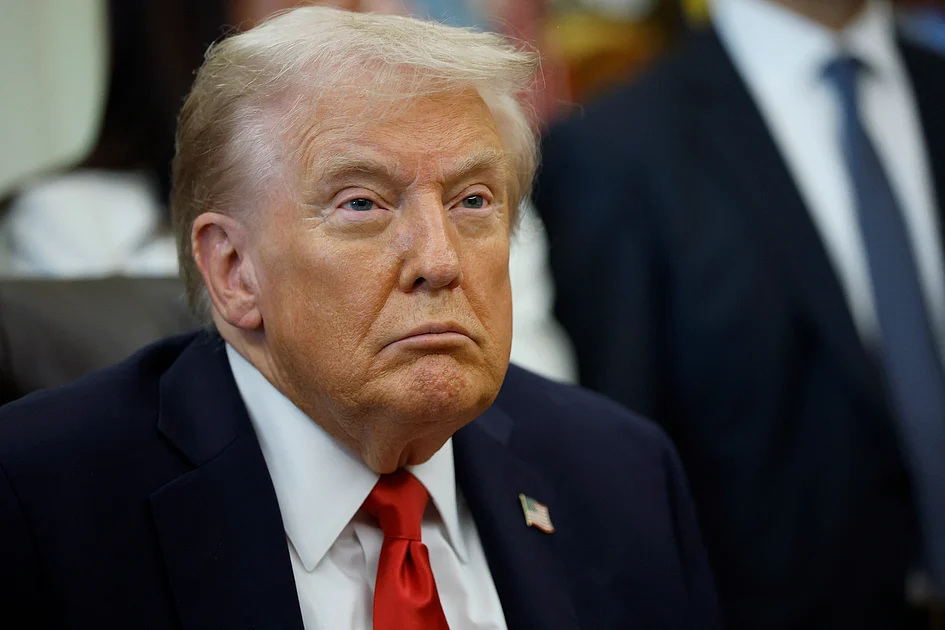
    A pivotal international agreement aimed at reducing maritime emissions has been postponed for a year following strong opposition from the United States. The decision, which came during a vote at the International Maritime Organization (IMO) in London, highlights deepening divisions between oil-producing nations and their counterparts. The IMO, a United Nations body overseeing global shipping, had initially proposed a global carbon pricing system in April to curb greenhouse gas emissions. However, the vote to formalize this plan was delayed after U.S. President Donald Trump threatened sanctions against countries supporting the initiative. Trump criticized the proposed carbon tax as a ‘scam,’ reinforcing his administration’s pro-fossil fuel stance. The U.S. withdrawal from IMO negotiations in April set the stage for this week’s contentious discussions, which culminated in a hastily arranged resolution to postpone the vote, passing 57 to 49. Major oil producers like Russia, Saudi Arabia, and the United Arab Emirates joined the U.S. in opposing the measure, citing economic and food security concerns. IMO Secretary-General Arsenio Dominguez expressed disappointment, urging delegates to avoid repeating the week’s chaotic proceedings. The International Chamber of Shipping, representing over 80% of the global fleet, also voiced frustration, emphasizing the need for clarity to drive investments in decarbonization. The proposed Net Zero Framework (NZF) would require ships to reduce carbon emissions progressively from 2028, with financial penalties for non-compliance. Shipping accounts for nearly 3% of global greenhouse gas emissions, and the carbon pricing plan aims to incentivize the use of cleaner fuels. The Philippines and Caribbean nations, heavily reliant on maritime industries, would face significant impacts from U.S. visa restrictions and sanctions. Despite the setback, supporters like the European Union, China, and Brazil reaffirmed their commitment to the NZF. Pacific Island states, initially hesitant, were expected to back the plan this time. If adopted, the global emissions pricing system would be challenging to evade, as IMO conventions allow signatories to inspect and detain non-compliant vessels.

  • Pakistan, Afghanistan extend ceasefire until conclusion of Doha peace talks

    Pakistan, Afghanistan extend ceasefire until conclusion of Doha peace talks

    Pakistan and Afghanistan have agreed to extend their 48-hour ceasefire until the conclusion of ongoing peace talks in Doha, Qatar. This decision comes after weeks of intense clashes, marking the worst violence between the two nations in decades. A Pakistani delegation has already arrived in Doha, while an Afghan delegation is expected to join the discussions on Saturday, according to unnamed security officials and a Taliban source. The temporary truce, initiated on Wednesday, paused fierce ground fighting and airstrikes that resulted in numerous casualties and heightened tensions along their contested border. The conflict escalated after Pakistan accused Afghanistan of harboring militants responsible for attacks on Pakistani soil, including a recent suicide attack that killed seven soldiers in North Waziristan. While the Taliban denies these allegations, Pakistan has expressed its willingness to engage in dialogue to resolve the crisis. International mediators, including Saudi Arabia and Qatar, have stepped in to facilitate peace efforts, with U.S. President Donald Trump also offering assistance. The extended ceasefire reflects a cautious optimism as both nations seek to de-escalate hostilities and address long-standing grievances.

  • Lebanese judge orders release of Gaddafi’s son on $11 million bail, issues travel ban

    Lebanese judge orders release of Gaddafi’s son on $11 million bail, issues travel ban

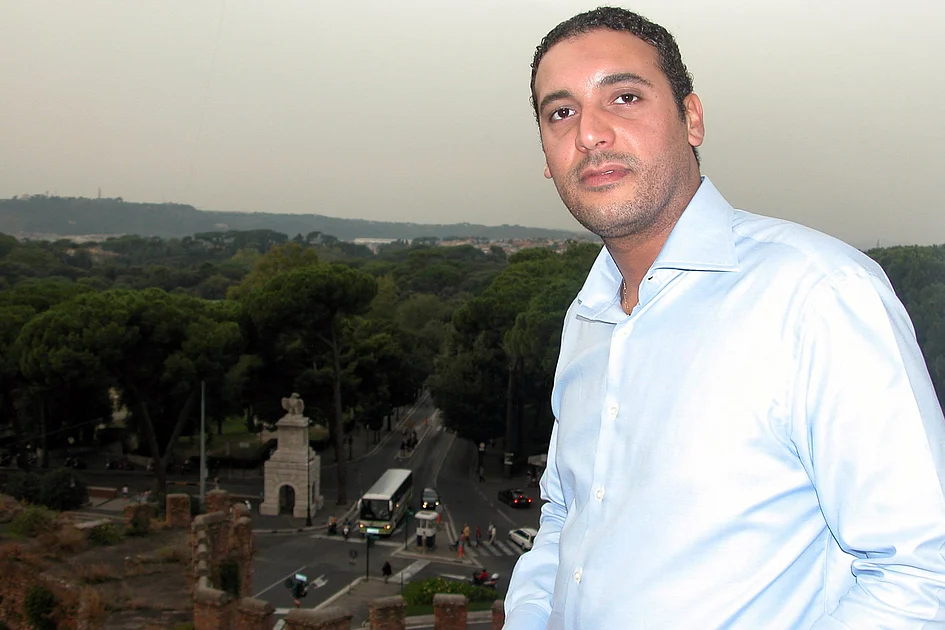
    A Lebanese judge has ordered the release of Hannibal Gaddafi, son of the late Libyan leader Moamer Gaddafi, on a $11 million bail after nearly a decade of pre-trial detention. The decision, announced on Friday, also includes a travel ban. Gaddafi was arrested in 2015 on allegations of withholding information about the disappearance of Lebanese Shiite cleric Mussa Sadr, who vanished during a visit to Libya in 1978. Despite his release, Gaddafi’s lawyer, Laurent Bayon, criticized the bail as “totally unacceptable” in a case of arbitrary detention, citing international sanctions that prevent his client from accessing such funds. Bayon vowed to challenge the decision. Gaddafi, now 49, has faced significant health issues, including severe depression and recent hospitalization for abdominal pain. His prolonged detention has drawn criticism from Human Rights Watch, which called for his immediate release in August, citing unsubstantiated allegations. The case has strained relations between Lebanon and Libya, with Beirut blaming Moamer Gaddafi for Sadr’s disappearance. Hannibal Gaddafi, married to Lebanese model Aline Skaf, fled to Syria after the 2011 Libyan uprising and was later kidnapped and brought to Lebanon. His name has also surfaced in the case of former French President Nicolas Sarkozy, who was convicted of accepting illegal campaign funds from Moamer Gaddafi. French investigations revealed attempts to corrupt Lebanese judges to secure Hannibal’s release and clear Sarkozy’s name. The case remains a complex web of international intrigue and unresolved tensions.