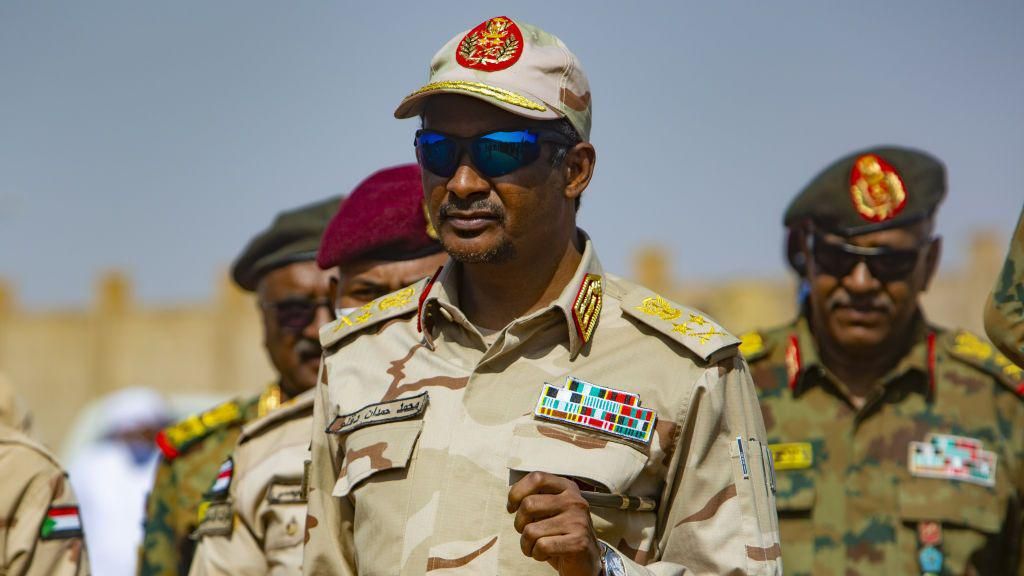
In a significant development in Sudan’s ongoing civil war, the paramilitary Rapid Support Forces (RSF) announced on Thursday its acceptance of a US-proposed humanitarian ceasefire. This decision follows the RSF’s capture of el-Fasher, a city in the Darfur region, after an 18-month siege that has left the population in dire straits. The siege, which blocked essential aid despite repeated UN appeals, has resulted in widespread starvation, with famine conditions confirmed by a UN-backed global hunger monitor. The RSF has faced international condemnation over allegations of mass killings, which it denies, though it has acknowledged ‘violations’ by individual soldiers and made some arrests. The civil war, which erupted in April 2023 between Sudan’s army and the RSF, has seen multiple ceasefire agreements fail to hold. In September, the US, along with the United Arab Emirates, Saudi Arabia, and Egypt, proposed a three-month humanitarian truce aimed at transitioning to civilian rule. The RSF stated that it agreed to the truce to address the ‘catastrophic humanitarian consequences’ of the war and facilitate the urgent delivery of aid. It also expressed a willingness to engage in discussions aimed at ending hostilities and addressing the root causes of the conflict. However, Sudan’s military-led government has yet to respond to the proposal, with officials emphasizing the need for the RSF to disarm and its leader to be held accountable before any truce can be considered. Meanwhile, the humanitarian crisis in Sudan continues to worsen, with over 24 million people facing acute food shortages, and community kitchens, a vital lifeline for millions, on the brink of collapse. The UN Human Rights Council has scheduled an urgent session to address the situation in el-Fasher, where reports of systematic killings and torture have emerged as thousands flee the city.
分类: world
-
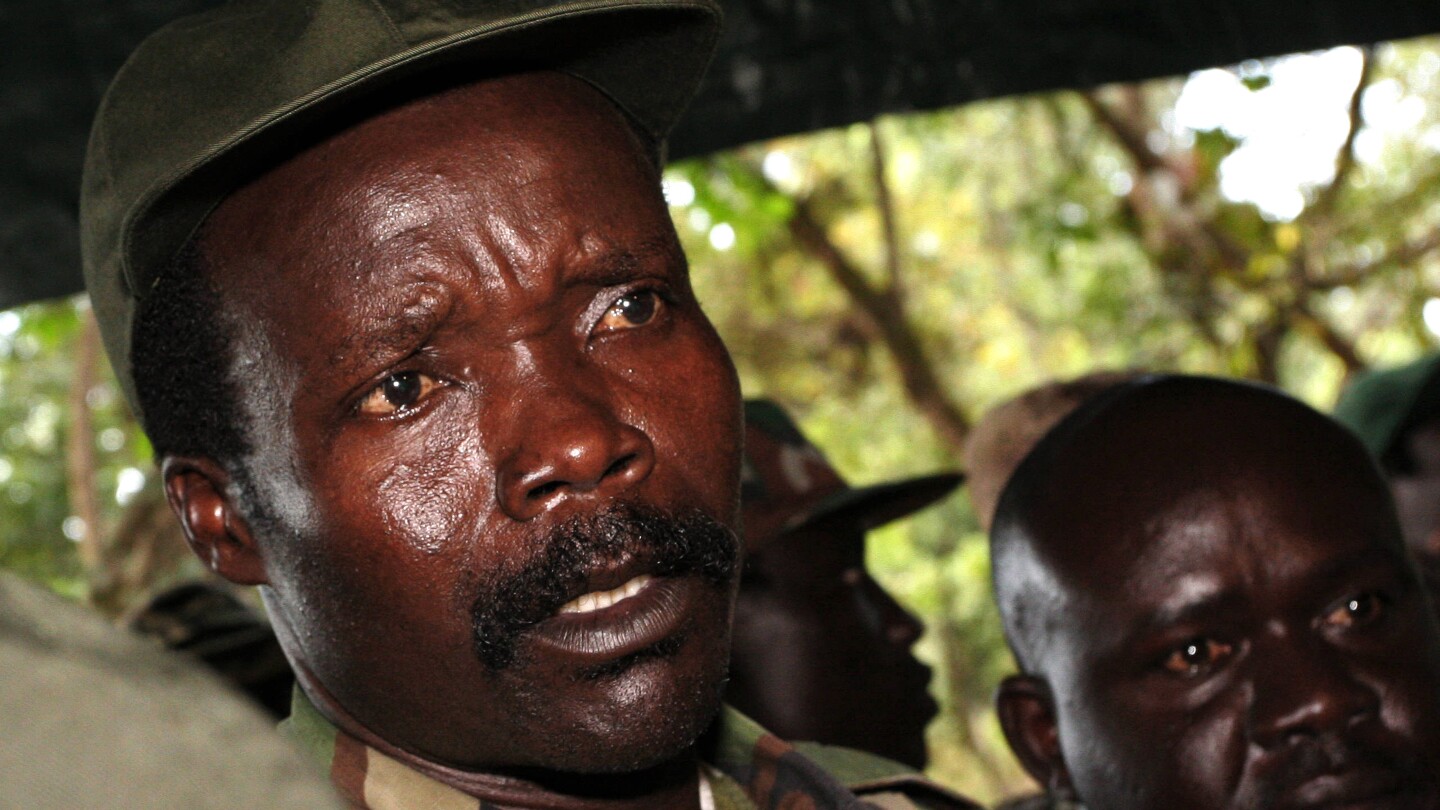
ICC judges confirm charges against Ugandan rebel leader Joseph Kony
In a landmark decision, the International Criminal Court (ICC) in The Hague, Netherlands, has officially confirmed war crimes and crimes against humanity charges against Joseph Kony, the notorious Ugandan warlord who remains at large. A three-judge panel concluded there is substantial evidence to hold Kony accountable for 29 counts, including murder, sexual enslavement, and rape, committed during his leadership of the Lord’s Resistance Army (LRA), a brutal militia that terrorized northern Uganda for decades. The court’s ruling marks a significant step in the pursuit of justice for the victims of Kony’s atrocities, despite his continued evasion of capture. The ICC held its first-ever in absentia hearing for Kony, a move that has sparked debate over the fairness of such proceedings. Deputy Prosecutor Mame Mandiaye Niang emphasized the devastating impact of Kony’s actions, stating, ‘The social and cultural fabric of Northern Uganda has been torn apart and is still struggling to rebuild itself.’ Kony gained global notoriety in 2012 when a viral video exposed his crimes, yet international efforts to apprehend him have so far failed. Court-appointed defense counsel argued that the in absentia hearing violated Kony’s right to a fair trial, with lawyer Peter Haynes noting, ‘The empty chair impacted the preparation of the defense.’ The case is seen as a test for the ICC, potentially paving the way for other high-profile trials where suspects are unlikely to be detained, including those involving Israeli Prime Minister Benjamin Netanyahu and Russian President Vladimir Putin. The LRA, founded by Kony in the 1980s, initially sought to overthrow the Ugandan government before expanding its operations to neighboring countries, leaving a trail of destruction marked by the use of child soldiers, civilian mutilations, and the enslavement of women.
-
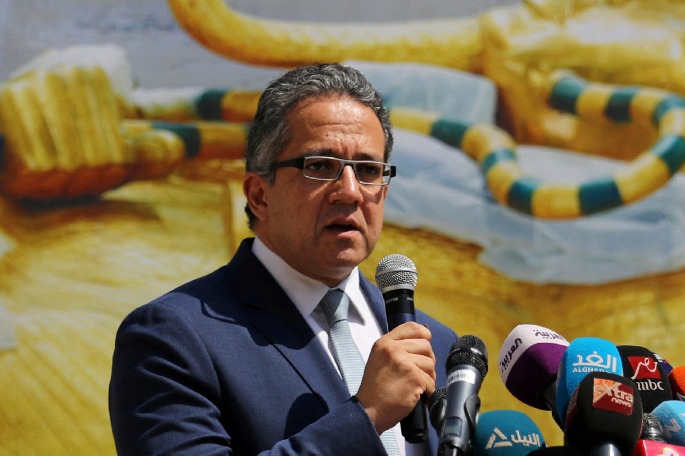
Former Egyptian minister of tourism and antiquities Khaled El-Enany appointed as UNESCO director-general
In a landmark decision, Khaled El-Enany, Egypt’s former Minister of Tourism and Antiquities, has been appointed as the new Director-General of UNESCO. This appointment marks a significant milestone for both Egypt and the global cultural heritage community. El-Enany, renowned for his expertise in preserving and promoting Egypt’s rich historical legacy, brings a wealth of experience to the role. His tenure as minister saw unprecedented advancements in Egypt’s tourism sector and the restoration of iconic archaeological sites. As UNESCO’s leader, El-Enany is expected to champion global efforts in cultural preservation, education, and sustainable development. His appointment underscores the growing recognition of Egypt’s pivotal role in shaping international heritage policies. The global community anticipates his leadership will foster greater collaboration in addressing pressing challenges such as climate change, cultural diversity, and the protection of endangered heritage sites.
-

Israeli West Bank raids leave Palestinian boy and grandmother dead
Israeli military operations in the occupied West Bank on Thursday resulted in the deaths of a Palestinian teenager and an elderly woman, marking another tragic chapter in the ongoing conflict. In the town of al-Yamoun, west of Jenin, 15-year-old Murad Fawzi Abu Seifen was fatally shot by Israeli soldiers during a raid. Reports indicate that paramedics were prevented from reaching the wounded boy, who bled for over 20 minutes before his body was taken by the troops. The Israeli army claimed the teenager had thrown an “explosive device” at their forces, though no injuries were reported among the soldiers. In a separate incident in al-Mazraa al-Gharbiya, northwest of Ramallah, 80-year-old Haniyeh Hanoun died from shock during a raid on her home. Her grandson was arrested in the same operation. Local media reported that Hanoun had pre-existing health conditions. Disturbing images from the scene showed overturned furniture and scattered belongings, while an ambulance was seen rushing to the house. Since October 2023, Israeli forces have intensified raids, air strikes, and land seizures in the West Bank, resulting in the deaths of 1,065 Palestinians and the arrest of over 20,000, including 1,600 children. Concurrently, Israeli authorities have expanded settlements, with plans for 356 new units in the Adam settlement north of Jerusalem. This expansion has been condemned as part of a broader policy to consolidate control over Palestinian territories, which international law deems illegal. The International Court of Justice has ruled Israel’s occupation as “unlawful,” and activists argue that settlements fragment the West Bank and exacerbate Palestinian hardship. Despite global criticism, Israel continues to authorize thousands of new settlement units annually, further complicating prospects for peace.
-

UN warns global climate goals slipping out of reach
The United Nations has issued a stark warning that global efforts to curb greenhouse gas emissions are falling dangerously short of what is needed to prevent catastrophic climate change. In its latest Emissions Gap Report 2025, titled ‘Off Target – Continued Collective Inaction Puts Global Temperature Goal at Risk,’ the United Nations Environment Programme (UNEP) revealed that the planet is on track for up to 2.8 degrees Celsius of warming this century, despite a decade of commitments under the Paris Agreement. This alarming projection underscores the widening chasm between climate pledges and tangible action. UN Secretary-General Antonio Guterres emphasized the urgency of the situation, calling for immediate and accelerated efforts to limit global temperature rise to 1.5 degrees Celsius by the end of the century. He urged nations to peak global emissions immediately, deepen emission reductions, sharply cut methane, transition rapidly from fossil fuels to renewables, and protect forests and oceans. The report highlighted that global greenhouse gas emissions rose by 2.3 percent in 2024, reaching a record 58 billion metric tons of carbon dioxide equivalent. The Group of 20 (G20) economies, responsible for 77 percent of these emissions, must lead the charge in reducing their carbon footprint. While some progress has been made, with 60 parties to the Paris Agreement submitting updated Nationally Determined Contributions (NDCs), the overall impact remains insufficient. The report also warned that the planned withdrawal of the United States from the Paris Agreement in 2026 could erase 0.1 degrees Celsius of progress. Despite these challenges, the UNEP pointed to promising trends in renewable energy, particularly China’s expanding capacity, which is driving global progress toward cleaner electricity systems. However, to keep the 1.5-degree target within reach, global emissions must decline by at least 43 percent by 2030 compared to 2019 levels. As the world prepares for the COP30 Climate Conference in Belem, Brazil, the UN is calling for a unified and bold response to bridge the gap between ambition and implementation, emphasizing that every fraction of a degree avoided reduces the risk of irreversible climate impacts.
-
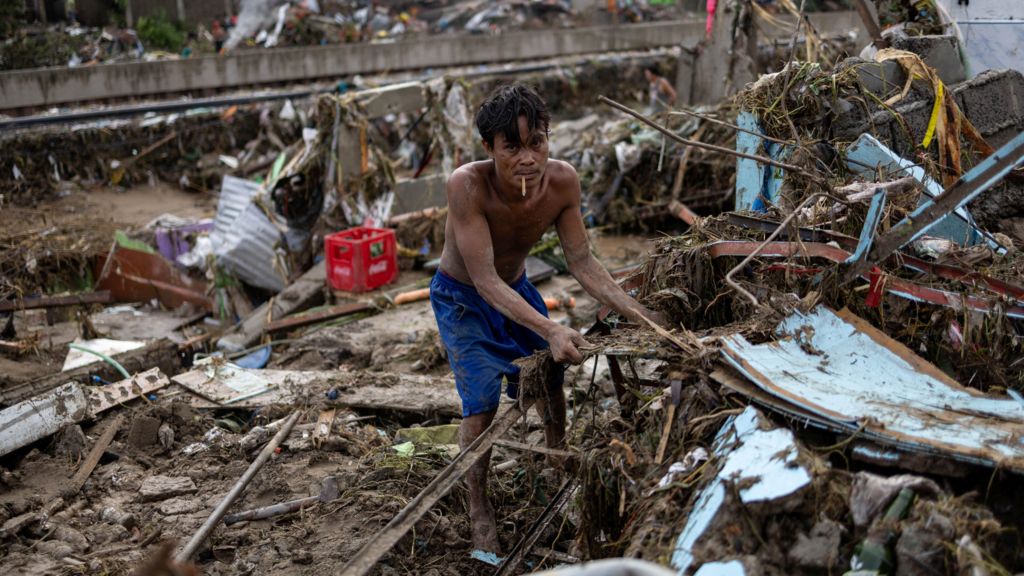
Typhoon Kalmaegi hits Vietnam after killing at least 114 in Philippines
Typhoon Kalmaegi, one of Asia’s most powerful storms this year, has wreaked havoc across the Philippines and Vietnam, claiming at least 114 lives and displacing tens of thousands. The typhoon first struck the Philippines, particularly affecting central regions like Cebu, where entire towns were submerged, and vehicles were swept through flooded streets. President Ferdinand Marcos Jr. declared a state of emergency in response to the widespread destruction, which included significant property damage and disruptions to livelihoods.
-

Weapons cache linked to Hamas found in Vienna by Austria’s intelligence service
Austria’s domestic intelligence agency, the Directorate for State Security and Intelligence (DSN), has discovered a weapons cache in Vienna allegedly connected to the Palestinian militant group Hamas, raising concerns about potential terrorist attacks in Europe. The Austrian government announced the findings on Thursday, emphasizing the international scope of the investigation. The weapons, including five handguns and 10 accompanying magazines, were found in a suitcase stored in a rented facility in Vienna. Authorities suspect the cache was intended for use in attacks targeting Israeli or Jewish institutions across Europe.
-
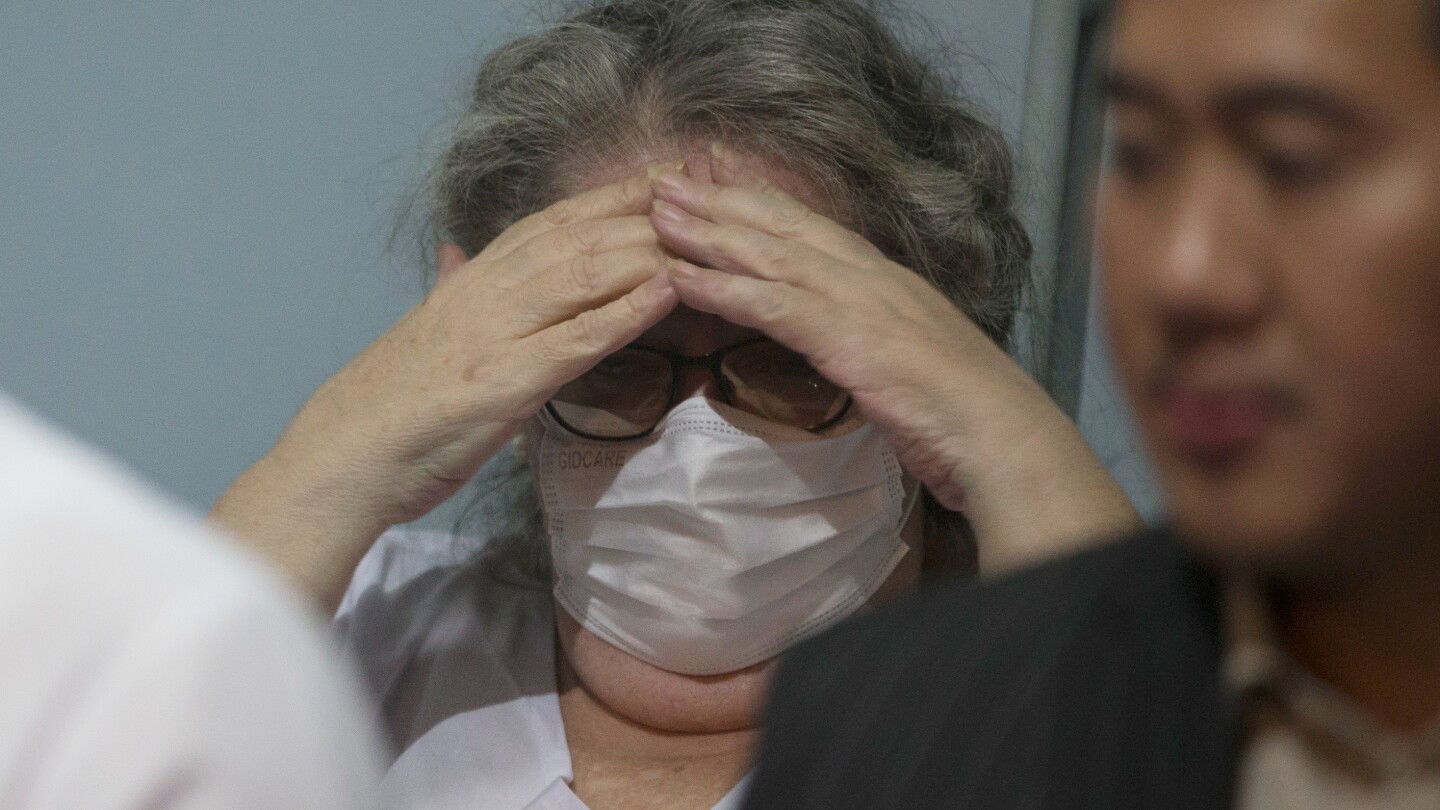
Indonesia to send home two ailing Britons serving prison terms on drug charges
Two British nationals, Lindsay Sandiford and Shahab Shahabadi, who were imprisoned in Indonesia on drug-related charges, are set to return to the United Kingdom following a bilateral agreement between the two nations. The repatriation, facilitated by Indonesian authorities, marks a significant development in international legal cooperation. Sandiford, 69, was arrested in 2012 and sentenced to death for smuggling 3.8 kilograms of cocaine into Bali. Shahabadi, 35, received a life sentence in 2014 for his involvement in an international drug trafficking network. Both individuals were escorted to Bali’s airport on Thursday evening and are scheduled to depart early Friday, with a layover in Doha before reaching London. The decision to repatriate them was influenced by their severe health conditions—Sandiford suffers from diabetes and hypertension, while Shahabadi has mental health issues. The agreement, signed on October 21 by Indonesian Coordinating Minister Yusril Ihza Mahendra and British Foreign Secretary Yvette Cooper, underscores Indonesia’s commitment to humanitarian considerations in its legal framework. Deputy Minister I Nyoman Gede Surya Mataram emphasized that the process reflects Indonesia’s credibility in international legal cooperation. The British government expressed gratitude for the transfer and signaled openness to discussing similar arrangements for Indonesians imprisoned in the UK. Indonesia, under President Prabowo Subianto, has previously repatriated foreign prisoners, including individuals from the Philippines, Australia, and France, under similar bilateral agreements. The country’s strict drug laws have resulted in over 530 individuals on death row, predominantly for drug-related offenses, including nearly 100 foreigners.
-
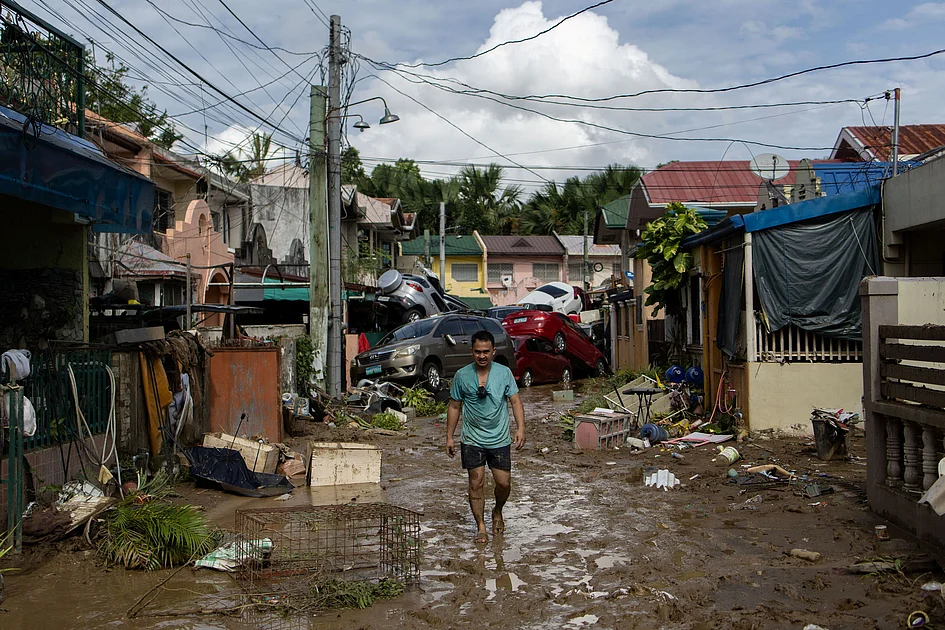
Philippines: Typhoon Kalmaegi kills 140; 127 missing after devastating floods
Typhoon Kalmaegi has wreaked havoc across the central Philippines, resulting in at least 140 fatalities and leaving 127 individuals unaccounted for, according to official reports released on Thursday. The storm, now en route to Vietnam, unleashed unprecedented flooding in Cebu province, sweeping away vehicles, riverside shanties, and even massive shipping containers. The national civil defence office confirmed 114 deaths, with an additional 28 reported by Cebu provincial authorities. In Liloan, a town near Cebu City, 35 bodies were recovered from flood-ravaged areas, where cars were piled atop each other and roofs were torn off buildings. Residents are struggling to recover from the devastation, with many recounting harrowing tales of survival. Christine Aton, 29, described the tragic loss of her sister Michelle, who was trapped in her bedroom as floodwaters rose. On Negros Island, at least 30 people perished as heavy rains triggered volcanic mudflows that buried homes in Canlaon City. The national death toll also includes six crew members of a military helicopter that crashed during a relief mission. Scientists attribute the increasing intensity of such storms to human-driven climate change, with warmer oceans and a more moisture-laden atmosphere exacerbating their impact. Nearly 800,000 people were evacuated from the typhoon’s path. As Kalmaegi approaches Vietnam, fears are mounting that it could compound the damage from recent flooding that has already claimed 47 lives. The storm, with windspeeds of 155 kph and gusts up to 190 kph, is forecast to make landfall in central Vietnam late Thursday, bringing waves as high as eight meters and powerful storm surges. Deputy Prime Minister Tran Hong Ha has urged local authorities to treat the situation as ‘urgent and dangerous,’ labeling Kalmaegi as ‘a very abnormal’ storm. The Philippines has already experienced its average of 20 such storms this year, with at least ‘three to five more’ expected by December’s end.
-

Nixon Library revives spirit of dialogue
The Richard Nixon Presidential Library and Museum in Yorba Linda, California, has launched a new executive education program aimed at fostering US-China economic cooperation. The Nixon Library-Chapman Executive Education Program on US-China Business and Economics, a three-week initiative, seeks to equip Chinese business leaders with the knowledge and skills needed to navigate the US market and promote constructive economic engagement. This program is a continuation of the legacy of President Richard Nixon, whose historic 1972 visit to Beijing marked a turning point in US-China relations. Nixon’s visit ended 25 years of diplomatic estrangement and laid the foundation for a new era of cooperation between the two nations. The program, which includes lectures on trade trends, real estate investment, and the use of artificial intelligence in business growth, also emphasizes the importance of mutual understanding and dialogue in international relations. Participants, many of whom are Chinese entrepreneurs in sectors such as electronics, textiles, food service, and cosmetics, will also visit JD Logistics’ US headquarters to gain firsthand experience of Chinese global supply chain networks operating in the US. The program’s organizers believe that economic exchange is not only about commerce but also about cultural and human connections. ‘President Nixon opened the door for China to the world,’ said Jane Zhang, director of tourism, culture, and education at the Nixon Library. ‘We feel an obligation to continue that legacy to promote peace and understanding among nations.’ The Nixon Library, which houses the farmhouse where Nixon was born in 1913, serves as both a museum and the final resting place of the 37th US president and his wife, Pat Nixon. It stands as a testament to Nixon’s belief in the power of dialogue to achieve peace and cooperation.