
Nigerian Nobel Prize-winning author Wole Soyinka has revealed that the United States revoked his visa and imposed a travel ban on him. The 91-year-old literary icon, who was awarded the Nobel Prize in Literature in 1986, disclosed that the US consulate requested his passport to cancel his visa in person, citing unspecified new information. Soyinka described the invitation as a “rather curious love letter from an embassy” during a press conference on Tuesday. He advised organizations planning to invite him to the US to “not waste their time.” The US Embassy in Nigeria declined to comment on individual cases. Soyinka, who previously held US permanent residency, famously tore up his green card in 2016 to protest Donald Trump’s election. He humorously remarked that the card had “fallen between the fingers of a pair of scissors and got cut into pieces.” Soyinka has been a vocal critic of Trump’s immigration policies, linking the visa revocation to his outspoken remarks. He recently compared Trump to Uganda’s infamous dictator Idi Amin, calling him “Idi Amin in white face.” When asked if he would return to the US, Soyinka quipped, “How old am I?” The US State Department recently tightened visa policies for Nigeria and several other African countries, reducing validity periods significantly.
分类: world
-

‘My hopes are dashed’: Illegal Indian migrants deported by US speak to BBC
In a recent wave of deportations under the Trump administration’s intensified crackdown on illegal immigration, several Indian migrant workers have returned home with tales of hardship, humiliation, and broken aspirations. At least 54 men, aged between 25 and 40, arrived in Delhi on Sunday after being deported from the United States. Hailing from the northern state of Haryana, these individuals had entered the US via the notorious ‘donkey route,’ a perilous pathway often exploited by human traffickers to facilitate illegal border crossings. The Indian government has yet to comment on the deportations, which are part of a broader effort by the US to curb illegal immigration, with over 2,400 Indians deported this year alone. Many of these migrants, driven by the hope of a better life, sold land or took loans to fund their journeys, only to face arrest, detention, and eventual deportation. Among them is Harjinder Singh, a farmer who spent 3.5 million rupees to reach the US four years ago, working as a cook to support his family. ‘My hopes have been dashed,’ Singh lamented, recounting the humiliation he endured during the deportation process. Another deportee, Naresh Kumar, sold his land and paid 5.7 million rupees to agents, only to spend 14 months in US custody before being sent back. The ‘donkey route,’ also known as the ‘dunki route,’ involves treacherous journeys across multiple borders, often requiring migrants to endure dangerous treks through jungles and rely on various modes of transport. Despite the hardships, none of the deportees have filed formal complaints against the agents who arranged their journeys, though authorities have pledged to take action if complaints are received. The Indian government has emphasized its efforts to raise awareness about safe and legal migration, with Prime Minister Narendra Modi highlighting the vulnerability of young Indians lured by false promises. According to India’s foreign ministry, 2,417 Indians were deported from the US between January and September 2025. This recent wave of deportations has drawn attention to the plight of undocumented Indian immigrants, who constitute the third-largest group of undocumented immigrants in the US, after those from Mexico and El Salvador.
-
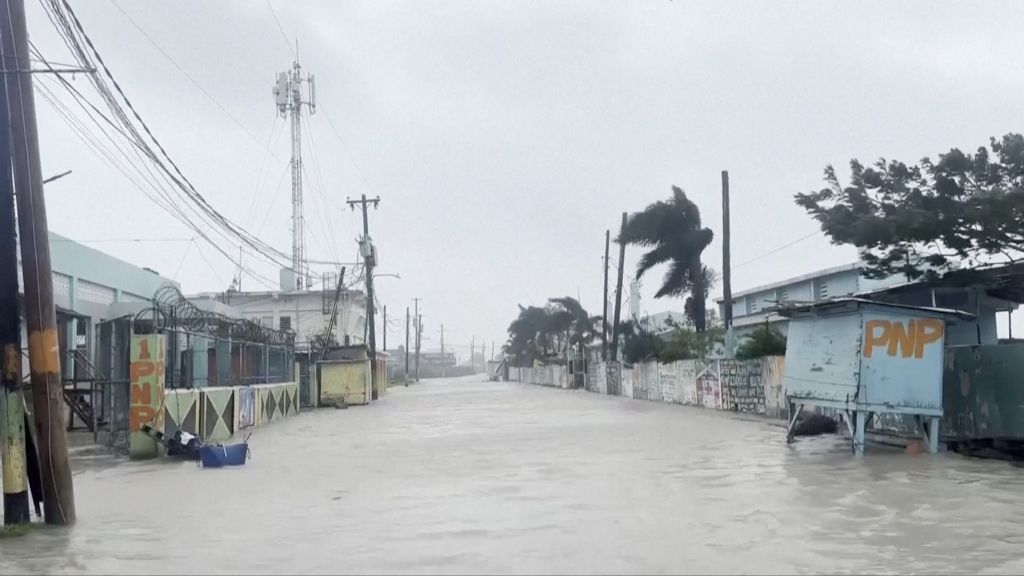
Floods hit Jamaica as Hurricane Melissa leaves trail of destruction
Jamaica is reeling from unprecedented devastation as Hurricane Melissa, the most powerful storm to strike the Caribbean nation in recorded history, has left a trail of destruction in its wake. The hurricane’s ferocious winds and torrential rains have triggered widespread flooding, submerging communities, displacing thousands, and crippling infrastructure. Emergency response teams are working tirelessly to rescue stranded residents and provide essential aid, while the government has declared a state of emergency to mobilize resources. The storm’s impact has been particularly severe in coastal regions, where rising waters have inundated homes and businesses. Meteorologists warn that the aftermath of Hurricane Melissa could have long-term repercussions for Jamaica’s economy and environment, as the nation faces the daunting task of rebuilding and recovery. This catastrophic event underscores the growing threat of extreme weather phenomena linked to climate change, prompting calls for enhanced disaster preparedness and resilience measures in vulnerable regions.
-

Cyclone Montha weakens after battering India’s eastern coast with rain and wind
Cyclone Montha, which recently wreaked havoc along India’s eastern coastline, has begun to weaken, according to the latest updates from the Indian Meteorological Department. The storm, which made landfall near the port city of Kakinada in Andhra Pradesh late Tuesday night, brought torrential rains and gusty winds, uprooting trees, damaging infrastructure, and causing significant flooding in low-lying areas. Initial reports indicated sustained winds of up to 100 kph (62 mph), though these have since diminished to 83 kph (52 mph) as the storm moved inland. The cyclone, named by Thailand after a fragrant flower, also triggered a storm surge of up to 10 feet (3 meters) in Kakinada and surrounding regions. While authorities have yet to confirm any fatalities, local media reported one death caused by a fallen tree. Tens of thousands of residents from vulnerable areas in Andhra Pradesh and Odisha had been evacuated to relief camps prior to the storm’s arrival, showcasing India’s improved disaster preparedness in recent years. Moderate to heavy rains are expected to persist in parts of Andhra Pradesh, Odisha, Telangana, and Chhattisgarh until Thursday. India’s eastern coast has historically been prone to cyclones, but climate scientists warn that the frequency and intensity of such storms are increasing due to global warming, posing greater risks to the region.
-
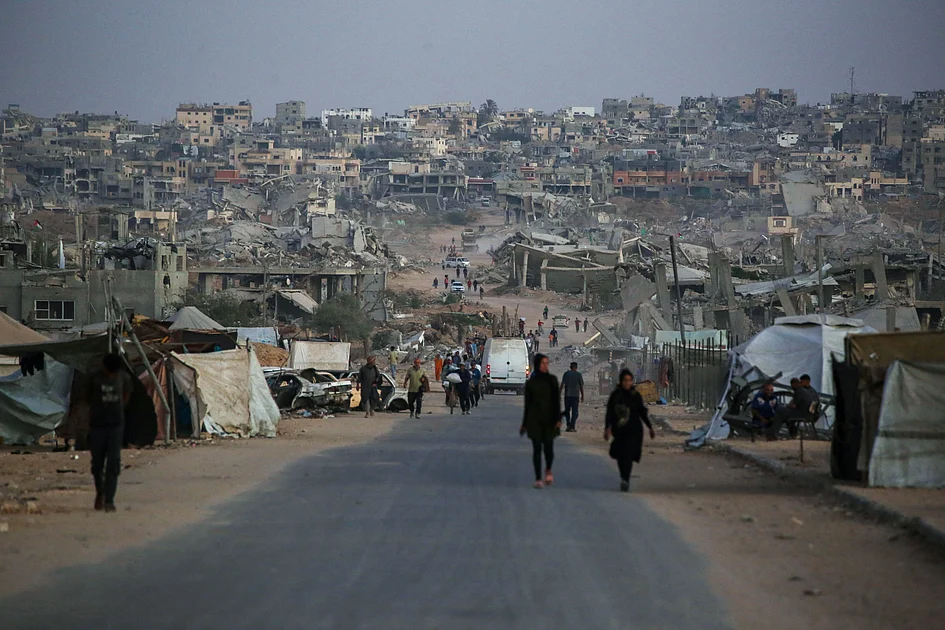
Hamas denies attacking Israeli troops in Gaza
In a recent development, the Palestinian militant group Hamas has categorically denied accusations of attacking Israeli troops in Gaza. The allegations were initially made by Israeli Defence Minister Israel Katz on Tuesday, though he did not provide specific details regarding the location of the alleged incident. Hamas, in a formal statement, refuted these claims, asserting that it had no involvement in the reported shooting incident in Rafah. The group reiterated its commitment to the US-brokered ceasefire agreement with Israel, emphasizing its adherence to the terms of the truce. This denial comes amidst heightened tensions in the region, with both sides maintaining their respective positions. The situation remains fluid as further details are awaited.
-

UAE increasing support to Sudan’s RSF with new Chinese drones: Report
Recent intelligence reports from U.S. agencies reveal that the United Arab Emirates (UAE) has significantly increased its supply of advanced Chinese drones and other weapon systems to Sudan’s paramilitary Rapid Support Forces (RSF). This development, reported as recently as October, underscores the UAE’s deepening involvement in the Sudanese conflict. The RSF, accused of committing genocide in Darfur, has received a steady flow of arms, including small arms, heavy machine guns, vehicles, artillery, mortars, and ammunition, according to a Wall Street Journal (WSJ) report published on Tuesday. The UAE’s support for the RSF has been well-documented, with Middle East Eye (MEE) previously reporting in January 2024 on the UAE’s complex network of supply lines stretching across Libya, Chad, Uganda, and breakaway regions of Somalia. In May, Amnesty International confirmed the UAE’s delivery of Chinese-made weaponry, such as GB50A-guided bombs and 155mm AH-4 howitzers, to Darfur, where the RSF has been besieging cities. The RSF’s recent capture of el-Fasher in North Darfur, accompanied by documented civilian massacres, follows the collapse of U.S.-sponsored peace talks. Sources indicate that the UAE, the RSF’s primary patron, has refused to address the ongoing siege of el-Fasher, which has persisted for over 500 days. The WSJ report highlights that the UAE’s weapon supply to the RSF intensified after March, when the Sudanese Army, backed by Iran, Turkey, and Egypt, reclaimed Khartoum. MEE also reported in May that the UAE orchestrated precision drone attacks on government-controlled Port Sudan, injuring members of a Turkish technical team assisting the Sudanese military. The UAE is now supplying the RSF with advanced Chinese drones, including the CH-95 model, capable of precision strikes and long-range reconnaissance. The RSF, originally formed as the janjaweed militia under Omar Bashir’s regime, has expanded its operations in Darfur, leveraging its close ties with the UAE. RSF leader Mohamed Hamdan Dagalo, known as Hemeti, has established a commercial empire in Dubai, using the emirate to smuggle gold from Darfur’s mines under his control.
-
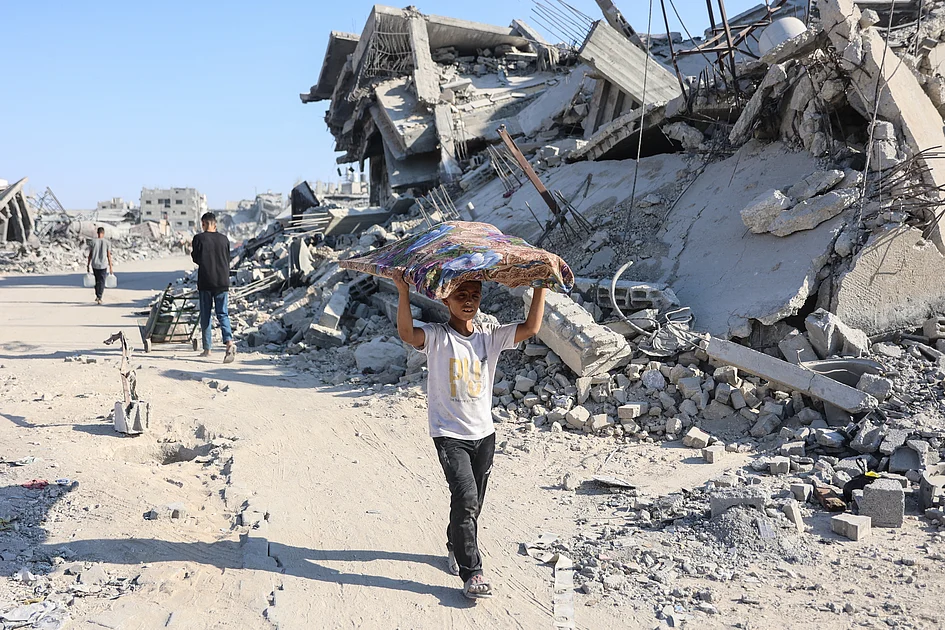
Israel says Hamas attacked troops in Gaza, warns group will ‘pay heavy price’
Israel has accused Hamas of launching an attack on its troops in Gaza, despite an ongoing ceasefire, and has vowed to make the group ‘pay a heavy price.’ The incident has further escalated tensions in the region, with Israeli Prime Minister Benjamin Netanyahu ordering intense military strikes on the Gaza Strip. Netanyahu accused Hamas of violating a US-brokered ceasefire agreement, which had temporarily halted hostilities. Israel’s Defence Minister, Israel Katz, condemned the attack, calling it a ‘crossing of a bright red line’ and promising a forceful response. Katz stated that Hamas would be held accountable not only for the attack on Israeli Defense Forces (IDF) soldiers but also for violating the agreement to return the bodies of hostages. The situation has reignited fears of a broader conflict, as both sides appear to be preparing for further confrontations. The ceasefire, which had been brokered to de-escalate the violence, now hangs in the balance as Israel intensifies its military operations in Gaza. The international community is closely monitoring the developments, with concerns over the potential humanitarian impact on civilians in the region.
-
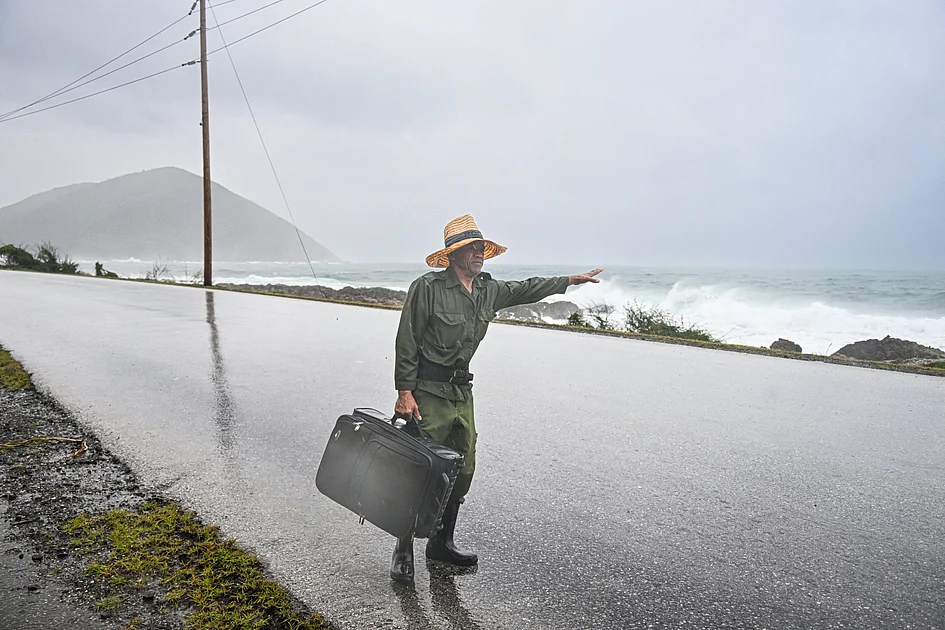
Monster Hurricane Melissa makes landfall in Jamaica
Jamaica faced unprecedented devastation as Hurricane Melissa, a ferocious Category 5 hurricane, made landfall on Tuesday, October 28, 2025. With sustained winds reaching a staggering 185 miles per hour (295 kilometers per hour), Melissa surpassed the intensity of historic storms like Hurricane Katrina in 2005. The storm brought ferocious winds, torrential rains, and life-threatening conditions, marking it as the most powerful hurricane ever to strike the island nation. The US National Hurricane Center issued urgent warnings, emphasizing the extreme danger and urging residents to seek shelter and avoid windows, even during the deceptive calm of the storm’s eye. Tragically, seven deaths have already been reported across Jamaica, Haiti, and the Dominican Republic, with officials expressing concern over residents ignoring evacuation pleas. Jamaican government minister Desmond McKenzie implored citizens to prioritize safety, noting that many of the island’s 880 shelters remained underutilized. The combination of storm surges and heavy rainfall, expected to be measured in feet rather than inches, threatens to trigger catastrophic floods and landslides. Olympic sprinter Usain Bolt, a national icon, took to social media to urge his fellow Jamaicans to stay safe. Meanwhile, residents like Ishack Wilmot in Kingston described the harrowing experience of losing electricity and water while enduring the storm’s relentless intensity. The Jamaican Red Cross, preparing for widespread infrastructure disruptions, highlighted the anxiety caused by Melissa’s slow progression, which prolonged its destructive impact. Meteorologists and climate scientists have linked the storm’s unprecedented strength to human-driven climate change, which has exacerbated the frequency and intensity of such extreme weather events. Hurricane Melissa is expected to continue its path of destruction, moving toward eastern Cuba after devastating Jamaica. Experts warn that the storm’s scale and impact could rival historic hurricanes like Katrina, Maria, and Harvey, underscoring the urgent need for global action on climate change.
-
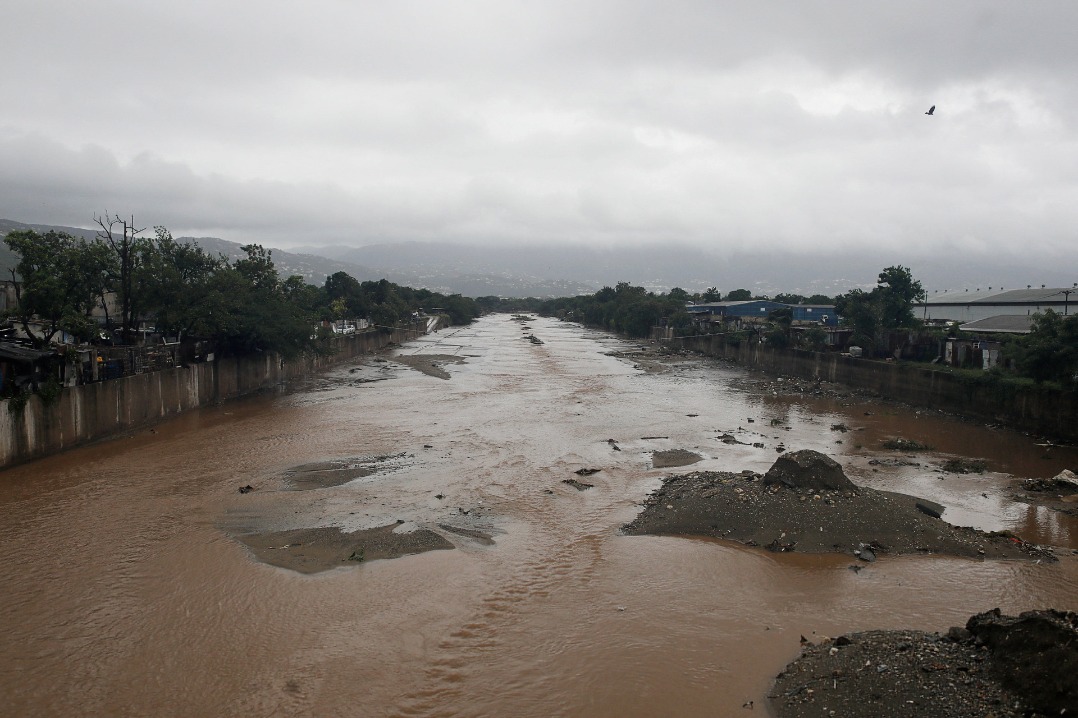
Hurricane Melissa makes landfall in Jamaica as category 5 storm
Hurricane Melissa, a catastrophic Category 5 storm, made landfall in Jamaica on Tuesday morning, October 28, 2025. According to the US National Hurricane Center, the hurricane unleashed maximum sustained winds of up to 295 kilometers per hour, posing severe threats to the Caribbean island. The storm’s arrival has triggered widespread flooding and significant damage across Kingston, Jamaica’s capital, as torrential rains and powerful winds battered the region. Emergency services have been mobilized to assist affected communities, while residents brace for further destruction. Hurricane Melissa’s intensity underscores the growing concerns over increasingly powerful storms in the Atlantic hurricane season, attributed to climate change. Authorities have issued urgent warnings for residents to seek shelter and avoid unnecessary travel. The hurricane’s trajectory is being closely monitored as it moves across the Caribbean, with potential impacts on neighboring nations.
-
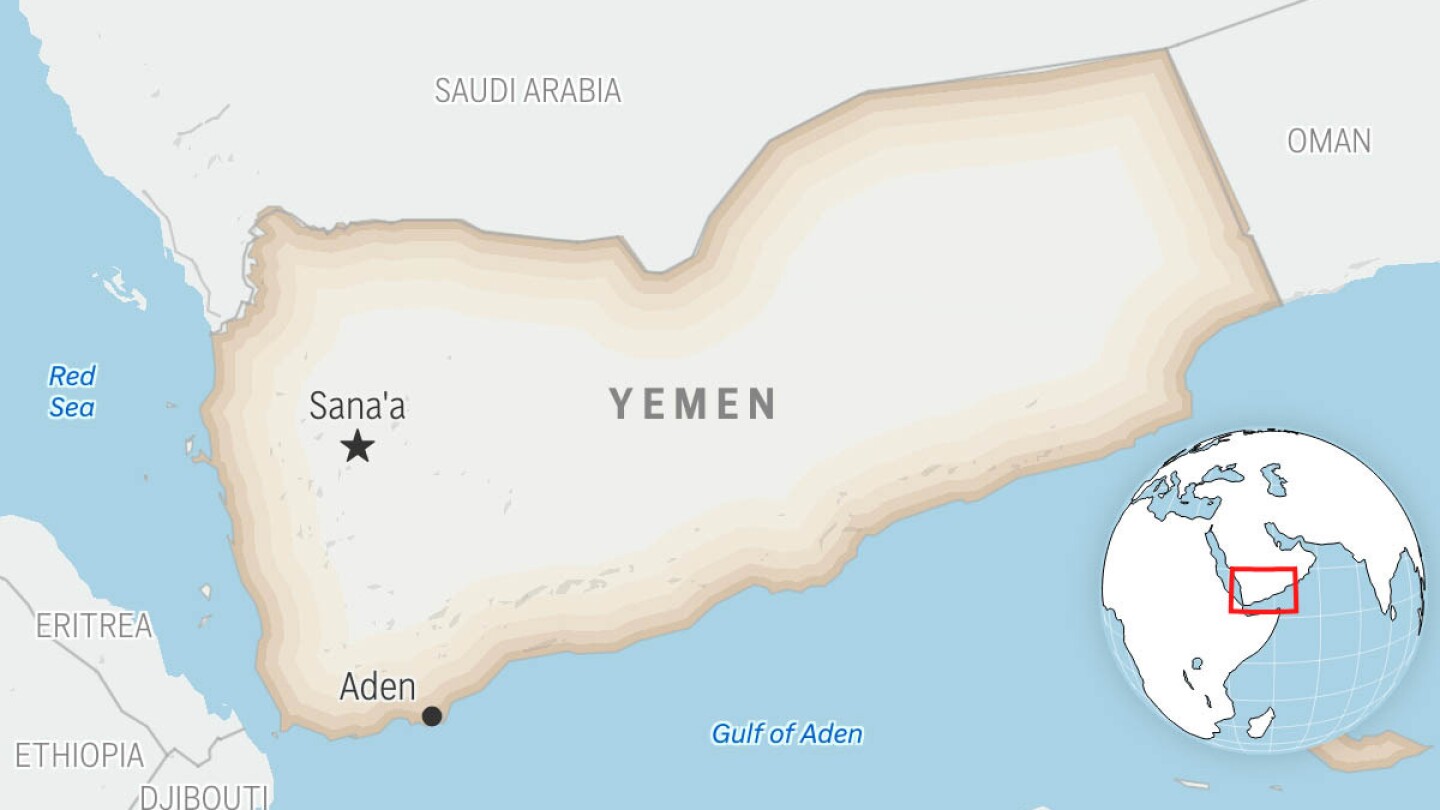
Amnesty says US strike on a Yemen prison that killed dozens of African migrants may be a war crime
A controversial U.S. airstrike in April on a prison operated by Yemen’s Houthi rebels, which resulted in the deaths of over 60 detained African migrants, has drawn calls for investigation as a potential war crime. Amnesty International, a leading human rights organization, has urged scrutiny into the April 28 attack in Yemen’s Saada province. The strike was part of an intensified U.S. military campaign under President Donald Trump, targeting Houthi rebels for disrupting Red Sea shipping routes amid the Israel-Hamas conflict. The U.S. military’s Central Command has yet to provide an explanation for the strike, which occurred at a site previously bombed by a Saudi-led coalition. Survivors, all Ethiopian migrants detained while attempting to reach Saudi Arabia, reported no Houthi fighters present at the time of the attack. Amnesty International has labeled the strike as an “indiscriminate attack,” emphasizing that international law prohibits targeting civilian structures like prisons unless they are used for military purposes. The Houthis recently revised the death toll to 61, down from an initial report of 68. The incident echoes a similar 2022 strike by the Saudi-led coalition on the same compound, which killed 66 detainees. The Houthis have denied misconduct but face criticism for their crackdown on activists and humanitarian workers. The U.S. campaign, which escalated under Trump’s Operation Rough Rider, has reportedly caused significant civilian casualties, with Airwars estimating at least 224 civilian deaths during the operation. U.S. Army Gen. Michael Kurilla has promised transparency regarding civilian casualties, though details remain undisclosed. The strike has raised concerns about the humanitarian impact on African migrants seeking better opportunities in the Gulf region.