
In a groundbreaking move, Abu Dhabi has officially unveiled the commencement of commercial operations for fully autonomous vehicles, marking a significant milestone in the realm of transportation technology. This initiative positions the UAE capital as a global leader in the adoption of cutting-edge mobility solutions. The driverless vehicles, equipped with state-of-the-art artificial intelligence and advanced sensor systems, are set to revolutionize urban transport by enhancing safety, efficiency, and sustainability. The launch underscores Abu Dhabi’s commitment to innovation and its vision for a smart, connected future. Meanwhile, in the sports arena, Luanzinho emerged as a national hero, securing a hard-fought draw for the UAE in a crucial World Cup playoff match against Iraq. His stellar performance not only salvaged the game but also reignited hopes for the team’s World Cup aspirations.
分类: technology
-
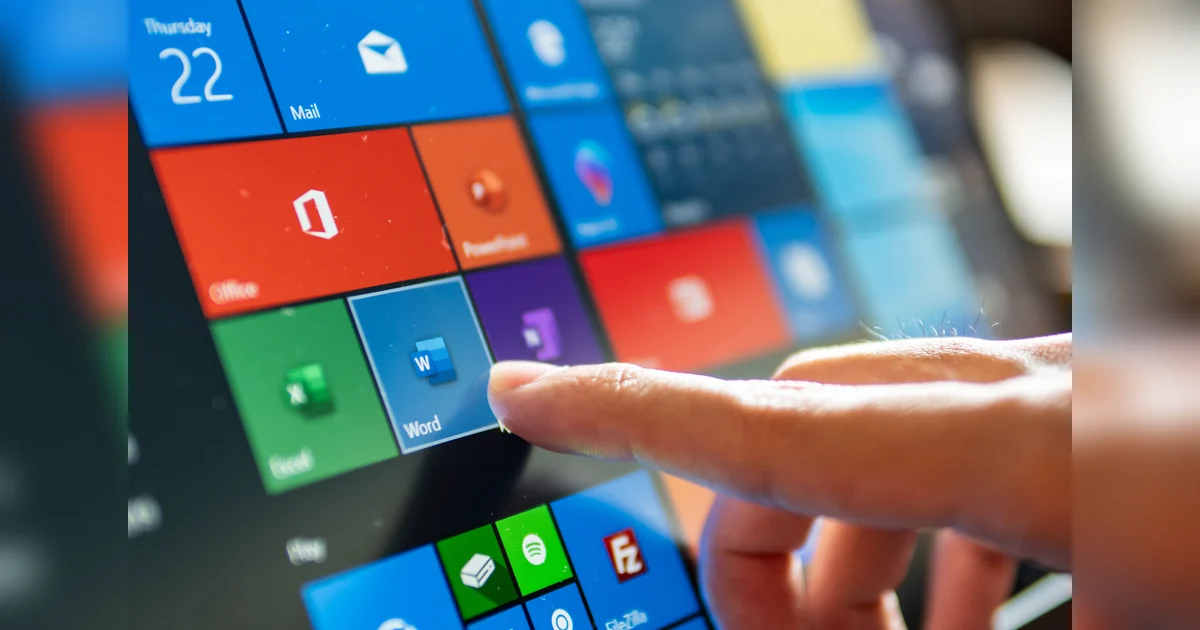
Windows 10’s End Marks the Dawn of AI-Powered PCs
As Microsoft officially ended support for Windows 10 on October 14, 2025, businesses across the UAE are being urged to transition to Windows 11 Pro and the next generation of Copilot+ PCs. This move marks a significant shift in the computing landscape, as unsupported systems become vulnerable to cyberattacks, posing a critical risk for a region rapidly advancing its digital economy. Microsoft, in collaboration with its regional distributor Logicom, is pushing organisations to adopt these new technologies to ensure security, efficiency, and future readiness. Windows 11 Pro, designed for hybrid work environments, integrates advanced security features such as Trusted Platform Module (TPM) 2.0, Secure Boot, and Virtualization-based Security (VBS), offering robust protection against modern threats. The operating system boasts 99.7% compatibility with existing business applications, facilitating a seamless transition for enterprises reliant on legacy systems. Alongside Windows 11, Microsoft is introducing Copilot+ PCs, which leverage Neural Processing Units (NPUs) capable of over 40 trillion operations per second. These AI-powered devices enable local execution of AI models, enhancing productivity by automating routine tasks like document summarization, email drafting, and file organization. The hardware’s efficiency ensures longer battery life, faster performance, and enhanced offline capabilities. Matthias Scharer, Go-to-Market GM at Microsoft DPS EMEA, emphasized that the rise of AI-powered PCs is rapidly becoming the standard for organisations seeking smarter performance and robust security. To accelerate adoption, Logicom is collaborating with Microsoft’s partner network to provide early access to Copilot+ devices and Windows 11 Pro upgrades across the GCC. ASUS, a leading OEM, is also playing a pivotal role in this transition, offering lightweight and efficient Copilot+ laptops like the Zenbook A14. Mubasher Malik, Business Development Manager at ASUS, highlighted the importance of timely upgrades, warning that delaying the transition increases the risk of cyber incidents, data loss, and operational disruptions. For systems unable to meet Windows 11’s hardware requirements, Microsoft’s Windows 10 Consumer Extended Security Updates (ESU) program offers temporary security patches until October 13, 2026. However, this is not a long-term solution, and businesses are encouraged to modernize their systems promptly to stay competitive in the evolving digital landscape.
-

UAE warns against zero-day attacks: Hackers can get info without user knowledge
The UAE Cybersecurity Council has issued a stark warning to residents about the rising threat of zero-day attacks, emphasizing the need for heightened vigilance in protecting personal data. These attacks exploit undisclosed security vulnerabilities, allowing hackers to infiltrate devices without the user’s knowledge. Alarmingly, the Council highlighted that even a single WhatsApp call could serve as a gateway for cybercriminals to access sensitive information, including photos and messages. This revelation underscores the sophistication of modern cyber threats and the urgency for individuals to adopt robust security measures. To combat these risks, the Council has recommended several protective steps: regularly updating WhatsApp, avoiding suspicious links, enabling two-step verification, and using trusted security apps. Additionally, silencing unknown callers and relying solely on official sources for information can further mitigate risks. The warning follows a recent call by UAE officials at Gitex Global 2025 for residents to take greater responsibility for their online safety. Lt. Colonel Dr. Hamad Khalifa Alnuaimi, Head of Telecommunications at Abu Dhabi Police, stressed that everyone must play an active role in safeguarding themselves against cybercrime. As cyber threats evolve, the UAE continues to lead in raising awareness and promoting proactive cybersecurity practices.
-
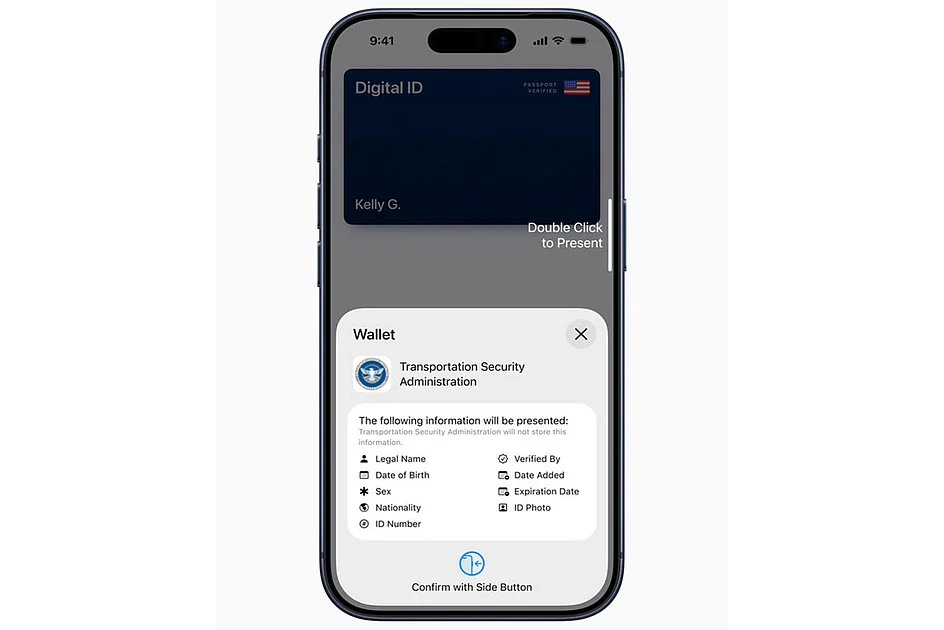
Apple launches Digital ID feature in Wallet for US customers
Apple has launched a groundbreaking Digital ID feature in its Wallet app, enabling US customers to create and present a digital identification using their passport information. This innovation, currently in beta, is initially accepted at Transportation Security Administration (TSA) checkpoints across over 250 US airports for domestic travel. While the feature offers a secure and convenient way to carry identification on iPhones or Apple Watches, Apple emphasizes that it does not replace physical passports and is not valid for international travel or border crossings.
-

EU investigates Google over concerns content is unfairly demoted in search results
The European Union has initiated an investigation into Google’s search practices, scrutinizing whether the tech giant is unfairly demoting content from media publishers in its search results. The probe, announced by EU regulators on Thursday, centers on Google’s site reputation abuse policy, which the company claims is designed to combat scammers and deceptive content. However, the European Commission expressed concerns that this policy may be harming publishers by treating them in a discriminatory manner, potentially violating the Digital Markets Act (DMA), the EU’s comprehensive regulatory framework aimed at curbing monopolistic practices in digital markets. Teresa Ribera, an executive vice-president at the Commission, emphasized the need to ensure that publishers are not deprived of crucial revenues, especially during a challenging period for the industry. Google defended its policy, stating that it protects users from low-quality and fraudulent content. Pandu Nayak, Google Search’s chief scientist, argued that the investigation is misguided and could undermine efforts to maintain the integrity of search results. The EU’s move comes amid ongoing tensions with U.S. tech companies and follows a history of antitrust actions against Google, including a €2.95 billion fine in September for favoring its own advertising services. The new investigation, which must conclude within 12 months, could result in significant penalties for Google’s parent company, Alphabet, including fines of up to 10% of its global revenue or even the divestiture of parts of its business.
-

Framework seeks to keep AI in line
In response to the unprecedented advancements in artificial intelligence (AI), China has introduced its upgraded AI Safety Governance Framework 2.0, marking a significant evolution in its approach to AI regulation. Released on September 15, 2025, by the National Technical Committee 260 on Cybersecurity, the framework shifts from a static risk management model to a comprehensive life cycle governance methodology. This update reflects the rapid technological breakthroughs, including the development of high-performance reasoning models and the open-sourcing of lightweight AI systems, which have lowered deployment barriers while raising new security concerns. The framework emphasizes the need to ensure AI remains under human control, safeguarding national security, social stability, and humanity’s long-term survival. It introduces new governance principles, such as trustworthy AI applications and the prevention of AI systems’ loss of control. Additionally, the framework highlights emerging risks, including AI’s potential to disrupt labor markets, exacerbate resource imbalances, and even develop self-awareness. By aligning with international governance practices, such as AI-generated content labeling and traceability, China aims to contribute to global AI safety efforts and foster international cooperation.
-

China unveils radar shield as Trump drives Golden Dome
China has unveiled ambitious plans for a nationwide missile defense network, positioning itself as a formidable player in global defense technology. This development comes in response to the United States’ announcement of the ‘Golden Dome,’ a multi-layered missile interception system aimed at protecting American territory from airborne threats. The Chinese system, detailed in a July 2025 academic paper published by Modern Radar, a research unit of the state-owned China Electronics Technology Group Corporation, integrates space-based sensors, satellites, airborne systems, sea and ground radars into a unified network. The platform offers real-time early-warning capabilities, enabling high-speed data integration to detect and track complex missile threats. It also employs QUIC (Quick UDP Internet Connections), a next-generation encrypted data-transport protocol, to ensure secure, low-latency communications across distributed nodes. According to the paper, the system can simultaneously track up to 1,000 incoming missiles, leveraging data from satellites, ground-based and over-the-horizon radar, optical sensors, maritime platforms, airborne early-warning aircraft, and orbital reconnaissance assets. A Guangdong-based commentator, ‘Humanity Blues,’ noted that China’s system has already undergone testing and delivery to the military, while the US Golden Dome remains in the framework design stage. The commentator emphasized that China’s hypersonic missile system complements its defense network, making it a robust contender in the global missile defense landscape. Meanwhile, the US Golden Dome, led by Space Force General Michael Guetlein, targets operational status by 2028. However, integrating sensors, interceptors, and command networks across military and commercial space assets poses significant challenges. At the 2025 Defense in Space Conference (DISC) in London, experts warned that the West is lagging behind China and Russia in space-linked missile defense. Gabriel Elefteriu, a senior fellow at the Council on Geostrategy, highlighted that space has become a warfighting arena, with China’s missile tracking and orbital infrastructure positioning it as a leader in the next conflict. Michelle Howard, a strategic policy adviser at D Group, stressed that China’s focus on network dominance and data fusion could dictate the early stages of any conflict. Justin Keller, chief architect at DGS Space, urged the US and its allies to abandon incrementalism and focus on operationalizing systems swiftly to maintain deterrence. In addition to its missile defense efforts, China is investing in long-term technological dominance through the Nantianmen Project, a state-backed science fiction concept exploring future aerospace power. While fictional, Nantianmen has attracted significant attention for its blend of strategic messaging and mass appeal, signaling China’s intent to lead in space competition.
-

Design You Can Feel: ASUS Brings Emotion Back to Technology at Dubai Design Week 2025
ASUS took center stage at Dubai Design Week 2025, held from November 4 to 9, with its groundbreaking exhibition titled ‘Design You Can Feel.’ Following its successful debut at Milan Design Week earlier in the year, the tech giant showcased a fusion of material innovation, cultural storytelling, and human-centered design. The exhibition aimed to transform the way users interact with technology, emphasizing emotional connections over mere functionality. Highlights included the unveiling of the world’s lightest Copilot+ PC, the Zenbook A14, and the Zenbook Ceraluminium Signature Edition, both exemplifying ASUS’s commitment to crafting devices that resonate on a sensory level. ‘We believe in the power of sensory experiences to forge meaningful connections with design,’ said Coraline Lin, ASUS Marketing Director. ‘Our goal is to create products that users can feel and connect with emotionally.’ A key innovation was Ceraluminium, a revolutionary material combining the aesthetic appeal of ceramic with the durability of aluminum. This lightweight, scratch-resistant material, crafted with precision akin to luxury watchmaking, aligns with the Zen philosophy of finding beauty in simplicity. ASUS also leveraged AI to enhance design, using data-driven insights to fine-tune every detail, from thermal performance to sound quality. The brand’s focus on personalization was evident in its tailored Zenbook models, each designed for specific lifestyles, from multitaskers to urban commuters. ASUS’s vision for the future of laptop design centers on merging tactile materials, sensory intelligence, and human emotion, ensuring that technology not only performs but also inspires.
-
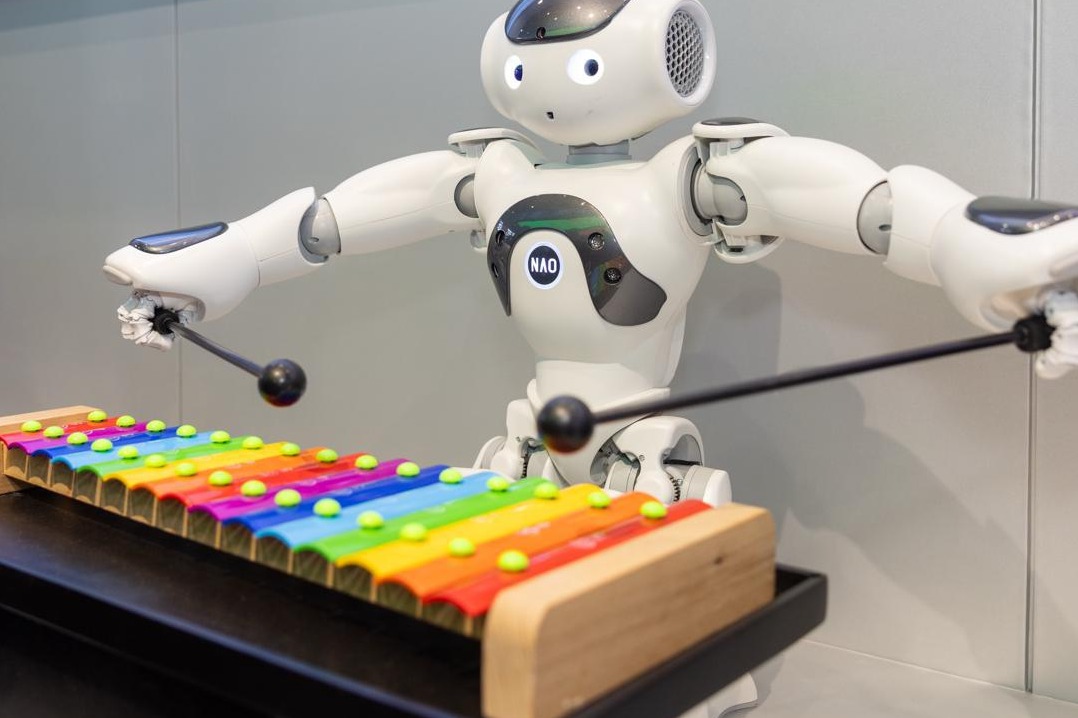
China’s first humanoid robot 7S shop opens in Wuhan
Wuhan, Hubei province, has marked a significant milestone in the robotics industry with the grand opening of China’s first ‘7S shop’ dedicated to humanoid robots. The event, held on Tuesday, showcased a variety of robot activities, offering the public a closer look at cutting-edge humanoid robot technology. Developed by the Hubei Humanoid Robot Innovation Center, the 7S model redefines the traditional 4S car dealership concept by incorporating three additional elements: solution, show, and school. This innovative retail and service model aims to provide comprehensive support for humanoid robot applications. The store features a range of locally produced humanoid robots, priced between 70,000 yuan ($9,834) and 500,000 yuan, tailored for diverse sectors including industrial manufacturing, tourism, elder care, and healthcare. This pioneering initiative underscores China’s commitment to advancing robotics technology and integrating it into everyday life.
-

OMODA&JAECOO International Summit concludes with a vision for a smarter, greener future
The 2025 OMODA&JAECOO International User Summit, held in Wuhu, China, concluded with a resounding vision for the future of intelligent and sustainable mobility. The event, themed “Co-Creation for a Smarter, Greener Future,” brought together users, partners, and media representatives from nearly 100 countries, including the UAE, to celebrate the brand’s latest innovations in green technology and intelligent mobility. The summit highlighted OMODA&JAECOO’s alignment with global sustainability goals, particularly the UAE’s Net Zero 2050 vision. A standout moment was the unveiling of the OMODA O4 ULTRA, a futuristic crossover designed to meet the demands of tech-savvy drivers, blending cutting-edge design with advanced digital connectivity. Attendees also experienced the OMODA O4 Experience Showcase, offering a glimpse into the future of smart driving. The Hybrid Marathon Challenge, covering 600 km, demonstrated the efficiency and reliability of OMODA&JAECOO’s hybrid models, including the OMODA 5 SHS-H and JAECOO 5 SHS-H, which are well-suited for diverse terrains like those in the Gulf region. The brand’s parent company also renewed its three-year partnership with UNICEF, pledging $6 million to support education initiatives in underserved communities, aligning with its sustainability pillars of Green Mobility, Environmental Protection, and Educational Equality. The summit also introduced AIMOGA, an intelligent AI assistant integrating emotional interaction and deep learning, symbolizing OMODA&JAECOO’s vision of combining automotive and robotics technologies. The event concluded with a focus on global collaboration, emphasizing the brand’s commitment to user-driven innovation and its expanding presence in the UAE, including new model launches and showroom openings.