
Dubai is taking a bold step toward integrating air mobility into its urban landscape by mandating rooftop access for air taxis in future buildings. This initiative, unveiled by the Roads and Transport Authority (RTA) at the Dubai Airshow 2025, is part of a broader strategy to make air taxis a practical and accessible mode of transportation for residents. Developers are now collaborating with the RTA during the early design stages of new projects to ensure seamless integration of vertiports into residential and commercial districts. Ahmed Bahrozyan, CEO of Dubai’s Public Transport Agency, emphasized the importance of embedding air mobility into the fabric of future communities, stating that most developers are eager to participate in this transformative phase. The first vertiport, located near Dubai International Airport, is already 60% complete and on track for completion by early 2026. By the time commercial services launch later that year, four vertiports are expected to be operational. Dubai recently conducted its first successful point-to-point air taxi test flight, marking a significant milestone in the city’s air mobility journey. Joby Aviation CEO JoeBen Bevirt envisions a future where vertiports are within walking distance of homes and workplaces, fundamentally reshaping urban design. Skyports CEO Duncan Walker highlighted Dubai’s role as a global model, noting that success in this dense and expensive real estate market could set a precedent for other cities worldwide. Community readiness and safety remain top priorities, with ongoing efforts to address public concerns about noise and safety through rigorous testing and awareness campaigns. Dubai aims to launch its first commercial air taxi operations by the end of 2026, gradually expanding into a citywide network. Bahrozyan reiterated the goal of making the service safe, quiet, and eventually affordable, underscoring the importance of early collaboration with developers to ensure accessibility.
分类: technology
-

Instagram owner Meta tells Australian teens accounts will close
In a bold move to protect younger users, Australia has introduced a pioneering social media ban targeting individuals under the age of 16. Meta, the parent company of Instagram, Facebook, and Threads, has begun notifying users aged 13 to 15 that their accounts will be deactivated starting December 4, ahead of the nationwide enforcement on December 10. The ban extends to other major platforms, including TikTok, YouTube, X (formerly Twitter), and Reddit. Prime Minister Anthony Albanese emphasized the initiative’s goal to ‘let kids be kids,’ despite opposition from tech companies. Meta, while complying, advocates for a law requiring parental consent for under-16s to access social media apps. The Australian internet regulator estimates that 150,000 Facebook users and 350,000 Instagram users fall within the affected age group. Meta has urged young users to update their contact details to receive notifications when they become eligible to reopen accounts. Users can download their content before deactivation. To challenge the restriction, teens can submit a ‘video selfie’ for facial age verification or provide government-issued identification. However, a report by the UK-based Age Check Certification Scheme (ACCS) noted that no single verification method is universally effective. Platforms failing to enforce the ban face fines of up to A$50 million. Roblox, a gaming platform, has preemptively restricted under-16s from chatting with adult strangers to avoid inclusion in the ban. The e-Safety Commissioner, Julie Inman Grant, highlighted the ban’s aim to shield teens from online risks. The list of impacted platforms includes Facebook, Instagram, TikTok, and YouTube, while Discord, WhatsApp, and YouTube Kids remain unaffected.
-
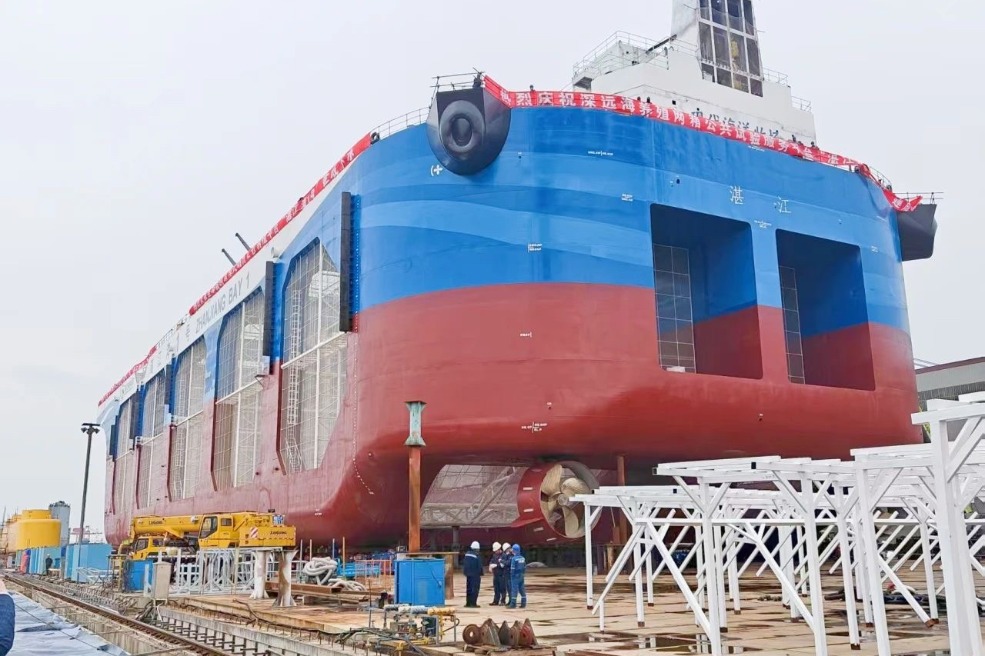
New ‘mobile marine ranch’ vessel begins operation in Guangdong
A groundbreaking aquaculture vessel, named Zhanjiang Bay 1, commenced operations on November 19, 2025, in Zhanjiang, Guangdong Province. This innovative vessel, hailed as the world’s first floating dynamically-positioned cage-type aquaculture platform, marks a significant leap in the development of China’s aquaculture industry. Owned by the Southern Marine Science and Engineering Guangdong Laboratory (Zhanjiang), the vessel integrates advanced technologies to optimize mariculture practices. Measuring 154 meters in length and 44 meters in width, Zhanjiang Bay 1 boasts an aquaculture water volume of 80,000 cubic meters and features 12 independent farming zones, enabling multi-species fish cultivation. With an annual production capacity ranging from 2,000 to 5,000 metric tons, the vessel is designed to operate in all waters, significantly expanding mariculture space. Its intelligent operation system and cost-effective integration design set new standards for the industry, positioning Guangdong as a leader in sustainable aquaculture innovation.
-

Inside the California lab that shows the contradiction at the heart of the trillion-dollar AI race
In a rare glimpse into Google’s California headquarters, CEO Sundar Pichai led a tour of the sprawling Googleplex, showcasing the company’s cutting-edge innovations. Amidst the campus’s iconic landmarks—a dinosaur skeleton, a beach volleyball court, and sunlit lunch spots—Pichai’s excitement was palpable as he revealed a hidden laboratory. This facility is the birthplace of Google’s secret weapon: the Tensor Processing Unit (TPU), a chip poised to revolutionize artificial intelligence (AI).
Pichai emphasized the transformative potential of AI, calling it ‘the most profound technology humanity has ever worked on.’ However, he acknowledged the looming question of whether the AI boom is a bubble at risk of bursting, akin to the dotcom crash of the early 2000s. Despite this, Google is investing heavily, with annual AI expenditures exceeding $90 billion—a threefold increase in just four years.
The AI surge has propelled tech giants like Google, Nvidia, Apple, Meta, and OpenAI to unprecedented valuations, collectively amassing $15 trillion in market value. Yet, this growth comes with risks. The IMF has warned that market concentration in these firms exceeds levels seen during the dotcom bubble. Pichai remains cautiously optimistic, noting that while the industry may overshoot in its enthusiasm, the progress in AI services is undeniably exciting.
At the heart of Google’s strategy is the TPU, a custom-designed chip optimized for AI workloads. The lab, resembling a high-tech fortress, is a hive of activity, with cooling systems humming to manage the intense heat generated by these powerful chips. Google’s TPUs, part of its broader ambition to control the AI supply chain, are central to its vision of dominating the AI landscape.
The race for AI supremacy is not without challenges. The demand for high-performance chips has led to frenzied deal-making, with tech leaders like Elon Musk and Larry Ellison vying for Nvidia’s GPUs. Meanwhile, OpenAI’s Sam Altman has called for governments to build their own AI infrastructure, reflecting the scale of investment required.
As the AI boom continues, questions about sustainability and energy consumption loom large. By 2030, data centers are projected to consume as much electricity as India did in 2023. Pichai believes that balancing AI ambitions with climate goals is possible but requires significant infrastructure scaling.
Ultimately, the AI race is a global battle, with the US and China at the forefront. While the US leverages its free-market innovation, China’s centralized approach poses a formidable challenge. Regardless of the outcome, the AI revolution is reshaping economies, industries, and the future of work, with Google and its TPUs leading the charge.
-
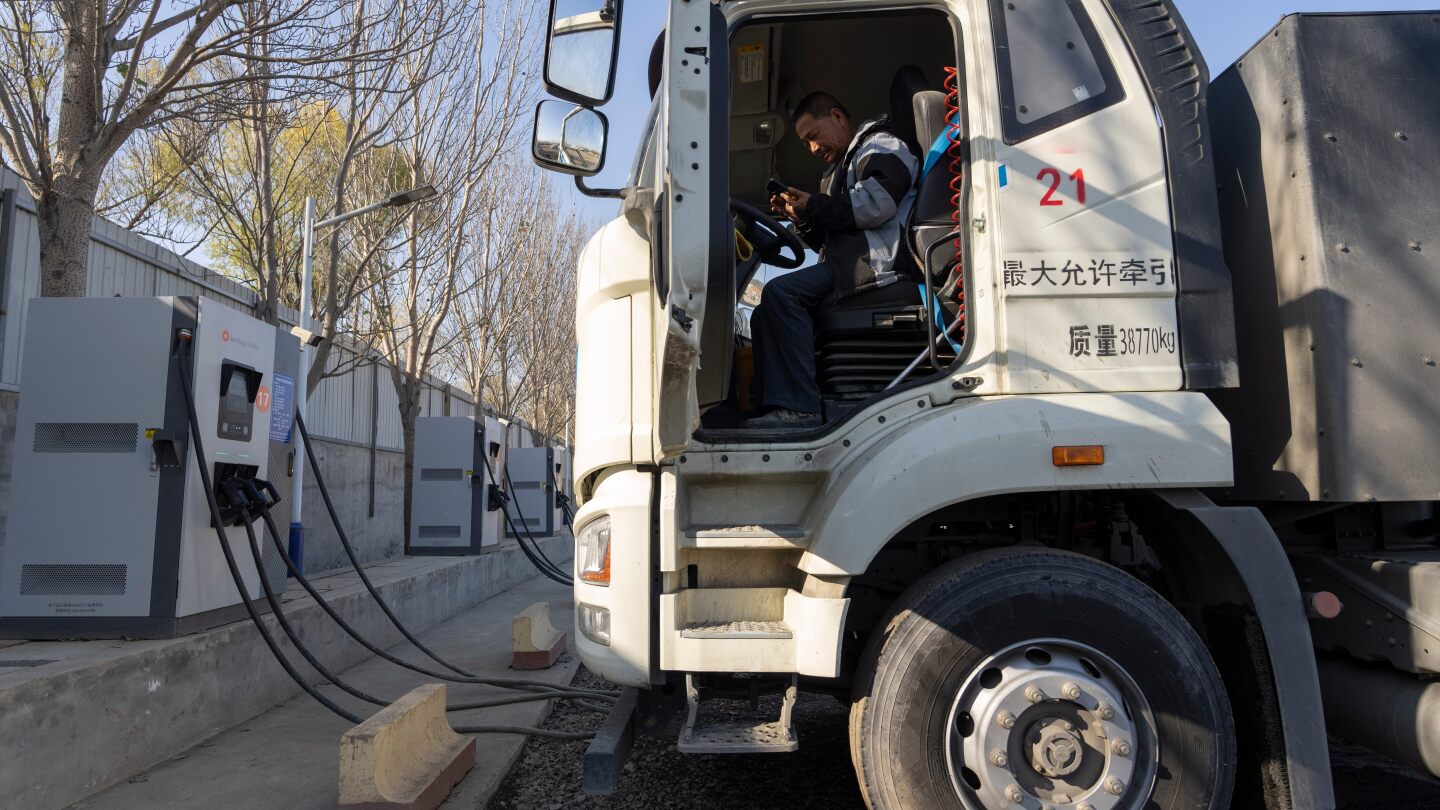
China’s diesel trucks are shifting to electric. This could change global LNG and diesel demand.
China is accelerating its transition from diesel to electric trucks at an unprecedented pace, potentially transforming global fuel demand and the future of heavy transport. In 2020, nearly all new trucks in China were diesel-powered. However, by the first half of 2025, battery-powered trucks accounted for 22% of new heavy truck sales, a significant jump from 9.2% in the same period in 2024, according to Beijing-based Commercial Vehicle World. The British research firm BMI predicts that electric trucks will comprise nearly 46% of new sales this year and 60% in 2025. Heavy trucks, vital to modern economies, are major contributors to global carbon emissions, with road freight generating a third of all transport-related emissions in 2019. While electric trucks face challenges such as reduced cargo capacity due to heavy batteries, China’s aggressive adoption is driven by falling costs, government incentives, and investments in charging infrastructure. Major logistics hubs, including the Yangtze River Delta, have established dedicated charging stations, and companies like CATL are developing battery-swapping systems to enhance efficiency. This shift is already impacting global energy markets, with diesel consumption in China dropping 11% year-on-year in June 2024. Analysts suggest that China’s electric truck sector could significantly influence regional diesel trade flows and LNG demand. Additionally, China is positioning itself as a global leader in electric truck manufacturing, with exports to regions like the Middle East, Latin America, and Europe growing rapidly. Despite challenges such as limited charging infrastructure, Chinese automakers are leveraging cost-effective production and seamless integration of key components to dominate the market. As China plans stricter emission standards, the transition to electric trucks is expected to accelerate, further reducing reliance on fossil fuels and reshaping the global energy landscape.
-
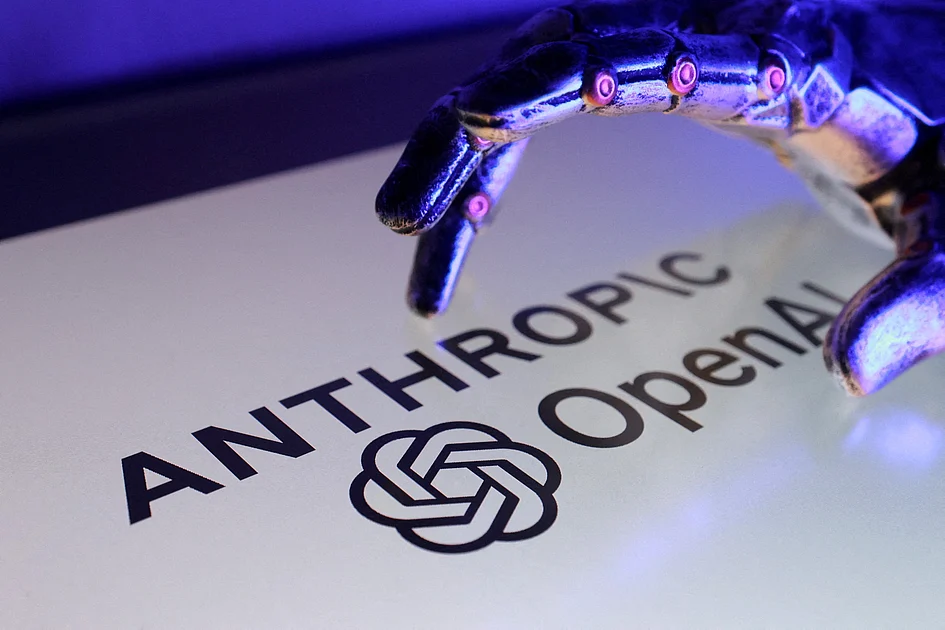
Microsoft, Nvidia to invest in Anthropic as Claude maker commits $30 billion to Azure
In a landmark move that highlights the escalating competition in the artificial intelligence (AI) sector, Microsoft and Nvidia have announced plans to invest in Anthropic, the creator of the Claude AI model. This partnership includes a staggering $30 billion commitment by Anthropic to utilize Microsoft’s Azure cloud services. Nvidia will contribute up to $10 billion, while Microsoft will invest up to $5 billion, according to statements released on Tuesday. Although specific details remain undisclosed, sources indicate that both companies are set to participate in Anthropic’s upcoming funding round. The collaboration underscores the AI industry’s relentless demand for computing power as companies vie to develop systems capable of rivaling or surpassing human intelligence. Microsoft CEO Satya Nadella emphasized the symbiotic nature of the partnership, stating, ‘We’re increasingly going to be customers of each other. We will use Anthropic models, they will use our infrastructure, and we’ll go to market together.’ He also reaffirmed Microsoft’s continued commitment to OpenAI, a key partner in its AI endeavors. This development follows OpenAI’s recent restructuring, which has seen the company pivot further from its non-profit origins, securing greater financial and operational flexibility. Anthropic, founded in 2021 by former OpenAI employees, has emerged as a formidable competitor, boasting a valuation of $183 billion and a rapidly expanding customer base of over 300,000 businesses. The company projects its annualized revenue run rate to potentially triple to $26 billion next year. As part of the deal, Anthropic will collaborate with Nvidia to enhance chip and model performance, committing up to 1 gigawatt of computing power using Nvidia’s Grace Blackwell and Vera Rubin hardware. Industry experts estimate that 1 gigawatt of AI computing could cost between $20 billion and $25 billion. Additionally, Microsoft will grant Azure AI Foundry customers access to the latest Claude models, positioning Claude as the only frontier model available across all three major cloud providers. Analysts view this partnership as a strategic move to diversify the AI economy’s reliance on OpenAI. ‘Microsoft has decided not to rely on one frontier model company,’ noted D.A. Davidson analyst Gil Luria. ‘Nvidia, which was somewhat dependent on OpenAI’s success, is now helping generate broader demand.’ The deal reflects the ongoing consolidation of the AI industry around a few dominant players, signaling a new era of collaboration and competition in the race to advance AI capabilities.
-

Roblox blocks children from chatting to adult strangers
Roblox, one of the world’s most popular gaming platforms, is rolling out mandatory age verification for users accessing its chat features as part of a significant expansion of its safety measures. Starting in December, accounts in Australia, New Zealand, and the Netherlands will undergo age checks, with global implementation set for January. This move comes amid growing criticism and legal challenges in the U.S., where Roblox faces lawsuits in Texas, Kentucky, and Louisiana over child safety concerns. The platform, which averaged over 80 million daily players in 2024—40% of whom are under 13—has been accused of exposing young users to inappropriate content and interactions with adults. The new system uses facial estimation technology to estimate a user’s age through their device’s camera. Images are processed by an external provider and deleted immediately after verification. Users will be categorized into age groups, and chat access will be restricted to peers within similar age ranges, except for trusted connections. Under-13s will still require parental permission for private messages. Roblox’s Chief Safety Officer, Matt Kaufman, claims the technology is highly accurate, estimating ages within a one-to-two-year margin for users aged 5 to 25. The platform’s efforts have been welcomed by child safety advocates, though groups like ParentsTogether Action and UltraViolet are staging a virtual protest within Roblox, demanding stronger measures to protect children from online predators. The changes align with global regulatory trends, including the UK’s Online Safety Act, which mandates tech firms to prioritize child safety. Roblox’s initiative marks a significant step toward creating a safer digital environment for young users, with the company urging other platforms to adopt similar measures.
-
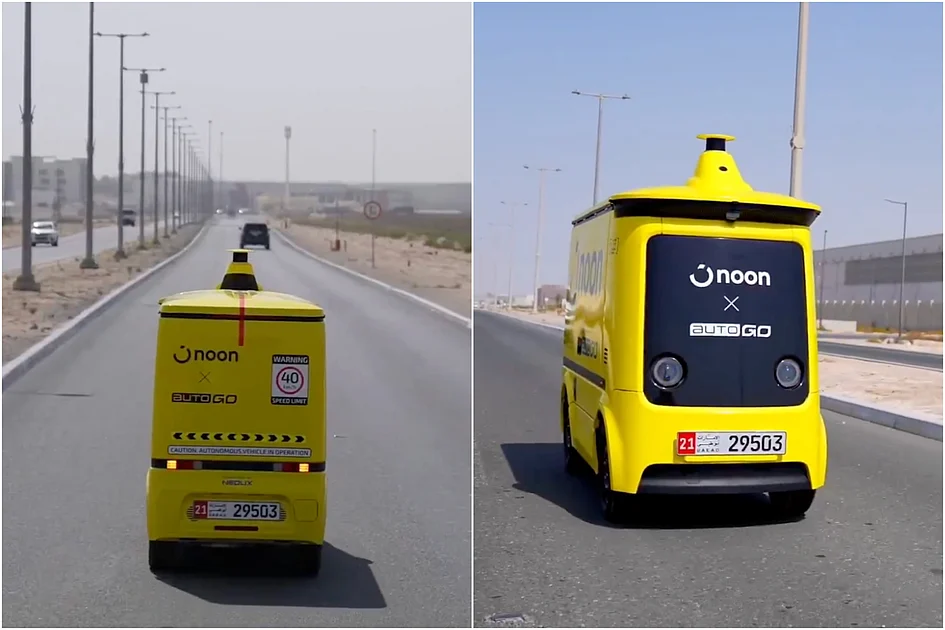
Abu Dhabi launches AI-powered autonomous e-commerce delivery vehicles
Abu Dhabi has taken a significant leap in smart mobility with the launch of a pilot project for AI-powered autonomous e-commerce delivery vehicles. Developed in collaboration with Noon and AutoGo, a subsidiary of K2, these vehicles are equipped with advanced smart sensors and artificial intelligence, enabling them to navigate city streets safely and efficiently without human intervention. The initiative is part of Abu Dhabi’s broader strategy to develop a smarter, more sustainable mobility system, aiming to have 25% of all trips in the emirate conducted through smart transport by 2040. The project integrates AutoGo’s self-driving delivery vehicles into Noon’s logistics network, enhancing the efficiency of mini-fulfilment centers across the city. Dr. Abdulla Hamad AlGhfeli, Acting Director General of the Integrated Transport Centre (Abu Dhabi Mobility), emphasized that this initiative underscores the role of innovative technologies in advancing sustainability and improving community quality of life. Faraz Khalid, CEO of Noon, highlighted that the partnership aims to redefine the future of e-commerce by improving logistics efficiency and sustainability. Following the initial launch, AutoGo plans to expand the pilot to more neighborhoods and include a wider range of products, with full commercial operations expected soon. This project not only positions Abu Dhabi as a regional leader in smart transport and digital transformation but also sets a new benchmark for innovation in the e-commerce sector.
-

Judge rules Meta doesn’t have monopoly after Instagram, WhatsApp acquisitions
A US district judge in Washington has ruled that Meta Platforms, the parent company of Facebook, did not violate antitrust laws through its acquisitions of Instagram and WhatsApp over a decade ago. The decision, delivered by Judge James Boasberg, marks a significant setback for the Federal Trade Commission (FTC), which had accused Meta of monopolizing the social media market by purchasing its competitors. The FTC filed the lawsuit in 2020, alleging that Meta’s acquisitions stifled competition. However, Judge Boasberg concluded that the FTC failed to prove Meta holds a monopoly in the relevant market, stating, “Meta faces fierce competition.” The court also noted that the FTC had previously approved Meta’s acquisitions of Instagram in 2012 and WhatsApp in 2014. The FTC argued that Meta overpaid for these platforms, but the judge emphasized the dynamic nature of the social media landscape, where apps constantly evolve and compete. Meta celebrated the ruling, asserting that its products drive innovation and economic growth. The FTC expressed disappointment but has not yet decided whether to appeal. The case highlights the challenges of antitrust enforcement in the rapidly changing tech industry. Meanwhile, Meta continues to face legal scrutiny, including an upcoming trial addressing the impact of social media on young people, where CEO Mark Zuckerberg and Instagram head Adam Mosseri are set to testify.
-
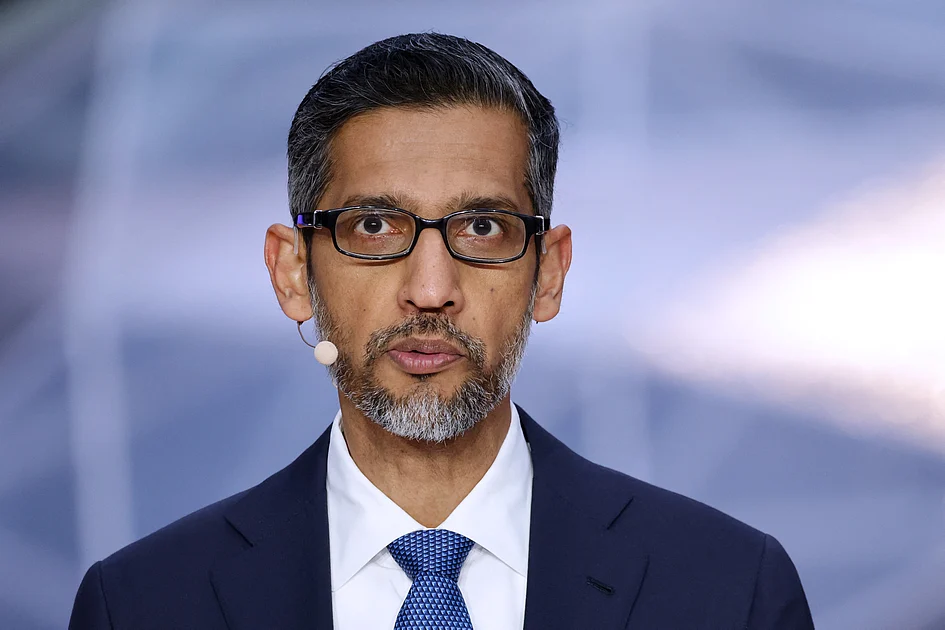
Google boss warns no company immune if AI bubble bursts
In a recent interview with the BBC, Sundar Pichai, CEO of Google’s parent company Alphabet, issued a stark warning about the potential consequences of an artificial intelligence (AI) bubble burst. Pichai emphasized that no company, including Google, would be immune to the fallout. He acknowledged the ‘irrationality’ driving the current AI investment boom, which has fueled a tech rally but also raised concerns about sustainability. Recent fears of an AI bubble have triggered a selloff, causing global stock markets to tumble in recent months. Pichai highlighted the ‘immense’ energy demands of AI, which accounted for 1.5% of global electricity consumption last year, according to the International Energy Agency. By 2030, AI’s global computing footprint could reach 200 gigawatts—equivalent to Brazil’s annual electricity consumption—with half of that demand concentrated in the United States. The rapid expansion of AI infrastructure, driven by geopolitical tensions, has led to the construction of massive data centers housing tens of thousands of power-hungry chips. Pichai stressed the urgent need for new energy sources and infrastructure development to meet these demands. He also admitted that Alphabet’s AI operations would delay the company’s climate goals but reaffirmed its commitment to achieving carbon neutrality by 2030. Pichai further discussed AI’s societal impact, predicting ‘disruptions’ across industries, including potential changes in leadership roles. He urged individuals to adapt to AI tools, stating that those who embrace the technology will thrive in their professions. Despite the challenges, Alphabet reported a record $100 billion in quarterly revenue in October, attributing the success to its ability to capitalize on the AI boom. The company has significantly increased spending to meet AI infrastructure demands and has rolled out AI features globally, including in Google Search and its Gemini AI models.