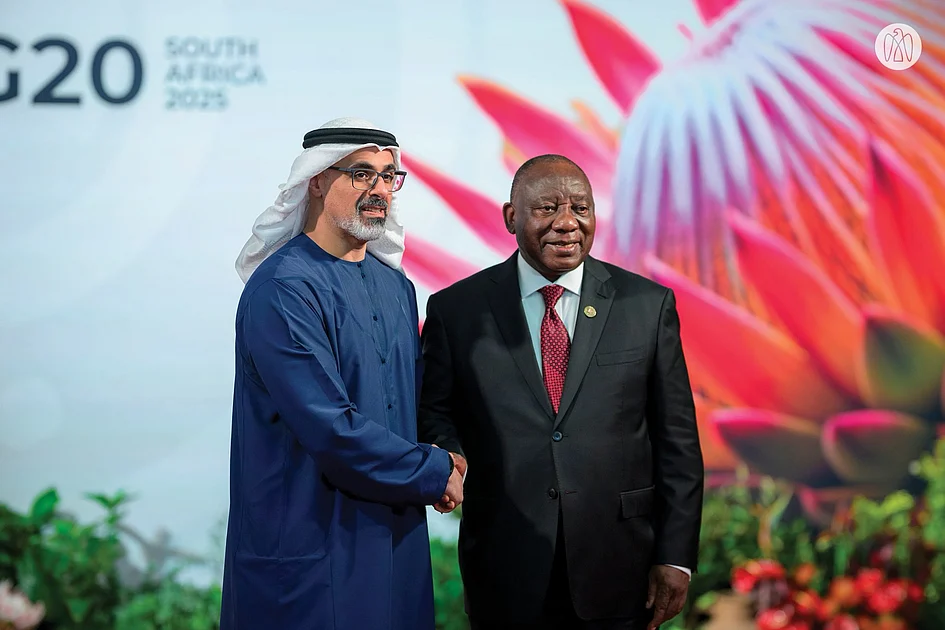
The United Arab Emirates (UAE) has unveiled a groundbreaking $1 billion initiative, titled ‘AI for Development,’ aimed at fostering artificial intelligence (AI) projects across African nations. Announced by Sheikh Khaled bin Mohamed bin Zayed, Crown Prince of Abu Dhabi, during the G20 summit in South Africa, this initiative underscores the UAE’s commitment to leveraging advanced technologies to drive economic and social progress in developing regions. The program will focus on enhancing digital infrastructure, improving government services, and boosting productivity levels across the continent. The initiative will be spearheaded by the Abu Dhabi Exports Office (ADEX), a division of the Abu Dhabi Fund for Development, in collaboration with the Emirates Agency for International Aid. This institutional partnership reflects the UAE’s strategic vision to empower developing countries by integrating AI into their development frameworks. Sheikh Khaled emphasized the UAE’s dedication to fostering sustainable growth through innovative financing solutions and international cooperation. The initiative is expected to play a pivotal role in enabling African nations to harness the transformative potential of AI, thereby contributing to comprehensive and inclusive development.
分类: technology
-

Dubai unveils private terminal for helicopters, flying taxis, eVTOLs
Dubai has unveiled a groundbreaking private terminal designed to accommodate helicopters, flying taxis, and electric vertical take-off and landing (eVTOL) aircraft. Developed by Falcon Executive Aviation, a UAE-based aviation company, the terminal was announced at the recently concluded Dubai Airshow 2025. Spanning a 6,380 square meter plot, the facility is engineered as an ultra-private hub with direct helipad and vertiport access, enabling seamless arrivals, departures, and inter-emirate transfers. The terminal is part of a broader vision to revolutionize air mobility in the region. It will offer a streamlined travel experience, allowing passengers to land via private jet, clear customs privately, and transition to helicopters or eVTOLs for rapid point-to-point travel across Dubai. In addition to its advanced aviation capabilities, the terminal will feature luxury amenities such as high-end retail, private banking, commercial spaces, and dedicated VIP lounges, all designed to support a premium vertical-mobility ecosystem. Sultan Rashit Abdulla Rashit Al Shene, founder and chairman of Alex Group Investment, emphasized that this project marks the beginning of a new chapter for aviation in Dubai, positioning the UAE as a leader in future air mobility. The initiative is bolstered by the UAE’s General Civil Aviation Authority (GCAA), which has issued a regulatory framework allowing eVTOLs and conventional helicopters to operate interchangeably on the same infrastructure. This dual-use approach is expected to accelerate implementation timelines and optimize infrastructure utilization. Visitors to the Dubai Airshow 2025 were given a preview of the flying taxi set to be deployed by the first quarter of next year, further highlighting Dubai’s commitment to pioneering innovative transportation solutions.
-

China opens draft regulations on data protection to public consultation
In a significant move to bolster personal information security, Chinese authorities have unveiled draft regulations targeting large online platforms. Released jointly by the Cyberspace Administration of China (CAC) and the Ministry of Public Security, the proposal seeks public feedback until December 22, 2025. The draft emphasizes the domestic storage of personal data collected within China, with stringent requirements for any cross-border data transfers. Platforms must adhere to national security standards and implement robust technical and managerial safeguards to prevent unauthorized data exports. Additionally, the regulations mandate that online service providers offer users accessible methods to manage their personal information, including options to access, correct, supplement, delete, or transfer their data. In cases of severe data breaches or repeated violations, platforms may face compliance audits and risk assessments conducted by third-party experts. The draft also promotes the use of advanced technologies such as national network identity authentication and data labeling to enhance data protection. Public consultation is actively encouraged, with authorities committed to responding to complaints within 15 working days. This initiative underscores China’s commitment to safeguarding individual privacy while fostering the sustainable growth of the platform economy.
-

Chinese humanoid breaks Guinness record with 106km walk
A Chinese humanoid robot, developed by Shanghai-based Agibot, has achieved a groundbreaking feat by walking 106 kilometres between the cities of Suzhou and Shanghai, setting a new Guinness World Record. The robot, named A2, embarked on its journey on the night of November 10th and successfully reached the Bund in Shanghai in the early hours of November 13th. Powered by Agibot’s advanced rapid hot-swap battery system, the robot maintained continuous operation throughout the entire distance, officially certified at 106.286 kilometres on Thursday. Wang Chuang, Senior Vice President of Agibot, highlighted the significance of this achievement, stating, ‘Walking from Suzhou to Shanghai is a tough task even for many humans, but the robot achieved it. This demonstrates the maturity of the robot’s hardware, cerebellar balance algorithms, and endurance, paving the way for large-scale commercial deployment.’ Upon completing the journey, the robot humorously remarked that it was ‘an unforgettable experience in its machine life’ and quipped that it ‘might need new shoes.’ This milestone follows another notable achievement in April, when the Tien Kung Ultra, developed by the Beijing Humanoid Robot Innovation Centre, completed a 21-kilometre half-marathon in just 2 hours and 40 minutes.
-
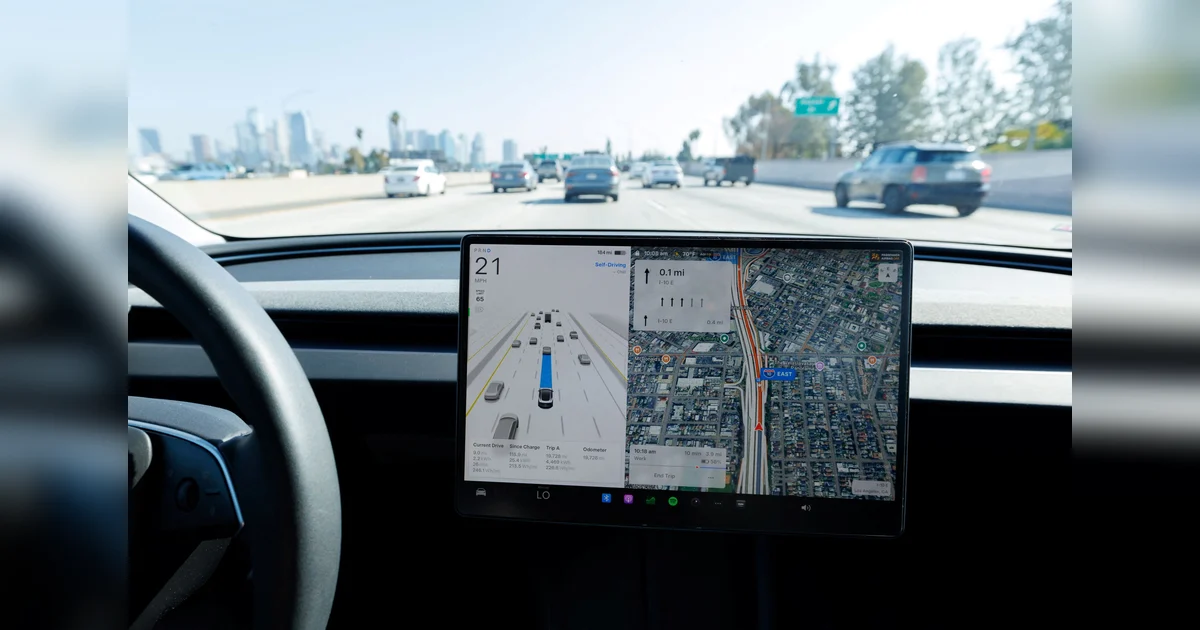
How Abu Dhabi is using AI racecars to build self-driving tech on normal roads
While Silicon Valley and China vie for dominance in autonomous vehicle technology, Abu Dhabi is carving out a unique niche by leveraging AI-powered racecars to accelerate the development of self-driving systems for everyday roads. The capital of the United Arab Emirates is creating a comprehensive innovation pipeline that transitions AI research from laboratories to racetracks and ultimately to urban streets faster than any other region. This groundbreaking approach was demonstrated when an autonomous racecar from Italy’s Unimore team completed a lap at Yas Marina Circuit in 58.87 seconds, surpassing a professional driver’s benchmark of 59.20 seconds. This achievement underscores the potential of AI to make split-second decisions in real-world scenarios. Stephane Timpano, CEO of ASPIRE and A2RL, emphasized that Abu Dhabi’s investment in autonomous racing is not for spectacle but to shape the future of autonomy. ‘Racing provides a high-speed laboratory where sensors and algorithms are pushed to their limits in full public view,’ he told Khaleej Times. Earlier this year, an AI-powered drone outperformed a world champion pilot in Abu Dhabi, and now autonomous cars are surpassing professional drivers. These milestones validate the technology’s readiness for real-world applications. Timpano explained that the systems ensuring safety at 300 kilometers per hour on the racetrack will eventually guide autonomous shuttles, drones, and delivery fleets through city streets. Each racing lap generates 200 gigabytes of data, with a full test day capturing 24 terabytes—equivalent to years of real-world scenarios compressed into hours of intense testing. Abu Dhabi’s innovation ecosystem integrates the Advanced Technology Research Council, which sets national strategy; ASPIRE, which designs competitions; the Technology Innovation Institute, which conducts research; and VentureOne, which commercializes the technology. ‘The UAE’s model is distinctive because it connects every part of the innovation chain under one umbrella,’ Timpano noted. Teams now train their AI systems year-round through virtual racing before testing on real tracks, compressing development timelines from years to months. ‘Through A2RL, we compress years of research into minutes of competition. It is about accelerating how fast AI can mature and building public confidence in its capabilities,’ he added. Abu Dhabi’s goal is not merely to host autonomous races but to set global standards in safety, governance, and innovation.
-

Frustrations grow in Russia over cellphone internet outages that disrupt daily life
In 2025, Russians may look back on the year as a turning point when the government intensified its grip on internet access. Widespread cellphone internet shutdowns, ostensibly to counter Ukrainian drone attacks, have disrupted daily life across dozens of Russian regions for months. Popular messaging apps like WhatsApp and Telegram face restrictions, while the government promotes MAX, a state-controlled app critics view as a potential surveillance tool. Despite broadband and Wi-Fi remaining unaffected, Russians report significant digital disruptions, from non-functional ATMs to blocked messaging apps and restricted SIM cards. Families with diabetic children struggle to monitor glucose levels remotely, while public transport payment systems fail during outages. Authorities defend these measures as necessary for security, but analysts question their effectiveness. Meanwhile, the government’s push for MAX, which lacks end-to-end encryption and shares user data with authorities, has been met with skepticism. As restrictions tighten, many Russians resort to VPNs, though these are routinely blocked. Experts warn that while a total internet shutdown is unlikely, further stifling of online freedoms is on the horizon.
-
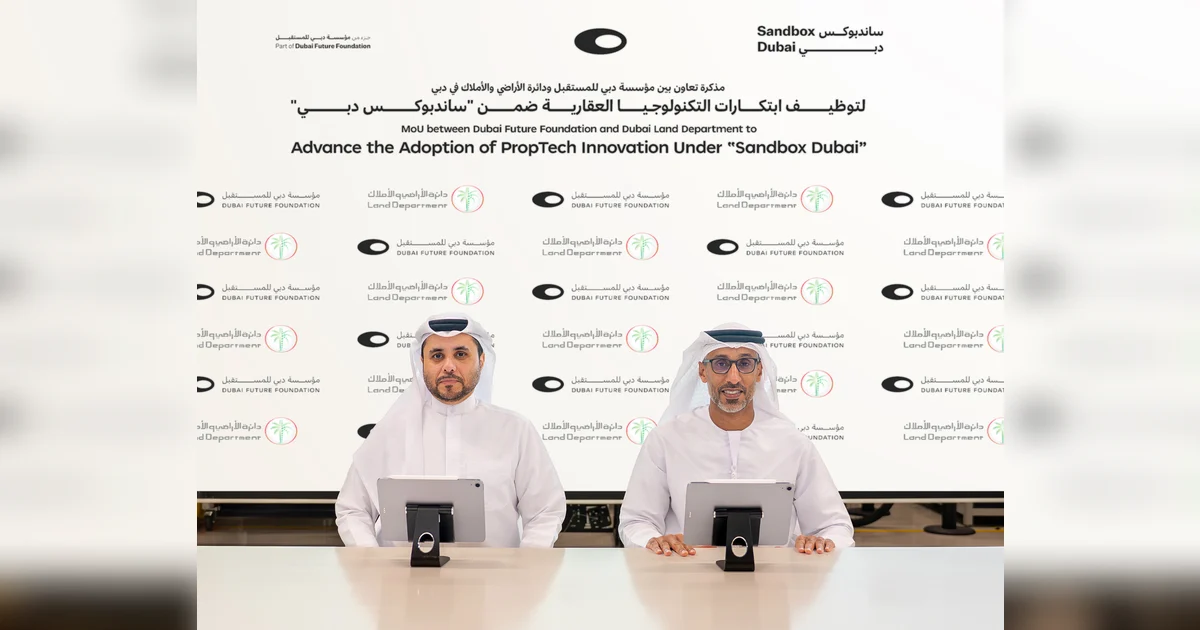
Dubai is turning its property into a high-tech playground
Dubai is taking a bold step toward transforming its real estate sector into a high-tech hub through a groundbreaking partnership between the Dubai Future Foundation (DFF) and the Dubai Land Department (DLD). This collaboration, part of DFF’s Sandbox Dubai initiative, aims to foster innovation in property technology (PropTech) by creating a regulatory environment that accelerates the adoption of emerging technologies. The initiative seeks to enhance the efficiency, sustainability, and accessibility of Dubai’s real estate market while positioning the city as a global leader in smart urban development. The PropTech Sandbox will serve as a testing ground for cutting-edge solutions, enabling tech companies, startups, and government entities to collaborate on developing agile regulatory frameworks and policies. Key focus areas include AI-driven analytics, smart building management tools, and data-driven decision-making. Omar Bu Shehab, Director-General of DLD, emphasized that this initiative is laying the foundation for a future-ready smart city, where technology plays a pivotal role in advancing market regulation, data management, and community integration. Khalfan Belhoul, CEO of DFF, highlighted the partnership’s role in strengthening Dubai’s future readiness by leveraging collaboration between government, private sector, and academic institutions. The project aims to boost the real estate sector’s contribution to Dubai’s GDP, reduce operating costs, streamline mortgage approvals, and create new job opportunities in PropTech. By providing a platform for innovation, Dubai is poised to elevate its global leadership in real estate technology.
-

Dubai set to host regional tech summit DATE MENA on Nov 26
Dubai is gearing up to host the DATE MENA Summit, a premier event focused on digitization, artificial intelligence (AI), and emerging technologies, on November 26 and 27, 2025, at Madinat Jumeirah. Organized by Trescon, the summit will convene over 1,000 pre-qualified business leaders, tech innovators, investors, enterprise buyers, and regulators to explore cutting-edge technologies reshaping industries and driving the future of the MENA region. The event promises to be a high-impact platform, featuring 40+ international and regional speakers who will share actionable insights across AI, blockchain, cybersecurity, immersive technologies, financial innovation, quantum computing, and more. Key sessions include discussions on Dubai’s AI and blockchain innovations led by Dr. Marwan AlZarouni, a panel on AI applications with industry leaders, and a deep dive into the UAE’s virtual asset ecosystem. The summit will also host the FutureTech World Cup, a global start-up pitch competition, and DATE Dialogues, exclusive roundtables for senior stakeholders. Leveraging AI-powered networking tools, the event aims to foster meaningful connections and drive tangible business outcomes. Naveen Bharadwaj, CEO of Trescon, emphasized the summit’s role in accelerating MENA’s digital evolution, bringing together leaders, innovators, and disruptors to reveal breakthroughs and set strategies. DATE MENA is set to be a transformative gathering for anyone shaping the region’s digital future.
-

‘Be Aware, Stop, Think, Protect’: New platform in Sharjah to fight cyber fraud
In response to the escalating sophistication of cyber fraud, Sharjah Police has unveiled a groundbreaking cybersecurity awareness platform titled ‘Be Aware – Stop, Think, Protect.’ Launched on Thursday at City Centre Al Zahia, the initiative aims to arm residents with practical tools to thwart online scams. Brigadier Omar Ahmed Abu Al Zoud, Director of the Criminal Investigations Department, emphasized the growing prevalence of fraudulent digital platforms that mimic legitimate consumer-protection services. He cautioned that authentic government entities never solicit OTP codes, bank PINs, or payments, urging the public to verify platforms meticulously before sharing sensitive information. The platform fosters direct communication between law enforcement and the community, enabling residents to report suspicious activities and seek guidance. It also features a virtual component with interactive stations that simulate cyber fraud scenarios and provide actionable advice to avoid victimization. A dedicated children’s station, developed in collaboration with the Emirates Foundation for School Education, educates students on online safety. Colonel Dr. Khalifa Yousef Balhai, Director of the Criminal Investigations Directorate, highlighted the rise in social engineering scams, phishing attempts, and unauthorized remote-access applications. Authorities identified five major cyber fraud types affecting UAE residents, including fake consumer-protection websites, remote-access app scams, social-media discount traps, phantom property listings, and bogus complaint-resolution services. Sharjah Police plans to expand the campaign through workshops and seminars in schools, malls, and community centers, combining physical outreach with virtual resources to enhance digital literacy and reduce victimization across the emirate.
-

Chinese humanoid robot sets guinness world record with 106-km inter-city walk
In a groundbreaking feat of robotics, a Chinese humanoid robot named A2 has secured a Guinness World Record by completing a 106-kilometer inter-city walk without interruption. Developed by Shanghai-based Agibot, the android embarked on its journey from Suzhou on November 10 and successfully arrived at Shanghai’s Bund in the early hours of November 13. The remarkable achievement was officially certified on Thursday, with the robot covering a precise distance of 106.286 kilometers. Powered by Agibot’s advanced rapid hot-swap battery system, A2 remained operational throughout the entire expedition, showcasing its exceptional endurance and technological sophistication. Wang Chuang, senior vice-president of Agibot, emphasized the significance of this milestone, stating that the successful walk demonstrates the maturity of the robot’s hardware, cerebellar balance algorithms, and overall durability. This accomplishment paves the way for large-scale commercial applications of humanoid robots. Equipped with dual GPS modules, LiDAR, and infrared depth sensors, A2 adeptly navigated complex urban environments, including traffic lights, narrow pathways, and crowded sidewalks, while maintaining stable perception both day and night. The robot traversed diverse terrains such as asphalt roads, tiled walkways, bridges, tactile paving, and ramps, all while adhering to traffic regulations. Upon its arrival, A2 humorously remarked to Xinhua reporters that the journey was an ‘unforgettable experience in its machine life,’ jokingly suggesting it ‘might need new shoes.’ This achievement follows another notable milestone in April, when the Tien Kung Ultra, developed by the Beijing Humanoid Robot Innovation Center, completed a 21-kilometer half-marathon in just 2 hours and 40 minutes. The success of A2 underscores China’s growing leadership in robotics innovation and its potential to revolutionize industries worldwide.