
Dubai’s strategic early adoption of artificial intelligence (AI) has positioned the emirate as a global leader in digital innovation. According to Marwan Al Zarouni, CEO of AI at Dubai’s Department of Economy and Tourism (DET), the city’s ‘lead by example’ approach has been instrumental in integrating AI across public services and regulatory systems. Speaking at the Care for Sustainability MENA event in Dubai, Al Zarouni emphasized the importance of appointing an AI officer in every government department to ensure alignment, ownership, and swift execution of AI initiatives. This unified vision has enabled Dubai to stay ahead of international competitors in the AI race. Dubai’s journey with AI began long before many other cities, with the UAE appointing the world’s first Minister of AI in 2017 and launching dedicated education programs as early as 2012. This early start allowed Dubai to build the necessary skills, structures, and regulations to support AI’s rapid evolution. Al Zarouni highlighted the D33 economic agenda, which aims to double Dubai’s GDP by 2033, with AI expected to contribute Dh100 billion annually. Additionally, Dubai is striving to become one of the top three global cities within the next decade, supported by initiatives like the Dubai 500 School, which fosters startups and investors through talent, capital, and mentorship. Policy development remains a cornerstone of Dubai’s innovation ecosystem, with frameworks like the Virtual Asset Regulatory Authority (VARA) designed to provide legal clarity for businesses. Al Zarouni described Dubai’s approach as ‘intelligent infrastructure,’ focusing on agility, safety, and real-world outcomes. The city’s commitment to AI is not theoretical but practical, with AI deeply integrated into its operations. The event also showcased the commercial opportunities created by Dubai’s AI strategy. Alex Pavan, Founder and CEO of Emtribe, noted that the UAE’s focus on sustainability and digital transformation has made it an ideal location for AI-driven businesses. Emtribe’s platform, entirely built using AI, exemplifies the potential of Dubai’s AI ecosystem. Pavan emphasized the importance of automation and digitalization in achieving sustainability goals, particularly in decarbonization and energy optimization. Dubai’s leadership in AI and sustainability continues to attract global attention, solidifying its position as a hub for innovation and technological advancement.
分类: technology
-
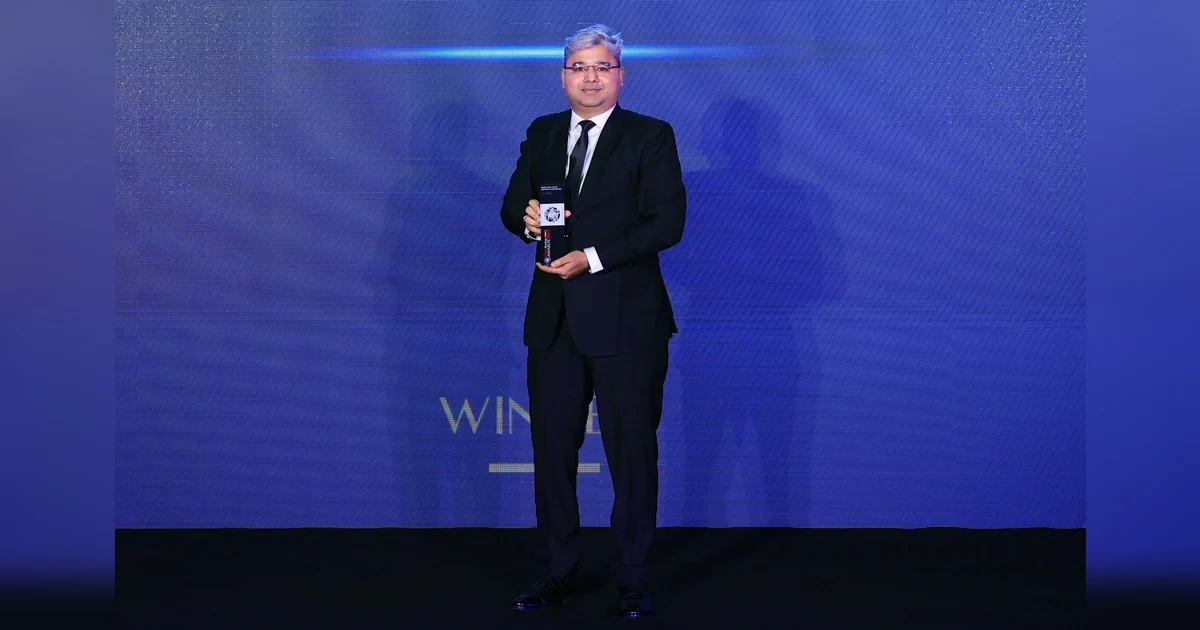
Eton Solutions wins ‘Innovative Use Of AI’ Award for EtonAI at WealthBriefing MENA Awards 2025
Eton Solutions, a global leader in wealth management technology, has been honored with the ‘Innovative Use of Artificial Intelligence’ award at the WealthBriefing MENA Awards 2025. The accolade was bestowed upon the company for its groundbreaking AI-powered platform, EtonAI, during a prestigious ceremony held at the Armani Hotel in Dubai. The WealthBriefing MENA Awards celebrate organizations that exhibit exceptional innovation, industry influence, and client value, with winners selected through a rigorous, independent judging process. EtonAI, an enterprise-grade AI platform, has revolutionized wealth management by automating complex processes such as onboarding, document management, and investment research. Built on the robust AtlasFive® platform, which supports over 960 families and manages more than 21.3 million annual transactions, EtonAI enhances operational efficiency, scalability, and decision-making. Eton Solutions is also one of the few organizations globally to achieve ISO 42001 certification, underscoring its commitment to responsible and secure AI practices. Bryan Henning, SVP and Global Head of Sales and Business Development at Eton Solutions, remarked, ‘This award validates our approach to AI, demonstrating how we are reshaping wealth management by addressing real operational challenges.’ Stephen Harris, CEO of ClearView Financial Media, praised the winners, stating, ‘This recognition highlights the finest in the MENA wealth management sector and beyond.’ This achievement further solidifies Eton Solutions’ reputation as a trusted technology partner for family offices, private equity firms, and wealth managers worldwide.
-
India bets on homegrown AI with launch of Atomesus
India is taking a significant leap in the global artificial intelligence (AI) arena with the launch of Atomesus AI, its first large-scale, indigenous AI platform. Developed by a team of young engineers with research backgrounds at the Indian Space Research Organisation (ISRO), Atomesus AI is headquartered in Noida and aims to rival global giants like OpenAI and Google. The platform offers intelligent writing, coding, research, automation, and creative tools, all with a distinctly Indian perspective. Its motto, ‘Nation First. Intelligence for All,’ underscores its vision of national self-reliance and technological independence. Atomesus AI operates on its own model family—Atomesus 1, 1.5, and 1.5 Pro—built using transformer-based neural networks, the same architecture that powers leading large language models worldwide. Unlike many competitors, it runs entirely on Indian servers hosted in AWS India regions, ensuring full compliance with India’s Digital Personal Data Protection Act. This focus on data sovereignty is a key differentiator, particularly for businesses and government agencies cautious about foreign dependencies. The platform’s origins trace back to ISRO projects, where its founders developed expertise in high-performance computing and resource-efficient algorithms. This foundation enables Atomesus AI to deliver speed and affordability, utilizing techniques like model compression and batch processing to maintain low costs without compromising performance. Language is another area where Atomesus AI excels, supporting Hindi, Tamil, Telugu, Marathi, and other Indic languages, making it culturally and linguistically relevant for millions of users. From students seeking homework assistance to enterprises drafting proposals, Atomesus AI positions itself as a comprehensive solution for diverse needs. Beyond its technical capabilities, the launch of Atomesus AI reflects India’s broader ambition to transition from a consumer of global technology to a creator. It aligns with national initiatives like Digital India and Atmanirbhar Bharat, signaling a future where India could emerge as a significant player in AI innovation. As global debates around AI ethics, privacy, and control intensify, Atomesus AI offers an alternative rooted in transparency and local governance. For India, this is more than a product launch—it’s a statement of intent: to lead, not follow, in shaping the next era of intelligent technology.
-

Chinese autonomous driving company launches robotaxi service in Abu Dhabi
Chinese autonomous driving company WeRide has introduced its fully driverless commercial robotaxi service in Abu Dhabi, marking a significant milestone as the first city in the Middle East to adopt this advanced transportation solution. The service, which operates without an on-board safety supervisor, utilizes WeRide’s van-type Robotaxi GXR, equipped with Level 4 autonomy. Passengers can hail the robotaxi via the Uber app, with routes primarily serving Yas Island, a popular tourist destination. The launch was supported by Abu Dhabi’s Integrated Transport Centre, which granted the world’s first city-level permit for fully driverless robotaxi operations. WeRide currently operates nearly 150 robotaxis in the Middle East and plans to expand the service to more core areas in Abu Dhabi by the end of the year. This initiative follows a federal permit obtained in October, allowing WeRide to conduct fully driverless commercial operations in the UAE. The partnership between WeRide and Uber, which began in December 2024, has already expanded to cover about half of Abu Dhabi’s core areas, including Al Reem and Al Maryah.
-
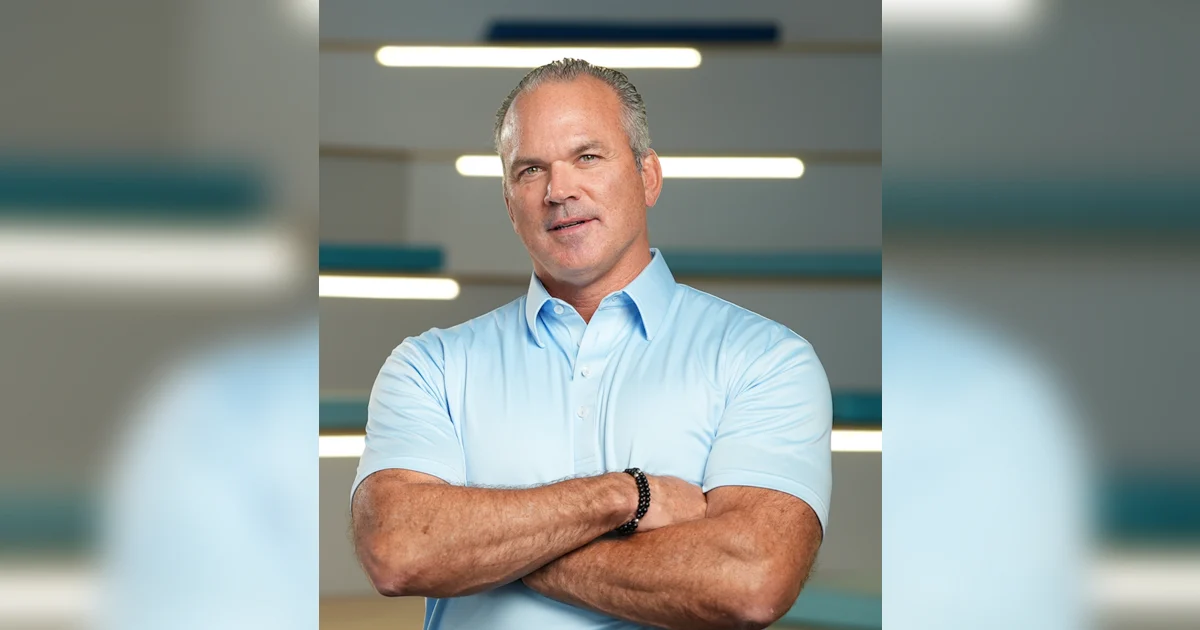
Tenable co-CEO Mark Thurmond to provide keynote address at Black Hat Middle East 2025
Tenable (NASDAQ: TENB), a global leader in exposure management, has confirmed its prominent role at the upcoming Black Hat Middle East 2025 conference in Riyadh. The event, scheduled for December 2-4, will feature a pivotal keynote address from the company’s co-CEO, Mark Thurmond.
Thurmond’s presentation, titled “Beyond the Silos: Exposure Management in a New Age of Risk,” will argue for a fundamental paradigm shift in global cybersecurity strategy. He is poised to assert that traditional security models have been rendered obsolete by a perfect storm of challenges: an exponentially expanding digital attack surface, a fragmented arsenal of security tools, and adversaries who are rapidly maturing, particularly through the weaponization of Artificial Intelligence.
The timing and location of this address are highly strategic. It will directly contextualize these cyber risks within the framework of Saudi Arabia’s ambitious Vision 2030, a national transformation strategy underpinned by massive investments in digital infrastructure and AI. Thurmond will emphasize that protecting such monumental technological progress requires a new, proactive defensive posture.
Key critical themes to be explored include:
The Illusion of Fragmented Defense: Despite organizations deploying an average of over 80 distinct security solutions, security teams are drowning in complexity and a daily deluge of tens of thousands of alerts. This siloed and disjointed approach inadvertently creates an overwhelming advantage for attackers.
The AI-Powered Adversary: Cyber attackers are now leveraging AI to develop highly sophisticated and hyper-realistic attacks at an unprecedented pace. This technology allows them to compress attack development timelines from weeks down to mere minutes, effortlessly bypassing conventional, signature-based defenses.
The Rise of Proactive Exposure Management: Tenable advocates for a decisive move away from reactive “firefighting” and toward a strategy of pre-emptive “fireproofing.” Exposure management provides unified, holistic visibility across the entire modern attack surface—encompassing cloud, IT, identity, and operational technology (OT) environments. This enables organizations to continuously identify, prioritize, and remediate critical vulnerabilities before they can be exploited.
“The cybersecurity playbook we’ve relied on for the past two decades is fundamentally broken,” stated Mark Thurmond. “In this new era defined by AI, embracing the discipline of exposure management is not an option but a necessity. This pre-emptive methodology is the only viable path to fortify our defenses and ensure a secure and prosperous future for the global digital economy.”
Conference attendees are encouraged to attend the keynote session and visit the Tenable exhibition booth for live demonstrations of the AI-driven Tenable One Exposure Management Platform.
-
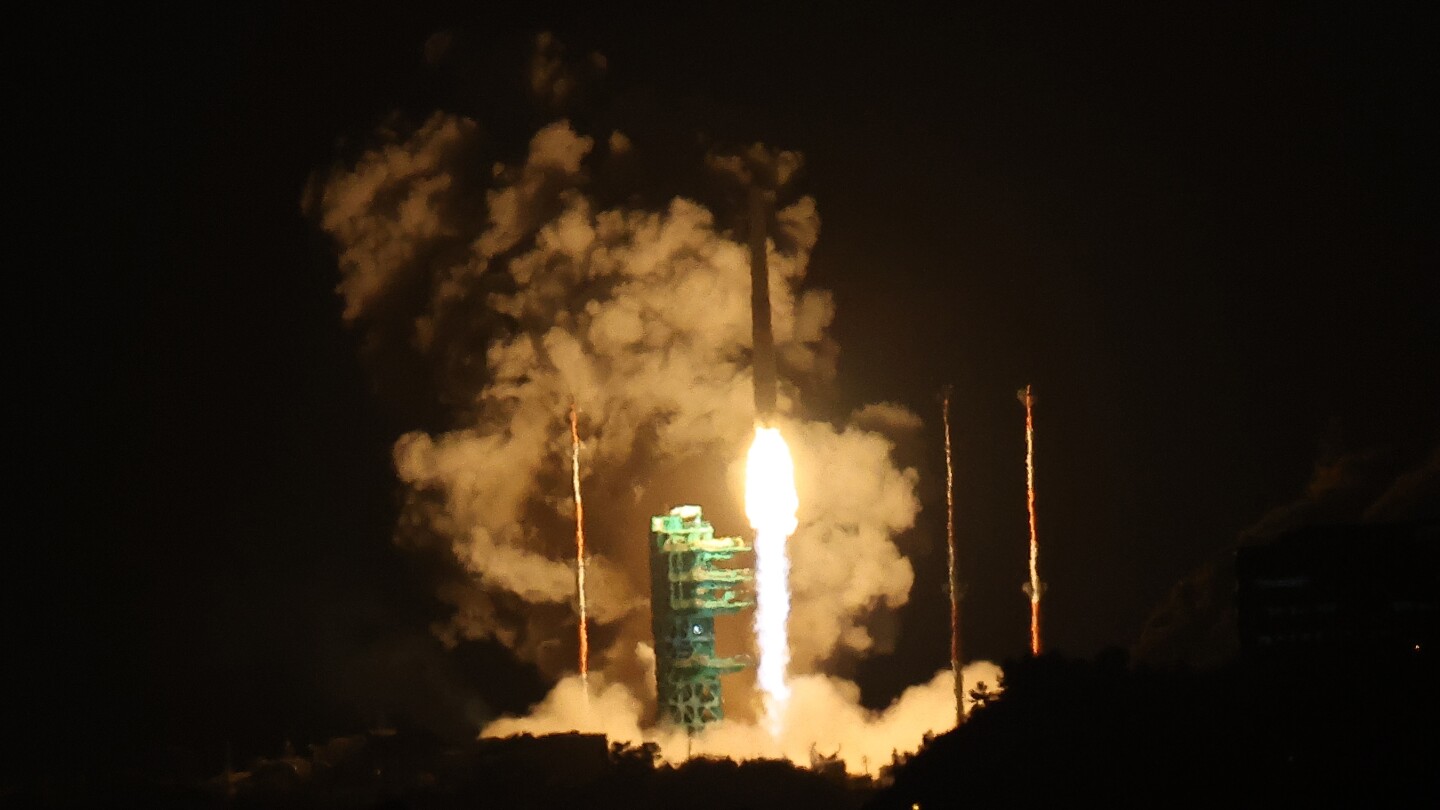
South Korea’s largest satellite launched on Nuri rocket in ambitious space mission
South Korea has taken a significant leap in its space exploration endeavors with the successful launch of its largest satellite to date using the domestically developed Nuri rocket. The event, which took place early Thursday from the Naro Space Center on Goheung Island, marks the fourth in a series of six planned launches extending through 2027. The three-stage Nuri rocket successfully deployed a 516-kilogram science satellite and 12 microsatellites into a target orbit approximately 600 kilometers above Earth. The Korea Aerospace Administration is currently verifying the successful transmission of signals from the satellites. The primary satellite is equipped with advanced instruments, including a wide-range airglow camera for observing auroral activity, systems for measuring plasma and magnetic fields, and equipment for conducting life-science experiments in space. The smaller cube satellites, developed by university teams and research institutions, are designed for various purposes, such as studying Earth’s atmosphere, tracking oceanic plastic, and testing solar cells and communication equipment. This launch follows a successful mission in May 2023, which placed a 180-kilogram observation satellite into orbit, and represents a recovery from the initial failed attempt in October 2021. Further launches are scheduled for 2026 and 2027 as part of South Korea’s broader strategy to enhance its space technologies and narrow the gap with leading Asian space powers like China, Japan, and India. The Nuri rocket, powered by five 75-ton-class engines in its first and second stages and a 7-ton-class engine in its third stage, is a testament to South Korea’s growing capabilities in space technology, having previously relied on other nations for satellite launches since the 1990s.
-
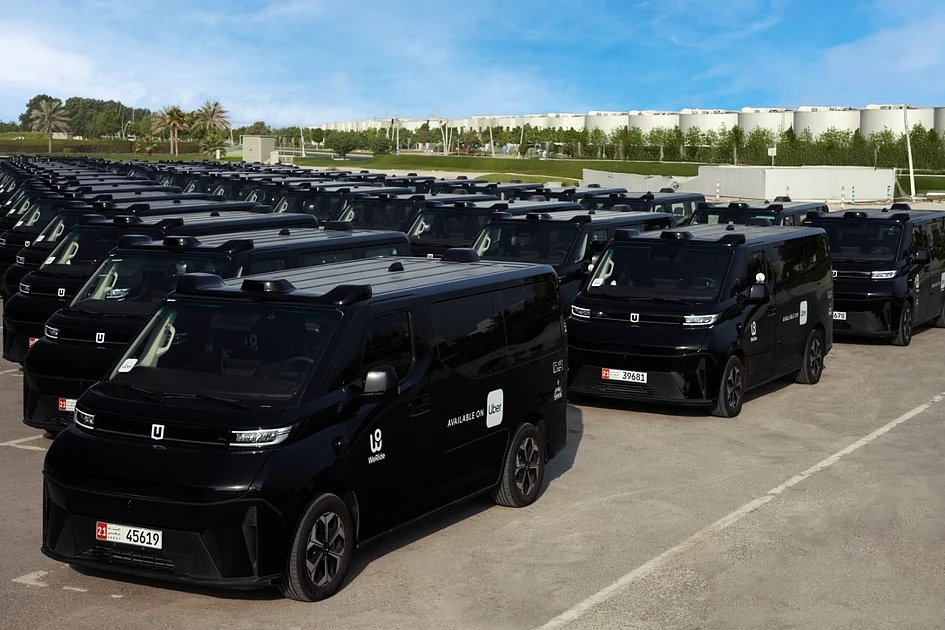
Abu Dhabi launches fully driverless robotaxi service, starting with Yas Island
Abu Dhabi has officially launched the world’s first commercial fully driverless taxi service outside the United States, positioning the UAE capital at the forefront of autonomous transportation innovation. The groundbreaking service, operational since November 26, 2025, represents a collaborative venture between Uber Technologies and Chinese autonomous vehicle developer WeRide.
The initial phase of deployment focuses on Yas Island, where passengers can now access self-driving vehicles without any human safety operators inside the cabin. This Level 4 automation technology enables complete hands-free operation within designated geographical zones, with vehicles capable of handling all driving tasks and responding to dynamic traffic conditions without human intervention.
Users can access the service through Uber’s platform via two distinct methods: through the standard Uber Comfort or UberX options, or specifically through Uber’s newly created ‘Autonomous’ category—marking the ride-sharing giant’s first dedicated autonomous ride option worldwide. The vehicles maintain critical safety protocols including emergency pull-over capabilities and manual takeover options as precautionary measures.
The current deployment follows WeRide’s acquisition of a federal permit for fully driverless commercial operations last month, building upon the company’s four-year presence in Abu Dhabi’s autonomous vehicle landscape. Since initiating robotaxi services in 2021, WeRide has maintained a first-mover advantage in the region, becoming the first company to receive a comprehensive UAE national license for all self-driving vehicle types in 2023.
The partnership has expanded significantly since its December 2024 launch, now covering approximately half of Abu Dhabi’s core urban areas including Al Reem and Al Maryah. With over 100 robotaxis currently operational in the Middle East, the companies plan to extend coverage to additional metropolitan zones by the end of 2025, solidifying Abu Dhabi’s position as a global hub for autonomous transportation technology.
-
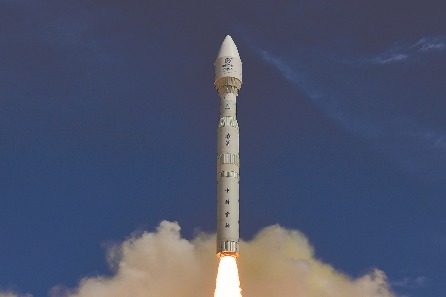
China’s space agency unveils plan to boost commercial growth, international cooperation
In a groundbreaking move, the China National Space Administration (CNSA) has unveiled a comprehensive action plan aimed at accelerating the growth of the commercial space sector and fostering international cooperation over the next two years. The initiative, announced on Tuesday, underscores China’s commitment to integrating commercial space enterprises into its broader space exploration and development agenda. The CNSA has called on domestic commercial space firms to expand their global footprint, particularly by assisting developing nations in establishing satellite-application industries. To facilitate this, the agency has pledged to incorporate commercial space projects into China’s international cooperation framework. A key component of the plan is the expansion of commercial access to China’s national network of civilian tracking, telemetry, and control (TT&C) stations, data-receiving sites, calibration ranges, and validation fields. Additionally, commercial entities will gain access to large-scale test assets, including rocket-engine test stands and space-environment simulation facilities. The CNSA will also establish a national commercial space development fund and broaden government procurement to include commercial capabilities such as launch vehicles, satellites, launch sites, and TT&C facilities in national missions. Local governments are encouraged to set up technology-innovation centers focused on reusable rockets and smart satellites, and to create open platforms for advanced manufacturing, final assembly, and testing. The plan also includes measures to build commercial launch sites, unify space standards, and open space-debris data to enhance collision warnings for commercial spacecraft. Furthermore, commercial firms are urged to pioneer new frontiers in space resource utilization, on-orbit servicing, debris removal, space tourism, and in-space biomanufacturing. The overarching goal of the plan is to achieve high-quality development of the commercial space sector by 2027, aligning with the recommendations for China’s 15th Five-Year Plan (2026-30), which lists the aerospace sector among its strategic emerging industries.
-
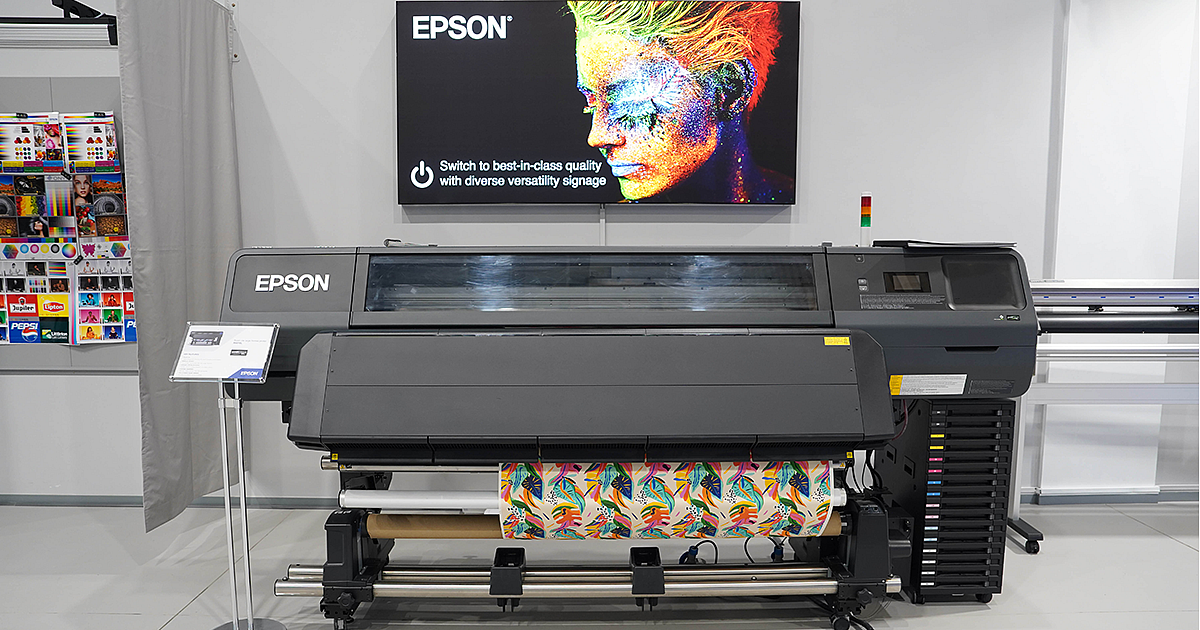
Epson strengthens its regional footprint with innovation, sustainability and sector-focused growth
Epson, a global leader in printing and projection technologies, is intensifying its focus on the Middle East, Türkiye, Africa, and Central and West Asia (META-CWA), positioning the region as a cornerstone of its growth strategy. In an interview with Khaleej Times, Junkichi Yoshida, President and CEO of Epson Seiko Corporation, emphasized the company’s alignment with regional demands in education, public services, and digital transformation. Yoshida highlighted that the region is not a secondary market but a priority area where innovation and growth converge with Epson’s long-term ambitions.
Epson’s partnerships in education reflect its commitment to delivering energy-efficient, reliable solutions that support national digital learning initiatives. In the public sector, the company’s high-volume printers and advanced document scanners are integral to digitizing government workflows, reducing operational costs, and transitioning from paper-based processes to integrated digital systems. Beyond traditional sectors, Epson’s technology powers large-scale digital immersive experiences, showcasing its engineering precision and reliability.
Sustainability remains a core pillar of Epson’s strategy. The company’s Environmental Vision 2050 aims for carbon-negative operations and eliminating dependence on underground resources by 2050. Epson has already achieved 100% renewable electricity across all its global sites. Its Heat-Free Micro Piezo printing technology reduces electricity consumption by up to 90%, while the EcoTank line minimizes waste by replacing traditional ink cartridges with long-lasting ink bottles.
In industrial and commercial printing, Epson’s dry fiber and digital textile printing solutions address environmental challenges like wastewater in garment production. The company is also investing in AI-assisted technology to optimize workflows and reduce operational complexity. Epson’s newly established Innovation Centre in the Middle East serves as a hub for showcasing its latest technologies and gathering feedback for R&D.
As Epson approaches the final year of its “Epson 25 Renewed” plan, the company is preparing for its next long-term vision cycle, focusing on sustainability, operational resilience, and technological advancement. With the Middle East and Africa identified as key growth markets, Epson is committed to delivering efficient, sustainable technologies that align with the region’s digital transformation goals.
-

Australia will enforce a social media ban for children under 16 despite a court challenge
The Australian government has reaffirmed its commitment to implementing a groundbreaking ban on social media access for children under 16, despite a legal challenge from the Digital Freedom Project. The Sydney-based advocacy group filed a constitutional challenge in the High Court on Wednesday, contesting the law set to take effect on December 10. The legislation prohibits children under 16 from holding accounts on major platforms, including Meta’s Facebook, Instagram, and Threads, as well as Snapchat, TikTok, X, and YouTube. Companies failing to comply face fines of up to 50 million Australian dollars ($32 million).
Communications Minister Anika Wells emphasized the government’s resolve, stating, ‘We will not be intimidated by legal challenges or Big Tech. On behalf of Australian parents, we stand firm.’ The Digital Freedom Project, led by New South Wales lawmaker John Ruddick, argues that the ban infringes on young people’s right to freedom of political communication and shifts parental responsibilities to the government. ‘Parental supervision of online activity is today the paramount parental responsibility. We do not want to outsource that to unelected bureaucrats,’ Ruddick said.
The case, brought by Sydney law firm Pryor, Tzannes and Wallis Solicitors on behalf of two 15-year-olds, has yet to determine whether an injunction will be sought to delay the ban’s implementation. Meanwhile, Meta has begun warning thousands of Australian children suspected to be under 16 to download their digital histories and delete their accounts before the ban takes effect.
Australia’s move has also influenced other nations, with Malaysia announcing plans to ban social media accounts for children under 16 starting in 2026. Malaysian Communications Minister Fahmi Fadzil cited the need to protect young people from online harms such as cyberbullying, scams, and sexual exploitation. The Malaysian government is studying Australia’s approach and considering age verification methods using identity cards or passports.