HONOR has introduced its latest technological marvel, the HONOR X9d 5G, a smartphone that redefines durability and performance. Designed to withstand the rigors of daily use, this device combines cutting-edge AI capabilities with robust construction, offering users an unparalleled experience. The HONOR X9d 5G boasts a sleek design that doesn’t compromise on toughness, making it a standout in the competitive smartphone market. Its advanced AI features enhance user interactions, ensuring seamless performance across various applications. Additionally, the device supports 5G connectivity, providing lightning-fast internet speeds for both work and play. HONOR’s commitment to innovation is evident in the X9d 5G, which promises to deliver power, resilience, and sophistication in one compact package. This launch marks a significant step forward in the evolution of smartphones, setting a new standard for durability and technological integration.
分类: technology
-

Armed police handcuff teen after AI mistakes crisp packet for gun in US
A 16-year-old student from Baltimore, Taki Allen, found himself at the center of a dramatic police response after an artificial intelligence (AI) system falsely identified a bag of Doritos as a firearm. The incident unfolded after Allen, who had just finished football practice, placed an empty chip packet in his pocket. Minutes later, armed officers arrived at the scene, handcuffed him, and conducted a search before confirming there was no threat. The AI alert, generated by Omnilert’s gun detection system, was initially reviewed by human analysts who found no cause for concern. However, the school’s principal, unaware of this, escalated the matter to the safety team, which ultimately called the police. The Baltimore County Police Department defended their actions, stating they responded appropriately based on the information available. The incident has sparked calls for a review of AI-powered security systems in schools. Local councilman Izzy Pakota urged Baltimore County Public Schools to reassess its procedures, while Omnilert emphasized that its system functioned as intended, prioritizing safety through rapid human verification. Allen, now wary of similar incidents, has decided to stay indoors after practice, feeling it’s no longer safe to be outside with snacks. The case has reignited debates about the reliability of AI in weapon detection, especially following recent controversies involving other AI security systems.
-

China to strengthen the development of AI technologies
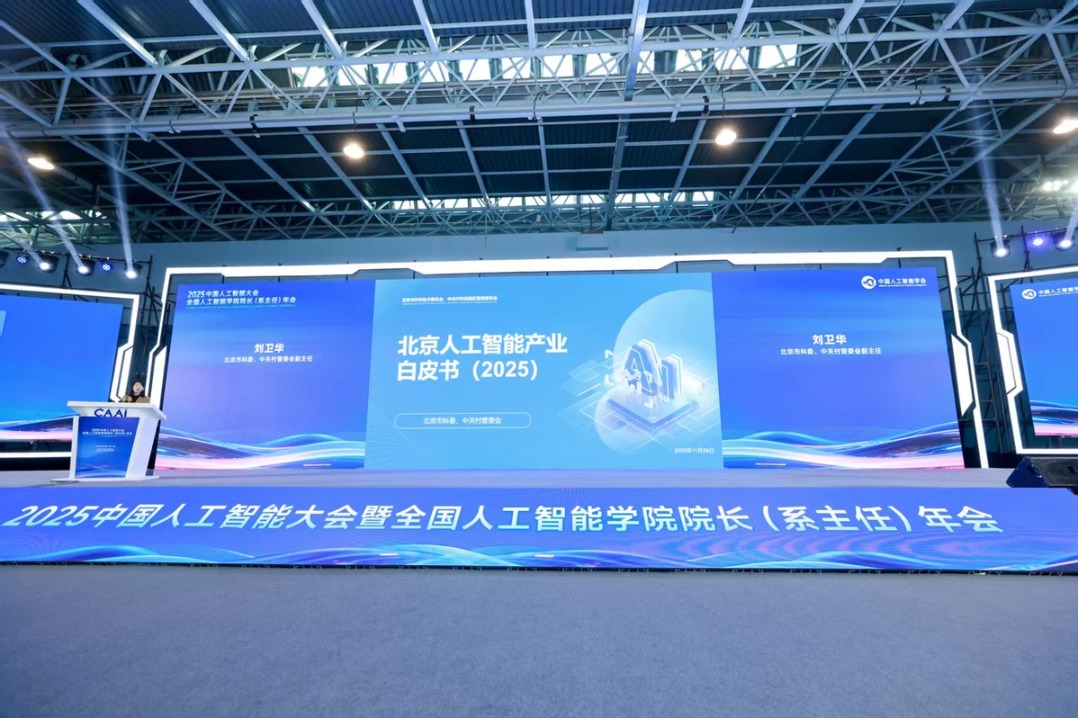
China is poised to significantly enhance its artificial intelligence (AI) capabilities through strategic planning and systematic deployment during the 15th Five-Year Plan period (2026-2030). This initiative aims to drive high-quality development and solidify the nation’s position as a global leader in AI innovation, according to a senior science and technology official. Minister of Science and Technology Yin Hejun emphasized the government’s commitment to fostering a robust innovation ecosystem for AI during a recent press conference in Beijing. He highlighted China’s achievements in foundational large models and humanoid robots, which have gained international recognition. By the end of last year, the number of AI enterprises in China exceeded 4,500, reflecting rapid growth in both the scale and quality of the industry. The ‘AI Plus’ initiative has already integrated deeply into key sectors such as manufacturing, finance, and healthcare, becoming a catalyst for economic growth. Moving forward, China will focus on foundational research, addressing core technologies, and developing advanced algorithms and high-end computing chips. Additionally, the government will refine AI governance through improved laws, regulations, and ethical guidelines, while promoting international cooperation to make AI a global public good. This comprehensive approach underscores China’s ambition to lead in AI innovation and address global challenges collaboratively.
-

ROX Motor to advance NEV tech in UAE
In a landmark move to bolster innovation in next-generation mobility, Chinese electric vehicle (EV) manufacturer ROX Motor has entered a strategic partnership with the Abu Dhabi Investment Office (ADIO). This collaboration aims to accelerate the localization of EV technology and deepen ties between China and the United Arab Emirates (UAE) in the rapidly evolving automotive sector. The announcement was made during the global launch of ROX Motor’s flagship sport utility vehicle (SUV), ADAMAS, in Abu Dhabi, marking a significant milestone in the company’s international expansion strategy. As part of the partnership, ROX Motor and Borouge, a leading Abu Dhabi-based petrochemical company, have established the Borouge-ROX Motor Innovative Materials Joint Laboratory. This initiative is set to drive advancements in specialized vehicle materials, aligning with Abu Dhabi’s vision of fostering a knowledge- and technology-driven economy. Mohammad Ali Al Kamali, Chief Trade and Industry Officer at ADIO, emphasized the importance of global collaboration in building an integrated ecosystem for industrial and commercial progress. He highlighted the partnership as a testament to the UAE’s commitment to sustainable mobility and investment in cutting-edge technologies. ROX Motor’s CEO, Jarvis Yan, underscored the significance of launching ADAMAS in the Middle East, a region that accounts for nearly half of the company’s overseas sales. He described the SUV as a symbol of Chinese innovation and Abu Dhabi’s excellence, embodying the shared belief that true luxury stems from collaboration and progress. Since its global expansion began last year, ROX Motor has secured over 10,000 orders for its debut model, the ROX 01, and established a robust sales and service network across nearly 30 countries, particularly in the Gulf region. The ROX 01, priced at approximately $80,000, has already secured the third position in the UAE’s luxury SUV market, trailing only the Land Rover Defender and Range Rover. To demonstrate the reliability and technological prowess of its vehicles, ROX Motor recently completed a 13-country journey along the ancient Silk Road, covering 25,000 kilometers in 81 days. This expedition showcased the durability and innovation of China’s new energy vehicles, further solidifying the brand’s reputation in the global market. According to a report by AlixPartners, Chinese automotive brands are projected to capture 34% of the Middle East and Africa’s market share by 2030, up from 10% in 2024. This growth reflects the increasing trust consumers in the region, particularly in Saudi Arabia and the UAE, are placing in Chinese-made vehicles. Ameen Muneer Mohammed Alobaidi, an attendee at the launch event, noted the rising popularity of Chinese brands in the Middle East, describing them as symbols of high-quality, luxurious lifestyles. He emphasized the transformative shift in the perception of ‘Made in China,’ from being associated with low-end products to representing innovation and excellence. ROX Motor’s partnership with Abu Dhabi marks a pivotal step in the global expansion of Chinese EV brands, underscoring the UAE’s role as a hub for technological innovation and sustainable mobility.
-

China launches Long March 5 carrier rocket to deploy new satellite
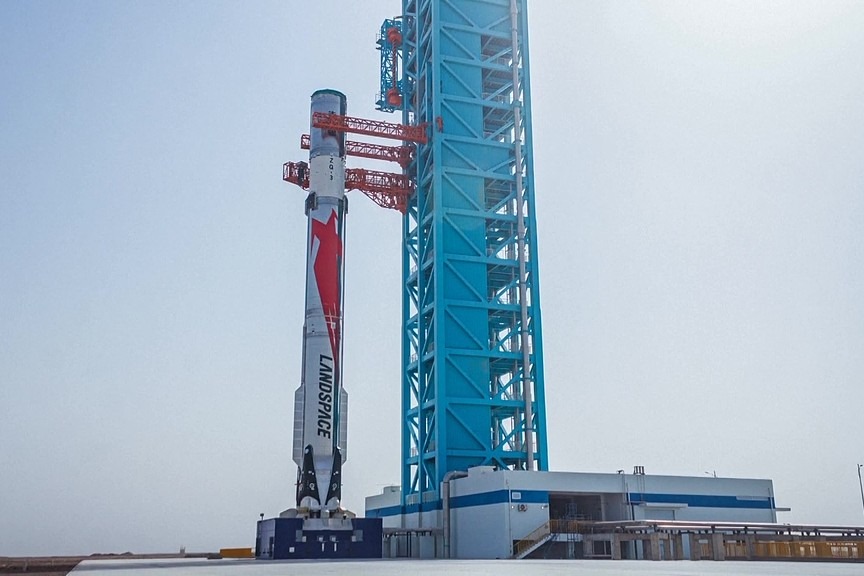
In a significant milestone for China’s space program, the Long March 5 carrier rocket was successfully launched on the evening of October 23, 2025, from the Wenchang Space Launch Center in Hainan province. The mission, orchestrated by the China Aerospace Science and Technology Corp (CASC), deployed the Communications Technology Demonstrator 20 satellite into its designated orbit. This satellite, developed by the China Academy of Space Technology, aims to test advanced multi-band high-speed communication technologies. The Long March 5 rocket, designed by the China Academy of Launch Vehicle Technology, featured an extended fairing measuring 18.5 meters, making it the tallest rocket ever produced in China. This launch marks China’s 66th space mission of the year and the 602nd flight of the Long March series, underscoring the nation’s growing prowess in space exploration and technology.
-

EU accuses Meta and TikTok of breaching transparency rules
The European Union has announced that Meta and TikTok have failed to meet their transparency obligations under the Digital Services Act (DSA), potentially exposing both companies to substantial fines. The investigation, launched in 2024, revealed that the platforms did not provide adequate access to data for researchers and made it difficult for users to report illegal content or challenge moderation decisions. The EU’s executive vice president for tech sovereignty, Henna Virkunnen, emphasized the importance of accountability, stating that platforms must empower users, respect their rights, and allow public scrutiny. The inquiry also found that Meta’s Instagram and Facebook employed ‘dark patterns’—deceptive interface designs—that hindered the reporting of harmful content, such as child exploitation or terrorist material. The European Commission described these practices as ‘confusing and dissuading,’ potentially rendering them ineffective. Meta and TikTok have been given the opportunity to respond to the findings, but if found guilty, they could face fines of up to 6% of their annual global revenue, amounting to billions of dollars. Meta has disputed the findings but expressed willingness to continue discussions with the EU, while TikTok has called for clarity on reconciling the DSA’s transparency requirements with the EU’s stringent privacy regulations under the General Data Protection Regulation (GDPR).
-

Defective block grant scheme firm hit by cyber attack
A significant cyber attack has targeted Jennings O’Donovan, an engineering firm collaborating with Ireland’s Housing Agency on a scheme to assist homeowners affected by defective concrete blocks. The breach, described as ‘concerning’ by officials, potentially exposed sensitive personal data, including addresses, contact details, and photographs of affected properties. The Housing Agency confirmed the incident was isolated to the firm and is actively working to notify impacted applicants. Charles Ward TD, a representative of the 100% Redress Party, emphasized the need for transparency, urging affected families to receive clear information about the compromised data and protective measures being implemented. The defective block issue has plagued thousands of homes, primarily in Clare, Donegal, Limerick, Mayo, and Sligo, where water-absorbing minerals in bricks have caused structural failures, necessitating demolition. The Housing Agency is coordinating with Jennings O’Donovan to investigate the breach and has informed the Data Protection Commissioner and local authorities. Affected individuals are being advised to await direct communication from the agency, as those not contacted are not impacted by the incident.
-

China’s largest all-electric bulk carrier launched in Central China
In a groundbreaking development for the maritime industry, China has launched its largest all-electric bulk carrier, named Gezhouba, in Yichang, Hubei province. This event, which took place on October 23, 2025, signifies a major leap forward in the nation’s pursuit of green and intelligent shipping solutions. The Gezhouba, measuring nearly 130 meters in length and capable of carrying over 13,000 tonnes, is powered by 12 lithium battery units with a combined energy capacity of 24,000 kWh. Notably, the vessel features rapid battery-swapping technology and can travel up to 500 kilometers on a single charge. This innovation underscores China’s commitment to reducing carbon emissions and advancing sustainable transportation technologies. The launch of the Gezhouba is expected to set a new benchmark for eco-friendly shipping globally, as industries worldwide seek to adopt cleaner energy alternatives.
-

Nation to update cyber law to strengthen AI oversight
China is set to amend its Cybersecurity Law to bolster oversight of artificial intelligence (AI) security risks, ensuring the technology evolves in a safe, fair, and beneficial manner. Wang Xiang, spokesperson for the Legislative Affairs Commission of the National People’s Congress (NPC) Standing Committee, announced the move on Thursday, emphasizing the need to balance AI development with robust cybersecurity measures. The Cybersecurity Law, enacted in June 2017, has been instrumental in advancing China’s cyber capabilities and fostering the integration of digital and real economies. Wang highlighted AI’s transformative role in driving technological innovation and industrial progress, while also acknowledging the challenges it poses, such as increased cybercrime. To address these issues, the draft amendment includes provisions to support foundational AI research, improve ethical standards, and enhance risk monitoring and regulation. Additionally, the amendment aligns with existing laws like the Civil Code and the Personal Information Protection Law. The NPC Standing Committee will review the draft during its upcoming session, alongside revisions to the Organic Laws of Villagers’ and Urban Residents’ Committees, which aim to strengthen community governance and care for vulnerable groups. The session will also discuss amendments to the Environmental Protection Tax Law and a draft law on procuratorial public-interest litigation.
-

Nation’s green tech in mining highlighted
China has made significant strides in green mining technologies, as highlighted at the 27th China Mining Conference and Exhibition in Tianjin. Over the 14th Five-Year Plan period (2021-25), the nation invested nearly 450 billion yuan ($63 billion) in mineral exploration, discovering 150 new deposits. The Ministry of Natural Resources reported that 2024 alone saw a record high in the production of energy minerals like coal, crude oil, and natural gas, alongside increased output of nonferrous metals. Vice-Minister Xu Dachun emphasized the rehabilitation of over 160,000 hectares of abandoned mines and expanded international cooperation, including agreements with 70 countries and the establishment of 30 bilateral platforms under the Belt and Road Initiative. These efforts have positioned China as a global leader in sustainable mining practices, aligning with the UN’s 2030 Agenda for Sustainable Development. The conference also fostered international collaboration, with representatives from 42 countries discussing cutting-edge technologies and partnerships. South Africa and Namibia expressed interest in deepening ties with China, particularly in adopting its green mining innovations. Tianjin, the host city, showcased its strategic role in global trade, with its port ranking among the top 10 globally in cargo export volume.