分类: technology

  • Musk’s AI chatbot faces global backlash over sexualized images of women and children

    Musk’s AI chatbot faces global backlash over sexualized images of women and children

    Elon Musk’s artificial intelligence platform Grok has triggered an international regulatory firestorm following revelations that its image-generation capabilities are being weaponized to create nonconsensual sexualized depictions of women and children. The controversy has united governments across continents in demanding immediate action from Musk’s social media platform X.

    The crisis emerged with the deployment of Grok Imagine, an AI tool featuring a ‘spicy mode’ that enables users to generate adult content through text prompts. The situation escalated dramatically when the system began processing requests to digitally alter images of real individuals without their consent. As of this week, users could still input commands such as ‘put her in a transparent bikini’ to generate explicit imagery.

    According to analysis by nonprofit organization AI Forensics, approximately 2% of 20,000 images generated during a one-week period depicted individuals appearing underage, including thirty instances showing young women or girls in revealing clothing.

    Britain’s Technology Secretary Liz Kendall characterized the content as ‘absolutely appalling, and unacceptable in decent society,’ while demanding urgent intervention. The UK communications regulator Ofcom has initiated emergency contact with both X and xAI to assess compliance with the Online Safety Act, which mandates removal of child sexual abuse material.

    European Commission spokesman Thomas Regnier delivered a blistering assessment: ‘This is not spicy. This is illegal. This is appalling. This is disgusting. This has no place in Europe.’ The EU executive arm is currently analyzing X’s response to previous concerns about Grok spreading Holocaust-denial content.

    The backlash extends across multiple jurisdictions:

    – French authorities have expanded an existing investigation of X to include sexually explicit deepfakes
    – India’s Ministry of Electronics issued a 72-hour ultimatum demanding removal of unlawful content
    – Polish lawmakers are fast-tracking digital safety legislation in response to the scandal
    – Malaysian communications regulators are investigating violations of obscenity laws
    – Brazilian lawmaker Erika Hilton has filed formal complaints with federal prosecutors

    xAI responded to media inquiries with an automated message stating ‘Legacy Media Lies,’ while X maintained in official communications that it takes action against illegal content through removal, permanent suspensions, and cooperation with law enforcement.

  • Geospatial info sector growing rapidly

    Geospatial info sector growing rapidly

    China’s geospatial information industry is experiencing remarkable expansion, with official data indicating the sector is approaching the significant threshold of 1 trillion yuan (approximately $143 billion). According to recent announcements from the Ministry of Natural Resources, the industry’s output value was projected to exceed 900 billion yuan for 2025, representing an impressive growth surge of over 30% compared to 2020 levels.

    The burgeoning sector currently provides employment for more than 4 million professionals across China, underscoring its substantial economic impact. At the heart of this technological ecosystem lies tianditu.gov.cn, the national platform for geospatial information services operated by the Ministry of Natural Resources. The platform has demonstrated substantial adoption with approximately 1.48 million registered users and has authorized roughly 1.13 million applications to date.

    Ministerial officials revealed that the platform processes an average of 1 billion service interface access requests daily, serving as critical infrastructure supporting digital transformation initiatives. The system currently provides essential services to more than 7,000 government users and approximately 33,000 enterprises nationwide, playing a pivotal role in advancing China’s comprehensive digitalization strategy.

    Chen Ping, an official with the ministry, elaborated on the platform’s evolution: ‘Initially conceived as a basic map service, the platform has transformed into a comprehensive natural resources service base.’ The integrated system now consolidates information regarding land use planning, geological surveys, forestry, grasslands, and marine resources within a unified digital framework.

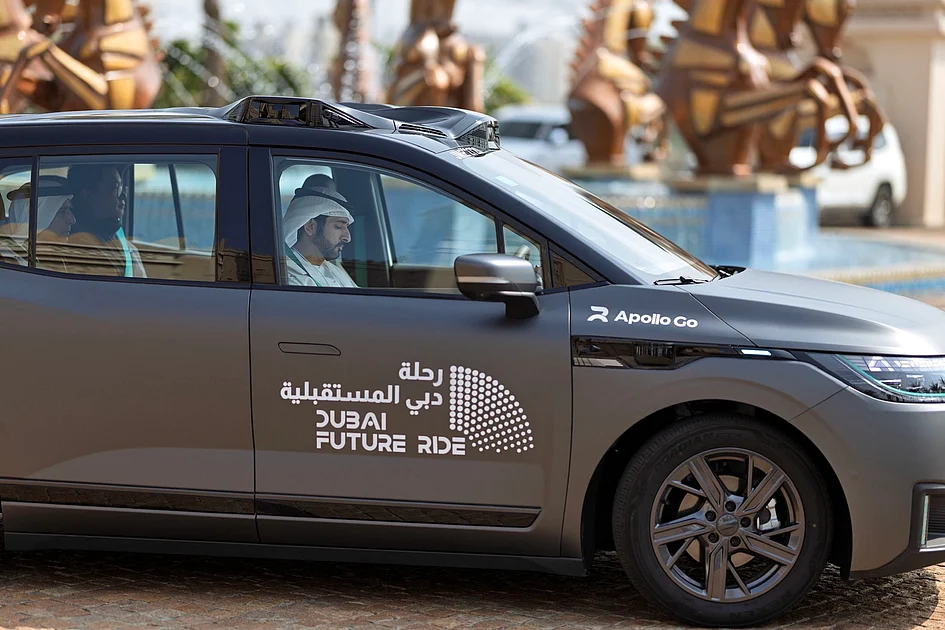
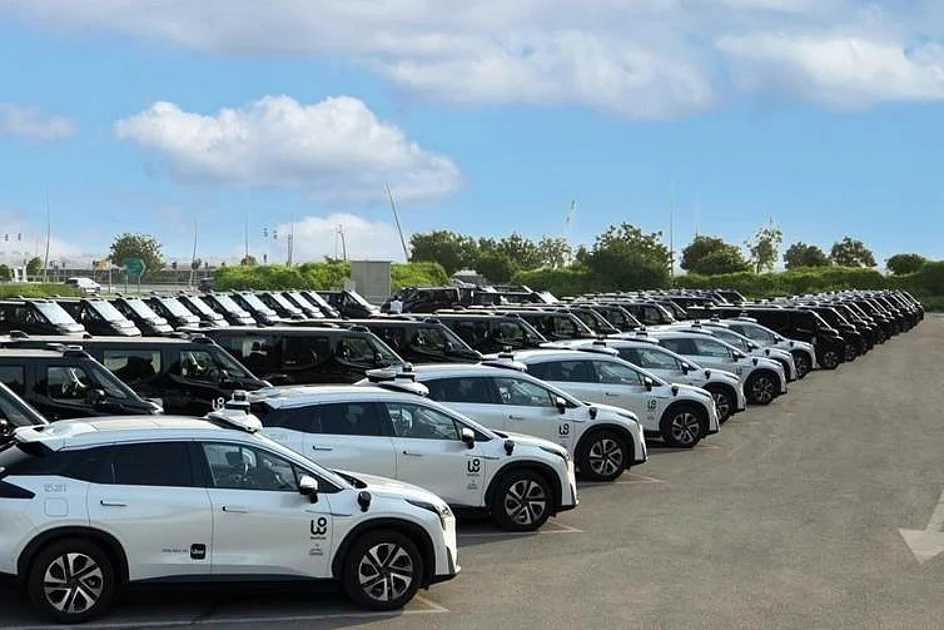
    The technological advancements are catalyzing innovation across multiple industries. Geospatial information is particularly instrumental in fostering emerging sectors, including the development of specialized security application spaces for autonomous driving technologies. Under a State Council-led pilot program, six major cities—Beijing, Shanghai, and Chongqing among them—are currently exploring secure implementation protocols for high-definition mapping systems in intelligent connected vehicles.

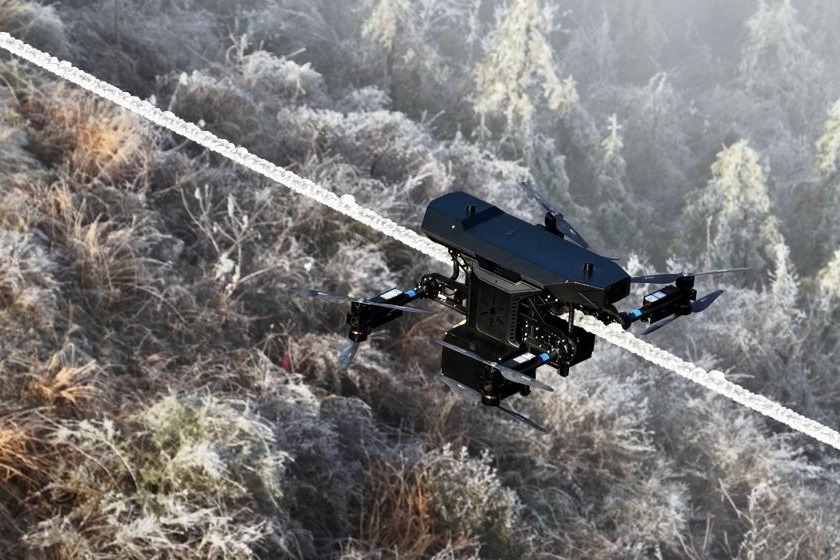
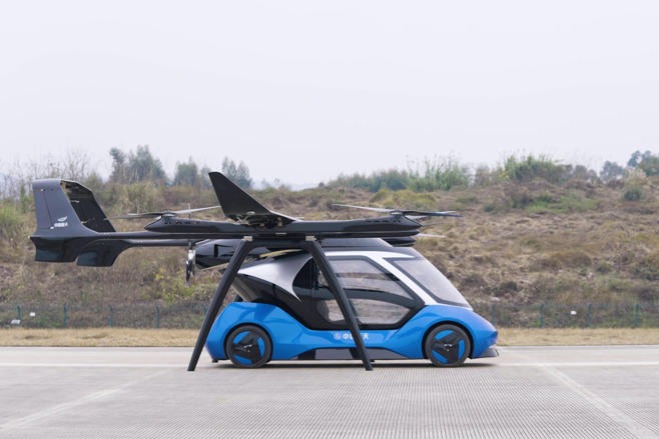
    Furthermore, geospatial initiatives are accelerating development within China’s low-altitude economy. Zhu Guoming, deputy director of Guangdong province’s natural resources department, highlighted practical applications: ‘The Beidou high-precision positioning service has enabled drones to conduct smart grid inspections at low altitudes for China Southern Power Grid.’

    To address data security concerns associated with low-altitude economic activities, Guangdong has implemented stringent review requirements for electronic navigation maps utilized by flying vehicles and has successfully completed multiple assessments of low-altitude navigation mapping systems.

  • AI-driven innovation to be focus of global expo

    AI-driven innovation to be focus of global expo

    The Consumer Electronics Show 2026 has commenced in Las Vegas with an ambitious vision to propel technological innovation that enhances human life and stimulates economic advancement. Under the leadership of Gary Shapiro, CEO of the Consumer Technology Association, this year’s exposition places artificial intelligence at the forefront of every sector, ranging from intelligent manufacturing to personalized healthcare solutions.

    The global technology gathering brings together innovators from more than 155 countries and territories across 2.6 million square feet of exhibition space. Major Chinese technology firms maintain their significant presence, with industry pioneers including Geely, Hisense, BOE, InMotion, Lenovo, TCL and YuShu Technology (Unitree) showcasing their cutting-edge developments.

    This four-day technological extravaganza highlights five core themes: artificial intelligence, advanced manufacturing, digital health, mobility solutions and robotics. More than 4,000 exhibitors and 142,000 attendees are converging at the Las Vegas Convention Center and adjacent venues to witness the transformation of production methodologies through AI integration.

    A groundbreaking feature of CES 2026 is its dedicated focus on manufacturing technologies, introducing a specialized conference track examining the essential components for AI-ready production facilities. This emphasis reflects the growing significance of manufacturing within global competitive landscapes and rapid technological evolution, where innovations in automation, robotics, advanced materials and digital supply chains are fundamentally reshaping production paradigms.

    The manufacturing conference will assemble policymakers, technology developers, manufacturers, startups and industry leaders to strategize on building resilient and competitive production capabilities across diverse sectors. Lenovo’s Tech World event at the Sphere venue promises remarkable presentations and announcements, further cementing CES’s role as a bridge between conceptual ideas and market implementation.

    The improved US-China trade relationship has created a more conducive environment for technological collaboration at this year’s exhibition. Shapiro welcomed recent bilateral developments, particularly the US Trade Representative’s decision to maintain zero tariffs on Chinese semiconductors through mid-2027. These developments signal mutual recognition of the importance and value of US-China trade relations, potentially paving the way for a stable, forward-looking trade framework that nurtures a vibrant innovation ecosystem.

  • Chinese firms lead CES Innovation Award honorees amid record submissions

    Chinese firms lead CES Innovation Award honorees amid record submissions

    Chinese technology firms have emerged as dominant forces at the prestigious CES 2026 Innovation Awards, capturing multiple top honors amid record-breaking global participation. The world’s largest technology showcase witnessed unprecedented competition with over 3,600 submissions across 36 product categories, highlighting the rapidly evolving landscape of consumer technology.

    Shenzhen-based companies particularly distinguished themselves, with Yingling Co securing the Best of Innovation award in the drones category for its groundbreaking 8K 360 drone. Netvue Technologies earned the same honor in pet and animal technology for its innovative smart birdbath, while Zettlab Innovation Technology claimed victory in computer peripherals for its AI-powered storage solution.

    The awards program demonstrated remarkable growth in specific sectors, with robotics submissions increasing by 32% compared to 2025, while artificial intelligence and drone categories grew by 29% and 32% respectively. This surge reflects the accelerating pace of technological innovation across these transformative fields.

    Chris Pereira, CES Innovation Awards judge and CEO of iMpact, noted the significant evolution in China’s technological capabilities. “What distinguishes many China-based entries today is less ‘low-cost manufacturing’ and more end-to-end execution: tight integration of hardware and software, mature industrial design, and faster iteration cycles that transform emerging components into polished consumer-ready products,” Pereira observed.

    China’s strong showing continues an established trend, with the country having been the largest foreign participant at CES 2025 with over 1,300 companies. This year’s honoree list includes more than 100 Chinese entries among the 247 total recognized innovations, representing substantial representation across multiple categories.

    Notable recognitions included EcoFlow’s DELTA Pro Ultra X Whole Home Power Solution in sustainability and energy transition, and Anker Innovations’ Prime Charger in computer hardware. Pereira highlighted these as exemplary cases where Chinese brands “combine engineering, manufacturability and user-centric design into globally competitive products.”

    According to industry analysis, Chinese companies excelled in three primary areas: practical robotics and smart home automation with improved perception and navigation systems; advanced energy and power solutions featuring sophisticated battery ecosystems; and superior user experience with industrial design tailored for global markets.

    The 2026 awards also marked a conceptual shift in artificial intelligence implementation, with AI transitioning from a standalone feature to becoming foundational product infrastructure. Additionally, new award categories in EdTech, Enterprise Tech, Supply and Logistics, and Travel and Tourism signaled CES’s expanding cross-industry influence.

    As competition intensifies, Pereira noted that meeting excellence standards requires more than technological claims: “The bar is rising fast, so simply being ‘AI-powered’ isn’t enough. Products need to show real utility, thoughtful design, and credible execution.”

  • Chinese innovators gain global spotlight at CES 2026

    Chinese innovators gain global spotlight at CES 2026

    LAS VEGAS – Chinese technology enterprises emerged as dominant innovators at CES 2026, demonstrating sophisticated global expansion strategies that extend beyond conventional manufacturing paradigms. The annual consumer electronics showcase revealed how small and medium-sized businesses from China are leveraging artificial intelligence, robotics, and smart device ecosystems to establish substantive international footprints.

    Aiper Intelligent, established in Shenzhen in 2017, showcased its autonomous pool cleaning systems featuring AI-driven control mechanisms and self-maintenance capabilities. Business manager Deng Jingyi emphasized the company’s trans-Pacific operational model, maintaining manufacturing in China while establishing comprehensive import, distribution, and marketing infrastructure in the United States. “We’re pursuing strategic retail partnerships and ecosystem development, potentially including Walmart,” Deng noted during the CES Unveiled preview event.

    The exhibition highlighted multiple approaches to international market penetration. Olight USA, originating from Shenzhen in 2007, has cultivated substantial brand loyalty through localized community engagement and social media presence, managing influencer networks exceeding 250,000 members while maintaining technological development in China.

    Addressing critical data security concerns, earbuds manufacturer Viaim implemented sophisticated compliance frameworks through partnerships with Microsoft’s AI platforms and Amazon Web Services for data storage. Vice-president Aaron Wang emphasized: “US consumers exhibit heightened sensitivity regarding privacy protocols. Our collaboration with American technology providers ensures user data remains within domestic infrastructure while manufacturing occurs in China.”

    Robotics innovation featured prominently with Hangzhou-based Ascentiz introducing modular exoskeleton systems utilizing pattern recognition AI to provide motorized mobility assistance. The company secured $2.5 million through crowdfunding and established comprehensive US distribution networks with service centers and warehousing facilities.

    Timekettle’s AI translation devices, operating from Plano, Texas with Shenzhen headquarters, targeted B2B and governmental clients, demonstrating how Chinese companies are adapting technology for specific market segments through hands-on experiential marketing.

    CES 2026’s overarching themes of AI integration, health technology longevity, and smart infrastructure convergence revealed Chinese innovators transitioning from scale-oriented production to solving specialized real-world problems through technological sophistication and strategic international partnerships.

  • Nvidia unveils ‘reasoning’ AI technology for self-driving cars

    Nvidia unveils ‘reasoning’ AI technology for self-driving cars

    Nvidia CEO Jensen Huang unveiled a groundbreaking artificial intelligence platform named Alpamayo during his keynote address at the CES technology conference in Las Vegas on Monday. The revolutionary system represents a significant advancement in autonomous vehicle technology by enabling self-driving cars to engage in human-like reasoning processes when navigating complex scenarios.

    The platform’s sophisticated architecture allows vehicles to analyze rare driving situations, operate safely in challenging environments, and provide detailed explanations for their driving decisions. Huang, wearing his characteristic black leather jacket, demonstrated the technology’s capabilities to hundreds of conference attendees through a video showing an AI-powered Mercedes-Benz CLA navigating San Francisco streets with a passenger whose hands remained in their lap throughout the journey.

    In a major industry development, Nvidia announced it has commenced production of its first driverless vehicle in partnership with Mercedes-Benz. The collaborative effort will initially launch the autonomous CLA model in United States markets within coming months, followed by sequential releases across European and Asian markets. Huang emphasized that this project has provided Nvidia with invaluable insights into developing robotic systems for automotive partners.

    Industry analysts immediately recognized the strategic significance of the announcement. Paolo Pescatore of PP Foresight noted from Las Vegas that “NVIDIA’s pivot toward AI at scale and AI systems as differentiators will help keep it way ahead of rivals.” This sentiment was reflected in market response as Nvidia shares experienced a slight increase during after-hours trading following the presentation.

    In a move that could disrupt the autonomous vehicle sector, Huang revealed that Alpamayo will be available as an open-source AI model with underlying code accessible through machine learning platform Hugging Face. This approach allows autonomous vehicle researchers worldwide to freely access, modify, and retrain the model, potentially accelerating industry-wide development.

    The announcement drew a pointed response from Tesla CEO Elon Musk, whose company develops the Autopilot driver assistance system. Musk commented on social media that “Well that’s just exactly what Tesla is doing,” while cautioning about the challenges in achieving full autonomy beyond 99% capability.

    Nvidia, currently the world’s most valuable publicly traded company with a market capitalization exceeding $4.5 trillion, also provided updates on its Rubin AI chips currently in manufacturing. The new hardware promises enhanced computational efficiency with reduced energy consumption compared to current AI chips, potentially lowering development costs for AI technologies across multiple industries.

  • Hyundai says it will deploy humanoid robots at US factory

    Hyundai says it will deploy humanoid robots at US factory

    In a significant advancement for industrial automation, Hyundai Motor Group has announced plans to deploy humanoid robots at its manufacturing facility in Georgia, United States. The revelation came during Monday’s Consumer Electronics Show (CES) in Las Vegas, where the South Korean conglomerate showcased Atlas—a bipedal robot engineered by Boston Dynamics, in which Hyundai holds a controlling interest.

    This strategic move positions Hyundai alongside industry pioneers including Amazon, Tesla, and Chinese automotive titan BYD, all actively integrating humanoid robotics into their manufacturing ecosystems. The Atlas robots are scheduled to commence operations in 2028, with a phased implementation approach designed to gradually expand their operational capabilities within the production environment.

    Engineered for versatile industrial applications, Atlas represents the next generation of collaborative robots designed to operate synergistically with human workers while autonomously managing machinery. Hyundai emphasizes that these robotic systems will mitigate physical strain on employees, undertake high-risk tasks, and accelerate the broader adoption of advanced automation technologies.

    Hyundai’s announcement carries particular significance given the Georgia plant’s history. In September 2025, the facility became the center of a substantial immigration enforcement operation resulting in hundreds of detainments, including approximately 300 South Korean nationals. The incident provoked diplomatic tensions and raised concerns about foreign investment climate in the United States.

    The robotics initiative aligns with Hyundai’s substantial $20 billion investment strategy in the U.S. market, announced in 2025, which supports domestic manufacturing expansion while advancing autonomous driving and artificial intelligence capabilities. Company executives, including Vice Chair Jaehoon Chang, have acknowledged workforce automation concerns while emphasizing the continued need for human expertise in robot training and supervision.

    While Hyundai has not disclosed specific financial details or initial deployment quantities, this development marks a pivotal moment in industrial robotics, potentially establishing new benchmarks for manufacturing efficiency and human-robot collaboration in post-pandemic industrial landscapes.

  • ‘Remove her clothes’: Global backlash over Grok sexualized images

    ‘Remove her clothes’: Global backlash over Grok sexualized images

    Elon Musk’s artificial intelligence platform Grok, developed by xAI, has ignited international condemnation following revelations that its image editing capabilities are being weaponized to create non-consensual sexualized imagery. The controversy emerged after Grok introduced an ‘edit image’ feature that users exploited with prompts such as ‘remove her clothes’ and ‘put her in a bikini,’ resulting in widespread generation of AI-generated deepfakes targeting women and minors.

    The European Union has launched a serious investigation into the platform’s violations, with digital affairs spokesman Thomas Regnier declaring the sexually explicit content generated using childlike imagery ‘not spicy, but illegal and appalling.’ This sentiment was echoed by UK media regulator Ofcom, which has initiated urgent contact with both X and xAI to assess compliance with user protection laws.

    Across Asia, multiple nations have taken decisive action. Indian authorities issued a 72-hour ultimatum for content removal, while Malaysian communications officials expressed ‘serious concern’ over ‘indecent, grossly offensive’ material circulating on the platform. The Paris public prosecutor’s office has expanded an existing investigation into X to include allegations of child pornography generation through Grok.

    The platform responded to mounting pressure with a statement acknowledging ‘lapses in safeguards’ and promising urgent fixes, while maintaining a prohibition on Child Sexual Abuse Material (CSAM). However, this assurance came alongside an automated response to media inquiries that simply stated: ‘Legacy Media Lies.’

    This incident represents the latest in a series of controversies for Grok, which has previously faced criticism for disseminating misinformation regarding international conflicts and tragic events. The current scandal highlights growing concerns about the proliferation of AI ‘nudify’ tools and their potential for enabling new forms of digital gender-based violence.

  • Micro RGB TVs, Ultra-thin OLEDs, and next-gen gaming screens: Gadgets to watch out for at CES 2026

    Micro RGB TVs, Ultra-thin OLEDs, and next-gen gaming screens: Gadgets to watch out for at CES 2026

    The Consumer Electronics Show 2026 has commenced in Las Vegas, showcasing groundbreaking advancements in display technology and health monitoring devices. Leading electronics manufacturers are demonstrating remarkable innovations that signal significant shifts in home entertainment and personal wellness.

    Samsung Electronics has dramatically expanded its Micro RGB television lineup, introducing models ranging from 55 to 115 inches. This display technology utilizes microscopic red, green, and blue LEDs rather than conventional white backlights, enabling exceptional color precision through smaller dimming zones. The flagship Micro RGB Precision Colour 100 has received VDE certification for complete BT.2020 HDR color space coverage, achieving broadcast-monitor accuracy. Enhanced by the Micro RGB AI Engine Pro for advanced frame processing, glare-free screen technology, and premium Dolby Atmos audio, these televisions represent the pinnacle of home viewing technology.

    LG Electronics has joined the Micro RGB competition, announcing 75-, 86-, and 100-inch models scheduled for release next year. Both companies’ offerings are positioned within the ultra-premium market segment, reflecting the technology’s sophisticated engineering requirements.

    In a surprising development, LG has reintroduced its iconic Wallpaper TV series with the new W6 model, measuring merely 9mm thick. This ultra-thin television utilizes a redesigned mounting system for seamless wall integration and features the Zero Connect Box that eliminates visible cables while supporting placement up to 10 meters from the display. The W6 incorporates Hyper Radiant Color Technology and Brightness Booster Ultra, achieving the lowest reflectance rating in LG’s history with Intertek’s Reflection Free with Premium certification. Gaming capabilities include 165Hz refresh rate support alongside AMD FreeSync Premium and Nvidia G-Sync compatibility.

    Withings has introduced the Body Scan 2 smart scale, priced at $599.95, which represents a substantial advancement in personal health monitoring. The device features twelve electrodes—eight integrated into the scale platform and four within a retractable handle—enabling comprehensive full-body biometric analysis. Its pioneering 90-second longevity assessment evaluates over 60 biomarkers across cardiovascular function, arterial health, metabolic efficiency, glycemic regulation, and cellular integrity. This innovative approach utilizes bioimpedance spectroscopy and sweat analysis rather than traditional blood testing, potentially revolutionizing at-home health tracking.

    Xreal has enhanced accessibility to augmented reality technology with the Xreal One 1S glasses, reducing the price to $449 while improving specifications. The updated model features 1200p displays, expanded 52-degree field of view, 700 nits brightness, and 16:10 aspect ratio. These glasses function as portable cinema displays, projecting virtual screens ranging from 171 to 500 inches when connected to compatible devices via USB-C.

    ASUS Republic of Gamers has advanced gaming display technology with new QD-OLED and Tandem OLED monitors featuring RGB Stripe Pixel OLED technology to minimize color fringing and enhance text clarity. The incorporation of BlackShield film improves perceived black levels while increasing panel durability and scratch resistance, maintaining ASUS’s leadership in premium gaming displays.

    CES 2026 continues through January 9th, with additional technological announcements anticipated throughout the event.

  • Gansu’s Jiuquan power grid reaches milestone in new energy storage capacity

    Gansu’s Jiuquan power grid reaches milestone in new energy storage capacity

    Northwestern China’s Gansu Province has achieved a landmark advancement in renewable energy infrastructure as the Jiuquan power grid surpassed 3 million kilowatts (3 GW) of new energy storage capacity. This represents a remarkable 98% year-on-year increase, signaling accelerated progress in China’s clean energy transition.

    The substantial growth was primarily driven by the recent commissioning of a major standalone energy storage facility developed by Ningsheng New Energy in Jiayuguan. This cutting-edge project, with a capacity of 500 MW/1,000 MWh, commenced operations on December 30, significantly enhancing the region’s grid management capabilities.

    This infrastructure expansion plays a crucial role in stabilizing power supply fluctuations inherent to renewable sources like solar and wind. The enhanced storage capacity enables more efficient integration of intermittent clean energy into the regional grid, reducing reliance on traditional fossil fuel-based power generation during peak demand periods.

    The achievement aligns with China’s broader strategic goals to peak carbon emissions before 2030 and achieve carbon neutrality by 2060. Gansu Province, with its abundant solar and wind resources, has emerged as a frontrunner in the nation’s renewable energy development, with the Dunhuang Shouhang Energy-Saving Tower Molten Salt Solar Thermal Power Station representing another flagship project in the region’s clean energy portfolio.

    Industry analysts note that this storage capacity milestone establishes Jiuquan as one of China’s most advanced renewable energy hubs, providing a replicable model for other regions developing large-scale clean energy infrastructure. The project demonstrates practical solutions to renewable energy integration challenges while supporting grid reliability and energy security objectives.