分类: sports

  • Athletes go ‘missing’ after Commonwealth Games ends

    Athletes go ‘missing’ after Commonwealth Games ends

    Weeks of world-class athletic competition at the 2026 Commonwealth Games in Glasgow drew to a close on Sunday, but the event has been overshadowed by an ongoing investigation: multiple participating athletes have vanished from official team accommodation and failed to return home with their national delegations.

    Police Scotland confirmed this week that it has received formal reports of several athletes remaining unaccounted for in the days after the closing ceremony. Inquiries into their whereabouts are still active, authorities said, with early coordination already underway with the UK Home Office to clarify the circumstances of their disappearances.

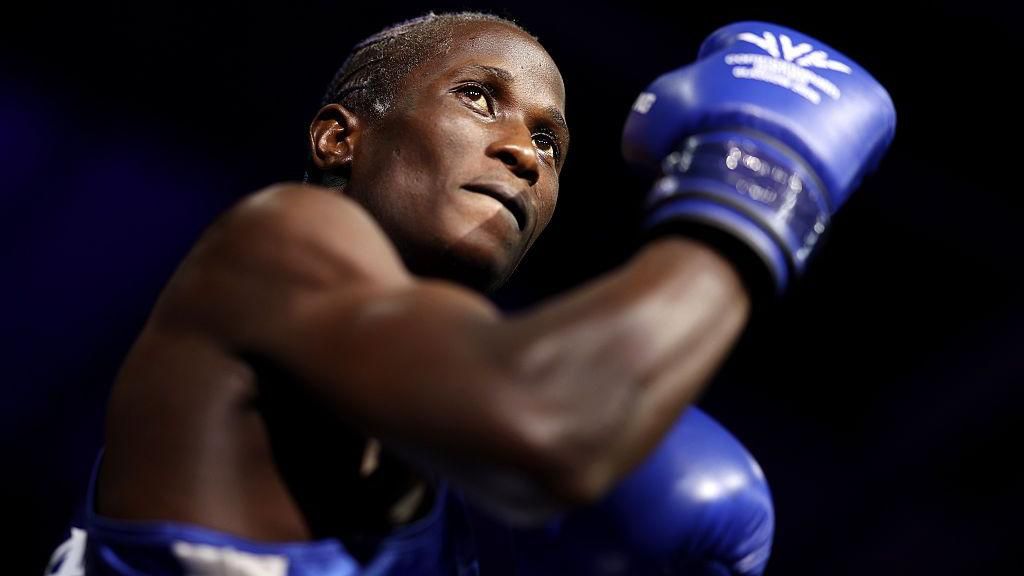
    Local Ugandan media has identified four missing athletes all members of the country’s boxing delegation as Nuhu Batte, Angel Katushabe, Ibrahim Kemis and Emily Nakalema. Uganda-based sports outlet NBS Sport reported that it has spoken directly to one of the four missing boxers, who confirmed the group’s intention to seek asylum in Scotland. The athlete told the outlet the group made the decision to stay in the UK to pursue better training resources and professional boxing opportunities than they could access in their home country, and appealed to the Ugandan public for understanding, asking not to be condemned for their choice. A spokesperson for Team Uganda told BBC Scotland News the delegation would not issue any public comment on the incident, and the remaining members of the Ugandan contingent have already completed their departure back to Uganda.

    A separate report from Pakistani newspaper Pakistan Today added another missing athlete to the list: Pakistani boxer Qudratullah, who was not found in his Games accommodation when team officials prepared for the return flight and did not board the plane with his teammates.

    This is not the first time Glasgow has hosted the Commonwealth Games and seen athletes go missing post-event. During the 2014 edition of the Games, also held in the Scottish city, dozens of athletes disappeared after competition concluded, with many seeking asylum in the UK and others vanishing entirely. High-profile cases from 2014 include two Ugandan rugby players who disappeared and later resurfaced playing for a semi-professional side in Cardiff; one of those players, Philip Pariyo, was ultimately sentenced to four and a half years in prison after being convicted of rape in the Welsh city. Another 2014 missing athlete, Cameroonian weightlifter Cyrille Tchatchet II, stayed in the UK to seek asylum after escaping political unrest in his home country, and returned to compete for Great Britain at the 2026 Glasgow Games, winning a silver medal.

    Under Glasgow 2026’s official event policy, all athletes were required to leave official Games accommodation within 48 hours of their final competition to make way for departing operations. In a statement this week, Glasgow 2026 spokesperson Sophie Ashcroft noted that the event had welcomed 3,000 athletes from 74 Commonwealth nations and territories over 11 days of competition. “As athletes and support staff leave the city, we continue to work closely with wider partners – including Police Scotland, Border Force and UK Visas & Immigration – to ensure a safe and secure conclusion to the Games,” she said.

    UK authorities typically implement enhanced entry screening for athletes and staff ahead of major international sporting events held on British soil, working closely with event organizers to strengthen entry controls. The Home Office has confirmed that any asylum claims submitted by the missing athletes will be assessed individually, with each case evaluated based on its specific facts and supporting evidence.

    Beyond the missing athletes investigation, the 2026 Commonwealth Games has marked a key turning point for the quadrennial event. After original hosts Victoria, Australia withdrew from hosting duties amid funding disputes, Glasgow stepped in to organize a scaled-back edition featuring just 10 sports across four city venues. Organizers say the streamlined format has “saved and reinvented” the competition, securing its future for future editions.
  • US men to host Peru, Chile, Mexico and Canada to kick off next World Cup cycle

    US men to host Peru, Chile, Mexico and Canada to kick off next World Cup cycle

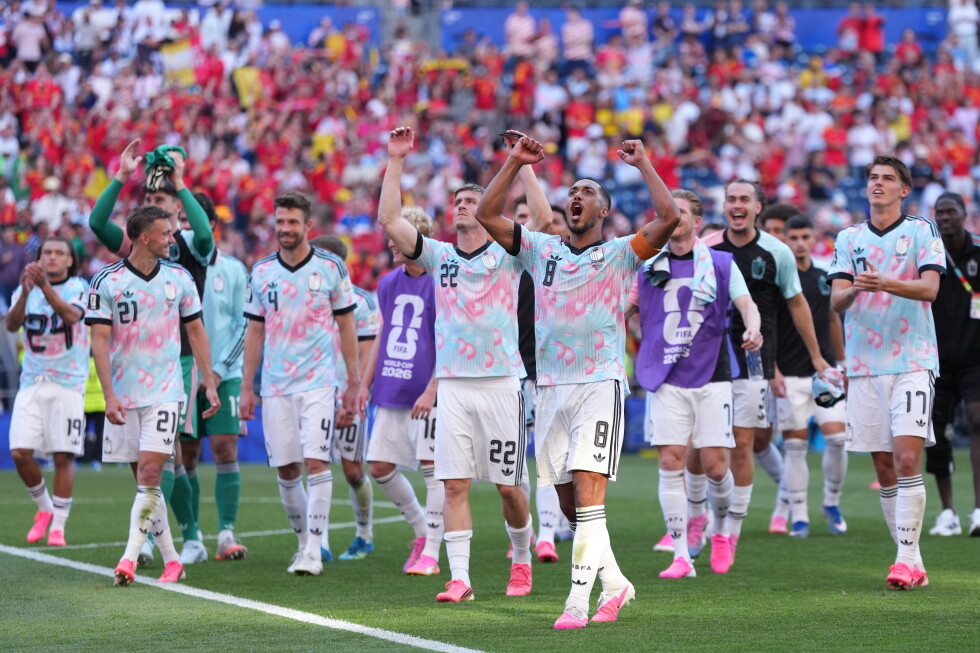
    After a promising run to the knockout stage of the 2022 men’s World Cup, the United States Men’s National Team (USMNT) is ready to embark on the road to the 2030 edition of the tournament, announcing a packed 11-day schedule of four home-friendly matches to kick off its new cycle under newly re-signed head coach Mauricio Pochettino.

    All four matches will be hosted in American metropolitan areas that did not host 2022 World Cup matches, giving local soccer fans across different regions of the country a chance to see the national team compete in person. The opening match of the slate is scheduled for September 26, when the USMNT will face Peru at Orlando’s Inter&Co Stadium. Just three days after that first contest, the team will take on Chile at St. Louis’ Energizer Park.

    The iconic continental rivalry between the US and Mexico will be reignited on October 3, when the two sides clash at State Farm Stadium in Glendale, Arizona. The four-game stretch will wrap up three days later with a matchup against Canada at Allianz Field, located in St. Paul, Minnesota.

    For soccer fans unable to attend the matches in person, every game will be carried across multiple major streaming and broadcast platforms: linear sports network TNT, Warner Bros. Discovery’s streaming service HBO Max, Spanish-language broadcasters Telemundo and Universo, and NBCUniversal’s streaming platform Peacock will all carry the contests to reach both English and Spanish-speaking audiences across the country.

    This series of friendlies marks the first competitive action for the USMNT since Pochettino signed a new contract extension that will keep him at the helm of the national program through the 2030 World Cup, which will be co-hosted by Spain, Portugal and Morocco.

    In an official statement announcing the schedule, Pochettino expressed enthusiasm for launching the new cycle with home matches for American supporters. “We are so excited to start this new phase of our journey with matches in front of our home fans,” he said. “Their amazing energy during the summer has set the standard. Our objective is always to play the best opponents possible, and these matches provide a variety of experiences for this group of players as we begin this new chapter of the U.S Men’s National Team.”

  • US midfielder Gio Reyna joins French club Strasbourg from Mönchengladbach

    US midfielder Gio Reyna joins French club Strasbourg from Mönchengladbach

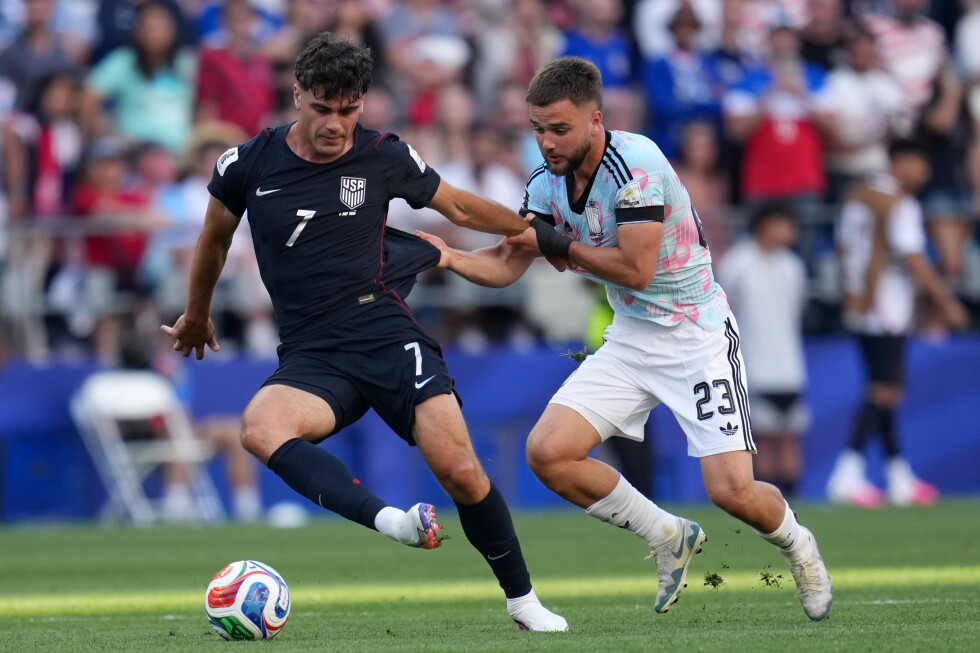
    American international soccer midfielder Gio Reyna has finalized a move to French Ligue 1 side Strasbourg, closing the door on a disappointing single season in the German Bundesliga and opening a new chapter in his young professional career. The 23-year-old, who emerged as a key contributor for the United States men’s national team during the most recent World Cup, put pen to paper on a five-year contract with the French club, the organization confirmed in an official announcement Tuesday. The transfer, which sees Reyna move from Borussia Mönchengladbach, carries a reported fee of 3 million euros, equivalent to approximately $3.5 million. Reyna first made his mark in European soccer as a promising prospect at Borussia Dortmund, where he spent several seasons honing his craft before making the switch to Mönchengladbach ahead of the 2023-2024 campaign. However, his debut season with the Bundesliga side failed to live up to expectations: across 20 appearances in all competitions, Reyna found the back of the net just once, struggling to cement a consistent role in the starting lineup. Despite his underperformance at club level, Reyna remains a proven talent on the international stage. He featured in every one of the United States’ five matches at the 2022 FIFA World Cup in Qatar, and notched a memorable goal to seal a 4-1 opening victory over Paraguay in a recent pre-tournament friendly. For Strasbourg, the move adds a high-potential young talent to a squad that finished eighth in Ligue 1 last term, a result that left the club outside of qualification for any 2024-2025 European continental competitions. The French side shares an ownership group with English Premier League giant Chelsea, giving it the financial flexibility to target emerging international talent. Reyna will be working under new Strasbourg head coach Hugo Oliveira, a long-time assistant to former Fulham manager Marco Silva who left his role at Fulham earlier this year to take up a position at Benfica before taking the Strasbourg job. The transfer marks a key turning point in Reyna’s career, as he looks to rebuild his form and prove he can live up to the early hype that surrounded his emergence in European soccer.

  • Cape Verde coach Bubista resigns to join Moroccan club

    Cape Verde coach Bubista resigns to join Moroccan club

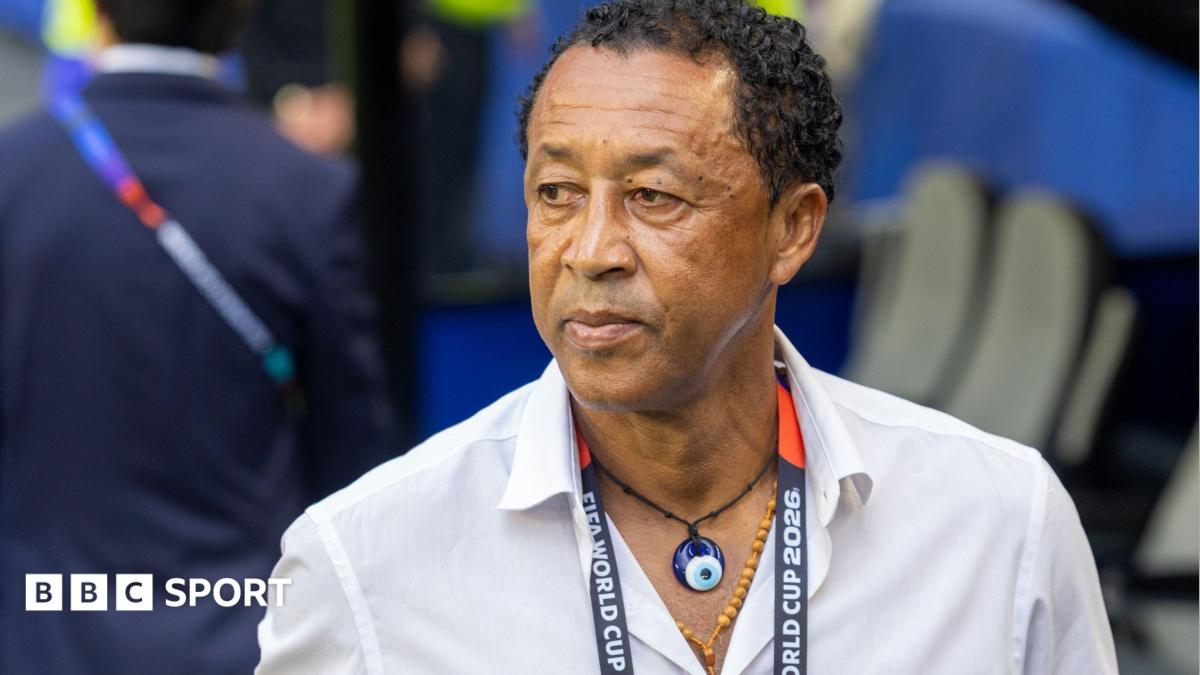
    In a move that has shaken African football following the historic 2026 FIFA World Cup, Cape Verde’s trailblazing head coach Bubista has stepped down from his role with the national side to take up a two-year contract at Moroccan top-flight club RS Berkane. The 56-year-old leaves behind a transformative legacy for the small island nation, after leading them to their first ever World Cup qualification and an unforgettable debut run that captured global attention.

    Taking charge of Cape Verde, nicknamed the Blue Sharks, in January 2020, Bubista steadily built a side that exceeded all expectations. He first guided the team to a surprise quarter-final finish at the 2023 Africa Cup of Nations, before masterminding their 2026 World Cup qualification, which saw them edge out regional powerhouse Cameroon to book their spot in the global finals. At the tournament, their giant-killing run continued into the last 32, where they pushed eventual runners-up Argentina all the way, ultimately suffering a narrow 3-2 defeat after extra time. That underdog run cemented their place as the feel-good story of the 2026 finals.

    Bubista’s new role at RS Berkane sees him replace Moin Chaabani, who departed the north-east Moroccan club last month to take up the vacant head coach position with Tunisia’s national team. While RS Berkane is not counted among Morocco’s traditional elite clubs, it has emerged as a dominant force in African football in recent seasons. The club claimed its first ever Moroccan top-flight league title in the 2024-25 season, and has lifted the CAF Confederation Cup — Africa’s second-tier continental club competition — on three separate occasions. The club has also drawn international controversy before, most notably in 2024 when it wore shirts displaying a map of Morocco that included the disputed territory of Western Sahara during a Confederation Cup match.

    The Cape Verde Football Federation has publicly acknowledged Bubista’s contributions to the national program, releasing a statement thanking him for his “dedication, professionalism, and contribution to the development of the national team’s sporting project” and wishing him well in his new role.

    Bubista’s departure is far from an isolated case: he is the latest head coach to exit one of the 10 African nations that competed at the 2026 World Cup. The wave of changes began earlier this week when Vladimir Petkovic and Algeria mutually agreed to part ways, just months after the 62-year-old Bosnian extended his contract with the Desert Foxes through to 2028. Algeria exited the tournament in the last 32 following a defeat to Switzerland.

    In West Africa, both Ivory Coast and South Africa have declined to renew the contracts of their head coaches Emerse Fae and Hugo Broos respectively, with both deals expiring at the end of July. Senegal made a quicker change, sacking Pape Thiaw immediately after the team’s dramatic last-32 exit against Belgium, with the federation justifying the decision as being “in the best interests of Senegalese football”. Former France international Patrick Vieira has already been linked with the vacant role.

    Tunisia’s coaching change has already been finalized, with Chaabani penning a four-year deal last month. He replaced Herve Renard, who stepped in mid-campaign after Sabri Lamouchi was sacked following a 5-1 qualifying defeat to Sweden.

    Finally, Ghana’s future remains unresolved. Carlos Queiroz led the Black Stars to the last 32, where they suffered a narrow 1-0 defeat to Colombia. Queiroz publicly announced his departure on social media shortly after the elimination, though the Ghana Football Association says internal discussions about the role are still ongoing.

  • Infantino’s problems mount as Wenger and key FIFA ally turn on him

    Infantino’s problems mount as Wenger and key FIFA ally turn on him

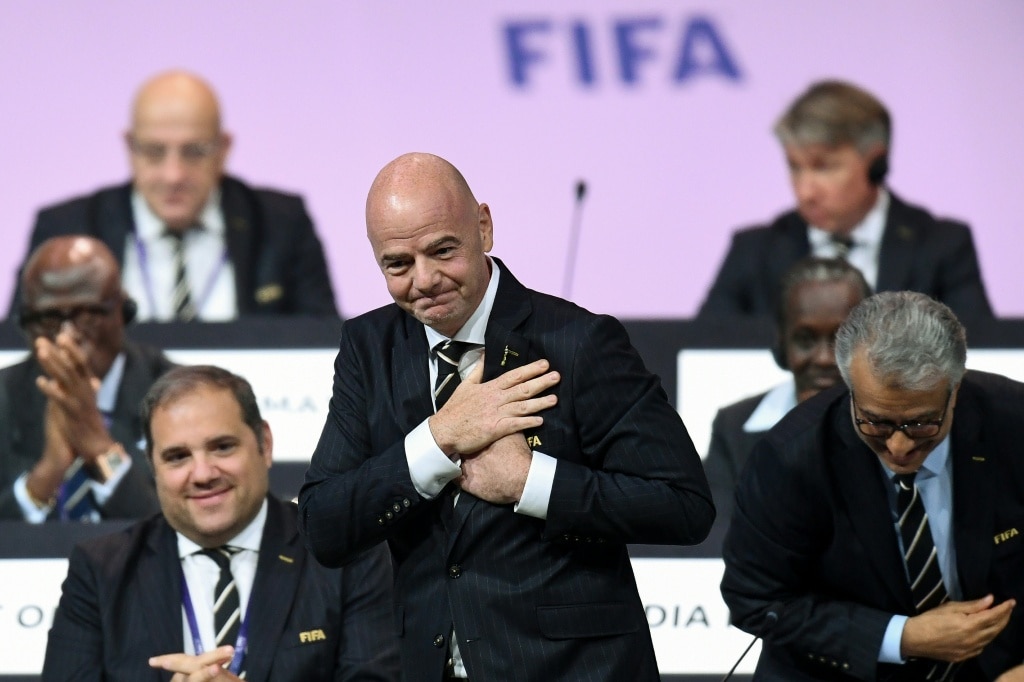
    Pressure on FIFA President Gianni Infantino has escalated dramatically this week, as once-trusted allies have turned against the embattled leader following the collapse of his controversial plan to open World Cup governance to private investment. The scheme, which was officially scrapped over the weekend after triggering global backlash within football’s governing circles, has left Infantino fighting to retain control and shore up support ahead of next year’s scheduled leadership election.

    The most stinging rebukes came from two figures long seen as core members of Infantino’s inner circle: Arsène Wenger, FIFA’s chief of global football development hand-picked by Infantino for the role in 2019, and FIFA Secretary-General Mattias Grafstrom. In an official statement released Tuesday, Wenger made clear his view that pulling the plug on the proposal was not just necessary but unavoidable. “The decision to withdraw the project was absolutely necessary and beyond question,” the former Arsenal manager said, adding that he had no prior involvement in the plan and only learned of its existence through media reports.

    Grafstrom’s rebuke came in an internal email to FIFA staff obtained by Agence France-Presse, in which the secretary-general explicitly distanced himself from the initiative. He called the chaotic rollout and collapse of the private investment plan “a sad and reproachable series of events,” adding in a subtle rebuke of Infantino’s leadership that “Individuals, unstable moments and unfortunate episodes come and go. The institution, its mission and its responsibility towards world football continue.”

    The ill-fated proposal was first unveiled by FIFA a week prior, which sought to raise $4.2 billion through a new commercial subsidiary named FIFA Forward Enterprise (FFE). Under the plan, FFE would take over operational and commercial control of flagship events including the men’s World Cup and the expanded Club World Cup, valuing the new entity at $20 billion. But the plan immediately sparked fierce pushback, with European governing body UEFA threatening to deploy the ultimate sanction: a full boycott of all FIFA competitions, including the 2026 World Cup. By Saturday, facing overwhelming opposition, Infantino was forced into a humiliating climbdown, announcing the project was being scrapped entirely.

    Far from resolving the crisis, the withdrawal has only deepened challenges to Infantino’s leadership. European football’s governing body has not backed down: through its U.S.-based legal counsel, UEFA sent a formal legal notice to Infantino last Friday, seen by AFP, warning that it is actively considering litigation, arbitration and regulatory complaints over what it calls the “shabby, backroom, opaque deal.” The notice orders Infantino and FIFA to immediately preserve all documents and electronic records related to the FFE proposal, naming Wenger, Grafstrom and FIFA Chief Operating Officer Kevin Lamour (who publicly criticized the plan last Friday) as parties with knowledge of the scheme who must retain all relevant materials.

    Support for Infantino among FIFA’s member associations is also crumbling. Four UEFA member unions – Wales, Finland, Sweden and Serbia – have already withdrawn their public endorsements of Infantino ahead of the March 2025 presidential election in Rabat, where he was long expected to win an unopposed fourth and final term. The Football Association of England is widely reported to be on the brink of pulling its support as well.

    Infantino has retained a small core of backing, including from Morocco, co-host of the 2030 World Cup, Kuwait, Qatar (where Infantino owns a personal residence) and Lebanon, which granted him honorary citizenship earlier this year. However, the public break from Wenger and Grafstrom – who accompanied Infantino at every major event through the 2022 Qatar World Cup – has dealt a fatal blow to the narrative that the president retains the confidence of FIFA’s internal leadership. This marks the second high-profile defection in days: last Friday, Infantino’s special advisor Carlos Cordeiro, a close associate of former U.S. President Donald Trump, resigned from his post over the proposal.

    For Infantino, the crisis shows few signs of abating. When he announced the withdrawal of the FFE plan, he framed the decision as a step to unify global football. But as opposition grows within FIFA’s own ranks and among leading member associations, that unifying goal appears increasingly out of reach – and Infantino’s grip on the FIFA presidency is now far shakier than it was just one week ago.

  • Mourners line streets of Milan for legend Baresi’s funeral

    Mourners line streets of Milan for legend Baresi’s funeral

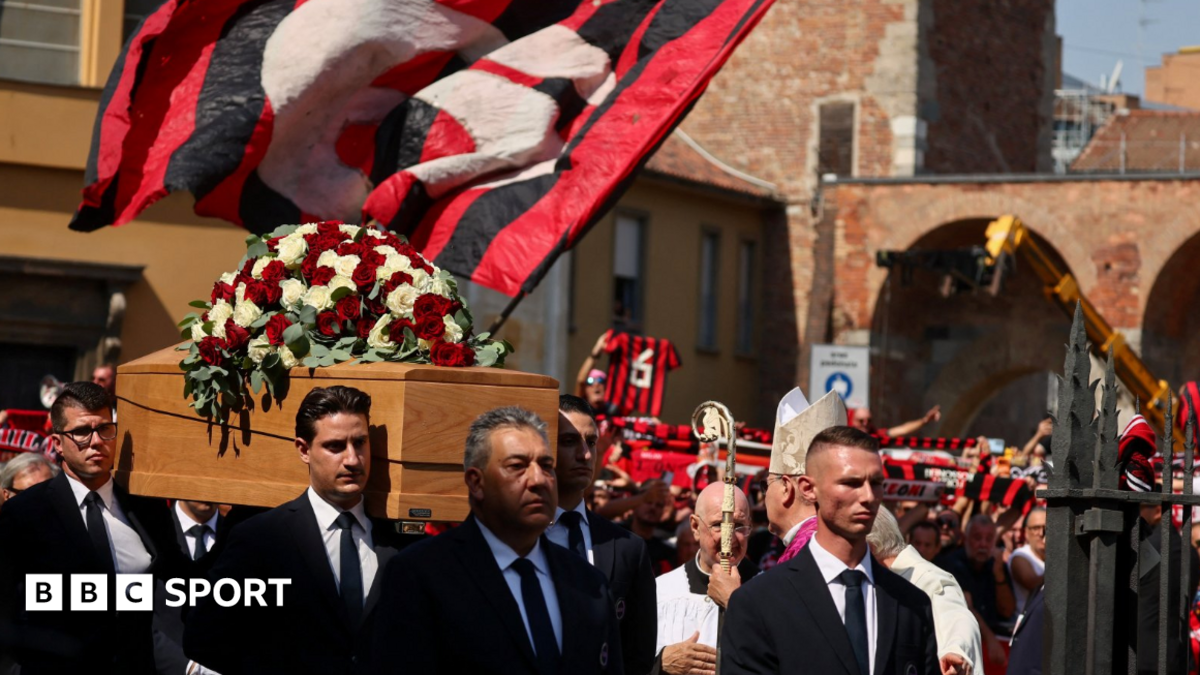
    Milan, Italy — Thousands of mourners packed the streets of Italy’s fashion and football capital this Tuesday to bid a final farewell to one of the game’s most iconic defenders, Franco Baresi, who passed away last week at the age of 66 following a prolonged battle with ill health.

    Widely celebrated as one of the greatest centre-backs in the history of association football, Baresi built an unprecedented legacy that was inextricably tied to one club: AC Milan. Over an extraordinary 20-year professional career, he never left the Rossoneri, going on to make 719 first-team appearances for the club, score 33 goals, and wear the captain’s armband for 15 consecutive seasons. That tenure places Baresi second on AC Milan’s all-time list for senior appearances, and as the club captain with the most trophy haul in its history: he led AC Milan to 18 major honors, including six Serie A titles, three UEFA Champions League crowns, four Italian Super Cups, three UEFA Super Cups and two Intercontinental Club World Cups. In recognition of his unparalleled service, AC Milan retired his iconic number 6 shirt upon his retirement in 1997, and named him the club’s honorary president in 2020. To this day, Baresi’s number 6 remains only one of just two shirt numbers permanently retired by the club, alongside Paolo Maldini’s number 3.

    Beyond his club success, Baresi also left an indelible mark on international football. He earned 81 senior caps for the Italian national team, was a member of the 1982 FIFA World Cup-winning Azzurri squad, and captained Italy to the 1994 World Cup final, where the side fell to Brazil in a penalty shootout.

    The funeral mass was held inside Milan’s historic Sant’Ambrogio Basilica, drawing a who’s who of football greats who shared pitches and dressing rooms with Baresi across his career. Attendees included fellow AC Milan legends Paolo Maldini, Marco van Basten, Clarence Seedorf, Alessandro Costacurta, Mauro Tassotti, Dida, Daniele Massaro and Dejan Savicevic, as well as Italian football icon Roberto Baggio. Though the majority of the current AC Milan first team is currently in Australia for a pre-season tour, several senior squad members who did not travel made a point to attend, including United States forward Christian Pulisic.

    AC Milan has confirmed that the club will hold a formal public tribute to its former captain ahead of a pre-season friendly against derby rivals Inter Milan scheduled for this Wednesday, allowing fans and the current squad to honor Baresi’s decades of contribution to the club he loved.

  • A titanic throwback tour: The All Blacks’ 6-week South Africa trek with a Baltimore finale

    A titanic throwback tour: The All Blacks’ 6-week South Africa trek with a Baltimore finale

    For over a century, the question of global rugby supremacy has almost always come down to a clash between two titans: South Africa’s Springboks and New Zealand’s All Blacks. Both nations, former outposts of the British Empire, took the game invented in England, redefined it, and used the sport as a foundation to build their national identities and carve out respected standing on the world’s sporting stage.

    The first formal meeting between the two sides came in 1921, when the Springboks crossed the world by steamship to face the All Blacks on their home turf. From that moment until the dawn of professional rugby 75 years later, cross-hemisphere tours between the two nations were legendary events: drawn out in length, fiercely competitive, steeped in fan fervor, and often mired in high-stakes controversy.

    This year marks three decades since the last traditional long-format tour between the two rivals, and the All Blacks have returned to South African soil to kick off an eight-match, six-week tour, opening the campaign this Friday in Cape Town. In a departure from tradition, the fourth and final test match will be played across the Atlantic at M&T Bank Stadium, the home of the NFL’s Baltimore Ravens, a move organized for global marketing and outreach purposes.

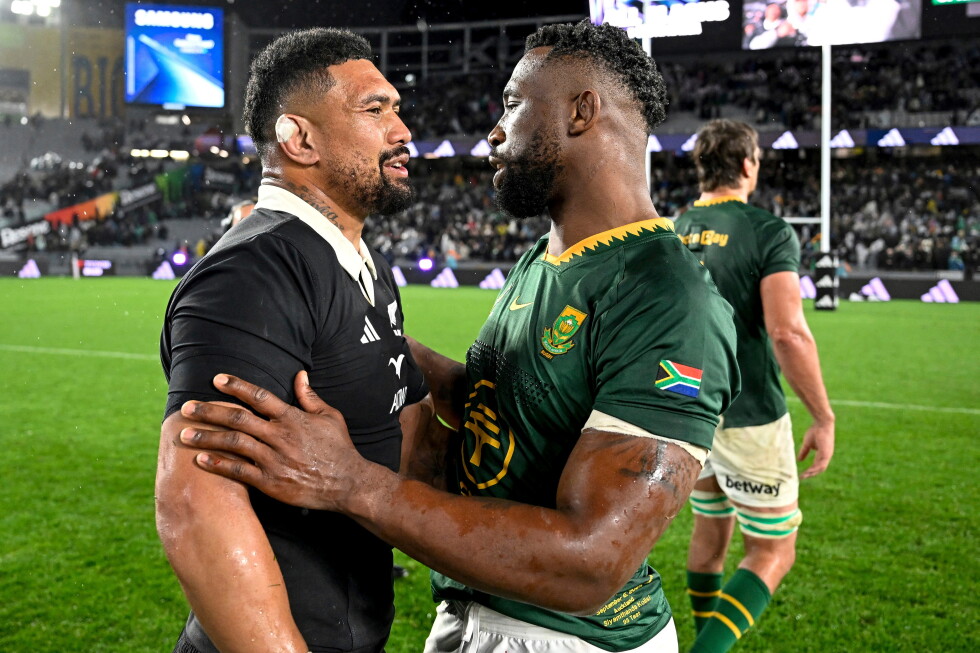
    When the tour was first announced, Springboks captain Siya Kolisi noted that this format of cross-border tour is something most current players only ever heard about from older generations of the sport. “To experience this for the first time … is unbelievable for us as a group,” Kolisi said. That inexperience is no coincidence: two-thirds of the total 88 players across both national squads were not even born when the last traditional tour took place in 1996. Kolisi was just five years old at the time, while All Blacks captain Ardie Savea was only two. Still, every member of both squads understands the heavy weight of history behind this rivalry.

    From their earliest matchups, Springbok-All Black contests have set the global standard for on-pitch intensity and tactical tension, balanced by deep mutual respect and reverence between the teams off the field. Historically, the Springboks dominated early series play, holding an undefeated record in away series against New Zealand between 1903 and 1956, including their only away series win in the country in 1937.

    However, the rivalry carried a painful off-field chapter for decades: New Zealand rugby officials bowed to pressure from South Africa’s apartheid government, barring Māori players from joining All Black tours of South Africa until 1970. For many All Black players, the chance to claim a series win in South Africa was the pinnacle of the sport, outweighing every other consideration. Colin Meads, widely hailed as the greatest All Black of the 20th century, got two shots at the prize in 1960 and 1970, and even played two full test matches in 1970 with a broken arm to pursue the win. In his autobiography, Meads summed up the allure of the rivalry: “If you’re ever going to play good rugby, you’ll play it in South Africa. There is always that feeling inside you, as an All Black, that THIS is what it has all been about, that THIS is South Africa and THESE are the players you most want to beat.”

    While the matches themselves were uncompromising during the apartheid era, widespread international and domestic protests against the tours from the 1970s onward sparked unprecedented division and social disruption across the sport. When apartheid was formally abolished in 1991, and South Africa was readmitted to international sporting competition, the first opponent the Springboks sought out was New Zealand.

    After apartheid ended, the All Blacks initially enjoyed overwhelming support from Black South African fans, but that backing shifted after Nelson Mandela publicly backed the Springboks during South Africa’s iconic 1995 World Cup hosting run, which ended with the Springboks lifting the trophy in an extra-time win over the All Blacks. The following year, the All Blacks returned to South Africa and finally secured their first ever series win on Springbok home soil. The enduring image from that 1996 tour remains captain Sean Fitzpatrick collapsing to the Pretoria turf in elation after the final whistle. Last week, Fitzpatrick and the rest of the 1996 squad met the current All Blacks team, passing the legacy forward, telling the current group this tour will be their greatest adventure, and success will come if they stay united.

    Heading into the 2026 tour, the history between the two sides remains perfectly deadlocked: each nation has hosted six tours, claimed four home series wins, and one away series win apiece. But the odds favor the Springboks heading into this year’s series, with the All Blacks entering the tournament as clear underdogs to the world’s top-ranked South African side.

    Springbok coach Rassie Erasmus has had eight years to build his squad for this series, cultivating unprecedented depth while leading the team to two consecutive Rugby Championship titles and an 11-test winning streak – the Springboks’ best run of form in 18 years. For Erasmus, this series is also a critical test to identify which players have the endurance to compete for a third straight World Cup title next year, when the tournament will be hosted in Australia. This week, the Springboks are wrapping up a final warm-up match against Argentina before facing the All Blacks.

    On the All Blacks side, head coach Dave Rennie has only been in charge since June, and has led the team through just three matches so far. He has already turned around domestic morale by shifting the team’s playing style to a more direct, high-tempo attack. Rennie has rested captain Ardie Savea for the opening tour matches, saving him for the test series, and is preparing his squad for matchups against four of South Africa’s top provincial sides: the Stormers, Sharks, Bulls, and Lions. Though these provincial sides have not played a competitive match in at least two months, and are missing their top players who are with the Springbok national squad, they still carry a traditional role on these tours: to wear down the visiting All Blacks and expose weaknesses before the test matches.

    True to the playful but fierce spirit of the rivalry, Cape Town Mayor Geordin Hill-Lewis summed up the welcome for the All Blacks when the team landed last Friday: “Off the field we will be the perfect hosts and treat you like royalty, but on the field you can expect no mercy.”

  • UFC loses $30m on Freedom 250 event at White House

    UFC loses $30m on Freedom 250 event at White House

    One of the most high-profile and unconventional events in mixed martial arts history, the UFC’s Freedom 250 held at the White House in June 2026, left parent company TKO Group Holdings with a $30 million pre-tax loss, company executives confirmed this week. But despite the steep one-off hit to the organization’s bottom line, TKO reports that UFC still delivered strong double-digit revenue growth for the second quarter of the year, defying early projections that the costly event would drag down full quarterly results.

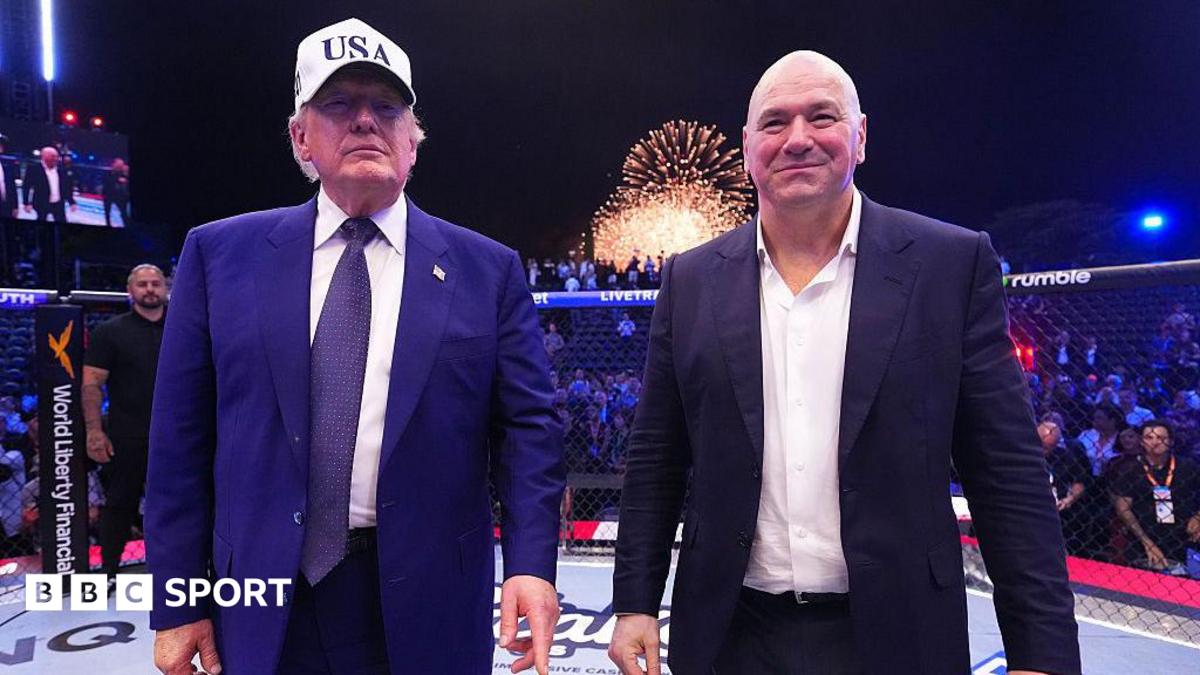
    Invited to the exclusive outdoor event on the White House’s South Lawn were former U.S. President Donald Trump, Vice President JD Vance, and roughly 4,300 invited guests, with no open tickets sold to the general public. As a centerpiece of national celebrations marking the 250th anniversary of American independence, the event also aligned with Trump’s 80th birthday, capping off a decades-long friendship between the former president and UFC chief Dana White, who joined Trump for a pre-event meeting in the Oval Office. To accommodate public interest, organizers opened a free public viewing event at nearby Ellipse Park for spectators who could not secure invitations.

    Early cost projections for the custom event had pegged total expenses at more than $60 million, a figure far higher than any standard UFC fight night. To offset these costs, TKO and UFC secured a full slate of sold-out global sponsorship partnerships, media deals, and brand collaborations that cut the final net loss to $30 million. While industry reports in May suggested high-net-worth guests were charged $1.5 million for premium access packages, UFC spokespersons confirmed the existence of these exclusive ticket tiers but did not verify their exact pricing to BBC Sport.

    Despite the anticipated loss, the event delivered unprecedented viewership that positioned UFC for long-term revenue gains, company leaders say. The exclusive fight card, which was the first major UFC broadcast under the organization’s new 2026 media deal with Paramount, drew an average global audience of 34 million viewers, ranking it among the most-watched mixed martial arts events in history. Broadcast exclusively on Paramount’s subscription streaming platform Paramount+, the event served as a high-profile launch for the new seven-year, $7.7 billion media rights deal that went into effect this year.

    In an investor call Monday, TKO Group Chief Financial Officer Andrew Schleimer noted that the outsize costs of Freedom 250 “partially offset” the gains from new sponsorship and media revenue. “Given the event’s profile, which as anticipated, resulted in an approximate $30m loss, our margins at UFC as well as on a consolidated basis were meaningfully impacted,” Schleimer told investors. Even with this hit, TKO’s quarterly financial results show UFC’s second-quarter 2026 revenue hit $535.7 million, a 29% jump compared to the same period last year. Nearly $64.7 million of that growth comes directly from new media revenue tied to the Paramount deal, underscoring the long-term financial upside of the high-risk White House event beyond the one-time quarter loss. Eight individuals were previously charged in July with conspiracy to carry out an attack on the White House during the event, though the plot was disrupted before any violence occurred.

  • North Melbourne coach Alistair Clarkson defiant amid mounting external pressure

    North Melbourne coach Alistair Clarkson defiant amid mounting external pressure

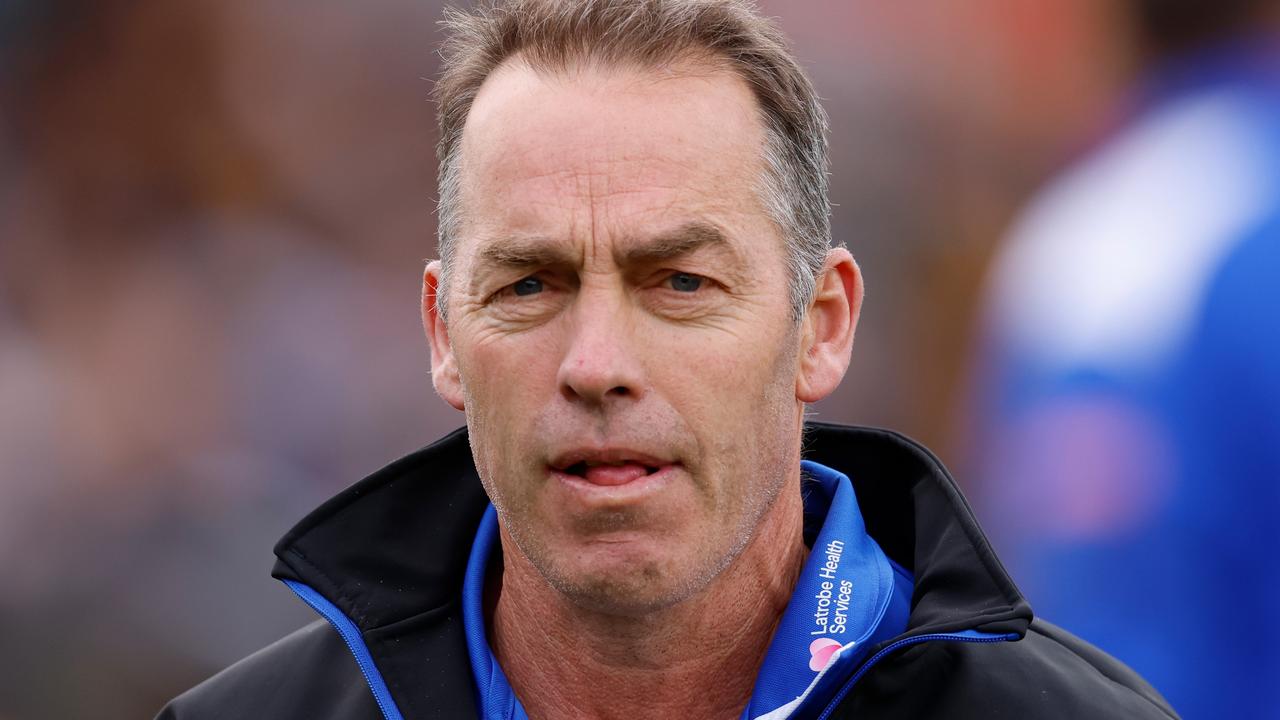
    Veteran Australian Rules football coach Alistair Clarkson has remained unshaken by growing public speculation over his future at North Melbourne, dismissing the mounting pressure as nothing more than “water off a duck’s back” as his side enters the final stretch of another rebuild season.

    Speaking to reporters at the club’s Arden Street headquarters on Tuesday, the four-time premiership-winning coach addressed swirling rumors about his position, confirming that club leadership has not raised any questions about his suitability for the role. Currently sitting 13th on the AFL ladder with an 8-12 win-loss record just three rounds out from the end of the 2026 season, the Kangaroos have already been eliminated from realistic finals contention, extending Clarkson’s streak of non-finals appearances to four full seasons since he took the helm.

    With his current contract set to expire at the end of 2027, Clarkson says he has no pressing need for a long-term extension to feel secure in his role. A self-described old-school leader, he noted, “I’m a bit old school, all I require is a handshake and a wink and a nod and that’ll do,” adding that he is fully content to enter the 2027 season without a guaranteed contract for 2028 or beyond.

    Across his almost five-year tenure with North Melbourne, Clarkson has notched just 19 total wins from 79 games, a win rate that has fueled external criticism and uncertainty over the club’s rebuild trajectory. But Clarkson pushed back against calls for immediate results, pointing to successful long-term rebuilds at other AFL clubs including Fremantle, Brisbane, and Adelaide, all of which required multiple years of foundational work before climbing back into title contention.

    “We’ll work our way through whatever we need to, but like I said, I’m here to serve the footy club, and we’ve done a pretty good job to stabilise (the club),” he said. “We’re really keen to progress ourselves up the ladder, but what we do know is that’s done by investing in our stability and continuity.”

    Far from being worn down by the slow pace of the rebuild, Clarkson says he still embraces the challenge of turning the once-struggling club into a contender. “It is a significant challenge,” he acknowledged. “I’ve been on record many times over the last two or three years saying how much difficulty there is in trying to go from the bottom of the ladder to the top. We’ve got great faith in the process required to get the job done.”

    The Kangaroos’ most recent defeat, a loss to Hawthorn in Tasmania this past Saturday, cemented their mid-table position and dashed any remaining faint hopes of a late finals push this season.

  • NRL team lists: Cameron Murray and two other stars return for the Rabbitohs as the Cowboys suffer a major finals blow

    NRL team lists: Cameron Murray and two other stars return for the Rabbitohs as the Cowboys suffer a major finals blow

    With the NRL regular season winding down and finals spots up for grabs, round-to-round lineup changes have swung the momentum of several title-contending clubs, bringing both critical boosts and devastating setbacks just weeks before post-season play begins.

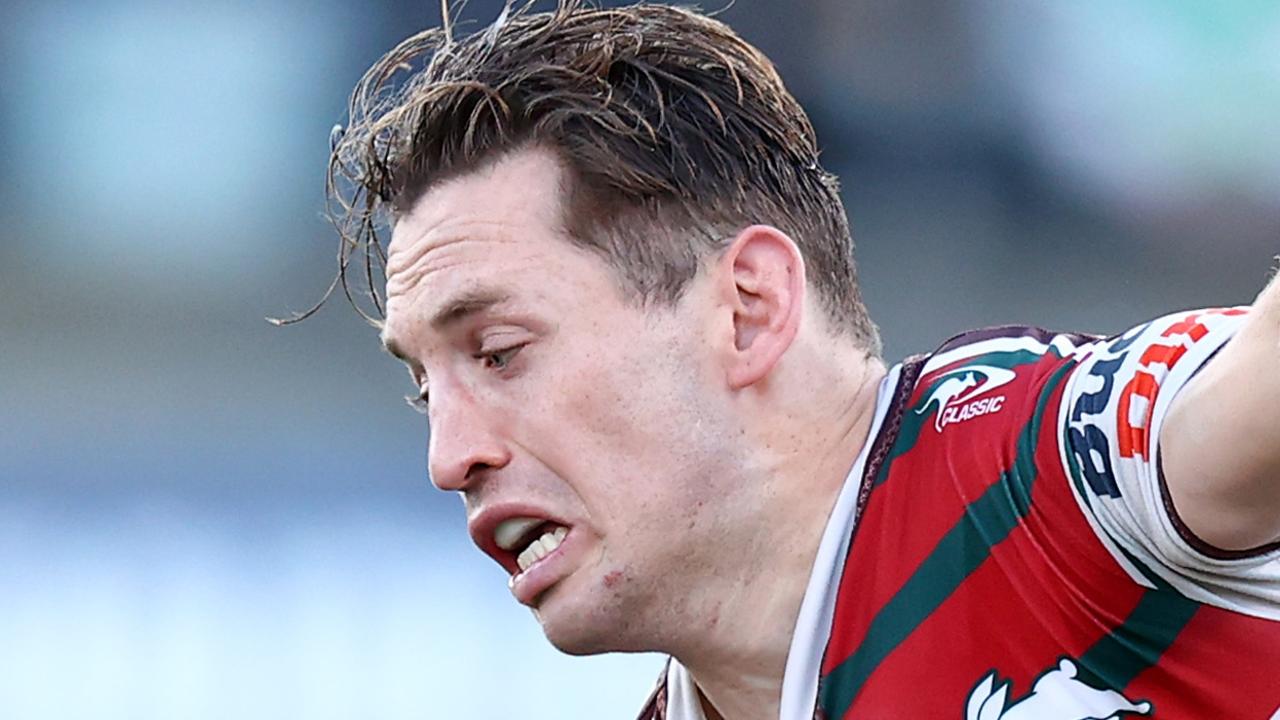
    One of the biggest pieces of positive news comes for the South Sydney Rabbitohs, who are clinging to a top-eight position and fending off hungry challengers closing in on their spot. Head coach Wayne Bennett’s side has landed three game-changing inclusions at the perfect time ahead of their Saturday clash against the Parramatta Eels. Club captain Cameron Murray and forward Tallis Duncan are both back in the starting lineup after recovering from injury layoffs, while powerhouse forward David Fifita has been cleared to return following a two-match suspension. This timing comes as a major relief for the Bunnies, who are still without star centre Latrell Mitchell – who has not played since Round 11 and remains in serious doubt to return at all this season due to a lingering nerve injury.

    Over at the Panthers, young utility Blaize Talagi has earned a recall to the first-grade squad just one week after being dropped to the NSW Cup over persistent defensive gaps. While he has been named on the extended bench for the club’s away match in New Zealand, analysts suggest his actual game time remains uncertain. Jack Cogger, who stepped into Talagi’s spot in the halves and delivered a standout performance in the Panthers’ win over Canberra, has retained his position in the lineup. In other Panthers changes, centre Izack Tago has been named to replace Casey McLean, who will miss multiple weeks of play with a hand injury. Key first-team players Dylan Edwards and Mitch Kenny remain sidelined with their ongoing injury issues. For their opposition, the New Zealand Warriors, fullback Taine Tuaupiki is also named on an extended bench, set to return from a foot injury that kept him out of the club’s recent impressive win over the Titans.

    The North Queensland Cowboys, another club still in finals contention, have suffered a major blow ahead of their upcoming match: star edge forward Jeremiah Nanai will miss the next two to three weeks with a hamstring strain. Kai O’Donnell will step into Nanai’s starting back row position as the Cowboys look to bounce back from a humiliating 70-point home loss in their last outing. On the opposite side, the Gold Coast Titans have made a key change of their own, with Lachlan Ilias stepping in to replace starting halfback Zane Harrison, who is sidelined with a hamstring injury.

    The Sydney Roosters have welcomed two key players back to availability: captain and fullback James Tedesco has overcome a recent ankle injury and will return to the starting side, while Queensland State of Origin forward Lindsay Collins has been named on the interchange bench, marking his return from an extended break following a concussion. The Roosters face an in-form Canterbury Bulldogs side, who are boosted by the return of former Roosters forward Sitili Tupouniua from his own hamstring injury layoff.

    The Melbourne Storm, who have endured a far tougher season than their usual championship-contending standard, have secured a significant late-season boost: star five-eighth Cameron Munster has been medically cleared to return from a knee injury that kept him sidelined for multiple weeks, as the club looks to close out the year with a string of positive results. Munster will partner rookie half Hayden Watson, who made his first-grade debut last week and earned a new contract extension keeping him at the club through 2030. Forward Jack Howarth has also returned to the Storm lineup, with Tyran Wishart named at hooker for their upcoming match in Perth against Manly Sea Eagles, who will again be without star fullback Tom Trbojevic.

    In other round lineup changes: The Brisbane Broncos have had to adjust at halfback, with Tom Duffy stepping in for Adam Reynolds, who entered concussion protocols following last week’s play. Prop Xavier Willison has still been named in the Brisbane side despite suffering a nasty cut in their loss to the Newcastle Knights. Simi Sasagi returns to the Canberra Raiders squad this week, while for the Cronulla Sharks, Mawene Hiroti will step in to replace KL Iro, who is currently sidelined under concussion protocols.