分类: sports

  • Which Premier League players are going to Afcon?

    Which Premier League players are going to Afcon?

    The upcoming 2025 Africa Cup of Nations (AFCON) in Morocco presents substantial challenges for Premier League clubs, with up to 43 players potentially departing for international duty during the critical winter fixture period. Scheduled from December 21, 2025, to January 18, 2026, the tournament coincides with six Premier League matchdays, the FA Cup third round, and EFL Cup semi-final first legs—potentially causing key players to miss up to eight crucial matches.

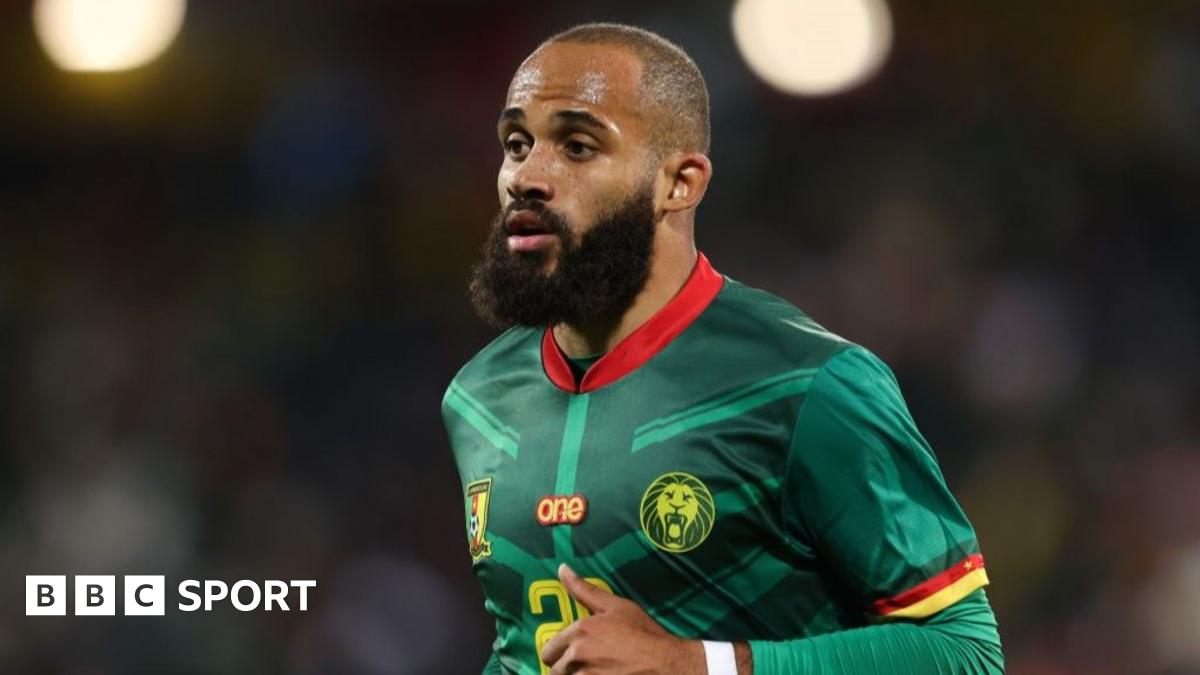
    Liverpool’s Mohamed Salah and Manchester United’s new signing Bryan Mbuemo headline the list of prominent players expected to participate. While 50 African players currently feature in England’s top flight, several nations including Ghana, Gambia, and Guinea-Bissau failed to qualify, sparing players like Tottenham’s Mohammed Kudus and Bournemouth’s Antoine Semenyo from international call-ups.

    Club impact varies significantly across the league: Sunderland faces the most substantial disruption with eight potential absentees, while Wolves, Nottingham Forest, and Crystal Palace each anticipate losing four players. Newcastle’s Yoane Wissa has already been excluded from DR Congo’s squad due to injury concerns. Notably, Arsenal, Chelsea, and Leeds United maintain squads without African players, insulating them from tournament-related disruptions.

    Nigeria leads Premier League representation with nine players, followed by Ivory Coast and Senegal with six each. Brighton emerges as uniquely affected—though possessing multiple African players, their representatives hail from nations that didn’t qualify for the tournament.

    The tournament’s scheduling continues a longstanding tension between international commitments and club obligations, forcing managers to devise contingency plans for approximately one month of depleted squads during the demanding winter period.
  • Wimbledon: All the early upsets could stem from a lack of experience on grass courts

    Wimbledon: All the early upsets could stem from a lack of experience on grass courts

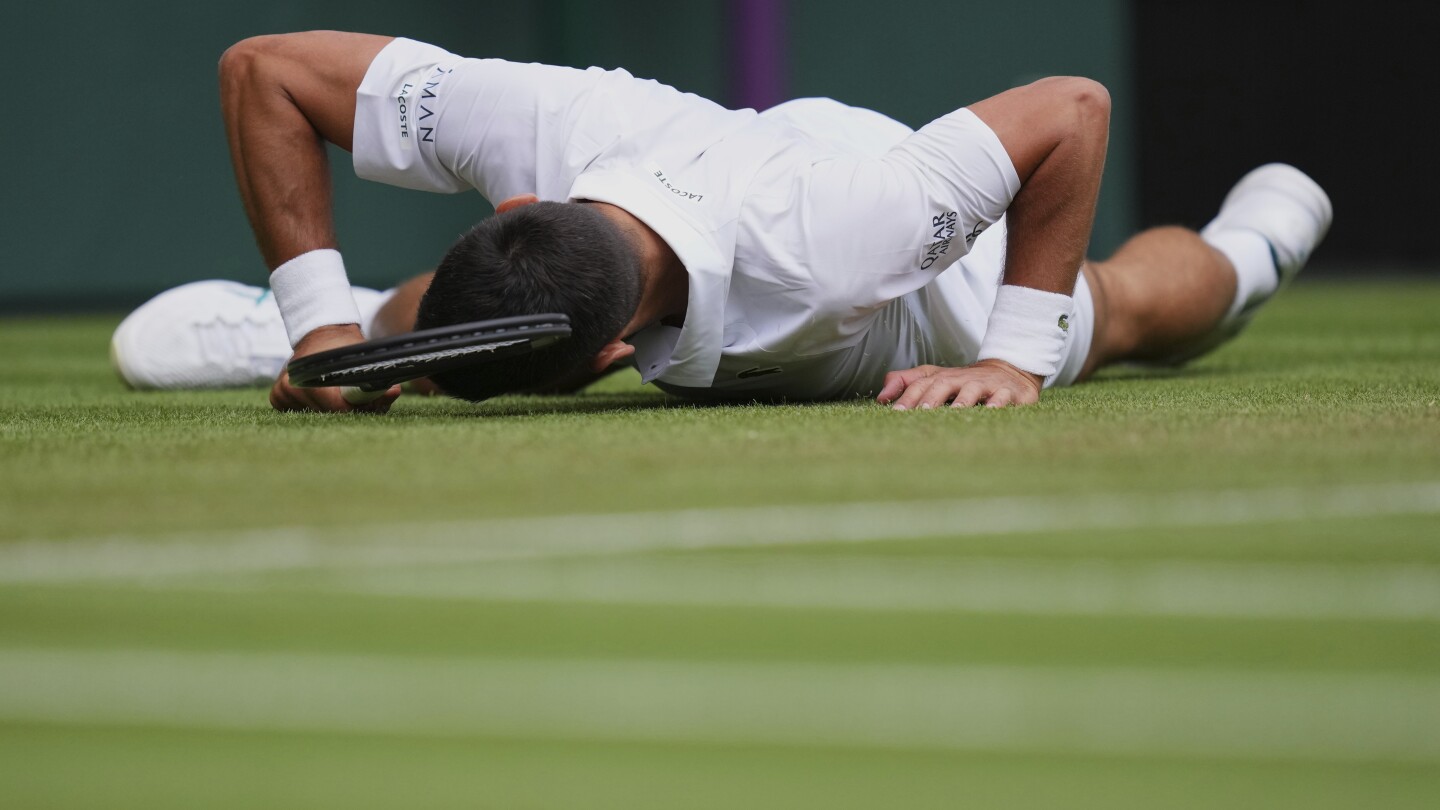
    LONDON (AP) — Novak Djokovic, despite his remarkable success on Wimbledon’s grass courts with 100 wins and seven of his 24 Grand Slam titles, did not grow up playing on this surface. In fact, his first encounter with grass was in 2005, during a qualifying event at Roehampton, where he secured his debut at the All England Club at 18. ‘That was actually the first year I stepped out on the grass,’ Djokovic recalled. ‘It felt very natural for me to adapt, even though I grew up on clay.’ Djokovic is set to face Alex de Minaur in the quarterfinals on Monday. The unpredictability of grass courts has been a recurring theme at Wimbledon this year, with eight top-10 seeds—four women and four men—exiting in the first round, the highest number since 2001. Elena Rybakina, the 2022 champion, noted, ‘Grass is very unpredictable.’ With Rybakina’s third-round exit and defending champion Barbora Krejcikova’s loss to Emma Navarro, the women’s singles will crown a first-time winner for the ninth consecutive year. The All England Club’s grass courts pose unique challenges, as most players grow up on hard or clay courts. Grass courts, used for only about a month each year, require significant adaptation. ‘It’s a surface that requires a lot of adapting. You have to go by feeling,’ said Lorenzo Musetti, a semifinalist last year. The slippery footing, skidding balls, and inconsistent bounces make grass a demanding surface. Tommy Paul, who grew up playing on green clay, described grass as ‘the most fun surface to play on’ despite its challenges. Many top players, like Naomi Osaka and Iga Swiatek, have struggled on grass, with Osaka citing a past injury as a source of fear. Swiatek, despite a junior Wimbledon title, has found it her least successful Slam as a pro. ‘This year on grass, I had some moments where I just felt comfortable,’ Swiatek said. ‘It was just pretty smooth.’

  • FIFA Club World Cup: When it starts and which teams are playing in soccer’s new-look tournament

    FIFA Club World Cup: When it starts and which teams are playing in soccer’s new-look tournament

    The highly anticipated FIFA Club World Cup, now expanded to 32 teams, is set to commence on June 14 in Miami, featuring soccer’s elite players and clubs, including Lionel Messi’s Inter Miami and European giants like Real Madrid and Manchester City. This revamped tournament, hosted across multiple U.S. cities, marks FIFA’s ambitious attempt to establish a premier global club competition akin to the international World Cup. However, the event faces challenges, including concerns over player burnout and fan engagement in an already congested soccer calendar. The tournament’s format mirrors the World Cup, with eight groups of four teams competing in a round-robin stage, followed by knockout rounds culminating in the final on July 13 at New Jersey’s MetLife Stadium. Notable participants include top clubs from Europe, South America, and other regions, though some European powerhouses like Barcelona and Manchester United are absent due to FIFA’s stringent qualifying criteria. With a staggering $1 billion prize pool, the competition promises high stakes, but its success remains uncertain amidst mixed reactions from players and fans alike.

  • FIFA details Club World Cup prize money with $125M target for the winner in $1BN fund

    FIFA details Club World Cup prize money with $125M target for the winner in $1BN fund

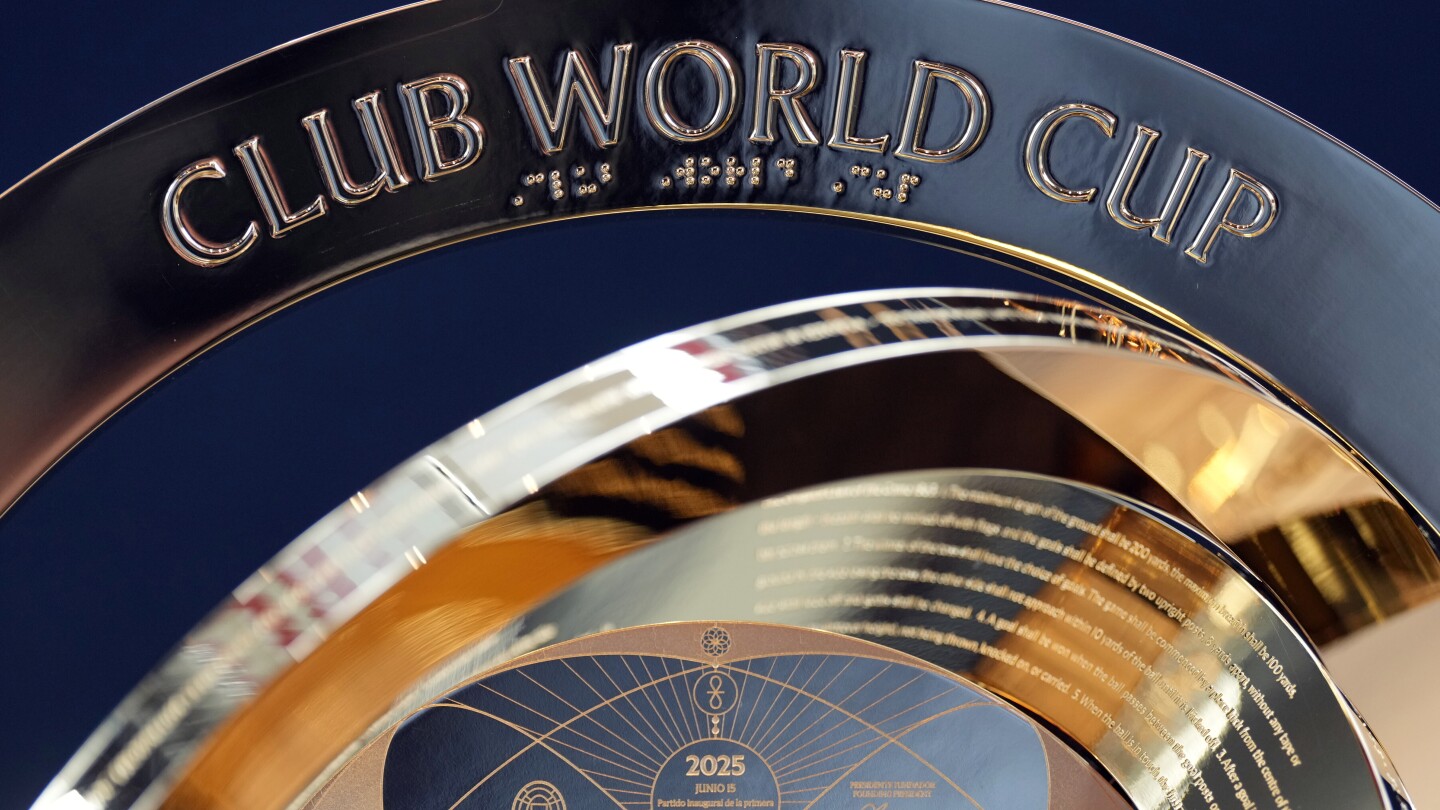
    The inaugural 32-team FIFA Club World Cup, set to take place in the United States from June 14 to July 13, has unveiled a staggering $1 billion prize pool, with the winning team potentially earning up to $125 million. FIFA announced that $525 million will be distributed as guaranteed fees to participating teams, ranging from $38.19 million for the top-ranked European team to $3.58 million for Oceania’s Auckland City. An additional $475 million will be awarded based on tournament performance, including $2 million for group-stage victories, $7.5 million for advancing to the round of 16, and $40 million for the champion crowned at New York’s MetLife Stadium. The top European team, likely Real Madrid, could amass the full $125 million by winning all group-stage matches and progressing through the knockout rounds. The tournament’s golden trophy, currently displayed in the White House’s Oval Office, was presented to former President Donald Trump by FIFA President Gianni Infantino, who invited Trump to award it to the winning captain. The prize fund’s announcement was delayed until December, when FIFA secured a global broadcast deal with streaming service DAZN, backed by a major investment from a Saudi Arabian state sports agency. Fans can stream matches for free on DAZN’s platform. The expanded tournament features 12 European teams, each guaranteed at least $12.81 million, with payments determined by sporting and commercial criteria. Notable qualifiers include Manchester City, Bayern Munich, Paris Saint-Germain, and Chelsea. South American teams will receive $15.21 million each, while African, Asian, and CONCACAF teams, including Lionel Messi’s Inter Miami, will earn $9.55 million. FIFA also plans to distribute $250 million to clubs worldwide that did not qualify. Despite the record-breaking prize pool, the $125 million maximum falls short of the English Premier League and UEFA Champions League payouts. The Club World Cup’s $1 billion fund more than doubles the $440 million shared among teams at the 2022 Qatar World Cup. Sponsors for the Club World Cup have also secured deals for the 2026 men’s World Cup, co-hosted by the U.S., Canada, and Mexico.

  • 2026 World Cup spot at stake: New Zealand, New Caledonia to meet in the Oceania qualifying final

    2026 World Cup spot at stake: New Zealand, New Caledonia to meet in the Oceania qualifying final

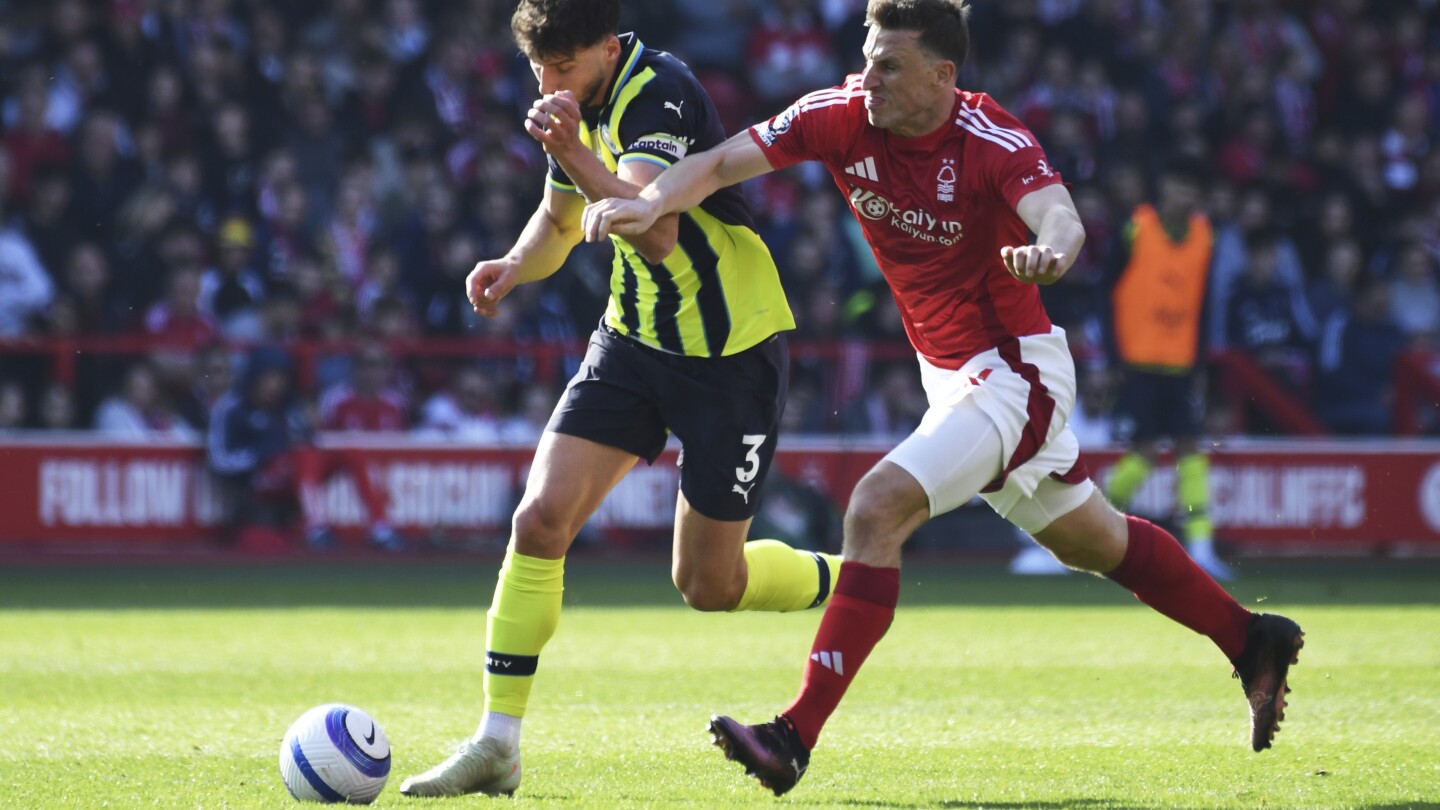
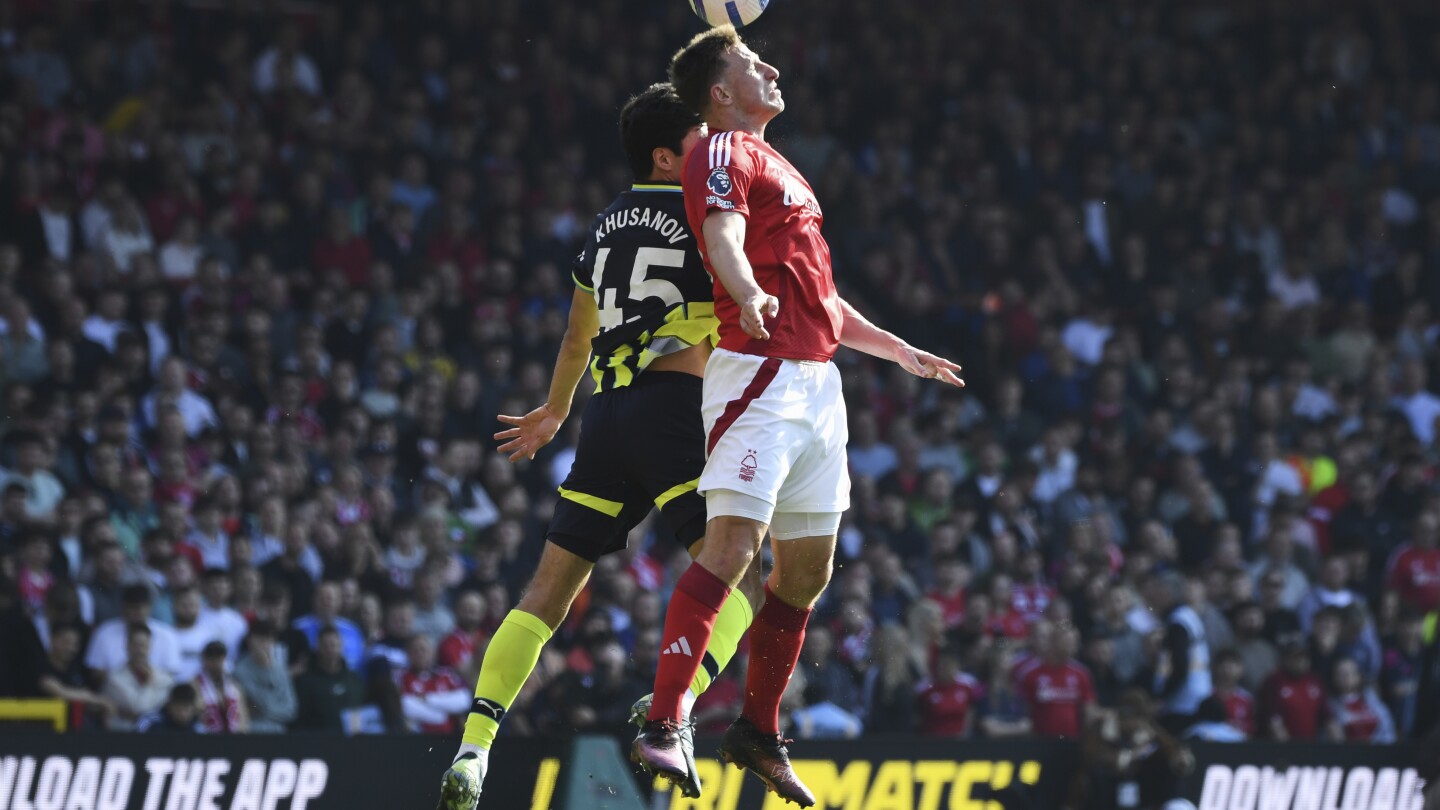
    In a stunning display of dominance, New Zealand’s national football team triumphed over Fiji with a resounding 7-0 victory in the Oceania World Cup qualifying semifinal. The match, held on Friday, was highlighted by a remarkable hat trick from Nottingham Forest striker Chris Wood, who scored all three goals with his head. This victory propels New Zealand into the final against New Caledonia, who earlier secured their place by defeating Tahiti 3-0. The winner of Monday’s final in Auckland will earn direct entry to the 2026 World Cup, marking a historic first for the Oceania confederation. The victor will join hosts Canada, the United States, Mexico, and Japan, the first nation to qualify for the expanded 48-team tournament. Wood opened the scoring in the sixth minute, capitalizing on a cross from Sarpreet Singh, and added two more goals in the second half before being substituted. Singh, Tim Payne, and Kosta Barbarouses also contributed to the scoreline, while Fiji’s own goal compounded their woes. Despite missing a late penalty, New Zealand’s performance was a testament to their teamwork and preparation. Meanwhile, New Caledonia’s Georges Gope-Fenepej shone with two goals in their semifinal victory, showcasing his experience and skill. The loser of the final will still have a chance to qualify through an intercontinental playoff, offering hope to the region’s smaller footballing nations. This opportunity is particularly significant for New Zealand, the highest-ranked Oceania nation, and New Caledonia, which overcame political unrest to compete in the tournament.

  • Chris Wood backs automatic World Cup qualifying for Oceania minnows

    Chris Wood backs automatic World Cup qualifying for Oceania minnows

    In a historic move for Oceania’s football confederation, FIFA has granted direct qualification to the 2026 World Cup, marking the first time a team from the region will bypass the intercontinental playoff system. New Zealand, the highest-ranked team in Oceania at 89th in FIFA’s rankings, is favored to secure the spot as they face Fiji in the semifinals of the Oceania qualifying tournament in Wellington on Friday. Tahiti and New Caledonia will compete in the other semifinal, with the final set for Auckland next Monday. The winner will join hosts Canada, the United States, and Mexico in the expanded 48-team tournament. The runner-up will still have a chance to qualify through a playoff series involving teams from Asia, Africa, South America, and CONCACAF. Critics have questioned the fairness of low-ranked teams qualifying directly while higher-ranked teams from more competitive confederations are eliminated. However, New Zealand captain Chris Wood defended the decision, stating that a true global World Cup requires representation from every continent. New Zealand’s coach, Danny Bazeley, emphasized the team’s determination to avoid past playoff disappointments, while Fiji’s coach, Rob Sherman, acknowledged the challenge of facing a more experienced and professional New Zealand squad. Despite the odds, teams like New Caledonia and Tahiti have celebrated their semifinal achievements as significant milestones.

  • The draw for FIFA’s revamped Club World Cup is coming up. Here’s what to know

    The draw for FIFA’s revamped Club World Cup is coming up. Here’s what to know

    The United States is set to host the most expansive edition of FIFA’s Club World Cup in 2025, marking a significant evolution for the global club tournament. The event, scheduled from June 15 to July 13, will feature 32 teams competing across 11 U.S. cities, a dramatic increase from the previous seven-team format. This edition will also transition the tournament to a quadrennial schedule, aligning it with the FIFA World Cup for national teams. The draw for the group stage will take place in Miami on Thursday, December 7, at 1 p.m. (1800 GMT).

    Among the participants are European giants like Real Madrid and Manchester City, Lionel Messi’s Inter Miami, South American champion Botafogo, and top clubs from Asia, Africa, and Oceania. The tournament’s new structure includes eight groups of four teams each, with the top two advancing to a knockout stage. FIFA has allocated 12 spots to Europe, six to South America, four each to Africa, Asia, and North America, and one each to Oceania and the host nation.

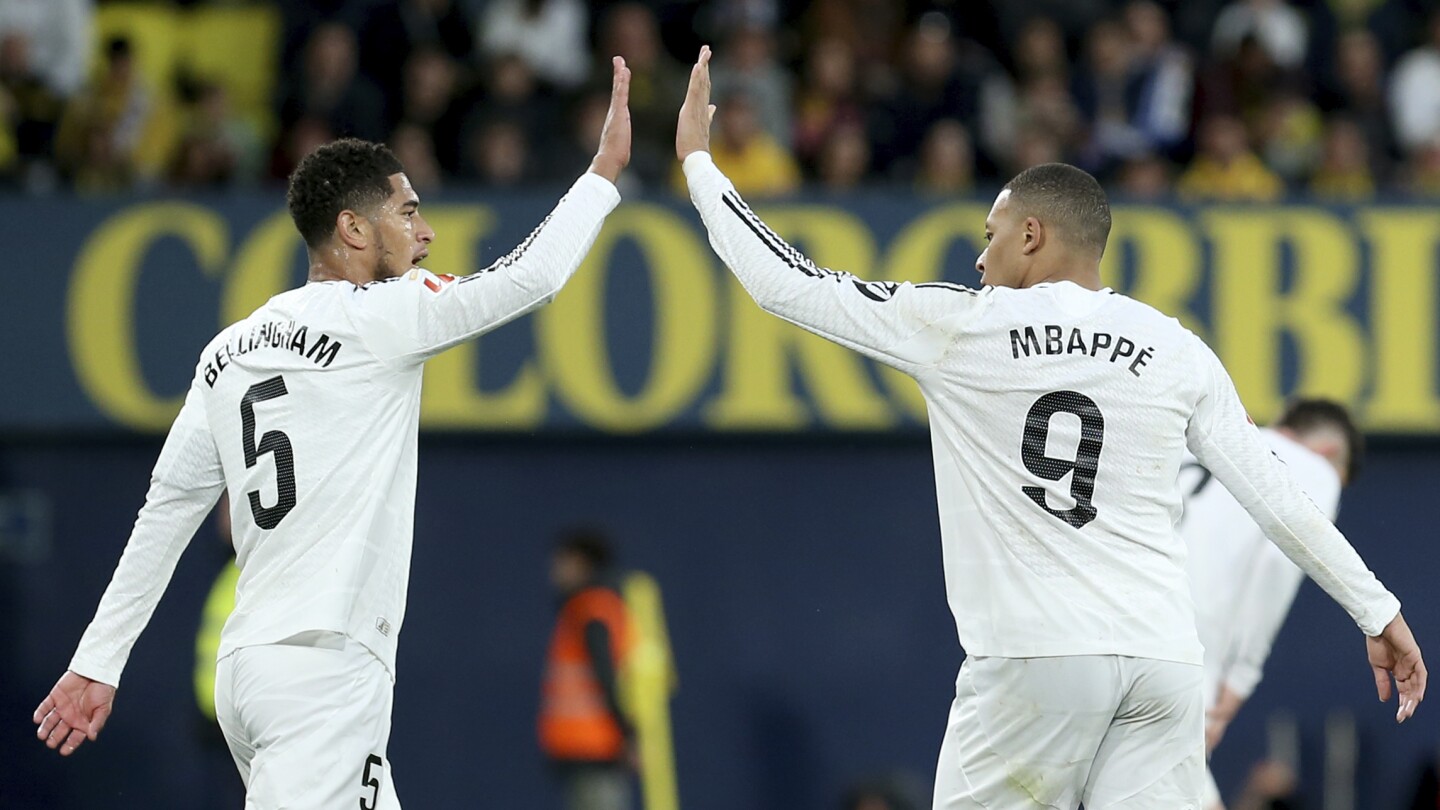
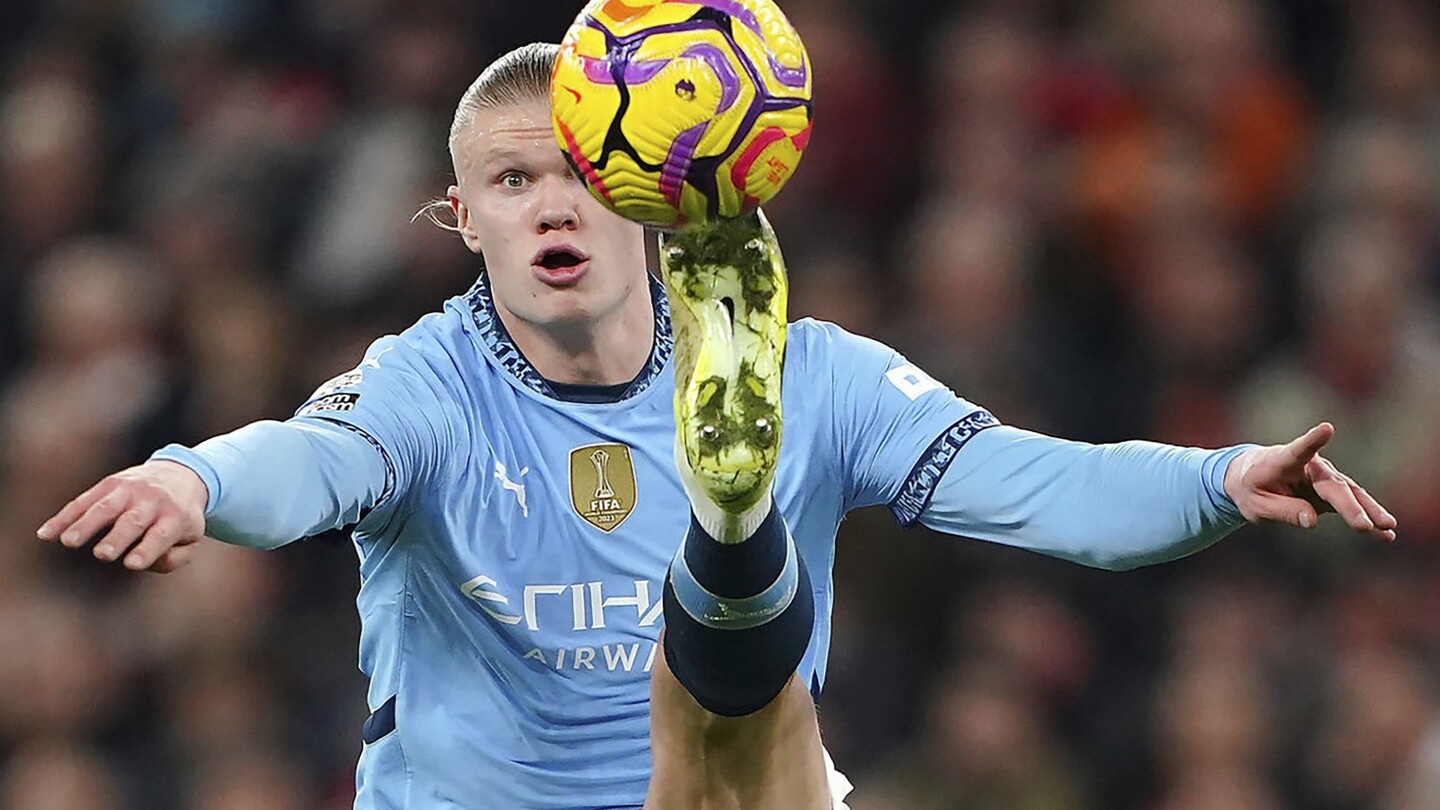
    The 2025 Club World Cup represents FIFA’s most ambitious project to date, aiming to create a month-long spectacle that rivals the global appeal of the men’s World Cup. Teams qualified based on their continental championship victories or consistent performance from 2021 to 2024. Notable absences include Liverpool, Barcelona, and Napoli, while emerging stars like Kylian Mbappé, Erling Haaland, and Jude Bellingham are expected to shine.

    Inter Miami’s inclusion, secured through FIFA’s decision to award the host nation’s spot based on regular-season standings, adds star power with Lionel Messi and co-owner David Beckham. The tournament promises significant financial rewards, with FIFA president Gianni Infantino guaranteeing hundreds of millions in prize money. A recent broadcasting deal with DAZN ensures all 63 matches will be streamed for free, with potential public broadcaster partnerships.

    The Club World Cup’s history dates back to the Intercontinental Cup, which pitted European and South American champions. FIFA’s modern iteration began in 2000, evolving into an annual seven-team event. However, the tournament struggled to gain traction in Europe, where the UEFA Champions League remained the pinnacle of club competition. The 2025 edition aims to redefine the Club World Cup as a premier global event, combining tradition with innovation.

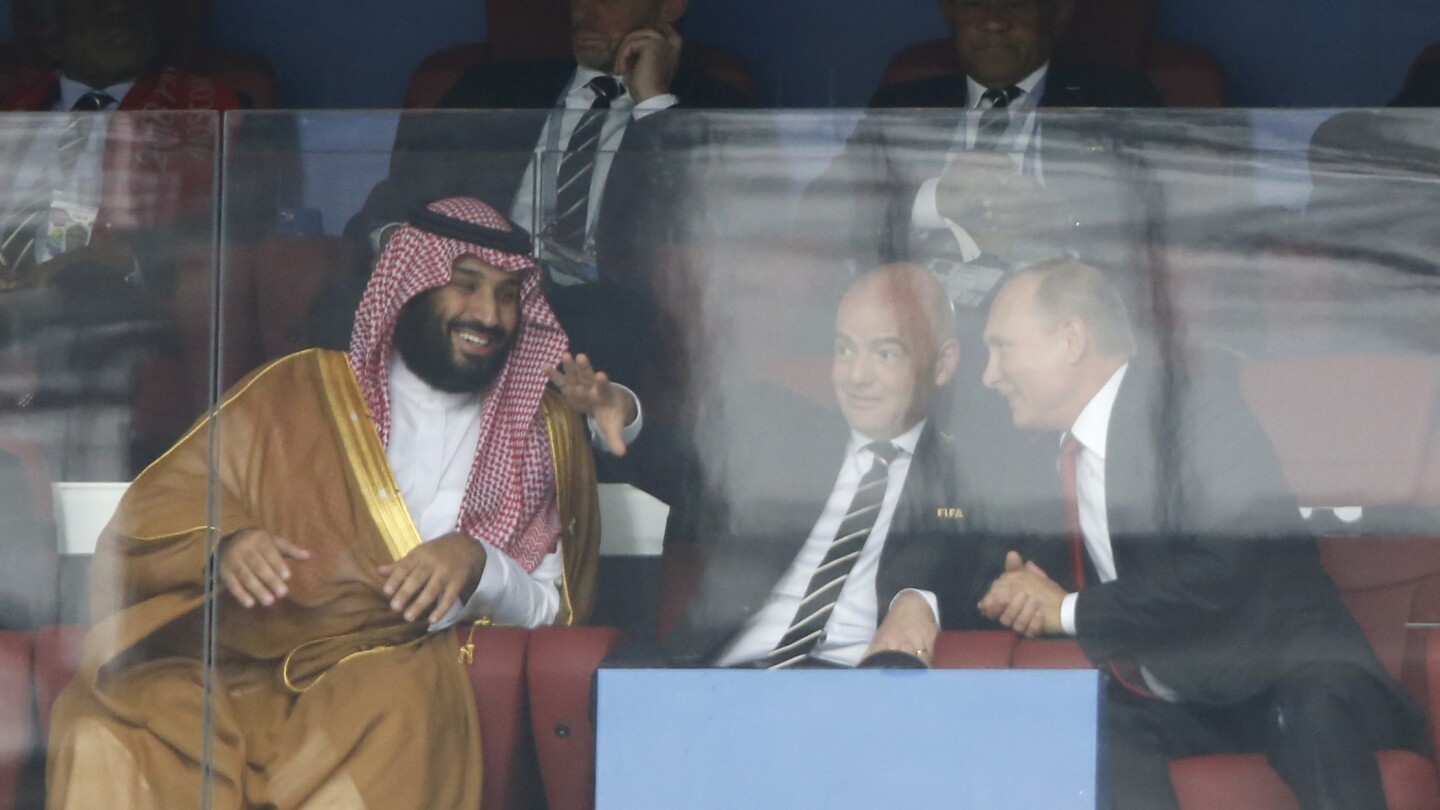
  • Saudi Arabia formally informs FIFA of its wish to host the 2034 World Cup as the favorite to win

    Saudi Arabia formally informs FIFA of its wish to host the 2034 World Cup as the favorite to win

    In a strategic move that positions Saudi Arabia as the frontrunner to host the 2034 FIFA Men’s World Cup, the Saudi Arabian Football Federation formally submitted its bid to FIFA on Monday. The kingdom’s candidacy is bolstered by a streamlined bidding process that restricts participation to members of the Asian and Oceania football governing bodies. This development follows FIFA’s recent decision to fast-track the 2034 hosting contest, effectively paving the way for Saudi Arabia’s potential victory. The 2030 World Cup, set to be co-hosted by six nations across three continents—Europe, Africa, and South America—has already been decided, leaving Asia as the focal point for the 2034 edition. Saudi Arabia’s bid is supported by over 70 of FIFA’s 211 member federations, reflecting its global outreach and commitment to expanding football’s reach. The kingdom’s infrastructure, including its readiness to host the 2027 Asian Cup, aligns with FIFA’s stringent hosting criteria. However, the bid has sparked concerns about potential scheduling conflicts, as the tournament would likely be held in November-December, disrupting European football leagues. FIFA’s decision-making process, influenced by its 37-member council, is expected to finalize the 2034 host by late next year. Saudi Arabia’s growing influence in global football, underscored by its acquisition of Newcastle United and investments in domestic clubs, further solidifies its candidacy.

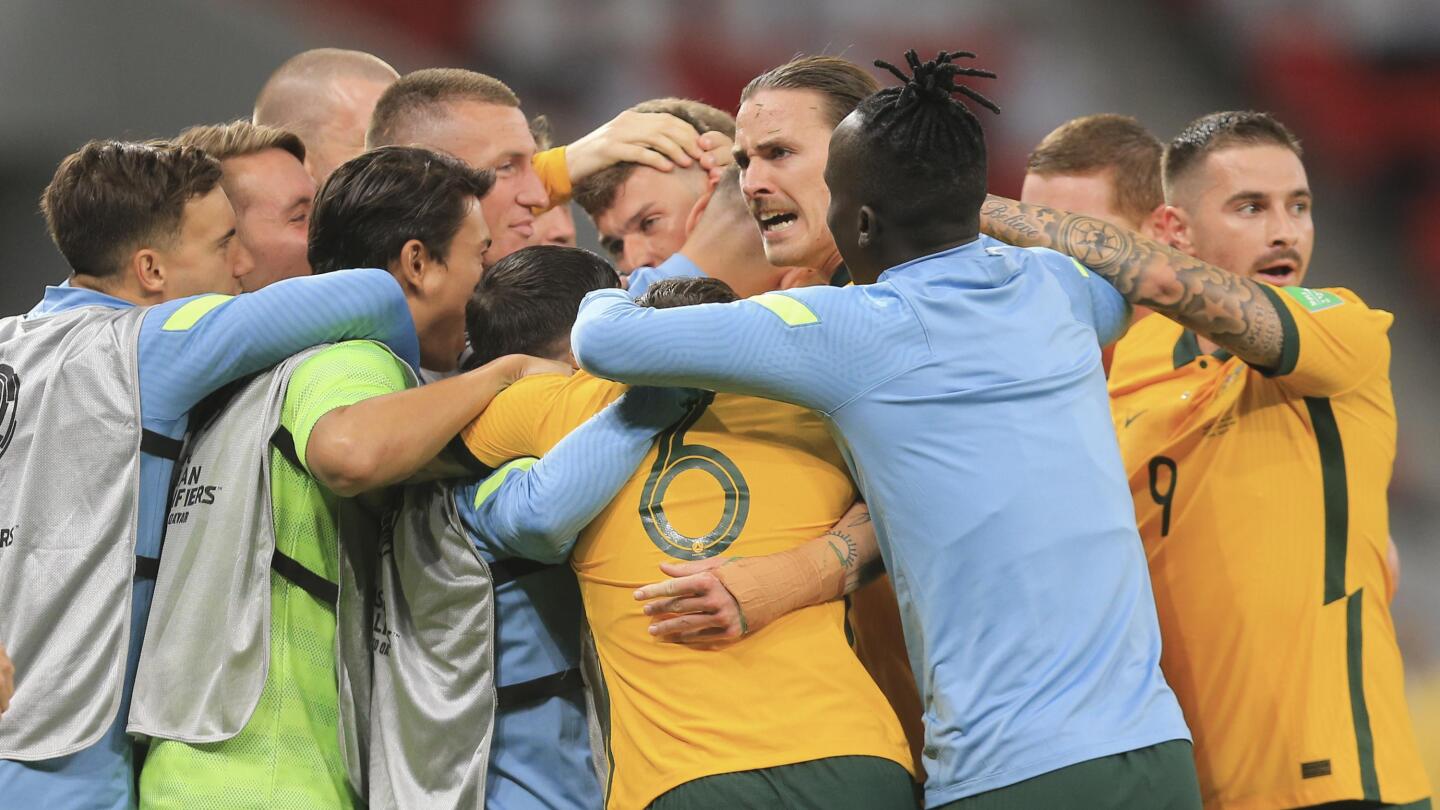
  • Peru, Australia ready to playoff for a World Cup spot

    Peru, Australia ready to playoff for a World Cup spot

    In a high-stakes showdown, Australia and Peru are set to face off in a decisive intercontinental playoff for a coveted spot in the 2022 FIFA World Cup in Qatar. The match, scheduled for late Monday in Al Rayyan, marks a winner-takes-all encounter, contrasting with the home-and-away format of previous playoffs. Both teams have a history of securing World Cup berths through such playoffs, with Peru defeating New Zealand and Australia overcoming Honduras in 2017 to qualify for the Russia tournament. This time, only one will advance to join Group D, where France, Denmark, and Tunisia await. Peru’s coach Ricardo Gareca, who led the team to fifth place in South American qualifiers, emphasized the significance of the match, noting both teams’ extensive experience in high-pressure situations. Peru enters the game with confidence, having defeated Australia 2-0 in their only previous meeting during the 2018 World Cup. Meanwhile, Australia, fresh off a 2-1 victory over the United Arab Emirates in the Asian playoff, is banking on its resilience and fighting spirit. Coach Graham Arnold drew parallels to the historic 2005 playoff win over Uruguay, urging his team to channel their “Aussie DNA” to secure a fifth consecutive World Cup appearance. With 12,000 Peruvian fans expected to fill the Ahmad bin Ali Stadium, the atmosphere promises to be electric as both nations vie for glory on the global stage.

  • Qatar to host New Zealand’s bid to qualify for the World Cup

    Qatar to host New Zealand’s bid to qualify for the World Cup

    The journey to the 2022 FIFA World Cup in Qatar begins for New Zealand and other Oceania teams as the region’s qualifying tournament is scheduled to take place in the host nation from March 14 to 30. FIFA confirmed Qatar as the neutral venue for the qualifiers, which have faced repeated delays due to COVID-19 travel and quarantine restrictions. This tournament marks the final opportunity for Oceania teams to secure a spot in the intercontinental playoffs. New Zealand, led by Burnley forward Chris Wood, is heavily favored to emerge victorious. The winner of the Oceania qualifiers will face the fourth-place team from the North American qualifying group in a playoff on June 13 or 14. Currently, Panama holds that position, closely followed by Mexico and the United States, with Canada leading the group. The Oceania qualifiers are divided into two groups: New Zealand, New Caledonia, Fiji, and Papua New Guinea in one, and Solomon Islands, Tahiti, Vanuatu, and the winner of the Tonga vs. Cook Islands play-in game in the other. The top two teams from each group will advance to the semifinals, with the final on March 30 determining Oceania’s representative in the playoffs. Notably, Samoa and American Samoa have withdrawn from the competition. New Zealand, ranked 110th by FIFA, has played minimal competitive soccer in recent years, making this tournament a crucial test for the Kiwis.