分类: sports

  • Star Aussie bowling trio to sit out of Pakistan and Bangladesh limited overs tour

    Star Aussie bowling trio to sit out of Pakistan and Bangladesh limited overs tour

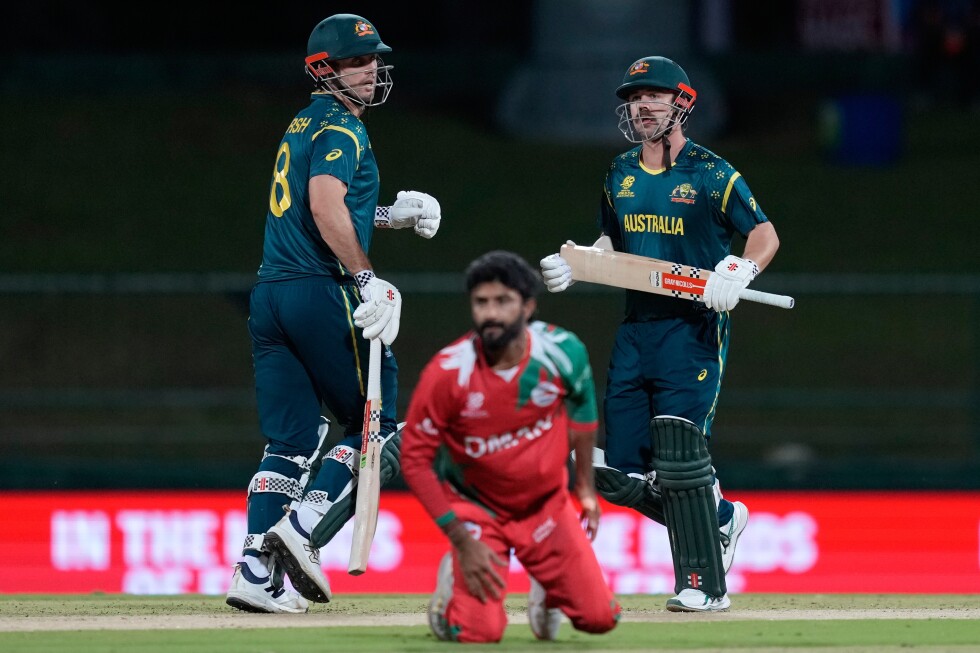
    SYDNEY – Cricket Australia has announced a reshuffled limited-overs squad for its back-to-back tours of Pakistan and Bangladesh later this month, making the call to rest three of its star fast bowlers: Pat Cummins, Mitchell Starc, and Josh Hazlewood. The high-profile trio will sit out the entire three-match ODI series against Pakistan, which kicks off in Rawalpindi on May 30, opening the door for a wave of emerging young talent to earn their first senior international call-ups. Uncapped all-rounder Liam Scott and Ollie Peake, former captain of Australia’s Under-19 World Cup side, are the two first-time senior selections for the Pakistan tour, while promising young batter Joel Davies has earned a spot in Australia’s T20 squad for the Bangladesh series set for June.

    Several players with ongoing Indian Premier League commitments – Travis Head, Cooper Connolly, Ben Dwarshuis, and Xavier Bartlett – will link up with the national squad after finishing their franchise commitments in the T20 league. Notably, veteran star all-rounder Glenn Maxwell has been left out of the squads for both tours entirely. All-rounder Mitchell Marsh will lead the Australian side across both tours, as the program forms a key early part of the team’s preparation for the 2025 ICC Men’s Cricket World Cup, scheduled to be co-hosted by South Africa, Namibia, and Zimbabwe in October next year.

    In comments announcing the squad, national selection chairman George Bailey emphasized that these back-to-back subcontinental tours represent a critical development opportunity for Australia’s next generation of cricket talent. “It’s always exciting to see new players get an opportunity to play international cricket and be a part of the national team,” Bailey said. “The blend of experienced players coupled with new or returning players will provide a nice mix for these subcontinent tours. Continuing to provide opportunities for players to develop across a broad range of conditions and experiences is important and will continue to be a focus over the next 18 months to two years.”

    The decision to rest Cummins, Starc and Hazlewood is a strategic one: the three frontline bowlers will use the break to build up fitness and prepare for Australia’s upcoming World Test Championship campaign, which resumes in August with a two-match home test series against Bangladesh.

    Following the Pakistan ODI series, which will continue with matches in Lahore on June 2 and 4, Australia will travel to Bangladesh for three ODIs in Dhaka on June 9, 11 and 14, followed by three T20 Internationals in Chattogram on June 17, 19 and 21.

  • The first 48-team World Cup — more opportunities, less jeopardy?

    The first 48-team World Cup — more opportunities, less jeopardy?

    When the 2026 FIFA World Cup kicks off across North America, it will mark the most transformative change to football’s biggest showcase in four decades: the first-ever 48-team tournament. The expansion, a flagship campaign promise delivered by FIFA president Gianni Infantino just a decade after he took the helm of global football’s governing body, has reignited a fierce debate over whether broadening access to the finals will dilute the high-stakes drama that has made the World Cup a global cultural touchstone.

    Infantino has framed the shift as far more than a simple format tweak, arguing the World Cup must evolve beyond an elite athletic competition to become a truly inclusive global social event. For decades, the World Cup fell far short of its ‘global’ branding, dominated by European and South American nations from its early 16-team format through its 1982 expansion to 24 sides. Historical data underscores this imbalance: between the first World Cup and 1982, the entire African continent sent just four teams total to the finals. Even as late as the 1990 tournament in Italy, 14 of the 24 competing nations came from Europe, while Africa, Asia and the CONCACAF region each received only two slots.

    The 1998 expansion to 32 teams moved the needle toward greater fairness in slot allocation, but gaps remained: at the 2022 Qatar World Cup, Europe still claimed 13 spots while Africa earned just five. The new 48-team format addresses this without stripping established powerhouses of their existing access, reallocating slots to create a far more balanced distribution: Europe retains 16 places, Africa earns 10, Asia claims 9, South America and CONCACAF get six each, with an additional spot reserved for Oceania’s New Zealand.

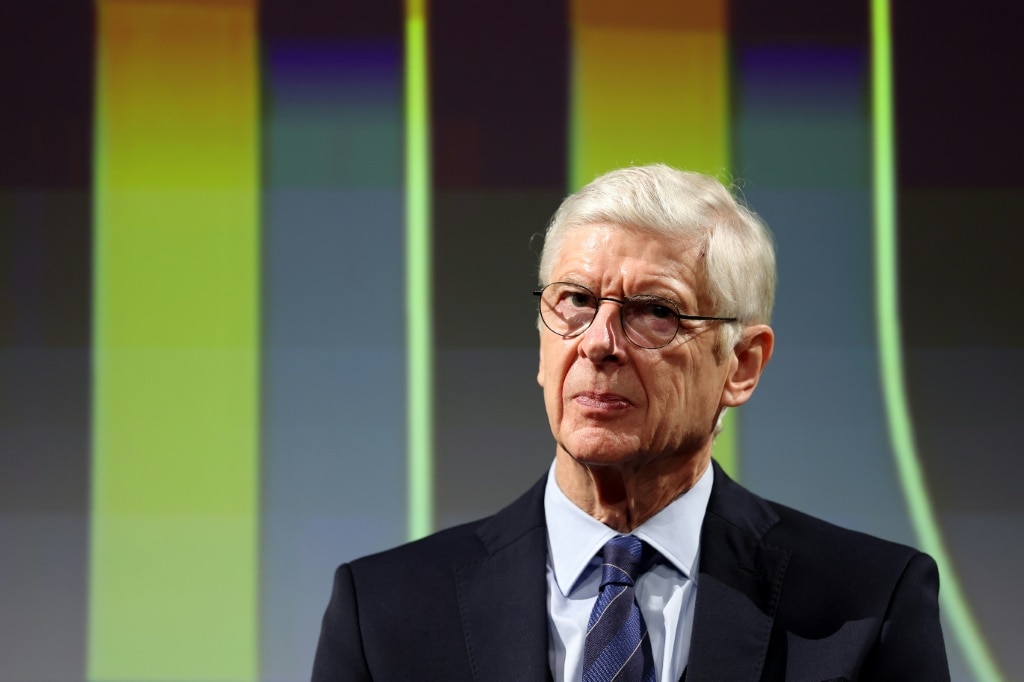
    FIFA’s chief of global football development, legendary manager Arsene Wenger, has defended the expansion as an inevitable and logical step for the sport’s growth. “It’s a natural evolution. We want to make football global all over the world,” Wenger stated last December, noting 48 teams still accounts for less than 25% of FIFA’s 211 member nations, keeping the qualifying bar appropriately high.

    For underdog and smaller nations, the format shift is a historic breakthrough. Tiny Caribbean island nation Curacao, with a total population of just 160,000, is on track to make its World Cup debut in 2026, joined by other first-time qualifiers including Cape Verde, Jordan and Uzbekistan. Curacao head coach Fred Rutten says his side is already relishing the chance to pull off upset wins against global giants. The new format also gives lower-ranked sides a far better shot at advancing past the group stage into the knockout round: the top two teams from each of 12 groups advance, plus the eight best third-place finishers, meaning just one win in the group stage can often secure progression.

    But critics warn the expanded format comes at a major cost to the tension and jeopardy that has produced some of the World Cup’s most iconic moments. Where top-tier nations once faced immediate elimination after an early bad result – think 2022 when eventual champion Argentina faced elimination after an opening defeat to Saudi Arabia, or Germany’s stunning group-stage exits in both 2018 and 2022 – elite sides now have far more room to recover from a slow start. The historic drama of watching a global powerhouse crash out early in the tournament is likely to become a thing of the past, opponents argue.

    The expanded tournament also brings logistical and physical challenges for players. Where the 32-team format featured 48 group-stage games to eliminate 16 teams, the 48-team format requires 72 group-stage matches to cut the field to the same 16 knockout-round participants. To win the tournament, teams will now need to play eight matches, one more than the previous format, all scheduled for a hot North American summer that will put extra physical strain on top players already stretched by crowded club calendar schedules.

    Noted football author Jonathan Wilson, who wrote *The Power and the Glory: A New History of the World Cup*, says the 32-team format was perfectly balanced. “I see the argument about increasing representation but I think a 32-team finals was perfect,” Wilson explained. “The biggest problem with this is not really the quality, it’s the dilution of spectacle in the first round with eight third-placed teams to go through. The group stage may end up trying peoples’ patience.” He added that the extra knockout round could incentivize more defensive, cautious play, further dulling the tournament’s early excitement.

    Even elite managers acknowledge the new strategic priority for big teams has shifted: where once they needed to avoid any early slip-up, now the focus is simply on grinding out enough results to advance. “You just focus on the group, this is what you do, and make sure you are in the right head space,” England manager Thomas Tuchel said of the new approach. As the 2026 tournament approaches, the football world remains split: while smaller nations celebrate unprecedented access, fans and analysts wait to see whether the expanded format will grow the global love of the game – or erode the high-stakes magic that made the World Cup unmissable.

  • PSG all but secure Ligue 1 title with two games to spare

    PSG all but secure Ligue 1 title with two games to spare

    With just two matches remaining in the 2024-25 Ligue 1 campaign, Paris Saint-Germain has moved to the brink of claiming an unprecedented fifth straight domestic championship, following a tense 1-0 victory over Brest on Sunday. The result leaves Luis Enrique’s side six points clear of second-placed Lens, with an overwhelming 15-goal advantage in goal difference that all but guarantees the title regardless of next week’s result.

    Fresh off a hard-fought Champions League semi-final victory over Bayern Munich just four days prior, PSG made nine changes to their starting lineup to rest key first-team stars, including young French international Desire Doue. The 19-year-old was brought off the bench in the second half, and made an immediate impact, curling home the match-winning strike from the edge of the 18-yard box in the 83rd minute to secure all three points.

    PSG will formally claim their 12th Ligue 1 crown in 14 seasons if they avoid defeat away to Lens this coming Wednesday. Even in the highly unlikely scenario that the Parisians drop points in both remaining fixtures and Lens win out, Lens would need to erase the 15-goal gap in goal difference – a statistical near-impossibility for Pierre Sage’s side.

    Off the pitch, PSG is already looking ahead to a Champions League final against Inter Milan later this month, having edged past Bayern 6-5 on aggregate to secure their spot in the season-ending showpiece.

    For their part, Lens had already secured a guaranteed place in next season’s Champions League group stage with a 1-0 win over Nantes on Friday, and will round out their season ahead of a French Cup final against Nice on May 22.

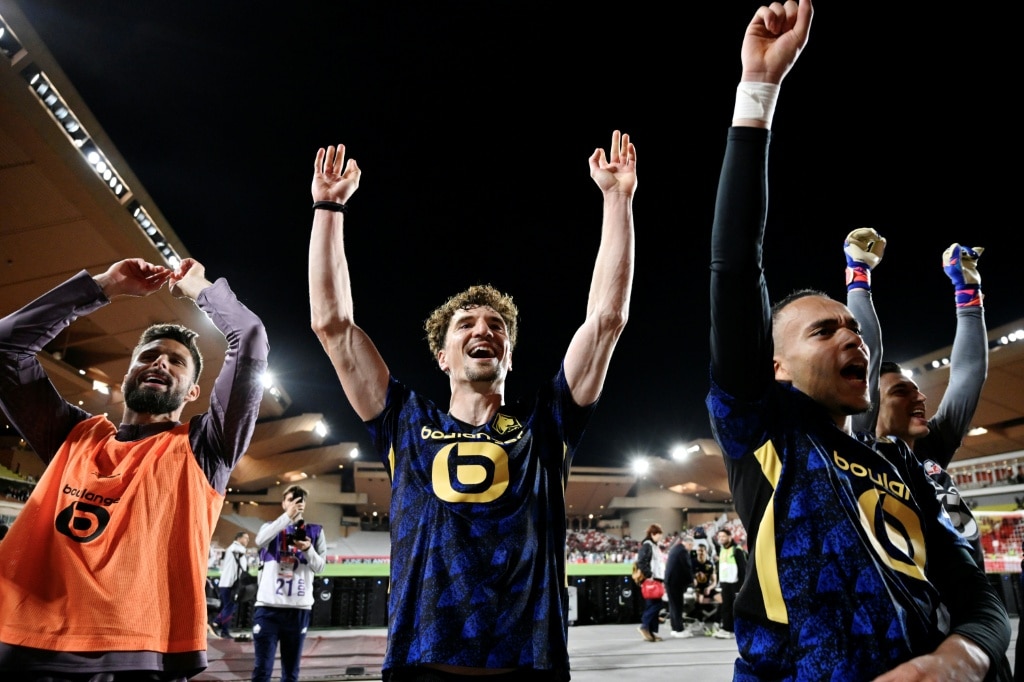
    The race for the final Champions League spots intensified over the penultimate matchweek, with northern rivals Lille climbing into third place after a 1-0 away win over Monaco on Sunday. An own goal from Monaco captain Denis Zakaria in the second half handed all three points to Lille, who extended their unbeaten run in Ligue 1 to 13 matches. The result pushed Lille above Lyon, who fell to a 2-1 away defeat to Toulouse. After Corentin Tolisso put Lyon ahead following an early equaliser from Dayann Methalie, Warren Kamanzi netted what proved to be the match-winner for the hosts, who held on despite having Aron Donnum sent off late in the game.

    Under Ligue 1’s qualification rules, the top three sides qualify directly for the Champions League league phase, while the fourth-place side must navigate two rounds of two-legged qualifying ties to reach the group stage. Fifth-placed Rennes kept their hopes of a top-three finish alive with a 2-1 come-from-behind win over Paris FC. Division top scorer Esteban Lepaul netted his 20th goal of the season to cancel out an opening strike from Willem Geubbels, before Breel Embolo scored the winner for the home side. Rennes currently sit two points behind third-placed Lille and one point behind fourth-placed Lyon, putting them firmly in contention for a Champions League spot, and are on track to qualify for the Europa League if they hold their current position.

    Sixth-placed Marseille, three points behind Rennes, kept their own European hopes alive with a 1-0 away win over Le Havre, with Mason Greenwood scoring his 16th league goal of the campaign from the penalty spot. After Greenwood’s opener, Le Havre missed a chance to equalise when Sofiane Boufal’s penalty was saved. Marseille will face Rennes away on the final matchday next Sunday, with a win lifting them to fifth, a draw leaving them sixth, and a defeat potentially dropping them as low as seventh behind current seventh-placed Monaco. Sixth place currently earns a spot in the UEFA Conference League, but would upgrade to a Europa League place if Lens lifts the French Cup next week, with seventh inheriting the Conference League spot in that scenario.

    At the bottom of the table, the relegation battle delivered a late twist, as Auxerre climbed out of the relegation play-off spot with a 2-1 come-from-behind win over Nice. Sofiane Diop opened the scoring for Nice, but Sekou Mara equalised for the hosts before Lassine Sinayoko got the winner, leaving Nice below Auxerre on goal difference in the drop play-off spot. Auxerre’s win shook up the bottom of the table, with Metz and Nantes already confirmed as relegated, and Lorient rounding out the matchweek with a 4-0 away win over already-relegated Metz.

    In Ligue 2, Troyes have already been confirmed as champions and will promoted to the top flight next season, while Le Mans is on the cusp of joining them. However, their final match of the season away to Bastia was suspended late in the second half with Le Mans leading 2-0, after crowd trouble broke out in the stands. If the current scoreline is upheld, Le Mans will claim the second automatic promotion spot, and Saint-Etienne will face the relegation play-off against the 18th-placed Ligue 1 side for a spot in the top flight next season.

  • Argentine plazas buzz with World Cup sticker trading fever

    Argentine plazas buzz with World Cup sticker trading fever

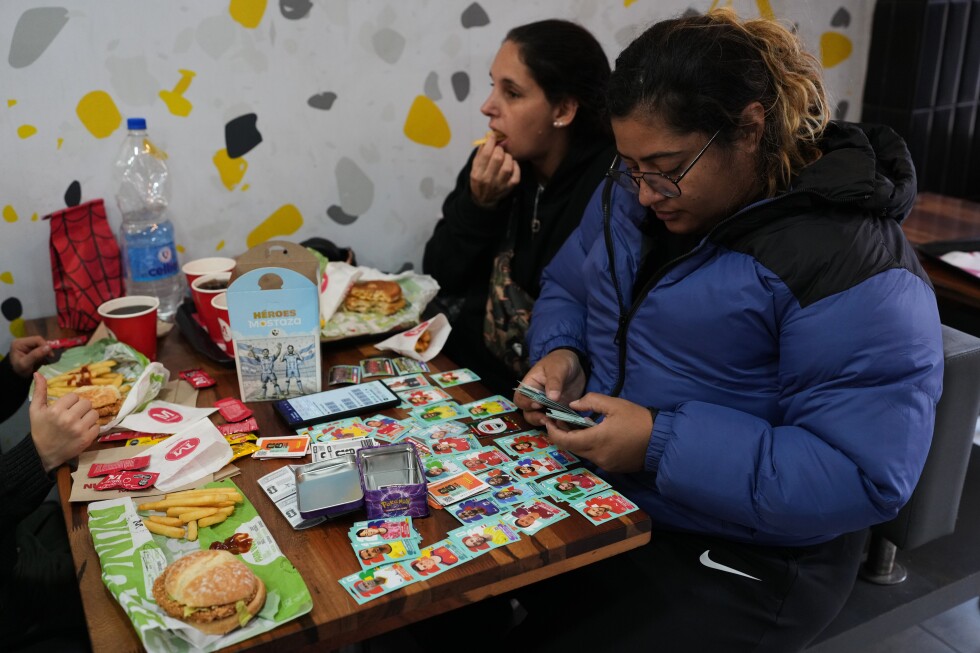
    MONTEVIDEO, Uruguay – As countdown clocks tick down to the opening kickoff of the FIFA World Cup, just four weeks away, a beloved quadrennial off-pitch tradition is bringing thousands of soccer fans flooding into public plazas across Argentina: the decades-old ritual of collecting and swapping stickers to complete Panini’s official World Cup sticker album.

    For more than 50 years, Panini sticker albums have been an irreplaceable, cherished cornerstone of the global World Cup experience. Neighborhoods, schools, workplaces, and town squares transform into informal trading hubs, where fans lay out duplicate stickers and negotiate to track down the rare, coveted entries missing from their collections. In South America, where the hobby carries special cultural weight, the tradition has expanded beyond in-person meetups to digital spaces, with hundreds of WhatsApp groups, dedicated mobile apps, and fan-run websites popping up to connect collectors and facilitate swaps.

    This past weekend, crowds packed central Buenos Aires to trade their stacks of multicolored stickers, each emblazoned with the portrait of one of the world’s top soccer stars. Some collectors spread their duplicates across folding tables, dealing cards just like a poker dealer at a casino, while children carefully carry their half-filled albums, waiting to paste their newly acquired stickers in precisely the right spot.

    Juan Valora, an Argentine collector who was trading stickers alongside his girlfriend, highlighted the unique social magic of the physical hobby. “This connects you with the world. Everyone does it,” he explained. “If this was only a virtual activity, you wouldn’t get that face-to-face interaction looking through the stickers and making trades. You’d lose a lot of that human connection that makes it special.”

    For this year’s expanded World Cup – the first to feature 48 participating nations, up from the previous 32 – Panini has released its largest sticker collection to date. Each pack contains seven stickers, retailing for roughly $1.50 in both Argentina and Uruguay. This era of Panini’s iconic stickerbooks will draw to a close after the 2030 World Cup, when global sports retail giant Fanatics takes over as FIFA’s exclusive licensed sticker and collectibles partner. Vintage, completed Panini World Cup albums already command thousands of dollars on the secondary collectibles market, a testament to their enduring cultural value.

    To skip the hassle of trading for rare stickers, many modern collectors now opt to buy pre-packaged bulk boxes of stickers, rather than hunt for individual missing entries. A full box can hold up to 104 packs, priced at $180 with flexible installment payment options, and often includes the album itself. Even the most sought-after rare stickers – featuring global superstars such as Lionel Messi, Cristiano Ronaldo, and Kylian Mbappé – can be purchased directly this way, cutting out the need for trades entirely.

    Matías Inglesi, a software developer whose 9-year-old son Lucas is an avid collector, said the bulk-buying approach actually saves money in the long run. “It’s a way to avoid spending extra extra money chasing down that last missing sticker to finally complete the album,” explained Inglesi, who estimates his family spends around $20 a week on the hobby.

    For many young fans, filling the entire sticker album is a more prized goal than watching their home national team lift the World Cup trophy, and many parents pitch in to help their children reach that milestone. Child psychologist Agustina Zerbinatti noted that the hobby offers more than just entertainment: it delivers tangible developmental benefits for children. Beyond being a fun, engaging challenge, collecting and pasting stickers helps kids build fine motor skills, she explained, while teaching them core academic concepts from geography – including learning about each participating nation and its languages – to basic math skills like number sequencing, cardinality, and ordinality.

  • Shane van Gisbergen remains NASCAR’s road-course ace with Watkins Glen win from the pole

    Shane van Gisbergen remains NASCAR’s road-course ace with Watkins Glen win from the pole

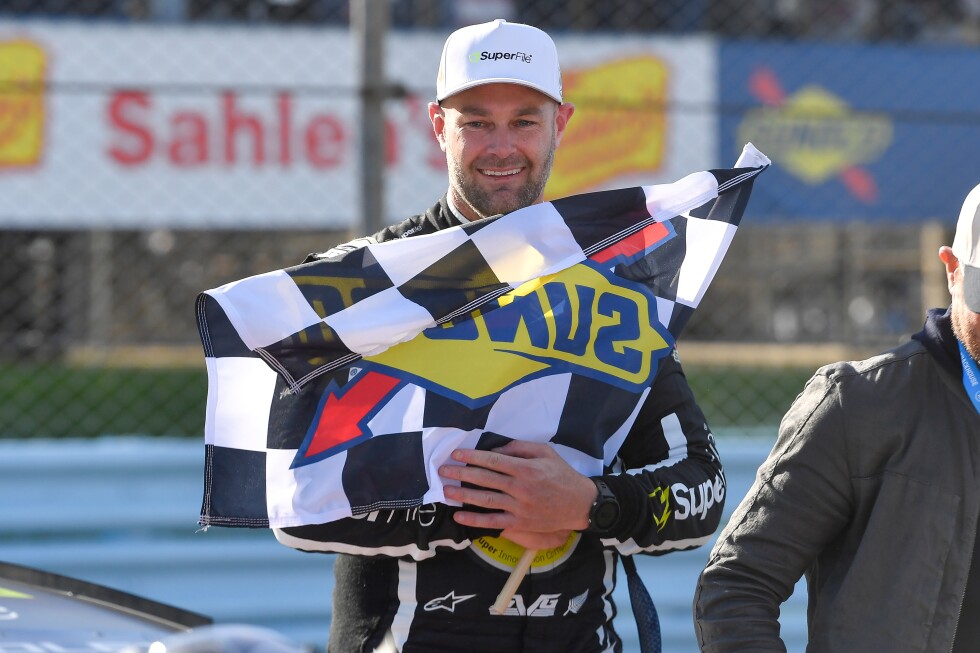
    WATKINS GLEN, N.Y. – On a sun-baked Sunday at the iconic Watkins Glen International road course, New Zealand native Shane van Gisbergen put on a driving masterclass that further cemented his reputation as NASCAR’s undisputed king of street and road courses, claiming his second consecutive Cup Series victory at the 2.45-mile track in dominant fashion.

    Starting from pole position in the No. 97 Chevrolet for Trackhouse Racing, van Gisbergen controlled the majority of the 100-lap event, leading 74 laps en route to his seventh career Cup Series win. Remarkably, all seven of his top-series victories have come on road or street layouts, extending his all-time NASCAR record for the most wins by a driver born outside the United States.

    The most stunning chapter of the race unfolded with just 24 laps remaining, when van Gisbergen pitted from the lead under green-flag conditions for a fresh set of four tires, a strategic call orchestrated by crew chief Stephen Doran. When he exited pit road, the Trackhouse driver sat 24th in the running order and nearly 30 seconds behind new race leader Ty Gibbs. What followed was a relentless charge through the field: van Gisberg carved his way past 23 competitors in just 17 laps, retaking the top spot before pulling away to a 7.288-second victory over runner-up Michael McDowell. Gibbs crossed the line third, with Chase Briscoe fourth and reigning points leader Tyler Reddick rounding out the top five.

    Van Gisbergen admitted the outcome looked far more assured than it felt from behind the wheel, noting that his team had struggled for pace in practice before a shock qualifying performance locked him onto pole. “We weren’t very good in practice, and then qualifying was amazing, and then today, what a race car,” van Gisbergen said post-race. “Stephen made great calls. I wasn’t sure how it was going to work, and then to run them down like that, it’s very, very special to do two in a row.”

    Despite the pressure that comes with being labeled the favorite for every road course event, van Gisbergen said he never takes his dominant streak for granted. Dating back to the Mexico City race last June, he has now won six of the last seven road and street course events on the Cup schedule. “It’s not easy,” he emphasized. “Everyone’s really good. McDowell was good. Connor (Zilisch) was good. Tyler Reddick. There were some really good guys and a lot of pressure. So just stoked to execute every facet of our game. And speechless. This is so cool.”

    McDowell, who started second and also fought through the field after dropping to 27th on his final pit stop, said he quickly realized van Gisbergen was pacing him during the race. “It felt like he was just pacing himself off me, and he’d take back off,” McDowell said. “We still got a little work to do, but it’s a good building block.”

    Doran, van Gisbergen’s crew chief, explained the bold late pit strategy that set up the win: unlike most competitors who pitted earlier to save fuel, the team opted for a late stop to give van Gisbergen the aggressive car he prefers. “He’s made it pretty clear, especially at these tracks, he likes to be on offense, so we put him there and just let him go do his thing,” Doran said.

    The win completed a dream weekend for Trackhouse Racing, whose rookie driver Connor Zilisch claimed victory in the O’Reilly Auto Parts Series race on Saturday. Zilisch was on track for a strong top-five finish in Sunday’s Cup race before a late tire issue dropped him to 20th. “Just frustrating because we had a really good day going,” Zilisch said. “At worst, we were going to get ourselves our first top five and walk out of here with something. But congrats to Shane, Trackhouse and everybody who makes this happen.” The organization’s overall performance was a marked turnaround: entering the weekend, Trackhouse had only secured four top-10 finishes across its three cars in the first 11 races of the season, but qualified all three entries in the top five on Sunday.

    Beyond the on-track action, eight-time NASCAR Most Popular Driver Chase Elliott made a rare public push Saturday for his uncle, engine builder Ernie Elliott, to be inducted into the NASCAR Hall of Fame. The vote for the 2027 Hall of Fame class is scheduled for May 19, and this year marks Ernie Elliott’s first appearance on the ballot. Ernie built engines for Chase’s father, Hall of Fame driver Bill Elliott, throughout the 1980s and continued to contribute to Chase’s early racing career. “I don’t talk about this stuff a lot, but you don’t have to dig very far into the Elliott racing story to recognize how much of a family effort it was,” Chase Elliott said. “I don’t think the story has the same ending… without Uncle Ernie and what he meant to all of us. He’s meant a lot to my career. There are a lot of very, very deserving names on the list, but he is one of the very deserving that doesn’t get talked about enough for the credit that he deserves.”

    This 2025 May running at Watkins Glen is also expected to be a one-off experiment. NASCAR has already confirmed the series will return to its traditional September date at the road course starting in 2027. The 2024 Cup race at Watkins Glen was held in September, and the previous 42 races at the track all took place in July or August. While next year’s schedule will not be released for several more months, new NASCAR CEO Steve O’Donnell reaffirmed during pre-race coverage on Fox that Homestead-Miami Speedway, which takes over as the season finale from Phoenix Raceway this year, will likely remain the final event on the Cup calendar in 2027.

    Up next on the NASCAR schedule is the All-Star Race, which makes its debut at Dover Motor Speedway on May 17. Christopher Bell enters as the defending champion of the exhibition event, which was held at North Wilkesboro Speedway for the past three seasons.
  • Arsenal on brink of Premier League title, Villa slip up in Champions League chase

    Arsenal on brink of Premier League title, Villa slip up in Champions League chase

    The 2023-2024 Premier League title race edged closer to its climax on a dramatic Sunday of matchweek action, with Mikel Arteta’s Arsenal moving to the cusp of ending their 22-year wait for the top-flight crown, while Aston Villa slipped up to keep their own Champions League qualification bid finely poised.

    Fresh off a stunning midweek win over Atletico Madrid that booked their spot in the Champions League final, Arsenal started on the front foot against West Ham United at the Emirates Stadium. Early on, Gunners attacker Leandro Trossard came agonisingly close to opening the scoring: after West Ham goalkeeper Mads Hermansen palmed away his initial effort from a corner, the Belgian’s follow-up header crashed off the crossbar.

    Nerves, which have plagued Arsenal’s push for the title after three consecutive second-place finishes, took over in the second half as West Ham grew into the contest. With just over 10 minutes remaining, Arsenal keeper David Raya pulled off a critical save to deny Mateus Fernandes what would have been a go-ahead goal for the visitors.

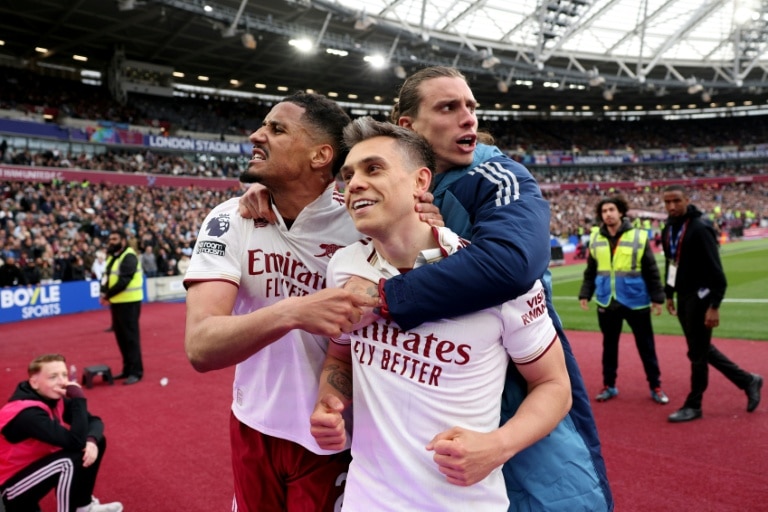
    Just moments later, Arsenal broke the deadlock. Captain Martin Ødegaard crafted a patient build-up play to tee up Trossard, who had not found the back of the net in 25 matches dating back to December, and the attacker fired a powerful low strike past Hermansen to put Arsenal 1-0 up. The goal sparked jubilant celebrations on the Arsenal bench, with Arteta sprinting away in delight and Ødegaard sinking to his knees in relief.

    The drama was far from over, however. Deep into stoppage time, Raya misjudged a corner under pressure from West Ham forward Pablo Fornals, and Callum Wilson slotted home the rebound to seemingly level the score. After a lengthy VAR review, officials ruled that Fornals had fouled Raya before the goal, disallowing the equalizer and preserving Arsenal’s three points.

    The result stretches Arsenal’s lead over second-place Manchester City to five points with just two matches remaining, both against already-relegated teams: Burnley away and Crystal Palace at home. If City fails to pick up three points against Palace at the Etihad Stadium on Wednesday, Arsenal can clinch the title at home to Burnley on May 18, ending one of the longest title droughts in the club’s modern history. Sunday’s win also gave a helping hand to Arsenal’s north London rivals Tottenham Hotspur in their own relegation battle, with Tottenham able to move four points clear of 18th-place West Ham if they beat Leeds United on Monday.

    In other key Sunday action, Aston Villa’s bid for a top-four finish and Champions League qualification hit a snag as Unai Emery’s side were held to a 2-2 draw by already-relegated Burnley at Turf Moor. Fresh off a 4-0 thumping of Nottingham Forest that sealed their spot in the Europa League final last Thursday, Villa showed clear signs of a European hangover, falling behind early when Jaidon Anthony scored after Emi Martinez spilled a Lesley Ugochukwu shot. Ross Barkley equalized from a corner just before halftime, before Ollie Watkins put Villa ahead in the second half after latching onto a long clearance from Martinez, pushing Emery’s side up to fourth in the table. But Burnley hit back to avoid a sixth consecutive loss, with Zian Flemming firing home from an inventive Hannibal Mejbri flick to split the points.

    Villa still hold a four-point lead over sixth-placed Bournemouth and a six-point advantage over seventh-placed Brighton, but their remaining fixture list is brutal: after their Europa League final against Freiburg in Istanbul, they close out the season with matches against Liverpool and Manchester City, leaving the door open for their rivals to overtake them.

    In other relegation and European race results: Everton threw away another two points in their bid for European qualification, drawing 2-2 at Crystal Palace after surrendering two leads. The Toffees went ahead twice through James Tarkowski and a brilliant individual effort from Beto, but Ismaila Sarr (notching his 20th goal of the season across all competitions) and Jean-Philippe Mateta equalized for the Eagles, who are now mathematically guaranteed to avoid relegation. At the City Ground, Nottingham Forest also secured their Premier League survival after Elliott Anderson scored a late equalizer against his former club Newcastle United, canceling out an earlier opener from Harvey Barnes to earn a 1-1 draw.

  • Prizmic follows up on Djokovic exploit by reaching Italian Open last 16

    Prizmic follows up on Djokovic exploit by reaching Italian Open last 16

    Rome’s iconic Foro Italico clay courts have served up another thrilling chapter at the 2025 Italian Open, 1000-level Masters tournament, as 20-year-old Croatian qualifier Dino Prizmic continued his Cinderella run Sunday. Fresh off his career-defining upset of global tennis legend Novak Djokovic in the previous round, Prizmic notched another impressive victory, defeating 31st-seeded Frenchman Ugo Humbert 6-1, 7-5 to book his spot in the tournament’s final 16.

    Prizmic’s dominance from the opening game left Humbert struggling to find his rhythm. The young Croatian blazed to a 5-0 lead in the first set, closing it out in just 28 minutes, with his signature combination of brute power and pinpoint clay-court accuracy. Even with a mid-set playful trick shot between his legs that cost him a single point, Prizmic never looked threatened. Humbert mounted a tighter fight in the second set, but a third break of serve in the 11th game handed Prizmic the momentum he needed to seal the win on his second match point.

    Speaking to reporters after his victory on Court Pietrangeli, Prizmic kept his expectations grounded while outlining his long-term goals. “I just want to play my game and to be myself on the court and we will see,” he said. “Maybe for me the goal is to be top 30 at the end of the year but I just want to stay healthy and play as much as I can.”

    The run marks Prizmic’s best ever performance at an ATP Masters 1000 event, and the ranking points will lift him 11 spots to world No. 68 when the new rankings are released next Monday, just ahead of the start of the French Open. Up next, Prizmic will face 13th seed Karen Khachanov for a spot in the quarterfinals.

    In other men’s draw action, second seed Alexander Zverev, bidding for his third Italian Open title, cruised to a straightforward 6-1, 6-4 win over Belgian youngster Alexander Blockx, even as rain threatened to disrupt play on the centre court. The German, who won the Rome title in 2017 and 2024 and fell to Jannik Sinner in last week’s Madrid Open final, barely broke a sweat against Blockx, who he had already defeated in the Madrid semifinals. Zverev will next face the winner of the match between Tommy Paul and Italy’s home hope Luciano Darderi in the fourth round. Heading into the next match, Zverev acknowledged Prizmic’s breakout run but said he would remain focused on his own game. “There’s a lot of young guys who are playing great tennis. He’s definitely one of them,” Zverev said. “But I’m going to go match by match, I think that’s the most important thing, not to look too far ahead and focus on the things that you can control.” Zverev and Prizmic are drawn in the same half of the bracket, setting up a potential later meeting between the two.

    Italian crowd favorite Lorenzo Musetti also advanced to the final 16 after a grueling 7-6(7), 6-4 win over Argentina’s Francisco Cerundolo. Musetti, who will face clay specialist Casper Ruud next, broke down in tears after the match, telling reporters he had been struggling physically throughout the contest but did not elaborate on his specific ailment. The match featured a combined 81 unforced errors from both players, highlighting the physical toll of clay court competition.

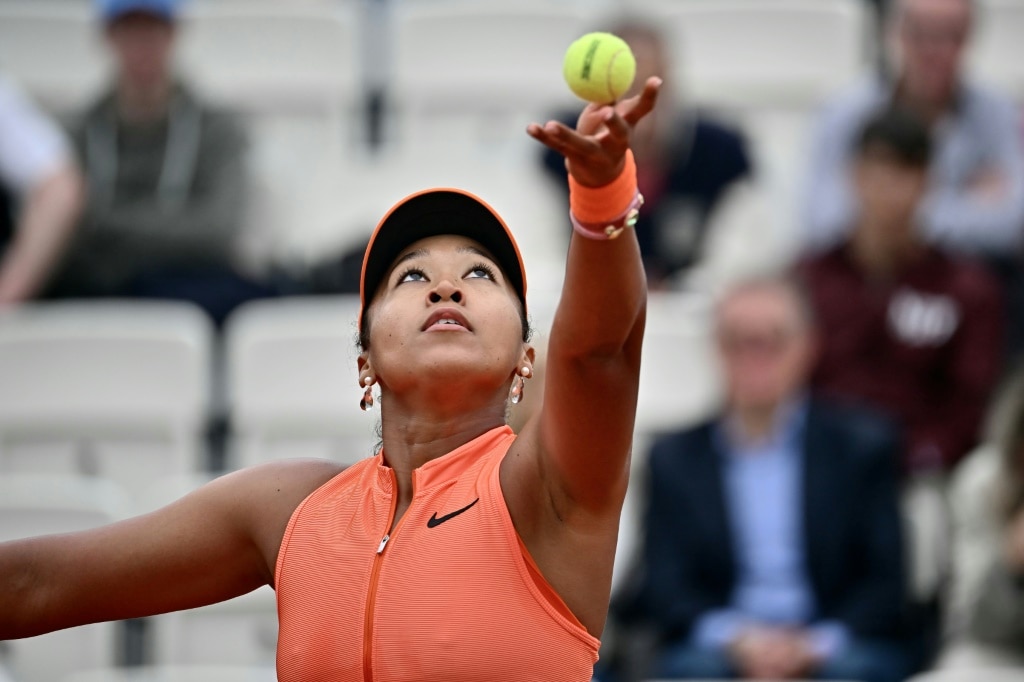
    In the women’s draw, four-time Grand Slam champion Naomi Osaka put on a dominant display to breeze past Russian player Diana Schnaider 6-1, 6-2 in just 54 minutes, putting her one win away from a highly anticipated showdown with three-time Rome champion Iga Swiatek in the last 16. The result equals Osaka’s best performance of a rocky 2025 season, which has seen her knocked out at the third-round stage of both Indian Wells and Madrid by Aryna Sabalenka. With Sabalenka already out of the tournament following a shocking early upset on Saturday, the 15th-seeded Osaka has emerged as a legitimate contender for the Rome title.

    Osaka said she is eager for a potential clash with Swiatek, who is set to face Italian wild card Elisabetta Cocciaretto on centre court in front of a partisan home crowd. “For me those matches are the most fun. I’m excited at the thought,” Osaka said. Swiatek, a six-time Grand Slam champion, has struggled for form on clay in recent months: she retired from her third-round match in Madrid last month due to a viral illness, suffered an early third-round exit in Rome as defending champion last year, and needed nearly three hours to get past Caty McNally in her opening match this year. She has not won a clay court title since claiming her fourth French Open crown in 2024.

  • Magnier wins another nail-biting sprint at the Giro d’Italia as Silva stays in pink

    Magnier wins another nail-biting sprint at the Giro d’Italia as Silva stays in pink

    The 109th edition of the Giro d’Italia wrapped up its opening three stages hosted in Bulgaria on Sunday, with young French sprinter Paul Magnier delivering a dramatic photo-finish victory to secure his second stage win of the race, while Uruguayan trailblazer Guillermo Silva held onto his position as the overall general classification leader ahead of the race’s transition to Italian soil.

    The 175-kilometer third stage stretched from Plovdiv, one of Europe’s oldest continuously inhabited urban settlements, across the Bulgarian countryside to the capital city of Sofia. Three riders – Diego Pablo Sevilla, Alessandro Tonelli, and Manuele Tarozzi – launched an early breakaway immediately after the starting flag dropped, and maintained their gap over the peloton for most of the day. As the finish line came into view, however, the chasing main field reeled in the escapees, setting up a hotly contested bunch sprint.

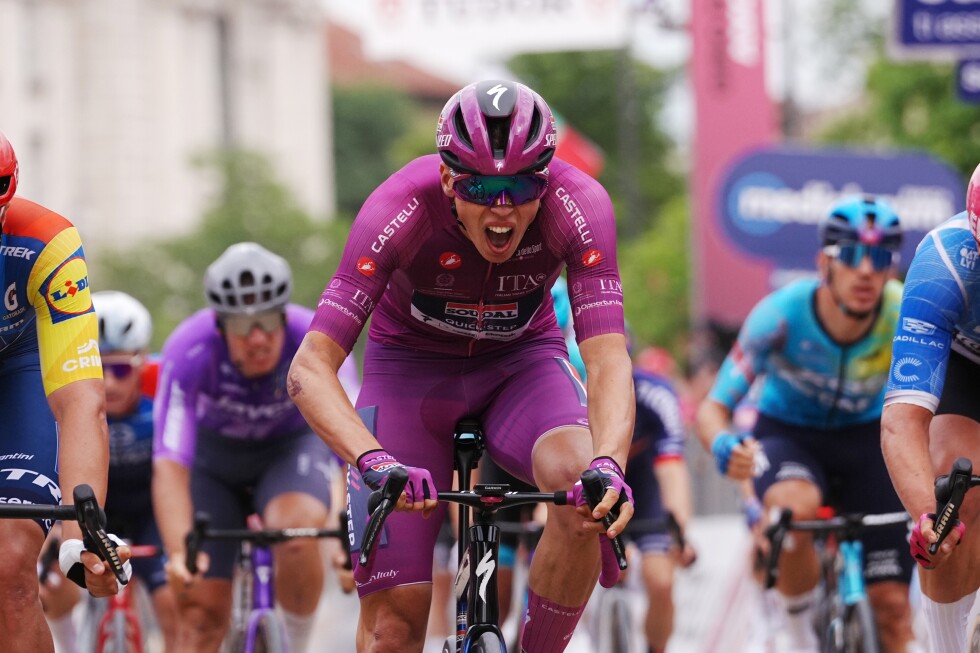
    In a finish so tight it left even the winner uncertain of the result, Magnier, riding for the Soudal Quick-Step team, edged out Italian sprinter Jonathan Milan by just half a wheel’s length. Dutch veteran Dylan Groenewegen finished a hair’s breadth behind Milan to take third place. Confusion reigned in the immediate aftermath: Magnier initially threw his arm up in celebration, only to lower it just as quickly, unsure if he had crossed the line first. It was the 19-year-old Frenchman’s second stage win of this year’s Giro, following his victory in the opening stage held Friday.

    “I dreamed about it and it was the goal to go for the stage again and the team did an amazing job again,” Magnier told reporters after the official result confirmed his win. “To be honest, I was not really sure I had won the stage. I celebrated and then I thought, ‘oh, I’m not sure’ but in the end I won, so I’m really happy. Now I have to say that I feel really good and I can be with the best sprinters in the world, so I will try to enjoy this moment and keep going like this with the team.”

    Uruguay’s Guillermo Silva retained his overall lead, becoming the first Uruguayan in Giro history to not only win a stage but also hold the race’s iconic maglia rosa (pink leader’s jersey) heading into the next phase of competition. The 24-year-old XDS Astana rider won a crash-disrupted second stage on Saturday to claim the top spot, and holds a four-second advantage over his closest competitors: German rider Florian Stork and Italian climbing specialist Giulio Ciccone.

    Silva expressed his shock and gratitude at holding onto the jersey as the Giro prepares to shift to Italy, saying: “The team is extremely supportive and wanted me to keep this jersey going into the rest day. So we’re going to enjoy it. Today was just unbelievable. Every moment, people were looking at me and I still can’t quite believe it. We’ll try to hold onto it for as long as possible and it’s very nice to carry it to Italy.”

    Following Sunday’s stage, the Giro will hold a rest day on Monday, before resuming competition in Italy with the fourth stage on Tuesday. That 138-kilometer route will run from Catanzaro, in southern Italy’s Calabria region, to Cosenza. The 109th men’s Giro d’Italia will conclude on May 31 in Rome. The 2025 women’s Giro is scheduled to run from May 30 to June 7, with Italian star Elisa Longo Borghini set to defend her title.

  • Barcelona need a point against Real Madrid to win La Liga

    Barcelona need a point against Real Madrid to win La Liga

    One of the most anticipated fixtures in global football, El Clasico between Barcelona and Real Madrid, takes on unprecedented stakes this Sunday in Catalonia, as Barcelona stands just one point away from securing back-to-back La Liga crowns, while Real Madrid heads into the match fractured by a shocking in-house conflict that has rocked the club this week.

    Led by head coach Hansi Flick, Barcelona holds a commanding 11-point advantage over its century-long rival at the top of the table. A single draw against Real Madrid will be enough to lock in the club’s second consecutive league title, but the Catalan side is chasing far more than just a routine championship. If Barcelona claims victory in Sunday’s Clasico and wins its three remaining league matches after that, it will match La Liga’s all-time record of 100 points in a single season. What’s more, a win over Real Madrid followed by a victory against Real Betis next weekend would make Barcelona the first side in history to complete a perfect home season across La Liga’s current 38-game format. The Clasico also presents a historic milestone for the club: a title clinched in this fixture would mark the first time any side has won La Liga during an El Clasico clash since Real Madrid claimed its first ever league crown in such a matchup back in 1932.

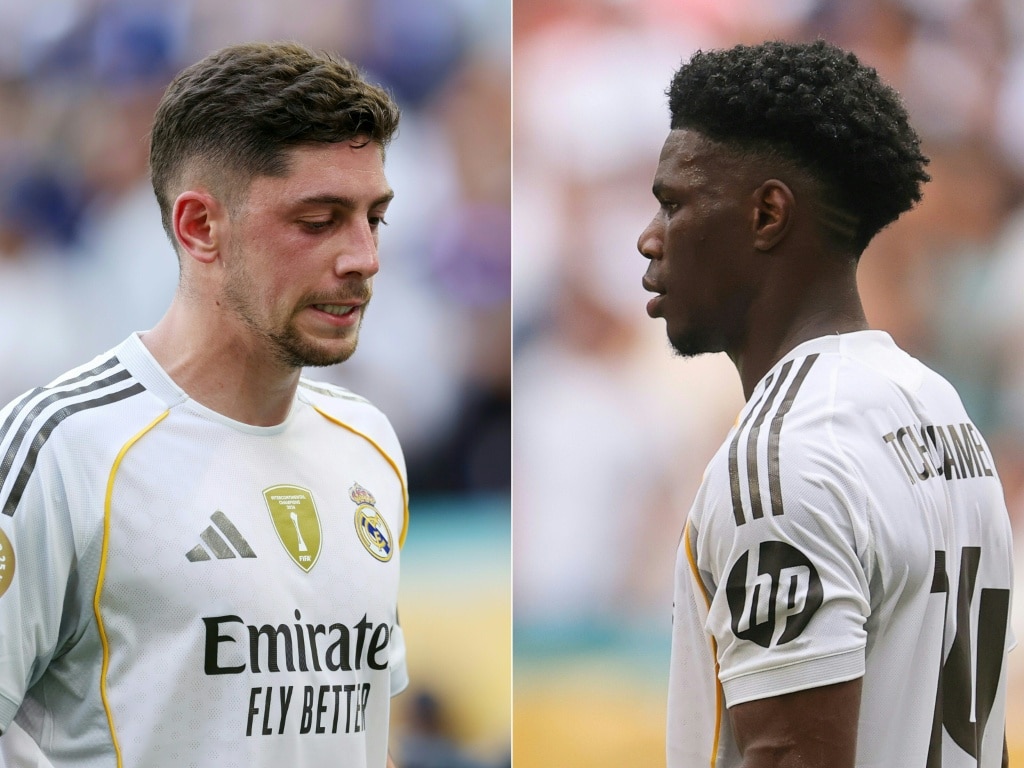
    For Real Madrid, however, the build-up to the match has been overshadowed by an extraordinary public breakdown in team unity. The club is already set to end the current season without a single major trophy, a drought that has only occurred four other times this century. Tensions boiled over this week after a physical training-ground argument between French midfielder Aurelien Tchouameni and Uruguayan playmaker Federico Valverde ended with Valverde suffering a head injury that required hospital treatment, ruling him out of the clash for at least two weeks. Valverde’s attempts to downplay the incident, claiming he “accidentally” collided with a table during the discussion and only sustained a minor cut, failed to ease the backlash.

    Real Madrid’s hierarchy responded quickly, issuing a 500,000 euro ($590,000) fine to both players. The club confirmed the pair have since apologized to one another, their teammates, club staff, and the club’s global fanbase. Interim head coach Alvaro Arbeloa defended the players in the lead-up to Sunday’s game, noting that the pair have taken accountability for their actions. “For me, that’s enough. What I’m not going to do is burn them at the stake in public, because they don’t deserve that,” Arbeloa said, adding that Tchouameni will still be included in Real Madrid’s matchday squad for the Clasico despite the confrontation.

    Flick, when asked about the Real Madrid incident ahead of kickoff, acknowledged that such conflicts can occur at clubs across the world, but admitted the incident was unusual. “It happens around the world, so it’s not only a thing at Real… was I surprised? Maybe a little bit,” Flick told reporters. “But in the end, I don’t care about that, because it’s not my club, it’s not my team. So I don’t have to think about that.” The Barcelona coach was quick to highlight the contrast with his own side, emphasizing the unified cohesion within the Catalan camp. “The most important thing, and what I really appreciate a lot in this club, is that we are all going the same way,” the German manager explained. “When something happens, we are talking in the same way.”

    Both sides will be missing key attacking talent for the high-stakes clash. Real Madrid star Kylian Mbappe remains sidelined with a hamstring injury; despite returning to group training on Friday, the French forward was not included in the club’s official matchday squad announced Sunday. Barcelona’s teenage phenom Lamine Yamal will also watch from the stands, as a hamstring injury of his own is expected to keep him out of action until this winter’s World Cup.

    The match comes amid a difficult personal time for Flick, after the 61-year-old’s father passed away in the lead-up to the fixture. Barcelona released an official statement offering its full support to the coach and his family, saying “We share his pain and stand with him during this very difficult time for him and his family.”

    For Barcelona, the moment is ripe to cap another dominant domestic season with a historic title clinched against their biggest foe. “We want to win the title, the second in a row,” Flick said. “It’s amazing, not normal, here in Spain. So this is what we want to do, nothing else, nothing more.”

  • Anxiety, anticipation as World Cup one-month countdown begins

    Anxiety, anticipation as World Cup one-month countdown begins

    As the clock ticks down to the 2026 FIFA World Cup, the one-month countdown to the historic first three-nation co-hosted tournament kicked off Monday, with a swirl of anticipation tangled in mounting anxiety over soaring ticket costs, political friction and international conflict that have cast a long shadow over football’s biggest global spectacle.

    The 23rd edition of the World Cup is unprecedented in scale: 48 national teams will compete across 104 matches over nearly six weeks, with the United States hosting 78 fixtures, Canada hosting 10, and Mexico hosting 16. The tournament will open on June 11 at Mexico City’s legendary Estadio Azteca, with the final scheduled for July 19 at New Jersey’s 82,500-seat MetLife Stadium. Organizers project billions of dollars in revenue for FIFA, but months of turbulent pre-tournament preparation have left a sour taste for many fans and observers even before the opening kickoff.

    The most vocal outrage has centered on FIFA’s new, drastically inflated pricing structure, which fan advocates have labeled an unethical betrayal of ordinary supporters. The most expensive face-value ticket for the 2026 final sits at a staggering $32,970 — a stark jump from the $1,600 top price for the 2022 World Cup final in Qatar. Football Supporters Europe (FSE) has called the pricing “extortionate”, arguing it has put the tournament out of reach for working-class fans across the globe.

    FIFA President Gianni Infantino has defended the pricing model, arguing that market rates for the U.S. — where the majority of matches take place — justify the high costs, pointing to the country’s well-developed high-cost entertainment sector. Though FIFA claims over 500 million ticket requests have been submitted (a figure 10 times the combined total for the 2018 and 2022 tournaments), many match seats — including that of the U.S. men’s national team’s opening fixture against Paraguay on June 12 in Los Angeles — still remain listed for sale on secondary ticketing platforms. Even former and current U.S. President Donald Trump, a close ally to Infantino, has expressed surprise at the cost, telling the New York Post that even he would not pay $1,000 to attend the U.S. opener.

    Beyond ticket affordability, critics have raised alarms over the tense political climate in the United States following Trump’s re-election to the White House. What was originally marketed as a “Unity Bid” designed to showcase cross-border cooperation between the three North American co-hosts has been upended by Trump’s aggressive policies: he has publicly discussed absorbing Canada into the U.S. as the 51st state and launched new trade wars against both Canada and Mexico. Human rights organizations have warned that the tournament will be marred by exclusion and fear, pointing to Trump’s administration’s crackdowns on immigration, protest and press freedom. Amnesty International has gone further, warning the World Cup risks becoming a “stage for repression”.

    International conflict has added another layer of uncertainty. The February 2026 U.S.-Israeli military strikes on Iran have roiled global markets and raised questions about Iran’s participation in the tournament — a historic first: it is the first time a World Cup host nation has been in active direct military conflict with a participating team before the tournament kicks off. Trump initially suggested Iran withdraw from the tournament for their own safety, but after FIFA insisted Iran would compete as planned (with all three of their group stage matches hosted in the U.S., after a request to move their fixtures to Mexico was rejected), Trump walked back his comment, saying he was “OK” with Iran’s participation, as he looks to gain political advantage from the tournament ahead of this year’s U.S. midterm elections.

    Infantino has repeatedly dismissed growing criticism, framing negative headlines as overblown “negative press” and claiming “it’s very difficult to find something negative around this World Cup”. But his bullish optimism has failed to ease concerns across the global football community. FIFA and tournament organizers are pinning their hopes on on-field action overriding pre-tournament controversy once matches begin, banking on the World Cup’s traditional ability to draw global audiences with dramatic moments and elite football.

    This expanded edition of the tournament will bring no shortage of storylines: defending champions Argentina, led by Lionel Messi, enter as one of the favorites, alongside 2024 European champions Spain, 2018 champions France, and England, which is still chasing its first major men’s tournament title since 1966. For long underrepresented football nations, the expanded 48-team field also marks a historic milestone: Curacao, the smallest nation by population to ever qualify for a World Cup, and Cape Verde will both make their tournament debuts.