分类: sports

  • Middlesbrough face Hull in football’s richest game after ‘spygate’ row

    Middlesbrough face Hull in football’s richest game after ‘spygate’ row

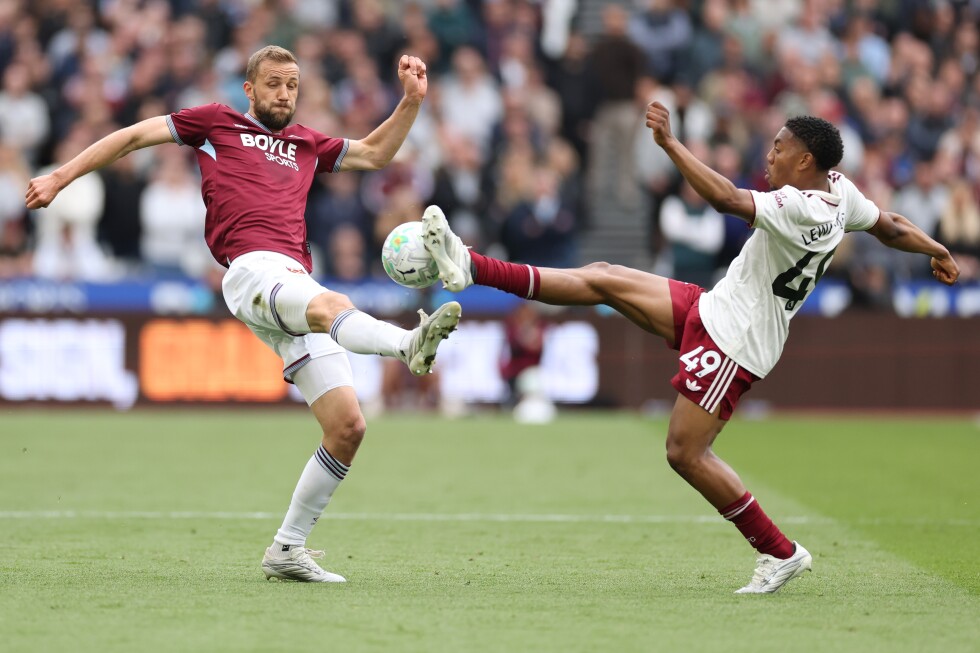
    Wembley Stadium is preparing to host what is widely known as the richest game in global football this Saturday, as Middlesbrough and Hull City go head-to-head in the English Championship play-off final for a coveted spot in the Premier League. But the build-up to this high-stakes fixture has been entirely overshadowed by the unfolding ‘spygate’ controversy that has rocked English football this week.

    The drama began earlier this month when Middlesbrough accused Southampton of sending an individual to covertly film their training session ahead of the first leg of their play-off semi-final. A photo soon circulated publicly showing a man positioned behind a tree, apparently capturing footage on his mobile phone. What followed was a swift investigation by the English Football League (EFL), which concluded this week with Southampton being expelled from the play-offs after the club admitted to multiple breaches of EFL rules prohibiting unauthorized filming of opposing teams’ training sessions. Southampton also confessed to carrying out similar spying operations against Oxford United and Ipswich Town earlier in the 2023-2024 campaign. As a result, in addition to their expulsion from the play-offs, the club has been handed a four-point deduction that will take effect when they compete in the Championship next season.

    Beaten semi-finalists Middlesbrough, who lost 2-1 on aggregate to Southampton before the ruling, have subsequently been reinstated into the final to face Hull. The off-field chaos has taken a visible psychological toll on both sides, whose managers have spoken out about the disruption to their preparations. Middlesbrough head coach Kim Hellberg joked about the impact of the scandal at his pre-match press conference on Thursday, saying, “I don’t sleep. I haven’t slept for one and a half weeks, I think, so there are no dreams. Hopefully, I get a good night’s sleep today, and then I will tell you about the dreams tomorrow.”

    For Hull City, the uncertainty over who their opponent would be throughout multiple legal hearings has left the club caught in the middle of a scandal they had no part in. Hull manager Sergej Jakirovic described his side as “collateral damage” in the saga, telling reporters that Southampton had clearly “crossed a line” while also questioning the actual benefit of the spying operation. “I know everything about every team, and this is my first season here, I know every player — but this is my job,” Jakirovic said, expressing confusion over why Southampton would need to resort to covert filming.

    The stakes of Saturday’s match could not be higher, with a massive financial reward on the line for the winner. According to analysis from Deloitte’s Sports Business Group, the promoted club, which will join already promoted Coventry City and Ipswich Town in the top flight next season, is guaranteed to earn at least £205 million ($275 million) over the next three years from increased broadcast, matchday and commercial revenue. That figure can jump to as much as £365 million if the club avoids relegation in its first season back in the Premier League. Tim Bridge, lead partner of Deloitte’s Sports Business Group, noted that even with the recent chaos, the Championship play-off final remains one of the most anticipated fixtures on the football calendar, as it carries the single biggest financial prize in the sport.

    Middlesbrough and Hull City share a recent shared history in the top flight, having both been relegated from the Premier League back in 2017, adding an extra layer of narrative to their clash at Wembley. Southampton, meanwhile, has pushed back hard against the sanctions: the club’s appeal against their expulsion was rejected by the EFL on Wednesday, but chief executive Phil Parsons maintains that the penalties are “manifestly disproportionate”. Southampton’s player of the season Leo Scienza described the ruling as “heartbreaking” in an Instagram post, writing, “For me, the dream of playing in the Premier League was something I fought for with everything I had. That’s why this pain cuts so deep.” The future of Southampton manager Tonda Eckert is now hanging in the balance, with unconfirmed reports suggesting that first-team players are already considering taking legal action against the club for the scandal. On Thursday, the Football Association announced it had opened its own separate investigation into Southampton’s conduct and is currently considering whether to bring additional charges against the club.


  • FIFA’s huge World Cup to generate unprecedented cash and CO2

    FIFA’s huge World Cup to generate unprecedented cash and CO2

    As the world prepares for the 2026 men’s FIFA World Cup — the first iteration of the tournament expanded to 48 competing nations, and the first co-hosted by three North American countries, the United States, Canada and Mexico — new research from environmental experts at the University of Lausanne (Unil) paints a stark dual picture: this edition will deliver unprecedented commercial revenue to FIFA, but it will also leave the largest carbon footprint of any international sporting event in history.

    Unlike the Olympic Games, which have recorded consistent reductions in tournament emissions across recent editions, the men’s World Cup is moving in the opposite direction, according to Unil geographer David Gogishvili, who shared the findings of the research with Agence France-Presse.

    Expansion from 32 to 48 teams combined with the unprecedented geographic spread of tournament venues across three countries creates unavoidable massive emissions, the research confirms. Unil’s calculations place total projected carbon dioxide emissions from the 2026 tournament between 5 million and 9 million tonnes. For context, that figure dwarfs the 1.75 million tonnes projected for the 2024 Paris Olympic Games, the 2.17 million tonnes estimated for the 2018 Russia World Cup (a 32-team event with 40 fewer matches), and the 3.17 million tonnes recorded for the 2022 Qatar World Cup, which was already criticized for its energy-intensive, hastily built, air-conditioned stadiums.

    While the bid organizers for United 2026 have emphasized that all 16 tournament venues already existed when hosting rights were awarded in 2018 — a point the bid framed as a sustainability advantage — experts say that pre-built infrastructure cannot offset the core problem: the enormous geographic distance between host cities. The straight-line distance between the southernmost host city, Miami, and the northernmost, Vancouver, measures more than 4,500 kilometers, forcing teams, officials, media, and an expected 5 million-plus fans to rely heavily on air travel, the single largest contributor to carbon emissions for major international sporting events. For example, Bosnia and Herzegovina, if it qualifies for the group stage, would need to travel a cumulative 5,040 kilometers across three group stage matches hosted in Toronto, Los Angeles, and Seattle.

    FIFA leadership, including President Gianni Infantino, has publicly framed the organization as committed to climate action: Infantino proclaimed his personal “determination” to fight climate change at the 2021 COP26 summit in Glasgow, and the body has long stated a policy to “measure, reduce and offset” World Cup-related emissions. However, FIFA’s environmental claims have faced significant regulatory and academic pushback. In 2023, the Swiss Fairness Commission reprimanded FIFA for misleading consumers by marketing the 2022 Qatar World Cup as “climate neutral,” and the organization has declined to issue any similar emissions guarantees for the 2026 tournament.

    Environmental analysts argue that the most effective step to cut the climate impact of mega-sporting events is to limit their scale — a change the International Olympic Committee has already implemented by capping the number of athletes at 10,500 for Summer Games. But FIFA has moved in the opposite direction: expanding the men’s World Cup from 32 to 48 teams just one year after expanding the Club World Cup from 7 to 32 teams.

    A 2025 report from the UK-based New Weather Institute think tank and Scientists for Global Responsibility underscores the outsized carbon cost of this expansion. The report notes that a single men’s World Cup group stage match generates between 44,000 and 72,000 tonnes of CO2 — an amount equivalent to the total annual emissions of 31,500 to 51,500 passenger vehicles in the United Kingdom. International tournament matches, the authors add, produce 26 to 42 times more emissions than top-tier national club matches.

    Gogishvili argues that this growing carbon footprint stems from FIFA’s “insatiable appetite for growth,” which creates a self-reinforcing cycle: larger tournaments require more matches, which draw more athletes and fans, demand more hotel infrastructure, and require more long-distance travel, driving emissions ever higher. Critics warn this pattern is set to continue for future tournaments: the 2030 World Cup will be spread across six host nations on three continents, opening with three opening matches in South America before moving to Morocco, Spain, and Portugal for the rest of the tournament, while the 2034 edition will be hosted by Saudi Arabia — a country with a similar hot climate to Qatar, but a much larger landmass and 40 more matches than the 2022 tournament. In 2024, Aramco, Saudi Arabia’s state-owned oil giant and the world’s largest oil producer, became a top-tier FIFA sponsor.

    Writing in the Journal of Management Research in 2024, Aix-Marseille University professor Gilles Pache concluded that “it would seem that FIFA’s environmental denial will continue” as the organization prioritizes commercial expansion over climate action.

  • Ken Roczen creates fairytale ending with difficult ride to his first Supercross championship

    Ken Roczen creates fairytale ending with difficult ride to his first Supercross championship

    Under exploding stadium fireworks, Ken Roczen glided across the 2026 Supercross finish line, his body wracked with emotion as rival after rival pulled over to honor the newly crowned champion — a trailblazer who just claimed the oldest titleholder spot in the sport’s 50-plus year history. Down in the team paddock, tears of joy streamed down the faces of his loved ones, including his parents who traveled all the way from Germany to witness one of the most remarkable comeback stories motorsports has ever seen. This championship is legendary for far more than just Roczen’s age: it is the culmination of nine years of fighting back from near-career-ending injuries that threatened to take not just his racing dreams, but his left arm. Waiting for him on the track was Larry Brooks, his father-figure team manager, who had just finished cancer treatment to share in the moment with a hug that has already gone down in Supercross lore. “It’s one of the biggest, most complex stories our sport has ever seen. For it to finally all come together the way it did was a fairytale ending,” said Davey Coombs, president of MX Sports Pro Racing.

  • Nascar champion Kyle Busch dies aged 41

    Nascar champion Kyle Busch dies aged 41

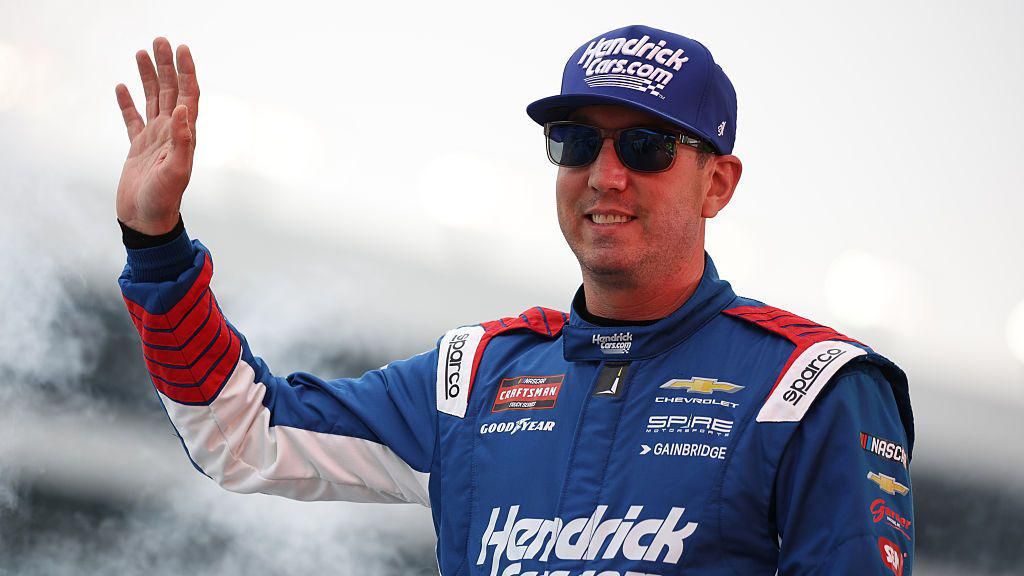
    The world of NASCAR is in mourning Thursday after the sudden passing of legendary two-time Cup Series champion Kyle Busch, who died at 41 following an unexpected severe illness. The iconic driver, who holds the record for more career victories than any other competitor in NASCAR history, had his death confirmed in a joint official statement released by his immediate family, his racing team Richard Childress Racing, and the NASCAR organization.

    No cause of death has been made public to date. Earlier the same day, representatives for Busch confirmed that he had been admitted to a local hospital for treatment of a serious, unspecified illness, and that he would withdraw from all scheduled racing activities planned for the upcoming Memorial Day holiday weekend. He was originally set to compete in the Coca-Cola 600, one of the sport’s most high-profile annual events, at Charlotte Motor Speedway. Just hours after the initial announcement of his hospitalization, the joint statement confirmed his passing.

    Widely regarded as a once-in-a-generation racing talent and a lock for future induction into the NASCAR Hall of Fame, Busch leaves behind a decades-long legacy that reshaped the sport. At the time of his death, he was competing in his 22nd full-time season in NASCAR’s top racing division, where he accumulated two Cup Series championships and 63 total race victories. Beyond his success behind the wheel, Busch also made an indelible mark as a team owner in the NASCAR Truck Series, where he mentored and supported emerging young drivers looking to build their own careers in professional racing.

    The joint statement paid rich tribute to Busch’s singular impact on the sport, writing, “He was fierce, he was passionate, he was immensely skilled and he cared deeply about the sport and fans. … NASCAR lost a giant of the sport today, far too soon.” Known for his sharp, unapologetic wit and relentless competitive drive, Busch built an intensely loyal global fanbase that affectionately called themselves “Rowdy Nation,” a community that connected with his authentic persona across generations of racing fans.

    Busch is survived by his parents, his wife, and his two young children. The broader NASCAR community has already begun sharing tributes to the legendary driver, with fans and fellow competitors alike expressing shock and grief over the loss of one of the sport’s biggest icons taken far too early.

  • Sinner, Djokovic kept apart in French Open draw

    Sinner, Djokovic kept apart in French Open draw

    The 2025 French Open draw was unveiled Thursday, delivering one of the most highly anticipated outcomes for men’s singles: in-form world No. 1 Jannik Sinner and 24-time Grand Slam champion Novak Djokovic have been placed in opposite halves of the bracket, meaning the two title favorites will not face off before the tournament’s final match on Sunday, May 25. As the sport’s second Grand Slam of the year prepares to kick off this Sunday, the draw also set up tantalizing potential matchups in the women’s draw, including a potential semifinal clash between defending champion Coco Gauff and world No. 1 Aryna Sabalenka, while a simmering pay dispute between players and Grand Slam organizers has cast a shadow over pre-tournament festivities.

    For Sinner, who enters Roland Garros as the odds-on favorite to claim his first French Open crown following the withdrawal of injured Spaniard Carlos Alcaraz, his title run will get underway against French wildcard entry Clement Tabur, the world-ranked 165th player who earned his spot through domestic qualifying. The Italian has been on a historic hot streak as of late: earlier this month, he claimed his sixth consecutive ATP Masters 1000 title at the Italian Open, becoming just the second men’s player in tennis history — after Djokovic himself — to win all nine active Masters 1000 events over his career. If Sinner advances as seeded, he is projected to face fifth-seeded American big hitter Ben Shelton in the quarterfinals, with a potential semifinal showdown against Russian star Daniil Medvedev, who pushed Sinner to three tight sets in the Italian Open semifinals earlier this month before ultimately falling.

    On the opposite side of the men’s bracket, third-seeded Djokovic will begin his bid for a record-breaking 25th Grand Slam singles title against French home player Giovanni Mpetshi Perricard. The 38-year-old Serb, who turns 39 the day after the tournament kicks off, is tied with Margaret Court for the most Grand Slam singles titles in tennis history, and has not won a major since the 2023 US Open. Projected to meet Djokovic in the semis is second-seeded Alexander Zverev, who will open his campaign against Frenchman Benjamin Bonzi. Zverev has fallen to Djokovic in French Open quarterfinals twice before — in 2019 and 2024 — and is still chasing his first career Grand Slam title after multiple deep runs in majors.

    The draw also featured emotional storylines for veteran players set to retire after the tournament. The standout opening-round men’s match pits in-form French No. 1 Arthur Fils against 41-year-old former champion Stan Wawrinka, who will play Roland Garros for the final time before hanging up his racket. Fan-favorite Frenchman Gael Monfils, a 2008 Roland Garros semifinalist, will also play his farewell tournament, opening against compatriot Hugo Gaston.

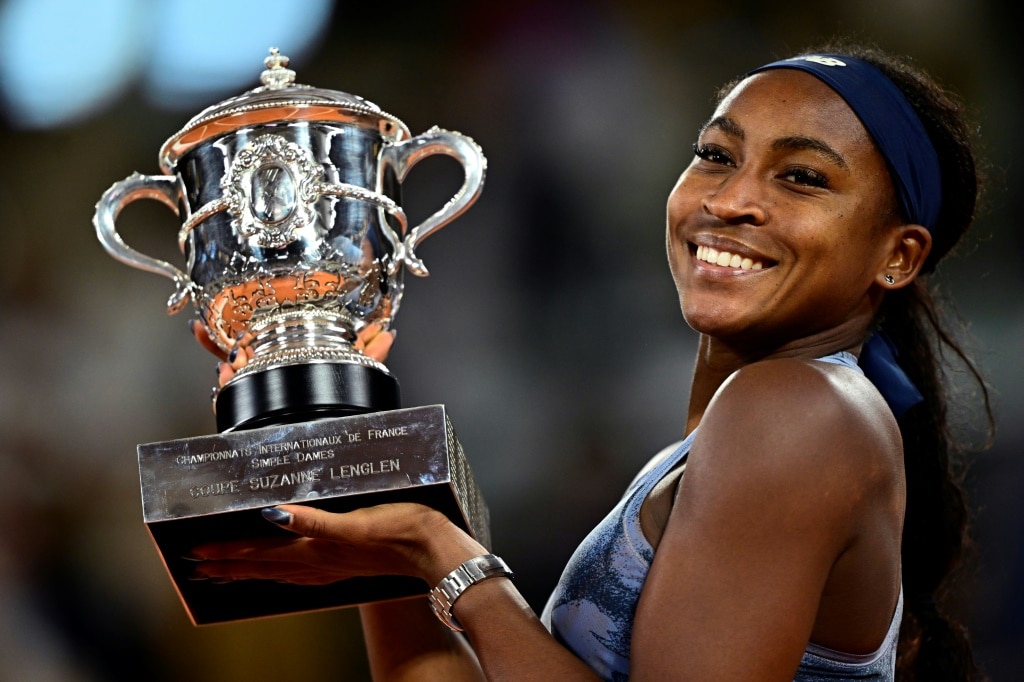
    In the women’s draw, defending champion and fourth-seeded Gauff will open her title defense against American compatriot Taylor Townsend, looking to repeat her 2024 final upset victory over Sabalenka. For Sabalenka, who has never claimed the French Open singles title, the draw handed her one of the toughest paths to the final in the field. A potential third-round matchup against four-time Grand Slam champion Naomi Osaka is on the cards, even though Osaka has never advanced past the second week of Roland Garros in her career. Fifth seed Jessica Pegula or rising Canadian prospect Victoria Mboko could await Sabalenka in the quarterfinals, with a projected semifinal against Gauff if both advance.

    Other key women’s projected matchups see third-seeded four-time champion Iga Swiatek of Poland potentially facing Italian Open winner Elina Svitolina in the quarterfinals, while second-seeded Elena Rybakina — the 2025 Australian Open champion — is projected to meet Swiatek in the semis. Swiatek opens against 17-year-old Australian wildcard Emerson Jones, while Rybakina starts her campaign against Slovenia’s Veronika Erjavec. A rare all-Southeast Asian second-round matchup is also on the cards, between Indonesia’s Janice Tjen and the Philippines’ Alexandra Eala, with the winner set to potentially face Osaka in the third round.

    Beyond the on-court draw projections, the pre-tournament period has been marred by unrest, as a group of players has threatened to boycott select media obligations over an ongoing pay dispute with Grand Slam organizers. Tournament director Amelie Mauresmo pushed back on the threats Thursday, saying organizers would not change their stance on the issue. “We are not going to budge,” Mauresmo told reporters at the draw ceremony in Paris, adding that she was “a little saddened” by the player unrest. She noted that Grand Slam prize money has doubled over the last 10 years and has seen significant increases in recent years, pushing back on player claims that compensation for media work and player support is inadequate.

  • Mane named in Senegal’s World Cup squad

    Mane named in Senegal’s World Cup squad

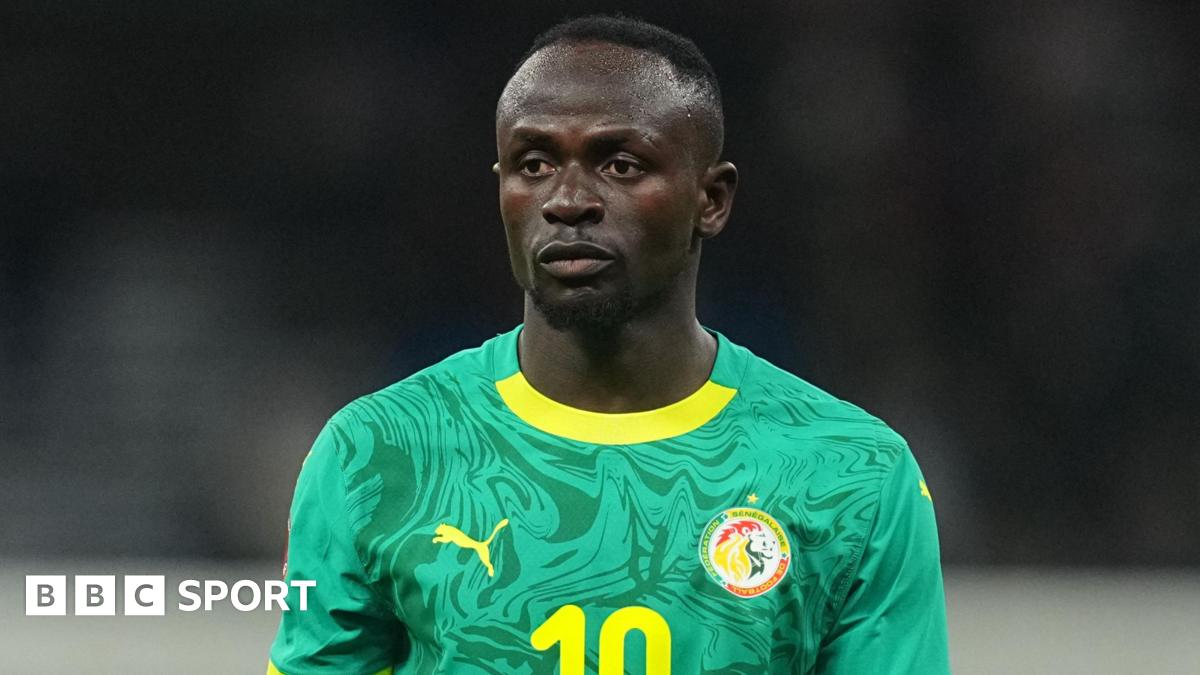
    Four years after a devastating knee injury ruled him out of the 2022 Qatar World Cup, Senegalese football star Sadio Mane has earned a spot in his nation’s preliminary 28-man squad for the 2026 FIFA World Cup co-hosted by the United States, Canada, and Mexico.

    The 34-year-old Al-Nassr forward, who boasts top-flight experience across Liverpool and Bayern Munich, is no stranger to last-minute World Cup heartbreak: he was originally named to Senegal’s 2022 squad before a pre-tournament knee injury forced him to withdraw entirely, leaving the West African nation without its talismanic attacking leader.

    Beyond his World Cup story, Mane has recently been at the center of one of African football’s most controversial moments. In January 2025’s Africa Cup of Nations final against Morocco, most of Mane’s Senegalese teammates walked off the pitch in protest after Morocco was awarded a stoppage-time penalty. It was Mane who remained on the field and convinced his protesting teammates to return to complete the match, which Senegal went on to win 1-0 via an extra-time goal from Pape Gueye. However, a subsequent appeal from the Confederation of African Football (CAF) overturned the result, awarding Morocco the tournament title in a decision that remains widely debated.

    Mane will lead a star-studded attacking group that includes Bayern Munich’s Nicolas Jackson, Everton’s Iliman Ndiaye, and Crystal Palace winger Ismaila Sarr. Head coach Pape Thiaw’s preliminary squad also features high-profile names across other positions: Everton midfielder Idrissa Gueye, Sunderland rising star Habib Diarra, and Tottenham Hotspur fan favorite Pape Matar Sarr all earned call-ups, alongside key defensive leaders Kalidou Koulibaly of Al-Hilal and Chelsea’s Mamadou Sarr.

    Under FIFA regulations, Thiaw is required to cut his preliminary squad down to the mandatory 26-player maximum by the final registration deadline of June 2, 2025.

    Senegal will kick off their 2026 World Cup campaign in New Jersey on June 16, with a tough opening group stage clash against defending champions France. They will then face Norway on June 22 before wrapping up group play against Iraq on June 26. This edition of the World Cup marks a historic milestone as the first expanded 48-team tournament, running across the three North American host nations from June 11 to July 19, 2026.

  • Village in Ghana to celebrate Villa win with parade

    Village in Ghana to celebrate Villa win with parade

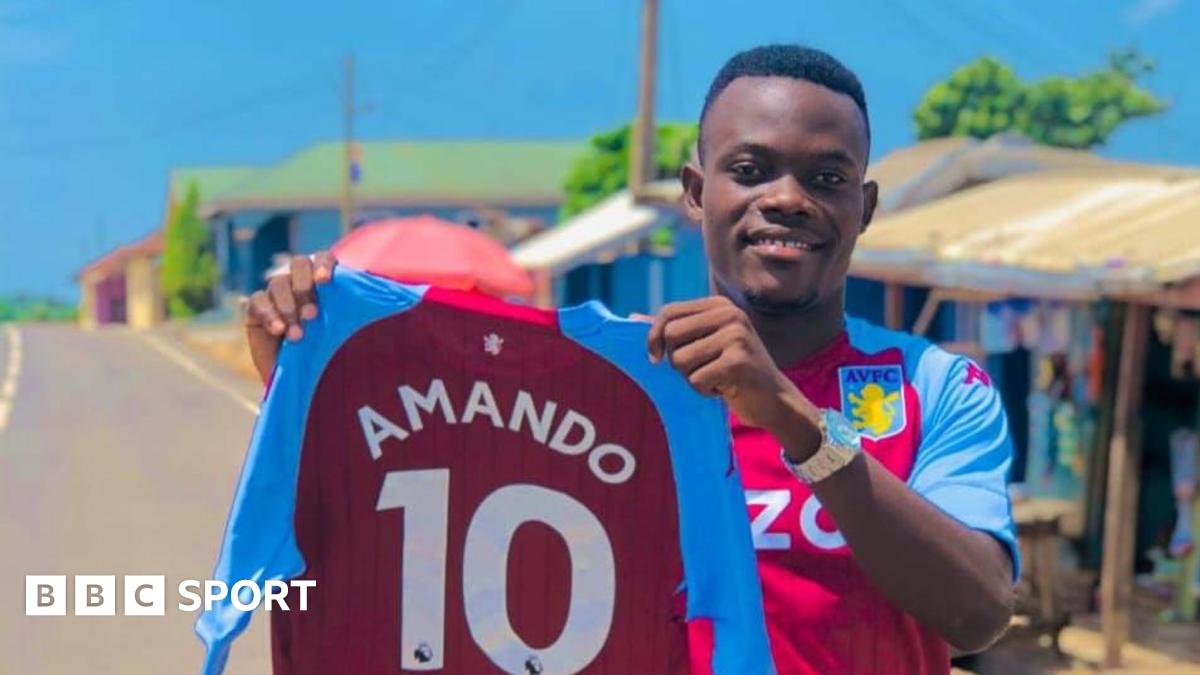
    When English football club Aston Villa paraded their long-awaited European trophy through the streets of Birmingham aboard an open-top victory bus on Thursday, thousands of kilometers across the African continent, a matching celebration was already underway. A local supporters’ group in the tiny Ghanaian village of Juaben marked the club’s historic end to a 41-year European trophy drought and 30-year overall title drought with their own homegrown parade – 30 decorated motorcycles leading a packed minibus that mirrored the main event held half a world away.

    Aston Villa secured their landmark 3-0 win over German side SC Freiburg at Istanbul’s Besiktas Park on Wednesday, clinching the Europa Conference League title and snapping a dry spell that stretched all the way back to their 1996 League Cup victory. The milestone sent shockwaves of joy through the club’s global fanbase, but nowhere was the emotion more palpable than in Juaben, a village that boasts an unlikely community of roughly 1,000 diehard Villa supporters organized into the fan group the Ghana Lions, led by lifelong fan Owusu Boakye.

    “Yesterday was one of the best moments of our entire lives – there could never be a better time to be an Aston Villa supporter,” Boakye shared with BBC ahead of the village’s celebration. “We’ve rented 30 motorcycles to ride through every corner of our community, and we’re using our own minibus just like the first team is doing in Birmingham today. We can’t wait to see the whole village chanting and sharing this joy together.”

    Juaben’s generations-long love affair with Aston Villa traces back to Boakye’s grandfather Daniel, who developed an affection for the Midlands club while staying with a Villa-supporting family that originally hailed from Birmingham. “When we were growing up, he would sit us down and tell us story after story about Aston Villa’s history and legends,” Boakye explained. “He always talked about one player he called ‘God’ – that was Paul McGrath.”

    McGrath, the iconic Irish defender who made more than 250 appearances for Villa between 1989 and 1996, was part of the 1996 League Cup-winning squad that lifted the club’s last major trophy before Wednesday’s win. For decades after that victory, successive generations of young Juaben villagers grew up hearing tales of Villa’s glory, waiting patiently for their own moment of celebration to arrive. That moment finally came when goals from Youri Tielemans, Emi Buendia and Morgan Morgan Rogers sealed the win over Freiburg in Turkey.

    “It was absolutely incredible – this is a moment to remember for a lifetime, having the whole community come together for Aston Villa,” Boakye said. “When Villa won their first European Cup back in 1982, almost none of the fans who celebrated with us yesterday had even been born. We’ve been waiting our whole lives to make our own history, and now that day is finally here.”

  • Midfielder Hložek returns from injury in Czech Republic’s preliminary World Cup squad

    Midfielder Hložek returns from injury in Czech Republic’s preliminary World Cup squad

    PRAGUE — In a major boost for Czech Republic ahead of the 2026 FIFA World Cup co-hosted by the United States, Mexico and Canada, attacking midfielder Adam Hložek has bounced back from a persistent long-term injury to earn a spot on head coach Miroslav Koubek’s 29-man preliminary roster, announced Thursday.

    The 23-year-old Hoffenheim playmaker missed the vast majority of his club season this year after suffering a series of calf and foot injuries that sidelined him for months. But speaking to reporters following the squad announcement, Koubek confirmed Hložek has now regained full match fitness and will get the opportunity to prove his sharpness in pre-tournament warm-up fixtures. Hložek has not featured for the Czech national side since June 2024, during the final round of World Cup qualifying, and boasts 41 caps and four international goals to his name across his senior career.

    Koubek’s preliminary squad includes three fresh-faced first-time call-ups, an exciting addition for a Czech side that is set to make its first World Cup appearance since the 2006 tournament. The newcomers are 17-year-old Sparta Prague midfielder Hugo Sochůrek, Viktoria Plzeň midfielder Alexandr Sojka, and Mladá Boleslav forward Christophe Kabongo. All three will get minutes on the pitch in the Czech Republic’s opening warm-up clash against Kosovo, scheduled for May 31 in Prague, Koubek confirmed.

    Immediately after the Kosovo friendly, Koubek will trim his 29-man group down to the final 26-player tournament squad allowed by FIFA. The side will then travel to the United States for a final preparation match against Guatemala, set to take place in New Jersey on June 4.

    Notably, two Slavia Prague players — forward Tomáš Chorý and defender David Douděra — were included in the preliminary squad despite being suspended by their club for the remainder of the domestic season and placed on the transfer list over disciplinary breaches earlier this year. The squad also retains all of the Czech Republic’s key regular starters, including West Ham United’s Tomáš Souček, Bayer Leverkusen striker Patrik Schick, and Lyon midfielder Pavel Šulc. Three additional players who featured in the side’s qualifying playoff run against Ireland and Denmark, including FC Cincinnati midfielder Pavel Bucha, were also named to the preliminary group despite having yet to earn senior international caps.

    Once the final squad is confirmed, the Czech team will set up their tournament base camp in Mansfield, Texas, just outside Dallas. They kick off their Group A campaign against South Korea on June 12 in Guadalajara, Mexico, before facing South Africa in Atlanta on June 18 and wrapping up group stage play against tournament co-host Mexico in Mexico City on June 25.

    For Czech football, this marks a historic milestone: the nation’s first qualification for the World Cup finals in 20 years.

  • DR Congo cancels World Cup training camp over Ebola outbreak

    DR Congo cancels World Cup training camp over Ebola outbreak

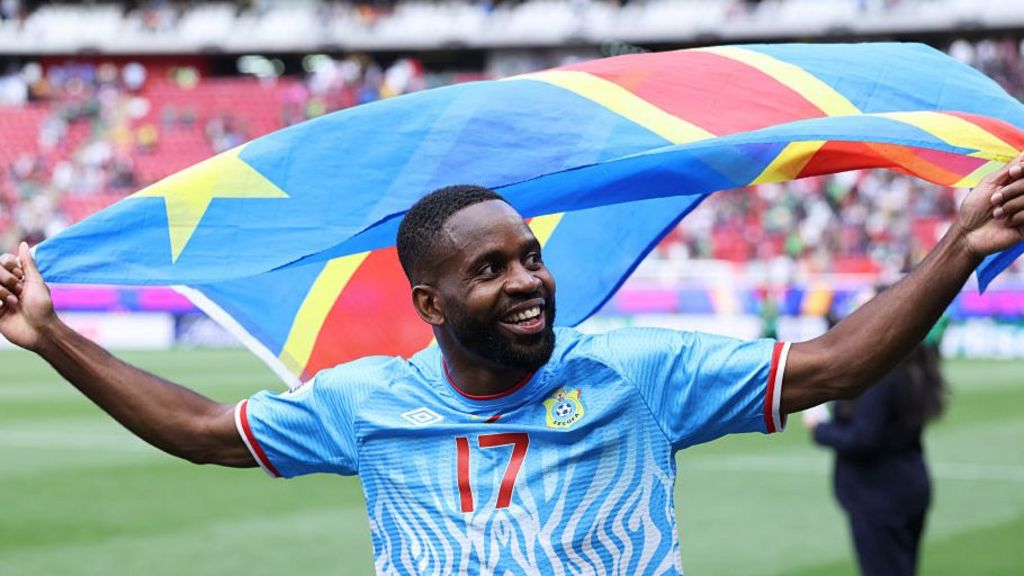
    For the first time in 52 years, the Democratic Republic of Congo (DR Congo) has secured a spot at the FIFA World Cup, marking a historic milestone for the Central African nation’s national football program. But the long-awaited return to football’s biggest global stage has been overshadowed by a growing public health crisis, forcing a last-minute change to the team’s pre-tournament training plans.

    Originally scheduled to host its pre-World Cup training camp in the capital city of Kinshasa, the DR Congo men’s national football team has confirmed it will relocate all onshore preparations to Belgium, after an alarming Ebola outbreak in the country’s eastern provinces spread to become a globally recognized public health emergency. As of recent official counts, the outbreak has been linked to 139 deaths out of roughly 600 suspected cases of infection, according to local health authorities.

    The outbreak is being driven by the rare Bundibugyo strain of the Ebola virus, a variant with no currently approved vaccine available for widespread use. The World Health Organization (WHO) announced last month that the event qualifies as a “public health emergency of international concern” (PHEIC), the organization’s highest level of alarm for global health threats, though officials have stressed that the outbreak does not yet meet the criteria to be classified as a pandemic. WHO experts have also warned that developing a targeted, deployable vaccine for the Bundibugyo strain could take as long as nine months to complete, leaving local containment efforts stretched thin in the near term.

    Jerry Kalemo, national team spokesperson, confirmed to international media outlets that despite the disruption to domestic training plans, all pre-tournament friendly matches scheduled across Europe will proceed as originally arranged. The Leopards, as DR Congo’s national team is commonly known, are set to face Denmark in Liege on June 3, followed by a matchup against Chile in the Spanish coastal city of Marbella on June 9 as they build match fitness ahead of the World Cup finals.

    Back in DR Congo, domestic government and public health teams are fully focused on containing the outbreak, with most available public resources diverted to slowing transmission and supporting affected communities. While the relocation of the national team’s training camp is a necessary precaution to protect the squad and avoid potential exposure to the virus, the entire DR Congo football community remains focused on the historic tournament ahead, which will see the country take the World Cup stage for the first time since its 1974 appearance in West Germany.

  • A record 274 climbers scale Mount Everest in a single day

    A record 274 climbers scale Mount Everest in a single day

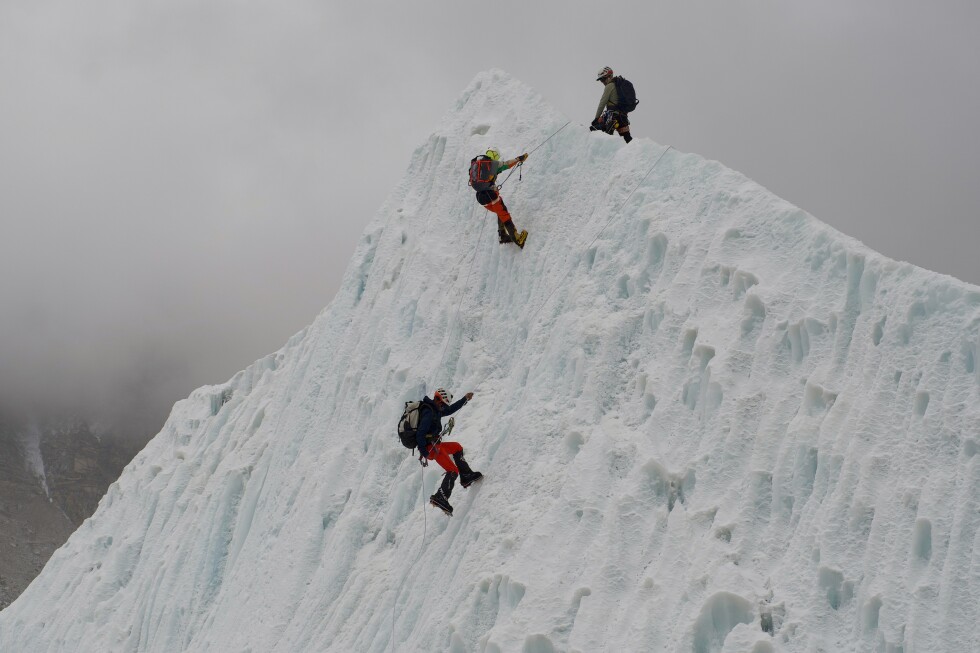
    KATHMANDU, Nepal – Mount Everest, the world’s highest peak, made history this week when 274 climbers successfully reached its summit in a single 24-hour window, shattering the previous single-day record for ascents via Nepal’s popular southern route, Nepalese expedition officials confirmed Thursday.

    The unprecedented wave of summits came as climbers seized a rare window of stable, clear weather on Wednesday, according to Rishi Ram Bhandari, a representative of the Expedition Operators Association Nepal. Bhandari confirmed that the 274 successful ascents mark the highest single-day total ever recorded on the southern face, the most heavily trafficked route to the 8,850-meter peak’s top.

    Everest can be attempted from two sides: the southern approach in Nepal, and the northern route through China’s Tibet Autonomous Region. For context, the previous single-day record on Nepal’s side stood at 223 ascents, set on May 22, 2019, when 113 additional climbers also summited from the northern side that same day. This year, however, Chinese authorities have kept the northern route closed to expeditions, concentrating all summit attempts on the Nepalese side.

    The 274-ascend milestone is just one of multiple record-breaking feats unfolding during this year’s climbing season. Earlier this week, veteran Nepalese mountain guide Kami Rita Sherpa reached the summit for the 32nd time, extending his own world record for the most Everest summits by any climber. Not far behind, his closest rival Pasang Dawa Sherpa notched his 30th successful ascent of the peak this same week. For female climbers, Lakpa Sherpa also made history, scaling Everest for the 11th time to break her own existing record for the most summits by a woman.

    This year’s climbing season got off to a delayed start, after safety officials flagged risks from a massive unstable serac—an ice block formation—hanging directly over the Khumbu Icefall, the critical lower passage required to reach upper routes to the summit. Expedition teams had to wait for additional route assessments and safety modifications before beginning their final summit pushes. As of this week, roughly 494 foreign climbers, accompanied by an equal number of experienced Sherpa guides, are expected to attempt a summit push before the season concludes at the end of May, when shifting weather patterns make the peak too dangerous to climb.

    Wednesday’s record-setting day comes nearly 71 years after the first confirmed successful ascent of Everest, when New Zealand mountaineer Edmund Hillary and Sherpa guide Tenzing Norgay reached the summit on May 29, 1953. Since that groundbreaking expedition, thousands of climbers from across the globe have followed in their footsteps to conquer the world’s highest peak.