分类: sports

  • Meet the record-equalling keeper who helped Curacao make history

    Meet the record-equalling keeper who helped Curacao make history

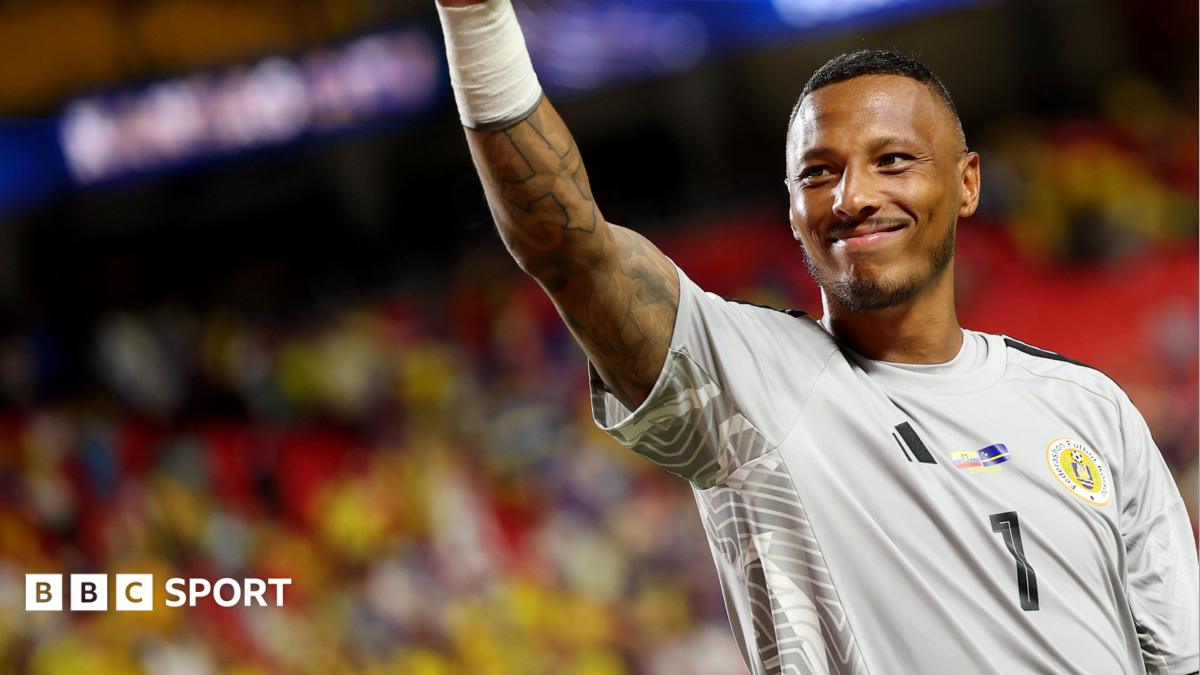
    When Ecuador star forward Enner Valencia broke through on goal just three minutes into Curacao’s second Group E match at the 2026 FIFA World Cup, every neutral observer expected the net to ripple. The 30-year-old Ecuadorian captain had only Curacao goalkeeper Eloy Room to beat from 10 yards out, and a goal would have put the low-ranked Caribbean side on course for a repeat of their opening 7-1 rout at the hands of Germany. But Room, 37, read Valencia’s movement perfectly, diving low to his left to paw the shot around the post – a save that shifted the momentum of the game instantly and set the tone for 90 minutes of historic underdog football.

    By full time, the final scoreline read 0-0, handing World Cup debutants Curacao the first ever tournament point in their nation’s history. And it was Room’s once-in-a-generation performance between the posts that made the shock result possible. According to Opta data stretching back to 1966, no goalkeeper has recorded more saves in a 90-minute World Cup match than Room’s 15 stops against Ecuador – tying the all-time single-game record set by American keeper Tim Howard during the 2014 World Cup clash against Belgium. Unlike Howard, who conceded twice in extra time and could not keep a clean sheet, Room held firm for the full 90 minutes to secure his side’s historic draw.

    The veteran keeper, who currently plies his trade with US second-tier side Miami FC, joked after the match that Howard must have been “sweating at home” watching his record-tying performance, and quipped that Curacao “needs to build me a statue” to honor the result. BBC Sport pundit and former Arsenal defender Martin Keown was effusive in his praise during live commentary, saying: “Take a bow, Room. Absolutely magnificent. The number of saves, you were almost getting a calculator out at the end of the game to count them up. It just became a shopping list of saves. His reactions were first class. He seemed destined to keep a clean sheet all night.”

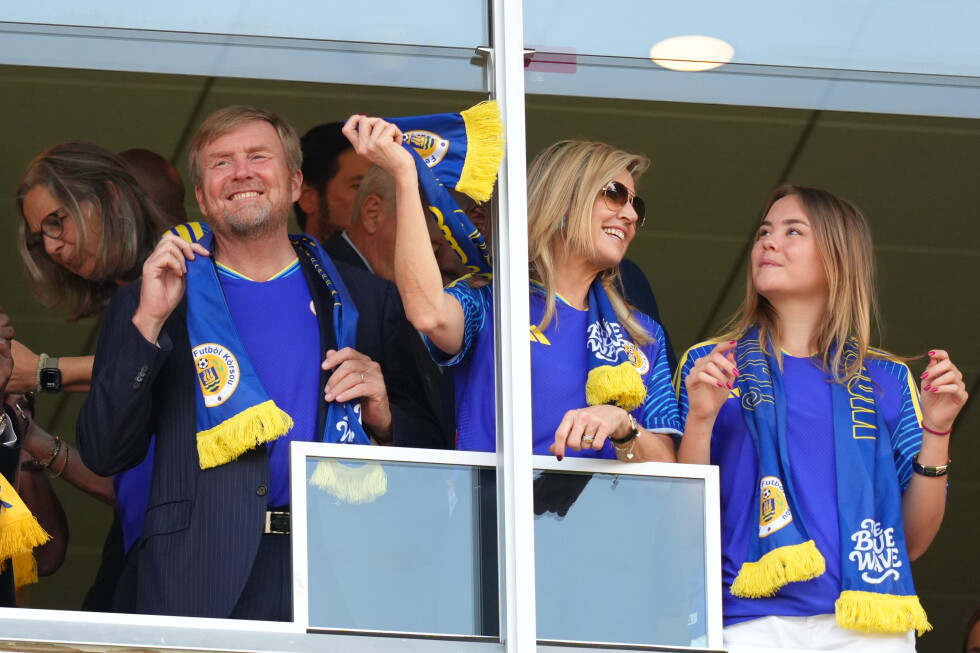
    For Curacao, the result is far more than just a single point. The Caribbean island, a self-governing entity within the Kingdom of the Netherlands, is the smallest nation to ever compete at a men’s World Cup, with a population of just 156,000 and a land area smaller than the Isle of Man. Ranked 82nd in the FIFA world rankings – more than 50 spots below Ecuador – they are only the third team ranked 80th or lower to earn a World Cup point, following hosts South Africa in 2010 and New Zealand earlier this 2026 tournament. Even Dutch King Willem-Alexander and Queen Maxima were in the stands at Kansas City Stadium to watch Dick Advocaat’s side pull off the upset.

    Room’s influence on Curacao’s historic World Cup run extends far beyond this single match. Born and raised in Nijmegen, the Netherlands, Room is a former Dutch under-21 international who was convinced to represent Curacao – the birthplace of his father – by then-manager Patrick Kluivert in 2015. He kicked off his professional career in the Dutch Eredivisie, making more than 200 appearances across 10 years, winning a league title with PSV Eindhoven and a KNVB Cup with Vitesse Arnhem before moving to the United States in 2019 to join MLS side Columbus Crew. He won the MLS Cup with Columbus in 2020, earning the league’s Save of the Season honor that same year, before a brief return to Europe and eventual move to USL Championship side Miami FC.

    It was also Room who secured Curacao’s qualification to the tournament back in November, making a game-saving late stop in a 0-0 draw with Jamaica that booked the island’s first ever World Cup spot. What makes his 15-save masterclass against Ecuador even more remarkable is that the keeper, who credits padel with keeping his reflexes sharp, had not recorded more than five saves in any of his nine league appearances for Miami FC this season. His previous highest single-game save tally this term was five, in a 4-3 win over Louisville City – a match played in front of just 713 fans at Miami’s 20,000-capacity Pitbull Stadium. Just months later, he delivered the performance of a lifetime in front of 68,598 fans on football’s biggest stage, stopping all 27 Ecuador shots on goal and holding firm despite an expected goals (xG) total of 3.05 for the South American side.

    Speaking after the match, Room said he was still processing the historic achievement: “I still have to process myself. The match is full of emotions. I knew it was going to be a tough match. The first save, the tone was put in place, also for the team. It gave me confidence and I grew, we all grew, this was a team effort. We’ve been fighting, fighting up to the last minute. Earning a point this way for Curacao is absolutely great.”

    Curacao opened their tournament with a memorable equalizer against Germany, but eventually collapsed to a 7-1 defeat. Entering the Ecuador match, many wrote them off as mere tournament also-rans, but their historic draw has kept their knockout stage hopes alive. They will face Ivory Coast in their final Group E fixture, and an unlikely win would see the tiny Caribbean side advance to the round of 16. Regardless of what happens in their final match, however, this night of magic will forever be etched into the history of Curacao football, as a tiny island nation proved they can punch far above their weight on the world’s biggest sporting stage.
  • More than just happy to be here, New Zealand hunts first-ever knockout run

    More than just happy to be here, New Zealand hunts first-ever knockout run

    The 2026 expanded-format FIFA World Cup has already delivered one of its most compelling underdog stories, as 82nd-ranked New Zealand stands one win away from breaking a decades-long tournament drought and punching its first-ever ticket to the knockout round. When the All Whites touched down in British Columbia for this year’s competition, just qualifying for their first World Cup appearance since 2010 felt like a victory in its own right. But a dramatic 2-2 draw against 22nd-ranked Iran in their opening group stage match has transformed their unlikely underdog run into a genuine shot at history this Sunday against 29th-ranked Egypt.

    New Zealand’s path to this year’s tournament would not have existed without FIFA’s decision to expand the World Cup field from 32 to 48 teams. The expansion marked the first time the Oceania Football Confederation (OFC) earned an automatic berth to the tournament, a long-awaited change that cleared the way for New Zealand to claim the spot after a three-step qualifying run that ended with a 3-0 win over 151st-ranked New Caledonia.

    The dynamic of the OFC has shifted dramatically since 2006, when former regional powerhouse Australia left the confederation to join the Asian Football Confederation in pursuit of stiffer competition and more reliable qualifying paths to the World Cup. Australia’s departure left New Zealand as the undisputed top side in a region with a stark ranking gap: after the All Whites, the next highest-ranked OFC side is New Caledonia, leaving New Zealand without consistent top-tier competition in regional play.

    This imbalance highlights a long-debated feature of FIFA’s World Cup qualification structure: allocation of tournament slots is based heavily on confederation geography, rather than global team rankings. This system means that many higher-ranked teams from deeper, more competitive confederations miss out on qualification entirely; this year alone, 17 of FIFA’s top 48 ranked teams failed to qualify, including 20th-ranked Denmark from the UEFA confederation and 14th-ranked Italy, which has now missed three consecutive World Cups. By contrast, smaller confederations get far fewer slots: UEFA claims 16 berths for this expanded tournament, while OFC holds just one.

    Well aware that regional competition cannot prepare them for the global stage, New Zealand has actively sought out friendly matches against far higher-ranked opponents to sharpen their play. That intentional strategy paid off in their opening match against Iran, where winger Elijah Just netted both of the All Whites’ goals to secure the draw. Just’s two goals matched New Zealand’s total goal output across both of its previous World Cup appearances in 1982 and 2010, giving the side a surge of confidence heading into their critical match against Egypt.

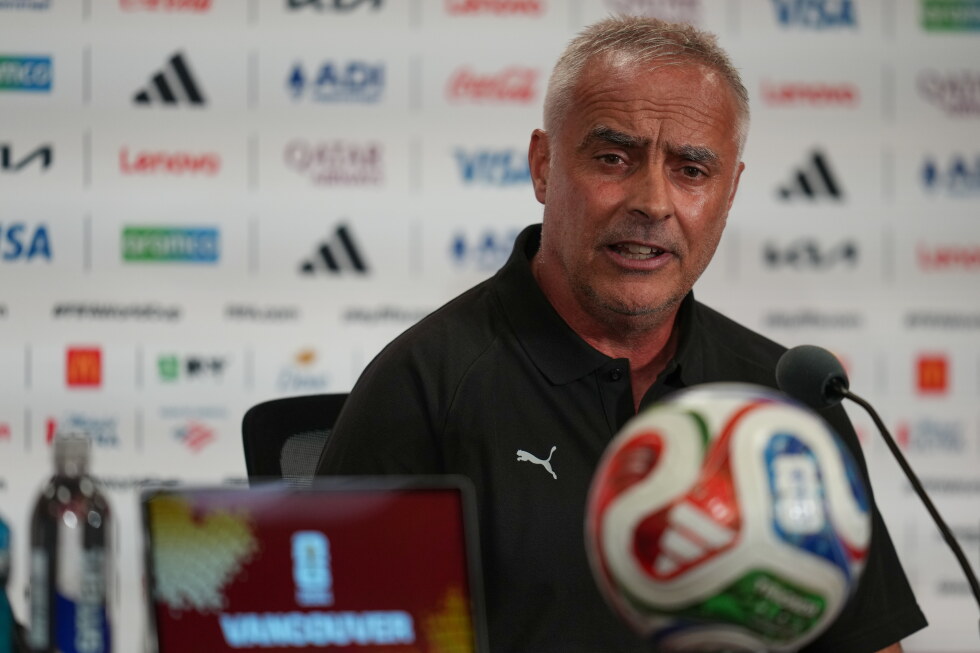
    Head coach Darren Bazeley has emphasized that the team is staying grounded, refusing to let the weight of a potential historic berth distract from the task at hand. “We can’t let the occasion get too big,” Bazeley said in a pre-match press conference. “It’s about us winning a game of football.” He added that the side has no fear of facing higher-ranked opponents, noting: “If we’re going to win a World Cup, we have to play against top teams and top players and perform well.”

    Midfielder Ben Old echoed that confidence, saying the entire squad relishes the once-in-a-generation opportunity to make New Zealand football history. “Putting ourselves in such a great position – like this opportunity to create history – we know how good we can be,” Old said. “It’s just a really exciting moment to be in.” The side has long embraced its identity as international football’s underdog, Old added, a mindset that has taken away any pressure of expectation against higher-profile opponents: “We’re always used to being the underdogs. We’re not afraid to play any of these teams.”

    With one point already in the group stage table and two matches remaining, New Zealand is not only in contention for knockout stage qualification, but also poised to break multiple team World Cup records: a single win against Egypt would send them through, and even one more goal would break their record for most goals scored in a single World Cup tournament.

  • Curacao’s Eloy Room makes 15 saves, sends island nation to 0-0 draw with Ecuador in World Cup

    Curacao’s Eloy Room makes 15 saves, sends island nation to 0-0 draw with Ecuador in World Cup

    In a stunning display of goalkeeping grit at Children’s Mercy Park in Kansas City, Missouri on Saturday night, 37-year-old Curacao shot-stopper Eloy Room turned in one of the most memorable performances in FIFA World Cup history, snatching a historic 0-0 draw against tournament favorites Ecuador and securing the tiny Caribbean island nation its first-ever World Cup group stage point.

    Room’s standout outing came just days after Curacao suffered a lopsided 7-1 defeat at the hands of Germany, bouncing back from that heavy loss to deliver a defensive masterclass against an Ecuador side that dominated possession and chances for the full 90 minutes. The veteran goalkeeper finished the night with 15 total saves, just one stop short of the official World Cup record of 16 set by United States keeper Tim Howard during his 2014 clash against Belgium.

    The result of the Group E clash also had immediate ripple effects across the group: it locked in Germany’s place in the knockout round after Die Mannschaft earned a late 2-1 victory over Ivory Coast earlier the same day in Toronto. Deniz Undav’s stoppage-time strike secured three points for Germany, meaning an Ecuador loss on Saturday would have sent La Tri home early. Instead, the draw keeps both Ecuador and Curacao in contention for knockout qualification heading into the final round of group matches next Thursday.

    Saturday’s match was played in what essentially amounted to a home-field advantage for Ecuador. Thousands of the South American side’s supporters packed the 76,000-capacity stadium, decked head to toe in the team’s iconic bright yellow kits that drew comparisons to a gathering of the animated Minions characters. In contrast, only small scattered groups of Curacao fans, clad in the team’s signature blue, were in attendance — a fitting reflection of the nation’s small size: the entire population of Curacao is less than half the stadium’s seating capacity. Several local professional athletes, including Kansas City Royals stars Bobby Witt Jr., Salvador Perez and Starling Marte, were also spotted in the crowd.

    From the opening whistle, the match was defined by contrasting fortunes. Curacao’s side, led by veteran 78-year-old manager Dick Advocaat, managed to carve out multiple dangerous chances in the first half, finding gaps through the center of Ecuador’s backline to create open scoring opportunities. But the Caribbean side failed to convert, wasting each chance with sloppy passing or off-target shots.

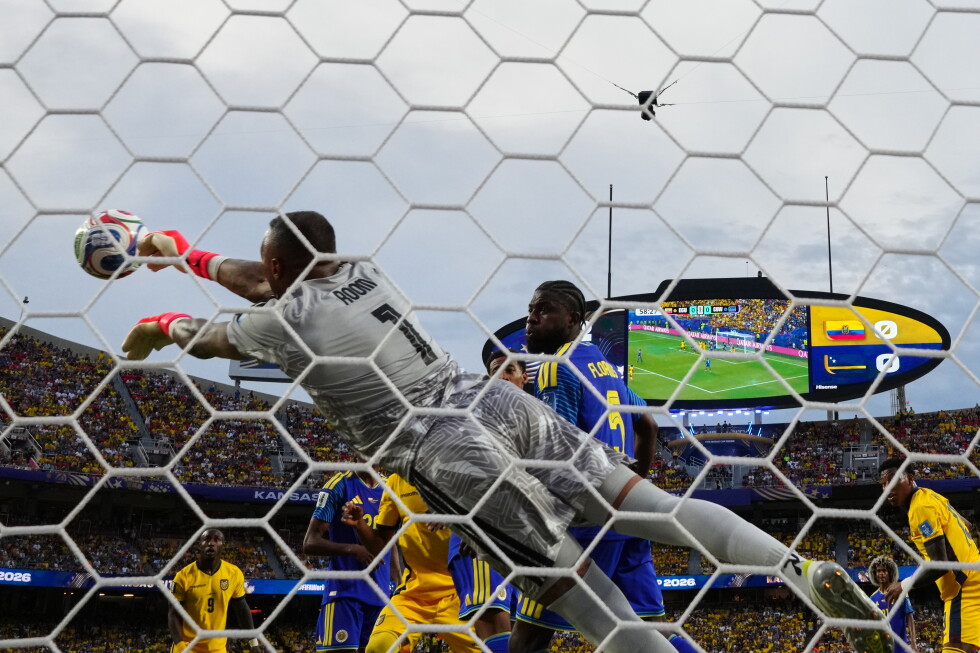
    Ecuador’s first clear chance came just minutes in, when veteran forward Enner Valencia broke through one-on-one with Room. The keeper read the shot correctly, diving to his left to deflect Valencia’s effort and keep the match level.

    The pressure built steadily for Curacao’s goal in the second half, as Ecuador threw everything forward in search of the winning goal that would keep their knockout hopes firmly in hand. Room continued to turn away every chance: an early long-range effort from Moises Caicedo was spectacularly turned away, a well-placed Valencia header was palmed wide, and the keeper followed that stop with two more sensational saves on the subsequent corner kick before Curacao could clear their lines.

    The draw leaves Ecuador in a precarious position heading into their final group match against already-qualified Germany, set to be played in New York. Curacao, meanwhile, will take on Ivory Coast in Philadelphia, with both teams still holding out hope of snatching a knockout spot. For Curacao, however, the night already went down in the nation’s history books, with Room’s 15-save masterclass delivering a milestone the small island nation will never forget.

  • Dutch royals swap orange for blue as they cheer for the Netherlands, then Curaçao at the World Cup

    Dutch royals swap orange for blue as they cheer for the Netherlands, then Curaçao at the World Cup

    HOUSTON & KANSAS CITY, Mo. – For King Willem-Alexander and Queen Maxima of the Netherlands, the 2025 FIFA World Cup has delivered a unique, double-sided cheering opportunity that few other royal spectators can claim. On a packed Saturday of match action, the royal couple pulled off a cross-country U.S. sprint to support two separate teams under the Dutch kingdom’s banner, swapping team gear and stadiums in a single day of global football.

  • One Extraordinary Photo: Las Vegas pool watch party of the Australia-US match

    One Extraordinary Photo: Las Vegas pool watch party of the Australia-US match

    LAS VEGAS — For 12 years, award-winning Associated Press veteran photographer John Locher has called Las Vegas home, covering beats ranging from high-stakes professional sports to sudden breaking news, in-depth human interest features and original enterprise reporting. When the 2022 FIFA World Cup rolled around, Locher approached his assignment with a creative eye that set his work apart from typical tournament coverage.

    Unlike traditional match-day photography that centers on action inside stadiums, Locher set out to capture the far-reaching passion the World Cup sparks across the globe, even in cities not hosting any tournament games. For the Friday matchup between Australia and the United States, he turned his lens to local fan gatherings to showcase the widespread excitement that extends far beyond match venues. Known for its one-of-a-kind approach to entertainment, Las Vegas offered the perfect unconventional backdrop: a poolside watch party.

    Locher’s first stop was Circa Resort and Casino, a venue that had already built a reputation for hosting large-scale sports watch parties on a massive outdoor screen above its swimming pool. Anticipating the scene would be unlike any standard viewing event, he planned his shoot to highlight this uniqueness. After capturing close-up shots of cheering fans reacting to game moments, he began searching for an elevated vantage point that could frame the full scope of the gathering. Using a wide-angle lens, Locher captured a sweeping shot that included hundreds of fans gathered in the pool alongside the iconic casino skyline of downtown Las Vegas, emphasizing the unusual setting of this World Cup viewing experience.

    In reflecting on the power of the image, Locher noted that the photograph succeeds because it embodies Las Vegas’ signature tendency to turn ordinary events into extraordinary experiences. While bars and restaurants across the United States hosted watch parties for the highly anticipated Australia-US clash, this poolside gathering offered a distinctly Las Vegas twist that could not be replicated anywhere else. The image stands as a testament to how deeply the World Cup’s cultural pull penetrates communities across the country, even far from the tournament’s host stadiums.

    This photo is part of The Associated Press’ ongoing comprehensive coverage of the FIFA World Cup. More of AP’s award-winning World Cup reporting can be viewed on their dedicated coverage hub.

  • Undav scores twice, saves Germany with 2-1 World Cup win over Ivory Coast

    Undav scores twice, saves Germany with 2-1 World Cup win over Ivory Coast

    TORONTO — In a dramatic turn of events that sealed Germany’s place in the World Cup knockout round, second-half substitute Deniz Undav delivered a stellar two-goal performance to secure a 2-1 comeback victory over Ivory Coast on Saturday.

    The game’s decisive moment came in the fourth minute of stoppage time, when Undav got on the end of a pinpoint pass from Felix Nmecha just in front of the goal. The striker fired a clinical shot past Ivory Coast goalkeeper Yahia Fofana, putting Germany ahead for good and sparking wild celebrations from the German camp.

    Undav’s first goal, which leveled the scoreline for Germany, came in the 68th minute. Nadiem Amiri launched a long ball forward that Germany striker Kai Havertz intentionally let run through to Undav, who hit a powerful shot straight into the back of the net. Both Amiri and Undav had only entered the match as substitutes eight minutes before that equalizing goal, a substitution move that would ultimately pay off massively for the German side.

    For four-time World Cup champion Germany, the milestone marks a major redemption after consecutive devastating group stage exits at the 2018 and 2022 tournaments. The last time Germany advanced past the group stage of the World Cup, they went on to lift the trophy in 2014, giving the side plenty of momentum as they move into the knockout round.

    As for Ivory Coast, the heartbreaking defeat leaves them still chasing their first ever appearance in the World Cup knockout stage. Their campaign is not yet over, however, as they still retain a mathematical chance to qualify for the next round in their final group match.

    This report was contributed by Lexie Linderman, a journalism student at Penn State, and comes via the Associated Press’ ongoing World Cup coverage.

  • World Cup what to know: Spain and Belgium are looking for their 1st wins after opening with draws

    World Cup what to know: Spain and Belgium are looking for their 1st wins after opening with draws

    As the 2026 FIFA Men’s World Cup moves into its second round of group-stage play on Sunday, June 21, all eight teams competing across the four scheduled fixtures head into the day still searching for their first victory of the tournament – all having opened their campaigns with hard-fought draws.

    Four opening matches on the previous Monday produced four draws, a rare result that marks the most draws on a single men’s World Cup matchday since 1958. This historic run of stalemates has left both Group G and Group C completely open, with no team yet able to lock in an early advantage going into the second round of group play.

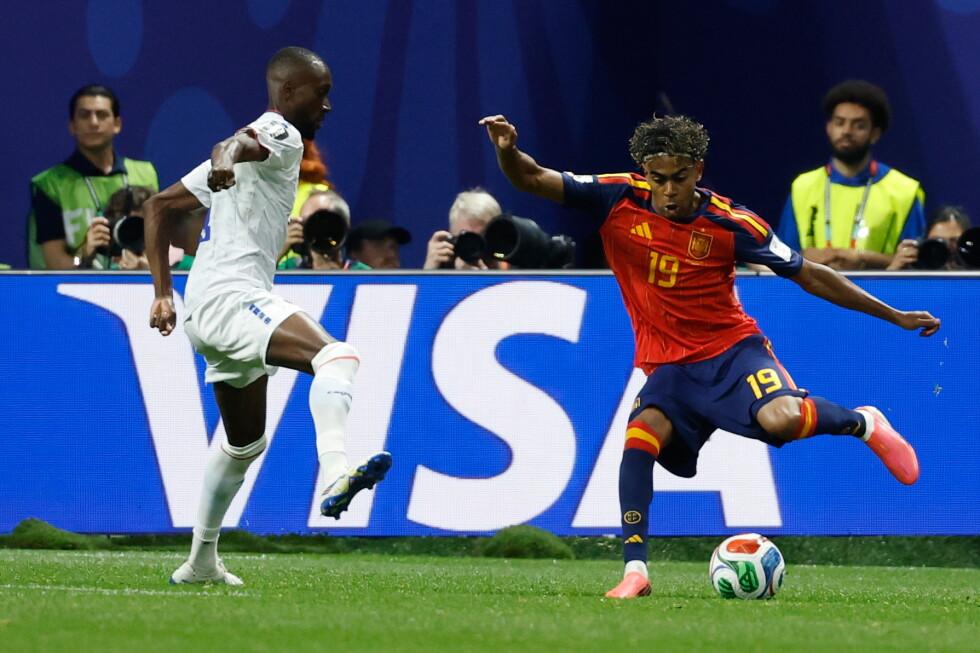
    Sunday’s first fixture, kicking off at 12 p.m. EDT in Atlanta, Georgia, pits second-ranked Spain against Saudi Arabia in a Group H showdown. Spain kicked off its tournament with a surprising 0-0 stalemate against Cape Verde, while Saudi Arabia earned a 1-1 draw against Uruguay, with defender Abdulelah Al-Amri netting the Arab side’s opening goal of the competition. Young star Lamine Yamal will lead Spain’s line as the European side looks to lock in its first win and cement its status as a title contender.

    The second match of the day, at 3 p.m. EDT at SoFi Stadium in Inglewood, California, sees 10th-ranked Belgium take on Iran in a Group G clash. Belgium will be missing key starting winger Jérémy Doku, who has been ruled out of the fixture due to an illness. The Manchester City speedster, who played 86 minutes of Belgium’s opening 1-1 draw with Egypt, has been in the headlines in recent days after revealing he would leave the tournament temporarily if needed to attend the birth of his first child, due in early July during the knockout stage. Without Doku, the Red Devils will rely heavily on star forward Romelu Lukaku to secure a crucial three points to stay on track for group advancement. Iran opened its run with a 2-2 draw against New Zealand, and will also be hungry for its first win of the competition.

    At 6 p.m. EDT in Miami Gardens, Florida, Uruguay faces off against Cape Verde, the tournament’s debutant side from the small archipelago off West Africa, in the second Group H fixture of the day. Already holding a draw against second-ranked Spain, a win for Cape Verde would go down as one of the biggest upsets of this World Cup, catapulting the underdog debutants into the knockout stage conversation. Uruguay, for its part, will look to bounce back from its opening draw with Saudi Arabia and lock in the win to climb the group table.

    The final fixture of Sunday closes out the day at 9 p.m. EDT in Vancouver, British Columbia, with New Zealand facing Egypt in the remaining Group G matchup. New Zealand held Iran to a 2-2 draw in its opener, while Egypt also opened with a 1-1 stalemate against Belgium. All four of the day’s games will be broadcast across Fox, FS1, Telemundo and Peacock.

    In other World Cup news from Saturday, the Netherlands became just the eighth national men’s side in World Cup history to hit the 100-goal milestone at the tournament, after striker Brian Brobbey netted a first-half brace in the Oranje’s 5-1 lopsided win over Sweden. The Dutch side joins elite company including Brazil, Germany, Argentina, France, Italy, Spain and England as the only nations to reach the 100-goal mark in World Cup competition.

  • Brobbey and Gakpo strike twice each as Netherlands routs Sweden 5-1 to lead Group F

    Brobbey and Gakpo strike twice each as Netherlands routs Sweden 5-1 to lead Group F

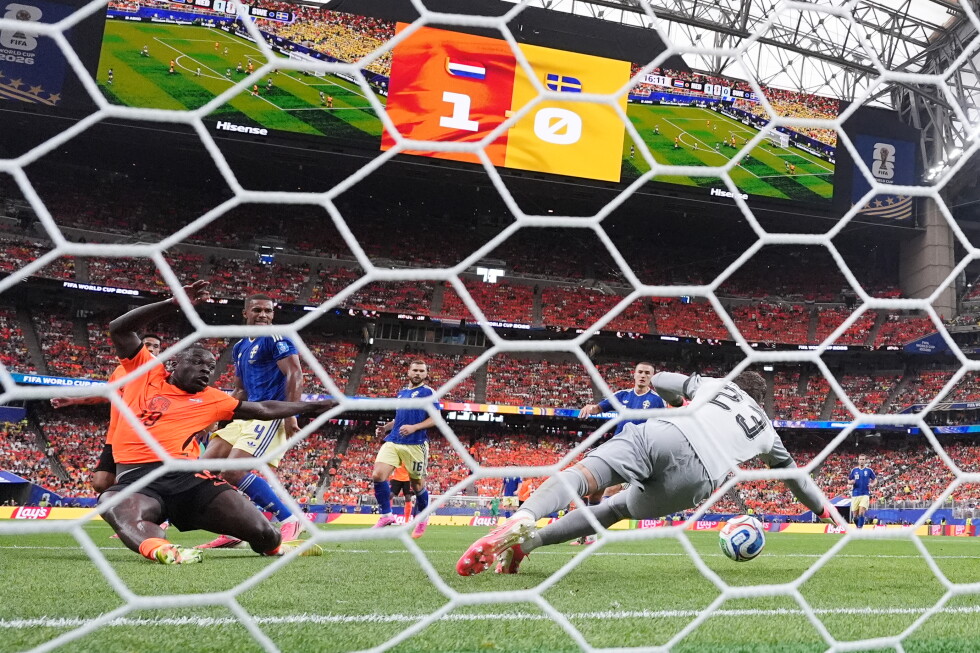
    HOUSTON – In a dominant display of attacking football that pulled the Netherlands to the top of Group F at the FIFA World Cup, Brian Brobbey and Cody Gakpo each netted two goals to power the Dutch side to a lopsided 5-1 victory over Sweden on Saturday. The convincing win marked a sharp rebound for the Oranje, who were left frustrated by a 2-2 draw with Japan in their tournament opener just days earlier.

    Brobbey set the tone for the match early, putting his name on the scoresheet twice inside the opening 18 minutes to give the Netherlands a comfortable two-goal advantage before halftime. The forward’s first strike came in the 5th minute, when he connected cleanly on a first-time right-footed finish from Gakpo’s well-placed cross into the penalty box, sending the ball into the back of the net before tumbling to the turf. Twelve minutes later, Brobbey doubled his tally, sliding to meet a cross from Denzel Dumfries and tapping the ball past the Swedish goalkeeper with the tip of his right boot to find the far post.

    A late first-half scare for the Dutch was averted when Gustaf Lagerbielke’s 44th-minute header was ruled out for offside, keeping Sweden off the scoreboard heading into the break. The Swedish center-back, who comes from a prominent noble family in the country with his father and grandfather holding the title of count, was unable to turn his side’s first solid chance into a goal before halftime. Dutch goalkeeper Bart Verbruggen also turned away four Swedish efforts in the opening 45 minutes, turning in a standout performance to preserve his side’s clean sheet heading into the second half.

    Just two minutes after play resumed, Gakpo extended the Netherlands’ lead to 3-0, converting Denzel Dumfries’ cross in the 47th minute to add his name to the scoresheet. Seven minutes later, the winger matched Brobbey’s two-goal haul, drilling a right-footed shot from the left side of the penalty box to push the lead to 4-0, with Crysencio Summerville notching an assist on the play. Gakpo also picked up an assist on Brobbey’s first goal of the afternoon, turning in a complete all-around performance.

    Sweden finally got on the board in the 59th minute, when Anthony Elanga slotted home a left-footed strike to cut the deficit to 4-1 and avoid a total shutout. The result marks a devastating fall for Sweden, who impressed in their opening match with a 5-1 blowout win over Tunisia. Saturday’s defeat is Sweden’s heaviest World Cup loss since a 7-1 defeat to Brazil back in 1950.

    Crysencio Summerville put the final nail in the coffin for the Dutch in the 89th minute, netting the team’s fifth goal of the match and celebrating with NBA star Stephen Curry’s viral “night night” gesture that has become popular across global sports. In total, 68,777 fans packed into Houston’s stadium for the match, with the overwhelming majority supporting the Netherlands. Many of the Dutch supporters traveled 2.5 miles from Rice University to the venue on Saturday morning as part of the traditional Oranje Fanwalk. The match also drew two high-profile special guests: King Willem-Alexander and Queen Máxima of the Netherlands, who watched the match from a private luxury suite.

    Heading into the final round of Group F matches, Netherlands sit atop the group standings with four points, while Sweden hold three points. The final group fixtures are scheduled for next Thursday: Sweden will face Japan at Dallas Stadium, while the Netherlands will take on Tunisia in Kansas City.

  • Morocco fans in Rabat celebrate win over Scotland

    Morocco fans in Rabat celebrate win over Scotland

    Thousands of elated Morocco supporters poured into the streets of the capital Rabat to celebrate their national team’s hard-fought 1-0 triumph over Scotland in a 2022 FIFA World Cup group stage matchup. The narrow, game-deciding win sent local fans into celebrations that lasted for hours after the final whistle, with crowds waving national flags, chanting team slogans, and sharing joyful moments across the city. This result marked another standout performance for Morocco in the tournament, leaving Scottish fans disappointed after their side fell just short of pulling out a positive result in the tightly contested fixture. The match, which ended with a single-goal margin of victory for the North African side, reinforced Morocco’s growing reputation as a competitive force in international football, while the street celebrations in Rabat captured the deep national pride and passion that the World Cup ignites among local supporters. The celebration footage originally captured from Rabat shortly after the final whistle has been widely shared among football fans across global social platforms, highlighting the widespread excitement surrounding Morocco’s tournament run.

  • Australia flogs the Netherlands for a third straight Women’s T20 World Cup win

    Australia flogs the Netherlands for a third straight Women’s T20 World Cup win

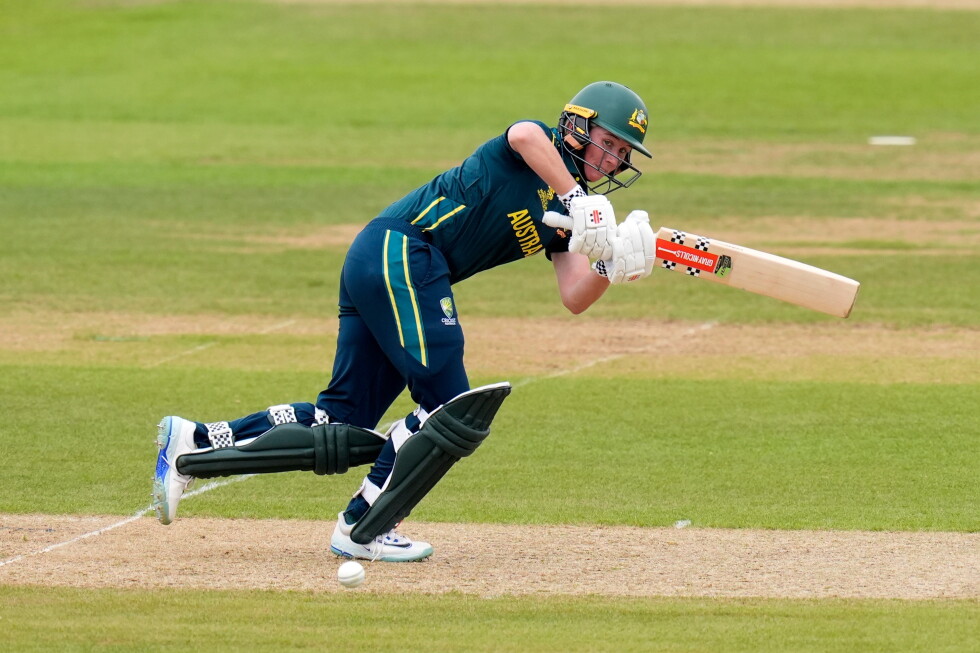
    SOUTHAMPTON, England — The Australian women’s national cricket team extended its perfect run at the Women’s Twenty20 World Cup on Saturday, securing a dominant third consecutive victory with a 98-run defeat of first-time qualifier the Netherlands at the Rose Bowl.

    In a historic batting performance, Australia crossed the 200-run mark for the first time in tournament history, posting an equal tournament-record total of 219 runs for the loss of six wickets. The Dutch side was only able to muster 121 runs for the loss of three wickets in response, never coming close to challenging the massive target set by the defending favorites.

    Australia’s run chase got off to a promising start, but delivered an early scare when star opening batter Beth Mooney was forced to retire hurt on 74 runs off 42 deliveries after complaining of a stiff back. Speaking to reporters after the innings, Mooney downplayed the injury, saying the withdrawal was purely a precautionary measure. The issue, she explained, likely stemmed from the extensive bus travel the team has undertaken throughout the tournament, to which she has not yet adjusted.

    Despite Mooney’s early exit, Australia’s batting line-up held firm to deliver a record-breaking total. Mooney shared a 50-run opening stand off just 28 balls with Georgia Voll, who scored 17, before building a 101-run partnership off 55 deliveries with all-rounder Ash Gardner, who returned to the side following a recent ankle sprain and finished with 58 runs. It was spinner Georgia Wareham who pushed Australia across the 200-run threshold, bludgeoning 41 runs off 18 deliveries, with 32 of those coming from boundaries.

    Mooney’s early departure created an unexpected gap behind the stumps, as the team’s usual backup wicketkeeper Phoebe Litchfield was already sidelined with a quad injury. The gloves were handed to opening batter Voll, who stepped up seamlessly to the role, pulling off a clean catch in just the second over of the Netherlands’ innings. Australian pace bowler Kim Garth capitalized on the early opportunity, taking two wickets for just 10 runs in her opening two overs to put the Dutch side on the back foot immediately.

    Making their first-ever appearance at the Women’s T20 World Cup, the Netherlands never looked likely to chase down the target of 220 runs. However, the side delivered a gritty middle-order performance, with captain Babette de Leede and batter Sterre Kalis putting together a 96-run partnership from the fourth over through to the 19th. Kalis, who was dropped twice while on 21 and 40, was eventually bowled for 44 runs. De Leede remained unbeaten on 56 runs off 57 deliveries to close out the innings alongside Robine Rijke, with the pair both playing their 100th Twenty20 international match in the historic fixture.

    Speaking after the match, de Leede framed the clash against the world-leading Australian side as a landmark moment for her team. “This is a massive moment for us,” she said. “Australia are a quality team, so to learn from them, see how they go about their innings, it’s just incredible.”

    The match was the first of four fixtures scheduled for Saturday at the tournament, with subsequent group stage matches between Pakistan and Bangladesh, and hosts England against Scotland kicking off later in the day.