
The Xizang Autonomous Region has witnessed a remarkable transformation in public scientific literacy over the past six decades, evolving from a largely uninformed population to a society where science drives social stability and high-quality development. This progress was highlighted by Zhang Hongwei, vice-chairman of the regional association for science and technology, during a recent press conference. He emphasized that the region’s efforts to promote science began shortly after Xizang’s peaceful liberation, with the establishment of basic science boards in towns. Today, the proportion of scientifically literate residents has surged from a mere 0.1% in 2010 to 7.6% in 2023, marking a 75-fold increase. This growth is particularly pronounced among young adults aged 18 to 39, as well as farmers and herders. Xizang now boasts a regional natural science museum, 14 mobile science museum exhibits, and over 300 school-based science museums, ensuring county-level coverage. Additionally, 86 science caravans traverse the region, supported by bilingual science materials and multimedia programs. The region has also extended science outreach to monks, nuns, and grassroots officials, achieving full social group coverage. Digital platforms have further bridged geographical barriers, enabling remote communities to explore advanced fields like astronomy and artificial intelligence. Science education in schools has become a cornerstone of curiosity and discovery, with students like Tsering Yudron expressing newfound fascination with scientific principles. This comprehensive approach underscores Xizang’s commitment to fostering a scientifically literate society.
分类: society
-
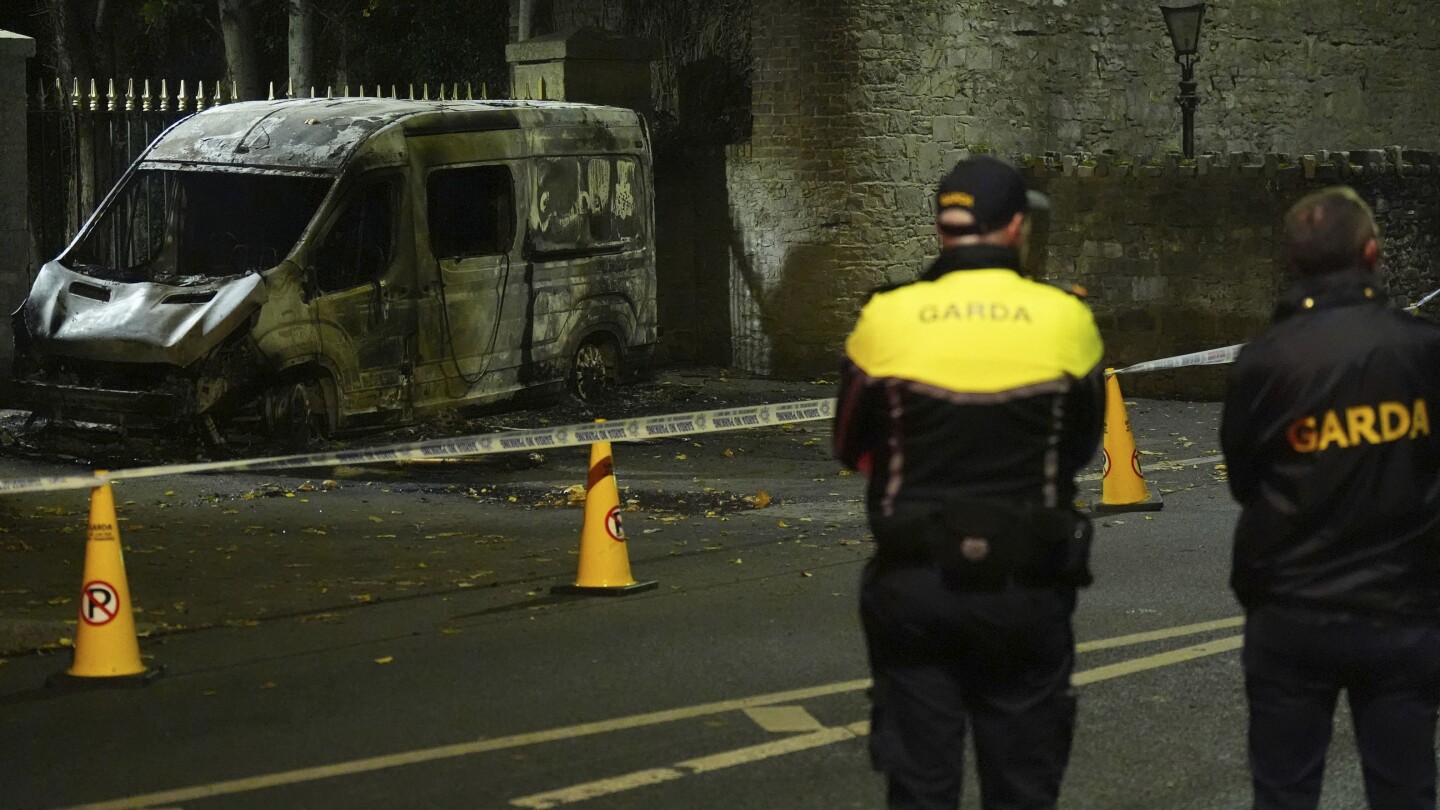
6 arrested after protesters clash with police outside Dublin hotel housing asylum seekers
In a disturbing turn of events, six individuals were apprehended following a violent confrontation outside the CityWest Hotel in Saggart, near Dublin. The incident, which unfolded on Tuesday evening, saw a crowd hurl bricks, bottles, and fireworks at law enforcement officers, culminating in the burning of a police van. The Garda Siochana, Ireland’s national police force, reported that one officer sustained a foot injury during the melee. The unrest was reportedly incited by allegations of a sexual assault in the vicinity, prompting hundreds of demonstrators, many brandishing Irish tricolor flags, to gather outside the hotel. Attempts to breach the police line using horse-drawn carts were met with pepper spray as officers sought to disperse the crowd. Police Commissioner Justin Kelly denounced the actions as “thuggery” by a “mob intent on violence,” while Prime Minister Micheál Martin emphasized that there was “no justification” for the disorder. This incident is part of a broader pattern of protests targeting hotels housing asylum-seekers in Ireland, Northern Ireland, and Britain, often fueled by anti-immigration sentiments and far-right rhetoric. In a related development, Justice Minister Jim O’Callaghan confirmed that a man had been arrested and appeared in court over the alleged sexual assault in Saggart. He lamented the exploitation of crime to sow societal discord, reiterating that while peaceful protest is a democratic right, violence is inexcusable.
-
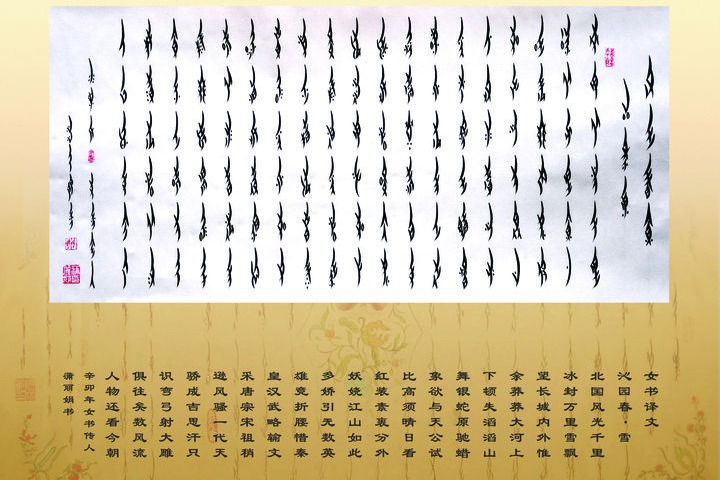
Professor’s work preserves script created by women
In a remarkable journey spanning over four decades, Professor Zhao Liming of Tsinghua University has dedicated her life to the preservation and study of Nvshu, the world’s only script exclusively created and used by women. Now 78 and retired, Zhao remains as passionate as ever about this unique writing system, which originated in Jiangyong county, Hunan province, during a time when formal education was largely inaccessible to women. Nvshu, characterized by its delicate, slanted strokes of dots and arcs, served as a private medium for women to express their emotions, document their lives, and support one another in a patriarchal society. Zhao first encountered Nvshu in the 1980s while teaching at Tsinghua’s Department of Chinese Language and Literature. Her fascination with the script led her to conduct extensive field research in Jiangyong, often traveling on hard-seat trains and trekking through remote mountainous areas to gather information before the script vanished entirely. Zhao’s work revealed that Nvshu was not related to ethnic scripts like Miao or Yao but was a local variant derived from Mandarin, confined to a small geographical area she termed a ‘script island.’ The urgency of her mission was underscored by the passing of Yi Nianhua, an elder Nvshu inheritor, before Zhao could deliver asthma medication to her. This loss deepened Zhao’s resolve to preserve the script, which was traditionally buried or cremated with its practitioners, leaving little behind for future generations. With support from Tsinghua University and fellow researchers, Zhao published a comprehensive book on Nvshu in 1992 and later developed a digital Nvshu character set, successfully lobbying for its inclusion in the International Unicode Standard in 2015. According to Zhao, Nvshu represents a unique form of ‘Eastern feminism,’ offering women a private outlet for self-expression and emotional support without directly confronting the patriarchal system. Though the era of natural Nvshu transmission ended with the death of its last traditional inheritor in 2004, Zhao believes the script’s legacy endures as a symbol of female resilience and cultural identity. Today, Nvshu has gained global attention and inspired new generations, evolving from a hidden women’s script into a celebrated cultural artifact. ‘Nvshu was like a meteor — it shone brightly and fulfilled its mission,’ Zhao said. ‘Now, women have access to education and can travel freely. Nvshu’s initial purpose may be complete, but its spirit lives on.’ Even in retirement, Zhao continues to study and promote Nvshu, driven by a belief in its beauty and historical significance.
-
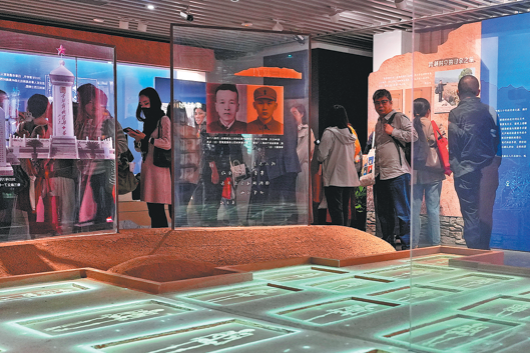
Shanghai exhibition tells vivid stories of war heroes
A groundbreaking exhibition honoring war heroes has opened at the Memorial Hall of the First National Congress of the Communist Party of China in Shanghai. Marking the 80th anniversary of the victory in the Chinese People’s War of Resistance Against Japanese Aggression and the World Anti-Fascist War, the exhibition features 362 artifacts unearthed from three provinces—Shanxi, Hebei, and Anhui. These relics, combined with advanced technological archaeology, vividly narrate the life trajectories of war heroes, shedding light on their sacrifices and the enduring spirit of resistance. The exhibition employs holographic imaging, 3D printing, and DNA analysis to bring these stories to life, offering visitors a tangible connection to history. Among the highlights is the story of martyr Cui Haizhi, whose remains were identified after decades of anonymity, reuniting him with his family. The exhibition also showcases artifacts from battles in Suning and Quanjiao, including a poignant round mirror clutched by a fallen soldier. Running until December, the exhibition serves as a powerful tribute to the undying spirit of those who fought for freedom and justice.
-

Dublin violence orchestrated online, Irish police say
Irish authorities have pledged to pursue those responsible for the violent clashes that erupted during a protest outside a Dublin hotel housing asylum seekers. The incident, which occurred on Tuesday evening at the Citywest Hotel in Saggart, saw Gardaí (Irish police) attacked with bricks, fireworks, and glass bottles. A female officer sustained a foot injury, while a police helicopter was targeted with lasers and a police vehicle was set ablaze. Garda Ch Supt Michael McNulty, the scene commander, described the violence as orchestrated by “disparate groups on social media, who stir up hatred and violence.” He emphasized that the protest was far from peaceful, labeling the actions as “thuggery” and an attempt to intimidate and injure. Approximately 300 officers, including half from the public order unit, were deployed to manage the situation. While a water cannon was on standby, it was not used. Officers on horseback and a dog unit were also present. Irish broadcaster RTÉ reported that around 2,000 people attended the protest, with some attempting to breach the police cordon using horse-drawn carts. Taoiseach Micheál Martin condemned the attacks, stating there was no justification for such violence. Acting Deputy Commissioner Paul Cleary reiterated that the violence was “unacceptable” and vowed to identify and prosecute those responsible, regardless of attempts to conceal their identities. The area remains cordoned off, with debris scattered and a burnt-out police van visible. Garda Commissioner Justin Kelly condemned the actions as “thuggery,” while RTÉ’s crime correspondent Paul Reynolds noted that the violence appeared pre-planned but was more contained than previous incidents. Detectives are already gathering high-quality CCTV and bodycam footage to identify further perpetrators.
-
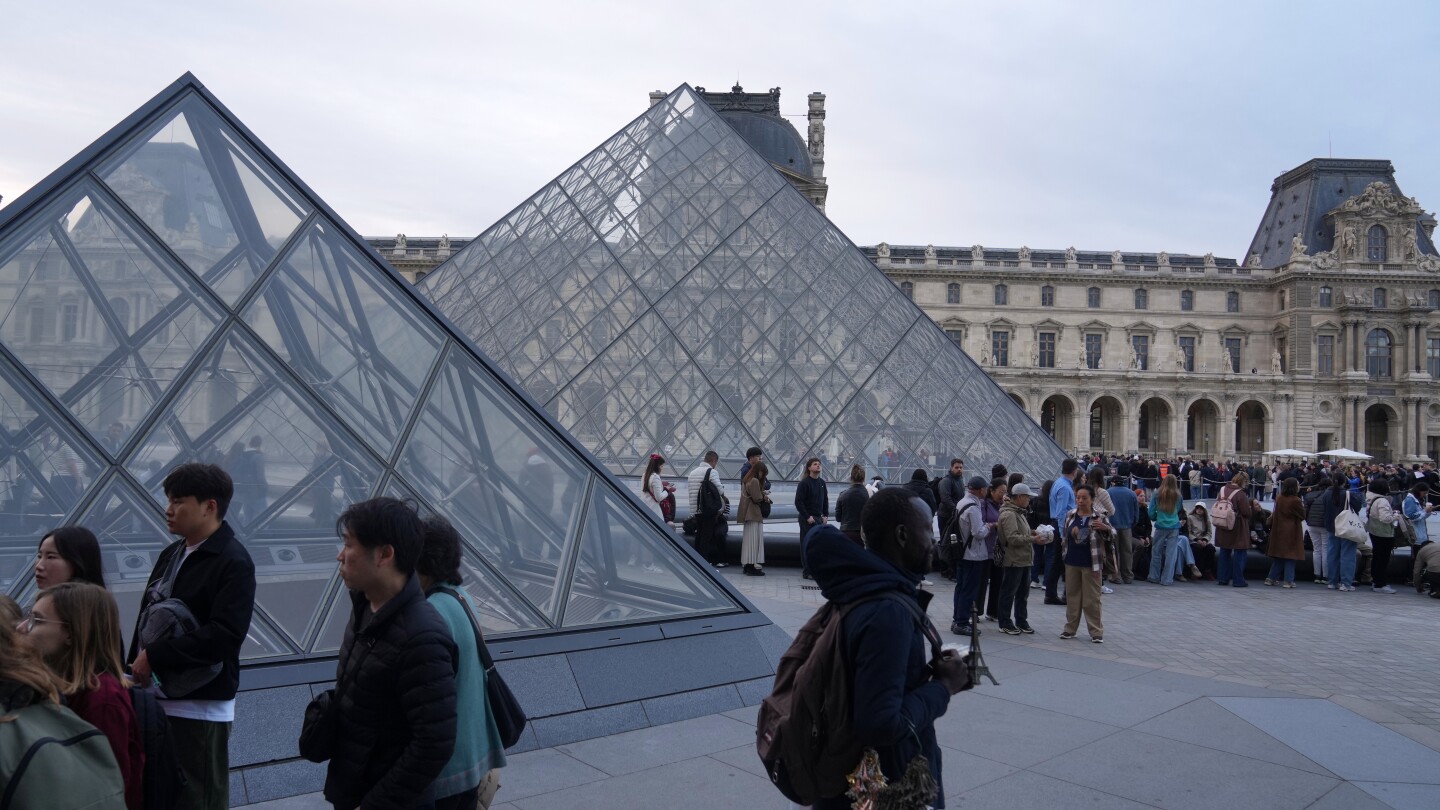
The Louvre reopens 3 days after thieves took French crown jewels in daylight heist
The Louvre Museum in Paris resumed operations on Wednesday, three days after a brazen daylight heist saw thieves break into the iconic institution and make off with priceless French crown jewels. The Apollo Room, where the theft occurred, remains cordoned off as investigators continue their work. Hundreds of visitors queued outside the museum’s glass pyramid entrance, eager to explore the reopened galleries. The Louvre, typically closed on Tuesdays, had remained shut since the Sunday incident to facilitate the investigation. Authorities have yet to make any arrests, and the stolen jewels, valued at approximately 88 million euros ($102 million) excluding their immense historical significance, remain missing. Paris prosecutors revealed the staggering worth of the stolen artifacts on Tuesday, emphasizing their cultural importance to France. A task force of around 100 investigators is actively pursuing leads to apprehend the suspects and recover the treasures from the world’s most-visited museum.
-
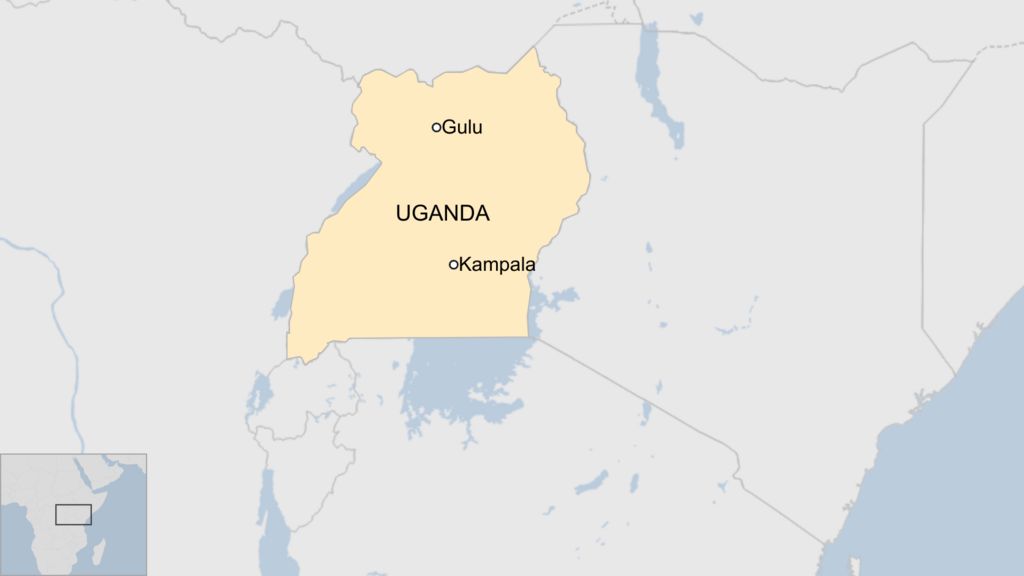
More than 60 dead after multi-vehicle crash in Uganda
A devastating collision involving multiple vehicles on Uganda’s Kampala-Gulu Highway has resulted in the deaths of 63 individuals, as confirmed by the Uganda Police Force on Wednesday. The incident occurred at approximately 00:15 local time (21:15 GMT) when two buses, traveling in opposite directions, collided head-on while attempting to overtake a lorry and a car. The collision triggered a chain reaction, causing several other vehicles to lose control and overturn. In addition to the fatalities, numerous passengers sustained injuries and were transported to various hospitals in Kiryandongo. Regional Police spokesperson Julius Hakiiza attributed the crash to reckless overtaking, emphasizing that such behavior remains a significant cause of accidents in the country. Authorities have launched an investigation into the incident and are urging motorists to exercise caution and avoid dangerous driving practices. The Kampala-Gulu Highway, a major thoroughfare connecting Uganda’s capital to the northern city of Gulu, is known for its heavy traffic and frequent accidents.
-
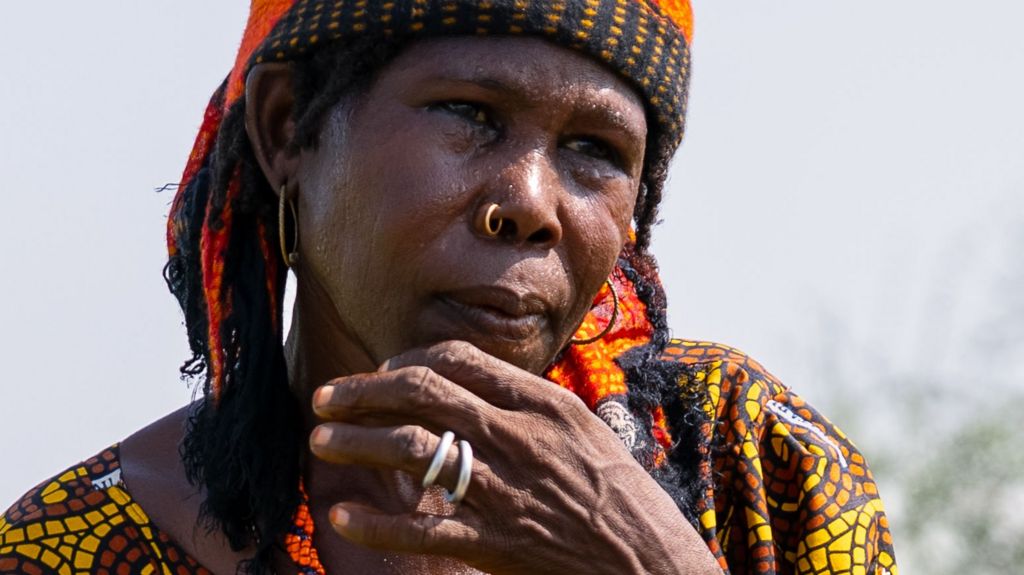
‘We fear for our souls’ – farmers on the frontline against Boko Haram
In the conflict-ridden region of north-eastern Nigeria, farmers like Aisha Isa face daily threats from jihadist groups such as Boko Haram and the Islamic State West Africa Province (Iswap). Despite the dangers, these farmers continue to cultivate their crops, relying on the protection of Agro Rangers, a government-established security unit. Escorted by armed guards and transported by bus from the state capital, Maiduguri, farmers like Isa risk their lives to feed their families. The military has designated safe farming zones, marked by trenches, but venturing beyond these borders remains perilous. Kidnappings and killings are rampant, with many farmers recounting harrowing experiences of captivity and loss. The Borno state governor is pushing for the reintegration of displaced farmers into their lands to stabilize food production, but aid agencies warn that this policy may be premature. The Agro Rangers scheme, while providing some security, is underfunded and insufficient to cover the vast farming areas. The Nigerian government plans to expand the program, but the escalating violence and civilian fatalities underscore the urgent need for a more comprehensive solution. For farmers like Adam Goni, the constant threat of violence has become an unbearable reality, with many calling for stronger military intervention to end the insurgency.
-

Young people trace roots by sharing stories
Young people from Taiwan gathered in Beijing to commemorate the 80th anniversary of Taiwan’s restoration to China, emphasizing the importance of understanding history and fostering a strong sense of national identity. The event, held at the Taiwan Guild Hall, was organized by the All-China Federation of Taiwan Compatriots, China Daily’s national news channel, the Beijing Taiwan Compatriots Association, and the association for relatives of patriots who resisted Japanese occupation. Four youth representatives shared personal stories and reflections on Taiwan’s historical ties to the mainland. Lo Chih-ying, 23, from Changhua county, traced her family roots back to Fujian province, highlighting the enduring connection between Taiwan and the mainland. Lu Ying-chu, 21, from Taipei, recounted the Treaty of Shimonoseki in 1895, which ceded Taiwan to Japan, and her great-grandfather’s resilience during the occupation. Lin Ching-mao, 26, from Changhua, honored the resistance against Japanese rule, while Lin Kuan-ting, from Taipei, stressed the belief that a strong motherland will resolve the Taiwan question. The event also featured the documentary ‘Stories across the Strait,’ which deepened participants’ understanding of Taiwan’s history. Li Zhenguang, dean of the Institute of Taiwan Studies at Beijing Union University, underscored the significance of remembering this history for the future of the Chinese nation.
-
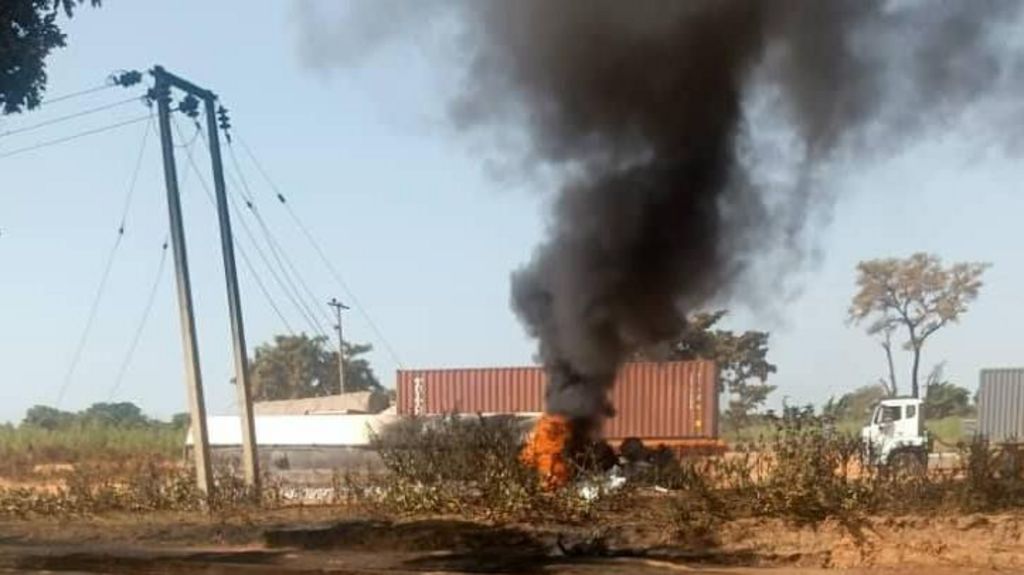
Dozens killed in Nigeria fuel tanker explosion
A devastating oil tanker explosion in Nigeria’s Niger state has claimed dozens of lives, underscoring a recurring and preventable tragedy in the region. The incident occurred when a tanker carrying petroleum products skidded off the poorly maintained Bida-Agaie road, spilling fuel. Villagers, ignoring repeated warnings, rushed to collect the spilled fuel, only to be engulfed in a massive explosion that killed approximately 30 people and injured at least 40 others. The intense blaze left many victims unrecognizable, with the injured rushed to nearby hospitals for treatment. Authorities, including the Federal Road Safety Corps and the National Emergency Management Agency (NEMA), provided conflicting casualty figures, highlighting the chaos surrounding the incident. Niger State Governor Mohammed Umaru Bago expressed his condolences, lamenting the persistent disregard for safety despite ongoing awareness campaigns. This tragedy is the latest in a series of similar incidents in Nigeria, where poor road conditions and the dangerous practice of scooping spilled fuel continue to claim lives. Last year, a fuel tanker explosion in Jigawa state killed 153 people, while another in Niger state earlier this year resulted in 86 deaths. These incidents underscore the urgent need for improved infrastructure and public safety measures to prevent future catastrophes.