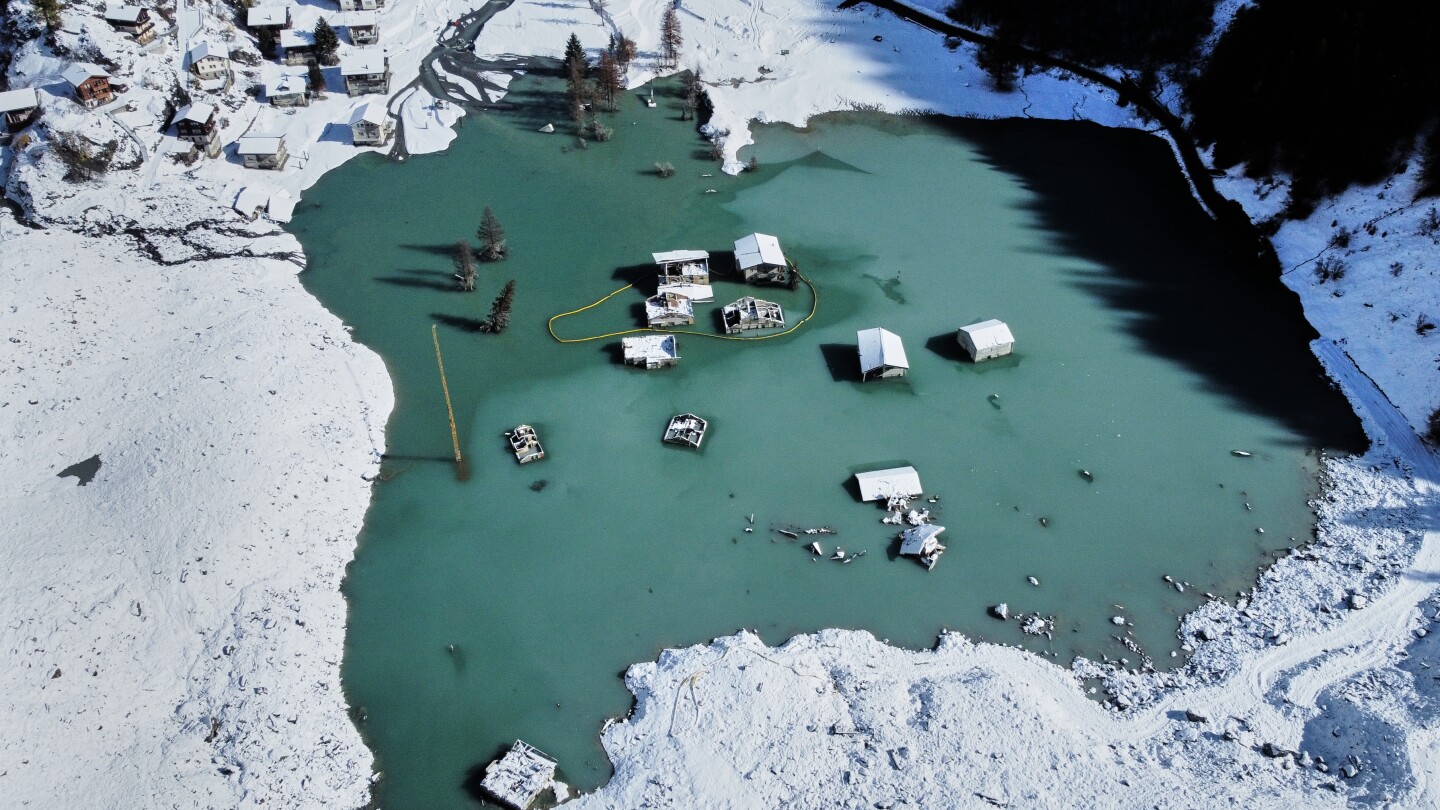
In May 2025, the serene village of Blatten in Switzerland’s Lötschental valley was struck by a catastrophic landslide. Over nine million cubic meters of ice, stone, and earth cascaded from the Kleines Nesthorn peak, obliterating more than 90% of the village’s structures and claiming the life of a 64-year-old man. The disaster left a scar nearly 2.5 kilometers wide and 100 meters high in some areas, plunging the community into chaos. Despite the devastation, the villagers, led by hotelier Lukas Kalbermatten, chose resilience over despair. Kalbermatten, whose family-owned Hotel Edelweiss was partially submerged in a murky pond, quickly shifted focus to rebuilding. Alongside other displaced families, he established a temporary hotel in the neighboring village of Wiler, ensuring the valley’s tourism industry could continue. The landslide’s aftermath revealed not only the physical destruction but also the emotional toll on residents. While some were overwhelmed by grief, others, like Kalbermatten, adopted a pragmatic approach, channeling their energy into recovery efforts. In the months following the disaster, work crews restored essential services, cleared debris, and began the arduous task of stabilizing the unstable terrain. The recent snowfall has temporarily solidified the remaining rock and ice, reducing immediate risks but complicating excavation efforts. Manfred Ebener, the construction coordinator, warned that the spring thaw could pose new challenges. Despite these hurdles, the community remains determined to rebuild, with plans to complete a new village by 2030. The disaster has also sparked conversations about climate change, as Swiss glaciologists link the increasing frequency of such events to global warming. While the villagers grapple with their new reality, their collective resolve offers a beacon of hope in the face of adversity.
分类: society
-

Five new suspects arrested over Louvre jewellery theft
In a significant development in the investigation of the Louvre heist, Paris’ public prosecutor has announced the arrest of five additional suspects. The arrests took place on Wednesday night in the Paris region, as confirmed by Laure Beccuau’s office. Among those detained is a main suspect, according to AFP reports. This follows the partial confession of two men earlier in the week regarding their involvement in the audacious theft. The heist, which occurred on 19 October, saw four thieves break into the world’s most-visited museum in broad daylight, making off with items valued at €88m (£76m; $102m). As of Thursday, the stolen jewels remain unrecovered, Beccuau disclosed in an interview with French radio station RTL. She also noted that DNA evidence from one of the arrested individuals could be linked to the crime scene. French investigators are currently withholding further details, but the new suspects can be held for up to four days before being formally charged or released. Authorities suspect that the gang involved in the heist may be larger than the four individuals captured on CCTV. This breaking news story is continuously updated, and more details will be published shortly. For the latest updates, refresh the page or follow @BBCBreaking on X.
-

5 more arrests made in Louvre jewel heist
In a significant development in the investigation of the Louvre Museum’s crown jewels theft, five additional individuals have been apprehended, though the stolen treasures remain elusive. Paris Prosecutor Laure Beccuau disclosed the arrests during a radio interview with RTL on Thursday. The suspects were detained late Wednesday in coordinated operations across Paris and its outskirts, including the Seine-Saint-Denis region. While their identities remain undisclosed, one is believed to have been part of the four-member team responsible for the audacious daylight robbery on October 19. Two other team members, arrested earlier, have been preliminarily charged with criminal conspiracy and theft by an organized gang, with both partially confessing to their roles. Despite extensive searches, the jewels, valued at €88 million ($102 million), have not been recovered. The thieves executed the heist in under eight minutes, using power tools to breach display cases and escape with eight pieces of the French crown jewels. Among the arrested is a 34-year-old Algerian national, detained at Charles de Gaulle Airport while attempting to flee to Algeria. His DNA was found on a scooter used in the getaway. Another suspect, a 39-year-old man, was arrested in Aubervilliers, with his DNA linked to the crime scene. Surveillance footage confirmed the involvement of at least four individuals, who used a truck and scooters to carry out the theft. Prosecutor Beccuau emphasized the unsellable nature of the stolen jewels and urged their return, while French authorities face scrutiny over the Louvre’s security vulnerabilities.
-

Cruise passenger, 80, found dead after being abandoned on Great Barrier Reef island
In a tragic incident, an 80-year-old cruise passenger, Suzanne Rees, was found dead on Lizard Island, part of Australia’s Great Barrier Reef, a day after being accidentally abandoned by the crew of the Coral Adventurer. The Sydney resident had disembarked on Saturday for a planned hike to a mountain lookout with fellow passengers. However, the ship departed approximately five hours before reporting her missing later that evening. Her daughter, Katherine Rees, has accused Coral Expeditions of a ‘failure of care and common sense,’ alleging that her mother was left unescorted after feeling ill during the hike. The crew reportedly failed to conduct a passenger count before leaving the island. Suzanne Rees’ body was discovered the following day about 50 meters off the hiking trail, with evidence suggesting she had fallen from a cliff or slope. Katherine Rees has called for a coroner’s inquiry to determine whether the cruise company could have prevented her mother’s death. Coral Expeditions’ CEO, Mark Fifield, expressed condolences and assured full cooperation with ongoing investigations. The Australian Maritime Safety Authority and a workplace safety watchdog are also probing the incident. This tragedy has reignited concerns about safety standards in Australia’s Great Barrier Reef tourism industry, reminiscent of the 1998 case where an American couple was abandoned at sea and never found.
-
A French trial examines Holocaust Memorial graffiti believed linked to Russia
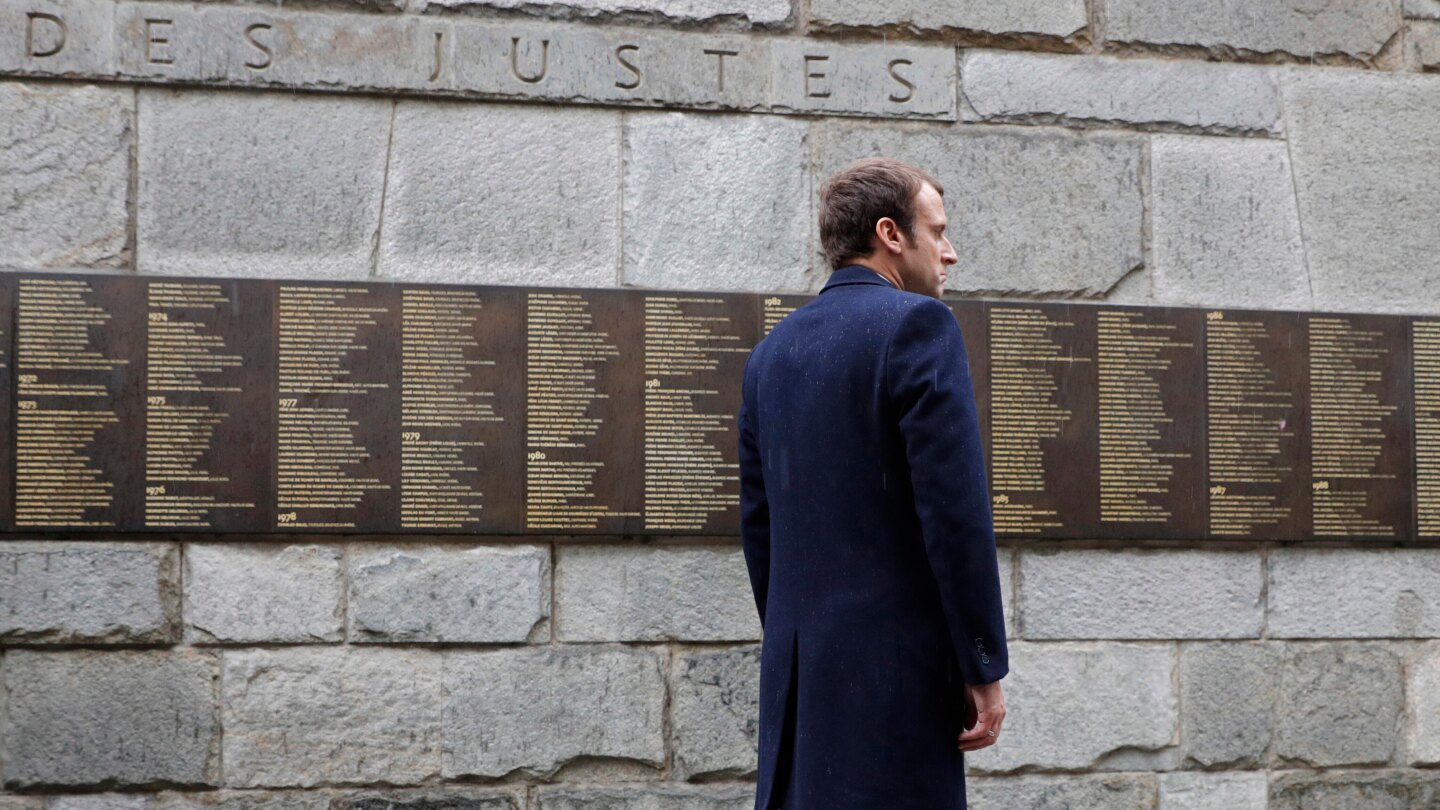
Three Bulgarian men are currently facing trial in Paris for their alleged involvement in spray-painting blood-red hands on the city’s Holocaust Memorial. This act of vandalism, which occurred last year, has been linked by French intelligence services to a broader Russian campaign aimed at destabilizing France and other Western societies. Approximately 500 red hands were painted on a wall commemorating those who aided Jews during World War II, as well as in nearby neighborhoods. Initially, the graffiti was interpreted in the context of the Gaza conflict, which has heightened antisemitic tensions across Europe. However, court documents reveal that French intelligence believes this act was part of a long-term Russian strategy to sow division, inflame social tensions, and disseminate misinformation through paid proxies. European governments have increasingly accused Russia of orchestrating sabotage campaigns, including vandalism, arson, and bombing attempts. Four Bulgarians were charged in this case, but only three are in custody and present for the trial. The alleged ringleader, Mircho Angelov, remains at large. Georgi Filipov, the first to testify, admitted to painting the red hands in exchange for 1,000 euros to support his 9-year-old son. He claimed he was unaware of the antisemitic implications until after returning to Bulgaria. Kiril Milushev, another defendant, testified that he filmed the graffiti for 500 euros and expressed regret for his involvement. Nikolay Ivanov, the third defendant, denied any pro-Russian connections and stated he merely assisted a friend by purchasing travel tickets and hotel accommodations. The defendants face charges of criminal conspiracy and aggravated degradation of property based on race, ethnicity, or religion, with potential prison sentences if convicted. Plaintiffs in the case include the Paris Holocaust Memorial and the League against Racism and Antisemitism. This trial marks the first of several unusual incidents in France over the past two years, including the appearance of blue Stars of David on Paris buildings, coffins at the Eiffel Tower, and severed pigs’ heads near mosques, all of which are under investigation for potential Russian involvement.
-
Cruise ship ‘failed’ woman who was left on island and died, family says
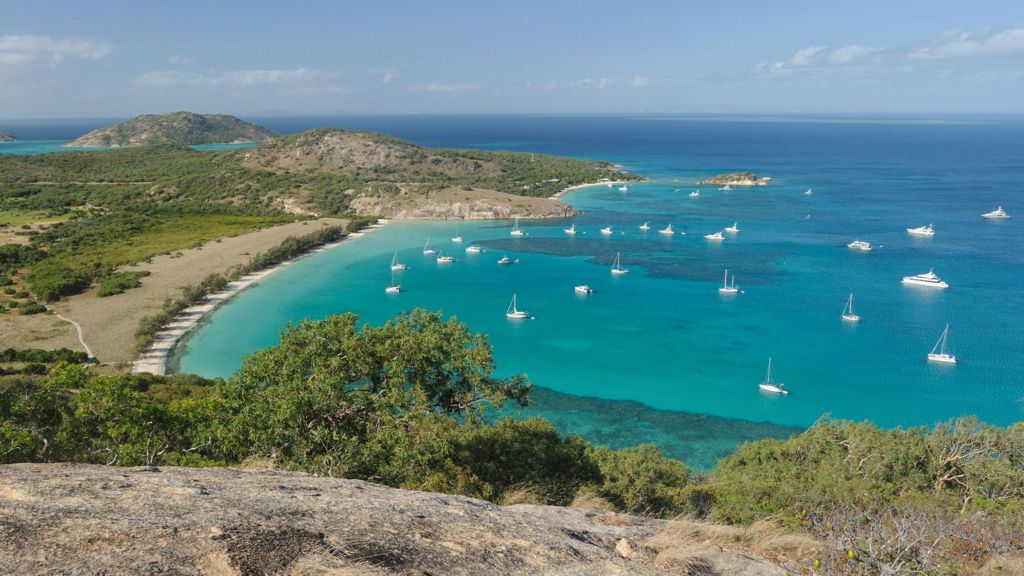
The daughter of an 80-year-old woman who was left behind by a cruise ship on a remote island and later died has accused the operator of a ‘failure of care and common sense.’ Suzanne Rees, a healthy and active woman from New South Wales, was found dead on Lizard Island, part of the Great Barrier Reef, on Sunday. She had been hiking with fellow passengers the previous day but was not on the ship when it departed hours later. Her daughter, Katherine Rees, expressed her shock and sadness, stating that the Coral Adventurer left ‘without my mum.’ She criticized the cruise operator for not ensuring her mother’s safety, especially given the extreme heat and her mother’s need to rest during the hike. Suzanne had been on the first stop of a 60-day cruise around Australia, which had departed from Cairns earlier in the week. Passengers, who pay tens of thousands of dollars for the cruise, were taken to Lizard Island for a day trip with options for hiking or snorkeling. Suzanne had joined a group hike to the island’s highest peak, Cook’s Look, but separated from the group to rest. Katherine Rees revealed that her mother fell ill during the hike and was instructed to return unescorted. The ship allegedly departed without conducting a passenger count, leaving Suzanne alone on the island. Katherine hopes a coronial inquiry will determine what actions the company could have taken to save her mother’s life. The Australian Maritime Safety Authority (AMSA) is investigating the incident and will meet with the ship’s crew when it docks in Darwin later this week. AMSA was first alerted to Suzanne’s disappearance by the ship’s captain at around 21:00 local time on Saturday. A search party was dispatched but failed to locate her until her body was discovered by a helicopter on Sunday morning. Mark Fifield, CEO of Coral Expeditions, expressed deep sorrow for the tragedy and assured that the company is cooperating with authorities. The Coral Adventurer, designed to access remote areas of Australia’s coast, accommodates up to 120 guests and 46 crew members. Harriet Mallinson, a cruise editor, noted that such incidents are rare, as cruise ships typically have robust systems to track passenger movements. She described the event as a ‘shocking and tragic one-off.’
-

Former NYC hate crimes head sues mayor Eric Adams for discrimination: Report
Hassan Naveed, the former executive director of New York City’s Office for the Prevention of Hate Crimes, has filed a lawsuit against Mayor Eric Adams and the city, alleging he faced discrimination based on his religion and ethnicity during his tenure. The lawsuit, filed at the State Supreme Court in Manhattan, claims Naveed endured a hostile work environment, particularly after the October 2023 Hamas-led attacks on Israel, when his Muslim identity came under scrutiny. Naveed alleges that two superiors questioned him about his views on the attacks, including the controversial claim of “beheaded babies.”
In October 2023, Naveed and other Muslim colleagues met with Adams to address concerns over his aides sharing anti-Muslim, anti-Arab, and anti-Palestinian content on social media. According to the lawsuit, Adams allegedly blamed Muslims for experiencing hate due to their perceived failure to condemn Hamas and compared pro-Palestine marches to “Ku Klux Klan protests.”
Adams, who has cultivated strong ties with Israel, terminated Naveed’s employment in April 2024. A spokesperson for the mayor stated that Naveed was dismissed for poor job performance and denied any discrimination. The lawsuit follows Adams’ recent controversial remarks endorsing Andrew Cuomo’s mayoral candidacy, where he warned against “Islamic extremism” and criticized his political opponent, Zohran Mamdani, as a “communist.”
Adams’ comments have drawn widespread criticism for being Islamophobic, with critics accusing him of perpetuating harmful stereotypes. The lawsuit and Adams’ statements have sparked a broader debate about religious and ethnic discrimination in New York City’s leadership.
-

Teenage cricketer dies in Melbourne after being hit by ball
A 17-year-old boy from Melbourne has tragically lost his life after being struck by a cricket ball during a practice session. The incident occurred on Tuesday in Ferntree Gully, where the teenager was training in cricket nets. Reports indicate that he was hit in the head or neck by a ball from an automatic bowling machine, despite reportedly wearing a helmet. Emergency services were called to the scene shortly before 17:00 local time (06:00 GMT), and the boy was rushed to Monash Children’s Hospital in critical condition. Despite being placed on life support, he succumbed to his injuries on Wednesday. The boy’s local cricket club expressed profound grief over the loss, describing it as a ‘tragic passing’ that would deeply affect the entire cricket community. Arnie Walters, president of the local cricket association, highlighted the boy’s talent and popularity, stating that the news would weigh heavily on the community. The club extended its condolences to the boy’s family and friends in a social media post, urging respect for their privacy during this difficult time. They also expressed gratitude to Ambulance Victoria, the police, and hospital staff for their efforts. The incident has drawn comparisons to the 2014 death of Australian cricketer Phillip Hughes, which led to significant improvements in safety equipment for the sport. The BBC has reached out to Cricket Australia and Cricket Victoria for further comment.
-
UAE: How ex-marines bring military grit to local fitness scene with bootcamp
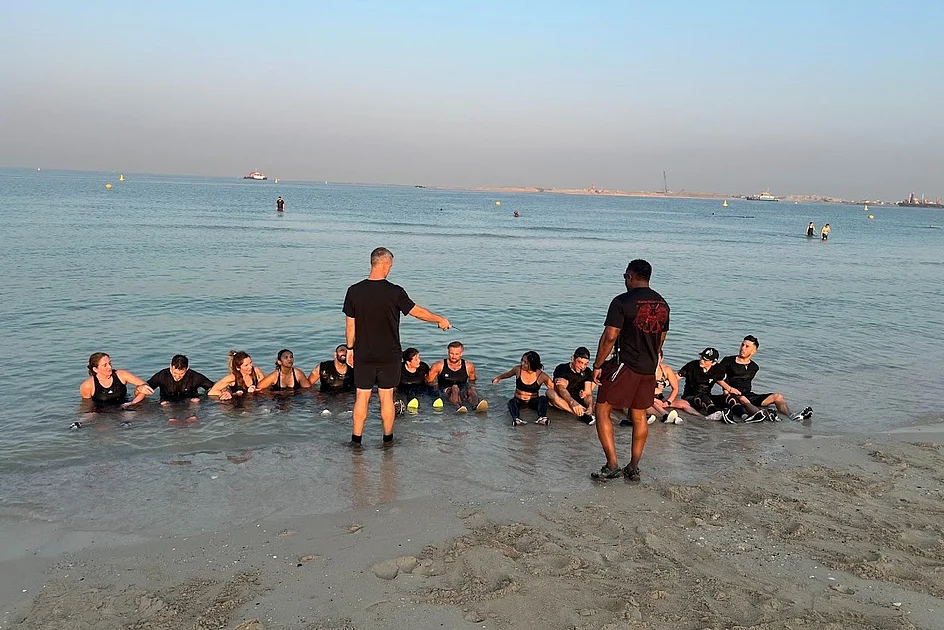
A groundbreaking fitness initiative in Dubai and Abu Dhabi is redefining the local exercise scene by introducing civilians to the rigors of military training. Spearheaded by four seasoned military veterans from the US and UK, the ZD30 programme blends authentic combat-inspired workouts with amphibious training, emphasizing mental resilience and real-life readiness. Founded by former US Marine Scott Blydenburgh, alongside retired US Marine Corps Scout Sniper Akim Jones and Royal Marines veterans Jordan Penman and Jordan Riley, ZD30 has quickly gained traction, attracting over 100 participants since its launch in mid-September. The programme’s unique structure includes four core training modules: amphibious exercises focusing on water-based resilience and breath control, military calisthenics for body-weight strength, operational strength drills involving carrying and lifting, and combat fit sessions simulating high-intensity scenarios. Patricia Jimenez, a co-founder, highlights the programme’s focus on practical skills and mental fortitude, stating, ‘We’re not building bigger muscles or better abs — we’re working on mental resilience.’ Participants like Brian Hogan, an IT project manager and athlete, praise the programme’s emphasis on discipline and teamwork, noting that punctuality and accountability are non-negotiable. The bootcamp’s amphibious sessions, inspired by US Marines’ water operations, are particularly challenging, designed to teach participants to remain calm and coordinated under pressure. Upcoming events include a special community workout on November 15 to commemorate the 250th anniversary of the US Marine Corps. Classes are held weekly in both cities, with monthly community events and specialised sessions available. Each class costs Dh80 and can be booked through the Meet and Train app. The programme’s founders aim to create a meaningful fitness community focused on real-life preparedness rather than vanity. ‘Real fitness means being ready for life,’ Patricia added, reflecting on her personal motivation to stay strong for her daughter. The ZD30 initiative is a testament to the UAE’s thriving fitness culture, offering a unique blend of military discipline and civilian fitness aspirations.
-

Guangzhou exempts kindergarten fees for select age groups
Guangzhou, the capital of Guangdong province, has announced a significant policy change in early childhood education. Starting from the fall semester of this year, childcare and education fees will be waived for children in the senior class of kindergartens, encompassing both public and private institutions across urban and rural areas. This initiative, unveiled by the city’s education bureau on Tuesday, marks a progressive step in the rollout of free preschool education. While the policy currently applies only to senior class students, fees for junior and middle classes will remain unchanged, adhering to existing regulations. For private kindergartens approved by the education department, fees will be adjusted to align with the exemption levels of public counterparts, though families may still be required to cover any additional costs beyond the standard exemption. Public full-time regular kindergartens in Guangzhou currently charge 823 yuan ($115.9) per student monthly, while demonstration kindergartens charge 995 yuan. Public boarding kindergartens, on the other hand, impose fees 30% higher than the full-time standard. This policy aims to alleviate financial burdens on families while promoting equitable access to quality early education.