分类: society

  • Ethiopian Orthodox Christians celebrate Epiphany to mark baptism of Jesus

    Ethiopian Orthodox Christians celebrate Epiphany to mark baptism of Jesus

    Across Ethiopia on Monday, millions of Orthodox Christians participated in vibrant Timkat celebrations, the Ethiopian Epiphany commemorating Jesus Christ’s baptism in the Jordan River. The festival, recognized by UNESCO as an Intangible Cultural Heritage of Humanity in 2019, represents one of the nation’s most significant religious observances alongside Easter and Christmas.

    In the lakeside town of Batu, Oromia Region, thousands of pilgrims immersed themselves in the blessed waters of Lake Dambal following ceremonial blessings by priests. This ritual reenactment of baptism symbolized spiritual purification and renewal for participants. Meanwhile, in the capital Addis Ababa, massive crowds gathered to witness the ceremonial procession of tabots—sacred replicas of the Ark of the Covenant—which were transported to public spaces for overnight prayers before returning to their home churches amid hymns and chanting.

    The celebrations extended to the historic Fasilides Fortress in Gondar, located within the conflict-affected Amhara region, demonstrating the festival’s enduring significance despite regional instability. Participants expressed profound spiritual fulfillment, with Addis Ababa resident Bereket Adugna noting, ‘We are celebrating the baptism of Jesus Christ, and our hearts are filled with joy.’

    Deacon Asnake Dechasa emphasized the festival’s communal aspect, stating, ‘For us Ethiopians, Epiphany is an opportunity to share what we have with those who need our help.’ This sentiment emerges against a backdrop of escalating tensions with neighboring Eritrea and worsening famine conditions, with humanitarian organizations reporting millions of Ethiopians requiring emergency food assistance amid declining international support.
  • China’s job market stable in 2025 with 5.2% surveyed urban unemployment rate

    China’s job market stable in 2025 with 5.2% surveyed urban unemployment rate

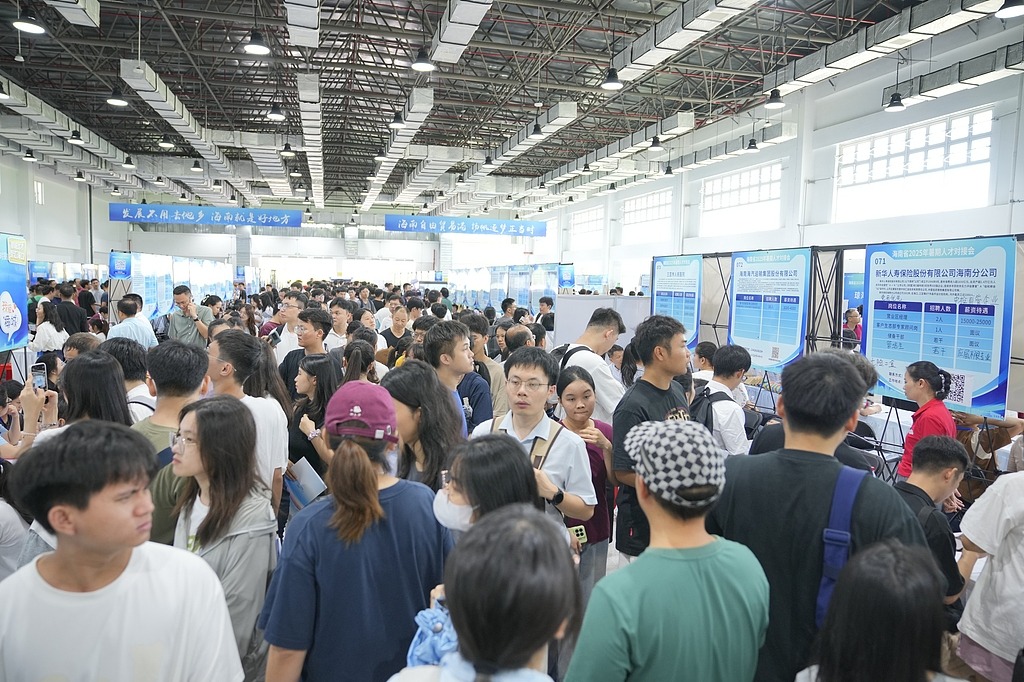
    China’s labor market demonstrated remarkable stability throughout 2025, achieving an annual average urban unemployment rate of 5.2% according to official data released by the National Bureau of Statistics (NBS) on January 19, 2026. The December figures showed further improvement at 5.1%, maintaining consistency across 31 major metropolitan centers including Beijing and Shanghai.

    The migrant workforce, a critical component of China’s economic engine, expanded to approximately 301.15 million workers—marking a modest increase of 1.42 million (0.5%) from 2024 levels. This growth occurred despite global economic headwinds and domestic demographic challenges.

    Labor market analysts attribute this stability to comprehensive government policies targeting employment security, particularly through support for small and medium enterprises and vocational training initiatives. The consistent performance across major urban centers suggests balanced regional development in employment opportunities.

    The NBS report indicates successful navigation of economic transitions while maintaining social stability through employment preservation. The data reflects China’s strategic focus on job creation as a cornerstone of its economic planning, with particular attention to urban employment metrics as key indicators of social and economic health.

  • Dubai tests pooled SUV school transport: What you need to know

    Dubai tests pooled SUV school transport: What you need to know

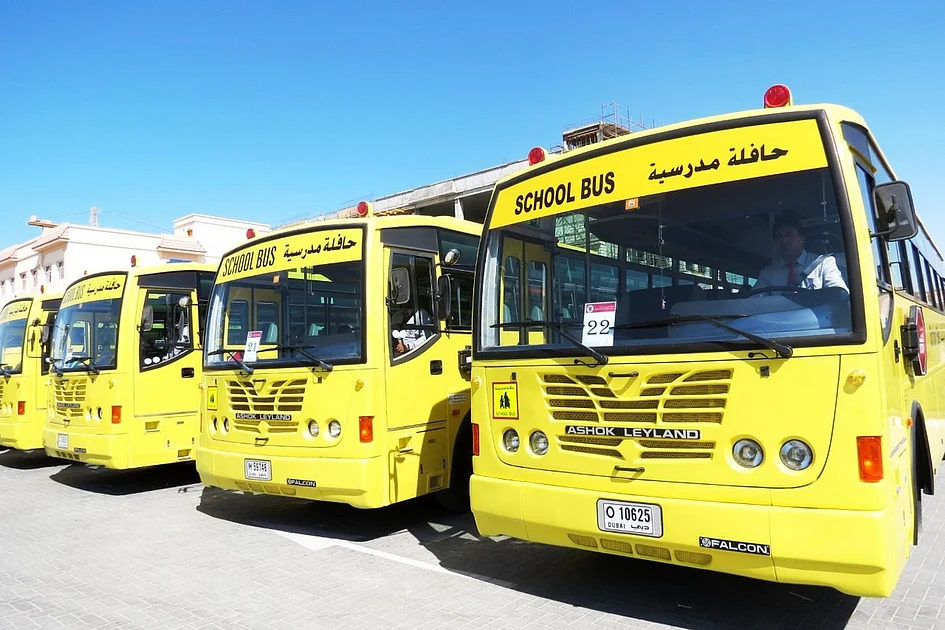
    Dubai has embarked on a groundbreaking pilot program that could fundamentally reshape the city’s morning commute. The Roads and Transport Authority (RTA), in collaboration with Yango Group and Urban Express, has launched an innovative school transport pooling system utilizing shared SUV vehicles for students traveling to and from nearby educational institutions.

    The initiative specifically targets high-congestion school clusters, beginning with Al Barsha and surrounding neighborhoods where parking limitations and peak-hour traffic create significant challenges. The program represents a strategic response to extensive RTA research identifying key issues including excessive private vehicle usage, prolonged student travel durations, and morning traffic bottlenecks.

    Participating schools in this initial phase include prominent institutions such as Al Mawakeb School Al Barsha, American School of Dubai, Bloom World Academy, Brighton College Dubai, Dubai Heights Academy, Dubai International Academy, and multiple GEMS Education schools, among others in the area.

    The operational model employs demand-based routing rather than fixed lines for individual schools. After registration, students from similar neighborhoods share SUV vehicles with routes and schedules meticulously planned in advance to align with school timings. Vehicles are assigned to designated parking zones serving several neighboring schools, minimizing unnecessary detours and maintaining journey times within a 60-minute threshold.

    Parents of students at participating schools can register interest through Yango’s online portal or the Urban Express platform. Registrations are processed continuously, with routes activated based on demand feasibility and school coordination. The rollout employs a phased approach to ensure service quality, clear family communication, and smooth school coordination.

    During the pilot phase, the service operates on a monthly subscription model with introductory rates ranging between Dh800 and Dh1,000, payable exclusively online. The current structure prioritizes predictable attendance to maintain pooling efficiency, though term-based plans may be considered as the service evolves.

    This initiative supports the RTA’s broader objective to increase shared or school transportation usage among students to 60% within the next three years. Notably, officials emphasize that the system complements rather than replaces existing bus transport infrastructure.

    Expansion into additional communities will occur in phases, contingent on demand patterns, route feasibility, and regulatory approvals. Parents whose schools or residential areas aren’t yet covered can still register interest for future expansion planning.

  • Thirteen schoolchildren killed after bus collides with lorry in South Africa

    Thirteen schoolchildren killed after bus collides with lorry in South Africa

    A devastating road accident in South Africa’s Gauteng province has resulted in the deaths of thirteen schoolchildren after their minibus collided with a heavy goods vehicle. The tragic incident occurred on Monday morning at approximately 07:00 local time near Vanderbijlpark, located south of Johannesburg.

    According to police spokesperson Mavela Masondo, preliminary investigations indicate the minibus driver attempted to overtake two vehicles before crashing into the oncoming lorry. The impact proved immediately fatal, with eleven students pronounced dead at the scene. Two additional children later succumbed to their injuries in medical facilities, while two remain in critical condition fighting for their lives.

    Law enforcement authorities have confirmed the initiation of a culpable homicide case as part of the ongoing investigation. The minibus driver is reportedly receiving hospital treatment, though the condition and whereabouts of the lorry driver remain uncertain according to official statements.

    This tragedy highlights South Africa’s persistent road safety crisis, where factors including excessive speeding, dangerous driving behaviors, and inadequate vehicle maintenance contribute to alarmingly high accident rates. Recent statistics reveal that despite a 6% reduction in road fatalities from the previous year, 11,418 individuals lost their lives in traffic incidents throughout 2025 – averaging 31 daily deaths.

    President Cyril Ramaphosa expressed profound distress regarding the incident, emphasizing that “our children are the nation’s most precious assets.” The president called for comprehensive safety measures encompassing both road regulation compliance and improved standards for scholar transport services.

  • Aussie renters need to find extra $1560 per year as prices hit new high, ‘supply and demand’ imbalance blamed

    Aussie renters need to find extra $1560 per year as prices hit new high, ‘supply and demand’ imbalance blamed

    Australia’s housing sector is confronting a severe rental affordability crisis, with median weekly rents reaching an unprecedented high of $650 nationally. This represents a 1.6% increase in the final quarter of 2025, compelling the average renter to allocate an additional $1,560 annually—a financial burden that shows no signs of abating.

    According to REA Group senior economist Anne Flaherty, the fundamental driver behind this trend is a critical supply-demand imbalance exacerbated by robust population growth, predominantly fueled by overseas migration. “New arrivals to Australia typically enter the rental market first, intensifying demand without corresponding increases in housing supply,” Flaherty explained.

    The situation varies significantly across capital cities. Sydney maintains its position as the most expensive rental market, with combined houses and units averaging $760 per week. Hobart experienced the most dramatic surge, with rents climbing 4.2% in the quarter and 9.1% annually to reach $573 weekly. Perth and Darwin followed with annual increases of 7.7% and 8.3% respectively, though both markets showed signs of cooling in the final quarter.

    Canberra emerged as a rare exception, with modest 1.6% annual growth—the slowest among capitals—due to better alignment between housing supply and population demands. Melbourne presented a mixed picture: while house rents declined by 0.9% annually, unit prices rose 4.5%, maintaining a combined median of $575 weekly.

    Flaherty warned that current affordability pressures will likely persist for years, with rental increases continuing to outpace wage growth. “Housing is a fundamental need, so renters are forced to make difficult compromises—extending family cohabitation, accepting longer commutes, or increasing shared living arrangements,” she noted.

    The political dimension of the crisis has drawn sharp criticism from Greens senator Barbara Pocock, who characterized the situation as “a system stacked against younger generations” and called for government intervention to prioritize housing as a human right rather than investment vehicle.

    With population growth forecasts indicating continued pressure, particularly in Melbourne and Perth, experts agree that without substantial increases in housing construction and policy reforms, Australia’s rental affordability challenge will remain a defining social issue for the foreseeable future.

  • Kyz Kuu (Kazakh equestrian)

    Kyz Kuu (Kazakh equestrian)

    The ancient Kazakh equestrian tradition of Kyz Kuu, meaning ‘Girl Chasing,’ continues to thrive as a celebrated cultural practice in China’s Xinjiang region. This dynamic horseback game, recognized by UNESCO as an Intangible Cultural Heritage in 2009, represents far more than mere entertainment—it embodies centuries of nomadic tradition and cultural identity.

    Typically performed during wedding ceremonies and festive gatherings, Kyz Kuu showcases exceptional horsemanship skills through a playful yet symbolic pursuit. The game begins with a female rider galloping ahead while a male rider follows attempting to catch her. Upon success, their roles reverse as the woman chases the man back to the starting point, often playfully whipping him if she catches up.

    This tradition transcends mere sport, serving as a metaphor for courage, freedom, and the pursuit of one’s passions. The UNESCO designation has provided international recognition that helps preserve this important aspect of Kazakh culture against modernization pressures. The practice demonstrates how traditional games can maintain cultural continuity while adapting to contemporary contexts.

    The preservation of Kyz Kuu represents China’s broader efforts to protect ethnic minority traditions, particularly in culturally diverse regions like Xinjiang. As both a performance art and living tradition, it continues to inspire new generations to embrace their heritage while finding personal meaning in its symbolic representation of pursuit and passion.

  • What to know about the train crash in Spain

    What to know about the train crash in Spain

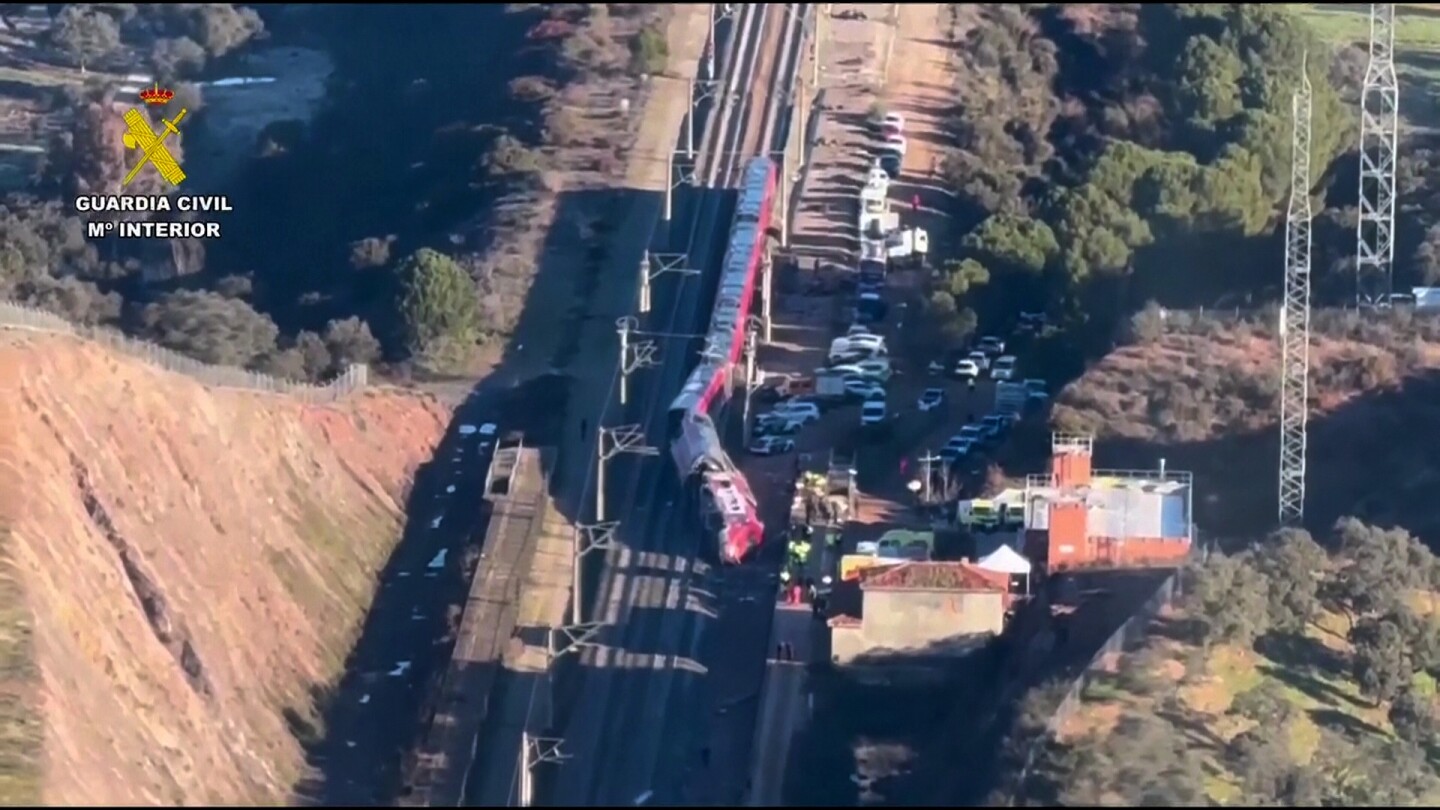
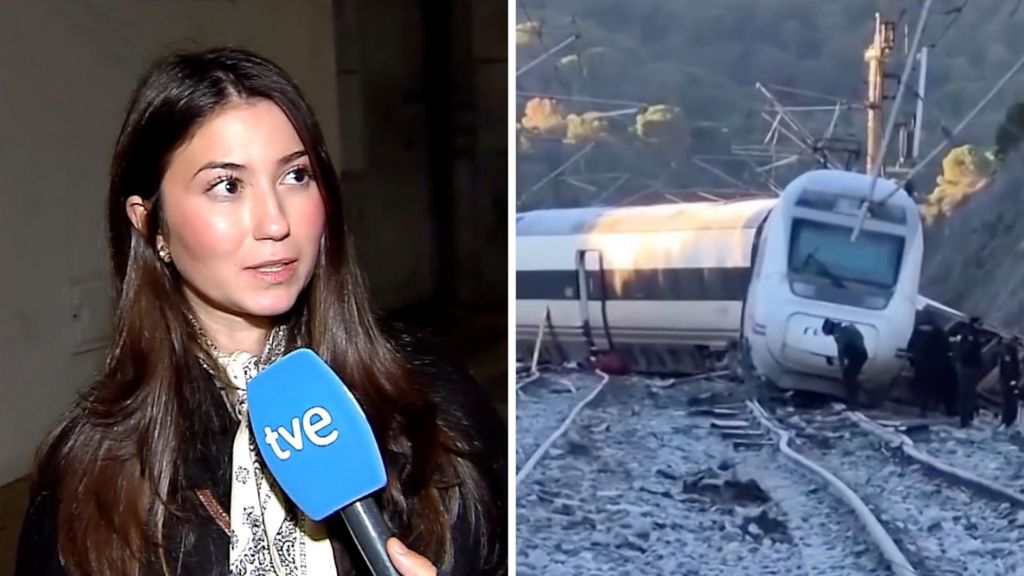
    A devastating high-speed rail collision in southern Spain has resulted in at least 39 fatalities and over 150 injuries, marking the country’s deadliest train accident in a decade. The catastrophe occurred Sunday evening near Adamuz, Córdoba province, approximately 370 kilometers south of Madrid, when the rear section of a Malaga-to-Madrid train derailed and collided with an oncoming Madrid-to-Huelva service.

    The impact proved particularly catastrophic for the second train, whose first two carriages were violently thrown from the tracks and plunged down a 4-meter embankment. Transport Minister Óscar Puente described the collision as exceptionally severe, with rescue teams continuing search operations Monday amid concerns the death toll could rise further.

    Andalusia’s regional president Juan Manuel Moreno revealed the extreme force of impact scattered human remains hundreds of meters from the crash site, complicating recovery efforts. The incident represents the first fatal accident on Spain’s high-speed network since its inauguration in 1992.

    Authorities have launched a comprehensive investigation into what Minister Puente characterized as a ‘truly strange’ accident. Both trains were operating significantly below the 250 kph speed limit on a recently renovated flat section of track. The derailed train, manufactured in 2022 and operated by private company Iryo, had passed its latest safety inspection on January 15. The struck train belonged to Spain’s national rail operator Renfe.

    Rail executives have preliminary ruled out human error as a contributing factor. The tragedy occurs despite Spain maintaining Europe’s most extensive high-speed rail infrastructure, with over 3,100 kilometers of dedicated track capable of supporting speeds exceeding 250 kph.

  • Man and boy critical after 3 shark attacks off Sydney in just over 24 hours

    Man and boy critical after 3 shark attacks off Sydney in just over 24 hours

    SYDNEY, Australia – A series of three shark attacks within 24 hours has left multiple victims critically injured and prompted the immediate closure of Sydney’s northern beaches. The unprecedented cluster of incidents has raised serious concerns about marine safety along Australia’s Pacific coastline.

    The most recent attack occurred Monday evening at North Steyne Beach in Manly, where a surfer in his 20s sustained severe leg injuries after being bitten by a shark. Bystanders heroically pulled the victim from the water before emergency services transported him to a hospital in critical condition.

    Earlier on Sunday, a 12-year-old boy suffered catastrophic injuries to both legs after jumping from a 6-meter high ledge known as Jump Rock near Shark Beach in Vaucluse. Police officials have credited the victim’s three friends with saving his life by courageously jumping into the water during the attack and dragging him to safety. News reports indicate the boy may have lost both legs in the horrific encounter.

    Superintendent Joseph McNulty praised the teenagers’ bravery, stating: ‘The actions of his mates who have gone into the water to pull him out have been nothing but brave. These young men demonstrated extraordinary courage under circumstances involving confronting injuries.’

    A third incident occurred Monday noon when an 11-year-old boy narrowly escaped injury after a shark bit a chunk from his surfboard at Dee Why Beach, north of Manly. The boy emerged physically unharmed from the encounter.

    Authorities have implemented immediate safety measures, closing all northern beaches including North Steyne and Dee Why until further notice. While all three beaches feature some form of shark protection netting, the exact locations of the attacks in relation to these barriers remain unclear.

    Marine experts suspect bull sharks are responsible for at least the first two attacks. Police had previously warned that recent heavy rainfall over Sydney has increased fresh and murky water in the harbor, creating ideal conditions for bull shark activity. The area has experienced previous shark-related tragedies, including the death of a 57-year-old surfer at nearby Ocean Reef Beach last September and a fatal attack on a Swiss tourist in November.

  • Spain train crash survivors describe ‘absolutely terrifying’ scene

    Spain train crash survivors describe ‘absolutely terrifying’ scene

    Passengers aboard a regional commuter service in Andalusia are sharing chilling accounts of survival following a violent rail collision near the southern coast of Spain. The incident occurred shortly after dusk on Sunday along the corridor connecting Málaga and the national capital Madrid, resulting in numerous injuries though miraculously no fatalities.

    Eyewitness testimony describes a scene of sudden impact and chaos as the two trains made contact outside Málaga. ‘It was absolutely terrifying—a deafening crash followed by screams and the smell of burning,’ recounted one passenger still shaken hours after the emergency. ‘The carriage jerked violently sideways, and for one horrible moment we thought we might derail completely.’

    Emergency response teams from multiple municipalities mobilized rapidly to the accident site, establishing a coordinated rescue operation that extended well into the night. Medical personnel triaged passengers along the trackside while structural engineers worked to secure the damaged rolling stock. Spanish rail authorities have initiated a full investigation into the circumstances surrounding the collision, with preliminary reports suggesting signaling issues may have contributed to the accident.

    The affected line serves as a critical transportation artery for both local commuters and tourists traveling between Costa del Sol beaches and central Spain. Service disruptions continued through Monday as infrastructure repairs commenced, with alternative transportation arrangements implemented for stranded travelers.

  • Why did Harry and Meghan leave the Royal family?

    Why did Harry and Meghan leave the Royal family?

    The Duke of Sussex appeared in London’s High Court on Monday, January 19th, as a key witness in a major legal battle against Associated Newspapers Ltd, publisher of the Daily Mail. The case represents the latest chapter in Harry’s ongoing confrontation with British media over alleged unlawful information gathering practices.

    The legal action, which includes prominent figures such as Sir Elton John, Liz Hurley, and Baroness Doreen Lawrence as co-plaintiffs, accuses the media group of obtaining private information through illicit means. Associated Newspapers has vigorously denied what it characterizes as “preposterous allegations.”

    This court appearance marks another significant moment in the Duke’s transformation from senior royal to independent public figure. Since relocating to California with Meghan, Duchess of Sussex, in June 2020, the couple has established a new life through various commercial ventures and philanthropic initiatives. Their Archewell Foundation has evolved into Archewell Philanthropies, while they maintain lucrative production deals with Netflix and podcast platforms.

    The couple’s departure from royal duties in January 2020 was precipitated by frustrations with media intrusion and restrictions on developing their “SussexRoyal” brand. Though they retained their Duke and Duchess titles, they no longer use the HRH style and were required to vacate their UK residence, Frogmore Cottage, which had been a gift from the late Queen Elizabeth.

    Harry’s relationship with the institution he left remains complex. His recent visits to Britain have included brief meetings with his father, King Charles, including a 45-minute meeting following the monarch’s cancer diagnosis announcement in February 2024. However, the Duke confirmed he does not expect to meet with the King during this current visit for legal proceedings.

    Security concerns continue to shadow Harry’s UK visits. In May 2025, he lost a legal bid to reinstate full police protection while in Britain, prompting him to state that he cannot safely bring his family to the country. Despite this, he has expressed desire for reconciliation with the Royal Family, identifying security arrangements as the primary obstacle.

    The outcome of this case could have significant implications for media practices and privacy rights in the United Kingdom, potentially setting new precedents for how public figures interact with the press.