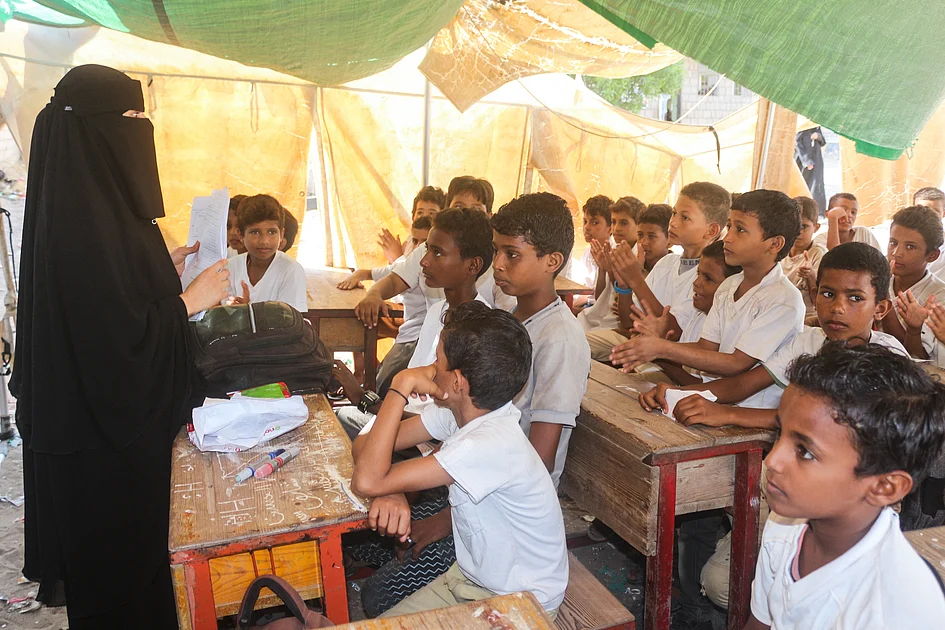
In the war-torn landscapes of Yemen, education has become a luxury for many children. Crammed under tattered tents or in makeshift classrooms, young learners grapple with the basics of Arabic grammar, often without textbooks or even shoes. Born into a nation fractured by years of conflict, these children are among the fortunate few who still have access to any form of schooling. Yemen’s education system lies in ruins, with nearly 3,000 schools destroyed and those still standing plagued by power outages, water shortages, and a dire lack of trained teachers. At Al Ribat Al Gharbi school near Aden, a typical example, students endure overcrowded conditions, with classes often exceeding 100 pupils. Teacher Suad Saleh, clad in the traditional black niqab, struggles to maintain order in her rudimentary classroom, where many children sit on the tiled floor with exercise books on their laps. ‘It takes me 10 minutes just to quiet them down,’ she laments. The crisis extends beyond infrastructure. Many teachers have abandoned their posts due to meager wages, with some earning as little as $31 a month. The consequences are dire: over 4.5 million children in Yemen are out of school, according to UNICEF, leaving an entire generation at risk of illiteracy. Amid this devastation, Saudi Arabia has stepped in with development programs, focusing on rebuilding schools and training teachers in government-controlled areas. However, the scars of war remain deep. ‘Stopping education has had a terrible impact,’ says Fathiya Al Afifi, a school principal. ‘An entire generation can neither read nor write. This is a disaster.’
分类: society
-
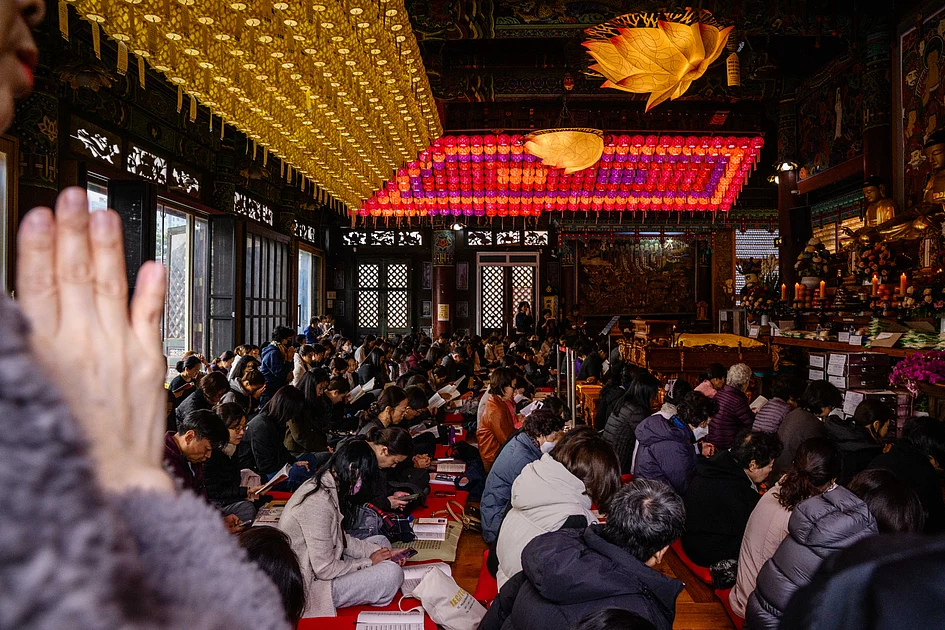
South Korea halts flights for crucial college entry exam
South Korea has implemented a series of nationwide measures to ensure a smooth and distraction-free environment for students taking the highly consequential College Scholastic Ability Test (CSAT), locally known as the ‘Suneung.’ The exam, held on November 13, 2025, is a pivotal event in the lives of South Korean students, as it determines admission to top universities and is widely viewed as a gateway to social mobility, economic stability, and even marital prospects. With so much at stake, the government has taken extraordinary steps to minimize disruptions. A 35-minute flight ban was enforced during the English listening test, affecting 140 flights, including 75 international services. Additionally, banks and public offices delayed their opening hours by an hour to reduce traffic congestion. Parents and students alike were visibly anxious, with many parents visiting shrines, churches, and temples to pray for their children’s success. The exam day is steeped in traditions and superstitions, such as avoiding seaweed soup, believed to cause students to ‘slip’ in their performance. The 2026 admission cycle also introduced a new requirement for universities to consider applicants’ records of school violence, marking a significant shift in policy. Over 550,000 students registered for the exam, with many receiving encouragement from younger peers and community members. The day-long test, held at centers like Yongsan High School in Seoul, saw a heavy media presence and police assistance for latecomers. The CSAT remains a defining moment in South Korea’s education system, reflecting the nation’s intense focus on academic achievement and its broader societal implications.
-
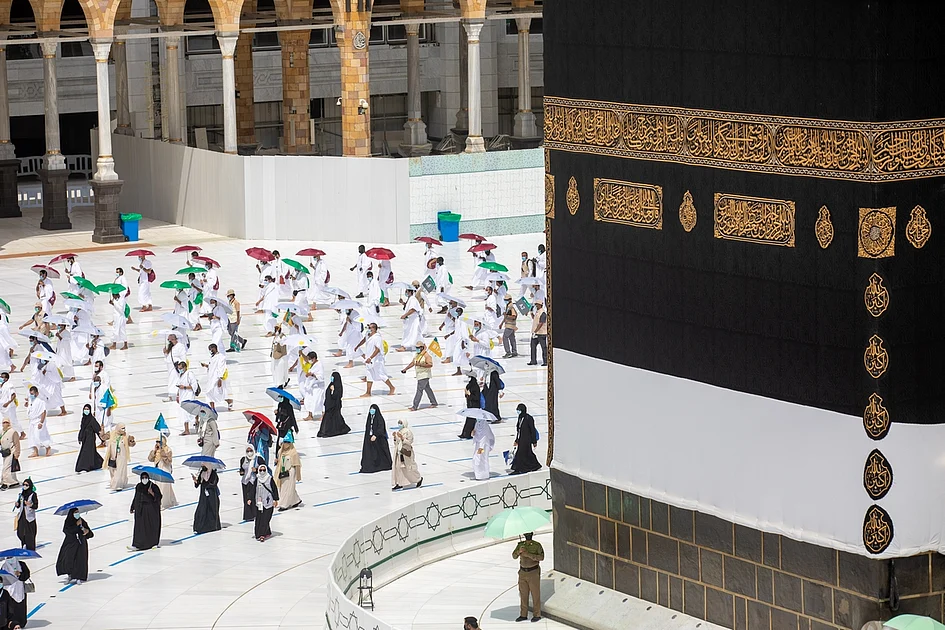
UAE approves names of 6,228 pilgrims to perform Hajj in 2026
The UAE’s General Authority for Islamic Affairs, Endowments, and Zakat (Awqaf) has finalized the list of 6,228 Emirati citizens selected to perform the Hajj pilgrimage in 2026 (1447 AH). The selection process, conducted through an automated sorting system, evaluated over 72,000 applicants based on specific criteria and eligibility conditions. Priority was given to senior citizens and individuals with medical conditions requiring special care, followed by those who had applied multiple times without success and first-time pilgrims. All approved applicants have been notified via text messages and other communication channels to begin completing the necessary procedures. The authority emphasized its commitment to fairness, transparency, and ensuring a safe and organized Hajj experience. Unsuccessful applicants for 2026 will have their applications automatically transferred to the 2027 Hajj season without requiring resubmission. This initiative aligns with the UAE government’s strategy to provide efficient and civilized services that meet the aspirations of its citizens.
-

Deadly Rio police raid failed to loosen gang’s iron grip, residents say
In the wake of Brazil’s most lethal police operation, new revelations are casting doubt on whether the raid truly achieved its stated goal of dismantling one of the country’s most formidable criminal gangs. The operation, which took place on October 28 in Rio de Janeiro, resulted in the deaths of 121 individuals, including four police officers. Rio de Janeiro State Governor Claudio Castro hailed the operation as a ‘success,’ showcasing over 100 seized rifles. However, human rights organizations have condemned the security forces for the high death toll and the perceived brutality of their actions. The operation, which deployed 2,500 officers to the Alemão and Penha neighborhoods, targeted the Comando Vermelho (Red Command) gang, which dominates a vast area of nine million square meters. Despite the arrests of numerous suspects, the gang’s top leader, Edgar Alves de Andrade, known as Doca, remains at large. Local media and academic experts have questioned the operation’s effectiveness, noting that none of the deceased matched the list of suspects provided by prosecutors. Residents of the affected areas report that the gang’s control remains largely unshaken, with armed men seen patrolling the community the day after the raid. The Comando Vermelho’s influence extends beyond drug trafficking, monopolizing essential services such as gas, cable television, internet, and transport, and enforcing strict rules on residents’ daily lives. The gang’s harsh punishments for transgressions include severe physical mutilation and execution. Despite the police’s efforts, the gang’s grip on the favelas appears unyielding, raising concerns about the long-term impact of such operations on public safety and human rights.
-

Cleaning staff transform fallen ginkgo leaves into campus art sensation
In a remarkable display of creativity, the cleaning staff at Dalian University of Foreign Languages in Liaoning Province have transformed the seasonal litter of ginkgo leaves into stunning works of art. Utilizing everyday objects such as umbrellas, chairs, and tables, they have crafted intricate designs that have captivated students and become a viral sensation on social media. The vibrant crimson and gold hues of the leaves, typically associated with autumn’s poetic beauty, have now become the centerpiece of an unexpected artistic movement on campus. This initiative not only highlights the aesthetic potential of natural elements but also underscores the often-overlooked talents of the university’s support staff. Their innovative approach has sparked widespread admiration, drawing attention to the intersection of nature, art, and community engagement.
-
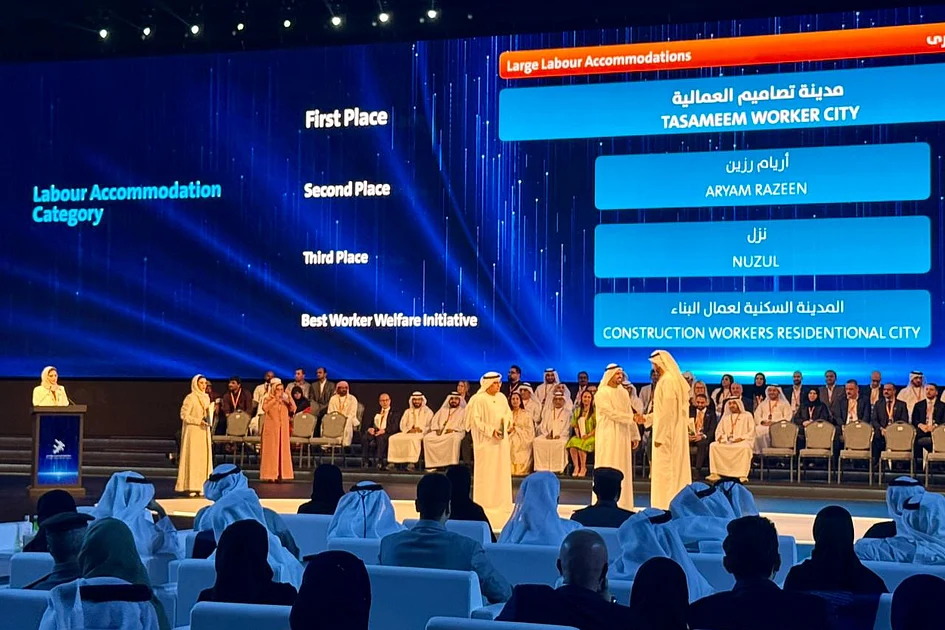
Dh50 million awarded to 100 UAE workers, companies at Emirates Labour Market Awards
The third edition of the Emirates Labour Market Award (ELMA), held in Abu Dhabi on Thursday, recognized 100 exceptional workers and private companies for their outstanding contributions to the UAE labour market. Organized by the Ministry of Human Resources and Emiratisation (MoHRE), the event celebrated best practices and innovation in the sector, with a total prize pool of Dh50 million, up from Dh37 million in the previous edition. This year’s awards expanded to include 98 winners, compared to 84 in the second edition. Individual winners received cash prizes of Dh100,000, Dh75,000, and Dh50,000 for first, second, and third places, respectively. Companies securing top positions were classified under MoHRE’s first category, benefiting from significant discounts on ministry services, with financial savings of up to Dh1.2 million. A new subcategory, ‘Labour Accommodations,’ was introduced to encourage sustainable and recreational initiatives for workers, particularly during national and Eid holidays. MoHRE emphasized that such activities enhance productivity, promote positive values, and foster a sense of belonging among workers, ensuring compliance with laws protecting their rights and well-being. The annual event is held under the patronage of Sheikh Mansour Bin Zayed Al Nahyan, Vice President, Deputy Prime Minister, and Chairman of the Presidential Court.
-

‘Thought it was a prank’: Indian expat wins $1 million at Dubai Duty Free after 10 years
An Indian expatriate based in Dubai has struck gold by winning $1 million in the Dubai Duty Free Millennium Millionaire draw, a life-changing moment that came after a decade of unwavering participation. Atul Rao, a banker originally from Mumbai, purchased his winning ticket—number 2242 in Series 522—on his birthday while transiting through Dubai International Airport. The draw took place approximately two and a half weeks later, turning Rao’s life upside down in the best possible way. Rao, who has been shuttling between the UAE and Oman since 1998, initially dismissed the news as a prank. ‘With so many spam calls and messages these days, it was hard to believe,’ he admitted. It wasn’t until he verified the win on the Dubai Duty Free website that the reality sank in. Rao’s journey to this moment began in 2012 when he first started purchasing tickets during his travels. ‘Every time I travel, I buy at least three tickets—one each for the bike, car, and millionaire draws,’ he shared. Over the years, he estimates spending nearly Dh50,000 on tickets, always holding onto hope. Rao’s persistence finally paid off, and he plans to use his winnings wisely. Part of the money will go toward charity and investments, and he is considering reinvesting in Dubai’s property market, having previously owned and sold a property in the city. His family, including his wife, a special educator, and his daughter, who works in Dubai, are overjoyed. His son, studying in Canada, is also part of the celebrations, with the family planning a holiday soon. Despite his newfound wealth, Rao has no plans to stop participating in the draws. ‘I’ll definitely keep buying tickets,’ he said, adding with a laugh, ‘Who knows, maybe I’ll win the bike draw next.’ Rao’s story is a testament to the power of patience and perseverance, proving that dreams can come true when you least expect them.
-
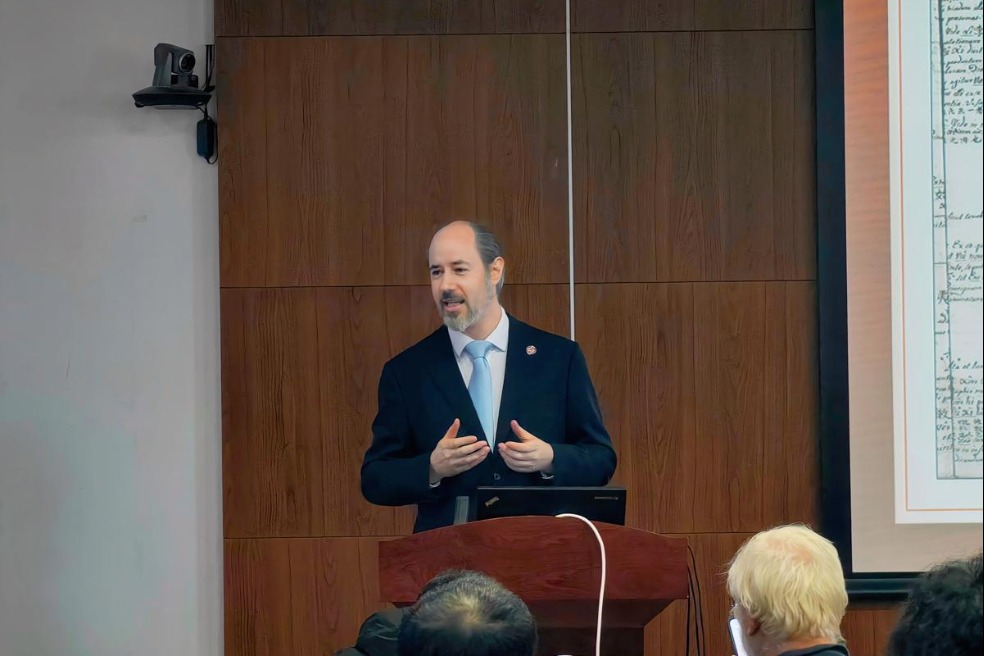
Nankai University scholar publishes long-lost Latin translation of Tao Te Ching
A long-lost Latin translation of the Tao Te Ching, hidden in the British Library for over three centuries, has been brought to light by Misha Tadd, a scholar at Nankai University in Tianjin. This remarkable discovery offers a unique glimpse into the early dissemination of Chinese philosophy in the West and the cross-cultural interpretations of Laozi’s teachings. The manuscript, translated by missionaries in the early 18th century, was recently published, marking a significant milestone in the study of East-West intellectual exchange. Tadd’s efforts have not only resurrected a forgotten piece of history but also provided scholars with valuable insights into how ancient Chinese wisdom was perceived and adapted in Europe during a pivotal period of cultural interaction. The publication of this rare manuscript underscores the enduring relevance of the Tao Te Ching and its profound impact on global philosophical thought.
-

‘Another major win any time’: UAE Lottery says every ticket has a shot after Dh100-million win
The UAE Lottery has marked a historic milestone with its largest-ever payout of Dh100 million, awarded to a 29-year-old Abu Dhabi resident, Anilkumar Bolla. The IT professional defied odds of 1 in 8.8 million to match all seven numbers in the exact winning combination. This monumental win has not only transformed Bolla’s life but also reignited public interest in the lottery, with participation surging across the country. Scott Burton, UAE Lottery’s Commercial Gaming Director, emphasized that every draw is independent, and the odds remain unchanged regardless of previous wins. ‘We could see another major win at any time,’ he stated, highlighting the lottery’s commitment to fairness and excitement. The Dh100 million prize is a testament to the lottery’s rapid growth since its launch less than a year ago. Bolla, who plans to continue working and invest wisely, dreams of bringing his family to the UAE to share in his newfound fortune. The win has also spurred a wave of new registrations and reengaged former players, further solidifying the lottery’s popularity. With another Dh1 million winner announced in the latest draw, the UAE Lottery continues to captivate the nation with its promise of life-changing rewards.
-

Eleven provincial-level regions buck national trend with population growth
Despite a nationwide population decline of 4.32 million over the past three years, eleven provincial-level regions in China have bucked the trend by recording significant population growth, according to the China Statistical Yearbook 2025. These regions include Zhejiang, Guangdong, Hainan, Jiangsu, Anhui, Guizhou, Fujian, Hubei, Ningxia Hui, Xizang, and Xinjiang Uygur, with Zhejiang and Guangdong leading the surge. The growth is attributed to migration patterns favoring the Yangtze River Delta and Pearl River Delta regions, as people from smaller cities and rural areas continue to move toward urban centers. Zhejiang, in particular, saw its population increase by 1.3 million, driven by its thriving private sector and balanced regional development, which minimized urban-rural disparities. Among cities, Hefei, Guiyang, Hangzhou, Changsha, and Zhengzhou experienced the highest population increases, with Hefei reaching a milestone of 10 million residents in 2024. Beyond migration, birth rates and natural population growth remain key factors, with regions in western and southern coastal areas showing higher birth rates. For instance, Guangdong not only attracts migrants but also leads the nation in births, with a rate of 8.89 per thousand.