分类: society

  • Second brother of French anti-drugs campaigner shot dead in Marseille

    Second brother of French anti-drugs campaigner shot dead in Marseille

    Amine Kessaci, a prominent French anti-drugs campaigner, has suffered another devastating loss as his second brother, Mehdi Kessaci, was shot dead in Marseille on Thursday. The 20-year-old was parking his car in the city center when a motorcycle pulled up, and the pillion passenger opened fire with a 9mm pistol. This tragic incident follows the 2020 murder of Amine’s elder brother, Brahim, whose charred body was found in a burned-out car—a grim hallmark of gang-related killings locally referred to as a ‘barbecue.’

    Amine, who was just 17 when Brahim was killed, founded an association called Conscience to help young people in Marseille’s impoverished neighborhoods escape the grip of powerful drug gangs. Investigators believe Mehdi’s murder may have been a targeted warning to Amine, who has recently received death threats and is under police protection. Marseille’s chief prosecutor, Nicolas Bessone, stated that this hypothesis is not being ruled out, adding that such acts evoke dark periods in France’s history when familial vendettas led to brutal killings.

    Marseille, France’s second-largest city, has become infamous for its escalating drug wars, with rival gangs from high-immigration neighborhoods battling for control. This year alone, there have been 14 drug-related murders, often involving teenagers as young as 15. Amine’s association, Conscience, operates in several cities, offering support to families affected by drug violence and bridging connections between former delinquents and employers.

    Amine, who ran unsuccessfully for the Green Party in European and legislative elections last year, recently published a book titled *Marseille Wipe your Tears – Life and Death in a Land of Drugs*. He has become a symbol of resilience, having met President Emmanuel Macron in 2021 to discuss initiatives to improve life in Marseille. Reflecting on his journey, Amine wrote in his book, ‘Politics never held out its hand to me, so I decided to grab it by the throat. Brahim – it was you who threw me into politics the day you burned in a car.’

    The killings of his brothers have not only devastated Amine but also highlighted the pervasive violence plaguing Marseille. Christine Juste, a Green Party city councillor, expressed her sorrow and anger, stating, ‘No mother should go through that—losing two children. And I’m so angry that in France’s second city, people can be murdered so easily in plain daylight.’

  • A flooded restaurant in Thailand brings delight with swimming fish among diners

    A flooded restaurant in Thailand brings delight with swimming fish among diners

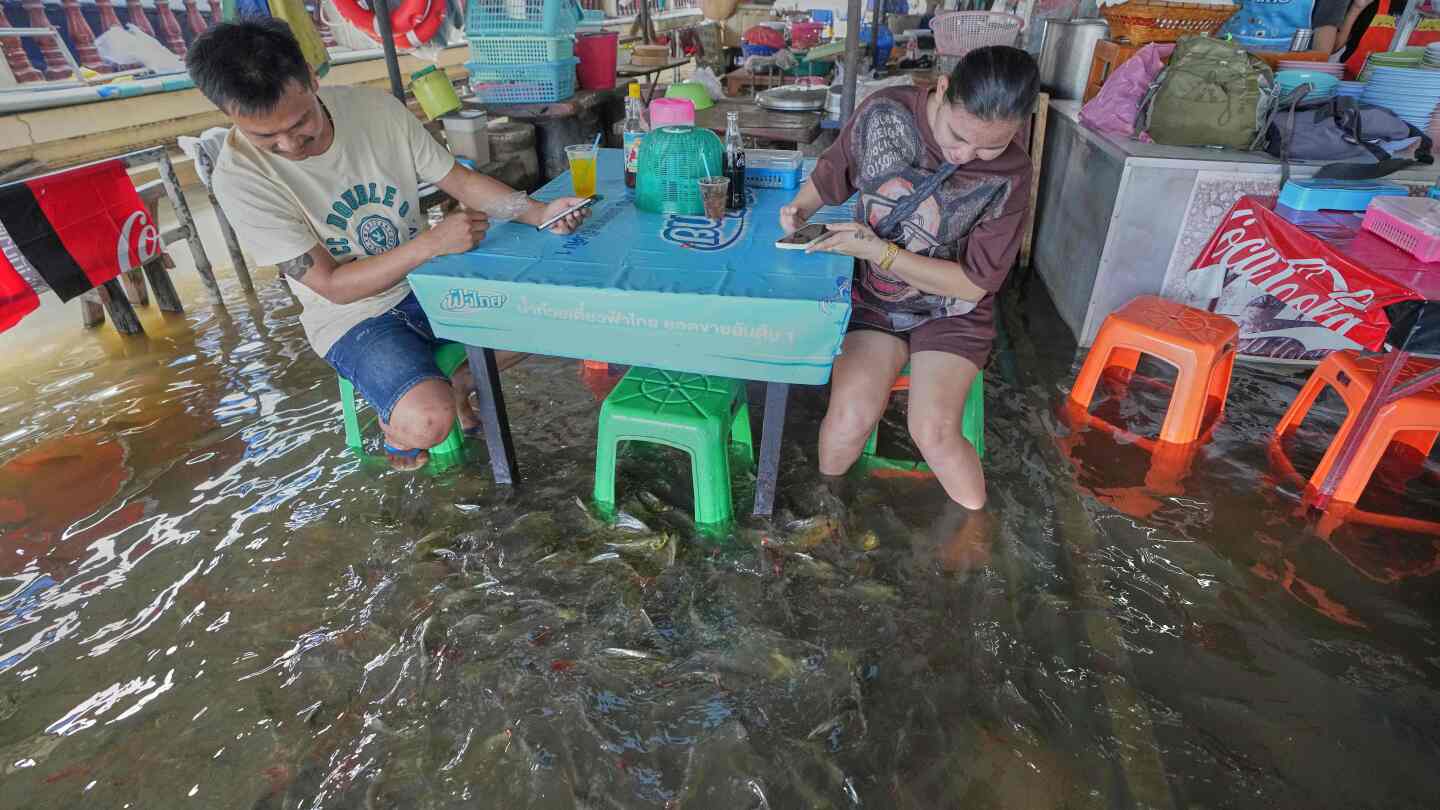
    In Nakhon Pathom province, central Thailand, a riverside restaurant has turned an unfortunate flood into a unique and profitable dining phenomenon. Pa Jit restaurant, located about 30 kilometers from Bangkok, has become an internet sensation after floodwaters from an adjacent river inundated the establishment 11 days ago. Customers flock to the restaurant to enjoy meals while sitting in knee-deep water, surrounded by live fish that swim around their feet. The experience has captivated diners, especially families with young children, who are mesmerized by the fish swimming around them. Wait staff, dressed in waders, navigate the flooded space to serve dishes like fish soup and chicken noodles. Owner Pornkamol Prangprempree initially feared the flood would drive customers away, but the opposite occurred. A viral social media post showcasing the fish-filled floodwaters drew crowds, doubling the restaurant’s daily profits from 10,000 baht ($309) to 20,000 baht ($618). Visitors like Chomphunuth Khantaniti, a 29-year-old local, praised the experience for its novelty and ability to entertain children. Bella Windy, 63, visited specifically to feel the fish nibbling at her feet, calling it a unique nature experience. While Pa Jit thrives, the broader region faces devastation from the floods. Since late July, 12 people have died, two are missing, and over 480,000 residents across 13 provinces have been affected, according to Thailand’s Department of Disaster Prevention and Mitigation. Despite the challenges, Pa Jit’s innovative adaptation to the flood has turned adversity into opportunity, offering a rare and memorable dining experience.

  • Overburdened power cable behind Bosnia retirement home fire that killed 15

    Overburdened power cable behind Bosnia retirement home fire that killed 15

    A tragic fire at a retirement facility in Tuzla, Bosnia-Herzegovina, has claimed the lives of 15 elderly residents, with authorities attributing the cause to an overburdened power cable. The incident, which occurred on November 4, began on the seventh floor of the retirees’ boarding house when a radio cable, squeezed between a bed and a wall, caused a short circuit. The blaze resulted in 11 fatalities on the day of the incident and left 30 others injured. Since then, four more individuals have succumbed to their injuries in the Tuzla hospital, including two last week and two within the past 24 hours, as confirmed by medical officials on Friday.

    Investigations are ongoing to determine whether negligence or oversight contributed to the disaster. The facility, which housed elderly residents with limited mobility or chronic illnesses, has faced significant public criticism. In the wake of the tragedy, the complex’s manager has resigned. Authorities have pledged to continue their probe to ensure accountability and prevent future occurrences.

  • Eco-friendly reforms shape Wuzhong’s future

    Eco-friendly reforms shape Wuzhong’s future

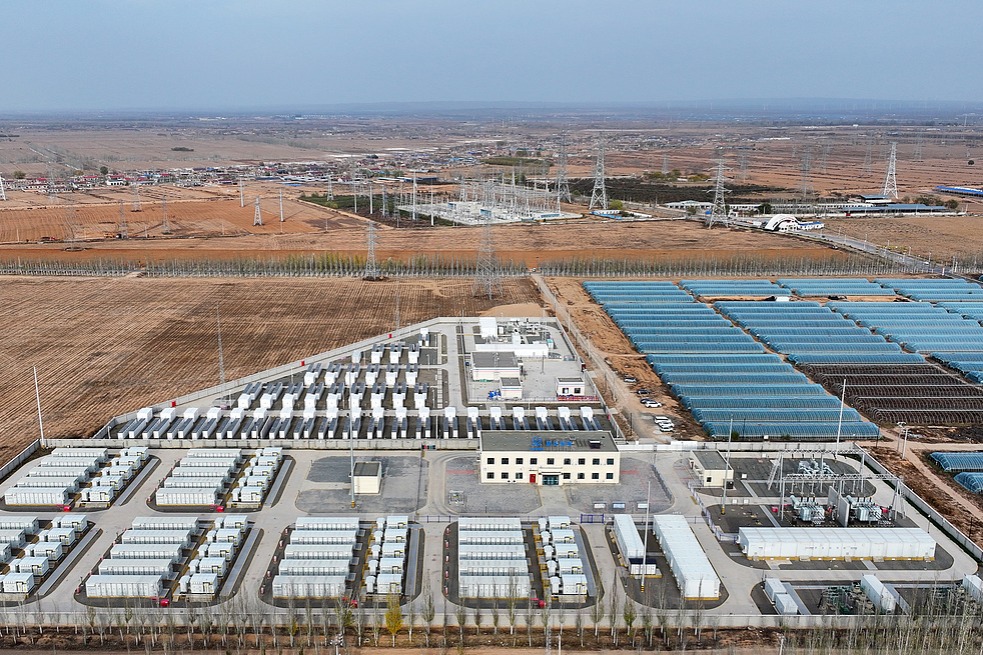
    Wuzhong, a city in Ningxia Hui Autonomous Region, is spearheading a transformative modernization drive focused on ecological conservation and high-quality development along the Yellow River basin. According to Wuzhong Party Secretary Wang Xuejun, the city is embracing its role as a pioneer in green development and efficient energy use, with these principles driving its future growth. Key projects include natural gas development, pumped storage hydropower, and new energy bases, alongside thriving industries such as dairy production and morning tea culture. The city’s industrial parks have achieved a total output value exceeding 100 billion yuan ($14 billion), with new energy installations leading the region. Wuzhong’s GDP is projected to reach 99 billion yuan by the end of the 14th Five-Year Plan period (2021-25), marking a nearly 50% increase from 2020. The city has implemented 356 key reforms, with 37 practices, including innovative water management and agricultural loan systems, gaining national recognition. Wuzhong has also enhanced its business environment, enabling over 90% of high-frequency government services to be handled online. A road-rail-sea intermodal transportation network has boosted logistics, contributing to an average annual growth of over 10% in import and export value. Innovation remains a cornerstone of Wuzhong’s strategy, with R&D intensity growing at an annual rate of 16.6%. The city is home to over 500 national high-tech and sci-tech enterprises, with breakthroughs in sodium-glucose co-transporter inhibitors and somatic cell cloning of Tan sheep. Environmental protection is central to Wuzhong’s development, with air quality meeting national secondary standards and water quality in the Yellow River consistently stable at Grade II. The city has been honored as a national ecological civilization demonstration city and a low-carbon pilot city. Wuzhong, home to 36 ethnic groups, has also pioneered ethnic unity initiatives, hosting the Ethnic Unity Progress Month for 42 consecutive years. Community events like the Neighbors’ Festival and Thousand-Family Banquet have fostered integration for over two decades. Looking ahead, Wuzhong aims to expand oil and gas capacity, develop new energy, and create a ‘green hydrogen valley’ during the 15th Five-Year Plan period (2026-30). Major ecological projects, including the Luoshan Mountain protection initiative and river basin management, will further solidify the city’s commitment to a comprehensive green transformation.

  • Australian schools shut over asbestos risk in children’s sand

    Australian schools shut over asbestos risk in children’s sand

    Approximately 30 schools in Australia have been fully or partially shut down following the discovery of tremolite asbestos in children’s colored sand products. The Australian Competition & Consumer Commission (ACCC) issued a recall notice on Wednesday after laboratory tests confirmed the presence of this naturally occurring asbestos. While the ACCC emphasized that the risk of asbestos becoming airborne or inhalable is ‘low,’ it cautioned that the substance ‘may still pose a risk.’ By Friday, at least 15 schools and seven preschools in the Australian Capital Territory (ACT) had closed entirely, with six others partially shutting down as a precaution. Reports also emerged of a school closure in Queensland. The affected sand products, imported from China and sold nationwide between 2020 and 2025, include Kadink Sand (1.3kg), Educational Colours – Rainbow Sand (1.3kg), and Creatistics – Coloured Sand (1kg). These items were distributed by major stationery retailers, including Officeworks. New Zealand’s Ministry of Business, Innovation and Employment also issued a voluntary recall for EC Rainbow Sand (1.3kg) and Creatistics – Coloured Sand (1kg) as a precautionary measure. Yvette Berry, ACT’s education minister, acknowledged the potential distress for families, stating that school closures would expedite testing and remediation efforts. Meanwhile, Victoria and New South Wales have opted against closing schools, citing the low health risk. Authorities in these states are working to identify and remove the recalled products from educational settings. Asbestos, a banned substance in Australia, poses severe health risks when inhaled, potentially causing lung damage and cancer.

  • Authorities clarify claims of zhongkao abolishment

    Authorities clarify claims of zhongkao abolishment

    Education authorities in Shanghai and Chengdu have addressed recent online speculation about the potential abolishment of the high school entrance exam, known as the zhongkao. They clarified that ongoing educational reforms aim to integrate middle and high school education rather than eliminate the exam. In Chengdu, a 12-year coherent training program will be piloted in eight schools starting in 2025, allowing students in specific continuous education classes to bypass the zhongkao if they choose. However, students retain the option to take the exam if they wish to exit the program. The Chengdu Education Bureau emphasized that this pilot is limited in scope and does not signify a citywide cancellation of the zhongkao. The reform seeks to create a seamless educational pathway from primary to high school, shifting focus from exam scores to holistic student development. Similarly, the Shanghai Municipal Education Commission explained that its new plan for improving high school education quality includes piloting a longer-term coherent training model. This approach aims to unify curriculum design and optimize resource sharing across school stages but does not imply the abolishment of the zhongkao. The commission highlighted that this flexible model helps manage enrollment fluctuations and enhances resource efficiency by promoting cross-campus sharing of facilities like labs and libraries. While some parents have long advocated for the zhongkao’s abolishment, fearing it forces students into vocational schools, authorities have reiterated that the exam remains a crucial academic assessment. Vocational education continues to be an integral part of the education system, offering diverse pathways for students with varying strengths. The 2022 revision of the Vocational Education Law further emphasized the importance of vocational education as a parallel pathway to regular education, calling for greater integration between the two systems.

  • Illustrating the rich tapestry of Chinese life

    Illustrating the rich tapestry of Chinese life

    China Daily’s Times’ Palette Studio has unveiled a remarkable project that encapsulates the essence of ‘Min Sheng’—the people’s livelihood—through a series of 24 illustrations. This initiative, launched during the 14th Five-Year Plan (2021-25), underscores the nation’s commitment to equitable development and the shared prosperity of Chinese-style modernization. The project employs ‘time’ as the warp and ‘Min Sheng’ as the weft, weaving a rich tapestry of life across 24 hours, each hour depicted in a standalone watercolor illustration. These scenes, though distinct, are interconnected, showcasing various aspects of China’s progress in economic development, education, healthcare, elder care, employment, technology, culture, agriculture, and national defense. Each illustration serves as a unique ‘Chinese expression,’ collectively forming a warm and expansive scroll of the people’s livelihood. From the vibrant neon lights of urban centers to the serene moon over borderlands, and from the precision of high-tech laboratories to the comforting aromas of street food vendors, these images vividly capture the warmth and resilience of Chinese life in the new era. The story unfolds through these 24 snapshots, each offering a window into a specific moment and facet of life in contemporary China.

  • A minibus carrying Chinese tourists crashes in Bali, killing 5 passengers

    A minibus carrying Chinese tourists crashes in Bali, killing 5 passengers

    A devastating minibus accident occurred on Friday morning on the Indonesian resort island of Bali, resulting in the deaths of five Chinese tourists and injuries to eight others. The incident took place as the vehicle was traveling from the southern to the northern part of the island on a winding, downhill road. According to Ida Bagus Widwan Sutadi, the police chief of Buleleng regency, the driver lost control of the minibus, causing it to veer off the asphalt road and crash into a community garden, where it struck a tree. Sutadi attributed the accident to the driver’s lack of caution while navigating the turn and descent. The road in the Padangbulia village area was dry at the time of the crash. The injured passengers were promptly treated at two local hospitals, while the Indonesian driver, who did not require medical attention, was arrested. This tragic event highlights the ongoing issue of road safety in Indonesia, where accidents are frequent due to inadequate safety standards and infrastructure.

  • Hunan village gives ‘gift of life’ to those in need

    Hunan village gives ‘gift of life’ to those in need

    In Gaotian village, Liuyang, Hunan province, a quiet revolution is underway, challenging long-held traditions about death and the human body. Xing Changxi, a 69-year-old farmer, became the first resident to register as an organ donor. Upon his passing in August, his family honored his final wish by donating his body to a medical school in Changsha, where it will serve as a ‘silent mentor’ for student doctors over the next three years. This act of selflessness has inspired a wave of similar commitments in the village. By September last year, 164 residents had registered as organ and body donors, a remarkable figure in a village of 7,200 people. Xing’s decision was sparked by a 2018 newspaper article highlighting how organ donations save lives and advance medical education. Despite initial skepticism and questions from villagers, Xing’s legacy has fostered a cultural shift. China’s voluntary organ donation system, established in 2010, has seen significant growth, with over 7.05 million registered donors and life-saving impacts on thousands of patients.

  • India state offers menstrual leave to all working women

    India state offers menstrual leave to all working women

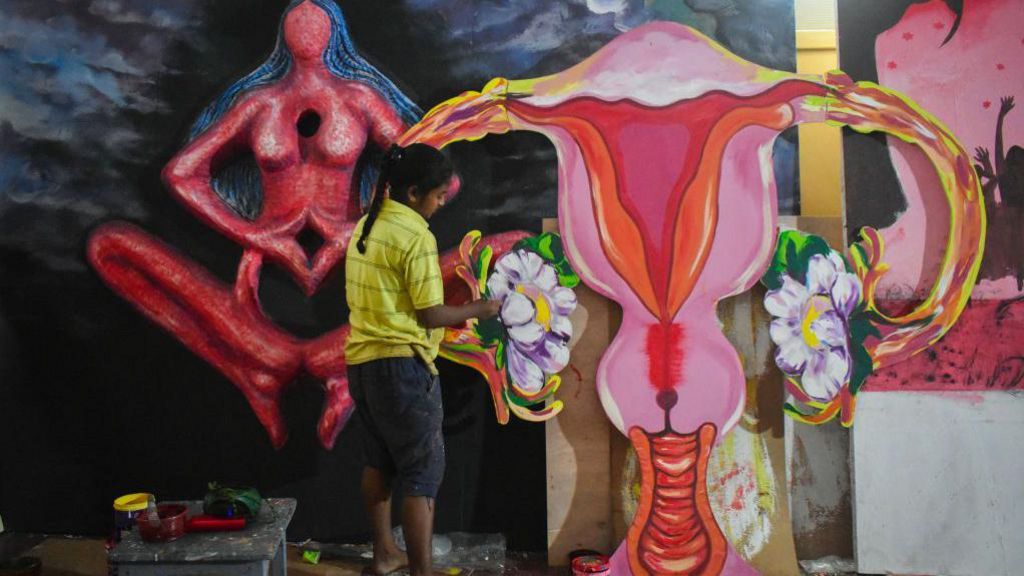
    In a groundbreaking move, the southern Indian state of Karnataka has become the first in the country to introduce paid menstrual leave for all working women in formal employment. The policy, which applies to women aged 18 to 52 in both government and private sectors, allows for one day of leave per month, non-transferable and without the need for a medical certificate. This initiative is expected to benefit between 350,000 to 400,000 women in the formal sector, though it excludes the vast majority of women working in informal roles such as domestic help, daily-wage laborers, and gig workers—estimated at six million.

    While the policy has been lauded as progressive by some, it has also ignited debates over potential gender bias and workplace equality. Critics argue that such measures could reinforce stereotypes, while proponents see it as a necessary step to address the physical and emotional challenges women face during menstruation.

    Menstrual leave is not a novel concept globally, with countries like Spain, Japan, South Korea, and Indonesia already offering similar provisions. In India, states like Bihar and Odisha provide limited menstrual leave for government employees, while Kerala extends it to university and industrial training institute staff. However, Karnataka’s policy stands out for its inclusion of the private sector, regardless of job type or contract.

    Despite the policy’s progressive intent, its implementation faces challenges rooted in cultural taboos surrounding menstruation. In many parts of India, menstruation remains a stigmatized topic, with women often excluded from religious spaces or isolated at home during their periods. Social scientists argue that while policies like menstrual leave facilitate women, they do not necessarily empower them unless accompanied by broader societal change.

    Efforts to destigmatize menstruation have included empathy exercises for men in Kerala, yet deep-seated biases persist. For instance, in 2018, protests erupted in Kerala against a Supreme Court ruling allowing menstruating women to enter the Sabarimala temple, one of India’s holiest shrines.

    In Karnataka, some women view the policy as a step toward normalizing conversations about menstruation. “Calling it menstrual leave helps in fighting the stigma,” said Shreya Shree, a teacher in Bengaluru. Sapna S, an associate dean at Christ University and head of Karnataka’s menstrual leave committee, urged women to embrace the policy without hesitation, emphasizing the need to challenge societal conditioning.

    As Karnataka leads the way, the policy’s success will depend on its acceptance and implementation across diverse workplaces, as well as broader efforts to dismantle the cultural taboos surrounding menstruation in India.