分类: society

  • Court’s ruling against same-sex marriage sets up a Japan Supreme Court decision

    Court’s ruling against same-sex marriage sets up a Japan Supreme Court decision

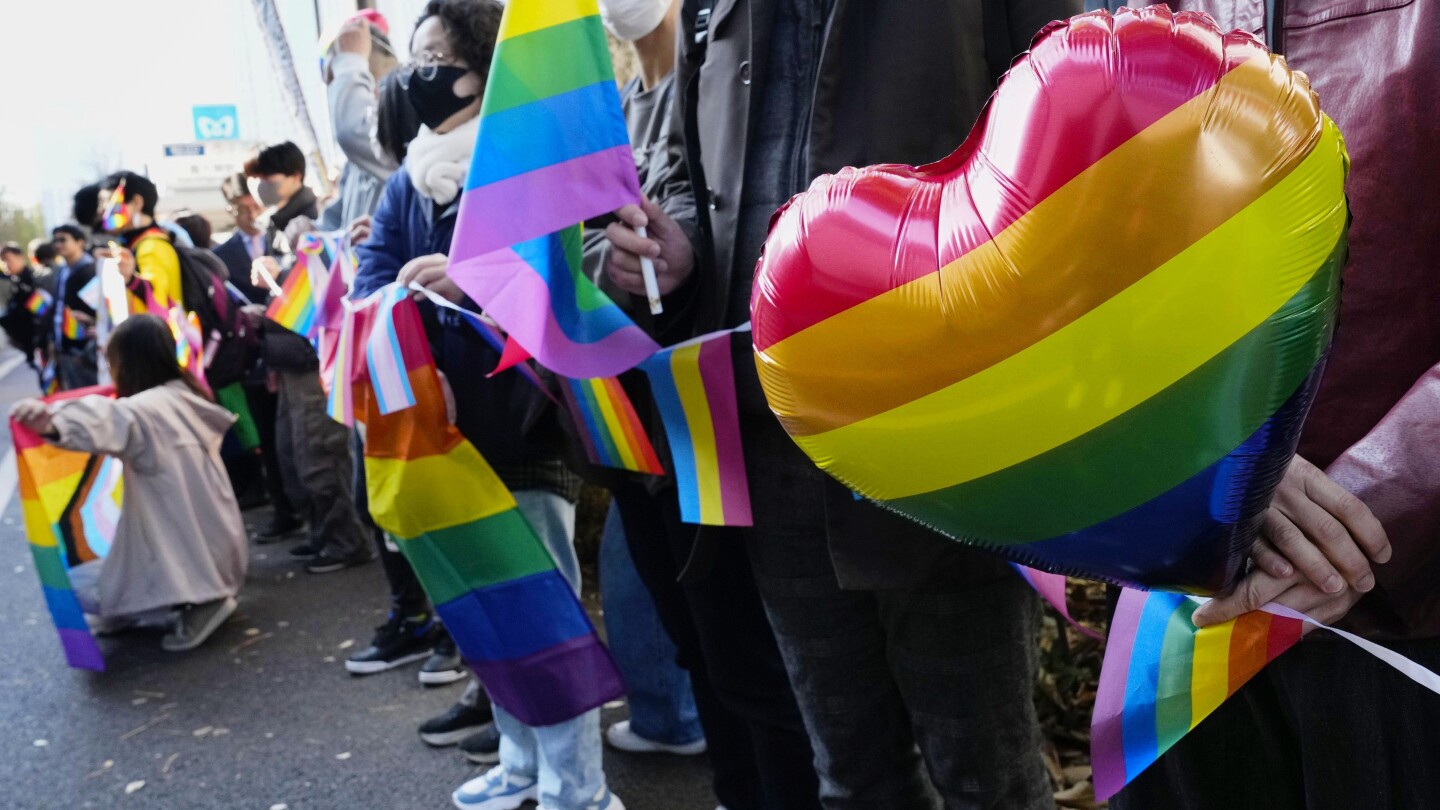
    In a significant legal setback for marriage equality advocates, Tokyo’s High Court declared Japan’s prohibition of same-sex unions constitutional on Friday, marking the first defeat at this judicial level among six parallel cases challenging the nation’s marital laws.

    The ruling overturned a previous lower court decision from 2023 and established that Japan’s legal framework rationally defines family as a unit comprising heterosexual couples and their children. Presiding Judge Ayumi Higashi asserted that excluding same-sex partnerships from marital recognition remains legally valid under this interpretation. The court additionally rejected damage claims of 1 million yen (approximately $6,400) per plaintiff sought by eight LGBTQ+ individuals demanding equal marriage rights.

    This decision represents only the second judicial finding supporting the constitutionality of Japan’s current policy since the 2022 Osaka District Court ruling. With all six high court cases now concluded, attention turns to the Supreme Court, which is anticipated to consolidate appeals and deliver a definitive verdict potentially as early as next year.

    Plaintiffs expressed profound disappointment outside the courthouse. ‘Rather than sorrow, I’m outraged and appalled by the decision,’ stated Hiromi Hatogai, one of the claimants. Another participant, Rie Fukuda, emphasized their determination: ‘We only want to be able to marry and be happy, just like anyone else. I believe society is changing. We won’t give up.’

    Despite this judicial setback, recent years have witnessed rapidly growing public support for marriage equality and increasing backing from Japan’s business community. The nation remains the sole G7 country that neither recognizes same-sex marriage nor provides legally binding protections for LGBTQ+ couples, with Prime Minister Sanae Takaichi’s conservative Liberal Democratic Party maintaining strong opposition to marital rights expansion.

    More than 30 plaintiffs have participated in marriage equality lawsuits filed across Japan since 2019, arguing that current civil law provisions violate constitutional guarantees of equality and marriage freedom. The government maintains that civil marriage fundamentally concerns heterosexual unions and places importance on natural reproduction.

  • Ten photos from across China: Nov 21 – 27

    Ten photos from across China: Nov 21 – 27

    A captivating visual narrative unfolded across China from November 21-27, 2025, showcasing the nation’s rich cultural heritage and contemporary advancements. The photographic collection, released by official sources, provides a multifaceted glimpse into China’s regional diversity and traditional practices.

    In Southwest China’s Yunnan province, the ancient tie-dye technique of the Bai ethnic group demonstrated remarkable preservation efforts. Artisans in Zhoucheng village of Dali Bai Autonomous Prefecture meticulously created intricate knots on fabrics using methods dating back over a millennium. This traditional folk art, recognized for its cultural significance, earned placement on China’s first national intangible cultural heritage list in 2006, ensuring its protection for future generations.

    The photographic series extended beyond cultural preservation to highlight various aspects of Chinese society including technological innovation, environmental initiatives, and urban development. Each image told a distinct story of regional characteristics while collectively portraying China’s balanced approach to maintaining cultural traditions while embracing modernization.

    These visual documents serve as both artistic expression and historical record, capturing moments that reflect the government’s commitment to cultural conservation. The collection provides international audiences with accessible insights into China’s diverse ethnic traditions and their continued relevance in contemporary society.

    The timing of this release coincides with increased global interest in indigenous craftsmanship and sustainable practices, positioning China’s cultural heritage within broader international conversations about preserving traditional arts in the modern world.

  • Hong Kong firefighters make final search for survivors after apartment tower blaze kills 94

    Hong Kong firefighters make final search for survivors after apartment tower blaze kills 94

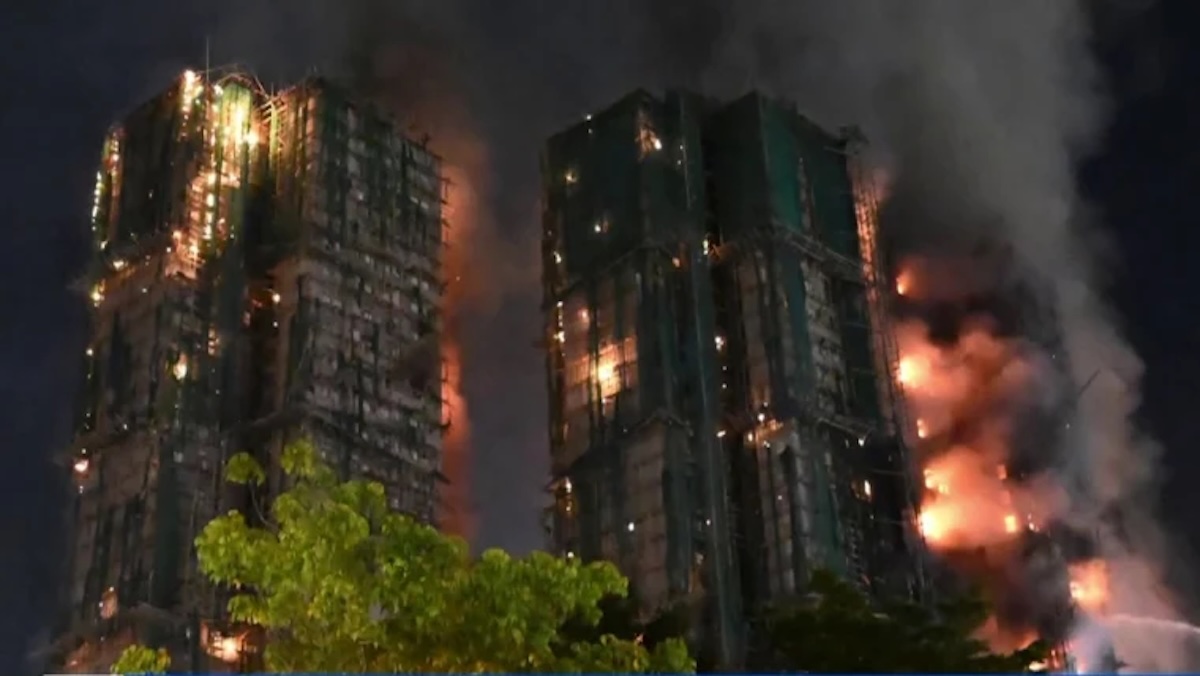
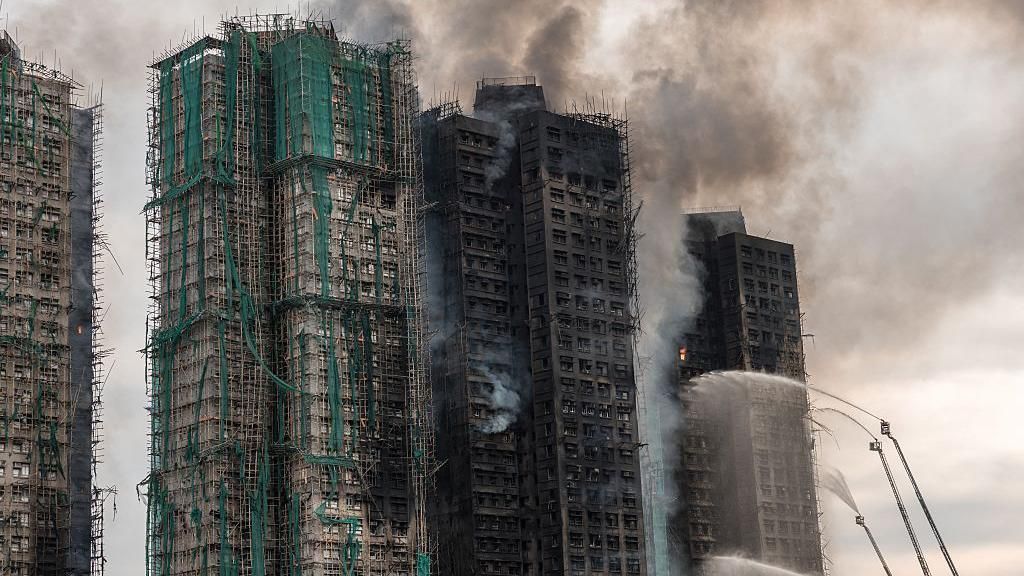
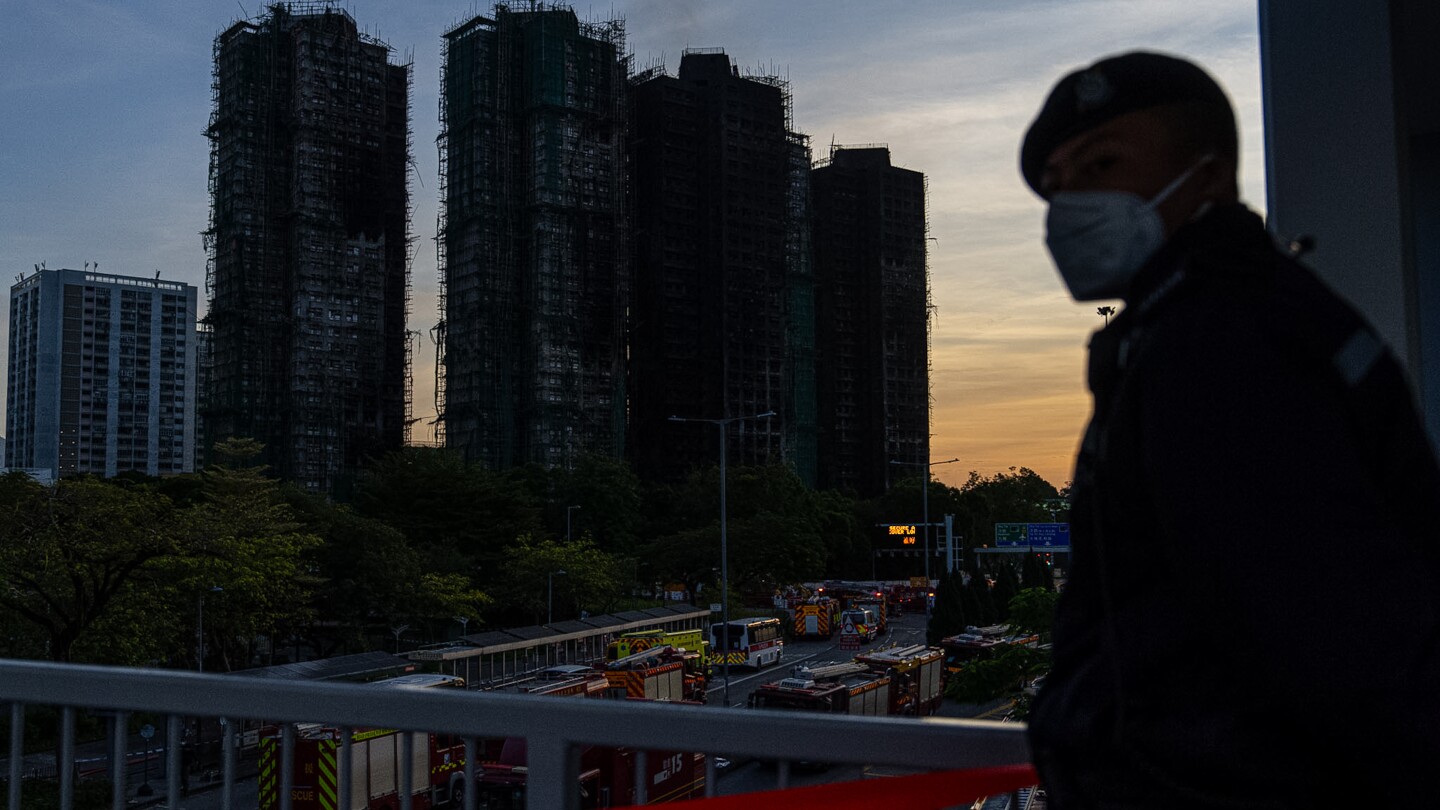
    HONG KONG — In one of the most catastrophic urban fires in recent history, Hong Kong authorities concluded a massive search operation Friday through the charred remains of a residential complex where a devastating blaze claimed at least 94 lives. The inferno, which rapidly engulfed seven interconnected towers in the Wang Fuk Court complex, represents the city’s deadliest fire incident in decades.

    Firefighters conducted apartment-by-apartment sweeps as their operation transitioned from rescue to recovery. Deputy Director of Hong Kong Fire Services Derek Armstrong Chan confirmed crews prioritized approximately 25 units from which distress calls were received during the height of the emergency but remained unreachable until flames subsided.

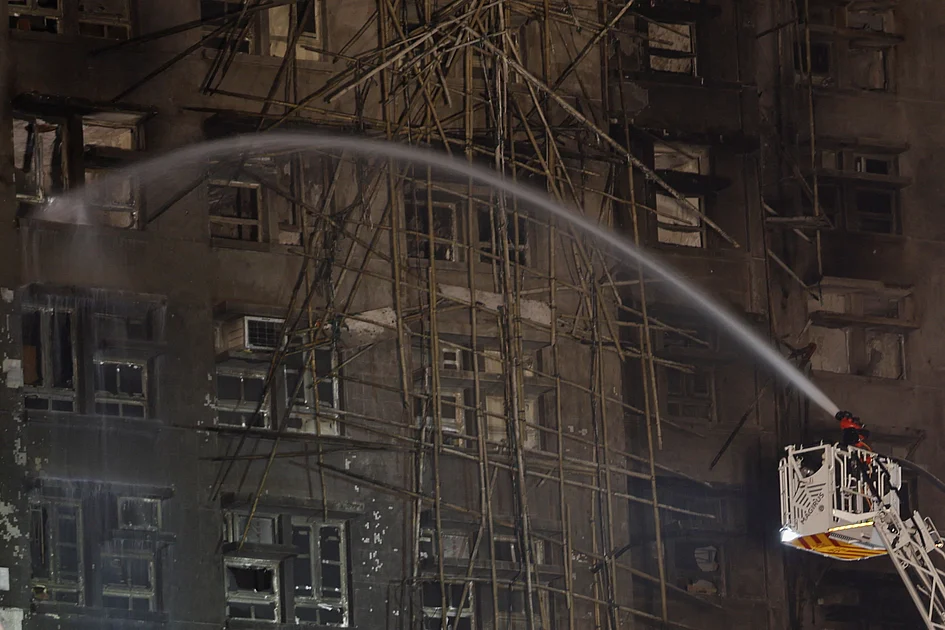
    The tragedy ignited Wednesday afternoon when renovation scaffolding—constructed primarily from bamboo and covered in netting—caught fire, creating a rapid vertical conduit for flames to jump between buildings. Over 1,000 firefighters battled the five-alarm conflagration for 24 hours before bringing it under control, with sporadic flare-ups continuing to produce smoke nearly two days later.

    The Tai Po district complex, housing approximately 4,800 residents across 1,900 apartments with significant elderly population, became the scene of unprecedented destruction. Hong Kong leader John Lee reported 279 residents remained unaccounted for early Thursday, though officials cautioned the final missing persons count would only be determined after complete building searches.

    The disaster has triggered multiple investigations, including a corruption probe into renovation practices. Hong Kong’s Independent Commission Against Corruption has joined the investigation amid allegations of substandard materials and safety violations. Three construction company officials—including directors and an engineering consultant—have been arrested on suspicion of manslaughter, with police citing evidence of gross negligence.

    Authorities identified highly flammable plastic foam panels improperly installed near elevator lobbies and suspect exterior wall materials failed to meet fire resistance standards, contributing to the unusually rapid fire spread. The government has announced immediate safety inspections at all housing estates undergoing major renovations.

    With over 70 injured including 11 firefighters, and approximately 900 residents displaced to temporary shelters, the catastrophe has exposed critical safety concerns in urban construction practices. The incident marks the most lethal fire since Hong Kong’s 1996 commercial building blaze that killed 41 people in Kowloon.

  • Louvre hikes ticket prices for most non-EU tourists by 45%

    Louvre hikes ticket prices for most non-EU tourists by 45%

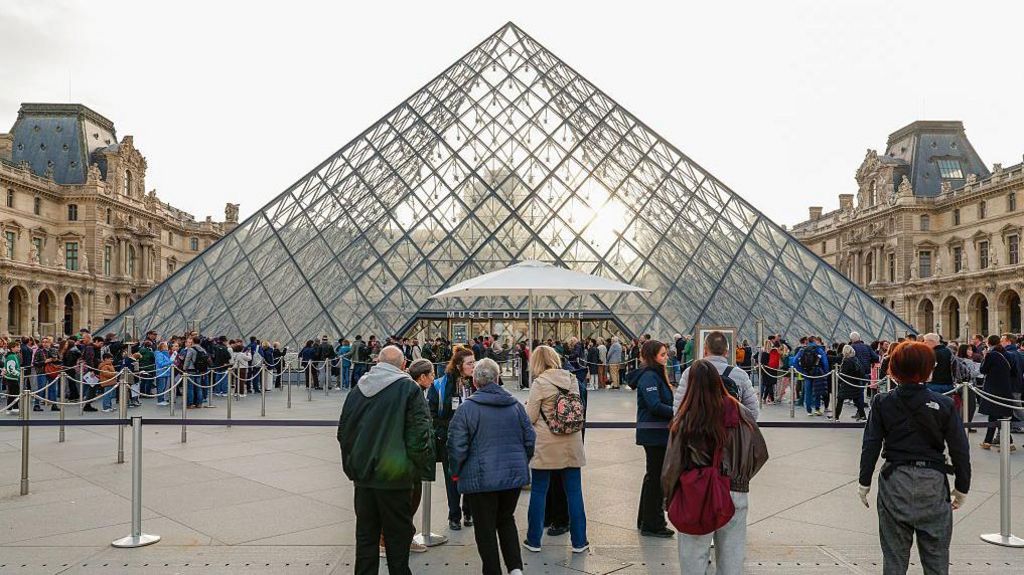
    The Louvre Museum in Paris has announced a substantial 45% price increase for visitors from outside the European Economic Area, effective January 14th. The decision, ratified by the museum’s board on Thursday, will see tourists from nations including the United States, United Kingdom, and China paying €32 ($37; £28) for admission—an increase of €10 from current rates.

    This strategic move comes in response to mounting criticism of the institution’s security protocols and aging infrastructure following a spectacular October heist where thieves stole jewelry valued at $102 million (£76m) in a meticulously executed operation. An official audit conducted after the incident revealed significant deficiencies in the museum’s protective systems.

    The revenue generated from this pricing restructuring is projected to yield millions annually, earmarked for comprehensive security enhancements and facility modernization. These improvements include addressing structural concerns that recently forced the closure of the Greek ceramics gallery, alongside planned renovations to visitor amenities including restrooms and dining facilities.

    As the world’s most visited museum with approximately 9 million attendees in 2024—predominantly international tourists—the Louvre has faced persistent challenges with overcrowding. Notably, American visitors constitute over 10% of attendance, with Chinese tourists accounting for approximately 6%.

    In a parallel development, President Emmanuel Macron confirmed plans to relocate Leonardo da Vinci’s Mona Lisa to a dedicated exhibition space to alleviate congestion in the Salle des États, where approximately 30,000 daily visitors compete for brief viewing opportunities of the iconic masterpiece.

    The pricing strategy aligns with earlier suggestions from Macron and museum administration regarding differential fees for non-EU residents, though implemented earlier than the initially proposed 2026 timeline.

  • Hong Kong fire ‘expected to be extinguished tonight’; construction firm bosses arrested

    Hong Kong fire ‘expected to be extinguished tonight’; construction firm bosses arrested

    Hong Kong authorities have made significant arrests in connection with the catastrophic fire that engulfed the Wang Fuk Court housing complex, marking the city’s most devastating blaze since 1948. Police have taken into custody two directors and an engineering consultant from Prestige Construction, the firm contracted for maintenance work, on suspicion of manslaughter due to alleged gross negligence in using unsafe materials.

    The inferno, which tore through the northern Tai Po district complex wrapped in bamboo scaffolding and green mesh, has claimed at least 83 lives with approximately 300 individuals still unaccounted for. Firefighters battled intense heat and thick smoke for over 24 hours before largely containing the blaze, with officials anticipating complete extinguishment by Friday evening.

    Rescue operations revealed harrowing scenes as distraught families searched for missing relatives outside emergency shelters housing 900 displaced residents. “They didn’t have water to save our building,” wept one 52-year-old woman identified only as Ng, clutching her daughter’s graduation photo while awaiting news of her family’s fate.

    The tragedy has triggered a massive response across societal and political spheres. Hong Kong leader John Lee announced a HK$300 million ($39 million) relief fund, while major corporations including Xiaomi, Xpeng, Geely, and foundations linked to Alibaba’s Jack Ma and Tencent pledged substantial donations. Pope Leo expressed spiritual solidarity through a telegram to Hong Kong’s bishop, while Chinese President Xi Jinping called for “all-out efforts” to minimize casualties.

    Authorities seized critical evidence including bidding documents, employee records, and electronic devices during raids on Prestige Construction’s offices. The development bureau has initiated discussions about replacing traditional bamboo scaffolding with metal alternatives as a safety measure, responding to concerns about the flammable foam material found sealing windows in unaffected buildings.

    The densely-packed complex, home to over 4,600 residents through Hong Kong’s subsidized home ownership scheme, represents the acute affordable housing challenges facing the financial hub. The tragedy has drawn comparisons to London’s 2017 Grenfell Tower disaster, raising serious questions about construction safety standards in high-density urban environments.

  • Sharjah: 2 new roads to ease traffic congestion on Mleiha Road

    Sharjah: 2 new roads to ease traffic congestion on Mleiha Road

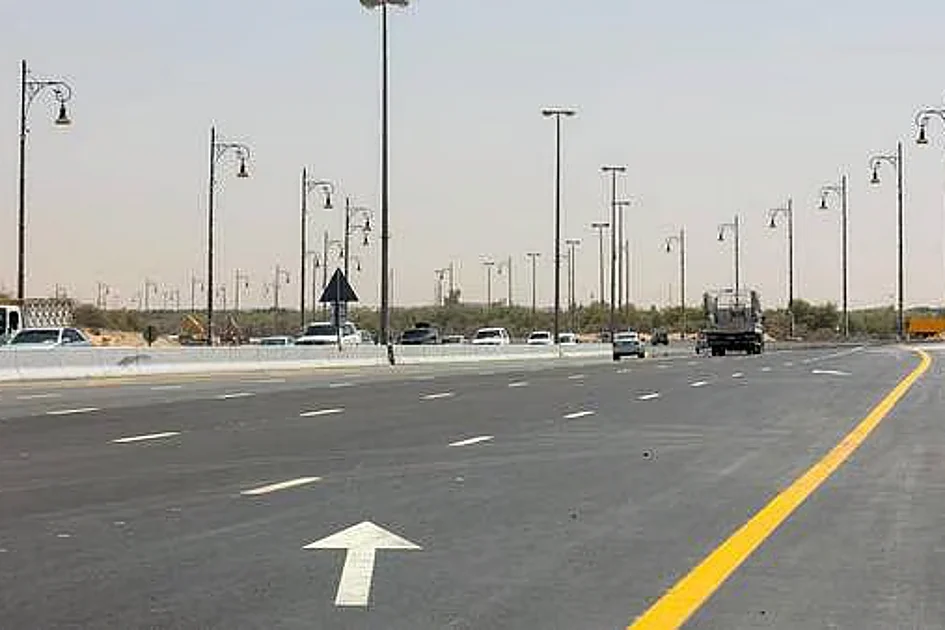
    In a significant move to address urban mobility challenges, Sharjah’s ruler has authorized two major transportation infrastructure projects with a combined budget of Dh150 million ($40.8 million). The initiative, approved by Sheikh Dr. Sultan bin Mohammed Al Qasimi, Supreme Council Member and Ruler of Sharjah, targets critical congestion points along the Mleiha Road corridor.

    The first project involves a comprehensive upgrade of a five-kilometer segment of Sharjah Ring Road near the Etihad Rail station, allocated Dh90 million. This development will substantially enhance capacity along this crucial transportation artery. Concurrently, the University City Bridge will undergo significant expansion to incorporate four lanes—two in each direction—improving connectivity to Rakan Bridge.

    The second development features the construction of a new Dh60 million bridge adjacent to the Martyrs’ Monument. This architectural project will serve dual purposes: creating a modern, aesthetically pleasing landmark while establishing a direct route for vehicles traveling between Mleiha Road and Mohamed bin Zayed Road. The bridge will additionally accommodate traffic flow from Sheikh Khalifa Street toward Maliha Road.

    According to the Sharjah Media Bureau, these projects represent strategic investments in urban infrastructure designed to enhance traffic safety, reduce congestion, and significantly decrease travel times across various regions. The modern design approach for the new bridge particularly emphasizes both functionality and visual enhancement of the surrounding area.

  • UAE National Day: Rulers order release of over 6,500 prisoners

    UAE National Day: Rulers order release of over 6,500 prisoners

    In a sweeping humanitarian gesture marking the nation’s 54th Union Day celebrations, UAE rulers have collectively ordered the release of more than 6,500 prisoners across all seven emirates. The mass pardon initiative, a longstanding tradition during national festivities, demonstrates the leadership’s commitment to social harmony and rehabilitation.

    President Sheikh Mohamed bin Zayed Al Nahyan spearheaded the compassionate move by authorizing the release of 2,937 inmates from correctional facilities nationwide. In an extraordinary extension of clemency, the President further committed to settling all financial penalties owed by the pardoned individuals.

    Dubai’s ruler, Sheikh Mohammed bin Rashid Al Maktoum, contributed significantly to the initiative by ordering the liberation of 2,025 detainees from the emirate’s penal institutions. Simultaneously, other emirates joined the nationwide effort: Ras Al Khaimah released 854 inmates, Sharjah pardoned 366 prisoners, Ajman freed 225 individuals, and Fujairah granted clemency to 129 detainees.

    The beneficiary selection process followed stringent criteria, prioritizing inmates who had demonstrated exemplary conduct and rehabilitation progress. Eligibility requirements included serving a substantial portion of their sentence and exclusion from those convicted of severe criminal offenses. This careful vetting process ensures the initiative supports genuine rehabilitation while maintaining public safety.

    Correctional authorities across the emirates have begun coordinating the logistical implementation of the royal directives. The comprehensive pardon program aims not only to provide second chances to reformed individuals but also to reunite families and reinforce social cohesion during the national celebrations. This tradition reflects the UAE’s broader commitment to restorative justice and inclusive societal development.

  • Hong Kong high-rise fire shows how hard an emergency evacuation is

    Hong Kong high-rise fire shows how hard an emergency evacuation is

    A catastrophic high-rise fire in Hong Kong has resulted in 83 confirmed fatalities with approximately 300 individuals still unaccounted for, marking the territory’s deadliest building fire since the 1996 Garley Building disaster. The blaze rapidly spread through a large residential complex via burning bamboo scaffolding, intensified by strong winds, ultimately highlighting fundamental vulnerabilities in high-rise evacuation protocols.

    This tragedy underscores a critical urban safety dilemma: evacuating densely populated skyscrapers during emergencies presents extraordinary challenges that combine physical infrastructure limitations with complex human behavioral factors. Unlike routine fire drills where descent speeds average 0.4-0.7 meters per second, actual emergency conditions dramatically reduce movement efficiency. During the 9/11 attacks, documented evacuation speeds frequently dropped below 0.3 m/s, with similar patterns observed in the 2010 Shanghai high-rise fire where nearly half of elderly survivors reported significant mobility deterioration.

    Three primary factors compound evacuation difficulties: physical fatigue during extended vertical descent, congestion at stairwell merging points, and variable mobility across diverse populations. Older adults, individuals with physical limitations, and family groups moving collectively substantially reduce overall flow rates. Visibility degradation due to smoke infiltration further impedes progress, as experimental studies confirm reduced lighting conditions significantly slow stairwell movement.

    Human behavior introduces additional complications. Most residents don’t respond immediately to alarms, instead seeking confirmation through multiple cues—visual smoke detection, auditory signals, or social verification—before initiating evacuation. This validation process, while psychologically understandable, consumes precious minutes during critical early stages. Family coordination and belongings collection further delay response times.

    Urban resilience experts Professors Milad Haghani (University of Melbourne), Erica Kuligowski (RMIT University), and Ruggiero Lovreglio (Massey University) argue that modern skyscraper safety requires integrated solutions beyond conventional stairwell dependence. Refuge floors—specially designed fire-resistant staging areas—allow evacuees to rest, transfer between stairwells, or await assisted evacuation. Fire-engineered elevators with pressurized shafts and backup power systems provide complementary vertical transportation when stairwells become impractical for vulnerable populations.

    The Hong Kong catastrophe serves as a sobering reminder that as global urbanization accelerates toward vertical expansion, evacuation infrastructure must evolve beyond twentieth-century paradigms. Combining stairwells, refuge floors, and protected elevators creates redundant safety systems that acknowledge both human physiological limitations and behavioral realities during extreme stress conditions.

  • Dubai: Now pay digitally for services at Philippine Consulate

    Dubai: Now pay digitally for services at Philippine Consulate

    The Philippine Consulate General in Dubai has revolutionized its service delivery system by implementing a comprehensive digital payment platform, marking a significant departure from its longstanding cash-only policy. This transformative initiative follows the formal establishment of a strategic partnership with Emirates NBD bank, finalized last month through a card payment facility agreement.

    The newly deployed electronic funds transfer at point of sale (EFTPOS) system enables Filipino expatriates to settle consular service fees through multiple digital channels including debit/credit cards, Apple Pay, and Google Pay. This technological advancement effectively eliminates the previous dependency on physical currency transactions, simultaneously accelerating processing efficiency while enhancing transactional transparency.

    This modernization effort directly addresses persistent concerns raised by Dubai’s substantial Filipino community regarding the previously cumbersome cash payment requirements. Expatriates frequently utilizing consular services for passport applications, renewal procedures, and document authentication had consistently highlighted the operational inefficiencies of the former payment methodology.

    Consulate officials emphasized that this digital integration demonstrates their renewed commitment to implementing secure, streamlined technological solutions that prioritize community convenience. The card payment infrastructure, which became operational last week, represents the latest in a series of consular service enhancements designed specifically for the UAE’s Filipino population. This payment modernization aligns with broader digital transformation initiatives occurring across governmental service sectors throughout the United Arab Emirates.

  • ‘This was preventable’: Anger grows in Hong Kong as fire kills at least 94

    ‘This was preventable’: Anger grows in Hong Kong as fire kills at least 94

    Hong Kong is reeling from its most catastrophic fire in over six decades as a devastating blaze at Wang Fuk Court subsidized housing estate claimed at least 94 lives, with dozens more critically injured and nearly 300 residents still unaccounted for. The inferno, which raged for more than 24 hours across seven 31-story towers, has exposed critical safety failures and sparked widespread public fury.

    Authorities have identified substandard construction materials—including flammable mesh netting and plastic sheets installed during renovation—as primary factors in the rapid spread of flames. The tragedy has been labeled a ‘man-made disaster’ by outraged citizens, with three renovation supervisors already arrested on manslaughter charges and a corruption investigation underway.

    Resident testimonies reveal alarming safety oversights: fire alarms were deliberately disabled during construction to accommodate workers’ use of emergency exits, while residents repeatedly voiced concerns about workers smoking near combustible materials. Kiko Ma, a Canadian-based apartment owner, stated, ‘This was preventable… A lot of people did not do their duties,’ citing the use of poor-quality flammable materials by contractors.

    The 1980s-era complex housed approximately 4,600 residents, nearly 40% of whom were seniors aged 65 or older. Firefighters faced extreme challenges including intense heat, collapsing bamboo scaffolding, and cramped living spaces averaging just 14.1 square meters per household—characteristic of Hong Kong’s densely packed urban housing.

    In the aftermath, hundreds of survivors have been relocated to temporary shelters as emergency housing allocations proceed. The disaster has ignited scrutiny over systemic safety compromises, with residents revealing that earlier concerns about renovation costs and management transparency were systematically ignored. This incident follows a pattern of construction fires, including a recent bamboo scaffold fire in Hong Kong’s Central district, raising questions about institutional prioritization of cost efficiency over safety.

    In response, Hong Kong authorities have ordered immediate inspections of all major renovation projects, focusing on scaffolding safety and material compliance. The tragedy has become a catalyst for demanding accountability and reform in the city’s aging public housing infrastructure.