分类: society

  • The Center for Islamic Civilization in Uzbekistan: A new cultural and educational code for the world

    The Center for Islamic Civilization in Uzbekistan: A new cultural and educational code for the world

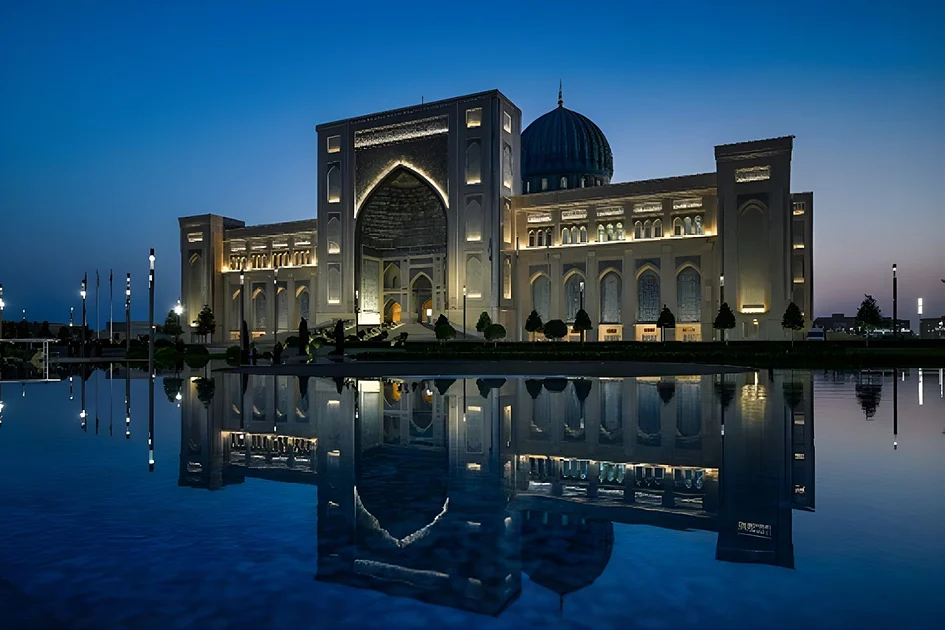
    TASHKENT – In a landmark achievement for cultural diplomacy, Uzbekistan has unveiled the Center for Islamic Civilization, positioning itself as a global nexus for intercultural dialogue and heritage preservation. The monumental complex, situated in Tashkent’s historic Hast-Imam district, represents the culmination of an eight-year vision first articulated by President Shavkat Mirziyoyev at the United Nations.

    The architectural marvel features a 65-meter dome and four symbolic portals representing regional unity. At its heart lies the Hall of the Holy Qur’an, safeguarding the UNESCO-inscribed 7th-century Mushaf of Uthman manuscript. Beyond its museum function, the center operates as a dynamic intellectual ecosystem housing a 200,000-volume library, calligraphy school, restoration laboratories, and craft workshops.

    UNESCO Director-General Khaled El-Anany, during his November visit, praised the institution as “a true testament to cultural diversity, tolerance, and openness” that should “become a light for the entire world.”

    The center’s mission extends beyond preservation to active heritage reclamation. Through coordinated efforts with auction houses and private collectors, over 1,000 cultural artifacts have been repatriated to Uzbekistan. The World Society (WOSCU) contributed approximately one thousand manuscripts and artifacts from across the Islamic world.

    Dr. Firdavs Abdukhalikov, director of the center, emphasized its transformative potential: “Everything that for centuries was scattered across history is being gathered into a single whole. These spiritual heights acquire new unity, transforming into a space of memory, enlightenment, and future.”

    The institution serves as both research hub and diplomatic space, hosting offices for UNESCO, ICESCO, and IRCICA alongside a 460-seat conference hall. With over 800 research projects involving 1,500 specialists from 40 countries, the center aims to reshape global understanding of Islamic heritage as a civilization of knowledge, peace, and enlightenment.

  • British Orchard Nursery expands with 15th government-linked branch

    British Orchard Nursery expands with 15th government-linked branch

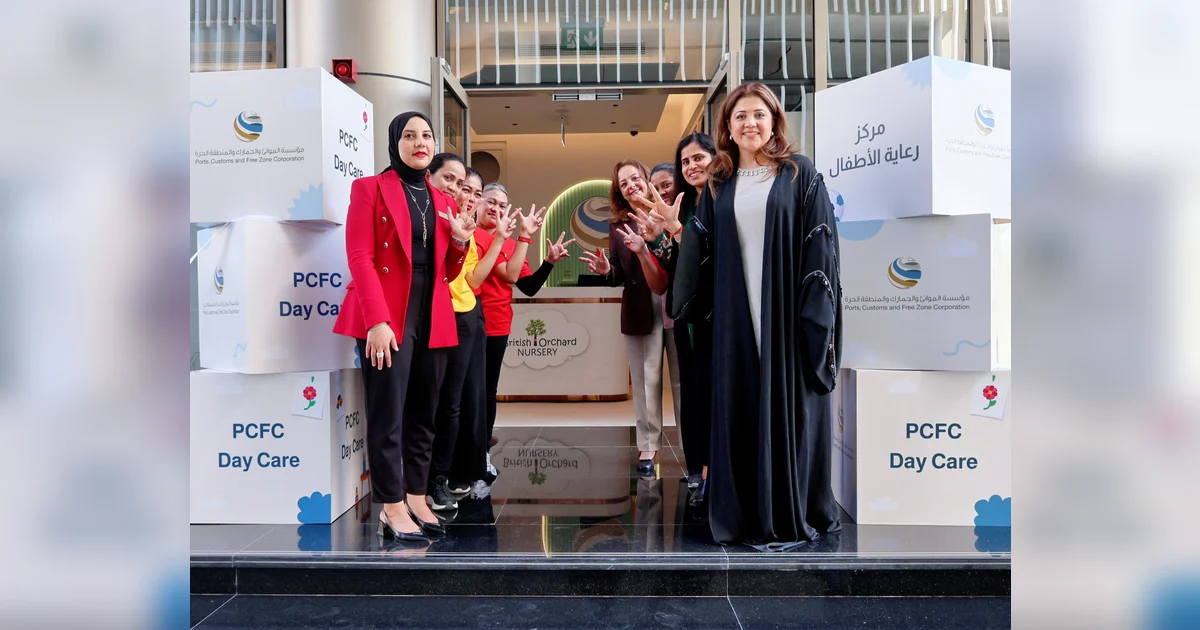
    Dubai’s premier early childhood institution, British Orchard Nursery (BON), has marked a significant expansion milestone with the inauguration of its newest facility within the Ports, Customs and Free Zone Corporation (PCFC) headquarters. This opening represents the nursery chain’s 15th establishment within a UAE government entity and its 37th branch nationwide, reinforcing its position as the Emirates’ most decorated early education provider.

    The timing of this launch carries profound national significance, coinciding with both the UAE’s 54th National Day celebrations and the official designation of 2025 as the ‘Year of the Community’. This dual alignment underscores the nursery’s commitment to fostering social cohesion, familial support structures, and collaborative community development—cornerstones of the nation’s current strategic vision.

    The inauguration ceremony witnessed the presence of distinguished leadership including Sultan Ahmed bin Sulayem (PCFC Chairman), Nasser Al Neyadi (PCFC CEO), and Dr. Vandana Gandhi (BON Founder and CEO), alongside various departmental leaders. This high-level participation highlighted the institutional importance placed on early childhood development within government work environments.

    Dr. Gandhi emphasized the strategic significance of this expansion, noting its synchronization with nationwide educational quality enhancements. “Across the Emirates, regulatory bodies including KHDA, ADEK, and SPEA are implementing strengthened frameworks that prioritize educational excellence, transparency, and cultural preservation,” she stated. “Our BONQ inspection model, ISO-certified safety protocols, and EFQM-driven improvement culture directly align with these national objectives as we enter our twentieth operational year.”

    The new PCFC facility embodies contemporary pedagogical approaches centered on project-based, child-initiated learning experiences. Designed to stimulate curiosity and build emotional security, the nursery features open-ended resources, responsive learning environments, and culturally rich developmental spaces. This educational philosophy supports the UAE’s dual objectives of international benchmarking and cultural rootedness in early years’ education.

    Beyond educational services, this expansion represents a strategic partnership model between government entities and private providers. BON currently serves over fifteen government agencies, demonstrating how institutional collaboration can advance workforce support systems and sustainable, family-oriented workplace cultures. The PCFC branch specifically enhances work-life balance for government employees while extending quality early childhood services to broader community networks.

  • Dubai: Man jailed, fined Dh100,000 for using bank account for drug trafficking

    Dubai: Man jailed, fined Dh100,000 for using bank account for drug trafficking

    In a decisive ruling that underscores the United Arab Emirates’ intensified campaign against narcotics-related financial crimes, a Dubai court has delivered a comprehensive verdict against an Asian national convicted of facilitating drug trafficking through his banking services. The defendant received a three-year prison sentence coupled with a substantial fine of Dh100,000, followed by mandatory deportation upon completion of his incarceration.

    The judicial authorities further mandated the complete confiscation of all funds within the defendant’s bank account and instituted a stringent two-year prohibition preventing him from processing monetary transfers or deposits for third parties, whether directly or through intermediary channels. This financial restriction requires explicit prior authorization from the UAE Central Bank, coordinated with the Ministry of Interior, before any future transactional activities can be conducted.

    The case originated from actionable intelligence received by Dubai’s General Department of Anti-Narcotics, indicating that four Asian men were actively engaged in drug consumption and storage at a Bur Dubai residence. Executing a prosecution-sanctioned raid, law enforcement officials uncovered heroin packets, precision weighing scales, and drug distribution paraphernalia within the property. Subsequent searches revealed additional narcotics quantities concealed inside a vehicle belonging to one of the suspects.

    During criminal investigations, one suspect admitted procuring narcotics from an Asian supplier, while another confessed that proceeds from drug sales were channeled through a UAE bank account. Financial records ultimately identified the defendant as the account holder. Despite maintaining that he merely lent his bank card to assist an acquaintance without knowledge of its illicit use, the court rejected his defense, establishing his responsibility for managing drug-related proceeds.

    This verdict represents the UAE’s strengthened judicial approach toward combating narcotics networks, particularly targeting the financial infrastructure that enables drug trafficking operations. The ruling serves as a stark warning about the severe consequences awaiting those who facilitate criminal activities, even through indirect financial assistance.

  • Evidence of burial ground at Tuam mother and baby home

    Evidence of burial ground at Tuam mother and baby home

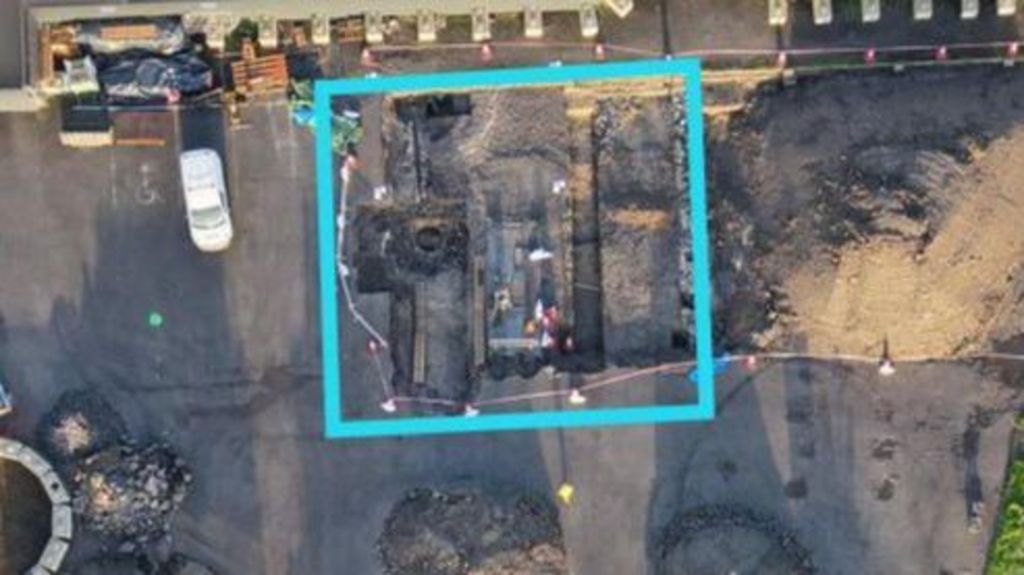
    Archaeological investigators at the former Tuam Mother and Baby Home site in County Galway have confirmed the discovery of a historical burial ground containing infant remains, according to the latest report from the Office of the Director of Authorised Intervention, Tuam (ODAIT).

    The excavation team, which began operations in July with the objective of locating and identifying human remains, has uncovered graves of child and infant proportions in the western sector of the property. This finding aligns precisely with historical maps that previously designated the area as a ‘burial ground,’ though no surface indications remained visible prior to the current investigation.

    ODAIT’s fourth progress update reveals that eleven sets of infant remains have now been recovered from this location, with the most recent excavation uncovering four additional sets following seven previously identified last month. Initial forensic assessments indicate all remains were interred in coffins. The layout and dimensions of the graves provide conclusive evidence that this section served as a formal burial ground during the institution’s operational years from 1925 to 1961.

    The discovery validates the groundbreaking research of local historian Catherine Corless, whose 2014 investigation first revealed that 796 children died at the facility despite the absence of official burial records. Her work brought international attention to the Tuam institution and prompted the ongoing excavation.

    The site gained further notoriety in 2017 when government investigators discovered ‘significant quantities’ of remains in underground chambers approximately 100 meters from the current excavation area. The current forensic operation, conducted both mechanically and manually under protective tents, is expected to continue until 2027, with subsequent analysis anticipated to require additional years.

    The Tuam institution was operated by the Bon Secours Sisters religious order under the ownership of Galway County Council. Both entities have issued formal apologies acknowledging inadequate burial practices and institutional failures. The Bon Secours Sisters have contributed €2.14 million toward excavation costs, while Galway County Council apologized in 2021 for ‘failing mothers and children’ in their care.

  • From Pope Francis to Charlie Kirk, many deaths in 2025 had a wide impact

    From Pope Francis to Charlie Kirk, many deaths in 2025 had a wide impact

    The year 2025 witnessed the passing of numerous influential figures whose deaths created seismic shifts across global institutions, cultural landscapes, and political spheres. The transition within the Catholic Church reached historic proportions with the death of Pope Francis, leading to the unprecedented election of the first American pontiff to guide the world’s 1.4 billion Catholics. This religious milestone was overshadowed by political violence when conservative activist Charlie Kirk was fatally shot during a public appearance, triggering nationwide conversations about political extremism and security protocols at public events.

    The entertainment world suffered multiple devastating blows with the mysterious dual death of Oscar-winning actor Gene Hackman and his wife Betsy Arakawa in their home, and the passing of heavy metal icon Ozzy Osbourne shortly after his farewell concert. Boxing legend George Foreman’s death closed a remarkable narrative of athletic triumph and business success, while the suicide of Jeffrey Epstein accuser Virginia Giuffre brought renewed scrutiny to high-profile sexual abuse cases.

    Political spheres felt the absence of powerful figures including Dick Cheney, one of America’s most influential vice presidents, whose conservative legacy continued to shape political discourse. The year’s extensive list of notable deaths spanned generations and domains—from 114-year-old marathoner Fauja Singh to 29-year-old chess grandmaster Daniel Naroditsky, demonstrating that impact knows no age boundaries.

    Cultural icons including fashion designer Giorgio Armani, filmmaker David Lynch, musician Brian Wilson of The Beach Boys, and actress Diane Keaton left indelible marks on their respective industries. The collective passing of these figures created a cultural reset moment, with their deaths prompting global reflection on their contributions to arts, science, politics, and social movements.

  • Christmas in UAE: Giant fir trees from Canada, Denmark arrive in Dubai

    Christmas in UAE: Giant fir trees from Canada, Denmark arrive in Dubai

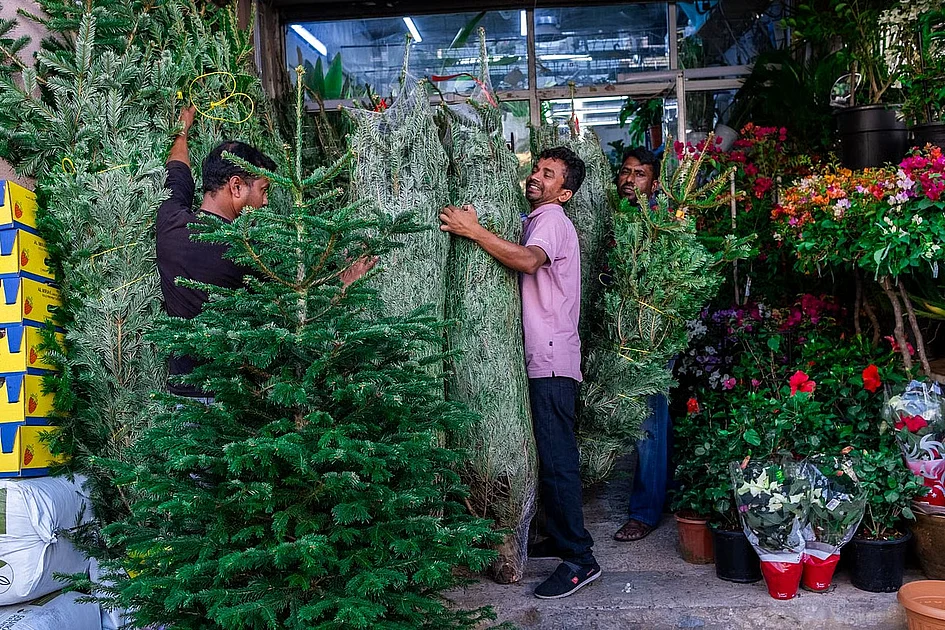
    As December’s cooler temperatures embrace Dubai, the city’s markets have undergone a remarkable transformation into seasonal hubs of festive commerce. The lanes of Satwa now resemble a miniature winter marketplace, brimming with freshly imported Christmas trees whose sharp pine fragrance permeates the morning air. This annual tradition marks the unofficial commencement of Christmas celebrations for the UAE’s diverse resident population.

    The current season has witnessed an unusually early surge in consumer interest, with inquiries beginning in late November according to veteran traders. Ahmed, a long-established Satwa vendor, noted the unprecedented early demand: “Typically, customers arrive during December’s first week, but this year families sought to reserve their trees even before the shipping containers had docked.”

    This year’s market features an impressive selection of northern conifers, with substantial 8 to 9-foot Danish firs commanding significant attention at approximately Dh750 per tree. These specimens have gained popularity for their majestic appearance and natural aromatic qualities. Simultaneously, Canadian firs have made a notable return to the UAE market, prized for their deep green pigmentation and exceptionally dense foliage structure.

    Ghattas, another experienced trader, explained the durability of these imports: “With proper maintenance, these robust trees maintain their vitality for approximately 45 days, making them ideal for residents hosting seasonal gatherings throughout the holiday period.”

    Addressing Dubai’s urban living constraints, traders have introduced compact alternatives including potted trees from the Netherlands. These smaller options, retailing around Dh200 and reaching approximately two feet in height, have proven particularly popular among young couples, students, and families seeking supplementary decorative pieces for children’s rooms.

    The journey these trees undertake to reach Dubai represents a logistical marvel of temperature-controlled transportation. After harvesting in European or North American forests, the trees undergo careful netting before entering refrigerated containers for their 25-day maritime transit. Upon arrival in UAE ports, they transfer to specialized cold storage facilities before final market presentation.

    Daily, vendors meticulously unwrap 30-45 fresh trees each morning, employing gentle shaking techniques to remove desiccated needles before customer inspection. Concurrently, major Dubai supermarkets have joined the seasonal trade, offering metric-sized options from 1-meter trees at Dh169 to more substantial 2-meter specimens priced at Dh299.

  • Sharjah announces fines for vehicles still displaying National Day stickers

    Sharjah announces fines for vehicles still displaying National Day stickers

    Sharjah Police have issued a definitive Saturday deadline for motorists to remove all National Day celebration decals from their vehicles, with violations announced for non-compliance following recent traffic safety enforcement actions. The directive comes as authorities revealed they impounded 106 vehicles and nine motorcycles during the 54th Eid Al Etihad celebrations due to serious traffic offenses that jeopardized public safety.

    According to the official advisory from Sharjah Police General Command, vehicles found displaying National Day stickers beyond the December 6 deadline will face financial penalties. This regulatory measure follows a documented pattern of traffic violations during the national celebrations, including excessive noise generation, public disturbance, and reckless driving maneuvers that endangered road users. Police reports additionally indicated that some apprehended motorists were operating vehicles without valid driving licenses.

    The enforcement initiative aligns with observed changes in National Day celebration patterns, as earlier reported by Khaleej Times. Vehicle decorators noted a growing preference among residents for more sophisticated and minimalist car designs during the recent celebrations, with customization shops experiencing increased demand for creative yet tasteful expressions of national pride.

    This coordinated approach to traffic regulation demonstrates Sharjah authorities’ balanced strategy of encouraging patriotic expression while maintaining strict road safety standards and public order considerations.

  • The ‘Gyrfalcon’ mounted police team safeguards grasslands in northern borderland of China

    The ‘Gyrfalcon’ mounted police team safeguards grasslands in northern borderland of China

    In the snow-covered expanses of China’s northern borderlands, an elite mounted police unit known as the ‘Gyrfalcon’ maintains vigilant watch over the Chenbarhu Banner Grassland. Established in 2015 as Hulun Buir’s first specialized equestrian police force in Inner Mongolia Autonomous Region, this dedicated team patrols an immense 18,600 square kilometers of terrain regardless of extreme weather conditions.

    The unit’s specially trained horses, each undergoing rigorous six-month preparation programs, enable officers to navigate challenging landscapes inaccessible to conventional vehicles. Throughout their decade of service, these officers have endured both scorching summer ultraviolet exposure and winter temperatures plunging to minus 40 degrees Celsius while maintaining their protective duties.

    Beyond their primary security functions, the Gyrfalcon team has expanded their community service to include traffic management near local schools and safely escorting children through snowbound streets. Their remarkable patrol mileage has surpassed 140,000 kilometers—equivalent to circling the Earth more than three times—while providing critical assistance to approximately 700 residents in emergency situations.

    From remote grasslands to adjacent townships, this mounted police force has evolved into both a practical security solution and a powerful symbol of safety for the region’s herdsmen and communities throughout the year.

  • Liaoning launches first province-level online book lending platform

    Liaoning launches first province-level online book lending platform

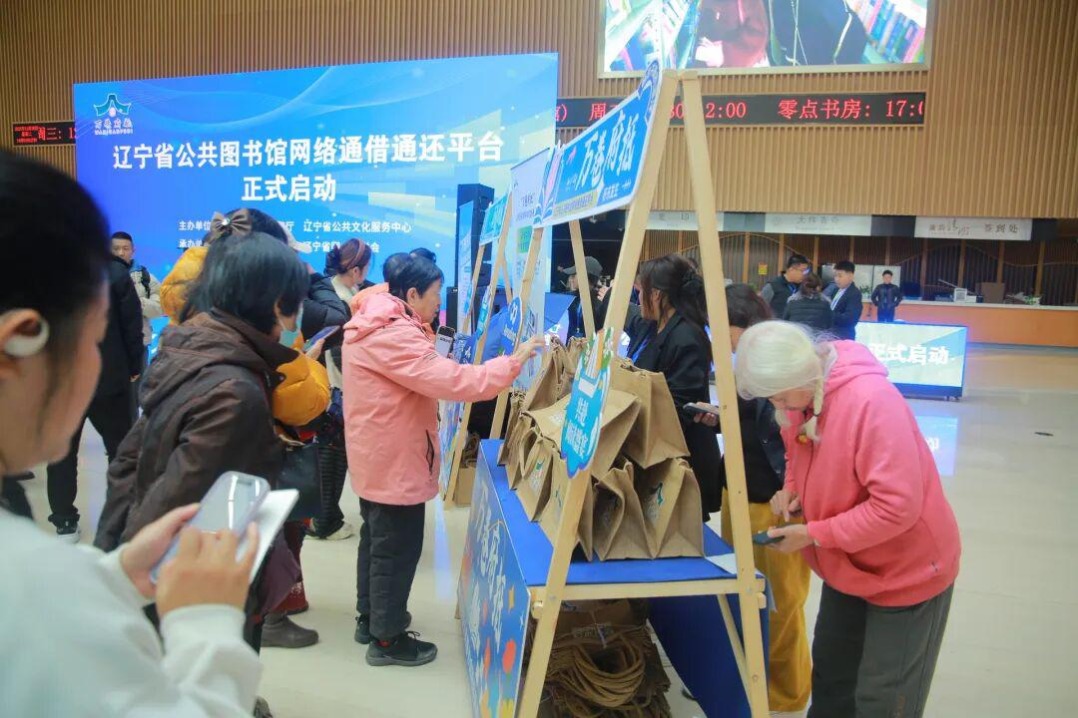
    Northeast China’s Liaoning Province has unveiled a groundbreaking digital initiative in public cultural services with the launch of ‘Wanjuanfudi’ (meaning ‘Abundant Books’), marking China’s first province-level coordinated online library lending platform. This innovative system represents a significant advancement in making literary resources more accessible to the public through digital integration.

    The platform debuted with an impressive collection of 500,000 volumes pooled from the Liaoning Provincial Library and 14 municipal libraries across the province. The service operates through a user-friendly mobile application that allows residents to browse, select, and order books for home delivery via courier services. Each registered user receives one complimentary shipping service per quarter, significantly reducing barriers to access.

    Developed through a collaboration between the Liaoning Provincial Department of Culture and Tourism and the Provincial Public Cultural Service Center, ‘Wanjuanfudi’ directly addresses longstanding challenges in public library services. The platform specifically targets issues such as slow collection updates in community libraries and the difficulties faced by residents in remote areas who previously encountered limited access and high costs associated with obtaining books.

    This initiative has been designated as a key cultural benefit project in Liaoning’s 2025 Provincial Government Work Report, highlighting its importance in the region’s public service agenda. Future expansion plans include integrating all 127 public libraries across the province while additionally incorporating resources from university libraries and urban reading spaces. This comprehensive approach aims to create an extensive network for resource sharing and significantly extend the program’s reach and impact throughout the region.

  • Annual Fairy’s Day marked in Xizang

    Annual Fairy’s Day marked in Xizang

    The ancient streets of Lhasa came alive with vibrant cultural celebrations on Thursday as the Tibetan Autonomous Region observed its annual Fairy’s Day, a traditional event dedicated to honoring women and Tibetan Buddhist heritage. Corresponding with the 15th day of the tenth month in the Tibetan calendar, this year’s festivities brought thousands of participants to the sacred grounds of Jokhang Temple.

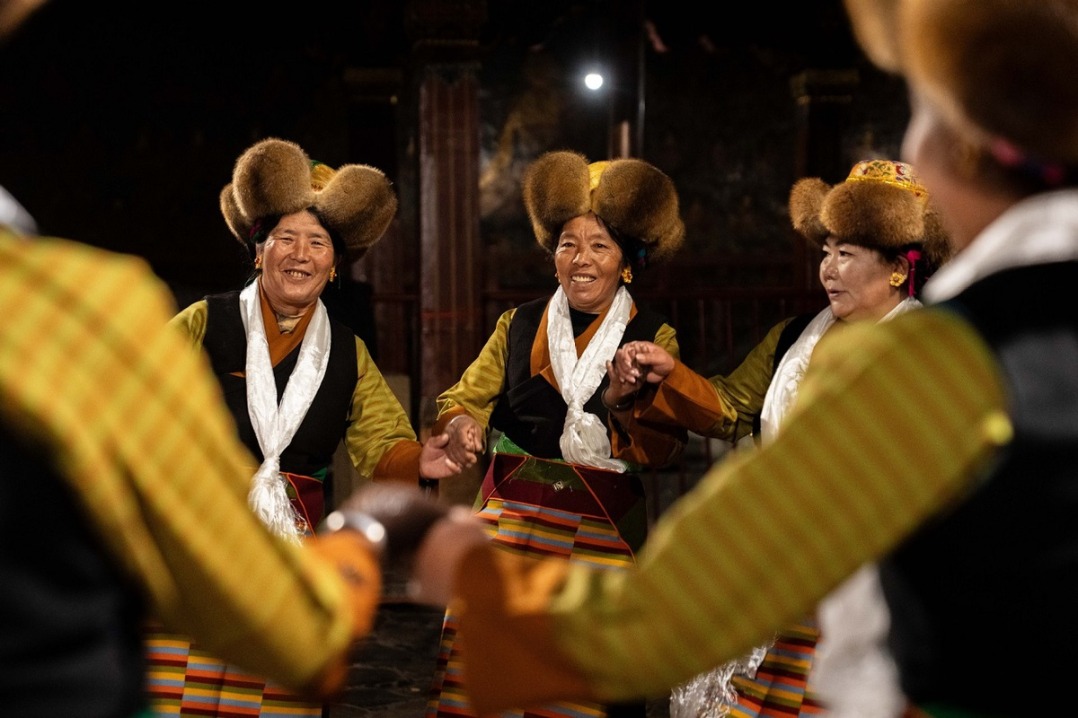
    Women adorned in elaborate traditional costumes formed processions through the city, carrying ceremonial hada scarves—white silk khata symbols of purity and goodwill—and vessels of barley wine. The celebratory atmosphere filled the air as communities gathered to pay homage to Palden Lhamo, the revered female protector deity in Tibetan Buddhism known as the guardian of the Dharma.

    The temple precincts echoed with rhythmic movements as participants performed Guozhuang, the traditional Tibetan circle dance characterized by synchronized steps and colorful attire. This cultural expression, deeply rooted in Tibetan heritage, served as both spiritual devotion and community bonding experience.

    Local authorities noted the significance of preserving such cultural traditions that have been maintained for centuries. The festival not only reinforces cultural identity but also highlights the respected status of women in Tibetan society, where the feminine divine occupies a central role in spiritual practices.

    The celebrations demonstrated the continuing vitality of Tibetan cultural traditions within contemporary society, showcasing how ancient customs adapt and thrive in modern times while maintaining their spiritual significance and community functions.