分类: society

  • Courts target child abuse done under guise of ‘strict parenting’

    Courts target child abuse done under guise of ‘strict parenting’

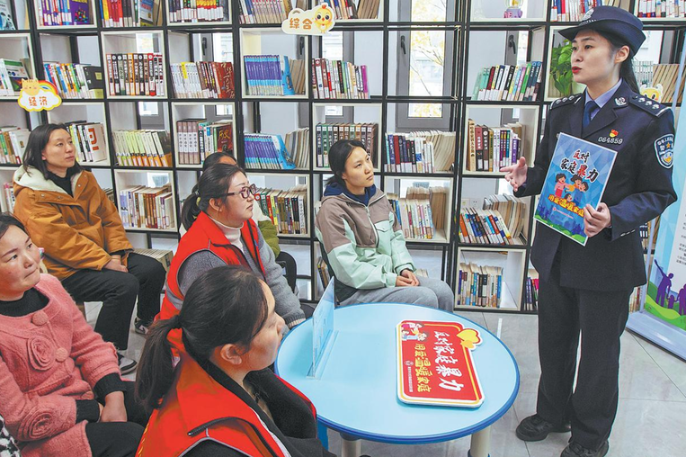
    China’s Supreme People’s Court has issued groundbreaking judicial guidance redefining physical discipline of children as potential domestic violence, marking a significant shift in the country’s approach to child protection. The national top court recently highlighted eight landmark cases demonstrating its zero-tolerance position toward family violence, particularly emphasizing protection for minors.

    Legal experts confirm that Chinese courts will now prioritize children’s wellbeing in case deliberations, with parents or guardians who employ violent disciplinary methods facing potential domestic violence charges. The judiciary has further clarified that courts will support custody modifications when violence causes minors to develop distorted understanding of family relationships, psychological issues, or imitative behavioral patterns.

    Tong Lihua, director of the Beijing Children’s Legal Aid and Research Center, emphasized that ‘parents do not possess any extralegal privilege to commit domestic violence against their children.’ He urged judges to evaluate whether severe abuse was intentional, considering methodology and frequency, while fully utilizing legal measures to penalize perpetrators and ensure societal safety.

    This judicial development challenges persistent traditional beliefs that physical discipline produces obedient children, despite research demonstrating such methods frequently cause psychological trauma, behavioral issues, and physical injuries. The guidance represents a substantial advancement in China’s ongoing efforts to combat domestic violence and protect children’s rights within family environments.

  • ‘It’s insulting they think we can’t handle it’: The Australian teens banned from social media

    ‘It’s insulting they think we can’t handle it’: The Australian teens banned from social media

    Australia’s groundbreaking social media prohibition for minors under 16 has taken effect, creating profound implications for teenage connectivity across the vast continent. The controversial legislation, implemented after year-long deliberations, represents one of the world’s most restrictive digital age barriers.

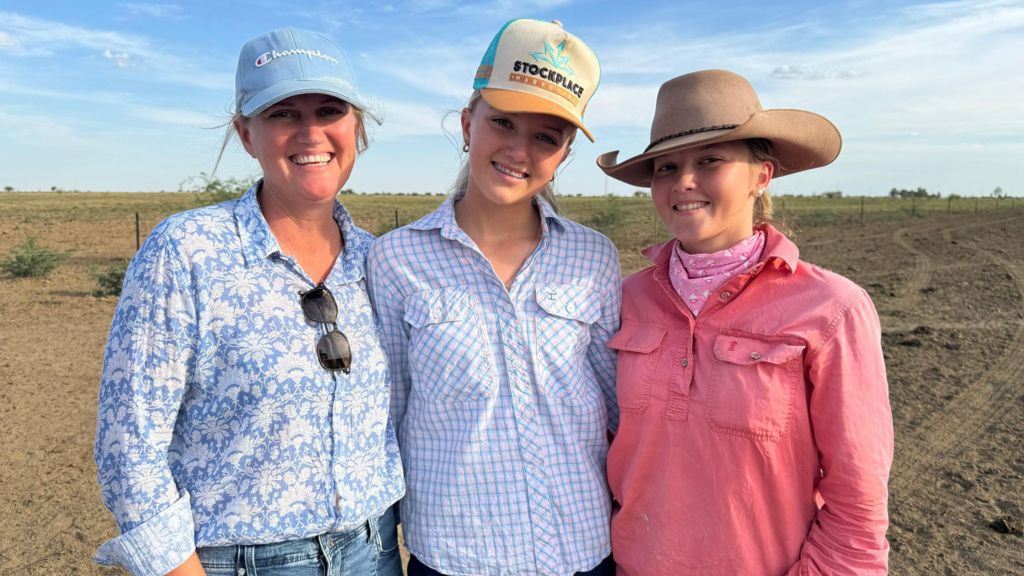
    In remote Queensland, 15-year-old Breanna Easton exemplifies the practical consequences of this policy shift. While mustering cattle on her family’s sprawling outback station, she previously maintained digital connections through Snapchat and TikTok despite geographical isolation. “Taking away our socials is just taking away how we talk to each other,” she laments, highlighting how visual communication platforms provided vital social lifelines when physical distances exceeded 100 kilometers between friends.

    The legislative measure has ignited polarized responses nationwide. Proponents, including educators and child safety advocates, argue that unchecked social media exposure subjects young people to unregulated pressures, cyberbullying, and predatory behavior. Iris Nastasi, principal at Rosebank College in Sydney, expresses strong support: “We should preserve the innocence that comes through childhood” rather than exposing children to overnight digital risks that damage real-world relationships.

    Conversely, critics question both the technological enforcement mechanisms and the policy’s potential to drive youth toward darker digital corners. Parental autonomy concerns emerge prominently, with Megan Easton (Breanna’s mother) noting that “government overstepping” undermines family-based digital education strategies. She emphasizes the importance of guided social media exposure during early adolescence, allowing supervised mistakes and corrective learning.

    The political impetus for this radical intervention came unexpectedly. South Australian Premier Peter Malinauskas pursued state-level legislation after his wife’s reaction to Jonathan Haidt’s book “The Anxious Generation,” which details smartphones’ neurological impacts on developing brains. The subsequent federal ban progressed with remarkable speed from conceptualization to implementation within eight months.

    However, significant concerns emerge regarding the ban’s impact on vulnerable communities. LGBTQ+ youth report 96% dependency on social platforms for connection and support according to Minus18 surveys. Autistic advocates similarly note that online spaces provide alternative socialization formats inaccessible in physical environments. For 13-year-old Sadie Angus, recently expelled from Instagram, anonymous sharing provided crucial emotional safety unavailable in her offline world.

    Tragic narratives underscore the policy’s moral foundation. Campaigner Emma Mason, whose 15-year-old daughter Tilly died by suicide after intense cyberbullying and image-based abuse, maintains that “agents of harm that are unregulated” necessitated government intervention. While acknowledging current teenagers might not be “clear winners,” she believes younger children will benefit from protected digital development.

    The Australian experiment continues amid pending High Court challenges, potential tech company resistance, and international scrutiny. As the nation navigates this unprecedented digital boundary, it balances protectionism against developmental autonomy, creating global precedent for how societies might reshape youth engagement with evolving technologies.
  • Kids locked out of social media apps after Australia’s world-first ban

    Kids locked out of social media apps after Australia’s world-first ban

    Australia has implemented a groundbreaking prohibition on social media access for minors under 16, becoming the first nation to enforce such comprehensive restrictions without parental consent exemptions. The landmark legislation, which took effect this week, requires major platforms including Meta, TikTok and YouTube to implement “reasonable steps” in preventing underage account creation and usage.

    Prime Minister Anthony Albanese hailed the policy as a transformative measure that could set global precedents for child protection online. “This is Australia showing enough is enough,” he declared during a press conference surrounded by advocates. “I believe this has the power to change lives around the world.”

    The regulatory framework empowers Australia’s eSafety Commissioner to monitor compliance across ten designated platforms, with corporations facing penalties up to A$49.5 million for serious violations. Julie Inman Grant, the online safety regulator, confirmed compliance checks would commence immediately, with preliminary assessments to be published before Christmas.

    Supporters argue the ban addresses critical concerns about harmful content algorithms and psychological impacts on developing brains. Twelve-year-old activist Florence ‘Flossie’ Brodribb articulated this perspective: “Our brains are going through one of the biggest rewiring periods of our lives… Social media is designed to take advantage of that.”

    However, significant opposition emerges from both youth and experts questioning the ban’s practicality and potential unintended consequences. Teenagers report already circumventing restrictions, while critics warn of isolation risks for vulnerable communities including LGBTQ+ and rural youth. Fifteen-year-old Breanna highlighted connectivity concerns: “When our Snapchat is taken away, so is our communication.”

    Technology companies have resisted the measures, emphasizing enhanced parental controls as preferable solutions. Meanwhile, international observers from Denmark to Brazil are monitoring Australia’s experiment as potential test case for their own regulatory considerations.

    The government acknowledges implementation challenges while framing the policy as part of a longer-term strategy. “Success is the fact that we’re having this discussion,” Albanese noted, recognizing the ban won’t be perfect but represents a necessary starting point for digital safety reform.

  • Two teenagers went to seek gold. They were buried alive in a mine collapse

    Two teenagers went to seek gold. They were buried alive in a mine collapse

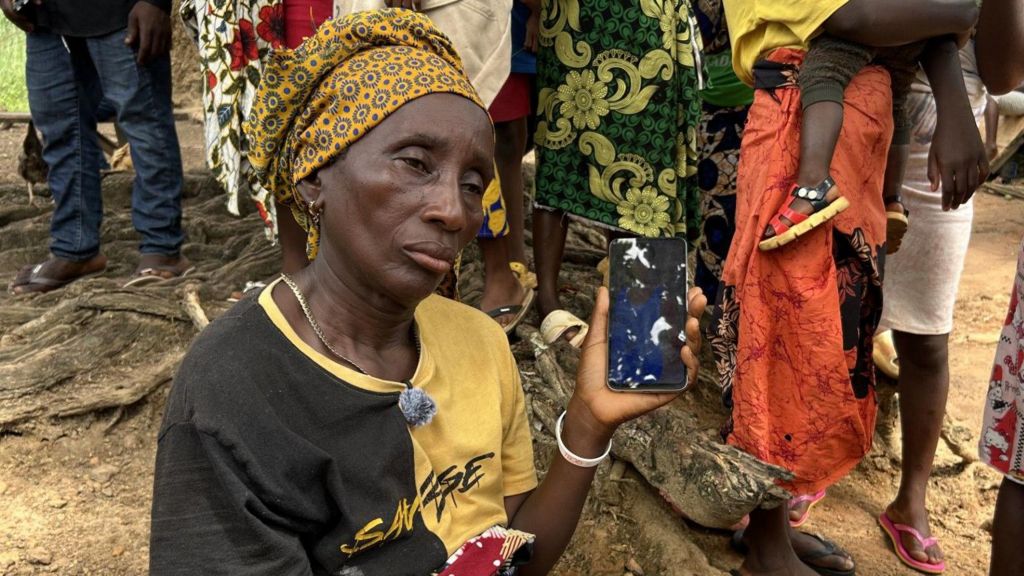
    A profound sense of grief permeates the village of Nyimbadu in Sierra Leone’s Eastern Province, where two teenage boys—16-year-old Mohamed Bangura and 17-year-old Yayah Jenneh—were laid to rest after perishing in a collapsed gold mine. The makeshift excavation pit they were digging crumbled upon them, cutting short their lives in a tragic incident that underscores a growing humanitarian crisis.

    This marks the third fatal mining accident in the region within four years, claiming at least five young lives. The phenomenon reflects a disturbing trend where increasing numbers of children are abandoning education to engage in perilous artisanal mining operations. As diamond reserves diminish throughout Eastern Province, informal gold mining has expanded dramatically, creating hazardous pits reaching depths of 4 meters (13 feet) with minimal structural support.

    Namina Jenneh, Yayah’s widowed mother, now faces the impossible task of providing for her five remaining children alone. Though she herself worked in the mines and introduced her son to the practice, she never anticipated his final journey to the fatal site. “He didn’t tell me he was going to that site—if I had known I would have stopped him,” she lamented, scrolling through photographs of her bright-eyed son on her damaged mobile phone.

    The economic desperation fueling this crisis is palpable. Most families in Nyimbadu survive through small-scale farming and petty trading, with few alternative income sources. Seventeen-year-old Komba Sesay, who dreams of becoming a lawyer, now spends his days sifting river sediment for gold to afford his high school examinations. His typical weekly earnings of $3.50 fall significantly below Sierra Leone’s minimum wage, yet rare discoveries yielding $35 keep hope alive amidst the danger.

    The educational system suffers doubly as teachers likewise abandon classrooms for mining sites, their government salaries proving insufficient compared to potential mining windfalls. Roosevelt Bundo, headteacher at Gbogboafeh Aladura Junior Secondary School, confirms this troubling exodus affects both students and educators.

    While Information Minister Chernor Bah emphasizes the government’s commitment to education—citing 8.9% of GDP allocated to educational initiatives including teacher support and school-feeding programs—implementation struggles against harsh economic realities. Charities and activists work to extract children from mines and reintegrate them into schools, but without viable economic alternatives, the gravitational pull of potential mining income remains overwhelming.

    As mining camps evolve into full-fledged towns, the human cost continues to mount. Local child protection activist Sahr Ansumana summarizes the desperate plea of communities: “We need help. Not prayers. Not promises. Help.”

  • Indian couple trolled over skin colour after wedding video goes viral

    Indian couple trolled over skin colour after wedding video goes viral

    An Indian couple’s celebration of marital bliss has transformed into a powerful social commentary on deep-rooted colorism after facing severe online trolling. Rishabh Rajput and Sonali Chouksey, who met in college zoology class in 2014 and married November 23rd, became unintended symbols of resistance against skin color discrimination when their wedding photos attracted vicious cyberbullying.

    The digital harassment began immediately after the Madhya Pradesh couple shared images from their traditional ceremony. Trolls predominantly targeted Rajput for his darker complexion while simultaneously accusing Chouksey of being a ‘gold-digger’ who married for financial security or governmental connections. Comments speculated about ‘compulsions’ behind their union and questioned the authenticity of their happiness.

    Rather than retreating from public view, the couple launched a courageous counter-narrative through multiple media interviews and social media posts. ‘People were making jokes and memes and it felt very wrong,’ Rajput told BBC Hindi from their Jabalpur home. ‘It was our moment we had waited for so many years—when I saw people’s reactions, I was really shocked.’

    The couple emphasized that their eleven-year relationship had never faced such color-based criticism before their wedding went viral. In an Instagram response, Rajput addressed trolls directly: ‘Sorry to disappoint you. I’m not a government employee, but I work hard for my family. Sonali fell in love with me when I had nothing—she has stood with me through every good and bad moment.’

    Their response has ignited broader discussions about India’s documented obsession with fair skin, which often carries tragic social consequences. Chouksey questioned the prevailing bias: ‘We live in India where people from different regions have different skin color. Fair skin doesn’t necessarily make someone a good person.’

    Rajput highlighted the demographic reality that ’70-80% of people in India have darker skin tones, but the Indian mentality is that fairer is better. It’s time to change that notion.’ The couple maintains that despite the hurtful comments affecting their families, their relationship remains strong. ‘When you look at us,’ Rajput challenges critics, ‘do we look even remotely unhappy to you? We don’t. Because we have what most people don’t have—I have her and she has me.’

  • Prosecutors release bodycam footage of moment police confront Luigi Mangione

    Prosecutors release bodycam footage of moment police confront Luigi Mangione

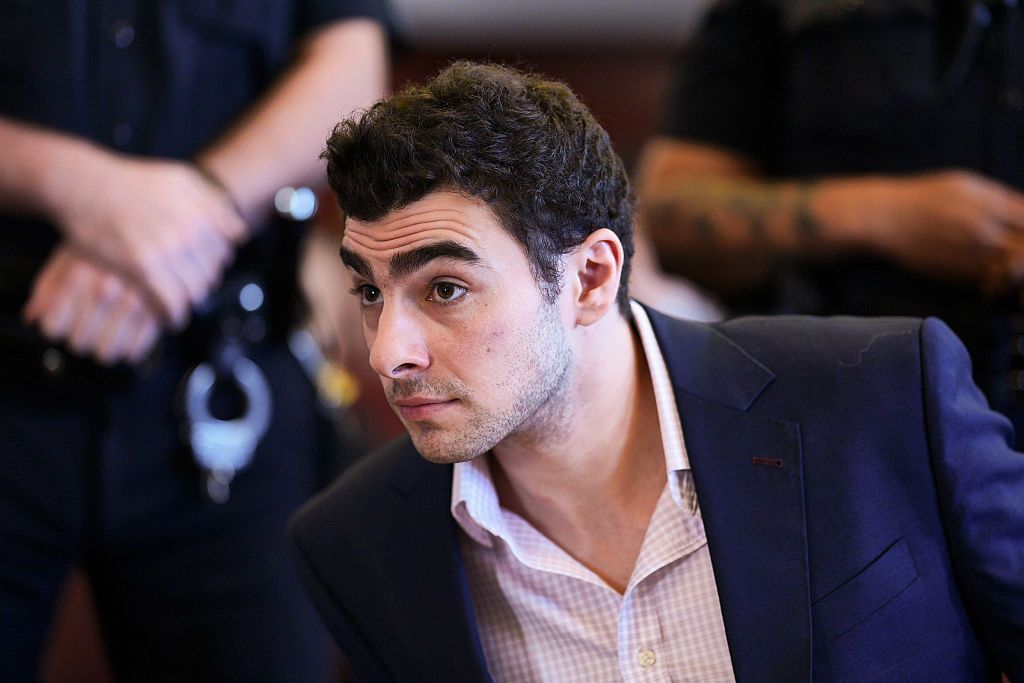
    A critical legal proceeding is unfolding in Manhattan’s Supreme Criminal Court, centering on the arrest of Luigi Mangione, who stands accused of murdering United Healthcare CEO Brian Thompson. The case took a significant turn as prosecutors released body camera footage from Mangione’s apprehension at a Pennsylvania McDonald’s exactly one year prior.

    The recently unveiled video depicts two police officers approaching Mangione, who was seated wearing a medical mask. The officers requested identification and asked him to lower his mask, to which he complied. When questioned about his identity, Mangione allegedly provided false names, responding with ‘Mark’ and ‘Mark Rosario.’ The officers explained they were investigating a suspicious person report before examining his identification.

    Defense attorney Karen Friedman Agnifilo is leading a vigorous challenge against the evidence collected during this encounter. The defense contends that law enforcement officers failed to properly administer Miranda rights before the arrest and conducted warrantless searches of Mangione’s belongings. These constitutional violations, if proven, could potentially exclude crucial evidence from any future trial.

    Testimony from Patrolman Stephen Fox revealed additional details about the case. Fox acknowledged participating in the backpack search at McDonald’s and recounted Mangione’s unusual behavior during arraignment proceedings. According to Fox’s testimony, Mangione referenced himself as a ‘mass murderer’ when noticing assembled reporters and later commented about adjusting to restraints after tripping while exiting the courtroom.

    The court has reviewed multiple evidentiary items, including personal writings from Mangione’s notebook. The outcome of these hearings, presided over by Justice Gregory Carro, will significantly impact the prosecution’s case by determining which evidence may be presented to a jury.

  • ‘What’s your name?’ – Moment police confront Luigi Mangione at McDonald’s

    ‘What’s your name?’ – Moment police confront Luigi Mangione at McDonald’s

    Authorities have made public compelling body camera evidence documenting the pivotal moment law enforcement officers first engaged with Luigi Mangione, the individual accused in the high-profile homicide of a corporate CEO. The recently unveiled footage captures the tense exchange at a McDonald’s establishment, where police approached the suspect with the straightforward yet loaded question: ‘What’s your name?’

    The visual evidence provides unprecedented insight into the initial stages of the criminal investigation, showcasing professional police procedure during a critical suspect confrontation. The released recording represents a significant development in the judicial process, offering both the court and public a firsthand perspective on the early investigative encounter.

    Legal experts suggest this disclosure demonstrates the prosecution’s commitment to transparency in a case that has attracted substantial media attention. The footage serves as crucial documentation of the suspect’s demeanor and responses during law enforcement’s initial approach, potentially influencing subsequent legal proceedings and jury perceptions.

    This development occurs within broader discussions about police accountability, public access to investigative materials, and the ethical considerations surrounding pre-trial evidence disclosure in high-stakes criminal cases.

  • Suspect in custody after shooting at Kentucky university

    Suspect in custody after shooting at Kentucky university

    Law enforcement authorities have apprehended a suspect following an active shooter incident at Kentucky State University (KSU) in Frankfort on Tuesday afternoon. The campus was immediately placed on lockdown as multiple agencies including Frankfort Police Department, KSU campus police, and Franklin County Sheriff’s Office responded to what was initially described as an “active aggressor” situation.

    Kentucky Governor Andy Beshear confirmed the suspect’s arrest while acknowledging injuries had occurred, though specific numbers and severity remain unverified. “At this time, we are aware of some injuries,” Governor Beshear stated. “We will share more information as available.” The governor publicly requested prayers for those impacted by the violence.

    The university, spanning over 1,000 acres with more than 2,200 students and 450 faculty and staff members according to institutional data, was secured by law enforcement following the incident. Official communications via social media confirmed that campus authorities had successfully contained the threat and taken a suspect into custody.

    This event adds to the ongoing national conversation regarding gun violence in United States educational institutions. The investigation remains active as authorities work to determine the full scope of casualties and circumstances surrounding the attack.

  • American receives Wudang’s first social security card for non-citizen

    American receives Wudang’s first social security card for non-citizen

    In a landmark development for foreign residents in China, American national Jake Pinnick has become the first non-citizen in Wudang to receive official social security registration, marking a significant step in the region’s integration of international residents into its social welfare system.

    Government representatives personally delivered social security identification cards to Pinnick and his daughter during a special home visit on December 9, 2025. These cards provide the family with access to comprehensive local medical insurance and pension services—benefits that Pinnick and his Chinese wife have eagerly anticipated for an extended period.

    Pinnick’s journey to this historic moment began fifteen years ago when he traveled to Wudang Mountain in Shiyan, Hubei Province, to study traditional Chinese martial arts under Yuan Shimao, a recognized inheritor of provincial-level intangible cultural heritage. After completing his training and achieving certified instructor status in 2014, Pinnick has dedicated himself to promoting Wudang culture internationally, including its distinctive kung fu techniques, traditional tea ceremonies, and classical musical instruments.

    This administrative breakthrough represents growing recognition of long-term foreign contributors to Chinese cultural preservation and demonstrates the evolving nature of social service accessibility in regional China. The personalized delivery of these documents underscores the local government’s commitment to ensuring foreign residents can fully participate in China’s social welfare infrastructure.

  • Brazil approves law strengthening protective measures for female victims of gender-based violence

    Brazil approves law strengthening protective measures for female victims of gender-based violence

    Brazil has taken decisive legislative action to combat escalating gender-based violence with President Luiz Inácio Lula da Silva enacting robust protective measures for female victims. The newly signed law empowers judges to implement comprehensive safeguards including firearm ownership suspension or restriction, mandatory removal of abusers from shared residences, and enforced no-contact orders.

    The legislation introduces electronic monitoring technology requiring offenders to wear ankle bracelets that alert victims through security devices when violators approach prohibited boundaries. Penal enhancements represent another critical component, increasing maximum sentences for child rape under age 14 from 15 to 18 years imprisonment. For cases involving both rape and murder of children, penalties now range from 20 to 40 years incarceration, substantially raising previous sentencing guidelines of 12-30 years.

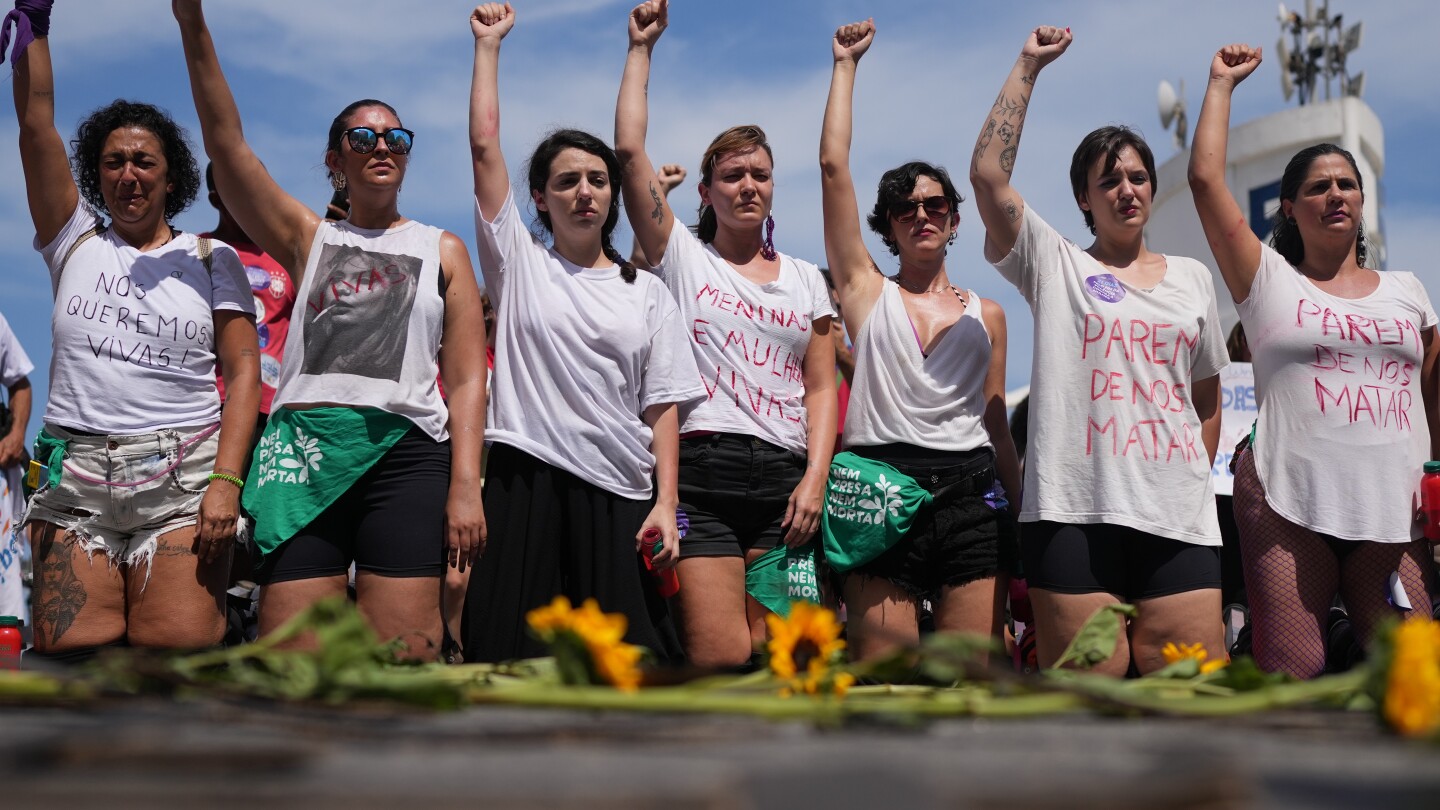
    This legal advancement emerges amid national outrage following record-breaking violence statistics and several high-profile cases that triggered mass demonstrations across 90 Brazilian cities. Particularly brutal incidents include Taynara Souza Santos, who suffered traumatic leg amputations after being deliberately run over and dragged by her former partner, and English teacher Catarina Kasten who was raped and strangled en route to a swimming lesson.

    While feminist activists acknowledge the legislative progress, they emphasize implementation challenges. Rachel Ripani, protest organizer, noted: “While positively received, these measures risk relegation without sustained public pressure.” Experts including sociologist Isadora Vianna question the efficacy of punitive approaches, advocating instead for preventive strategies like comprehensive sex education and victim support systems.

    Critical undercurrents reveal deeper structural issues according to women’s rights activist Tatianny Araújo: “No penal modification can succeed while underlying sexist, misogynistic, and racist frameworks persist.” Recent data from the Brazilian Forum on Public Safety indicates over one-third of women experienced sexual or gender-based violence within a year, with femicide rates reaching historic peaks since record-keeping began.