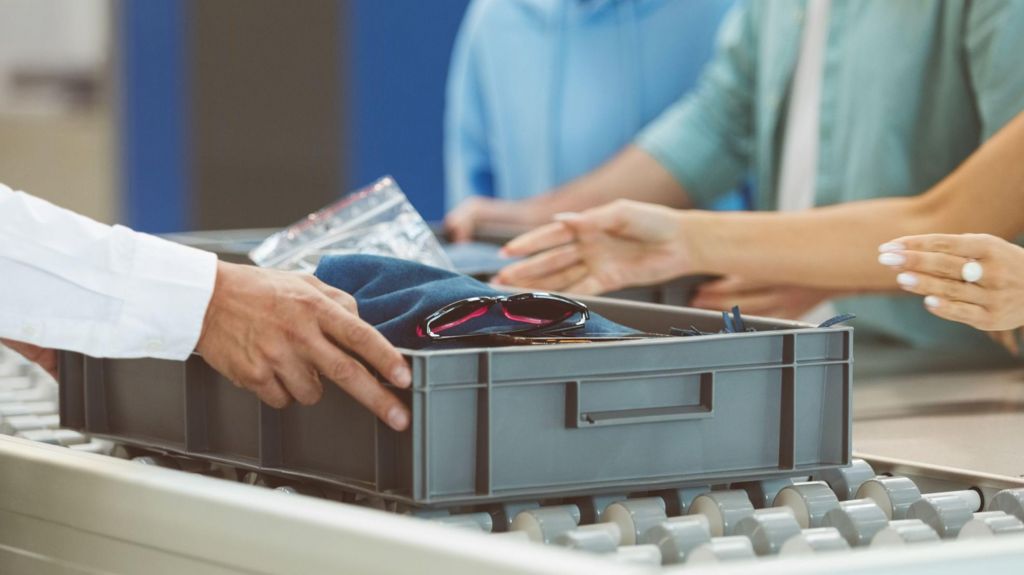
Dublin Airport has ushered in a new era of air travel convenience by implementing state-of-the-art C3 scanning technology, effective as of Friday. This groundbreaking upgrade eliminates the need for passengers to remove liquids, gels, or electronics from their hand luggage during security checks. Additionally, the previously restrictive 100ml limit on liquids and gels has been abolished, allowing travelers to carry containers of up to two liters without the requirement of clear plastic bags. This significant shift is attributed to a multi-million euro investment in advanced scanning systems, which utilize CT scanner-like technology to generate detailed 3D images of baggage, enhancing both security and efficiency. The airport has successfully completed its transition to full C3 operations ahead of its October 2025 target, marking a milestone in its commitment to improving the passenger experience. Gary McLean, Managing Director of Dublin Airport, hailed the development as a ‘positive and welcome change’ for both travelers and staff. While Dublin leads the way, other airports in the UK and Europe are still in the process of adopting similar technology, prompting officials to advise passengers to verify liquid rules at their departure airports. The move comes as part of a broader trend in the aviation industry to modernize security protocols, with Belfast International Airport also undergoing significant upgrades. The 100ml liquid rule, introduced in 2006 in response to heightened security concerns following the 9/11 attacks, is gradually being phased out as airports worldwide embrace advanced scanning solutions. However, challenges such as equipment weight and limited manufacturing capacity have slowed the rollout in some regions. Dublin Airport’s successful implementation positions it as a pioneer in European airport security innovation.
分类: society
-
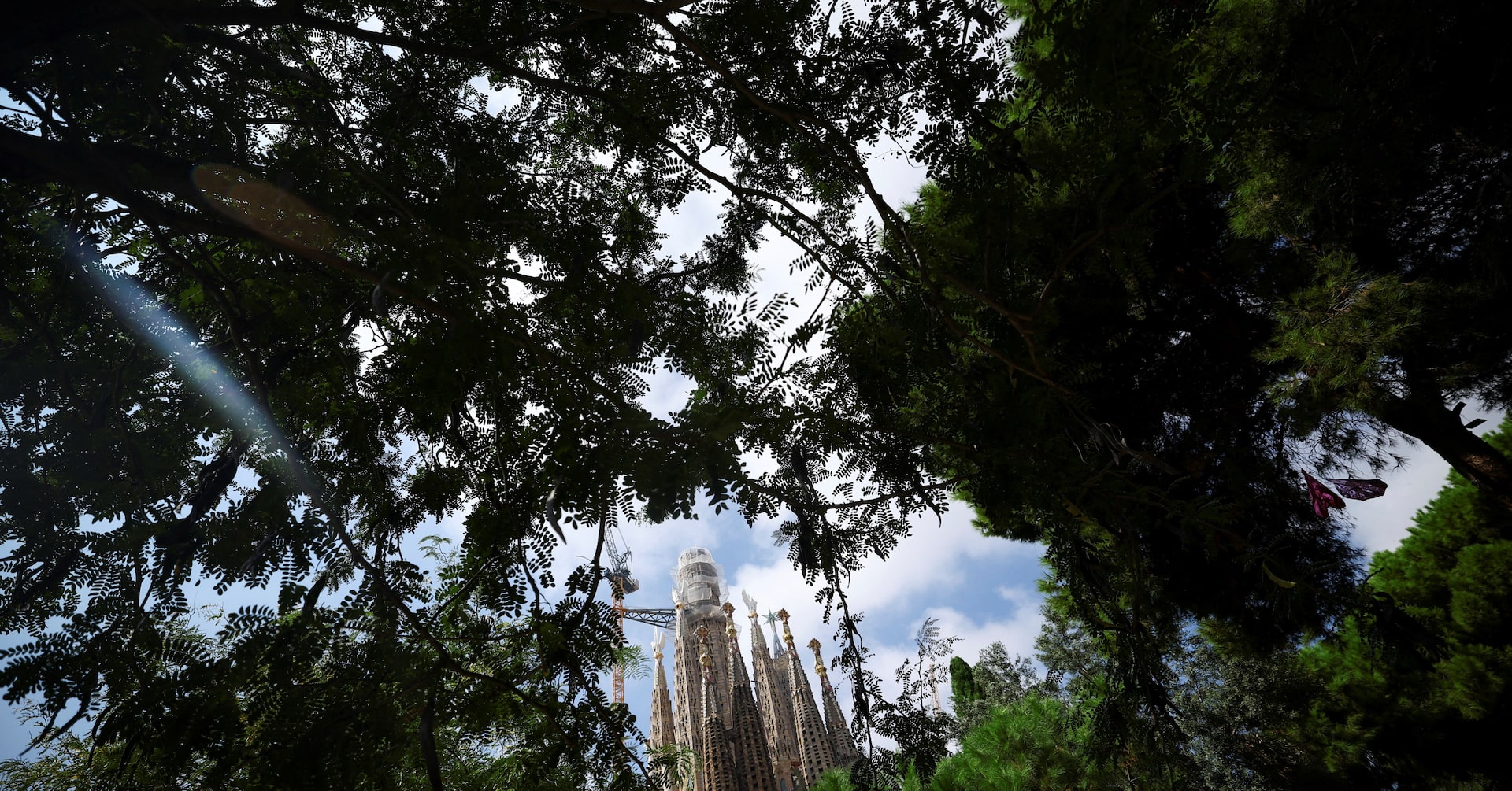
Barcelona’s epic Sagrada Familia could be finished in 10 years
Barcelona’s iconic Sagrada Familia, the masterpiece of renowned architect Antoni Gaudi, is inching closer to its long-awaited completion. Project leaders announced on September 18, 2025, that the modernist basilica could be finalized within the next decade, marking over a century since Gaudi’s death in 1926. Esteve Camps, the project’s chairman, expressed cautious optimism during a press conference, acknowledging delays caused by the COVID-19 pandemic, which severely impacted visitor revenues and pushed the completion timeline beyond the initial 2026 target. Camps emphasized that under normal circumstances, the project could be finished in approximately 10 years, though uncertainties remain. Next year, to commemorate the centenary of Gaudi’s death, the team aims to complete the external aspects of the basilica’s main 172.5-meter tower, dedicated to Jesus Christ, which will become Barcelona’s tallest structure. The completed Sagrada Familia will feature three facades and 18 towers. Pope Leo has been invited to lead a commemorative mass and opening ceremony for the tower in June 2026, with a response from the Vatican expected soon. Meanwhile, local authorities are yet to approve plans for a large staircase outside the basilica’s main gate, a proposal that has sparked protests due to potential residential demolitions. Despite challenges, Camps remains confident in the project’s progress, though he acknowledged that negotiations and legal disputes may arise. The basilica, a major tourist attraction, welcomed a record 4.9 million visitors last year, highlighting its enduring global appeal. However, officials note that even after completion, the site’s maximum capacity will remain unchanged.
-

Maldives journalists to seek repeal of new media law
Journalists in the Maldives are gearing up to challenge a controversial new media law in the country’s Supreme Court, claiming it threatens press freedom and imposes harsh penalties on violators. The Maldives Media and Broadcasting Regulation Bill, signed into law by President Mohamed Muizzu on Thursday, establishes a seven-member Maldives Media and Broadcasting Commission with extensive authority over media and social media platforms. The commission has the power to suspend media registrations, block websites, halt broadcasts, and impose fines ranging from MVR 5,000 ($325) to MVR 100,000 ($6,500) on journalists and outlets. Critics argue that the commission, with three members and its chair appointed by the president, is effectively government-controlled, undermining its independence. The Maldives Journalists Association (MJA) has condemned the law, asserting that media should be self-regulated and free from state interference. MJA President Naaif Ahmed vowed to challenge the legislation in court, stating, ‘We will not obey this law. We will go to the Supreme Court and ask it to dismantle this law.’ Meanwhile, Foreign Minister Abdulla Khaleel defended the law on social media, claiming it unifies oversight, ensures transparency, and modernizes media standards. The Maldives, a nation of 530,000 people, has faced political tensions and geopolitical competition between India and China in recent years. Despite having 200-300 registered media outlets, fewer than 100 are active, and the country ranks 104th on the 2025 World Press Freedom Index by Reporters Without Borders, reflecting ongoing challenges to press freedom.
-
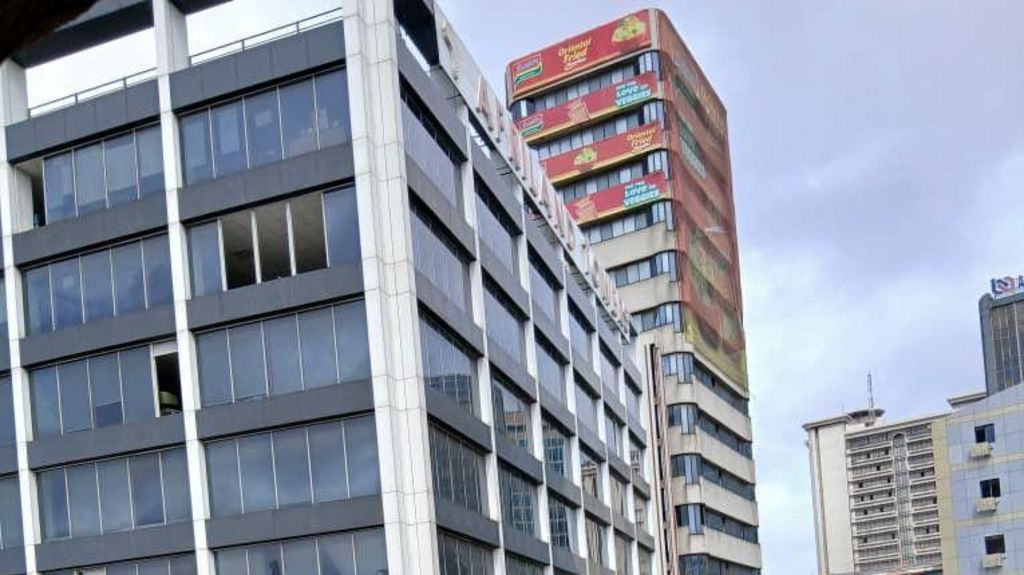
At least 10 dead in Lagos high-rise office building fire
A devastating fire engulfed a high-rise building in Lagos, Nigeria’s bustling commercial hub, resulting in the deaths of at least ten individuals and leaving 25 others injured. The incident, which occurred on Tuesday, unfolded at the seven-story Afriland Towers, a building housing numerous commercial enterprises. Disturbing footage circulating on social media captured desperate occupants leaping from the third and fourth floors as flames and thick smoke rapidly consumed the structure. Many of the victims were workers trapped inside, unable to escape the inferno. Survivors sustained severe burns, fractures, and respiratory issues from smoke inhalation, while others faced life-threatening trauma from jumping to safety. Witnesses described scenes of chaos and panic, with some individuals too terrified to leap and others resorting to makeshift ladders for rescue. The Lagos State Emergency Management Agency (Lasema) attributed the fire’s origin to the basement, where electrical equipment overheated due to poor maintenance and inadequate ventilation. The agency highlighted critical safety lapses, including the absence of mechanical smoke extraction systems, non-functional public address systems, and insufficient evacuation signage. Additionally, sealed windows and the incapacitation of facility managers exacerbated the crisis. Lasema managed to extinguish the blaze after several hours, but the incident has raised serious concerns about fire safety standards in Nigeria. President Bola Tinubu expressed his condolences to the bereaved families, while the Nigeria Federal Fire Service launched a comprehensive investigation into the causes, promising to implement all recommendations to prevent future tragedies.
-
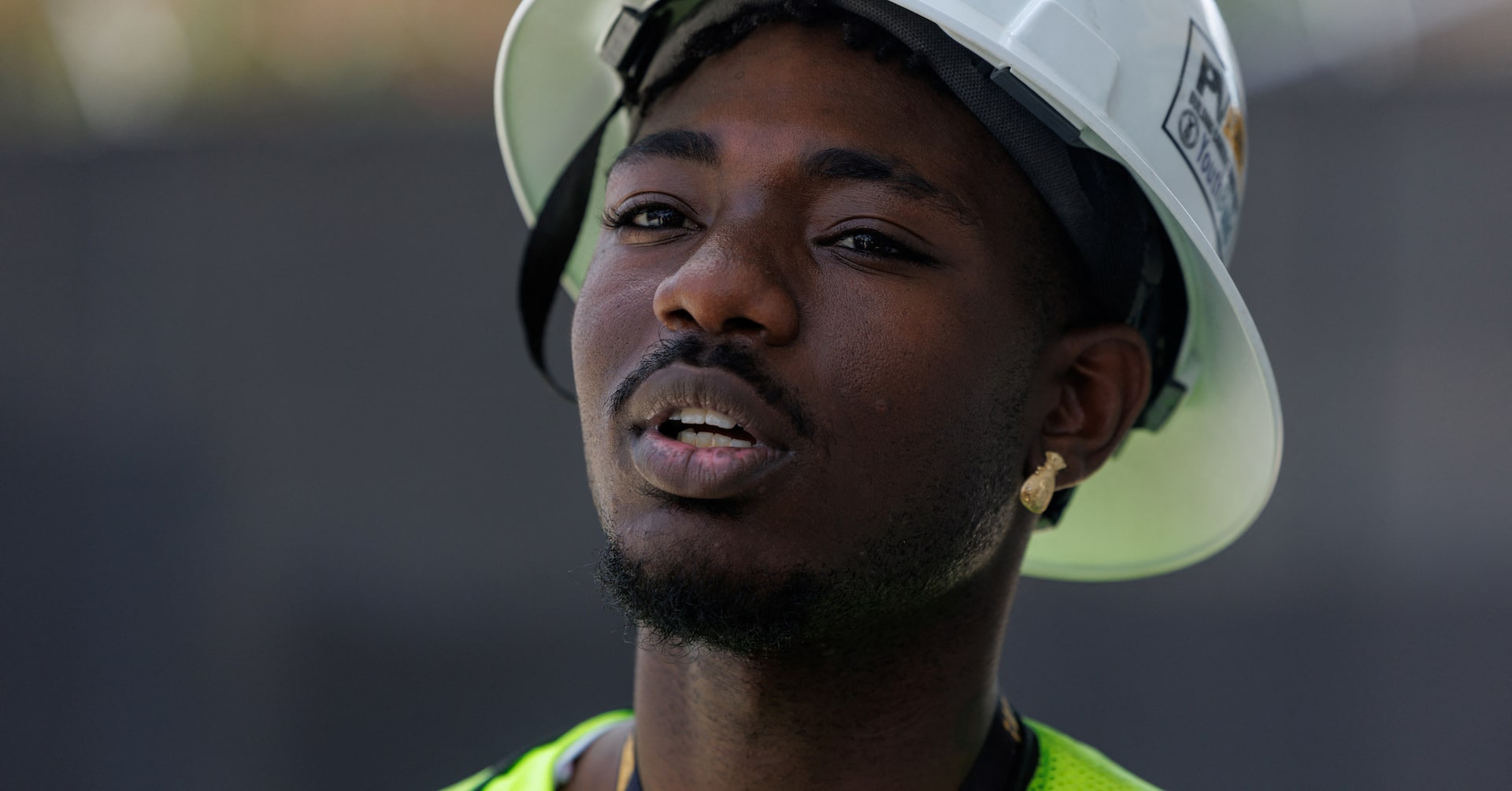
Following L.A. wildfires, rebuilding could turn to at-risk youth
In the aftermath of Los Angeles’ most devastating natural disaster, a unique initiative is transforming the lives of at-risk young adults while addressing the city’s urgent need for skilled construction workers. Tevin Banks, a 21-year-old from Watts, South Central L.A., is among the first participants in the SOAR (Strengthening Opportunities and Resistance) program, which aims to train 2,000 young people for entry-level construction jobs. The program, launched in June 2025 by the nonprofit Life Aid Research Institute, responds to the labor demands of rebuilding efforts following January’s wildfires, which destroyed or damaged approximately 13,000 homes. Banks, who was arrested for robbery two years ago, saw the program as a turning point. ‘When I was sitting in the cell, I was just thinking to myself, like, I’m young, and I really see myself doing something,’ he said. SOAR combines life skills mentorship with hands-on training in 14 construction trades, including carpentry, masonry, and flooring. The program’s founder, John Wordin, envisions it as a dual solution: providing career opportunities for marginalized youth while meeting the city’s rebuilding needs. Despite challenges, including securing $1 million in funding, SOAR has already begun to make an impact. Students like Banks are learning from instructors such as Edward Romero, a former inmate turned journeyman floor layer, who embodies the program’s mission of second chances. Local construction companies, including Shirley Construction, have expressed interest in hiring graduates, with owner David Shirley praising their work ethic. ‘They’ve had a tough start,’ he said. ‘So we’re happy to offer them greener pastures.’ As rebuilding efforts are expected to ramp up in 2026 and 2027, programs like SOAR are laying the foundation for both personal and community renewal.
-
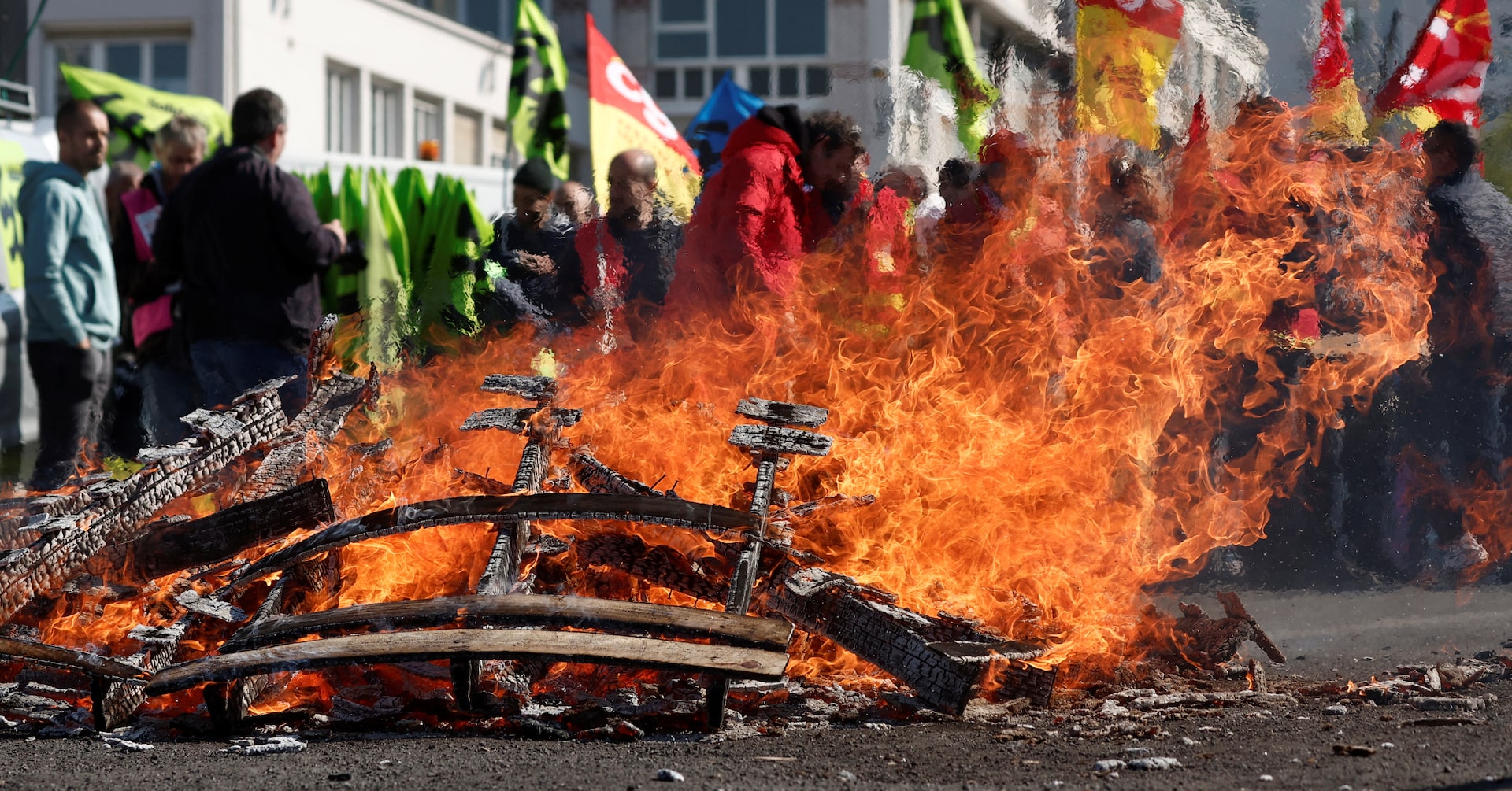
French unions strike against austerity, pressuring Macron
France witnessed widespread protests on Thursday as teachers, train drivers, pharmacists, and hospital staff joined forces in a nationwide strike against impending budget cuts and unpopular pension reforms. The demonstrations, organized by major labor unions including CGT and Sud Rail, saw thousands gather in Paris and other cities, with high school students blocking school entrances and workers rallying against austerity measures. The protests were part of a broader ‘day of expression of railway anger,’ following months of strikes and a failed attempt to halt pension reforms earlier in the year. In Paris, metro services were severely disrupted, and regional trains faced significant delays, while high-speed TGV lines remained operational. The Interior Ministry estimated that up to 800,000 people participated in the strikes and protests, with unions condemning the government’s ‘brutal’ and ‘unfair’ fiscal plans. President Emmanuel Macron and Prime Minister Sebastien Lecornu are under mounting pressure to address France’s budget deficit, which exceeded the EU’s 3% ceiling last year. Lecornu, who relies on cross-party support to pass legislation, faces challenges in garnering parliamentary backing for the 2026 budget. The protests also impacted nuclear production, with workers at EDF reducing power output at the Flamanville 1 reactor. Pharmacists, angered by recent business changes, joined the strike, with 98% of pharmacies potentially closing for the day, according to the USPO union. Interior Minister Bruno Retailleau warned of potential clashes, deploying 80,000 police officers, riot units, drones, and armored vehicles to maintain order. The strike even delayed plans to move the historic Bayeux Tapestry, a 70-meter-long masterpiece depicting the Norman invasion of England in 1066, which is set to be loaned to Britain. The protests underscore growing discontent with Macron’s administration and its handling of public finances, as workers demand increased investment in public services and higher taxes on the wealthy.
-

Weekly quiz: Why were these nuns on the run?
This week, London became the epicenter of heightened tensions as a rally in the city sparked widespread attention. Meanwhile, the boxing community came together to honor the legendary Ricky Hatton, celebrating his remarkable contributions to the sport. On the entertainment front, the cult favorite series *The Summer I Turned Pretty* reached its dramatic conclusion, leaving fans eagerly anticipating future developments. Amidst these events, it’s worth reflecting on the broader global happenings over the past seven days. For those keen on testing their knowledge, Ben Fell has curated a quiz to challenge your memory of recent events. Whether you’re revisiting last week’s quiz or exploring the archives, there’s no shortage of engaging content to delve into. In Europe, Austria has been making headlines, particularly in discussions surrounding religion and its societal impact.
-
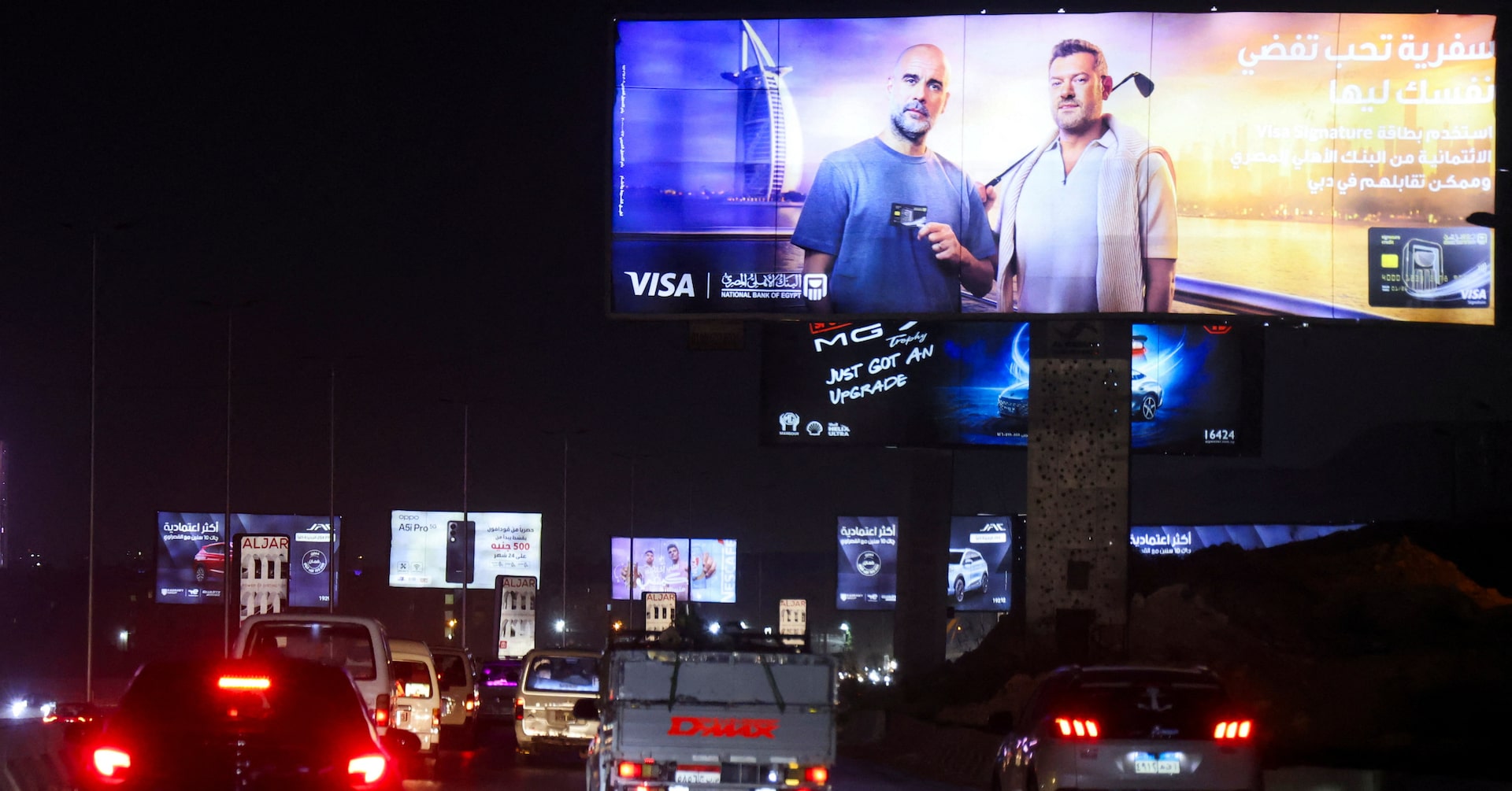
Egypt’s billboard boom strains eyes but raises profits
Cairo’s bustling streets, already notorious for their chaotic traffic, are now facing a new challenge: an overwhelming surge in flashy billboards. These large, brightly lit advertisements, which have more than doubled in number over the past six years, are raising concerns about driver concentration and the quality of life for residents. According to AdMazad, an advertising analytics firm, the number of billboards has skyrocketed from 2,500 in 2019 to approximately 6,300 today, with digital ads increasing more than tenfold to over 300 in the same period. This translates to more than 30 billboards per square kilometer in inhabited areas. The proliferation of these ads is largely attributed to the expansion of Egypt’s transport network under President Abdel Fattah al-Sisi, who has invested billions in new roads and bridges. While the advertising industry has become a significant source of government revenue, generating 6.3 billion Egyptian pounds ($130 million) in 2024, the psychological and visual impact on drivers and residents cannot be ignored. Psychotherapist Khaled Salaheldin warns that constant exposure to idealized lifestyles can lead to feelings of inadequacy, especially in a country grappling with inflation and subsidy cuts. In response, Egyptian Prime Minister Mostafa Madbouly has called for stricter regulations to ensure that advertisements preserve urban aesthetics and societal norms.
-
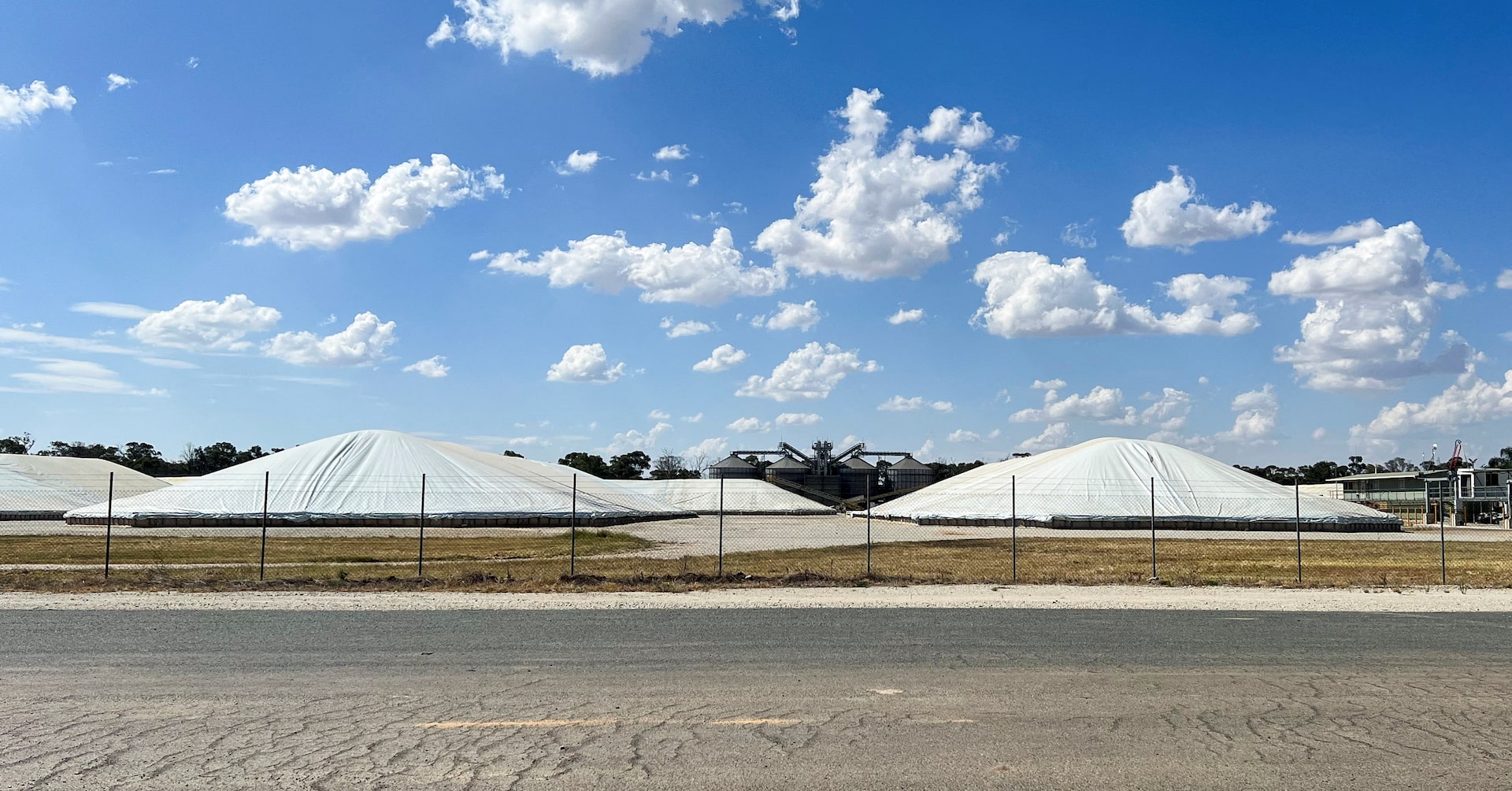
Beetle that threatens Australia’s grains industry found in imported nappies
Australia has raised alarms after discovering khapra beetle larvae in imported nappies sold nationwide, posing a significant risk to the country’s grain industry and agricultural exports. The larvae were detected in the brand Little One’s Ultra Dry Nappy Pants Walker Size 5, exclusively sold by Woolworths, Australia’s largest supermarket chain. The agriculture ministry has been working with the importer and retailer to trace and treat affected products since the discovery in New South Wales on September 7. Agriculture Minister Julie Collins emphasized the urgency of containing the pest, stating that around 1,500 of the 2,000 cartons have been tracked down, but some remain in circulation. Khapra beetles, native to India, are classified as the most significant pest threat to Australia’s A$18 billion grains industry. Their establishment could lead to trading partners rejecting Australian goods, causing substantial economic losses. Woolworths has removed unsold nappies from shelves and quarantined them, while the manufacturer, Belgian company Ontex, has suspended operations at its Sydney facility pending comprehensive checks. The ministry has urged consumers who purchased similar nappies to seal them in a bag and contact authorities. The incident underscores the critical need for stringent biosecurity measures to protect Australia’s agricultural sector.
-

Egypt says 3,000-year-old bracelet was stolen and melted down
A priceless 3,000-year-old gold bracelet, dating back to the reign of Pharaoh King Amenemope, has been stolen and melted down in a shocking theft from the Egyptian Museum in Cairo. The Egyptian interior ministry revealed that the artifact was taken from a museum safe nine days ago by a restoration specialist. The specialist allegedly collaborated with a silver jeweler, who sold the bracelet to a gold jeweler for $3,735. The gold jeweler then sold it to a foundry worker for $4,025, who melted it down along with other jewelry. All four individuals involved have been arrested, confessed to their crimes, and had the proceeds seized. Legal action is now being pursued against them. The theft was discovered as museum staff prepared to ship artifacts to Rome for an exhibition. The tourism and antiquities ministry announced immediate measures, including circulating images of the bracelet to airports, seaports, and border crossings to prevent smuggling. The bracelet, adorned with lapis lazuli beads, was part of the museum’s vast collection of over 170,000 artifacts, including Amenemope’s gilded funerary mask. This incident occurred just weeks before the opening of the Grand Egyptian Museum in Giza, which will house King Tutankhamun’s treasures.