
A recent volunteer-led search for the remains of Cheryl Grimmer, a British girl who vanished in Australia 55 years ago, has ended in disappointment. New South Wales Police confirmed that the ‘area of interest’ flagged during the search turned out to be a false alarm. The search, conducted in Balgownie, involved cadaver detection dogs and was based on a confession made by a teenage boy. However, bones discovered in the area were identified as belonging to an animal, bringing the operation to a close. Cheryl Grimmer, who emigrated from Bristol with her family, disappeared from Fairy Meadow beach in Wollongong in January 1970 at the age of three. Authorities suspect she was abducted and murdered, but the case has remained unsolved despite numerous investigations. In 2019, a trial of a suspect, known by the codename Mercury, collapsed after a judge disallowed his confession made as a minor. Prosecutors subsequently dropped the charges. Cheryl’s brother, Ricki Nash, has publicly criticized the police investigation, citing errors dating back to the day she vanished. A petition calling for a parliamentary inquiry into missing persons cases, including Cheryl’s, garnered over 10,000 signatures but has yet to result in any commitment from state authorities. A A$1 million reward remains on offer for information leading to a resolution in the case.
分类: society
-
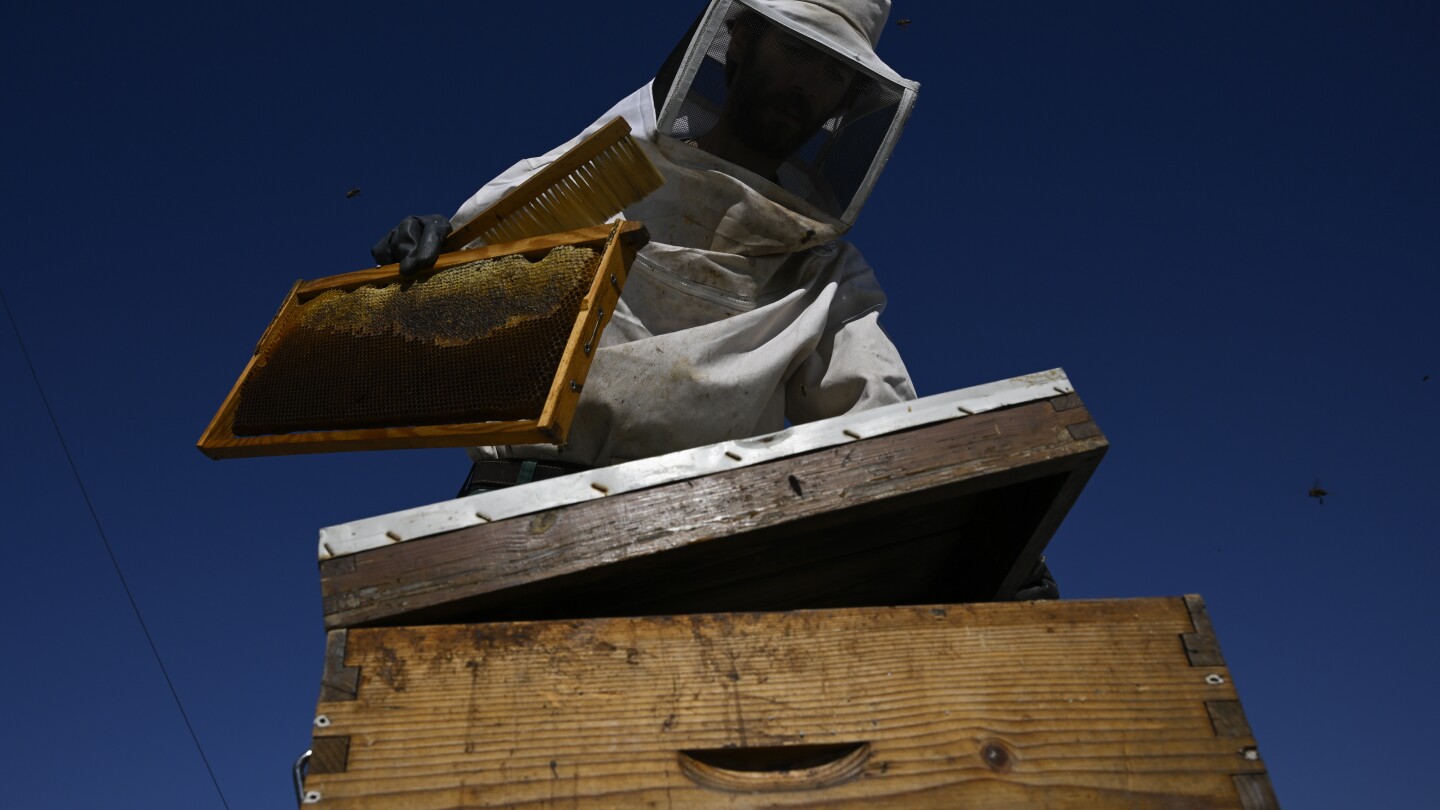
From rooftops to honey jars, Athens is abuzz with urban beekeeping
In the bustling heart of Athens, Nikos Chatzilias has found a unique way to reconnect with nature: urban beekeeping. Amidst the city’s rooftops, Chatzilias tends to 30 buzzing hives, producing 500 kilograms of honey annually. This honey, infused with the flavors of local flora like eucalyptus, acacia, and bitter orange, offers a taste of Athens’ diverse neighborhoods. For Chatzilias, 37, beekeeping began as a personal quest for quality honey but quickly evolved into a passion that brought joy and environmental purpose. Inspired by his journey, others like Aggelina Chatzistavrou have joined the movement, envisioning a greener urban future. Despite challenges, including resident concerns about safety, Athens’ year-round bloom cycles make it an ideal setting for this sustainable practice. Chatzilias’ experiment with leaving hives on rooftops year-round underscores nature’s resilience, even in the chaos of urban life.
-
Texas megachurch pastor pleads guilty to child abuse
Robert Morris, the 64-year-old founder of one of the largest megachurch congregations in the United States, pleaded guilty on Thursday to sexually abusing a 12-year-old girl in Oklahoma during the 1980s. The former leader of Gateway Church admitted to felony charges of lewd or indecent acts with a child during a hearing in Pawhuska, Oklahoma. As part of a plea agreement, Morris was sentenced to 10 years but will serve only six months in jail, with the remainder on probation. He must also register as a sex offender and pay $250,000 in restitution. The victim, Cindy Clemishire, now 55, emotionally addressed Morris in court, stating that the abuse had profoundly impacted every aspect of her life. The abuse occurred over four years while Morris was living with Clemishire’s family in Hominy, Oklahoma, and working as a traveling evangelist. Clemishire first publicly accused Morris in 2024, prompting his resignation from Gateway Church. Morris, who founded the church in 2000 and once served as a spiritual adviser to former President Donald Trump, acknowledged his actions as a ‘moral failure’ in a public statement. The case highlights systemic failures, as Clemishire revealed she had reported the abuse to her parents and church leaders in 1987, but no legal action was taken at the time.
-

‘I lost my way’ – Diddy begs judge for leniency on eve of sentencing
Sean ‘Diddy’ Combs, the convicted rap mogul, has penned a heartfelt letter to Judge Arun Subramanian, pleading for leniency ahead of his sentencing on Friday. In the four-page letter, Combs attributes his past behavior to drug addiction and expresses deep remorse for the pain he has caused. He claims to have undergone a transformation during his 13-month incarceration in a Brooklyn jail, stating, ‘The old me died in jail, and a new version of me was reborn.’ Combs was found guilty in July on two counts of transportation to engage in prostitution, charges that could result in up to 20 years in prison. Prosecutors are pushing for a minimum sentence of 11 years, while his defense team is advocating for his release later this month. In his letter, Combs apologizes to his ex-girlfriend, singer Casandra Ventura, and an anonymous woman who testified under the name ‘Jane,’ acknowledging his past mistakes and the impact of his actions. He writes, ‘I literally lost my mind,’ and describes his downfall as rooted in selfishness. Combs also highlights his efforts to reform, including teaching a class to fellow inmates on how to achieve business success, and emphasizes his newfound sobriety after 25 years. He appeals to the judge for mercy, citing his seven children and his 84-year-old mother, who recently underwent brain surgery. However, his accusers have also written to the judge, expressing fears of retaliation if Combs is released. Ventura wrote, ‘I am so scared that if he walks free, his first actions will be swift retribution towards me and others who spoke up.’ She believes Combs deserves a long sentence, stating, ‘He has no interest in changing or becoming better.’ Combs is expected to address the court on Friday, with his defense team planning to present a 15-minute video. The content of the video remains undisclosed. In July, Combs was acquitted of the most severe charges, including racketeering and sex trafficking, which could have resulted in a life sentence. Prosecutors argue that Combs remains unrepentant, describing his attempts to reframe his actions as the result of ‘mutually toxic relationships’ as disingenuous. They wrote, ‘There is nothing mutual about a relationship where one person holds all the power and the other ends up bloodied and bruised.’
-
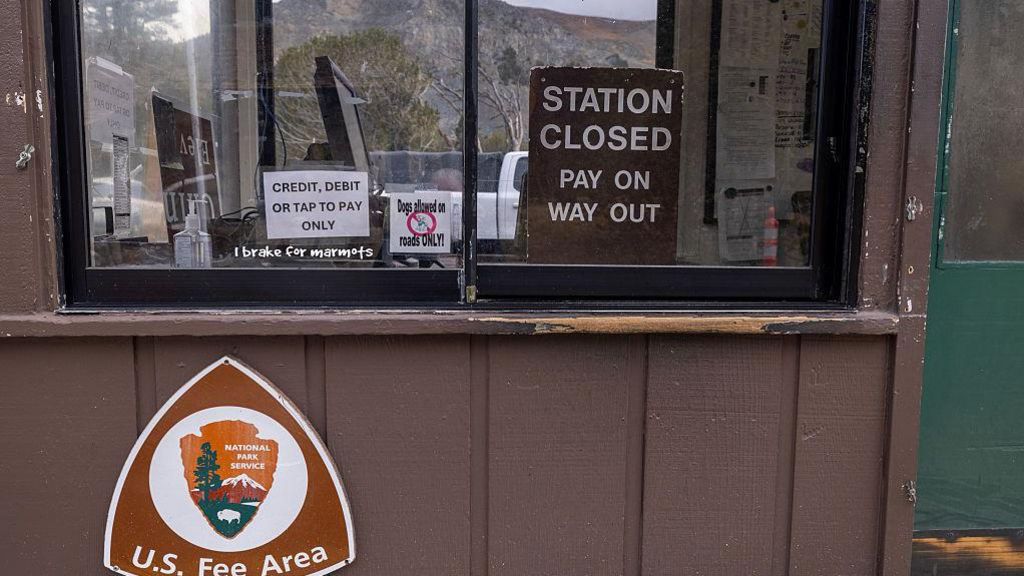
Stay out of national parks during US shutdown, conservationists warn
As the US government shutdown continues, conservationists are urging visitors to steer clear of national parks, advocating for their temporary closure due to safety and resource concerns. The National Parks Conservation Association (NPCA) has highlighted the risks posed by skeleton staffing, warning that visitors may find themselves without essential services or support. The National Park Service (NPS), responsible for overseeing 433 sites, has opted to keep parks partially open while furloughing over half of its workforce. This decision has drawn criticism from conservation groups and former park rangers, who argue that reduced staffing jeopardizes both visitor safety and the preservation of park resources. Kristen Brengel, NPCA’s senior vice-president of government affairs, emphasized the lack of communication staff to inform visitors about available facilities, describing the situation as unpredictable. She advised against visiting parks during the shutdown, citing the potential for vandalism, environmental damage, and limited emergency response capabilities. The Trump administration’s approach during the 2018 shutdown, which kept parks open with minimal staffing, led to widespread issues, including off-roading, looting, and littering. Many parks are already under strain due to earlier mass layoffs, raising concerns about their ability to recover from any additional damage. In a letter to Interior Secretary Doug Burgum, former park superintendents warned of the risks posed by keeping parks open, citing past instances of vandalism and habitat destruction. Bill Wade, executive director of the association of national park rangers, echoed these concerns, describing the decision as ‘dangerous’ and highlighting the potential for increased resource damage. The shutdown, which began after Congress failed to agree on a new spending plan, has sparked bipartisan efforts to keep parks open, with Senator John Hickenlooper emphasizing their economic and emotional significance during stressful times.
-
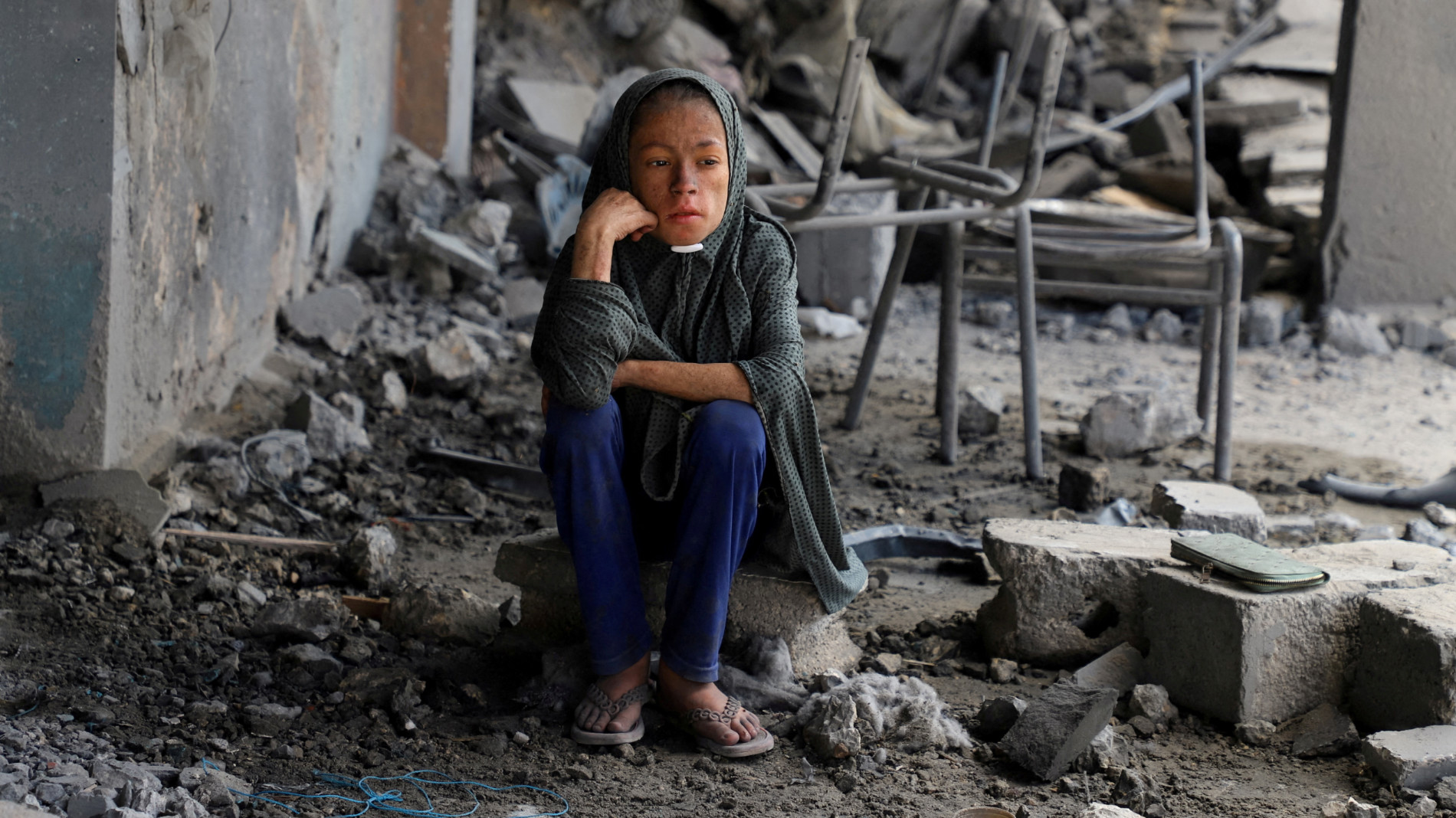
Growing up amid genocide: Gaza’s girls navigate puberty under siege and scarcity
In the midst of relentless Israeli air strikes, young girls in Gaza are enduring not only the horrors of war but also the profound challenges of puberty. This pivotal stage of life, marked by significant physical and emotional changes, is exacerbated by the dire conditions of the besieged enclave. With families struggling to survive, essential resources like menstrual products, clean water, and private spaces are scarce, leaving girls to navigate this transition in isolation and distress. Dima Mohammed, a 12-year-old displaced in Gaza City, shared her shock and unpreparedness for the onset of puberty, highlighting the scarcity of hygiene supplies and the overwhelming focus on survival. Her mother lamented the lack of medical care and the compounded physical and psychological suffering caused by the war. Similarly, Maryam Ahmed, another 12-year-old, expressed her unpreparedness for puberty, both mentally and physically, as her mother recounted the impossibility of providing the usual support and celebration due to the war’s devastation. The United Nations Population Fund (UNFPA) estimates that around 691,300 women and girls of menstruating age are living in Gaza, with a monthly need for approximately 10,369,500 menstrual pads. However, the Israeli blockade has severely restricted the entry of hygiene supplies, making these products either unavailable or unaffordable. Many women and girls have resorted to makeshift alternatives, such as torn pieces of cloth, further stripping them of dignity. Palestinian psychologist Anhar Farajallah emphasized the heightened physical and emotional risks faced by girls entering puberty under such conditions, noting the lack of privacy, clean water, and essential hygiene products. Umm Ibrahim, a displaced mother in Gaza City, spoke of her daughter’s severe abdominal pain during menstruation and the unaffordable cost of sanitary pads. Eleven-year-old Maria Sharif, despite being prepared by her mother, expressed her feelings of adding a burden to her family due to the high cost of sanitary pads, resorting to improvised alternatives. The war has not only disrupted the lives of these young girls but has also robbed them of the support and resources needed to navigate this crucial stage of life.
-

Robert Mugabe’s son appears in court on drug charge
Robert Mugabe Jr, the 33-year-old son of Zimbabwe’s late former President Robert Mugabe, appeared in a Harare court on Thursday, charged with drug possession. The arrest occurred on Wednesday morning when Mugabe Jr was reportedly driving the wrong way down a one-way street. According to court documents, police searched a black sling bag he was carrying and allegedly discovered two small sachets of cannabis. Following the incident, authorities arrested five individuals allegedly linked to a drug syndicate connected to him. Mugabe Jr’s lawyer, Ashiel Mugiya, has contested the charges, claiming the drugs were found in a car with three other occupants and amounted to only 0.02 grams of cannabis, contrary to the police report stating 2 grams with a street value of $30. Mugabe Jr, dressed in joggers and a red cap, appeared relaxed as he entered the magistrates court, surrounded by people and without handcuffs. The court remanded him in custody pending a bail ruling on Friday. Police also reported recovering 25 sachets of marijuana and six ecstasy pills from the alleged syndicate members. This is not Mugabe Jr’s first legal issue; in 2023, he was arrested for property damage and assaulting a police officer at a Harare party, though he was later released after an out-of-court settlement. His father, Robert Mugabe, who led Zimbabwe for 37 years before resigning in 2017, passed away in 2019. Despite past tensions between the Mugabe family and current President Emmerson Mnangagwa, Mugabe Jr has since reconciled with the ruling party, attending a Zanu-PF rally in 2022.
-
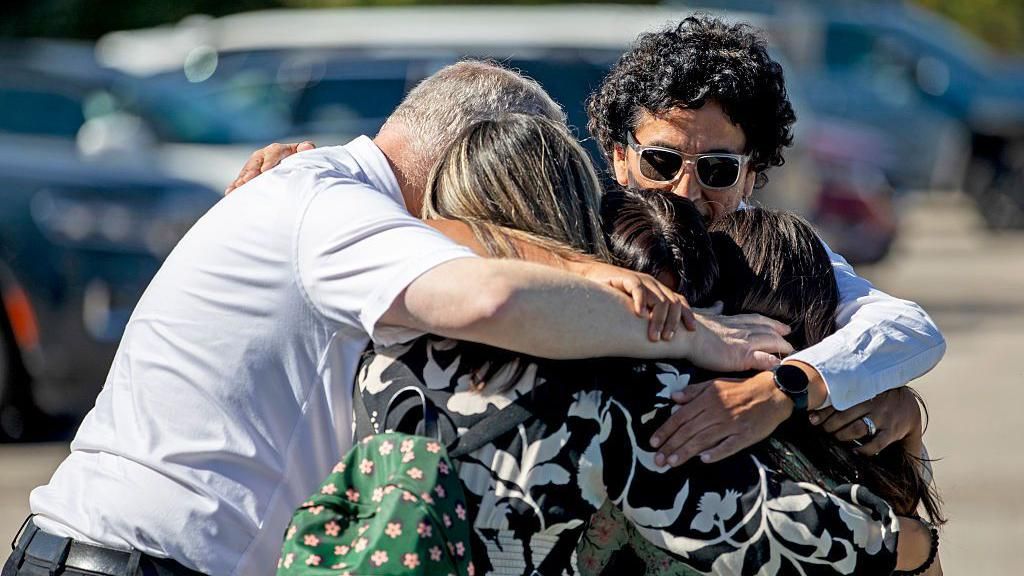
Donations pour in for family of gunman in Michigan church attack
In a remarkable display of compassion, members of The Church of Jesus Christ of Latter-day Saints have donated over $250,000 to support the family of Thomas Sanford, the man responsible for a devastating attack on a Michigan church that left four dead and eight injured. The incident occurred on Sunday when Sanford drove his truck into the Grand Blanc church during a worship service, opened fire, and set the building ablaze before being fatally shot by police. David Butler, a Utah-based member of the church and a fantasy writer, initiated the fundraiser on GiveSendGo to assist Sanford’s widow and children, who face financial hardship and ongoing medical challenges. Despite the tragedy, many donors identified themselves as Latter-day Saints, expressing empathy and solidarity. The attack has deeply shaken the local community and the church nationwide, prompting vigils and financial support for victims and their families. Investigators are still searching for a motive behind the targeted act of violence, which occurred during a service attended by hundreds. Sanford, a former Marine deployed to Iraq, had a history of arrests but no clear connection to the church. Amid the grief, one survivor shared a poignant letter of forgiveness, highlighting the profound emotional impact of the tragedy.
-
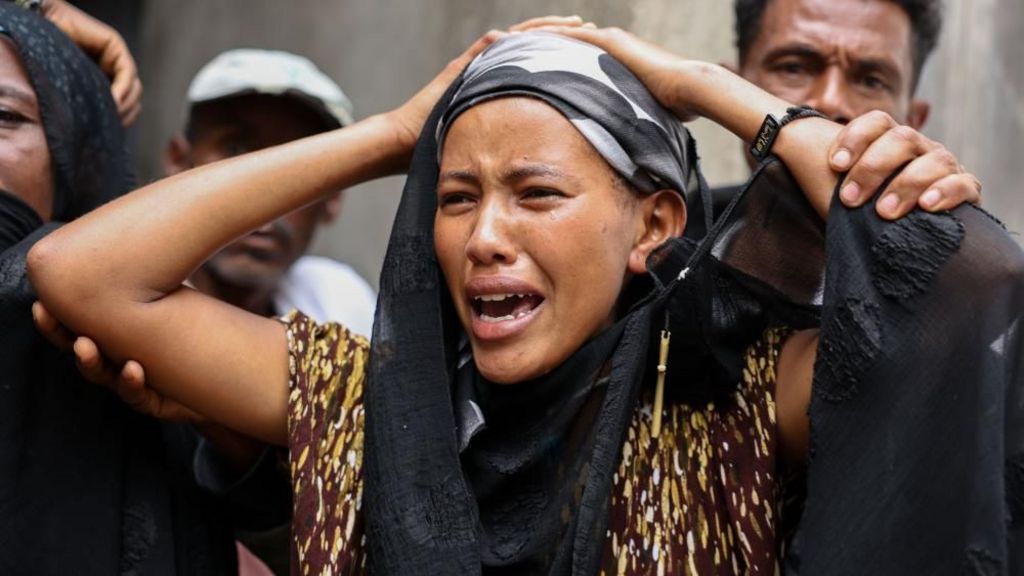
Scaffolding collapsed as people climbed to see Ethiopia church mural, eyewitness tells BBC
In the aftermath of a religious festival, the small Ethiopian town of Arerti was plunged into mourning as mass funerals were held for 36 victims who perished in a tragic scaffolding collapse at the St Mariam Church. The incident occurred during the annual Orthodox Christian celebration of St Mariam, where worshippers had gathered in the still-under-construction church. Eyewitnesses reported that a significant number of people climbed onto the makeshift wooden scaffolding to view a newly painted mural on the church ceiling, leading to the structure’s collapse. Among the victims was the mother of 22-year-old Fikre Tilahun, who expressed his profound grief, stating, ‘It’s difficult to lose your mother, very difficult.’ The disaster left about 200 people injured, with some in critical condition being transferred to Addis Ababa for treatment. The local archbishop, Megabi Hadis Nekatibeb, described the event as ‘incredibly tragic and heart-breaking.’ The Ethiopian government extended its condolences to the victims’ families and emphasized the importance of safety in construction projects. This incident highlights the ongoing issue of poorly enforced health and safety regulations in Ethiopia, where construction disasters are unfortunately common.
-
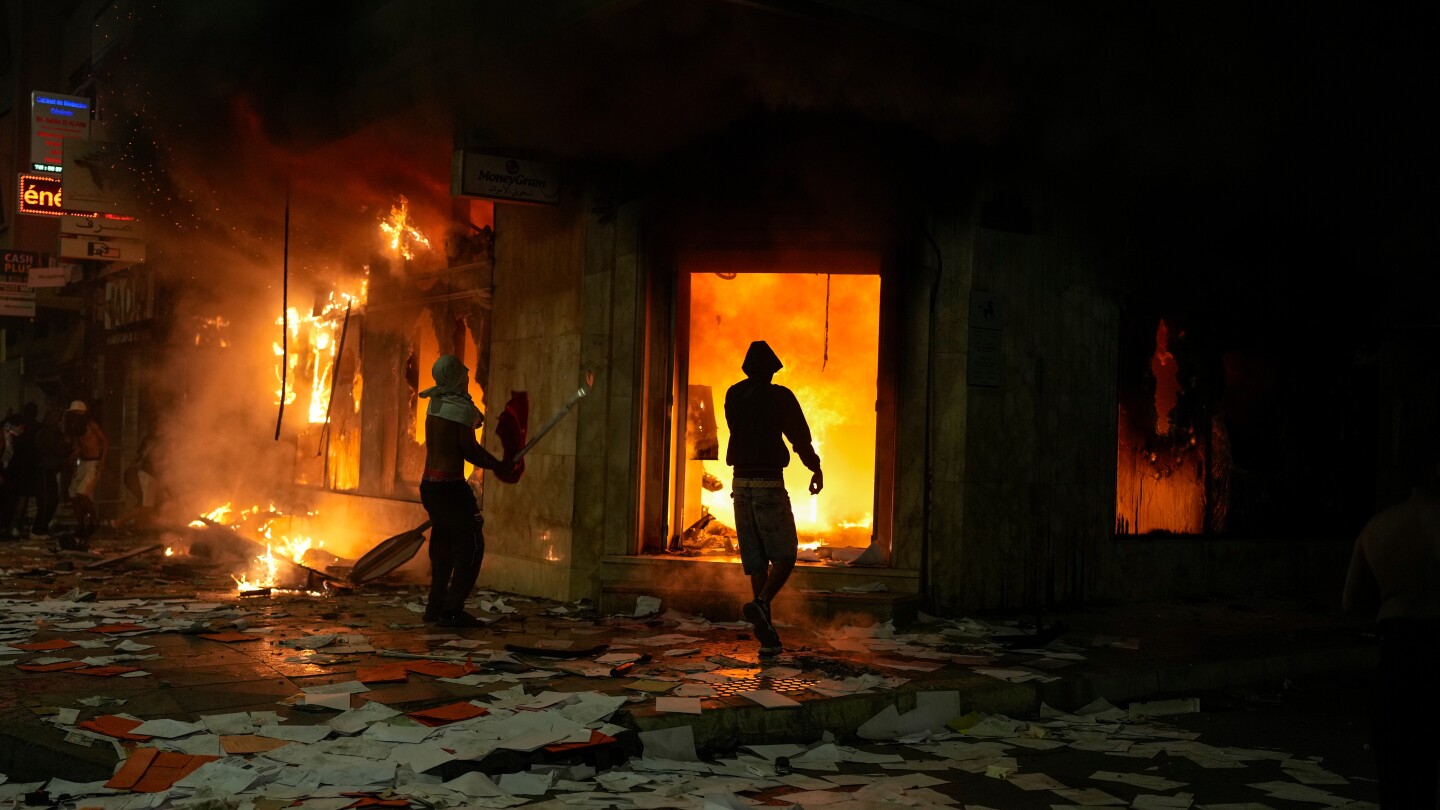
Morocco’s youth-led protests demand better schools and hospitals, prime minister resignation
For the sixth consecutive night, youth-led demonstrations swept across Morocco, with protesters demanding improved public services and the resignation of Prime Minister Aziz Akhannouch. The unrest, which began peacefully, turned violent on Wednesday when police fatally shot three individuals in Leqliaa, a town near Agadir. Authorities claimed the victims were attempting to seize police weapons, though witnesses have yet to corroborate this account. The protests, organized by the Gen Z 212 movement, have spread to over a dozen cities, including Casablanca, with participants decrying corruption and inadequate funding for schools and hospitals. Despite the government’s pledge to engage in dialogue, tensions remain high as demonstrators contrast the billions spent on World Cup preparations with the dire state of public infrastructure. The recent deaths of eight women in an Agadir hospital have further fueled outrage over the declining health system. As Morocco prepares to host the Africa Cup of Nations and approaches its 2026 parliamentary elections, the protests highlight deep-seated regional disparities and widespread disillusionment. Over 1,000 arrests have been reported, with human rights groups condemning the use of force. The Gen Z 212 movement has urged peaceful demonstrations, but clashes continue to erupt, particularly in underdeveloped regions. These protests echo similar unrest in countries like Nepal, Kenya, and Madagascar, underscoring a global wave of youth-led activism.