
A tragic incident unfolded in Carrick-on-Suir, County Tipperary, Republic of Ireland, on Saturday night, resulting in the death of a man following an assault. Gardaí (Irish police) and emergency services were called to a residential property at approximately 23:00 local time, where they discovered the man unresponsive. Despite immediate efforts, he was later pronounced dead at the scene. The area has been cordoned off for a thorough forensic examination to gather evidence. A woman in her 20s has been arrested in connection with the incident and is currently in custody at a garda station in Tipperary. Authorities have notified the coroner and requested the assistance of the Office of the State Pathologist to aid in the ongoing investigation. The community remains in shock as details of the case continue to emerge.
分类: society
-

‘I have your nudes and everything to ruin your life’: The cyber-scammers targeting teenagers
Evan Boettler, a vibrant 16-year-old from Missouri, was described by his parents as a bright, funny teenager who loved fishing, sports, and hunting. Yet, his life was tragically cut short in January 2024 after falling victim to a sinister cybercrime known as sextortion. The ordeal began when Evan received a chilling message on Snapchat from someone he believed to be a young girl named JennyTee60. Within minutes, ‘Jenny’ coerced him into sharing explicit images and then ruthlessly blackmailed him, threatening to ruin his life. Just 90 minutes after the first message, Evan took his own life.
Sextortion, a rapidly growing online crime, preys on teenagers in the US and Europe, tricking them into sending intimate photos or videos, which scammers then use to extort money. Evan’s parents, Brad and Kari Boettler, were left devastated and searching for answers. Despite their efforts, social media platforms like Meta have refused to share crucial information without a court order, leaving the family in limbo. Law enforcement has made little progress in the two years since Evan’s death, with the only lead being an IP address traced to Nigeria.
Investigations led to Lagos, Nigeria, where sextortion has evolved into a highly organized criminal enterprise. Scammers, often young men in their 20s, operate in ‘Hustle Kingdoms’—rooms filled with individuals running scams on laptops and phones. These operations are run by leaders who take a cut of the profits, creating a cycle of exploitation. Some scammers even turn to traditional healers for rituals believed to bring wealth and protection, blending ancient practices with modern technology.
In the US, reports of sextortion to the FBI have more than doubled in the past three years, reaching 55,000 cases in 2024. Social media companies like Meta claim to be taking action, but critics argue their efforts are insufficient. Brandon Guffey, a South Carolina state representative, lost his 17-year-old son Gavin to sextortion in 2022 and has since been pushing for greater accountability from platforms like Instagram.
Despite Meta’s claims of removing 63,000 sextortion accounts linked to Nigeria in a single sweep, the scale of the problem remains staggering. For Evan’s parents, the search for justice has hit a dead end. The IP address linked to Evan’s scammer led to GloWorld, a Nigerian service provider that failed to retain user information, leaving the trail cold.
Evan’s story is a heartbreaking reminder of the devastating impact of sextortion and the urgent need for stronger protections for young people online. His parents continue to honor his memory, remembering him as ‘an amazing kid’ who was easy to parent because of his kind and loving nature.
-
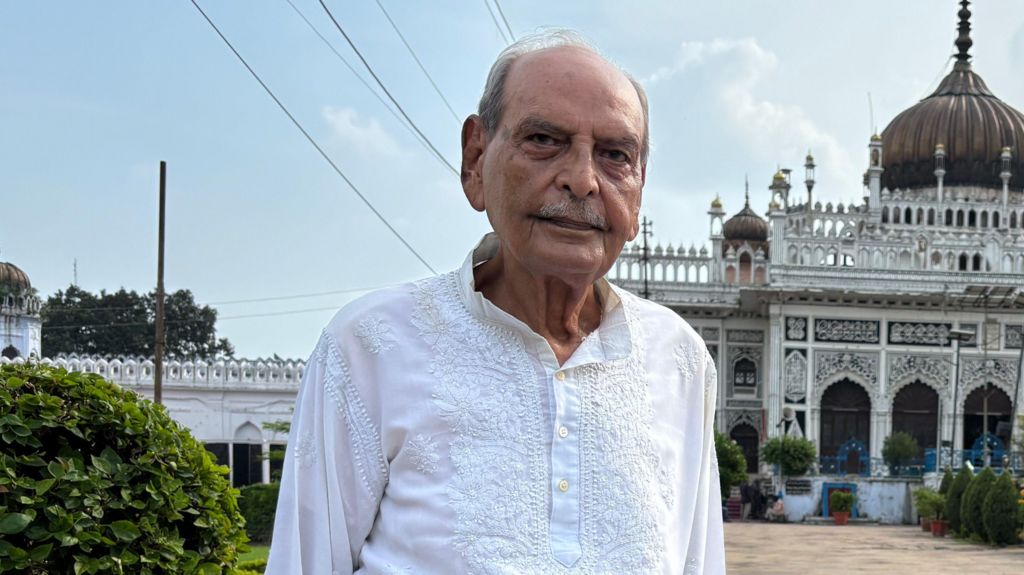
‘A legacy worth millions’ – India’s former royals who draw a meagre pension
In the historic town of Hussainabad, Uttar Pradesh, 90-year-old Faiyaz Ali Khan makes his annual pilgrimage to the Picture Gallery, a 19th-century relic of the city’s royal past. His mission: to collect his wasika, a royal pension granted to descendants of the Awadh royal family. This tradition, rooted in a 200-year-old agreement, continues to link modern India to its regal heritage. The wasika, derived from the Persian word for a written agreement, was initially established when members of the Awadh royal family lent money to the East India Company in the early 1800s, stipulating that the interest be paid as pensions to their descendants. Today, around 1,200 wasikedars, including Faiyaz Ali Khan, receive these pensions, though the amounts have dwindled significantly over generations. For many, the pension, though meager—just nine rupees and 70 paise ($0.11) a month—symbolizes a cherished connection to their illustrious ancestry. The payments are now managed by the Hussainabad Trust and the Uttar Pradesh government, with some beneficiaries receiving direct bank transfers while others collect cash. Critics argue that these pensions are outdated remnants of feudal privilege, but supporters view them as a sacred honor tied to historical promises. Shahid Ali Khan, a lawyer and beneficiary, emphasizes that the wasika is more about identity than money, using it exclusively for religious expenses. Despite appeals to increase the pension amounts to reflect modern interest rates, the payments remain unchanged, leaving recipients like Faiyaz Ali Khan to spend far more on travel than they receive. The grandeur of the tradition has also faded, with the once festive atmosphere of pension collection now a distant memory. As the debate over the relevance of these pensions continues, they remain a poignant reminder of India’s royal past.
-
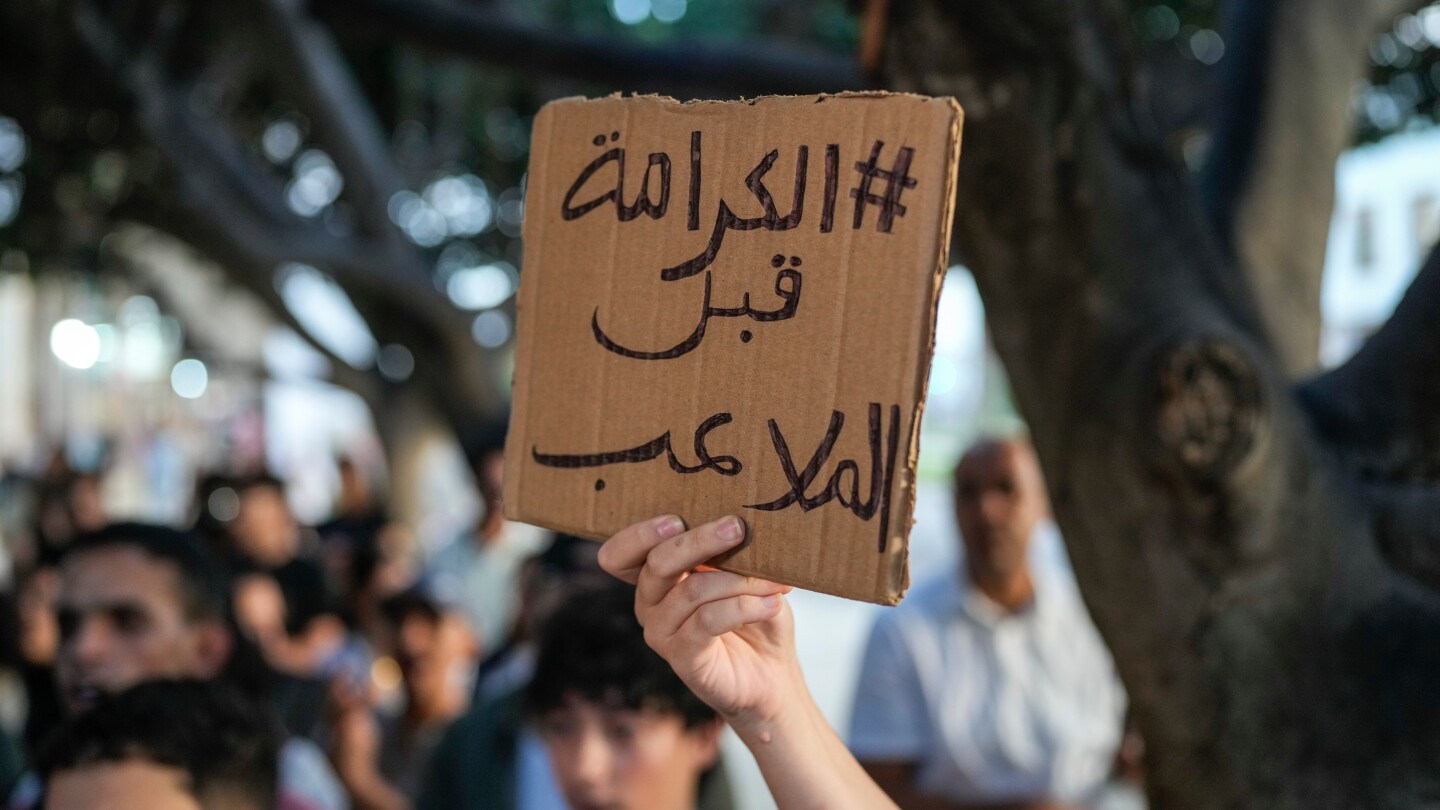
Gen Z protests are shaking Morocco. Here’s what to know
Morocco has been gripped by a wave of youth-led protests for over a week, with demonstrations erupting in more than a dozen cities. The movement, spearheaded by a leaderless collective known as Gen Z 212, has highlighted the growing discontent among young Moroccans over corruption, economic inequality, and inadequate public services. The protests, organized primarily through digital platforms like Discord, have drawn tens of thousands of participants, showcasing the ability of Morocco’s youth to transform online grievances into tangible action. This movement mirrors similar uprisings in countries such as Madagascar, Kenya, Peru, and Nepal, where young people are bypassing traditional institutions to demand change. In Morocco, the anger stems from stark contrasts between government spending on infrastructure for the 2030 FIFA World Cup and the country’s underfunded healthcare and education systems. With unemployment among youth soaring to 36% and over half of Moroccans under 35 considering emigration, the protests reflect deep-seated frustrations with the status quo. The demonstrators have called for the dismissal of the government, the release of detainees, and meaningful reforms to address systemic inequities. While the government has offered dialogue and promised improvements, many protesters remain skeptical, viewing these measures as insufficient and slow-moving.
-

Czech author and anti-communist dissident Ivan Klíma dies at 94
Ivan Klíma, the renowned Czech author and anti-communist dissident whose life and works were profoundly influenced by the totalitarian regimes of 20th-century Europe, has died at the age of 94. His son, Michal, confirmed to the Czech ČTK news agency that Klíma passed away at home on Saturday morning after a prolonged illness. Born Ivan Kauders on September 14, 1931, in Prague, Klíma’s early life was marked by the horrors of World War II, during which his Jewish family was interned in the Nazi’s Theresienstadt concentration camp. Miraculously, they all survived. After the war, Klíma initially embraced communism, joining the Communist Party in 1953, the same year his father was imprisoned for political reasons. However, disillusionment soon set in, and he was expelled from the party in 1967 after publicly criticizing the regime. The Soviet-led invasion of Czechoslovakia in 1968 further stifled his work, leading to a ban on his writings. Klíma’s literary career spanned novels, plays, short stories, essays, and children’s books, with his works translated into over 30 languages. His acclaimed novel, ‘Judge on Trial,’ explored the moral dilemmas faced by individuals under totalitarian rule. After the 1989 Velvet Revolution, Klíma devoted himself fully to writing, producing notable works such as ‘Love and Garbage’ and ‘The Spirit of Prague and Other Essays.’ His contributions to literature earned him the Medal for Outstanding Service to the Czech Republic and the Franz Kafka Prize in 2002. Reflecting on his life, Klíma often cited his survival of the Nazi camp as his most vivid memory, emphasizing the stark reality of life and death.
-

We need hospitals more than football stadiums, say Morocco’s young protesters
Morocco is currently constructing the world’s largest football stadium, a 115,000-capacity venue, as part of its preparations to co-host the 2030 FIFA World Cup. However, this ambitious project, along with other football infrastructure developments costing an estimated $5 billion, has sparked nationwide protests led by the country’s youth. Demonstrators argue that the government’s priorities are misplaced, emphasizing the urgent need for improvements in healthcare, education, housing, and employment opportunities. The protests, organized by a group called Gen Z 212, have gained momentum through social media platforms like Discord, TikTok, and Instagram. Inspired by recent youth-led movements in Nepal, Moroccan protesters are demanding concrete action from authorities to address systemic issues. The demonstrations, which began on September 27 across 10 cities, have grown in size, with slogans such as ‘No World Cup, health comes first’ and ‘We want hospitals, not football stadiums.’ The government’s response has been marked by mass arrests and violent clashes, resulting in the deaths of three protesters. Prime Minister Aziz Akhannouch has expressed openness to dialogue, but the leaderless movement remains steadfast in its demands. Key grievances include free and quality education, accessible healthcare, affordable housing, better public transport, lower prices for basic goods, improved wages, and job opportunities for youth. The movement gained significant traction following the tragic deaths of eight women in a maternity ward in Agadir, which many believe could have been prevented with adequate medical resources. Morocco’s healthcare system is severely underfunded, with only 7.8 doctors per 10,000 people, far below the World Health Organization’s recommendation of 23. Protesters like Hajar Belhassan, a 25-year-old communications manager, emphasize that their demands are basic and reasonable. ‘We are making reasonable, basic demands. Health and education are necessities that should already be prioritized,’ she told the BBC. The protests have drawn comparisons to Morocco’s 1981 Bread Riots, where demonstrators protested against rising food prices. While the government has faced criticism for its heavy-handed response, protesters have distanced themselves from acts of violence and looting. As the movement continues, calls for the king to dissolve the government have emerged, reflecting the growing discontent among Morocco’s youth. Despite their grievances, protesters like Belhassan express pride in their country’s ability to host the World Cup but stress the need to address fundamental issues first. ‘Let’s build stadiums, but let’s also build our education and health systems. Let’s take care of our people,’ she said.
-
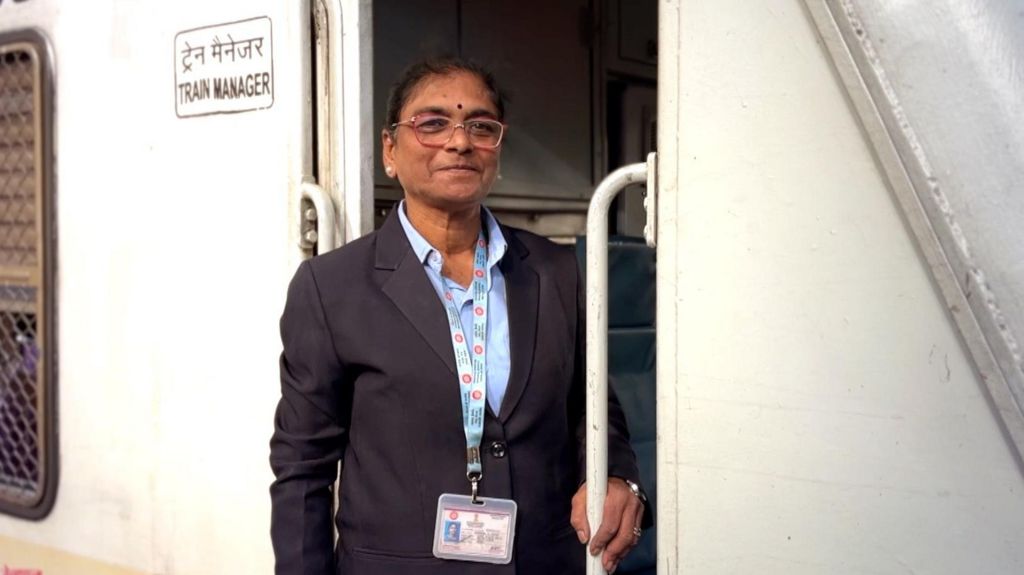
‘Machines don’t see gender’: India’s first female train driver on blazing the trail
Surekha Yadav, India’s first female train driver, recently retired after an illustrious 36-year career with the Indian Railways. Her journey began in 1989 when she joined as an assistant train driver, breaking gender barriers in a male-dominated profession. Over the decades, she navigated diverse terrains and weather conditions, operating various trains across the country. Born in 1965 in Maharashtra to a farming family, Yadav’s parents prioritized her education, enabling her to pursue a career as an electrical engineer. A newspaper advertisement for assistant train drivers sparked her interest, and she seized the opportunity, unaware that she would become a trailblazer for women in the field. Yadav’s early years were challenging, marked by grueling training and a lack of female peers. However, her determination and skill earned her promotions, including the role of locomotive pilot in 1996. Despite the demanding nature of the job—unpredictable hours, harsh conditions, and balancing motherhood—Yadav excelled, mentoring aspiring operators and inspiring countless women. On her final day, she drove the prestigious Rajdhani Express and was honored with a grand farewell by her colleagues. Reflecting on her career, Yadav emphasized the importance of focus and resilience, stating, ‘Machines don’t see gender; they see your strength.’ Her legacy continues to inspire future generations in India’s railway industry.
-
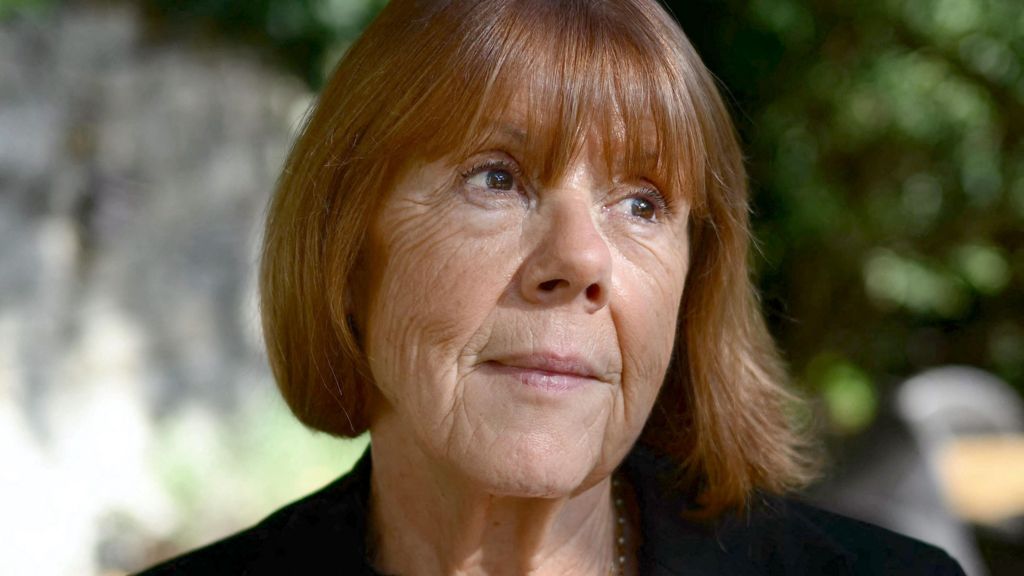
Gisèle Pelicot returns to court after trial made her an icon – and tore her family apart
Gisèle Pelicot, the 72-year-old grandmother at the center of France’s largest rape trial, is set to return to court as one of her 51 convicted rapists appeals his sentence. Husamettin Dogan, a 44-year-old married father, is challenging his nine-year prison term for aggravated rape, marking the only appeal to proceed among the defendants. The case, which captivated global attention last year, exposed a decade-long ordeal where Gisèle was drugged and assaulted by men recruited by her husband, Dominique Pelicot, who meticulously documented the crimes. Dominique received the maximum sentence of 20 years, while 46 others were convicted of rape, two of attempted rape, and two of sexual assault. Dogan’s appeal, effectively a retrial, will revisit harrowing evidence, including video footage of the assaults. Gisèle, now a feminist icon, has chosen to attend the proceedings despite not being legally required to do so. Her lawyer, Stéphane Babonneau, noted her sense of responsibility to see the case through to its conclusion. The trial has profoundly impacted French society, sparking nationwide discussions on rape, consent, and gender violence. Dogan’s defense, which previously argued he was unaware Gisèle was unconscious, faces scrutiny in a trial judged by a public jury. Legal experts suggest the case’s high profile may influence the jury’s decision, potentially leading to a harsher sentence. Gisèle’s courage in waiving her anonymity and pushing for transparency has earned her global recognition, including accolades from Time magazine and the French Legion d’Honneur. However, the case has also fractured her family, with her eldest children accusing her of failing to support their own allegations of abuse by Dominique. As the trial resumes, Gisèle’s presence underscores her unwavering commitment to justice and her hope to inspire other survivors.
-

Moment Sean ‘Diddy’ Combs learned his fate after tearful day in court
In a dramatic turn of events, Sean ‘Diddy’ Combs, the renowned music mogul, was sentenced to over four years in prison in the same courtroom where he was acquitted of sex trafficking and racketeering charges just three months prior. The sentencing came after a judge found Combs guilty of using his influence to subjugate and abuse two women. During the hearing, Combs remained subdued, often looking down as the judge delivered a stern rebuke, stating, ‘This is the reality of what happened.’ This marked a stark contrast to his jubilant reaction following his previous acquittal, where he had confidently declared to his family, ‘I’m coming home.’ As the court adjourned, Combs turned to his family, appearing to mouth the words, ‘I love you, I’m sorry.’ The case has drawn significant attention, highlighting the complexities of power dynamics and accountability in high-profile legal battles.
-

Fatal attack revives debate over controversial shark nets in Australia
The ocean has always been a central part of Glen Butler’s life. A seasoned surfer for over five decades, the 61-year-old rarely worried about sharks until a recent tragedy shook his confidence. Last month, while surfing at Long Reef in Sydney’s northern beaches, his friend Mercury Psillakis was fatally attacked by a great white shark just minutes after Butler had exited the water. This incident has reignited a contentious debate about how to safeguard beachgoers in Australia, particularly in New South Wales (NSW), where shark nets are a widely used but controversial measure. These nets, deployed each summer, aim to reduce shark encounters but have drawn criticism from conservationists for their indiscriminate harm to marine life. Despite their limitations, many beachgoers view them as a necessary layer of protection. Australia, home to some of the world’s most iconic beaches, sees over 80% of its population living along the coast, making shark safety a pressing concern. While shark attacks remain rare, the country ranks second globally for such incidents, trailing only the United States. Recent years have seen an increase in shark sightings, attributed by some to warming oceans and changing marine behaviors. However, experts caution that heightened awareness and social media may amplify perceptions of risk. Alternatives to shark nets, such as drumlines, eco-barriers, and drone surveillance, are gaining traction, though funding constraints limit their widespread adoption. The tragic death of Psillakis has prompted authorities to reconsider the use of nets, but the fear of subsequent attacks has stalled progress. As Australia grapples with balancing human safety and marine conservation, the debate over shark mitigation strategies continues to evolve.