
South Korea is facing an unprecedented rise in school violence, with the highest reported victimization rates since the government began tracking the issue in 2013. According to a recent survey by the Ministry of Education, 2.5% of students reported experiencing violence during the first half of 2025, marking a significant increase from 2.1% in the previous year. Elementary school students are the most affected, with a staggering 5% victimization rate, followed by middle school students at 2.1% and high school students at 0.7%. The survey, which included nearly 4 million students from fourth grade through high school, revealed that verbal abuse remains the most common form of violence, accounting for 39% of cases. However, group bullying, physical assault, and cyberbullying have also seen notable increases, with cyberbullying rising to 7.8% of cases. Sexual violence has also reached a record high, with 6% of respondents reporting incidents of harassment or assault. Alarmingly, 422 teenagers were arrested for deepfake sexual crimes in the first half of 2025 alone, representing nearly 60% of all such arrests. Despite the rise in self-reported victimization, official case filings have decreased, suggesting a disconnect between reported experiences and formal complaints. The Ministry of Education has pledged to implement preventive measures, including a ‘relationship restoration deliberation system’ to mediate minor cases and restore trust within school communities. ‘Rebuilding students’ social and emotional wellbeing is an urgent task,’ emphasized Lee Hae-sook, director of the ministry’s student health policy department. The ministry also plans to collaborate with other government agencies to address the growing complexity of cyberbullying and sexual violence.
分类: society
-
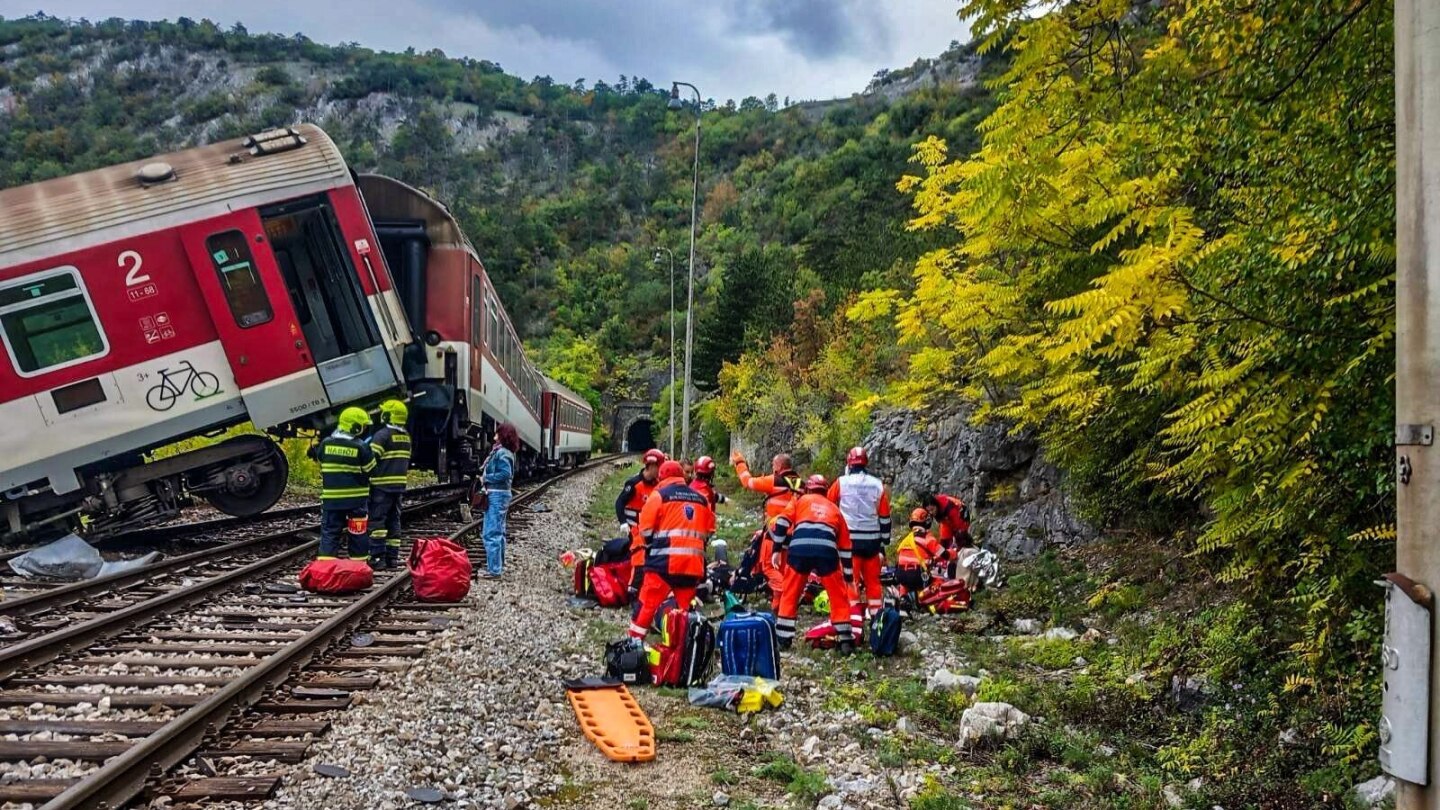
Fast trains collide in Slovakia, injuring dozens, with 2 in critical condition
A severe train collision occurred in eastern Slovakia on Monday, resulting in injuries to dozens of passengers, two of whom are in critical condition, according to officials. The incident took place near Rožňava shortly after 10 a.m. local time (0800 GMT), as reported by Slovak Railways. Approximately 80 passengers were on board at the time of the crash, though further details were not immediately available. Interior Minister Matúš Šutaj Eštok confirmed that two individuals sustained critical injuries, while the remaining injuries were less severe. Visuals from the scene depicted significant damage to the front of one train engine, with the other train derailed. Authorities have launched an investigation into the cause of the accident, with Šutaj Eštok hinting that human error could be a contributing factor.
-
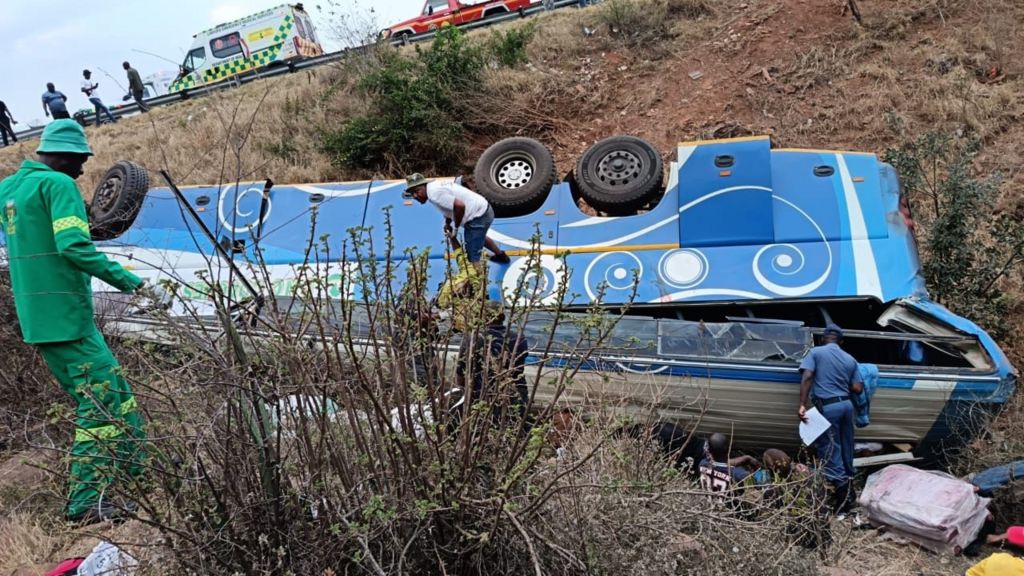
Forty-two killed as bus crashes on South Africa mountain pass
A devastating bus accident on South Africa’s N1 highway has resulted in the deaths of 42 individuals, including seven children. The incident occurred on Sunday night in Limpopo province, as the bus, carrying Zimbabwean and Malawian nationals, traversed a mountainous section of the highway. According to local transport officials, the bus veered off the road along a steep mountain pass and plunged down an embankment. South African President Cyril Ramaphosa expressed his deep sorrow over the tragedy, emphasizing that the loss is not only a national calamity but also a profound sorrow for Zimbabwe and Malawi, countries with close ties to South Africa. The accident has sparked widespread mourning and calls for enhanced road safety measures in the region. Authorities are investigating the cause of the crash, with preliminary reports suggesting challenging road conditions may have played a role. This incident underscores the urgent need for improved infrastructure and safety protocols on South Africa’s highways to prevent future tragedies.
-
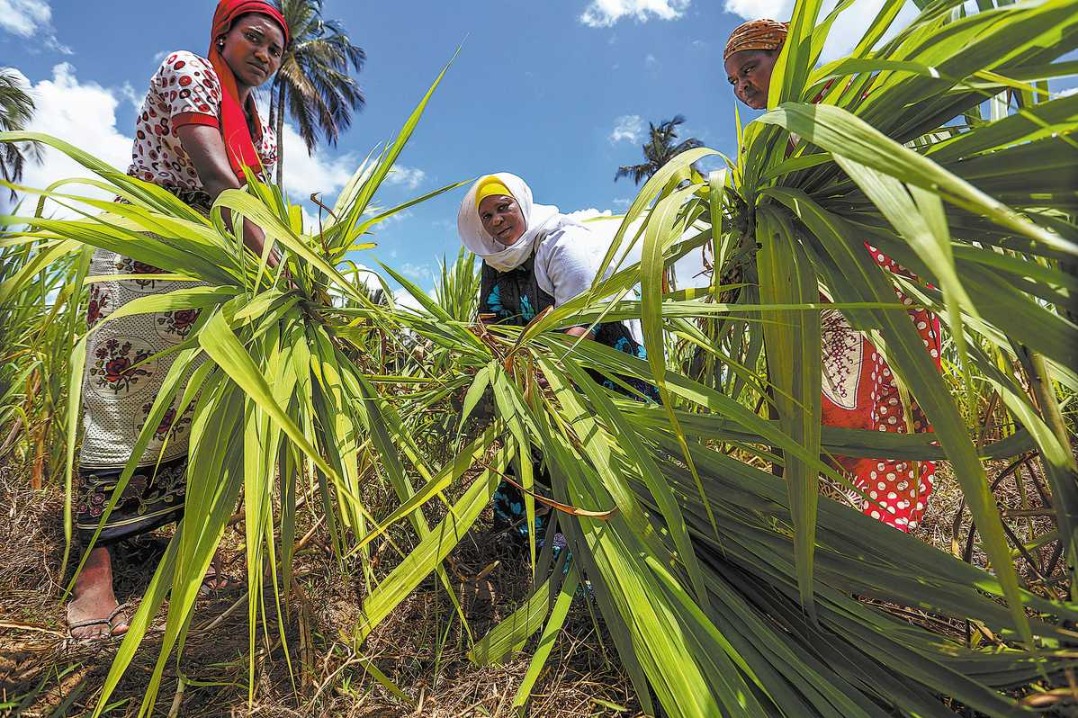
Juncao tech transforms many lives in Rwanda
In Rwanda, Juncao technology, a Chinese innovation, is revolutionizing agriculture and transforming lives. Suzanne Nikuze, a resident of Kigali’s Gasabo district, exemplifies this transformation. What began as a backyard experiment has blossomed into a thriving agribusiness that empowers local farmers, particularly women, and promotes sustainable practices. After receiving training at the China-Rwanda Agriculture Technology Demonstration Center in 2018, Nikuze established an enterprise to teach mushroom cultivation, a lucrative and eco-friendly venture in East Africa. Her initiative has trained over 400 young people, with 80% of her employees being women, fostering self-reliance and economic independence. Juncao, a specially cultivated grass used to grow edible and medicinal mushrooms, offers a sustainable alternative to traditional wood-based methods. This fast-growing, cost-effective, and nutrient-rich grass has not only boosted agricultural yields but also reduced deforestation pressures. Since its introduction in 2006 through a bilateral agreement under the Forum on China-Africa Cooperation, Juncao technology has expanded nationwide, benefiting over 40,000 Rwandan farmers. The Rwanda Agriculture and Animal Resources Development Board, in collaboration with Chinese experts, has introduced 12 mushroom species and established training programs, including initiatives for primary school students. Beyond agriculture, Juncao is being repurposed to produce green charcoal, an eco-friendly alternative to traditional firewood, further supporting Rwanda’s sustainability goals. This innovative technology is a testament to the power of international collaboration in addressing poverty, promoting environmental conservation, and empowering communities.
-
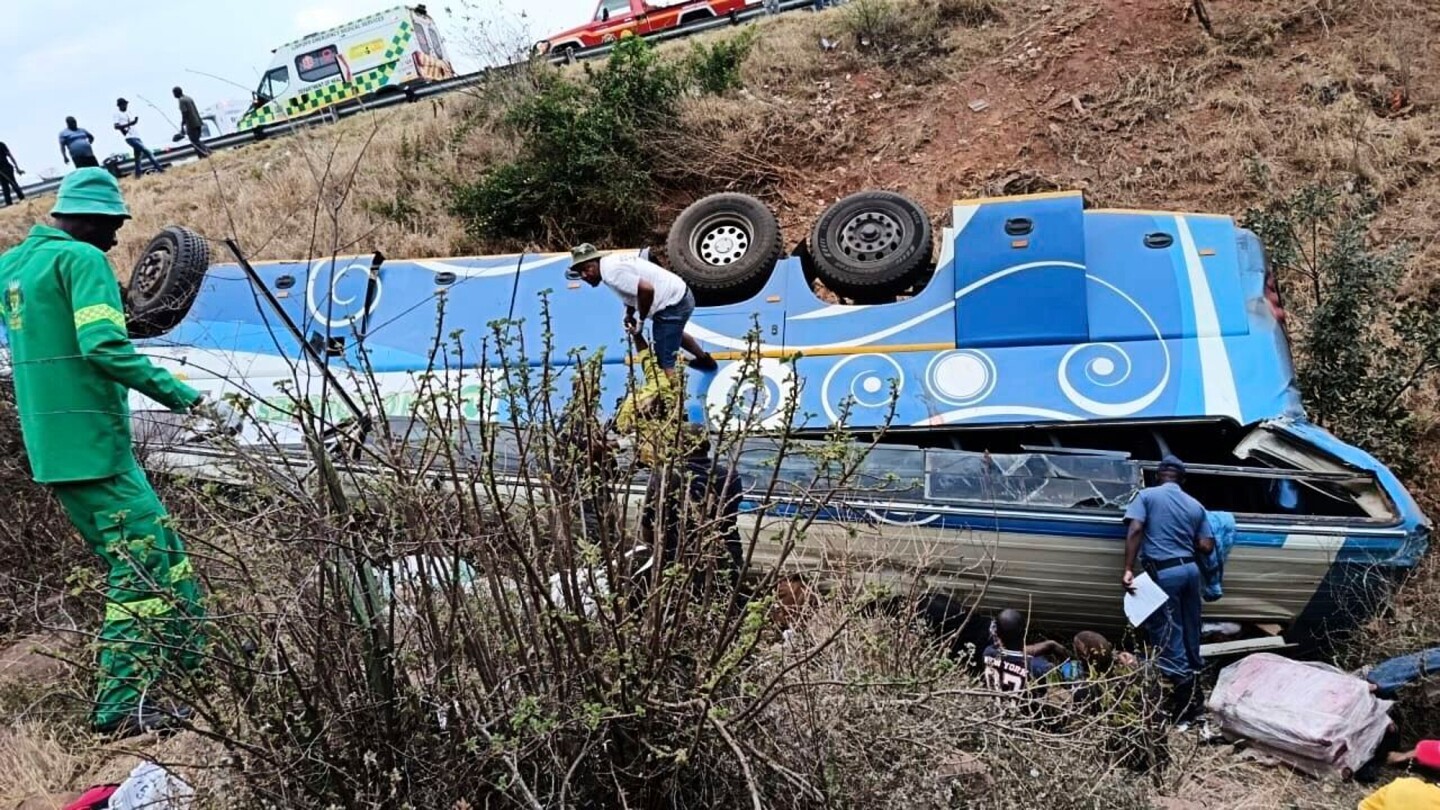
Bus crash in mountainous region of South Africa kills at least 42 people
A devastating bus accident in northern South Africa has resulted in the deaths of at least 42 people, with 49 others sustaining injuries, according to authorities. The incident occurred on Sunday evening around 6 p.m. on the N1 highway near Louis Trichardt, approximately 400 kilometers north of Pretoria. The bus, which was en route to Zimbabwe, veered off the road and plunged down a steep embankment. Among the victims were seven children, 17 men, and 18 women. Six individuals are in critical condition, while 31 others have serious injuries and have been transported to various hospitals. A critically injured child was airlifted for urgent medical care. Rescue operations continued late into the night, with images showing the blue bus overturned and rescuers working diligently to locate victims. The bus was carrying Zimbabwean and Malawian nationals returning to their home countries. The cause of the crash remains under investigation. South African President Cyril Ramaphosa expressed his condolences, noting the tragedy occurred during the country’s annual transport month, which emphasizes road safety. This incident follows a similar bus crash in Limpopo province last year, which claimed 45 lives. The AP Africa news team reported the details from Cape Town.
-

Boy, 11, shoots farm worker dead in tragic South Africa accident, police say
A tragic incident in Thabazimbi, Limpopo province, has once again highlighted the critical issue of firearm safety and parental responsibility in South Africa. An 11-year-old boy allegedly shot and killed a farm worker while attempting to hunt guinea fowls on a farm. According to police reports, the child ‘accidentally discharged’ the firearm, though the exact details of the incident remain under investigation. The boy’s 43-year-old father has been arrested and is expected to face charges of negligent handling of a firearm. Both are scheduled to appear in court on Monday. Upon arrival at the scene, police discovered the body of a man believed to be in his 30s lying on his side with a gunshot wound. He was pronounced dead at the scene. The firearm involved has been seized as evidence. Limpopo police chief Thembi Hadebe emphasized the importance of firearm safety, stating, ‘This heart-breaking incident serves as a reminder that firearms must be handled with the utmost care and stored securely at all times.’ Hadebe further stressed that parents and guardians must ensure children do not have access to firearms under any circumstances. The incident has deeply shocked the local farming community and sparked public concern about the risks of children accessing weapons in rural households. This tragedy follows another recent case in Eastern Cape province, where an eight-year-old boy fatally shot his seven-year-old cousin with his father’s firearm. The boy’s 48-year-old father was charged with failure to safeguard the weapon. These incidents underscore the urgent need for stricter firearm regulations and heightened awareness of child safety in South Africa.
-
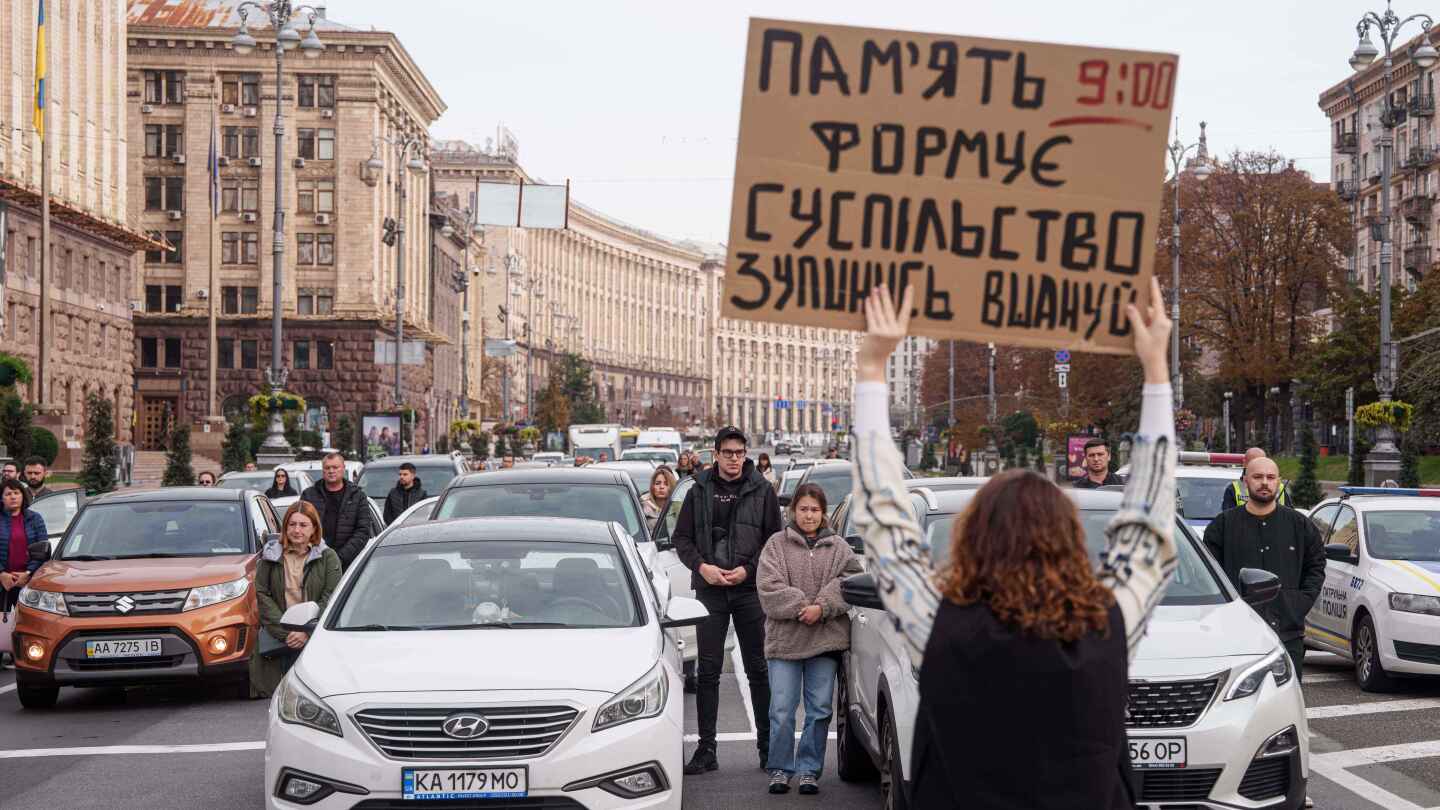
A nation pauses: Ukraine’s daily moment of remembrance endures through intensified Russian attacks
Every morning at 9 a.m., Ukraine comes to a standstill. Traffic lights turn red, and the rhythmic sound of a metronome fills the air, signaling a minute of collective reflection. Drivers step out of their vehicles, bowing their heads in silence. From cafes and schools to the front lines, Ukrainians pause to honor those who have lost their lives in Russia’s full-scale invasion. This daily ritual, initiated by President Volodymyr Zelenskyy in 2022, has become a profound national tradition, uniting the country in grief and resilience. In Kyiv’s Maidan Square, a growing memorial adorned with flags, photos, and candles serves as a poignant reminder of the sacrifices made. Among the mourners are four friends holding signs that read, “Stop. Honor.” Their bond is tied to Iryna Tsybukh, a 25-year-old combat medic killed by a landmine in eastern Ukraine last year. Her death galvanized the nation and deepened the significance of the daily observance. Kateryna Datsenko, co-founder of the civic group Vshanuy, emphasizes that the ritual is not about death but about celebrating the lives and passions of the fallen. Despite escalating Russian missile and drone attacks, Ukrainians continue to gather each morning, finding strength in shared grief and solidarity. City officials have synchronized Kyiv’s traffic lights to ensure the capital joins the nationwide pause. For many, like activist Daria Kolomiec, the moment is both collective and deeply personal, a reminder of the resilience and unity that define Ukraine’s fight for freedom.
-

US calls for China to release 30 leaders of influential underground church
The United States has called for the immediate release of 30 leaders from one of China’s largest underground Christian networks, including Zion Church founder Jin Mingri, who were reportedly detained in coordinated raids across multiple cities over the weekend. According to the US-based non-profit organization ChinaAid, Jin Mingri was arrested early Saturday morning after a team of 10 officers searched his home. The Chinese Communist Party, which promotes atheism and maintains strict control over religious practices, has not yet commented on the arrests. This crackdown is being described as the most extensive in decades, with Christians facing pressure to join state-sanctioned churches led by government-approved pastors. US Secretary of State Marco Rubio condemned the arrests, stating that they highlight the CCP’s hostility toward Christians who reject party interference in their faith. This incident adds to the growing tensions between the US and China, already strained by trade disputes and export controls. Under President Xi Jinping, China has intensified its suppression of religious freedom, particularly targeting Christians and Muslims. Despite these challenges, unregistered house churches, including Zion Church, have continued to grow. Founded by Jin Mingri in 2007 with just 20 members, Zion Church now boasts a network of approximately 10,000 followers across 40 cities. The church has faced repeated crackdowns, including a ban in 2018 after resisting government demands to install security cameras. ChinaAid has labeled this latest wave of arrests as unprecedented, likening it to the mass purges of the Cultural Revolution. Jin Mingri’s wife, Liu Chunli, expressed her anguish in a letter, describing her heart as filled with ‘shock, grief, sorrow, worry, and righteous anger.’ Despite the arrests, Jin Mingri remains steadfast, expressing hope for a revival of faith in the face of persecution.
-

Abandoned dogs in Ethiopia’s capital get little care. A woman wants to change that
In the bustling streets of Addis Ababa, Ethiopia, the plight of stray dogs has found an unlikely champion in Feven Melese, a 29-year-old music graduate turned animal rights activist. Amid the cacophony of urban life, Melese’s soft whistle resonates as she tends to the city’s forgotten canines. Her modest shelter on the outskirts of the capital provides refuge for 40 dogs, while she feeds an additional 700 weekly. Over the past two years, Melese has successfully rehomed more than 300 dogs, challenging the traditional Ethiopian view of dogs as mere protectors rather than cherished companions. As Addis Ababa’s skyline transforms with new high-rises, the city’s estimated 200,000 stray dogs face dwindling spaces to roam. Many are abandoned by owners relocating to pet-restricted apartments, exacerbating the crisis. Authorities, grappling with rabies outbreaks, have faced backlash for poisoning strays ahead of major events. Melese’s shelter, though rudimentary, offers solace to injured dogs like Konjit, who wears a neck brace after surviving a road accident. Her childhood compassion for strays has blossomed into a lifelong mission, supported by fellow activists like Luna Solomon and Biruk Dejene. Together, they advocate for humane solutions, including mass vaccinations, sterilization programs, and adoption incentives. Despite limited resources, Melese remains steadfast in her efforts to reshape societal attitudes and secure a brighter future for Addis Ababa’s canine population.
-

Protesters clash with police in Ecuador amid nationwide strike over fuel prices
QUITO, Ecuador — The streets of Ecuador’s capital, Quito, were engulfed in chaos on Sunday as demonstrators protesting soaring fuel prices clashed with riot police. Protesters burned tires, blocked roads, and faced off against law enforcement, who responded with tear gas. This marked the latest escalation in a series of nationwide protests that have tested President Daniel Noboa’s administration. The unrest was sparked 21 days ago by Ecuador’s largest Indigenous organization, which called for strikes following the government’s decision to eliminate a fuel subsidy, causing diesel prices to surge from $1.80 to $2.80 per gallon. The protests have often turned violent, resulting in one civilian death, dozens injured, and over a hundred arrests. In response, Noboa declared a state of emergency in 10 provinces, restricting public gatherings in Quito and other areas. Last week, the situation intensified when protesters attacked Noboa’s motorcade with rocks. Sunday’s rally, coinciding with Ecuador’s Day of Interculturality and Plurinationality—a holiday honoring the nation’s Indigenous heritage—drew thousands of police in riot gear to the capital. Protesters, chanting “Noboa out, out!,” marched from southern Quito but were dispersed by police before reaching their destination. President Noboa has defended the subsidy cuts, arguing they are necessary to address the country’s financial crisis and curb fuel smuggling across borders. However, the policy has disproportionately impacted Indigenous communities, who rely on affordable fuel for agriculture, fishing, and transportation. Despite offering bonuses to struggling farmers and transport workers, Noboa has refused to negotiate with the Indigenous federation, further fueling tensions.