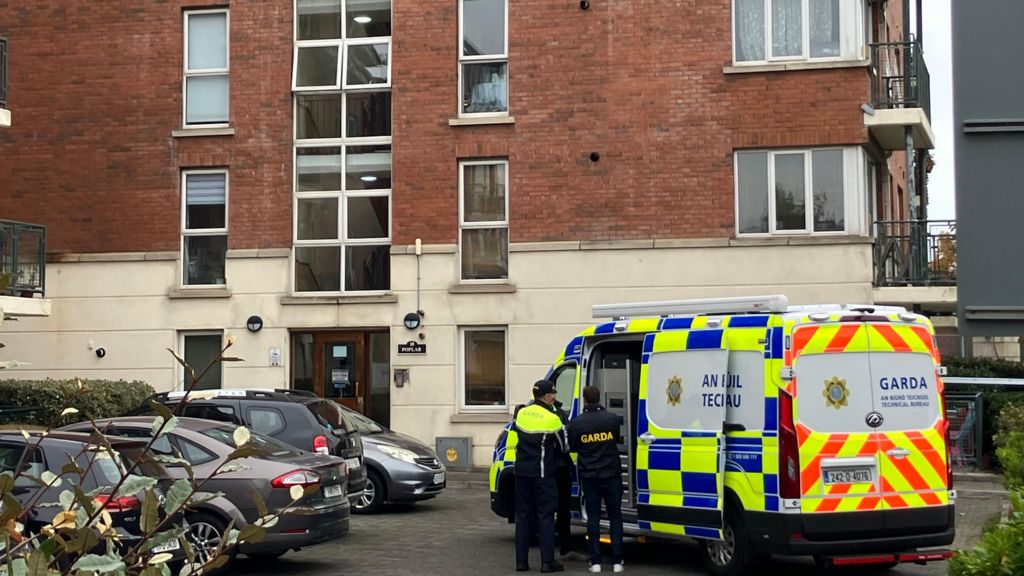
A tragic event unfolded at the Grattan Wood apartment complex in Donaghmede, north Dublin, resulting in the death of a teenage boy and injuries to another. The incident occurred at an emergency residential unit managed by Tusla, Ireland’s child welfare and protection agency. A woman also received medical attention for non-life-threatening injuries at the scene. Irish police, Gardaí, confirmed that the situation is no longer active and poses no ongoing threat to the community. They are following a definite line of inquiry and are not seeking any other individuals in relation to the incident. Tusla expressed deep sorrow over the event, stating that it involved two young people, one of whom sustained fatal injuries. The agency is cooperating fully with the Gardaí’s investigation and is prioritizing the safety and well-being of the other young people and staff at the unit. Additional supports are being provided to those directly affected, and efforts are being made to contact the families of the young people residing there. Emergency services responded to a call for assistance shortly after 11:00 BST, discovering a seriously injured teenage boy who was later pronounced dead at the scene. The scene remains preserved for examination by the Garda Technical Bureau and Forensic Science Ireland. The body has been taken to Dublin City Mortuary for a post-mortem examination, the results of which will aid the investigation. Irish Prime Minister Micheál Martin and Deputy Prime Minister Simon Harris expressed their shock and sadness over the loss of life, emphasizing the importance of the well-being of the young people and staff at the facility. Sinn Féin TD Denise Mitchell commended the Gardaí and emergency services for their swift response.
分类: society
-
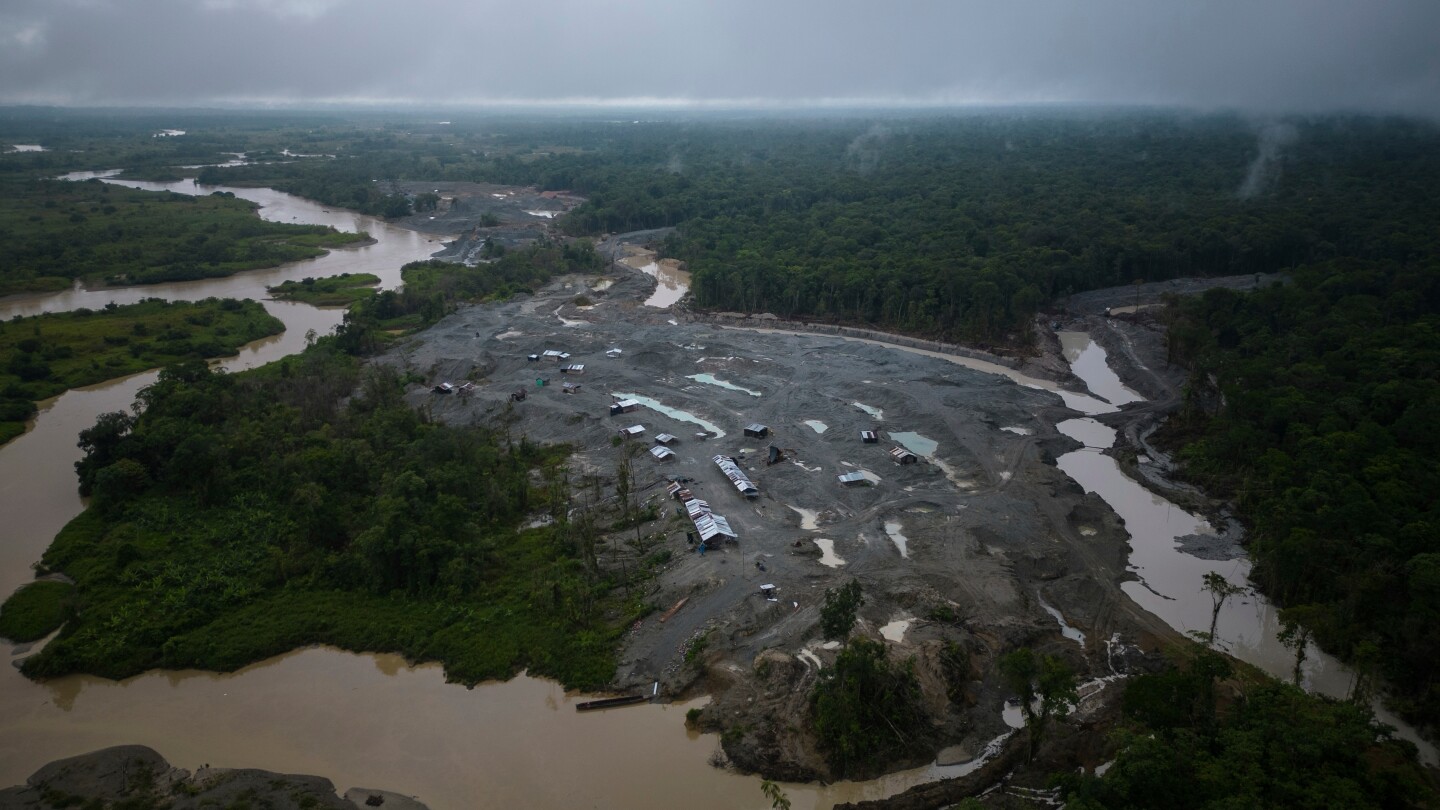
UN warns Colombia over mercury contamination in Atrato River, calls crisis a human rights emergency
The United Nations has issued a stark warning about the escalating human rights crisis in Colombia’s Atrato River basin, caused by mercury contamination from illegal gold mining. In a public letter released on Tuesday, three UN Human Rights Council special rapporteurs expressed deep concerns over the Colombian government’s inadequate compliance with a 2016 Constitutional Court ruling that recognized the Atrato River as a legal entity entitled to protection and restoration. Marcos Orellana, the UN special rapporteur on toxics and human rights, highlighted the persistent failure to enforce the court’s decision, attributing the problem to organized crime, corruption, and the smuggling of mercury and gold. The Atrato River, a vital waterway spanning nearly 500 miles through Colombia’s biodiverse Choco region, sustains Afro-Colombian and Indigenous communities reliant on fishing and farming. However, toxic pollution from illegal mining has severely threatened their health, livelihoods, and cultural practices. Orellana revealed that over a third of the population in the Atrato watershed has been exposed to mercury levels exceeding World Health Organization limits, posing risks of neurological damage, organ failure, and developmental disorders. The UN urged Colombia to take immediate action to curb illegal mining, clean up polluted areas, and provide medical care for affected communities. Despite the 2016 ruling being hailed as a landmark in environmental law, political turnover, funding shortages, and alleged corruption have hindered its enforcement. The UN also called for stronger international mercury controls under the Minamata Convention, emphasizing the need to address cross-border trade gaps. Orellana stressed that meaningful progress would require reducing the scale of illegal mining and ensuring communities have access to specialized healthcare and exposure reduction guidance. The Colombian government has yet to respond to the UN’s letter, which was sent over 60 days ago. The situation underscores the urgent need for sustained institutional commitment to protect human rights and the environment.
-
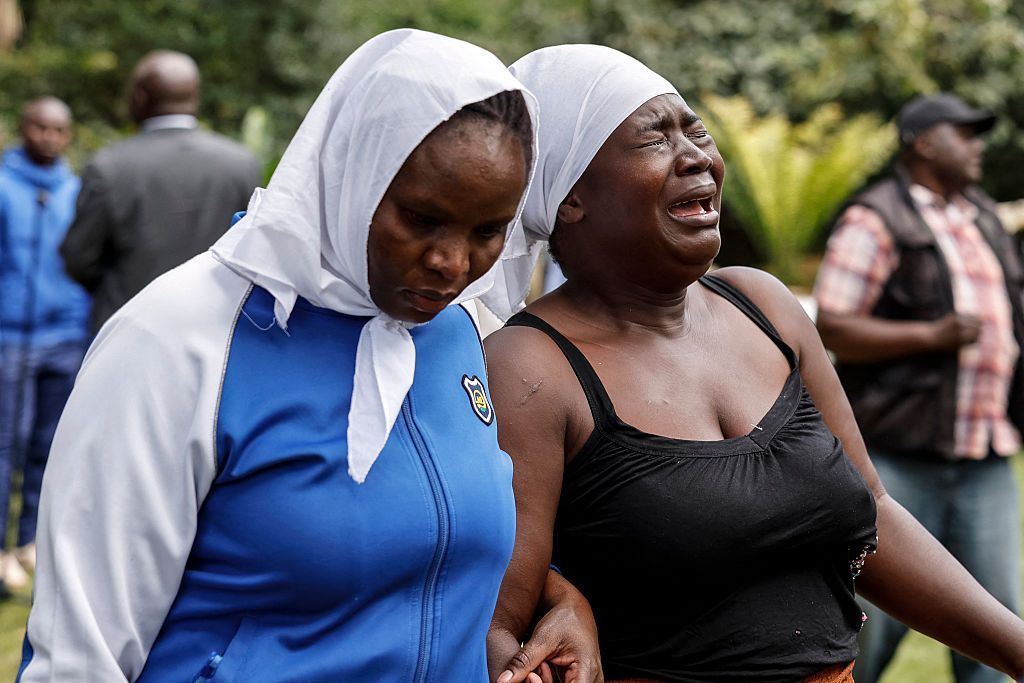
Kenyans gather to mourn Raila Odinga
The city of Nairobi has come together in a solemn gathering to honor the memory of former Kenyan Prime Minister Raila Odinga, who passed away at the age of 80. Odinga, a prominent political figure in Kenya, died while undergoing medical treatment at a hospital in India. His death has sparked an outpouring of grief and reflection among citizens, who remember him as a pivotal leader in the nation’s history. The mourning event, held in the heart of Nairobi, saw a diverse crowd of supporters, political allies, and ordinary citizens paying their respects. Odinga’s legacy, marked by his contributions to Kenya’s democratic evolution and his role in shaping the country’s political landscape, continues to resonate deeply across Africa and beyond. The gathering not only commemorates his life but also underscores the profound impact he had on the nation and its people.
-

Greek riot police scuffle with protesting doctors during hospital tour by PM Mitsotakis
Tensions flared at Athens’ University General Hospital Attikon on Wednesday as riot police clashed with medical staff during a protest over deteriorating public health services. The demonstration coincided with a visit by Greek Prime Minister Kyriakos Mitsotakis, who was attending the inauguration of a new oncology department and touring the renovated emergency wing. Armed with shields, batons, and pepper spray, police forcefully dispersed doctors demanding to meet with the prime minister, according to local media reports. The protest highlighted critical issues plaguing Greece’s healthcare system, including severe staff shortages, stagnant wages, and unsafe working conditions. Dr. Giorgos Sideris, head of the Association of Hospital Doctors of Athens and Piraeus, condemned the government’s inaction, stating that healthcare workers are owed 10,000 days of leave and have endured frozen salaries. He also revealed that 130 patients recently slept on stretchers in hospital corridors due to overcrowding, emphasizing the urgent need for 125 additional nursing staff to meet basic safety standards. Mitsotakis acknowledged the challenges during his speech, noting that funding for Attikon had risen from 90 million euros to 150 million euros and that staffing levels had improved, albeit insufficiently. The new oncology ward, funded by a charity organization, is expected to treat over 20,000 patients annually, marking a 41% increase from 2019. Despite these developments, the protest underscored the deep-seated frustrations of healthcare workers and the pressing need for systemic reforms.
-
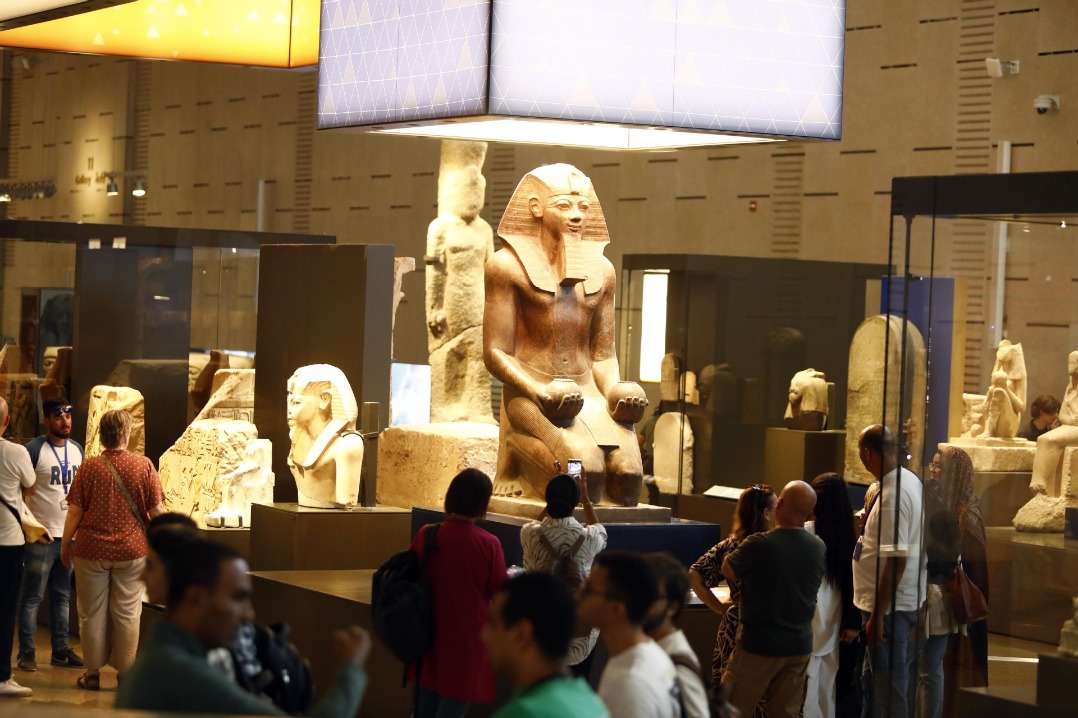
Egypt shuts down Grand Egyptian Museum in preparation for official opening
The Grand Egyptian Museum (GEM), a monumental cultural landmark near the Giza pyramids, has announced a temporary closure from October 15 to November 3, 2025, in preparation for its highly anticipated official inauguration. The museum, which has been in a soft-opening phase for nearly a year, will host a grand ceremony on November 1, with public access resuming on November 4. During its trial phase, the GEM showcased 12 galleries featuring thousands of artifacts, including the Grand Staircase adorned with statues and relics from various eras of ancient Egyptian history. Notably, the Tutankhamun Hall, housing the complete collection of the young pharaoh’s treasures—including his golden mask, coffins, and over 5,000 other artifacts—was preserved as the centerpiece for the official opening. Spanning nearly 500,000 square meters, the GEM is recognized as the world’s largest archaeological museum dedicated to a single civilization, according to Egypt’s Ministry of Tourism and Antiquities. This closure marks the final step in preparing for a historic event that promises to celebrate Egypt’s rich heritage on a global stage.
-
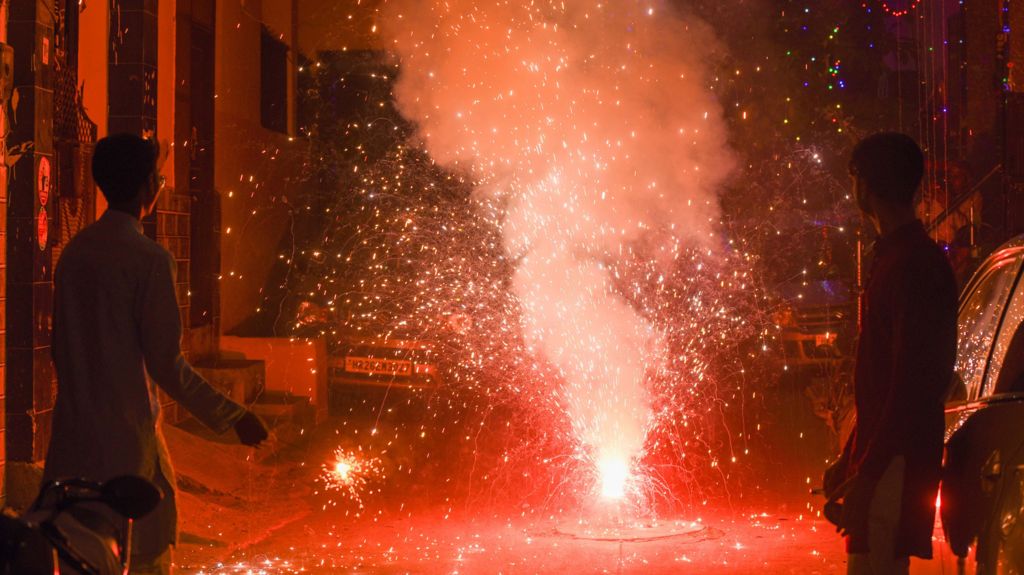
India top court allows less-polluting crackers even as Delhi air turns toxic
As Delhi’s air quality plunges into the ‘very poor’ category, India’s Supreme Court has permitted the sale and use of ‘green firecrackers’ during the upcoming Diwali festival. These firecrackers, designed to emit 20-30% fewer pollutants and produce minimal ash, are seen as a compromise between tradition and environmental concerns. However, critics argue that even these less harmful alternatives release toxic substances, exacerbating the city’s already dire pollution levels. On Wednesday, Delhi’s air quality was 25-30 times worse than the World Health Organization’s safe limits, with PM2.5 levels in some areas exceeding 400, a threshold that poses severe health risks. The court’s decision, which includes strict guidelines on the sale and use of firecrackers, has sparked mixed reactions. While some welcome the opportunity to celebrate Diwali fully, others fear weak enforcement will worsen the pollution crisis. Meanwhile, the Delhi government has activated the Graded Response Action Plan (GRAP) to combat rising pollution, banning coal, firewood, and non-essential diesel generators. As winter approaches, Delhi faces its annual pollution battle, with Diwali’s firecrackers adding to the challenge.
-
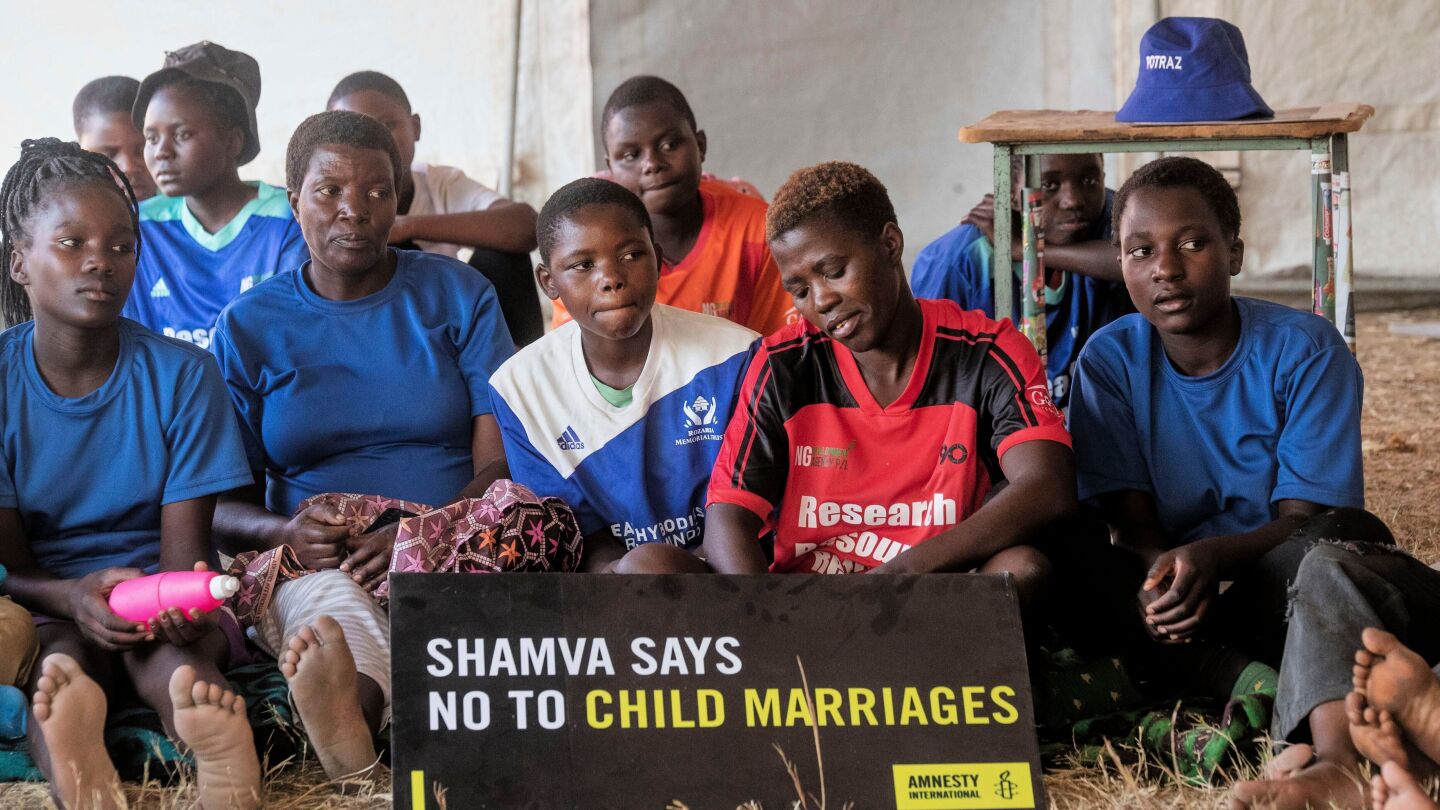
An ancient tradition is helping girls in Zimbabwe fight child marriages
In the rural landscapes of northeastern Zimbabwe, a group of girls gathers inside a white tent with a wooden fireplace at its center. They remove their shoes, sit on mattresses, and prepare to engage in open discussions about sexuality, child marriage, teen pregnancy, gender bias, education, economic empowerment, and the law. This gathering is a modern revival of Nhanga, an ancient tradition once used to prepare adolescent girls for marriage. Today, it has been reimagined as a peer-led movement to resist child marriage, a pervasive issue in Zimbabwe and across Africa.
Nhanga, traditionally a female-only space in round thatched huts, was historically a place where girls were taught obedience, marital duties, and moral education, reinforcing patriarchal norms. However, the new Nhanga is a cultural innovation addressing contemporary challenges. ‘The new Nhanga is a safe space where girls can candidly discuss sensitive topics,’ said Nokutenda Magama, a programs officer with the Rozaria Memorial Trust, a nonprofit driving this revival.
The sessions, organized by age groups ranging from five-year-olds to women over 35, include practical skills like poultry raising, farming, and soap making. Elders and senior government officials are sometimes invited to provide mentorship. This initiative comes amid alarming statistics: one in three girls in Zimbabwe marries before 18, a situation mirrored across East and southern Africa. Despite laws outlawing child marriage, poverty, weak enforcement, and cultural practices perpetuate the problem.
For Samantha Chidodo, 26, the Nhanga revival offered a lifeline. Forced into an abusive marriage at 17, she escaped and, with support from the Rozaria Memorial Trust, returned to school and became a pioneer of the modern Nhanga. ‘Initially, we were only about 20 girls. Now, over 200 in my village participate,’ she said. The movement has spread to Zambia and Sierra Leone and gained recognition at African Union and United Nations forums.
To address the cultural roots of child marriage, girls have sought the support of chiefs and village heads. Xmas Savanhu, a local village headman, explained that offenders now face fines, such as paying a cow, which is held in trust for the girl’s education. Despite progress, poverty and entrenched attitudes remain challenges. ‘The gap lies with the adults,’ said Enet Tini, a teacher and mentor, emphasizing the need for girls-led initiatives to shift societal norms.
Nyaradzai Gumbonzvanda, deputy executive director at U.N. Women and founder of the Rozaria Memorial Trust, called child marriage ‘essentially rape and sexual exploitation,’ stressing that solutions must involve girls themselves, policymakers, and traditional leaders. ‘If we can pressure each other into behaving badly, then we can also influence each other to act positively,’ said Anita Razo, an 18-year-old mentor.
This grassroots movement demonstrates how ancient traditions can be reimagined to address modern challenges, empowering girls to shape their futures and challenge societal norms.
-

Pickup truck explodes on busy street in Ecuador
A devastating explosion occurred on a bustling shopping street in Guayaquil, Ecuador, on Tuesday evening, leaving one person dead and two others injured. Authorities have labeled the incident as an intentional attack. The victim, identified as a nearby cab driver, succumbed to the blast, according to Maj. Jorge Montanero of the Guayaquil fire department, who spoke to local television station Ecuavisa. Emergency responders evacuated surrounding buildings as a precaution, while police conducted thorough inspections of vehicles in the area. Montanero hinted at the possibility of a car bomb, stating, “A normal car doesn’t blow up like that.”
Guayaquil’s police chief, Francisco Zumárraga, confirmed the discovery of a “new threat” and announced plans for a controlled detonation. He vowed to apprehend those responsible for the attack. The Attorney General’s Office has launched an investigation, interviewing witnesses and reviewing surveillance footage to piece together the events.
This incident adds to a troubling pattern of vehicle explosions in Ecuador, which saw a surge in violence following the assassination of a presidential candidate in 2023. Earlier this year, a bomb attributed to a criminal network exploded outside Ecuador’s largest prison, killing a prison guard. While other explosions in Quito last year caused minor damage, Tuesday’s attack has raised alarms.
Governor Humberto Plaza of Guayas province, where Guayaquil is the capital, condemned the explosion as “terrorism plain and simple” and pledged to bring the perpetrators to justice. “We’re going to grab them, and they’re going to pay,” he declared. The explosion shattered windows in nearby restaurants and stores, leaving the community in shock and underscoring the growing security challenges in the region.
-

British social media star ‘Big John’ detained in Australia over visa
British social media sensation ‘Big John’ Fisher, renowned for his viral fast food reviews and his signature catchphrase ‘bosh,’ has been detained in Australia due to a visa complication. Fisher, who boasts nearly 700,000 Instagram followers and is the father of British heavyweight boxer Johnny Fisher, arrived in Western Australia on Tuesday for a planned tour. However, his visit took an unexpected turn when he was questioned by Australian border officials for four hours. Despite having a legitimate visa, authorities expressed concerns over his intended work activities during his stay. In a social media post, Fisher revealed that he would be deported back to London, forcing him to cancel scheduled appearances in Perth and Sydney. ‘Will explain more when I get home but absolutely gutted,’ he shared, noting that his return flight coincided with his 52nd birthday. Fisher, known for his love of Chinese takeaway and his enthusiastic meal reviews, apologized to his Australian fans in a short video, saying, ‘Sorry, Perth, sorry, Sydney.’ The Australian Border Force has yet to comment on the incident.
-
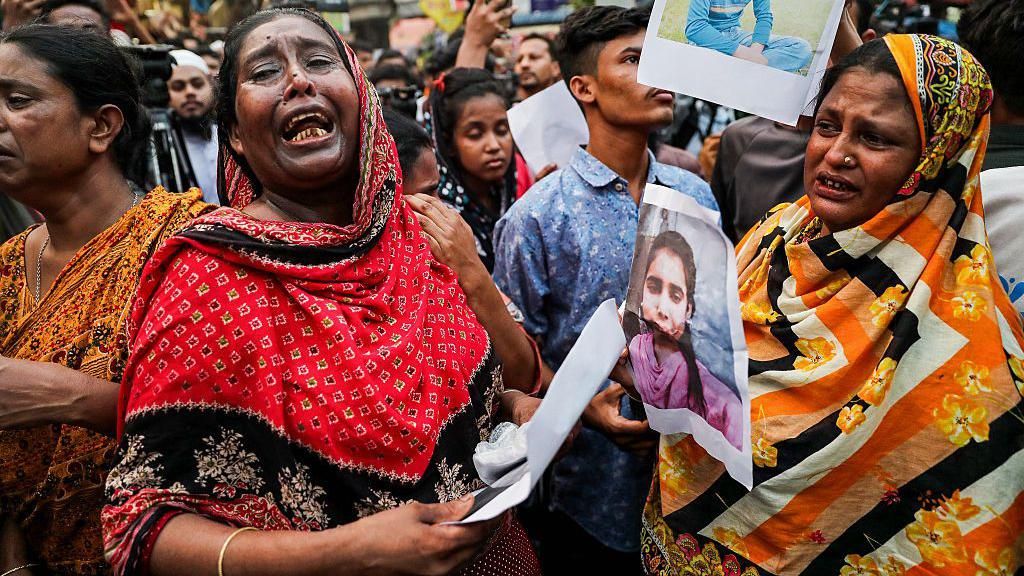
Bangladesh garment factory fire kills at least 16
A devastating fire engulfed a garment factory in Dhaka, Bangladesh, claiming the lives of at least 16 individuals, with fears that the death toll may escalate. The inferno, which erupted around midday on Tuesday, ravaged the four-storey building in the Mirpur area, leaving bodies charred beyond recognition. Distraught families gathered outside the factory, clutching photographs of their missing loved ones, desperate for answers. The blaze was extinguished after three hours, but a neighboring chemical warehouse continued to burn, complicating rescue efforts. Firefighters struggled to contain the chemical fire, which persisted until late evening, fueled by hazardous materials such as bleaching powder, plastic, and hydrogen peroxide. Authorities are yet to determine the origin of the fire, with investigations underway to ascertain whether the warehouse was operating legally. The factory and warehouse owners remain unlocated, adding to the uncertainty. Among the grieving is a father searching for his daughter, Farzana Akhter, who remains missing. ‘I just want my daughter back,’ he pleaded, encapsulating the anguish of countless families affected by this tragedy.