
The United Arab Emirates (UAE) has solidified its position as the Arab world’s most improved higher education system, according to the recently released QS World University Rankings: Arab Region 2026. This year, 15 UAE universities were featured in the rankings, with nine institutions climbing the ladder, one maintaining its position, and four experiencing slight declines. Notably, the University of Fujairah made its debut in the 151–160 band, marking a significant milestone for the nation’s academic landscape. The UAE, alongside Saudi Arabia, continues to dominate the region’s higher education sector, with both countries boasting three universities in the top 10 and six in the top 20—double the number of any other nation. Khalifa University achieved its highest-ever ranking, securing third place, while United Arab Emirates University held steady at fifth. The American University of Sharjah rose to ninth, and the University of Sharjah entered the top 20 for the first time, ranking fourteenth. Dr. Ashwin Fernandes, QS Executive Director for AMESA, highlighted the UAE’s excellence in internationalisation, with institutions like Al Ain University and The British University in Dubai ranking among the region’s most international universities. QS data projects that international student enrollment in the UAE will surge to nearly 120,000 by 2030. The UAE also recorded the highest system-wide improvement rate among Arab nations at 33%, with significant gains in employer reputation, web impact, and international student ratios. Nine of the top 10 universities for international faculty and seven for international students are based in the UAE, underscoring its growing global appeal.
分类: society
-

Prince Andrew accuser says he acted as if sex with her was ‘birthright’: Memoir
In a shocking revelation from her posthumous memoir, Virginia Giuffre, a central figure in the Jeffrey Epstein scandal, has accused Britain’s Prince Andrew of behaving as if having sex with her was his “birthright.” The memoir, titled “Nobody’s Girl: A Memoir of Surviving Abuse and Fighting for Justice,” details Giuffre’s allegations of sexual encounters with Andrew, including when she was under 18. Giuffre, who passed away on April 25, rose to prominence after accusing Epstein of using her as a sex slave and alleging that Andrew had assaulted her. Despite Andrew’s repeated denials and a multimillion-dollar settlement to avoid trial, Giuffre’s memoir paints a damning picture of the prince’s alleged entitlement and misconduct. The book, set to be published by Knopf on October 21, includes extracts published by The Guardian, where Giuffre describes meeting Andrew in London in 2001. She recounts how Andrew correctly guessed her age, mentioning that his daughters were slightly younger. The memoir also details their visit to the Tramp nightclub and subsequent return to Ghislaine Maxwell’s London house, where Giuffre alleges the sexual encounter took place. Maxwell, Epstein’s associate, was sentenced to 20 years in prison in 2022 for recruiting underage girls for Epstein. Giuffre’s memoir further alleges that Epstein paid her $15,000 for “servicing the man the tabloids called Randy Andy.” Andrew’s association with Epstein has severely damaged his reputation, making him a source of embarrassment to King Charles III. His popularity has plummeted, and he now makes increasingly rare public appearances. The memoir is expected to reignite public scrutiny of Andrew’s actions and his ties to the Epstein scandal.
-
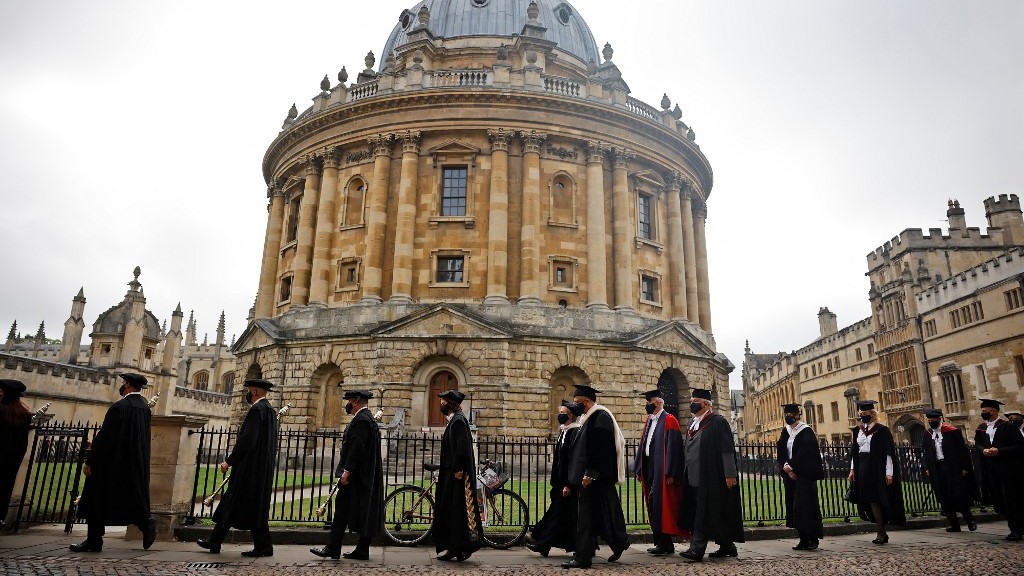
Oxford University invested in at least 49 firms linked to illegal Israeli activity
A recent investigation by Middle East Eye has uncovered that the University of Oxford holds indirect investments in at least 49 companies implicated in illegal Israeli activities within occupied Palestinian territories. These investments, valued at over £19 million ($25.5 million), represent a small fraction of Oxford’s £8 billion endowment but have sparked significant ethical concerns. Critics argue that these holdings contradict the university’s stated commitment to ethical investment practices and raise questions about the transparency of its broader financial portfolio. The investments are managed through a passive equity tracker fund developed in collaboration with BlackRock, the world’s largest asset manager. While the fund excludes companies involved in fossil fuels and controversial weapons, it does not screen out firms listed on a UN database for complicity in human rights violations related to Israeli settlements. Notable companies in the fund include major Israeli banks, travel-sector giants like Expedia and Airbnb, and U.S. technology firm Motorola Solutions. The Oxford BDS Coalition, comprising students and staff, has condemned the university’s involvement, accusing it of profiting from human rights abuses and calling for immediate divestment. Despite repeated awareness of these issues, Oxford has yet to take decisive action, prompting calls for greater accountability and transparency in its investment practices. The revelations come amid growing international criticism of Israel’s actions in Gaza, with other institutions, such as Norway’s sovereign wealth fund and the Dutch pension fund ABP, already divesting from companies linked to the occupation. The case highlights the broader ethical dilemmas faced by academic institutions in aligning their financial strategies with their missions and values.
-

Rising water levels attract tourists to Jinan’s famous springs
Jinan, the capital of Shandong province, has witnessed a remarkable surge in its famous springs’ water levels, drawing a wave of tourists to its scenic spots. According to the Jinan Culture and Tourism Development Group, Baotu Spring, one of the city’s most iconic attractions, reached a water level of 30.32 meters on Wednesday, marking the highest point in six decades. This unprecedented rise is attributed to persistent rainfall in the region. The increased water levels have not only revitalized Baotu Spring but also enhanced the beauty of other renowned springs, such as the Black Tiger Spring and the Crescent Spring. Spectacular water gushes at these sites have captivated visitors, creating a bustling atmosphere in the city. The phenomenon has turned Jinan into a hotspot for nature enthusiasts and photographers alike, showcasing the city’s unique geological and cultural heritage. Local authorities are leveraging this natural spectacle to promote tourism, highlighting Jinan’s reputation as the ‘City of Springs.’
-

Bears kill seven people in Japan this year as attacks hit record high
Japan is grappling with an unprecedented surge in fatal bear attacks, with the country’s environment ministry reporting seven deaths since April—the highest number since records began in 2006. The majority of these incidents have occurred in the northeastern regions and Hokkaido, where a 60-year-old man cleaning an outdoor hot spring bath has recently gone missing in what is suspected to be the latest bear-related tragedy. Experts attribute the rise in attacks to climate change, which has led to poor yields of beech nuts, a primary food source for bears, forcing them to venture into residential areas in search of sustenance. Additionally, depopulation in rural areas has exacerbated the issue, leaving fewer humans to deter wildlife. The ministry’s data reveals that this year’s fatalities have already surpassed the five recorded in the previous 12 months, with around 100 injuries reported so far. Recent incidents include a bear entering a supermarket in Numata, Gunma, injuring two elderly men, and a farmer in Iwate being attacked by a bear and its cub. The situation has raised alarms about the growing human-wildlife conflict in Japan, home to two bear species: the Asian black bear and the larger brown bear found in Hokkaido.
-

China speeding up efforts to secure autumn grain harvest
China is intensifying efforts to secure its autumn grain harvest, a critical component of the nation’s annual grain production, despite adverse weather conditions affecting several regions. According to the Ministry of Agriculture and Rural Affairs, over 60% of the autumn grain crops have already been harvested. Autumn grains typically constitute approximately 75% of the country’s total annual grain output. The harvest progress varies by crop type, with 70% of mid-season rice, 50% of corn, and 80% of soybeans already collected. Persistent rainfall since September has posed significant challenges, prompting both central and local governments to implement urgent measures. These include accelerated funding support to expedite the harvest process. The Ministry of Finance has allocated 484 million yuan (approximately $68 million) from the central budget to aid agricultural disaster prevention and relief efforts, particularly in seven provinces: Hebei, Shanxi, Jiangsu, Anhui, Shandong, Henan, and Shaanxi. These funds will support the use of agricultural machinery, drying damp grains, and draining waterlogged farmlands. Vice-Premier Liu Guozhong has emphasized the need for coordinated efforts to ensure a successful harvest, including the timely drying of grains to prevent spoilage. Concurrently, Chinese authorities are promoting food security awareness through themed activities during World Food Day, encouraging the public to reduce food waste. Recent years have seen campaigns like ‘clean your plates’ gain traction, fostering a culture of food conservation. Government data highlights China’s robust food security during the 14th Five-Year Plan period (2021-2025), with annual grain output consistently exceeding 650 million tonnes. In 2024, grain output surpassed 700 million tonnes for the first time, with per capita grain possession reaching 500 kilograms, well above the international food security benchmark of 400 kilograms. Liu Huanxin, head of the National Food and Strategic Reserves Administration, affirmed China’s self-sufficiency in grains and absolute security in staple foods. Additionally, China is enhancing international cooperation in agriculture, sharing expertise with developing nations through technology exchanges, joint research, and training programs, thereby contributing to global food security.
-

From streets to forever homes: UAE residents rescue pets, turn strays into family
Across the United Arab Emirates, a growing number of residents are transforming the lives of abandoned animals by providing them with care, shelter, and a place to call home. From pigeons to kittens, these once-stray animals are now cherished members of families, thanks to the compassion of their rescuers. One such story is that of Boots, a pigeon rescued by Tiffany Dickinson in Dubai. Found struggling on a pavement, Boots was diagnosed with a neurological virus that left her unable to survive in the wild. Today, she thrives in Tiffany’s apartment, enjoying showers, short flights, and even her own Instagram page. Boots’ story is just one of many. Shirin Zemmo and her husband rescued two newborn kittens left in a crate near their Arjan building. Initially planning to care for them temporarily, the couple soon found themselves inseparable from the affectionate felines. Similarly, Natasha D’Souza, a long-time animal rescuer, has opened her home to multiple cats over the years, including senior cats Boney and Mindy, and more recent additions like Rosie and Ruby. These heartwarming tales highlight a broader trend in the UAE, where residents are stepping up to address the plight of abandoned animals, turning strays into beloved family members.
-

Abu Dhabi’s Zayed National Museum to open on December 3, ticket sales begin
Abu Dhabi’s much-anticipated Zayed National Museum is set to open its doors on December 3, 2025, marking a significant milestone in the UAE’s cultural landscape. Located in the Saadiyat Cultural District, the museum is a tribute to the legacy of Sheikh Zayed bin Sultan Al Nahyan, the founding father of the UAE, and his enduring commitment to cultural heritage, education, and national identity. Designed by renowned architect Lord Norman Foster, the museum’s innovative design features five steel structures inspired by the wings of a falcon, symbolizing a key aspect of Emirati culture. The museum offers a journey through the UAE’s history, from ancient artifacts like a 300,000-year-old stone tool discovered in Al Ain to the life and values of Sheikh Zayed. Ticket sales have commenced, with adult tickets priced at Dh70, while minors, senior Emiratis, residents, people of determination, and journalists on assignment can enter free of charge. Students and teachers can avail discounted tickets for Dh35. The museum’s opening reaffirms Abu Dhabi’s position as a global hub for culture and learning.
-
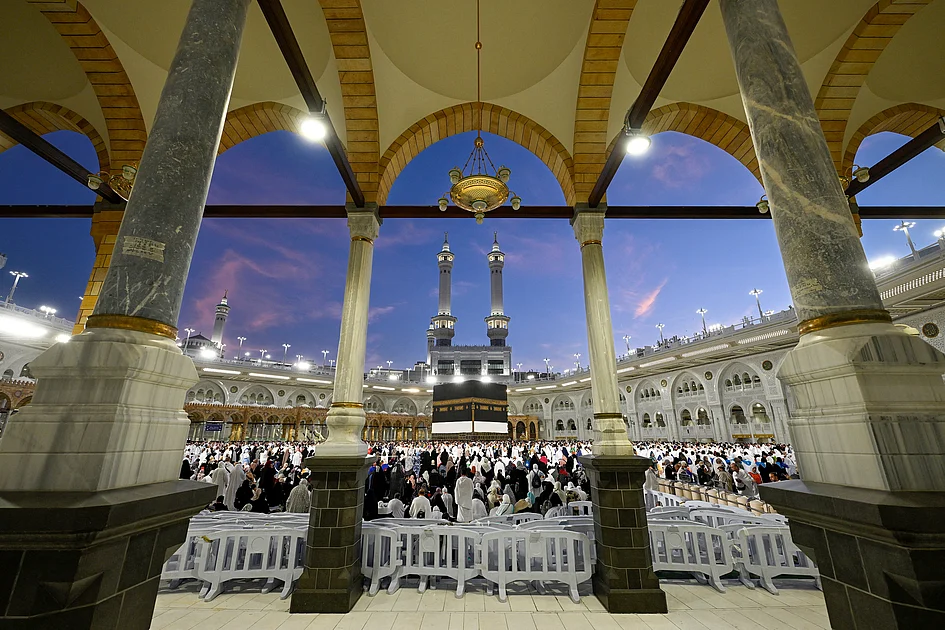
Saudi to add 900,000 praying spaces near Makkah Grand Mosque under new project
Saudi Arabia has embarked on a groundbreaking initiative to enhance the spiritual and infrastructural landscape of Makkah. Crown Prince Mohammed bin Salman officially launched the ‘King Salman Gate’ project, a massive development adjacent to the Grand Mosque, which will add approximately 900,000 indoor and outdoor praying spaces. Spanning 12 million square meters (4.6 square miles), this mixed-use project aims to improve access to the Grand Mosque while integrating residential, hospitality, commercial, and cultural facilities. The RUA AlHaram AlMakki Company, overseeing the project, highlighted its potential to elevate service quality and preserve Makkah’s cultural heritage by restoring 19,000 square meters of historical sites. Additionally, the initiative aligns with Saudi Vision 2030, contributing to economic transformation by generating over 300,000 jobs by 2036. While the project’s cost and completion timeline remain undisclosed, it represents a significant step in modernizing Makkah and establishing it as a global model for urban planning and spiritual tourism.
-

Greece passes labour law allowing 13-hour workdays in some cases
Greece’s parliament has passed a contentious labor reform bill permitting 13-hour workdays, sparking widespread protests and strikes across the nation. The government argues the legislation modernizes labor laws, aligning them with contemporary market demands. However, opposition parties, including the left-wing Syriza, have condemned the bill as a ‘legislative monstrosity’ that undermines workers’ rights. The new law caps annual overtime at 150 hours and maintains the standard 40-hour workweek. It also stipulates that extended workdays are optional, limited to the private sector, and applicable for no more than 37 days annually. The ruling center-right New Democracy party supported the bill, while the center-left Pasok party opposed it, and Syriza abstained. Labor Minister Niki Kerameus defended the reforms, stating they comply with EU working-time rules, which allow flexibility over a 12-month period. The law permits workers to opt for additional hours with a 40% pay increase and protects them from dismissal for refusing overtime. Critics, including public-sector union ADEDY, argue the reforms erode the eight-hour workday, disrupt family life, and legitimize worker exploitation. Greece, still recovering from its decade-long debt crisis, has among the lowest wages and living standards in the EU. The country recently introduced a six-day workweek for certain industries to stimulate economic growth. Despite these measures, Greek employees already work longer hours than most Europeans, earning less and struggling financially. Unemployment remains higher than the EU average, highlighting ongoing economic challenges.