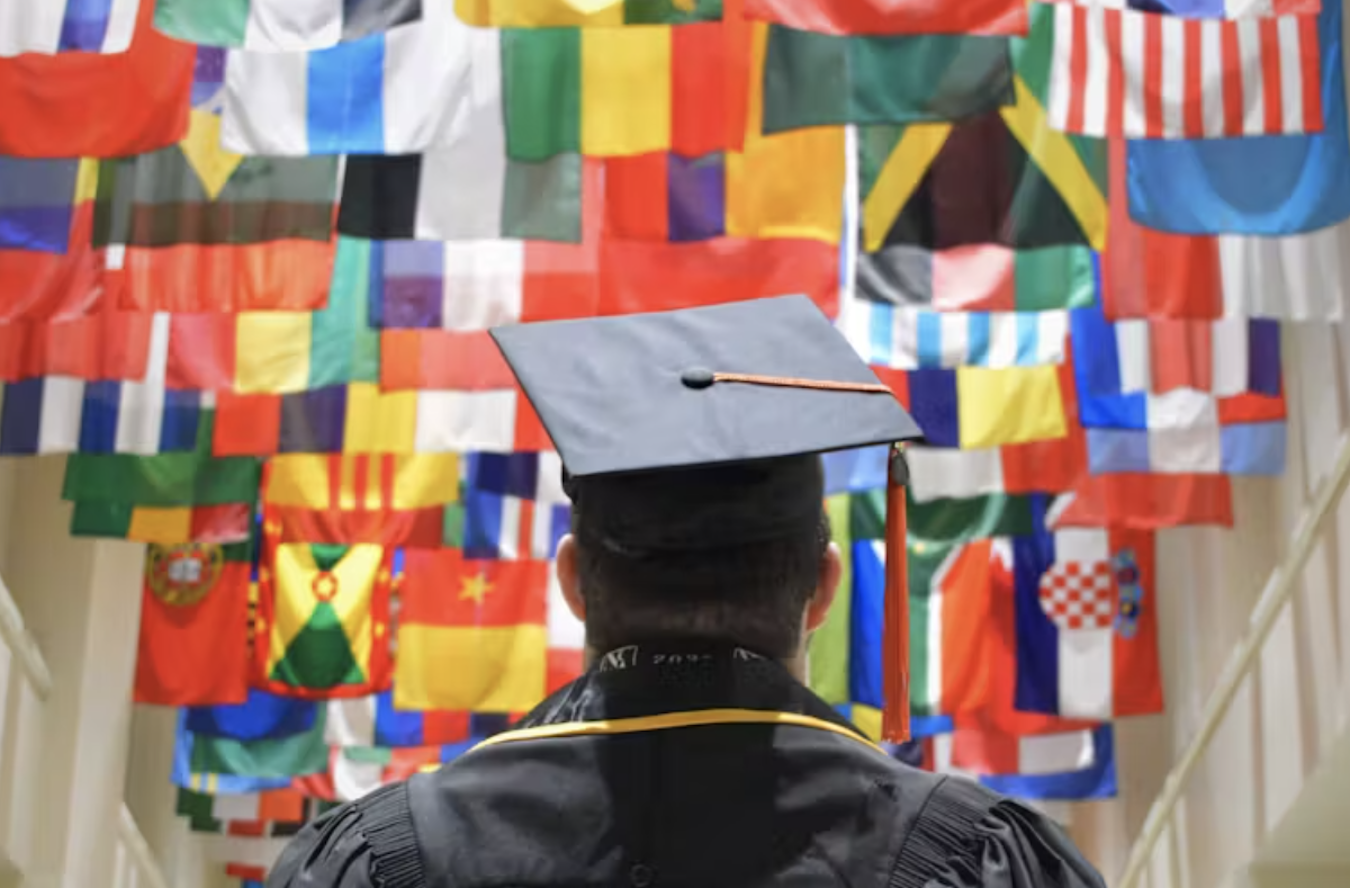
American college campuses, from Tucson to Tallahassee, are witnessing a significant shift in their student demographics. While the fall semester typically sees students settling into classes and dorms, a concerning trend is emerging: a sharp decline in international student enrollment. According to NAFSA: Association of International Educators and JB International, an estimated 30% to 40% fewer international students are expected on US campuses in the fall of 2025 compared to the 2024-2025 academic year. This translates to approximately 150,000 fewer students, primarily due to stringent visa restrictions and canceled visa appointments at US embassies and consulates in countries like India, China, Nigeria, and Japan. The Institute for International Education reports that over 1.1 million international students, more than half from China and India, were enrolled in US institutions during the 2023-2024 academic year. The projected decline could cost the US economy $7 billion in the 2025-26 school year, as international students contribute significantly to local economies through housing, food, transportation, and other expenses. For every three international students, one American job is created or supported. Historically, international student enrollment in the US has grown steadily since the early 20th century, driven by philanthropic efforts and government-funded programs like the Fulbright Scholarship. However, recent policy changes under the Trump administration, including visa revocations and travel bans, have created an unwelcoming environment for foreign students. High-profile arrests of international students, such as Rumeysa Ozturk of Tufts University, have further deterred prospective applicants. The administration’s plans to cap the duration of student visas to four years and restrict entry from 19 countries have exacerbated the situation. Universities like New York University, Northeastern University, and Columbia University, which host the largest numbers of international students, are expected to face significant financial repercussions. This decline not only threatens the diversity and global engagement of US higher education but also undermines the economic benefits these students bring to local communities.
分类: society
-

Mystery of British woman who disappeared from a luxury Caribbean yacht
The disappearance of British woman Sarm Heslop from a luxury yacht in the US Virgin Islands in March 2021 remains shrouded in mystery, with newly released CCTV footage offering the last recorded sighting of her. The footage, exclusively obtained by the BBC, shows Heslop and her then-boyfriend, Ryan Bane, boarding a dinghy after an evening at a bar on St. John island. Six hours later, Heslop was reported missing, and despite extensive search efforts, her body has never been found. Bane, who has never been formally questioned by police, claims she likely fell overboard or drowned while he was sleeping. However, inconsistencies in his timeline and his failure to alert nearby boats or the coastguard promptly have raised suspicions. A BBC Three documentary, ‘Missing in Paradise: Searching for Sarm,’ delves into the case, highlighting the lack of closure for Heslop’s family and friends, who believe the investigation should be reclassified as a no-body murder case. Bane, who has invoked his constitutional rights to avoid questioning and forensic searches of his yacht, remains the only person of interest in the case. Heslop’s family continues to seek answers, determined to uncover the truth behind her disappearance.
-

Party like it’s 2018 – Ethiopians celebrate their new year
Ethiopia has ushered in its new year, 2018, according to its unique calendar, which is seven years behind the Gregorian calendar. This discrepancy stems from a different calculation of the birth year of Jesus Christ, as the Ethiopian Orthodox Church did not adopt the Catholic Church’s revised calculation in 500 AD. The celebrations, known as Enkutatash, are a time of joy and renewal for all Ethiopians, transcending religious boundaries. The capital, Addis Ababa, is adorned with yellow ‘adey ababa’ flowers, which grow wild this time of year and are sold in small bunches for around 50 Ethiopian birr ($0.35). These flowers, along with freshly cut grass, play a central role in traditional coffee ceremonies, a nod to Ethiopia’s status as the birthplace of coffee. The festivities also include bustling markets, where vendors sell chickens, mutton, and even oxen for New Year’s feasts. Chickens, priced between 2,000 and 3,000 birr, are popular for making ‘doro wat,’ a spicy stew served with injera, while mutton and oxen cater to those with larger budgets. Families gather to share meals and invite friends, and the celebrations culminate in concerts and live music on New Year’s Eve. The following morning, the traditional song ‘Abebayehosh’ fills the air, performed by young girls who go door-to-door in some neighborhoods. Orthodox Christians attend church services, and vendors sell ceremonial umbrellas near churches. The Ethiopian calendar, with its 13 months, marks the end of the rainy season and the start of spring, symbolizing renewal and optimism. This year’s celebrations are particularly significant, as they coincide with the formal launch of the Grand Ethiopian Renaissance Dam (Gerd), a source of national pride and unity.
-
Fatal dam collapse: ‘How do you restart from nothing?’
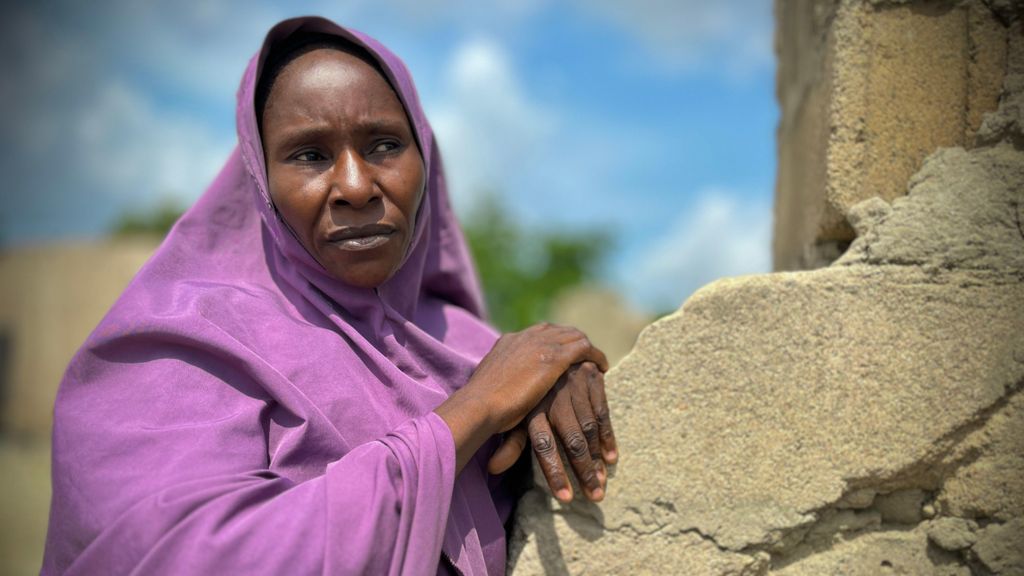
The city of Maiduguri in northeastern Nigeria remains haunted by the devastating floods that struck a year ago, leaving a trail of destruction, loss, and ongoing suffering. Torrential rains and the collapse of the Alau dam submerged entire neighborhoods, claiming at least 37 lives and displacing two million people. For many residents, the scars of the disaster are still fresh, and the looming threat of another flood season has heightened anxiety. Among the victims is Sa’adatu Dahiru, a 42-year-old mother who lost her two-year-old son to hunger and fever during the crisis. ‘We had no proper food, no medicine, and no safe place to stay,’ she recounted, describing how her family fled in the middle of the night with only a few belongings. Despite receiving 10,000 naira ($7) in state aid initially, Dahiru claims that further government promises remain unfulfilled, leaving her family in continued hardship. The Borno state government asserts that it has provided relief camps, food aid, and cash handouts to affected communities. Reconstruction of the dam and dyke system at Alau, which caused the flooding, is also underway. However, the region’s long-standing insurgency by the Boko Haram group has complicated maintenance efforts, according to Mohammed Shettima, head of the Chad Basin Development Authority’s engineering department. The dam’s proximity to the Sambisa forest, a known jihadist stronghold, has made it vulnerable to neglect and attacks. The floods have compounded the struggles of residents already displaced by Islamist violence. Maryam Jidda, a 72-year-old grandmother, fled her hometown of Damboa after a Boko Haram attack four years ago, only to face the floods in Maiduguri. ‘I stood in waist-deep water, crying,’ she recalled, describing the moment her home was overwhelmed. Now living in temporary shelter with scarce food and unclean water, Jidda mourns the loss of her family’s memories, including cherished photographs. Young people like Ali Kadau, 21, have also been severely impacted. Kadau, who once worked at a mechanic shop, lost his livelihood and possessions in the flood. ‘Now, I just sit around. No job. No school. No money to start anything,’ he lamented. The Borno state government, led by Governor Babagana Umara Zulum, has described the flood response as a daunting task, particularly given the region’s ongoing conflict with violent extremism. Efforts to address the crisis have included desilting rivers, constructing new drainage systems, and distributing 28.2 billion naira ($18 million) in aid to over 100,000 households. However, the need for additional funding to rebuild infrastructure remains critical. As the rainy season peaks, residents like Dahiru and Jidda face an uncertain future, grappling with the question of how to rebuild their lives from nothing.
-

US influencer investigated over wild croc wrestling videos
Australian authorities are investigating US influencer Mike Holston, known as ‘The Real Tarzann,’ after he posted controversial videos of himself capturing wild crocodiles in Queensland. The footage, which has sparked widespread condemnation, shows Holston wrestling a freshwater crocodile and manhandling a juvenile saltwater crocodile, one of the world’s most aggressive reptiles. While Holston claims the videos were made for ‘educational purposes,’ wildlife experts and government officials have labeled his actions as ‘extremely dangerous and illegal.’
In one video, Holston is seen jumping into shallow water to chase a freshwater crocodile, which draws blood before he secures it. In another, he captures a seemingly limp saltwater crocodile in marshland. Both animals were later released, but experts have raised concerns about the stress and potential harm caused to the reptiles. Queensland officials have warned that such actions can result in fines of up to A$37,500, with on-the-spot penalties of A$8,345 for interfering with saltwater crocodiles.
The state government has also introduced new legislation to crack down on dangerous wildlife interactions, including penalties for unintentionally feeding crocodiles. Holston’s videos, while popular online, have drawn criticism from figures like Bob Irwin, father of the late naturalist Steve Irwin, who called for stricter penalties and condemned the influencer’s behavior. Irwin emphasized that handling crocodiles requires specialized skills to avoid causing stress or harm, and criticized social media for glorifying harmful wildlife interactions.
Holston has defended his actions, stating that the animals were released unharmed and that he does not encourage others to replicate his videos. This incident follows another controversy earlier this year involving a US influencer who was widely condemned for taking a baby wombat from the roadside. Prime Minister Anthony Albanese weighed in on that case, suggesting the influencer try the same with more dangerous animals. The ongoing backlash highlights growing concerns about the impact of social media on wildlife and the need for stricter enforcement of wildlife protection laws.
-
Lone survivor of mushroom murders pleads to grieve in private as killer jailed for life
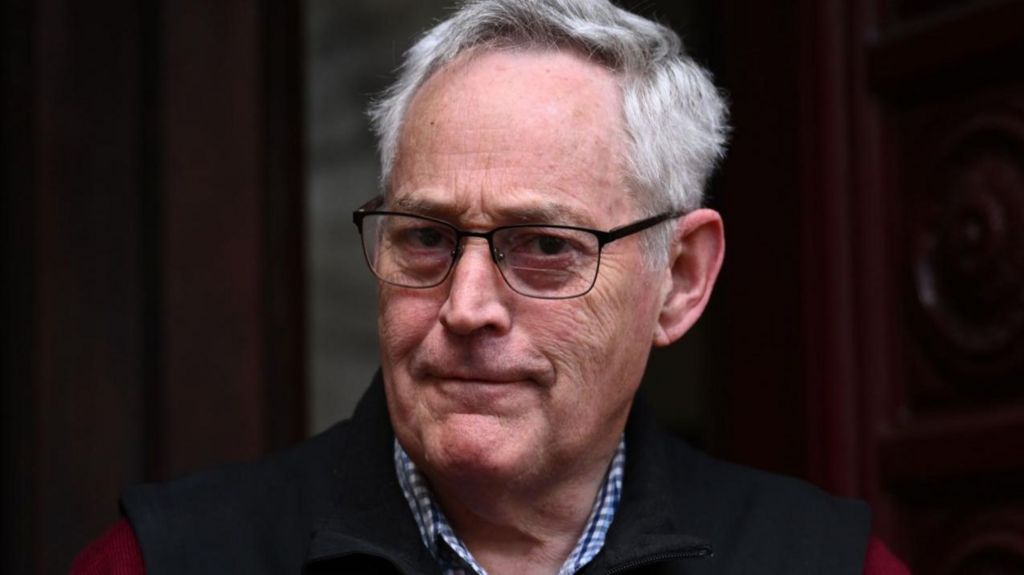
In a landmark ruling that has captivated Australia, Erin Patterson was sentenced to life in prison for the infamous mushroom poisoning case that claimed three lives and left one survivor. The sentencing took place on Monday at Melbourne’s Supreme Court, where Patterson, 50, was led out of the courtroom to begin her term. The case, which has drawn comparisons to an Agatha Christie novel, involved a deadly lunch in 2023 where Patterson served a meal laced with death cap mushrooms. The victims included her ex-husband’s parents and a close friend, while Ian Wilkinson, the sole survivor, continues to suffer from the aftermath. Wilkinson, a pastor, addressed the media outside the courthouse, expressing gratitude to law enforcement and medical professionals while urging kindness and respect for his family’s privacy. The trial revealed the meticulous planning behind the crime, with Justice Christopher Beale condemning Patterson’s actions as a “profound betrayal” of trust. Patterson, who maintained her innocence throughout, will be eligible for parole in 2056 at the age of 82. The case has sparked widespread media attention, with documentaries, podcasts, and books in the works, further amplifying the tragedy for the victims’ families. The community of Korumburra, where the families are rooted, has rallied around the survivors, offering support amidst the relentless public scrutiny.
-
Australian triple murderer jailed for life over toxic mushroom lunch
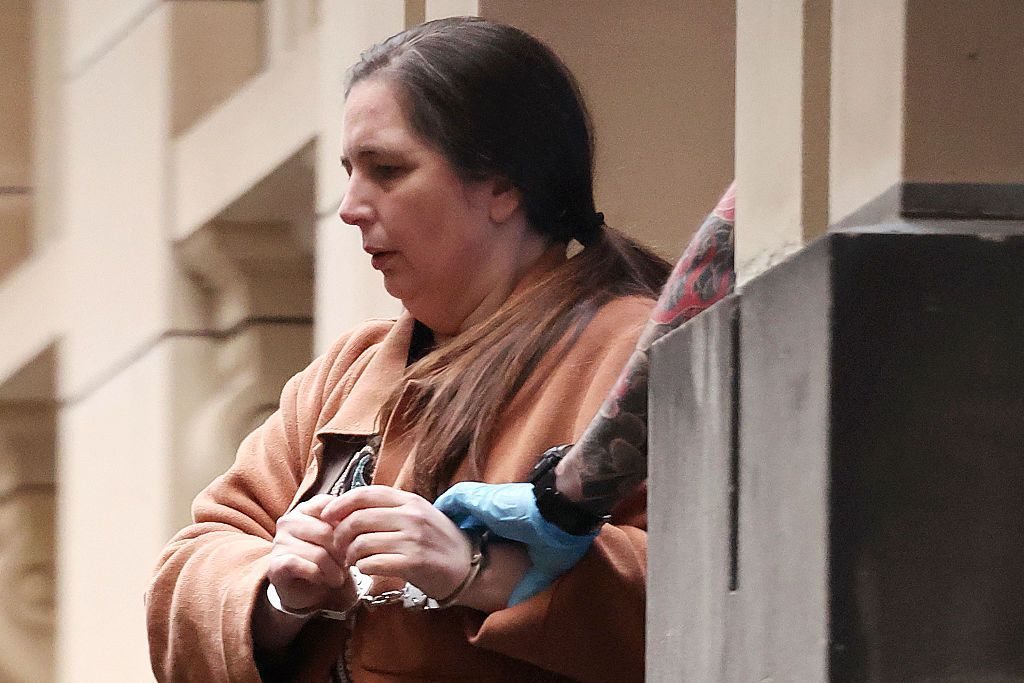
In a landmark ruling, Erin Patterson, a 50-year-old Australian woman, has been sentenced to life imprisonment with no possibility of parole for at least 33 years for the murder of three relatives and the attempted murder of a fourth through a toxic mushroom meal. The sentence, one of the longest ever imposed on a female offender in Australia, ensures Patterson will be in her 80s before she can apply for release. The Supreme Court of Victoria described her crimes as belonging to the “worst category” of offenses, involving an “elaborate cover-up.”
Patterson was convicted of killing her in-laws, Don and Gail Patterson, both 70, and Gail’s sister, Heather Wilkinson, 66, after serving them a deadly beef Wellington dish at her home in Victoria in 2023. Heather’s husband, Ian Wilkinson, a local pastor, survived the poisoning but continues to suffer from severe health complications. Patterson’s estranged husband, Simon Patterson, narrowly avoided the fateful meal due to suspicions that his wife had been attempting to poison him for years.
Despite her claims of innocence, asserting that the toxic death cap mushrooms were accidentally included in the dish, Patterson was found guilty of three counts of murder and one count of attempted murder. Justice Christopher Beale emphasized the gravity of her crimes, imposing the maximum penalty while acknowledging the harsh conditions she faces in prison, including prolonged solitary confinement.
The case has drawn significant public and media attention, with the court permitting live television coverage of the sentencing—a first in its history. Outside the courtroom, Ian Wilkinson, the sole survivor, expressed gratitude to law enforcement and medical personnel while urging kindness among people. Patterson has 28 days to appeal both her sentence and the guilty verdicts.
-
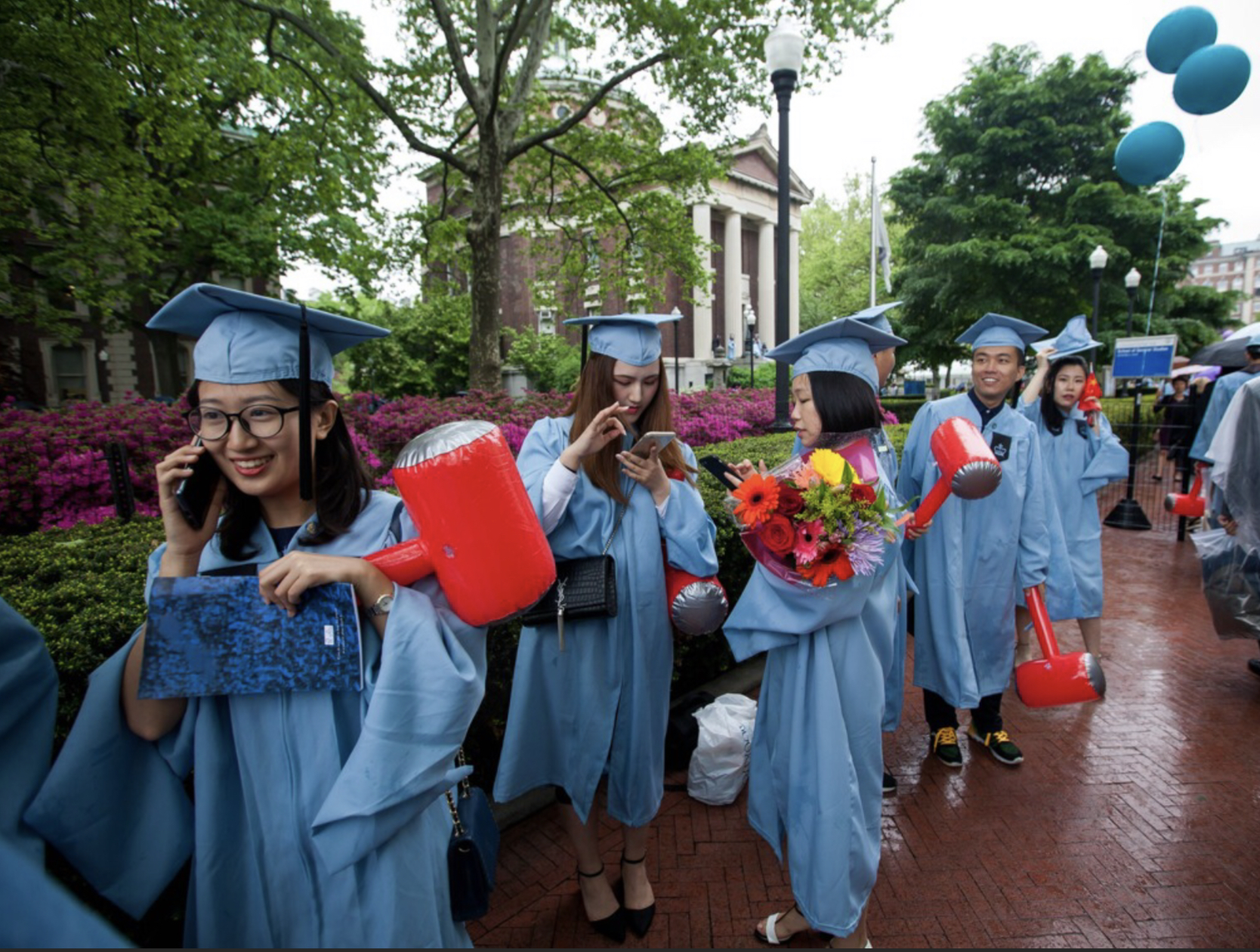
Chinese students flock to Russia amid uncertain US visa policies
As the United States intensifies visa scrutiny due to national security and commercial espionage concerns, Russia is rapidly becoming a favored academic hub for Chinese students. This shift is bolstered by the deepening strategic alliance between Chinese President Xi Jinping and Russian President Vladimir Putin. During a recent visit to China, Russia’s Minister of Science and Higher Education, Valery Falkov, revealed that over 56,000 Chinese students are enrolled in Russian universities for the 2024–2025 academic year, with more than 21,000 Russian students studying in China. Falkov emphasized the mutual benefits of this educational exchange, noting that visa applications from Chinese students to Russian consulates have doubled in just two years. He highlighted the affordability, cultural affinity, and political alignment that make Russia an attractive alternative to traditional Western destinations like the US, UK, Canada, and Australia. Over 200 joint educational programs are currently active, including 115 bachelor’s and master’s degree offerings. A notable example is Shenzhen MSU-BIT University, established in 2017 through collaboration between Moscow State University and Beijing Institute of Technology. Falkov also outlined plans for a joint Institute for Fundamental Research and the finalization of intergovernmental agreements on educational cooperation and mutual recognition of diplomas. Meanwhile, China’s Ministry of Foreign Affairs has criticized the US for its harsh treatment of Chinese students, including extended interrogations and visa revocations. Despite US President Donald Trump’s pledge to welcome 600,000 Chinese students, skepticism remains due to inconsistent policies and heightened scrutiny in sensitive fields like aerospace and AI. Observers note that while Russia offers stability and affordability, it may not fully replace the cutting-edge innovation found in Western institutions.
-

Manhunt in Australian bush brings long-dismissed conspiracy theorists to the fore
The tranquil town of Porepunkah, nestled in the Australian Alps, has been thrust into chaos as a massive manhunt unfolds for a heavily armed fugitive accused of fatally shooting two police officers. The incident, which occurred on Tuesday, has shattered the peace of this close-knit community of 1,000 residents, known for its wineries and serene bushwalking trails.
-
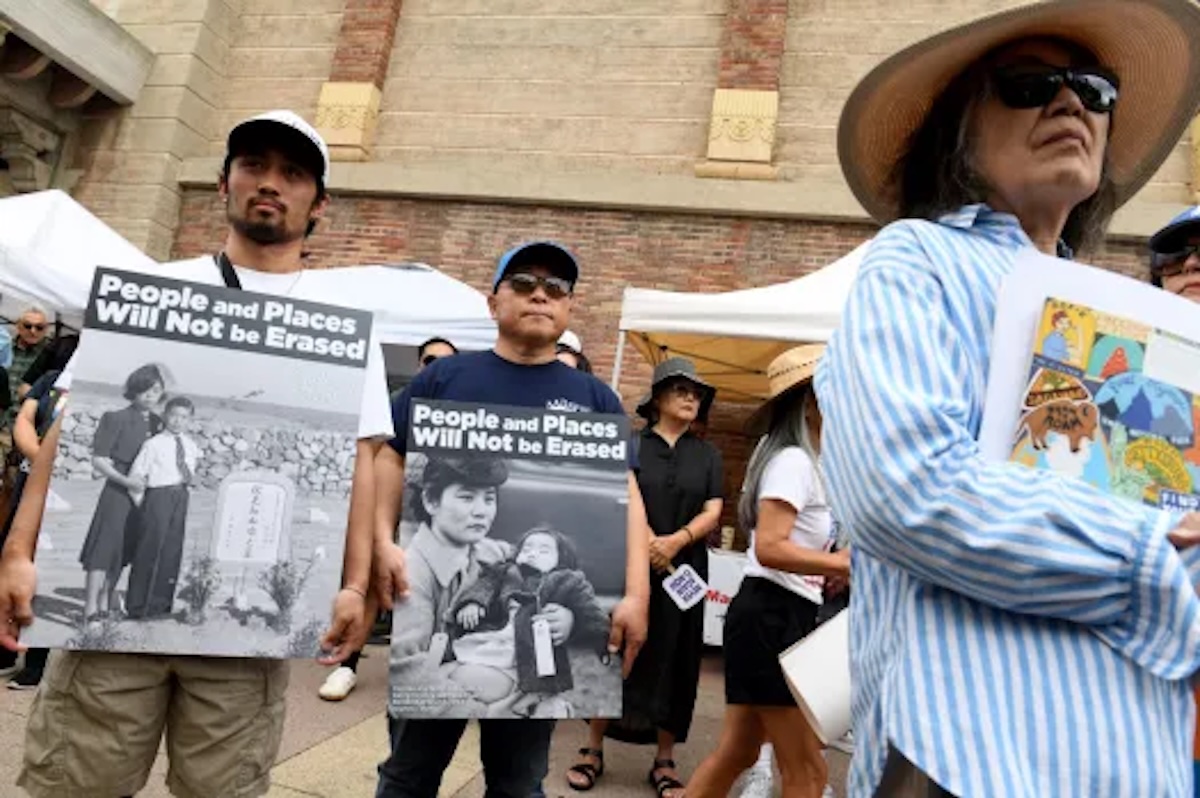
WWII Japanese American internment memories spur protests in 2025
The recent opening of an immigration detention center in El Paso, Texas, has sparked widespread protests from Japanese Americans, who see eerie parallels between the Trump administration’s immigration policies and the internment of their community during World War II. The facility, which began operations in August 2025, is located on the site of a former military base used to detain Japanese Americans during the war. This has reignited painful memories for a community that endured forced incarceration under Executive Order 9066, signed by President Franklin D. Roosevelt in 1942. Hundreds of Japanese Americans have been vocal in their opposition to the construction of new detention centers and the aggressive enforcement tactics of the U.S. Immigration and Customs Enforcement (ICE), which they fear mirror the injustices of the past. The government’s invocation of the 1798 Alien Enemies Act, last used during WWII, has further heightened concerns. This law grants ICE expanded powers to detain individuals, echoing the legal framework that justified the internment of Japanese Americans. Protests have been particularly intense in California, where activists have drawn comparisons between ICE’s targeting of Latino communities and the wartime treatment of Japanese Americans. The Japanese American National Museum in Los Angeles, a symbolic site where families were forced onto buses bound for internment camps, has become a focal point for demonstrations. The museum has shared images comparing the cramped conditions of WWII camps to modern ICE detention facilities, highlighting the trauma inflicted on families. Critics argue that ICE’s actions, including the reopening of closed detention centers like Dublin Prison near San Francisco, are part of a broader agenda to meet alleged quotas for migrant arrests. The Trump administration has denied targeting specific ethnic groups, but civil rights organizations have documented disproportionate enforcement in Latino neighborhoods. Protesters like Lynn Yamashita and Douglas Yoshida have voiced their fears that history is repeating itself, with immigrants being detained without due process. The Japanese American community’s activism underscores a broader struggle against policies they view as rooted in racial prejudice and xenophobia. As the debate over immigration enforcement continues, many are calling for a reckoning with the nation’s past and a commitment to ensuring that such injustices are never repeated.