分类: society

  • Toxic air, broken roads and unpicked rubbish – why India’s big cities are becoming unliveable

    Toxic air, broken roads and unpicked rubbish – why India’s big cities are becoming unliveable

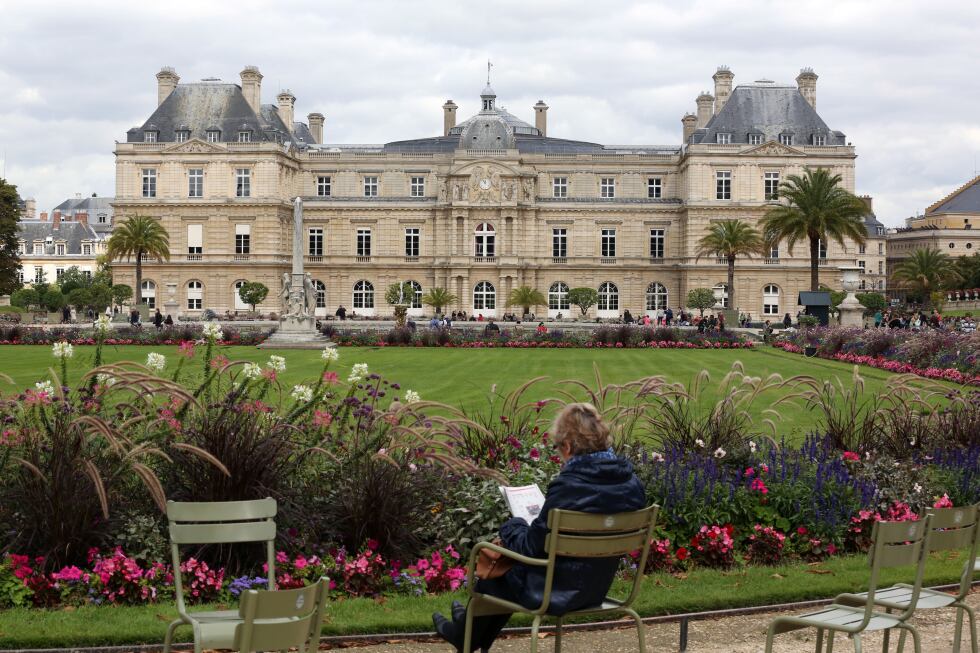
    Despite massive infrastructure investments and rapid GDP growth, India’s major metropolitan centers continue grappling with severe urban decay that threatens their livability. Cities like Jaipur, Bengaluru, Mumbai, and Delhi—despite their economic significance and historical heritage—face overwhelming challenges including traffic gridlock, toxic air pollution, inadequate waste management, and crumbling infrastructure.

    The contrast between India’s economic progress and urban deterioration presents a puzzling paradox. While the Modi administration has prioritized state-funded infrastructure projects—resulting in modern airports, expanded highway networks, and new metro systems—these developments have failed to translate into improved urban living conditions. Bengaluru’s tech billionaires and ordinary citizens alike have publicly expressed frustration with perpetual traffic snarls and garbage accumulation. Mumbai residents have staged unusual protests against dangerous potholes and sewage overflows, while Delhi’s winter air quality regularly reaches hazardous levels, prompting medical advisories for vulnerable populations.

    Experts identify flawed governance structures as the fundamental cause of India’s urban crisis. Constitutional frameworks established decades ago never anticipated the massive scale of contemporary urbanization, leaving cities without adequate autonomous authority. Infrastructure specialist Vinayak Chatterjee notes that while the 1992 constitutional amendment theoretically empowered local bodies, implementation remains incomplete due to resistance from state-level bureaucracies and political interests.

    This governance deficit stands in stark contrast to China’s urban management model, where city mayors exercise substantial executive powers over planning and development, with clear performance incentives and accountability mechanisms. Indian cities, by comparison, suffer from emaciated local governments lacking revenue-raising authority and appointment powers.

    The problem extends beyond governance to basic data deficiencies. With the last census conducted over fifteen years ago and the next delayed until 2026, urban planners operate without current information on urbanization patterns and demographics. This data vacuum compounds existing challenges in addressing sanitation, transportation, and environmental issues.

    Some experts suggest that only a crisis comparable to London’s 1858 ‘Great Stink’—which prompted comprehensive sewer system reforms—will generate sufficient political will to address India’s urban decay. Until then, cities continue deteriorating despite economic growth, with their glorious architectural heritage increasingly overshadowed by urban dysfunction.

  • Catching the hunters trapping rare songbirds in China

    Catching the hunters trapping rare songbirds in China

    In the predawn darkness surrounding Beijing’s sprawling metropolis, a silent war unfolds across the grasslands where migratory birds seek refuge. Silva Gu, a dedicated conservationist, moves with practiced stealth through these urban oases, tracking those who would profit from capturing protected songbirds.

    The illegal trade in songbirds has become an increasingly lucrative enterprise in China, where economic pressures have driven many to seek income through low-risk, high-reward activities. A single Siberian rubythroat can command nearly 2,000 yuan (£210; $280) on the black market—exceeding many farmers’ monthly earnings. This profitability persists despite wildlife protection laws, as fines often fail to outweigh potential profits.

    During critical migration periods, particularly in October when billions of birds travel along major flyways through China, poachers deploy nearly invisible ‘mist nets’ that can trap hundreds of small birds overnight. These nets pose particular danger to protected species like the meadow pipit, an important indicator species whose population health reflects environmental conditions.

    Silva’s journey began in childhood, exploring a very different Beijing in the 1990s—one where grasslands stretched further and wildlife thrived. Witnessing rapid urbanization consume these natural spaces, he dedicated himself to conservation work. Over the past decade, he has personally intervened in countless poaching operations, sometimes facing physical retaliation from wildlife traders.

    His efforts have evolved from solitary patrols to founding the Beijing Migratory Bird Squad, through which he has successfully engaged law enforcement authorities. Initially met with indifference in 2015, Silva’s persistent advocacy has gradually shifted police attitudes. Authorities now recognize that combating wildlife crime often leads to uncovering other criminal activities.

    Despite these advances, challenges remain profound. Cultural traditions dating to the Qing Dynasty, when keeping caged birds symbolized status and elegance, continue primarily among older generations. Many retirees in their 60s and 70s maintain the practice without recognizing its ecological impact or legal implications.

    Silva employs sophisticated tactics against poachers, studying satellite imagery to identify frequently used paths and net placement patterns. He maps these against migratory routes to predict where birds will rest, allowing targeted interventions. His work costs over 100,000 yuan ($14,000) annually, funded primarily through donations that have dwindled amid economic slowdowns.

    Recent developments suggest growing institutional support. China’s Ministry of Public Security has launched campaigns against wildlife trafficking, while state media has emphasized the importance of bird protection for ecosystem health. These changes reflect increasing recognition of conservation needs, though enforcement remains inconsistent.

    Silva’s work demonstrates both the progress and persistent challenges in wildlife protection. While he has directly rescued over 20,000 birds and disrupted countless poaching operations, he acknowledges that lasting change requires generational shift in attitudes toward conservation. Until then, he continues his solitary patrols, striving to restore Beijing’s skies to their former chorus of songbirds.

  • Sidharth Bhatia explores an evolving Mumbai and its communities in his latest book

    Sidharth Bhatia explores an evolving Mumbai and its communities in his latest book

    In his groundbreaking work ‘Mumbai: A Million Islands,’ acclaimed journalist and founding editor of The Wire Sidharth Bhatia presents a penetrating examination of the social consequences of urban development in India’s financial capital. The book serves as both a historical document and contemporary critique, tracing Mumbai’s evolution from its origins as seven merged islands to its current status as a rapidly transforming metropolis.

    Bhatia’s narrative reveals the hidden human toll beneath the glittering surface of Mumbai’s development boom. While skylines rise with luxury high-rises and gated communities, the author uncovers how working-class neighborhoods and traditional ecosystems face systematic erasure. Through meticulous journalism and empathetic storytelling, the work documents the displacement of fisherfolk, mill workers, and informal laborers whose contributions once formed the foundation of the city’s economy.

    The book stands apart from previous romanticized portrayals of Mumbai by focusing on marginalized communities in areas like Behrampada, Dongri, and Mumbra. Bhatia conducts revealing interviews with residents facing spatial and social changes, capturing their determination to maintain dignity amid adversity. He particularly notes how mainstream media’s focus on glamorous development often overlooks these human stories of loss and displacement.

    Addressing the accelerated pace of change over the past decade, Bhatia describes the transformation as ‘a hurricane sweeping everything away.’ The work raises critical questions about urban priorities, asking what truly defines a great city when the absence of whole communities goes unnoticed by privileged classes. The author concludes with Gandhi’s principle that a society’s moral measure lies in how it treats its poorest and most vulnerable members.

    As coastal cities worldwide face climate pressures and growing inequality, Bhatia’s work offers a timely warning about unbalanced urban development. While technology has improved some government services, the fundamental issue of spatial justice remains largely unaddressed in Mumbai’s ongoing metamorphosis.

  • Delhi Police arrest 7 for selling expired food from US, UAE in India

    Delhi Police arrest 7 for selling expired food from US, UAE in India

    Delhi Police’s Crime Branch has dismantled a sophisticated international operation involving the illegal import and distribution of expired food products from the United States, United Arab Emirates, and United Kingdom. Seven individuals have been apprehended in connection with this extensive scam, which defrauded consumers of approximately Rs43 million (Indian Rupees).

    The criminal network specialized in acquiring expired or nearly expired consumable goods from Mumbai-based wholesalers. These products, bearing internationally recognized brands including Nescafe, Lays, Oreo, Lipton, Starbucks, and Kewpie, underwent systematic reprocessing at a concealed facility. The operation involved sophisticated manipulation techniques including expiration date alteration, product repackaging, and generation of counterfeit barcodes to conceal the items’ true age and origin.

    Law enforcement authorities uncovered the entire adulteration setup during coordinated raids in Delhi’s wholesale district of Sadar Bazar, specifically targeting locations in Pahari Dheeraj and Faiz Ganj. The seized evidence included specialized equipment for repackaging operations and a fake barcode printer used to mislabel products. The compromised items spanned multiple food categories including infant nutrition products, chocolate confectioneries, beverages, condiments, and snack foods.

    The investigation revealed that these manipulated products were strategically channeled to premium grocery retailers across India, targeting discerning consumers who trusted established international brands. This case highlights significant vulnerabilities in food import verification processes and distribution networks, raising serious concerns about public health safeguards and regulatory oversight in India’s food supply chain.

  • Watch: Sheikh Hamdan, his kids visit Dubai desert camp with falconry, palm tree planting

    Watch: Sheikh Hamdan, his kids visit Dubai desert camp with falconry, palm tree planting

    In a demonstration of commitment to cultural preservation, Dubai Crown Prince Sheikh Hamdan bin Mohammed bin Rashid Al Maktoum recently visited the Ghamran Desert Camp with his children, Sheikha and Rashid. The December 28, 2025 excursion highlighted the UAE’s ongoing efforts to maintain traditional practices amidst rapid modernization.

    The desert camp, specifically designed as an Emirati family sanctuary, offers a technology-free environment where participants engage in ancestral activities including camel harnessing, traditional shooting, palm tree cultivation, and falconry. These interactive experiences serve as a bridge between generations, allowing elders to transmit practical skills and cultural knowledge to younger family members.

    Sheikh Hamdan emphasized the profound significance of these cultural practices, stating: ‘These interactive experiences bring parents together with their children, enhance values, and pass down identity in a way that embeds it in memory. The identity that is lived is the identity that endures, and the values that are practiced are the values that are inherited.’

    The Crown Prince’s participation in traditional activities alongside fellow camp attendees underscored the camp’s mission to balance what he described as ‘the authenticity of heritage and the ambition of future.’ This initiative represents a growing movement within the UAE to preserve Bedouin traditions and Emirati cultural identity through experiential learning and intergenerational connection.

    The Ghamran Camp experience provides urban families with opportunities to reconnect with pre-oil era lifestyles, fostering appreciation for the skills and values that sustained previous generations in the harsh desert environment. This approach to cultural preservation has gained increasing attention as the UAE continues its rapid development into a global hub of technology and innovation.

  • One dead after mid-air helicopter collision in New Jersey

    One dead after mid-air helicopter collision in New Jersey

    A fatal mid-air collision between two helicopters occurred above Hammonton, New Jersey on Sunday, resulting in one confirmed fatality and leaving another individual with critical, life-threatening injuries. According to local authorities, the incident took place at approximately 11:25 AM EST (16:25 GMT).

    The National Transportation Safety Board (NTSB) identified the involved aircraft as an Enstrom 280C helicopter and an Enstrom F-28A helicopter—both lightweight models typically accommodating three occupants or fewer. The Federal Aviation Administration (FAA) confirmed that only the pilots were aboard each aircraft at the time of the collision.

    Emergency responders from the Hammonton Police Department reported that one of the helicopters became engulfed in flames upon impact with the ground. Fire suppression efforts were immediately initiated by first responders at the crash site.

    The location of the accident places it approximately 35 miles southeast of Philadelphia, Pennsylvania, near the Atlantic City Expressway. The FAA has announced that a federal investigation will be conducted to determine the causative factors behind the tragic collision.

    This incident follows another notable aviation tragedy that occurred in January, when a military helicopter collided with a passenger jet in Washington DC, claiming 67 lives. Despite this recent accident, FAA statistical data indicates that the rate of deadly helicopter accidents has shown a declining trend over the past three years.

  • Nine people, including five children, stabbed to death in Suriname

    Nine people, including five children, stabbed to death in Suriname

    A horrific mass stabbing has shaken the South American nation of Suriname, leaving nine people dead—including five children—on the outskirts of the capital city of Paramaribo. According to official police statements, the attack occurred Saturday night on a residential road leading out of the city, marking one of the most severe violent incidents in recent memory for the country.

    Law enforcement officers responding to the scene apprehended a male suspect after shooting him in the leg to subdue him. The injured suspect was transported to a medical facility under police guard for treatment. Additionally, two other victims—one adult and one child—survived the attack with serious injuries and were rushed to hospitals for emergency care.

    While authorities have not released formal details about the perpetrator’s motives, local media outlets citing officials and residents have reported that the suspect may have been experiencing significant mental health challenges. In a sobering statement, Surinamese President Jennifer Geerlings-Simons revealed that the victims included members of the attacker’s own family and neighbors, describing the tragedy as ‘the harsh reality that there is another side to the world.’

    The president extended her condolences to all affected, stating: ‘I wish all the bereaved much strength, courage and comfort during this unimaginably difficult time.’ Police have indicated that additional information regarding the circumstances of the incident will be released as the investigation progresses.

    This devastating event stands in stark contrast to Suriname’s typically low rates of violent knife crime, making such mass casualty incidents particularly rare. The nation, which gained independence from the Netherlands in 1975, has historically experienced political instability including several coups and a civil war, but has rarely seen violence of this nature targeting civilians in residential areas.

  • Photos: Zabeel Park turns 20; how attraction has grown to host Dubai’s biggest celebrations

    Photos: Zabeel Park turns 20; how attraction has grown to host Dubai’s biggest celebrations

    Dubai’s iconic Zabeel Park commemorates its 20th anniversary this week, marking two decades of evolution from a technological marvel to the city’s preferred gathering space for celebrations and community activities. The park’s transformation reflects Dubai’s broader urban development narrative, blending recreational innovation with cultural significance.

    Inaugurated on December 27, 2005, by the late Sheikh Hamdan bin Rashid Al Maktoum, the park represented a Dh200 million investment in creating the Gulf’s first technology-based recreational theme park. Spanning 47.5 hectares near the Dubai World Trade Centre, the facility was strategically divided into three interconnected zones featuring pedestrian bridges, including a distinctive cable structure that became its architectural signature.

    The park’s initial conception as a technological showcase included exhibition centers, an amphitheater, and themed zones dedicated to alternative energy, communications, and space exploration. This vision gradually expanded to accommodate Dubai’s growing social needs, with the addition of sports facilities, cricket pitches, and ornamental boating lakes.

    Zabeel Park’s cultural significance intensified through strategic developments, most notably the 2015 introduction of Dubai Garden Glow. This seasonal attraction, developed at a cost of Dh30 million, transformed 40 acres with over four million energy-efficient lights and recycled material installations. The landmark Dubai Frame further elevated the park’s status upon its 2018 opening, offering panoramic views of the city’s contrasting landscapes from a 150-meter sky bridge.

    The park’s accessibility, maintained through a nominal Dh5 entry fee, has ensured its popularity across demographic segments. Recent statistics demonstrate its enduring appeal, with Zabeel Park recording the highest attendance among Dubai’s five major parks during Eid Al Adha celebrations, attracting 22,000 visitors on a single day according to municipal officials.

    Beyond infrastructure, the park has become woven into Dubai’s social fabric, serving as the backdrop for childhood memories, school picnics, and major citywide events including the Dubai Fitness Challenge finale. Its evening landscapes now routinely feature families picnicking, fitness enthusiasts jogging along synthetic tracks, and children playing—a living testament to its successful integration into Dubai’s urban identity.

  • Tennis star Andre Agassi to headline Dubai forum on city’s future

    Tennis star Andre Agassi to headline Dubai forum on city’s future

    Dubai is set to host a convergence of global thought leaders and industry pioneers at the upcoming Dubai International Project Management Forum (DIPMF), with tennis icon Andre Agassi announced as the opening keynote speaker. The event, scheduled for January 12-15, 2026 at Madinat Jumeirah, will explore transformative strategies for building sustainable urban futures.

    Beyond his legendary tennis career that yielded eight Grand Slam titles, Agassi has established himself as a formidable force in educational philanthropy. His Andre Agassi Foundation for Education has gained international recognition for creating innovative learning opportunities for underserved youth, making him uniquely positioned to address the intersection of social development and urban innovation.

    The forum’s thematic focus, ‘Bridging Communities,’ emphasizes cross-sector collaboration to enhance quality of life through strategic project implementation. This eleventh edition will feature comprehensive examinations of digital transformation, future employment landscapes, technological integration, and sustainable urban development.

    Joining Agassi will be an impressive roster of speakers including Emaar Properties founder Mohamed Alabbar, DP World Group Chairman Sultan Ahmed bin Sulayem, UAE Cybersecurity Council head Dr. Mohamed Al Kuwaiti, and British adventurer Bear Grylls. The collaborative event is co-hosted by Dubai’s Roads and Transport Authority alongside DP World, DEWA, Emaar Properties, and the Project Management Institute.

    According to Matar Al Tayer, Director General of RTA, the forum serves as a strategic platform demonstrating Dubai’s remarkable growth trajectory and pioneering approach to iconic project development. ‘It reinforces the emirate’s position as a future-focused global city and a model of innovation, governance and sustainability,’ Al Tayer noted.

    The four-day program will delve into five critical thematic areas: sustainable cities, digital transformation, future employment paradigms, technological frontiers, and customer-centric project management. Specific topics will include artificial intelligence applications, smart city infrastructure, digital twin technology, blockchain implementation, organizational resilience, and team empowerment strategies.

  • Knife attack near Suriname’s capital Paramaribo kills at least 9 people, including kids, police say

    Knife attack near Suriname’s capital Paramaribo kills at least 9 people, including kids, police say

    A horrific knife attack in the small South American nation of Suriname has left a community in mourning after a domestic dispute escalated into a mass killing. The incident, which occurred in the Richelieu area of the Commewijne district approximately 25 kilometers east of the capital Paramaribo, resulted in nine fatalities, including five children.

    According to police reports and eyewitness accounts, the tragedy unfolded following a heated telephone argument between a 43-year-old male suspect and his estranged wife. The confrontation reportedly intensified when the woman informed the man that she would not be collecting their children personally but would instead send another individual to retrieve them.

    Enraged by this development, the suspect initiated a violent rampage, first targeting his own four children with a knife before turning his aggression toward neighbors who attempted to intervene. The victims included the attacker’s children and several adult neighbors, with a neighbor’s child also among those killed. Local media indicated that the attacks occurred across multiple residential properties.

    Suriname’s Police Corps confirmed that responding officers encountered an actively violent suspect who attempted to attack them upon their arrival. During the subsequent apprehension, the suspect sustained injuries and was transported to a medical facility where he remains under guard while receiving treatment.

    Additionally, a sixth child and another adult suffered serious injuries during the attack and are currently receiving medical care at a hospital in Paramaribo.

    Surinamese President Jennifer Geerlings-Simons addressed the tragedy on her official Facebook page, expressing profound grief over the incident. Writing in Dutch, the country’s official language, the president extended her condolences to the bereaved families, wishing them “strength, resilience, and comfort in this unimaginably difficult time.”

    The violence represents a particularly shocking event for Suriname, which maintains the smallest population of any independent South American nation at approximately 600,000 residents. Historically recognized for having one of the region’s lowest homicide rates, the country has recently experienced a concerning surge in violent crime. Data compiled by the think tank Insight Crime indicates Suriname’s murder rate climbed significantly in 2024, reaching 30 homicides per 100,000 residents.