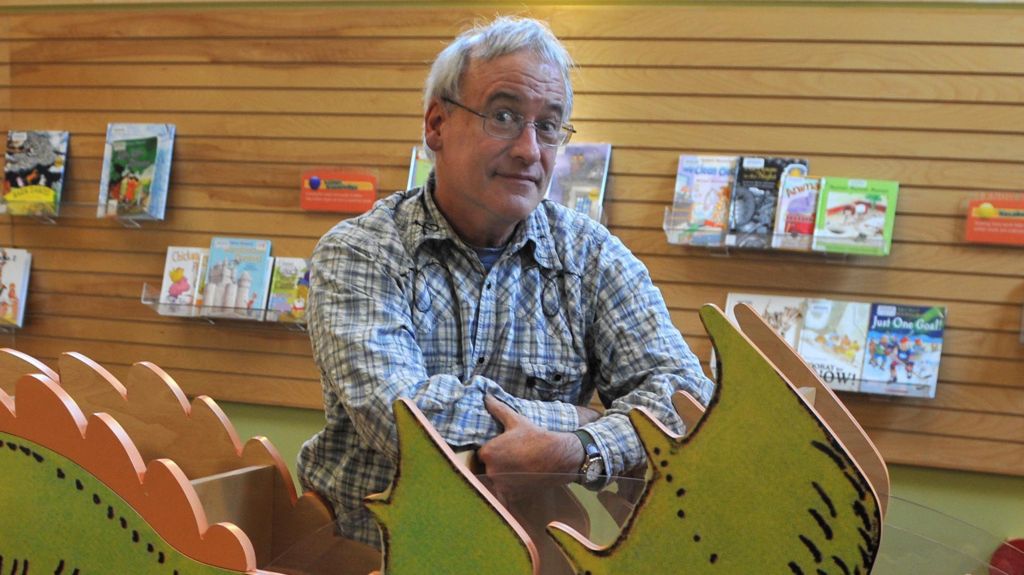
Celebrated Canadian children’s author Robert Munsch, known for timeless classics such as *The Paper Bag Princess* and *Love You Forever*, has been approved for medically assisted dying in Canada. The 80-year-old writer, who has sold over 80 million copies of his books in North America alone, was diagnosed with dementia in 2021 and also suffers from Parkinson’s disease. In a candid interview with *The New York Times Magazine*, Munsch revealed that while he has not set a specific date for his death, he plans to proceed when his ability to communicate significantly deteriorates. ‘When I start having real trouble talking and communicating, then I’ll know,’ he stated. Canada first legalized euthanasia in 2016 for individuals with terminal illnesses, and in 2021, the law was expanded to include those with severe and chronic physical conditions, even if not immediately life-threatening. Munsch’s decision was influenced by witnessing his brother’s prolonged suffering from amyotrophic lateral sclerosis (ALS), also known as Lou Gehrig’s disease. ‘They kept him alive through all these interventions. I thought, let him die,’ Munsch recalled. To qualify for assisted dying in Canada, individuals must meet stringent criteria, including having a ‘serious and incurable illness,’ making a voluntary request free from external pressure, and being in an ‘advanced state of irreversible decline in capability.’ Two independent medical practitioners must assess and confirm eligibility. Munsch’s publisher, Scholastic, praised his decision to speak openly about medically assisted dying, stating it ‘reminds us, once again, why Robert’s work continues to touch many generations.’ His daughter, Julie, clarified that her father is not in immediate danger but emphasized his long-standing resolve to pursue this option. Under Canadian law, individuals must actively consent on the day of their death. ‘I have to pick the moment when I can still ask for it,’ Munsch explained. In 2023, medically assisted dying accounted for 4.7% of deaths in Canada, with 96% of cases involving severe conditions like cancer.
分类: society
-
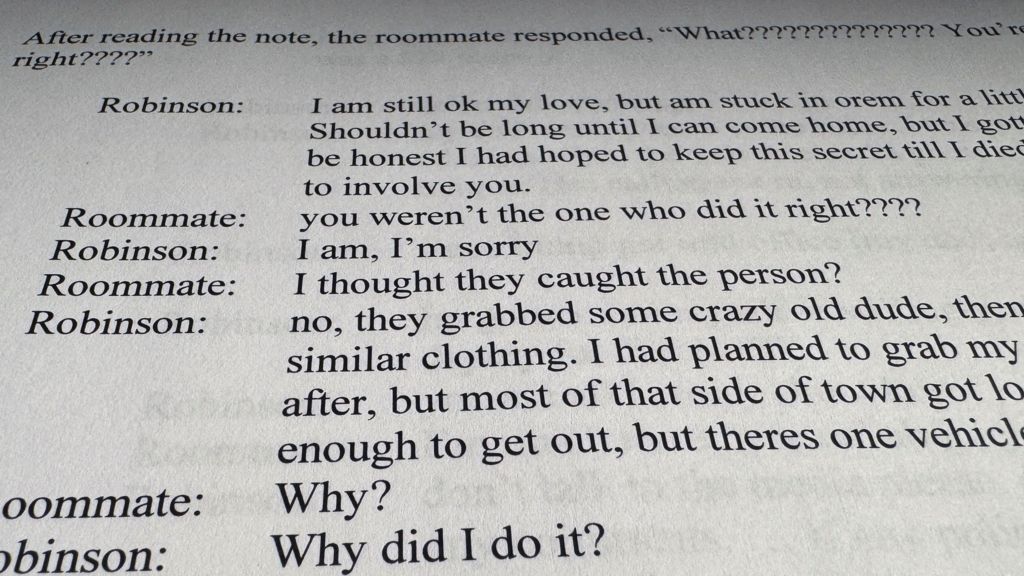
Read the text messages between Charlie Kirk accused and roommate
Tyler Robinson, the man accused of fatally shooting conservative commentator Charlie Kirk, appeared in court via video link as new details emerged from court documents. Prosecutors revealed that Robinson allegedly texted his roommate shortly after the shooting, discussing his motives and actions. The roommate, described as a biological male transitioning to female and in a romantic relationship with Robinson, provided investigators with a series of text messages exchanged on the day of the incident. The messages, which were presented in court, included Robinson’s admission to the crime and his plans to retrieve a rifle left at a drop point. Robinson also expressed concern about leaving evidence and his father’s reaction to losing the rifle. The shooting occurred last Wednesday at Utah Valley University in Orem, Utah, and has since sparked intense debate about the political divide in the United States. Authorities initially detained another individual before focusing on Robinson, who later indicated his intention to turn himself in. The case continues to unfold as investigators piece together the events leading up to the shooting.
-
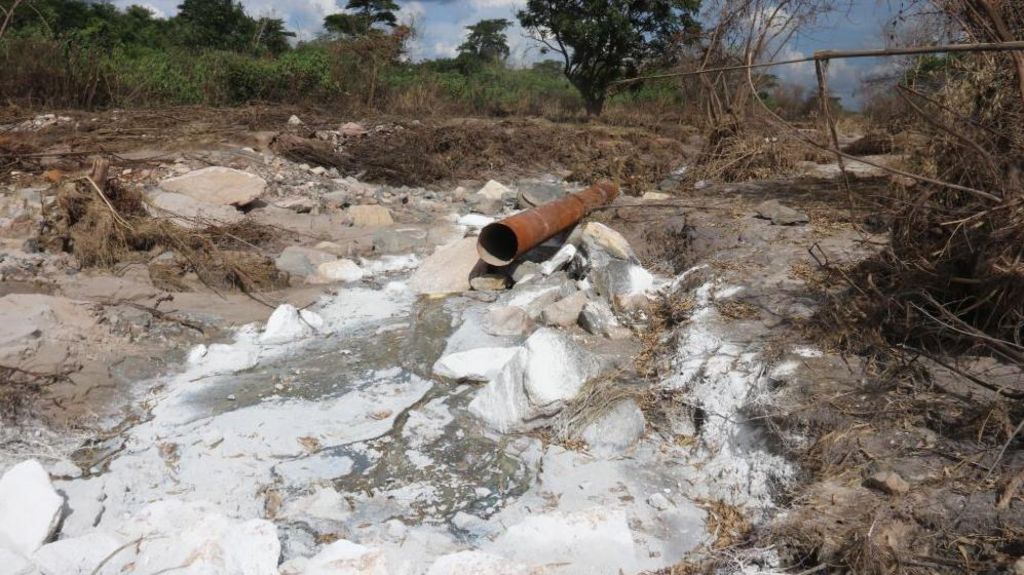
Chinese-linked mining firms sued over ‘ecological catastrophe’ in Zambia
Farmers in Zambia have initiated a landmark $80 billion lawsuit against two Chinese-affiliated companies, Sino Metals Leach Zambia and NFC Africa Mining, following a catastrophic dam collapse that unleashed millions of liters of highly acidic mining waste into local waterways. The incident, which occurred in February, has been described as an ‘ecological catastrophe,’ resulting in mass fish fatalities, contaminated water supplies, and widespread crop destruction. The spill has impacted approximately 300,000 households in Zambia’s copper-mining region, prompting one of the largest environmental lawsuits in the country’s history. The farmers, represented by a group of 176 individuals, filed the lawsuit in the High Court of Lusaka, alleging that the disaster was caused by engineering failures, construction flaws, and operational mismanagement. The plaintiffs are demanding $80 billion for environmental reparation, full compensation, and the establishment of a $20 million emergency fund to address immediate health and environmental concerns. The US embassy has issued a health alert, warning of widespread contamination and potential airborne health risks, while the Zambian government has downplayed the severity of the situation, stating there is ‘no need to press the panic button.’ The companies involved have yet to comment on the lawsuit, though Sino Metals Leach Zambia previously claimed the spill was ‘promptly brought under control.’
-

TikTokers arrested for insulting Somalia’s president in a dance video
In a significant development in Somalia, four TikTok influencers have been arrested for allegedly insulting President Hassan Sheikh Mohamud in a viral dance video. The video, which has since been deleted but continues to circulate widely on social media, features a group of young men dancing to a remix of a campaign song from the president’s 2022 election bid. However, the lyrics were altered to include derogatory language directed at the president. Somali police confirmed the arrests, stating that the suspects are in custody and will face formal charges. This marks the first instance where a high-ranking political figure has been targeted in such a case, though social media influencers have previously been jailed for spreading clan-based insults or ‘immoral’ content. In August 2023, seven TikTokers were sentenced to six months in prison for inciting civil unrest and spreading immorality. Police spokesman Gen Abdifatah Aden issued a stern warning, emphasizing that any acts disrespecting national institutions or leaders would be met with strict legal consequences. The arrests have sparked a heated public debate over the role of social media in Somalia, particularly TikTok, which has been a platform for political commentary, satire, and entertainment. While some support the young men, others argue that freedom of expression should not extend to such levels, especially in a country with fragile governance. In 2023, the Somali government considered banning TikTok due to concerns over national security, misinformation, and the erosion of moral values. Although the ban was not implemented due to public opposition, officials warned of the platform’s increasing use for spreading harmful content, including extremist propaganda and defamatory material.
-
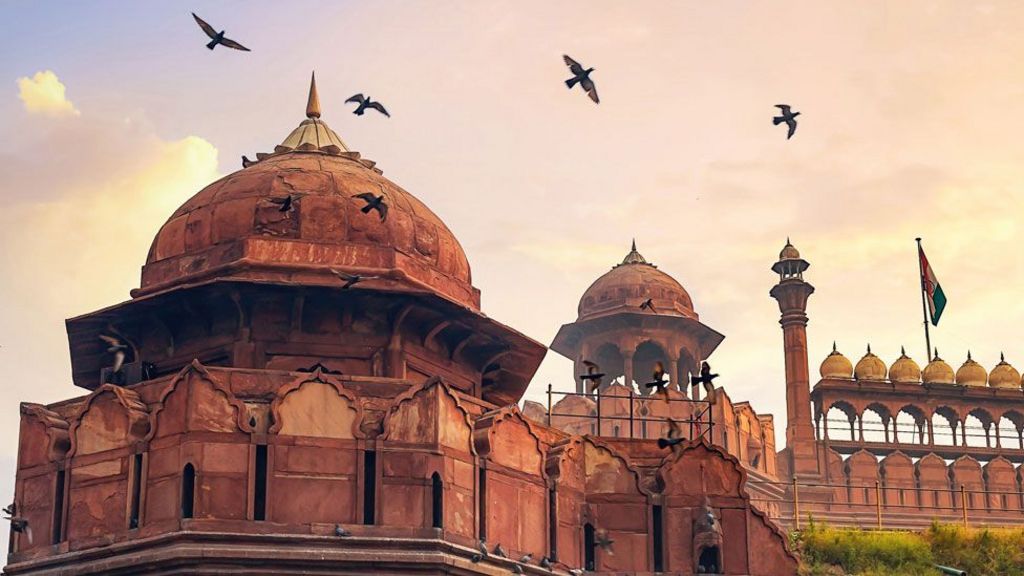
Delhi’s toxic air is turning iconic Red Fort black – study
A groundbreaking study has revealed that severe air pollution in New Delhi is causing the formation of ‘black crusts’ on the walls of the Red Fort, a 17th-century Mughal-era monument and one of the city’s most iconic landmarks. The research, conducted between 2021 and 2023 by a team of Indian and Italian scientists, found that these crusts—deposits resulting from chemical interactions between pollutants and the fort’s red sandstone walls—range from 0.05mm to 0.5mm in thickness. If left unchecked, they could damage the fort’s intricate carvings and architectural elements. Published in the peer-reviewed journal Heritage in June, the study is the first to comprehensively analyze the impact of air pollution on this historic structure. Delhi, one of the world’s most polluted cities, frequently grapples with hazardous air quality, particularly during winter. The researchers identified particulate matter (PM2.5 and PM10) as primary contributors to the blackening and deterioration of the fort’s surfaces. They also observed blistering and flaking on the walls, warning that the phenomenon could worsen without timely conservation efforts. The study recommends applying stone protectives or sealants to highly affected areas to mitigate further damage. The Red Fort, built by Mughal Emperor Shah Jahan, holds immense historical significance, having served as the site where India’s first Prime Minister, Jawaharlal Nehru, hoisted the national flag after independence in 1947. This alarming discovery echoes previous concerns about pollution’s impact on India’s heritage, such as the discoloration of the Taj Mahal.
-
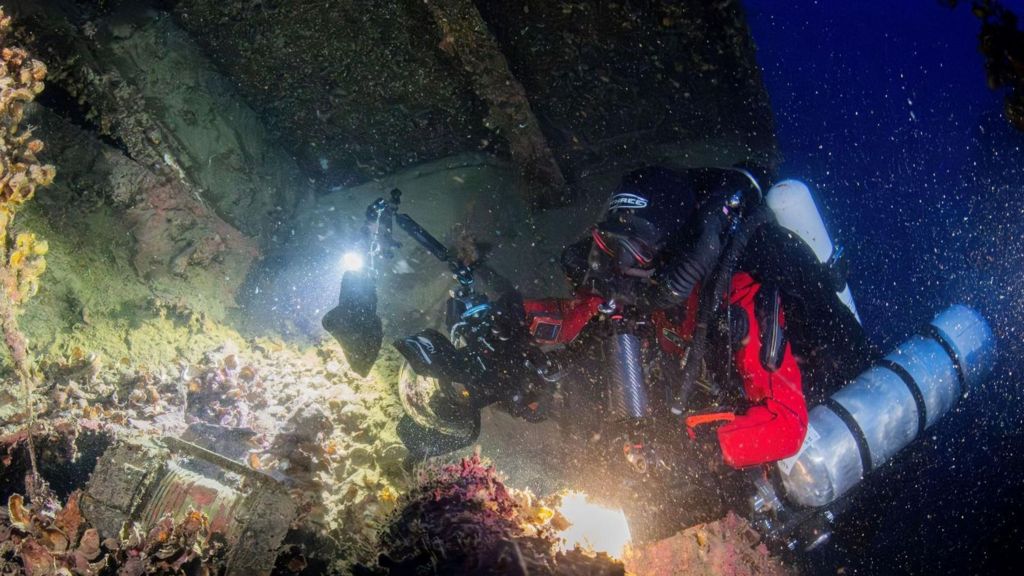
Artefacts recovered from Titanic’s sunk sister ship
In a remarkable underwater recovery operation, Greece has successfully retrieved artefacts from the wreck of the HMHS Britannic, over a century after the ship was sunk by a German mine during World War I. The operation, conducted in May but announced on Monday by the Greek Ministry of Culture, involved an 11-member team of professional deep-sea divers equipped with closed-circuit technology. The expedition was organized by British historian Simon Mills, founder of the Britannic Foundation. Among the recovered items were the ship’s lookout bell, a portside navigation lamp, binoculars, ceramic tiles from Turkish baths, and equipment from first- and second-class cabins. A porcelain washbasin, though covered in marine organisms, was found intact in one of the second-class cabins. The artefacts were carefully cleaned of marine growth and transported to the Ephorate of Underwater Antiquities in Athens for further conservation. Some planned items could not be recovered due to their condition and location. The artefacts will eventually be displayed at the new National Museum of Underwater Antiquities in Piraeus, in a section dedicated to World War I. The Britannic, the third of the White Star Line’s Olympic-class steamships, was requisitioned by the British Admiralty during the war to serve as a hospital ship. On November 16, 1916, it struck a German mine off the island of Kea and sank in less than an hour, resulting in the deaths of 30 of the 1,065 people on board.
-

Chinese teens to pay $300,000 for urinating in soup
Two intoxicated teenagers who urinated into a pot of broth at a Haidilao hotpot restaurant in Shanghai have been ordered to pay 2.2 million yuan ($309,000) in damages to two catering companies. The incident, which occurred in February at a branch of China’s largest hotpot chain, Haidilao, drew widespread condemnation after the 17-year-olds posted a video of their act online. Although no one is believed to have consumed the contaminated broth, Haidilao compensated thousands of diners who visited the restaurant in the days following the incident. In March, the company sought over 23 million yuan in losses, citing compensation paid to customers and reputational damage. Last Friday, a Shanghai court ruled that the teenagers had violated the companies’ property rights and tarnished their reputation through “acts of insult,” which also caused public discomfort. The court noted that the parents had “failed to fulfil their duty of guardianship” and ordered them to bear the compensation. The damages include 2 million yuan for operational and reputational losses, 130,000 yuan for tableware replacement and cleaning, and 70,000 yuan in legal fees. However, the court clarified that additional compensation Haidilao voluntarily offered to customers, including full refunds and 10 times the billed amount, should not be borne by the teenagers. Haidilao, known for its exceptional customer service and family-friendly environment, has since replaced all hotpot equipment and conducted thorough cleaning and disinfection. The company, which started in Jianyang, Sichuan Province, now operates over 1,000 restaurants globally.
-

The Dream Journey: Coming to terms with music in Pakistan’s Indo-Islamic culture
The intricate relationship between Islam and music has long shaped the cultural landscape of South Asia. While Islam’s influence on music has been a subject of debate, it has undeniably left an indelible mark on the region’s artistic traditions. In Pakistan, this relationship has been particularly complex, with music often caught in the crossfire of religious and national identity struggles. Amid these tensions, a group of Pakistani music enthusiasts embarked on a mission to preserve and celebrate their country’s neglected musical heritage. Their project, *The Dream Journey*, has since become a global phenomenon, bringing Pakistan’s rich musical traditions to the world stage. Launched in 2014, *The Dream Journey* saw its founders travel across Pakistan, documenting musicians and their families performing in intimate settings. The project’s YouTube channel, featuring videos with English subtitles, has garnered over 225,000 subscribers and millions of views. Its success has highlighted the enduring power of classical and Sufi music, even as these traditions face challenges in modern Pakistan. The channel showcases a diverse range of musical styles, from qawwali—a devotional form of Sufi music—to lesser-known family specialties. It has also amplified the work of legendary musicians like Ustad Munshi Raziuddin Khan and his descendants, who have kept the classical qawwali tradition alive. Despite the religious and political obstacles, *The Dream Journey* has provided a platform for musicians who might otherwise have remained in obscurity. The project’s meticulous translations and high-quality production have made it accessible to a global audience, ensuring that Pakistan’s musical heritage is preserved for future generations. As the group plans to resume their travels, their work stands as a testament to the resilience and beauty of Pakistan’s musical traditions.
-
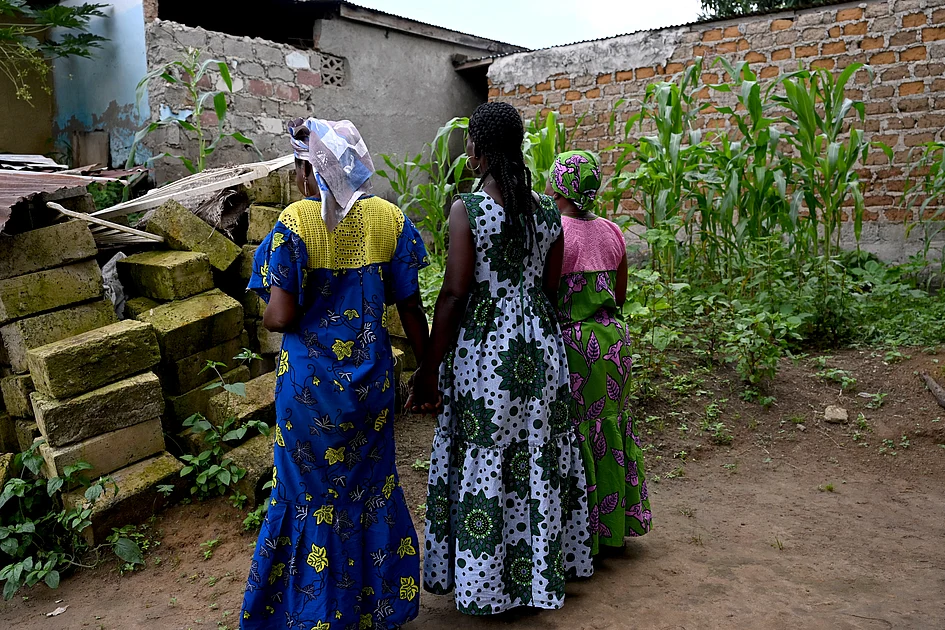
Feeling forgotten, Ivory Coast rape survivors seek healing together
In the aftermath of the 2011 post-election crisis in Ivory Coast, which claimed approximately 3,000 lives, hundreds of women who survived sexual violence have found solace in collective healing. Fearful of societal stigma, many of these women have never pressed charges against their attackers. Instead, they have formed support groups to rebuild their shattered lives. Juliette Bie, a survivor whose mother witnessed her assault and later passed away, established a support group in the town of Man. ‘It’s a way of healing. Psychologically, we’re freeing ourselves,’ Bie shared. Similarly, Mariam Bakayoko, 35, founded a safe space in Duekoue where women can express themselves and share their experiences. These groups meet weekly, fostering trust and camaraderie among members. The western region of Ivory Coast endured nearly a decade of unrest from 2002 to 2011, during which countless women were sexually assaulted. The Platform of Organisations for the Reparation of Victims of Ivorian Crises (POREV-CI) has assisted over 950 survivors, though the actual number is likely higher. Despite the return of calm, many survivors feel neglected by the state. Anne-Marie, a 42-year-old survivor, recounted being raped multiple times during the conflict. Monique, now 50, lost her unborn child after being raped in 2002 and has been unable to conceive since. Agnes, 52, contracted HIV from her assault. ‘We cannot talk about peace, because we haven’t had the reparations we are owed,’ Agnes lamented. The women interviewed by AFP reported receiving no financial or psychological support from the government, despite reporting their situations. Belmonde Dogo, the minister for national cohesion, claimed that all registered rape victims received government aid. However, Justine Kpan, a mental health counsellor with POREV-CI, emphasized the need for income-generating activities to help these women rebuild their lives. Many have lost their husbands or face societal judgment, struggling to make ends meet. ‘They feel forgotten,’ Kpan said.
-
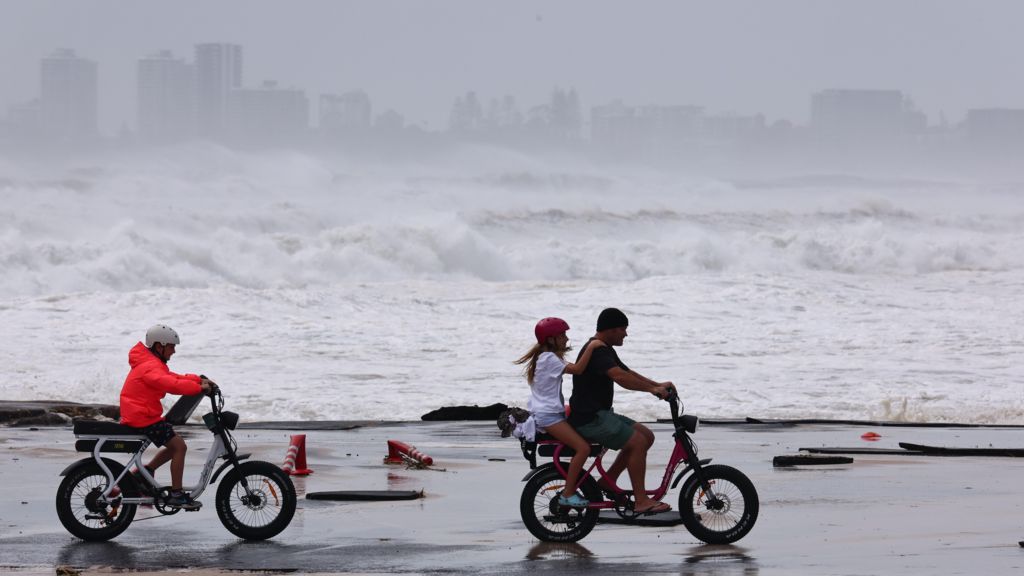
Rising seas will threaten 1.5 million Australians by 2050 – report
A groundbreaking climate report has revealed that Australia is already grappling with the severe impacts of climate change, with escalating risks projected for the coming decades. The National Climate Risk Assessment, Australia’s first comprehensive climate evaluation, warns that 1.5 million coastal residents could face threats from rising sea levels by 2050. The report highlights increased frequency and intensity of climate hazards, including floods, cyclones, heatwaves, droughts, and bushfires. Climate Change Minister Chris Bowen emphasized that while Australians are already experiencing these consequences, mitigating global warming now is crucial to safeguarding future generations. The report examined three warming scenarios—above 1.5°C, 2°C, and 3°C—and found that Australia, one of the world’s highest per capita polluters, has already surpassed 1.5°C. At 3°C, heat-related deaths in Sydney could surge by over 400%, with Melbourne seeing nearly triple the current rates. The 72-page document, released ahead of the government’s 2035 emissions reduction targets, underscores that no community will be spared from cascading and compounding climate risks. It predicts a A$611 billion drop in property values, deteriorating water quality, and heightened threats to coral reefs like the Great Barrier Reef and Ningaloo Reef. Northern Australia, remote communities, and outer suburbs of major cities are particularly vulnerable. The report also warns of increased pressure on health systems, infrastructure, ecosystems, and emergency services. In response, the government unveiled a national adaptation plan to coordinate federal, state, and local efforts. Bowen reiterated Australia’s commitment to a 43% emissions reduction by 2030, though critics argue the nation’s reliance on fossil fuels remains problematic. Climate Council CEO Amanda McKenzie called for more ambitious targets, stressing that delays in reducing emissions will exacerbate the devastating impacts of heatwaves, floods, and bushfires.