分类: society

  • Dallas shooter intended target to be ICE not detainees – officials

    Dallas shooter intended target to be ICE not detainees – officials

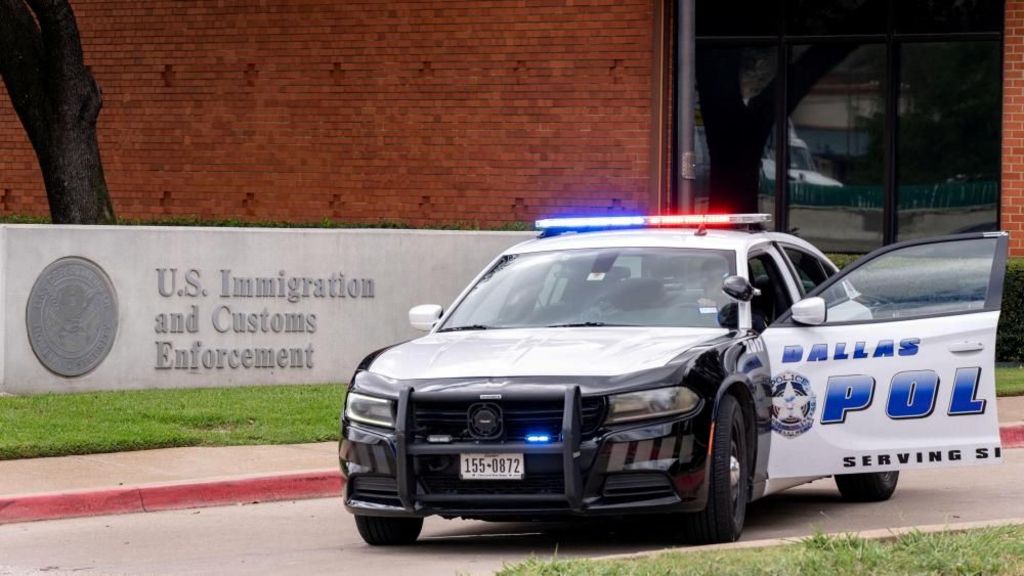
    A tragic shooting at an Immigration and Customs Enforcement (ICE) facility in Dallas, Texas, has left one detainee dead and two critically injured. The suspected shooter, identified as 29-year-old Joshua Jahn, left behind a collection of notes revealing his intent to target ICE agents while attempting to minimize harm to detainees. Acting U.S. Attorney for the Northern District of Texas, Nancy Larson, disclosed that Jahn’s writings indicated a calculated plan to ‘maximize lethality against ICE personnel and property damage’ at the facility. Larson emphasized that Jahn did not intend to harm detainees, stating, ‘It is clear from these notes that he was targeting ICE agents and ICE personnel.’

    FBI Director Kash Patel highlighted the evidence of extensive pre-attack planning, including a handwritten note that read, ‘Hopefully this will give ICE agents real terror, to think, ‘is there a sniper with AP rounds on that roof?” Larson confirmed that Jahn likely acted alone, describing the attack as a ‘targeted, ambush-style’ assault on law enforcement. The shooter fired at transport vehicles carrying ICE personnel and detainees, acknowledging the potential for collateral damage.

    Jahn’s notes, found at his residence, included a detailed ‘gameplan of the attack’ and expressed his disdain for ICE employees, whom he referred to as ‘people showing up to collect a dirty pay check.’ Larson condemned the act as terrorism, stating, ‘What he did is the very definition of terrorism.’ Despite his hatred for the federal government, no evidence linked Jahn to any specific group or agency beyond ICE.

    ICE Field Office Director Marcos Charles praised the bravery of federal agents who risked their lives to save detainees during the attack, calling for an end to ‘violent rhetoric’ against ICE. The incident underscores the ongoing tensions surrounding immigration enforcement in the United States.
  • South Korea legalises tattooing by non-medical professionals

    South Korea legalises tattooing by non-medical professionals

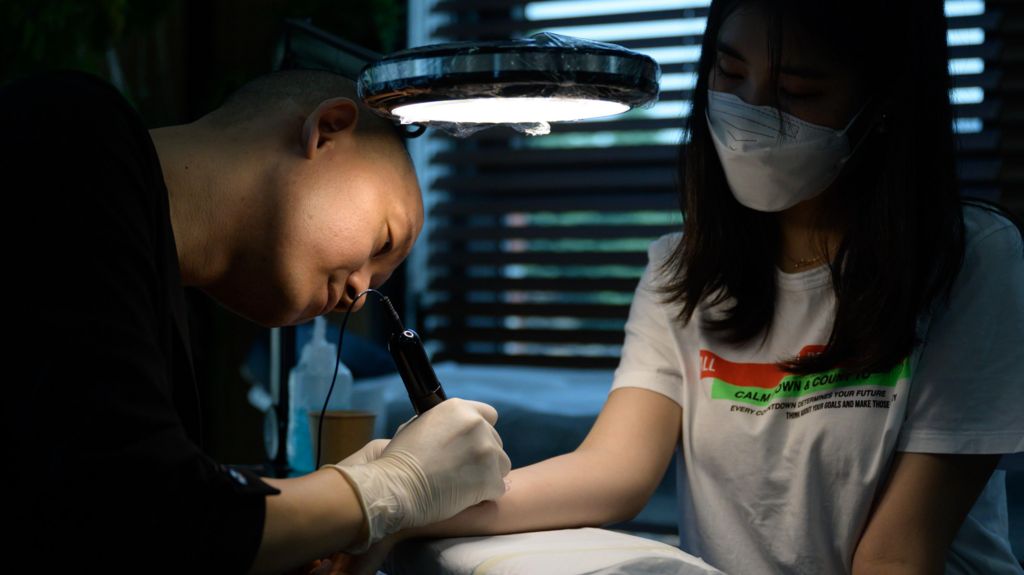
    In a landmark decision, South Korea has officially legalized tattoo artistry by non-medical professionals, marking the end of a three-decade-long prohibition. The Tattooist Act, passed by the General Assembly on Thursday, grants licenses to non-medical practitioners, who constitute the majority of the industry. This historic move follows years of advocacy by tattoo artists seeking to practice their craft without fear of prosecution or harassment. Since 1992, offering tattoos had been restricted to medical professionals under a Supreme Court ruling, with violators facing up to five years in prison or hefty fines. Lim Bo-ran, president of the Korea Tattoo Federation, expressed overwhelming gratitude, describing the law’s passage as ‘a dream come true.’ Despite the widespread popularity of tattoos in South Korea, the industry has operated in a legal gray area, with artists often subjected to threats or legal action from disgruntled clients. Recent court acquittals of tattoo artists signaled a shift in societal attitudes, paving the way for this legislative change. However, the new law has faced opposition from the medical community, which argues that tattooing poses health risks and should remain a medical procedure. The law will take effect in two years, requiring artists to pass a national exam, complete safety training, and maintain detailed records. While the change is celebrated by many, it may not immediately erase the stigma surrounding tattoos, as recent polls indicate that a majority of South Koreans still view them negatively. The journey toward full societal acceptance of tattoos in South Korea is likely to be gradual and complex.

  • Cocaine lab found on property of Bolivia’s former anti-drug czar

    Cocaine lab found on property of Bolivia’s former anti-drug czar

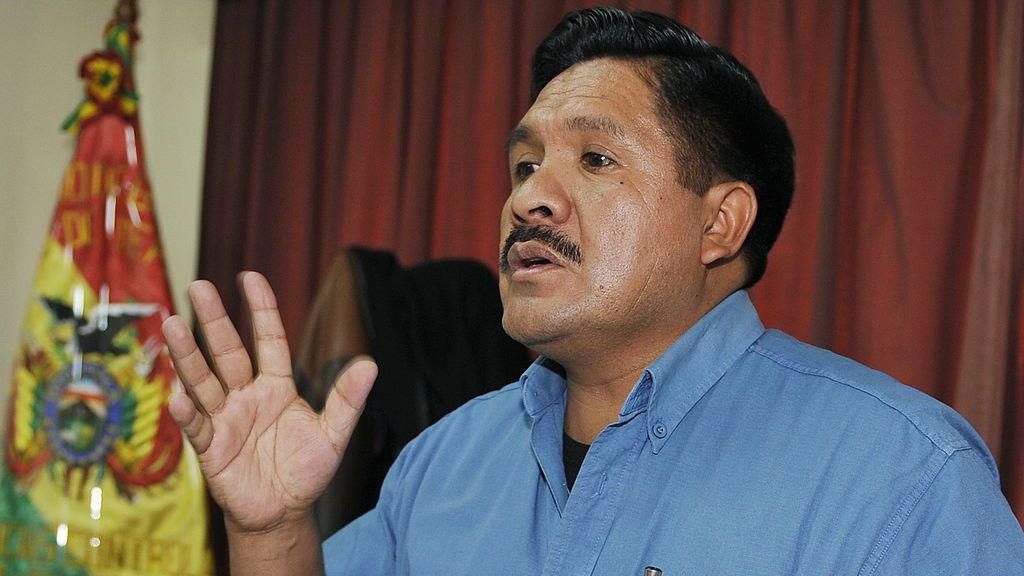
    In a startling development, Bolivia’s former counternarcotics czar, Felipe Cáceres, has been arrested following the discovery of a cocaine laboratory on one of his properties. Cáceres, who led the government department for controlled substances from 2006 to 2019, was a key figure in Bolivia’s fight against illegal drugs. The arrest took place in Puerto Villarroel, Cochabamba, a region known for its coca cultivation. While it remains unclear whether Cáceres was aware of the lab’s existence, the discovery has cast a shadow over Bolivia’s anti-drug efforts. The lab, capable of employing 10 people, was found on land owned by Cáceres, though investigations are ongoing to determine his direct involvement. Bolivia’s Interior Minister, Roberto Ríos, stated that Cáceres was detained near a sand and gravel plant he owns, located 500 meters from the lab. This incident adds to a series of scandals involving Bolivian anti-drug officials. Maximiliano Dávila, a former head of the counternarcotics police, is currently awaiting trial in the US on drug smuggling charges, while another former chief, René Sanabria, served a 14-year sentence in the US for drug trafficking. Bolivia, the world’s third-largest cocaine producer after Colombia and Peru, allows the legal cultivation of coca leaves for medicinal and traditional purposes. However, any production beyond the legally permitted 22,000 hectares is subject to destruction. Cáceres, a former leader in a coca-growers’ union, had close ties to former President Evo Morales, who has dismissed the arrest as a ‘set-up’ and accused the government of using it to divert attention from its own scandals. A lawyer for Morales’s party emphasized that investigators must prove a direct link between Cáceres and the cocaine lab.

  • Over 1,000 children fall ill from free school lunches in Indonesia

    Over 1,000 children fall ill from free school lunches in Indonesia

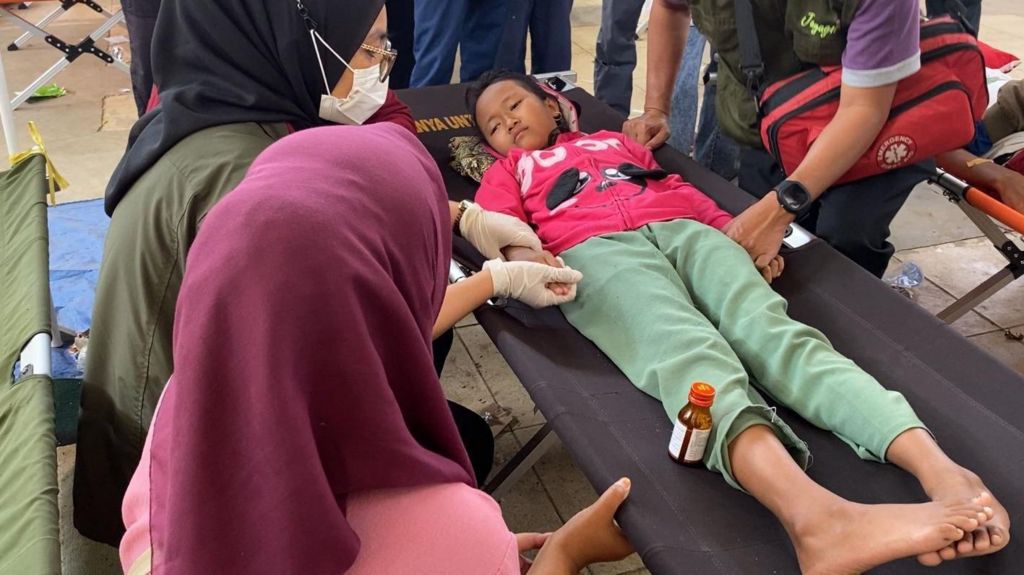
    Indonesia’s ambitious free school lunch program, a flagship initiative of President Prabowo Subianto, has come under intense scrutiny following a series of mass food poisoning incidents affecting thousands of children. Since its launch in January, the program, which aims to provide nutritious meals to 80 million students, has been marred by health and safety concerns, sparking calls for its suspension. Authorities reported over 1,000 cases of food poisoning this week alone, adding to a growing tally that has seen more than 6,400 children fall ill since the program’s inception. Symptoms among victims include stomach aches, dizziness, nausea, and even shortness of breath, raising alarms about the quality and preparation of the meals. The National Nutrition Agency attributed a recent outbreak in Cipongkor to a technical error by the Nutrition Fulfillment Service Unit, which has since been suspended. Critics, including non-governmental organizations, have urged the government to halt the program temporarily for a thorough evaluation, with some proposing alternative solutions such as direct funding to parents. Despite the backlash, the government has reaffirmed its commitment to the initiative, citing its potential to combat malnutrition and stunting among children. However, experts warn that the program’s massive $28 billion budget could also make it a target for corruption, further complicating its implementation. As Indonesia grapples with these challenges, the future of its free school lunch program remains uncertain.

  • Woman in Spanish cold case identified after 20 years

    Woman in Spanish cold case identified after 20 years

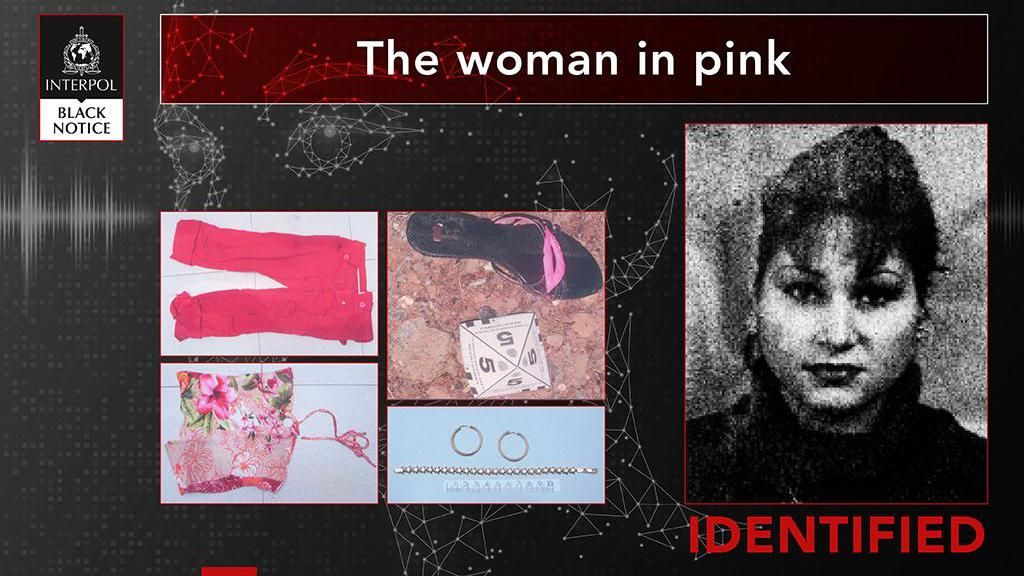
    A breakthrough in a decades-old mystery has been achieved through Interpol’s global initiative, ‘Operation Identify Me.’ The body of a woman discovered in Spain over 20 years ago has been identified as 31-year-old Russian citizen Liudmila Zavada. This marks the third successful identification under the campaign, which aims to uncover the identities of women who died under suspicious or unexplained circumstances across Europe. Launched in 2023, the initiative has already identified two other women: a British woman murdered in Belgium and a Paraguayan woman found dead in Spain. Liudmila Zavada, known as ‘the woman in pink’ due to her attire, was found in July 2005 near Barcelona. Despite initial investigations, her identity remained unknown until Turkish police matched her fingerprints to a national database, leading to a DNA confirmation with a relative in Russia. Interpol’s Secretary General, Valdecy Urquiza, hailed the identification as a source of ‘fresh hope’ for families of missing persons and a potential breakthrough for investigators. The campaign has also highlighted the challenges posed by global migration and human trafficking, which complicate the identification of bodies found outside their countries of origin. Interpol officials noted that women are disproportionately affected by gender-based violence, including domestic abuse, sexual assault, and trafficking. The agency continues to seek the identities of 44 other women found dead across Europe, most of whom are believed to be murder victims aged between 15 and 30.

  • Canada’s top court stays execution of nearly 400 ostriches, for now

    Canada’s top court stays execution of nearly 400 ostriches, for now

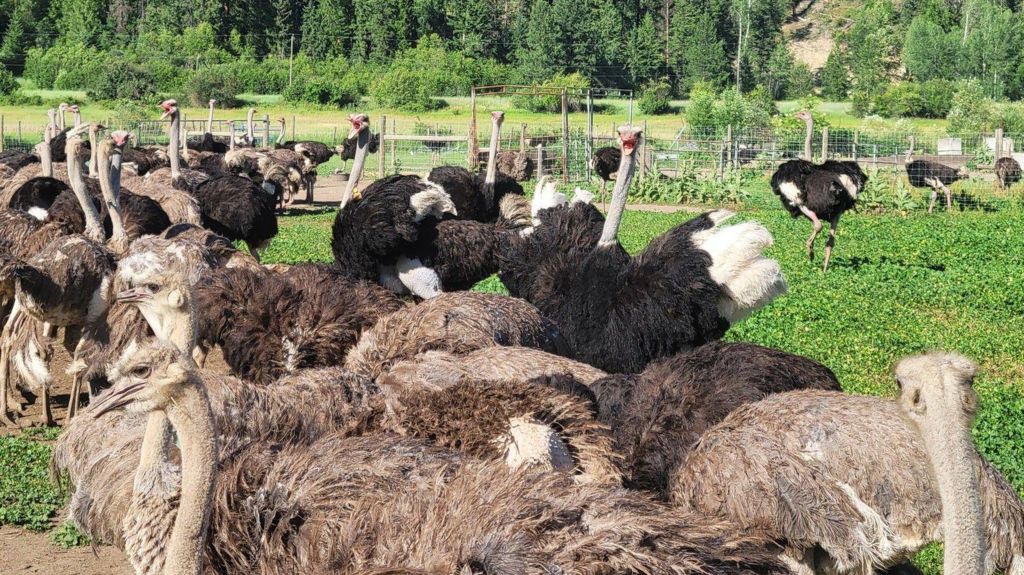
    Canada’s Supreme Court has intervened to temporarily suspend the planned culling of nearly 400 ostriches at Universal Ostrich Farms in British Columbia, following an avian flu outbreak. The decision, issued on Wednesday, comes after the farm owners, Katie Pastiney and Karen Espersen, protested the cull order and launched a months-long legal battle. The Canadian Food Inspection Agency (CFIA) had mandated the cull in December after the outbreak killed 69 ostriches, citing risks of virus mutation and human health concerns. The Supreme Court’s ruling halts the cull while the owners appeal, with the CFIA maintaining custody of the birds and providing veterinary oversight. The case has drawn international attention, including support from US Health Secretary Robert F. Kennedy and Dr. Mehmet Oz, who offered to rehome the birds. The farm owners were briefly arrested for obstructing CFIA agents, and tensions remain high as protesters gather at the farm. The Supreme Court has given the CFIA until October 3 to respond to the appeal.

  • Canada bank employee charged with accessing PM Mark Carney’s account

    Canada bank employee charged with accessing PM Mark Carney’s account

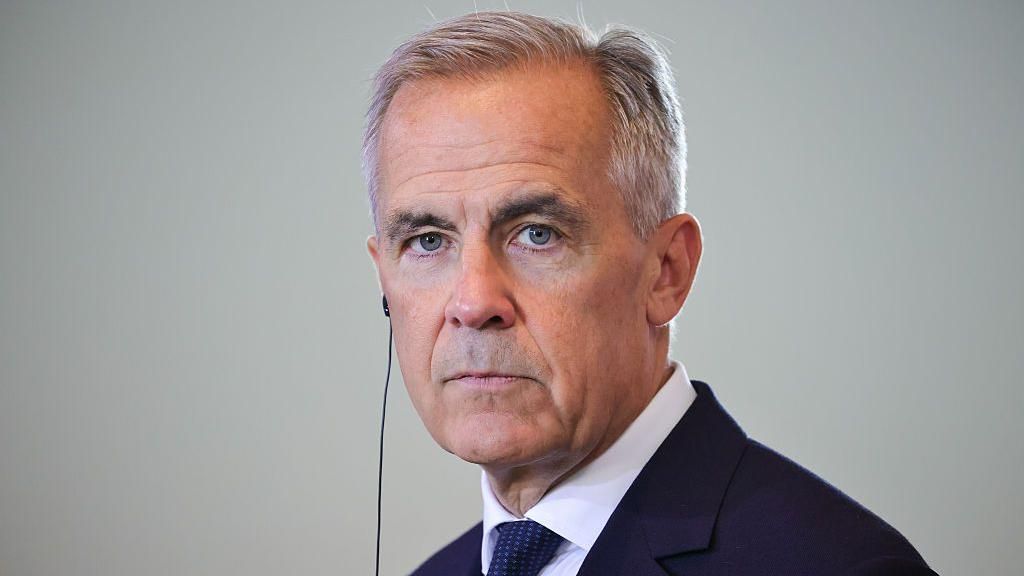
    A 23-year-old employee of the Royal Bank of Canada (RBC) in Ottawa has been charged with multiple offenses, including fraud, unauthorized computer use, identity theft, and trafficking identity information. Ibrahim El-Hakim allegedly accessed Canadian Prime Minister Mark Carney’s bank account and other profiles without authorization. The Royal Canadian Mounted Police (RCMP) arrested El-Hakim on July 10 for using RBC’s IT services for criminal purposes. He has since been released under specific conditions. RBC stated that it independently identified the unauthorized access and cooperated with law enforcement. El-Hakim is no longer employed by the bank. According to a court affidavit reported by La Presse, El-Hakim’s actions are believed to be linked to organized crime. He allegedly accessed former Prime Minister Justin Trudeau’s account on June 17 and was paid C$5,000 by a Telegram contact to create fake bank profiles and obtain lines of credit. El-Hakim, hired by RBC in 2022, worked near Parliament Hill in Ottawa. He was caught on video and confessed during an internal security interview. The suspect is scheduled to appear in court on October 1. Police confirmed there was no threat to Carney’s safety or national security.

  • ‘No warning’ – residents reel from deadly flood after typhoon bursts Taiwan lake

    ‘No warning’ – residents reel from deadly flood after typhoon bursts Taiwan lake

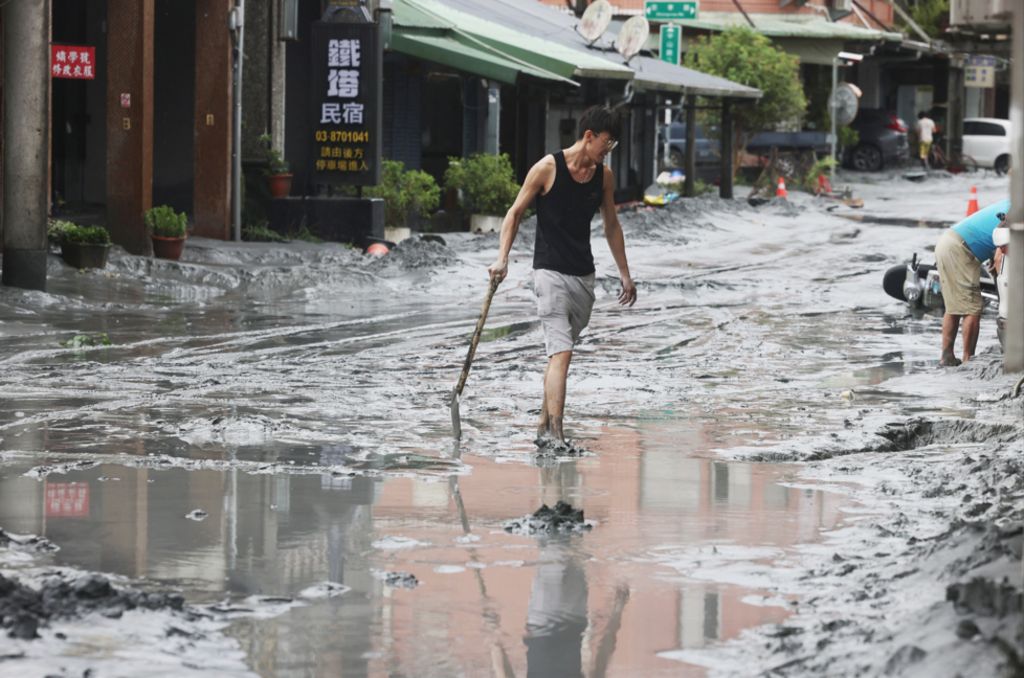
    Super Typhoon Ragasa has left a trail of destruction in Taiwan, particularly in the eastern county of Hualien, where a catastrophic flood caused by the breach of a barrier lake has claimed lives and devastated communities. The barrier lake, formed after landslides triggered by an earlier typhoon in July, held an immense volume of water—approximately 91 million tonnes. When it burst its banks on Tuesday, it unleashed a torrent comparable to a tsunami, killing at least 14 people, injuring 32, and leaving 46 unaccounted for. The floodwaters, reaching depths of up to the second floor of buildings in some areas, swept away bridges, uprooted trees, and submerged vehicles, leaving residents in shock and despair. Awa, a 42-year-old bookstore owner in Guangfu Township, described the scene as “like a river outside, with cars floating and everything drifting.” She and her husband sought refuge on the second floor of their shop, attempting to salvage their books. Survivors reported receiving no immediate warning before the disaster struck, despite prior monitoring of the lake’s water levels by universities and authorities. Emergency evacuations were not mandatory, and many elderly residents, particularly those without access to smartphones, were left vulnerable. The disaster has highlighted the challenges of managing natural hazards in Taiwan, where barrier lakes are a recurring phenomenon. Experts noted that the lake’s composition and the lack of accessible roads hindered preventive measures. The tragedy has further strained Hualien’s tourism industry, already reeling from recent earthquakes. As communities grapple with loss and recovery, questions remain about the adequacy of disaster preparedness and response.

  • Greenland contraception scandal victims hear Danish PM’s emotional apology

    Greenland contraception scandal victims hear Danish PM’s emotional apology

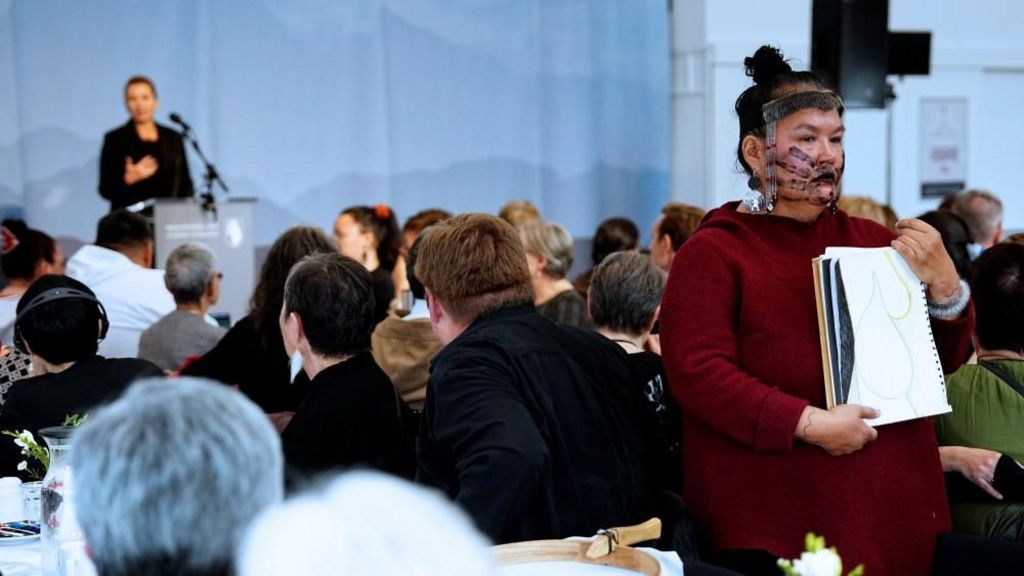
    In a historic and emotionally charged address, Denmark’s Prime Minister Mette Frederiksen formally apologized to the women of Greenland for a controversial birth control program that forcibly implanted contraceptive coils in thousands of Inuit women during the 1960s and 1970s. Speaking to a packed audience in Nuuk, Greenland’s capital, Frederiksen expressed deep remorse for the injustices committed. ‘Dear women. Dear families. Dear Greenland. Today there is only one right thing to say to you. Sorry,’ she stated. The apology was met with mixed reactions, including a silent protest by one woman who stood with her back to the prime minister, her mouth marked with a black handprint. The program, which targeted nearly half of Greenland’s childbearing-age women, involved the insertion of intrauterine devices (IUDs) without consent, including in girls as young as 12. Many victims have suffered lifelong physical and emotional trauma, including infertility. Naja Lyberth, a prominent advocate for the affected women, emphasized the importance of the apology but criticized the lack of exploration into potential human rights violations. Frederiksen also announced plans for a ‘reconciliation fund,’ though details remain unclear. A lawsuit demanding compensation has been filed by 143 women, including Aviaq Petersen, who discovered she had an IUD inserted without her knowledge during an abortion at age 24. The apology comes amid growing scrutiny of Denmark’s historical and current policies in Greenland, including forced adoptions and the separation of Inuit children from their families. Greenland’s Prime Minister Jens-Frederik Nielsen described the birth control program as one of the darkest chapters in the country’s history. While the apology has been welcomed by many, some victims, like Elisa Christensen, expressed disappointment over the lack of compensation and tangible support. ‘The little girl inside me felt a hug from society,’ Christensen said, ‘but the grown-up Elisa doesn’t know how to use that apology.’ The case highlights ongoing tensions between Denmark and Greenland, as well as the broader implications of colonial-era policies on indigenous communities.

  • Kindy parents told to pay thousands for kids’ art – sparking uproar and a midnight heist

    Kindy parents told to pay thousands for kids’ art – sparking uproar and a midnight heist

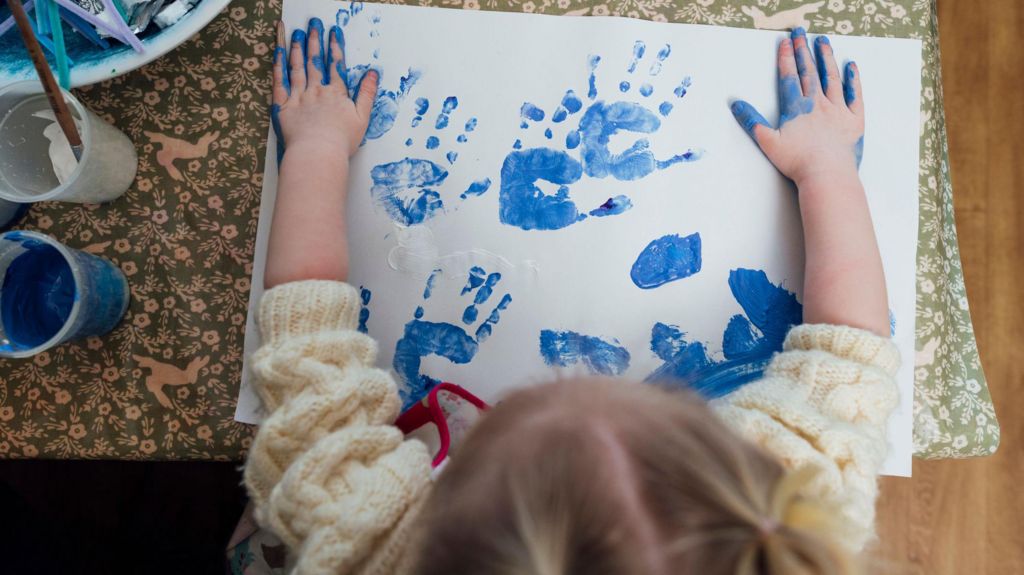
    A Brisbane-based kindergarten has ignited widespread controversy after asking parents to pay A$2,200 (£1,000; $1,400) to take home their children’s art portfolios. The Craigslea Community Kindergarten and Preschool, which recently closed due to financial troubles, framed the request as a fundraiser to address mounting debts, including unpaid staff wages. The folders contained a mix of abstract creations and cherished memories, described as ‘only a parent could love.’ However, the demand has been met with fierce criticism, with Queensland’s leader labeling it ’emotional blackmail.’ The kindergarten’s management, already under scrutiny for governance issues, faced further backlash when a parent allegedly broke into the center to retrieve their child’s artwork. The incident has drawn public outrage, with thousands condemning the move on social media. Queensland Premier David Crisafulli called the request ‘un-Australian’ and ‘wrong on so many levels,’ emphasizing the sentimental value of children’s art. The Department of Education and the Creche and Kindergarten Association (C&K) later intervened, successfully recovering the portfolios and ensuring they are now free for families to collect. C&K condemned the practice of charging parents for their children’s works, reaffirming their commitment to ethical childcare practices.