分类: society

  • ‘My prosthetic leg represents my love for this country’

    ‘My prosthetic leg represents my love for this country’

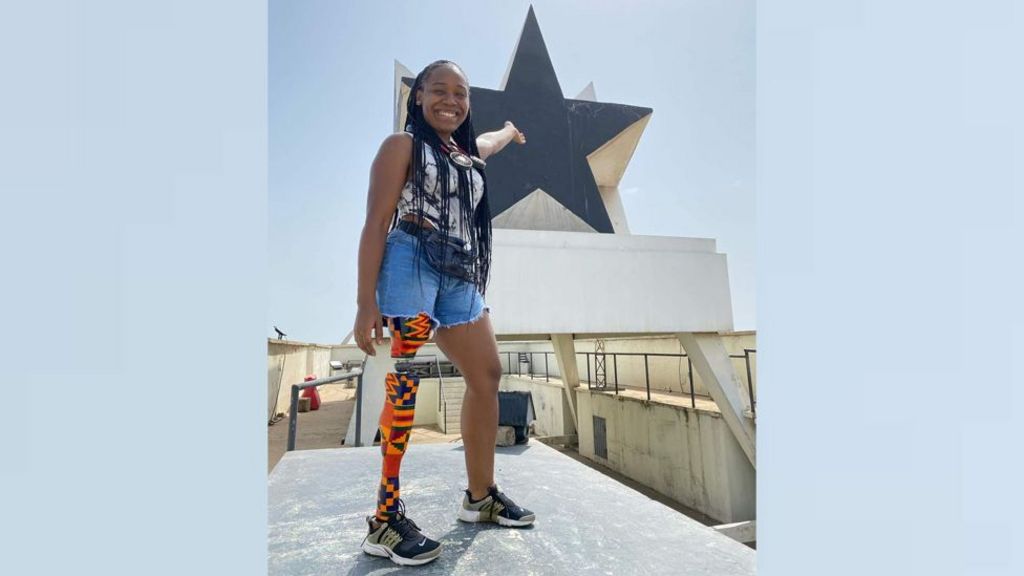
    At a prominent fashion showcase in Ghana, 33-year-old model and writer Abena Christine Jon’el commanded attention not merely through her presence on the catwalk, but through her powerful statement about disability visibility. Her prosthetic leg, elegantly wrapped in vibrant African kente cloth, became both a cultural symbol and a declaration of identity during last month’s Rhythms on the Runway event in Accra.

    Abena’s journey to the runway began decades earlier when a rare rhabdomyosarcoma tumor appeared on her right calf at age two. Faced with the impossible choice between radiation treatment that might leave her wheelchair-dependent or amputation, her mother chose the latter. “It was the best decision she could have made,” Abena affirms without hesitation, speaking from a restaurant in Ghana’s capital surrounded by friends and family.

    Her early life in Chicago was shaped by treatment and recovery, with movement becoming both a measure of survival and a means of rebuilding confidence. Contrary to stereotypical narratives of inspirational disabled children, Abena describes herself as “loud, a little black girl running around on one leg” who refused to be pushed around despite academic struggles.

    This unapologetic authenticity became her professional strength. After working as a poet and public speaker in the US, a transformative visit to Ghana’s Assin Manso slave river site in 2021 triggered what she describes as “a moment that rearranged my entire understanding of myself.” The profound connection to her ancestral land led to her permanent relocation just three months later, despite experiencing deep depression upon initially leaving Ghana.

    Now embracing her identity as “Ghanaian by ancestry and adoption,” Abena has found belonging through a Ghanaian mother who introduces her as her own daughter. Her advocacy work has shifted focus to addressing the stark contrast between disability representation in the US and Ghana. While acknowledging America’s imperfect progress toward inclusion, she notes that Ghana remains at the beginning of this journey—not from lack of compassion, but from lack of representation.

    “In Ghana, disabled people have not been widely showcased in a positive light,” she explains. “So stigma thrives. People do not see us in powerful or beautiful or joyful positions, they see us only in struggle.”

    Her runway appearance marked a deliberate intervention in this narrative. After directly approaching event organizers, Abena understood her presence would force a long-delayed conversation about inclusion. The resulting moment became one of the evening’s most discussed highlights, with Ghana’s Tourism, Culture and Arts Minister Abla Dzifa Gomashie noting that “her strength showed right through, speaking volumes.”

    Fashion show organizer Shirley Emma Tibilla described Abena’s walk as “a powerful affirmation that talent, beauty, and confidence know no limitations,” while entrepreneur Dentaa Amoateng celebrated it as demonstrating “what true inclusion looks like.”

    For Abena, the applause mattered less than the message: disabled people were not mere spectators but center stage. Standing at the intersection of identity, disability, heritage and fashion, she represents a new path forward for Ghana—one where inclusion is boldly demanded rather than quietly suggested.

    Her journey from cancer patient to cultural icon represents not just survival but reclamation: of identity, mobility, belonging, and place in a country that “fought for me before I even stepped foot here.” Whether on runways, behind microphones, or mentoring young amputees, Abena refuses to dim her light—or let others like her be dimmed.

    As she states definitively: “Disability is not a limitation. Having a disability is not what makes you disabled. Lack of support, lack of accessibility—that is what disables you.”
  • Greg Lynn: Update after former pilot conviction overturned over alleged murder of Carol Clay in Victorian High Country

    Greg Lynn: Update after former pilot conviction overturned over alleged murder of Carol Clay in Victorian High Country

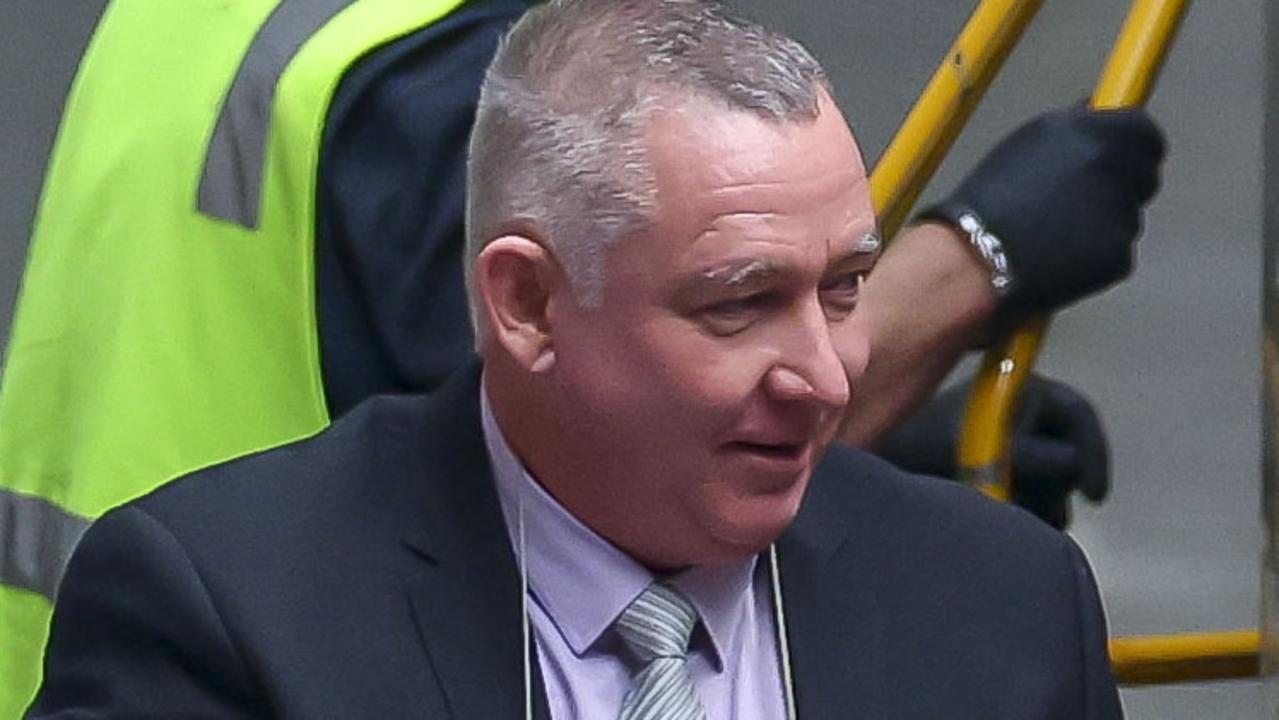
    Former Jetstar training pilot Greg Lynn, 59, has made a reappearance in court following a landmark decision by Victoria’s Court of Appeal to overturn his murder conviction. The appellate court ruled in December that a “substantial miscarriage of justice” had occurred during Lynn’s 2024 trial for the death of 73-year-old Carol Clay, ordering a complete retrial for the high-profile case.

    The judicial panel, consisting of three appeal judges, upheld Lynn’s appeal on two critical grounds. They found the trial prosecutor had violated fundamental fair trial principles through an improper character attack on the defendant and mishandling of ballistic evidence presented by police specialist Paul Griffiths. This decision nullifies Lynn’s previous 32-year sentence imposed just over a year ago.

    The case stems from the mysterious disappearance of elderly campers Carol Clay and Russell Hill in March 2020 within Victoria’s remote Wonnangatta Valley. Lynn was charged twenty months after the couple vanished following an extensive police investigation. Notably, the original jury had acquitted Lynn of murdering Mr. Hill while convicting him of Ms. Clay’s murder.

    Throughout his initial trial, Lynn maintained his innocence regarding murder charges, presenting an alternative account of accidental deaths followed by panicked attempts to avoid wrongful blame. The Court of Appeal judges emphasized that while ordering a retrial, they found “no reason to think that the fundamental unfairness which permeated the first trial will carry over to the new trial.”

    Lynn has been remanded in custody and is scheduled to return to court in late July for proceedings related to the retrial. The judicial panel underscored the “powerful public interest in ensuring that a fair trial is held for alleged wrongdoing of this high order” in their rationale for ordering a new trial.

  • Former French senator found guilty of drugging MP

    Former French senator found guilty of drugging MP

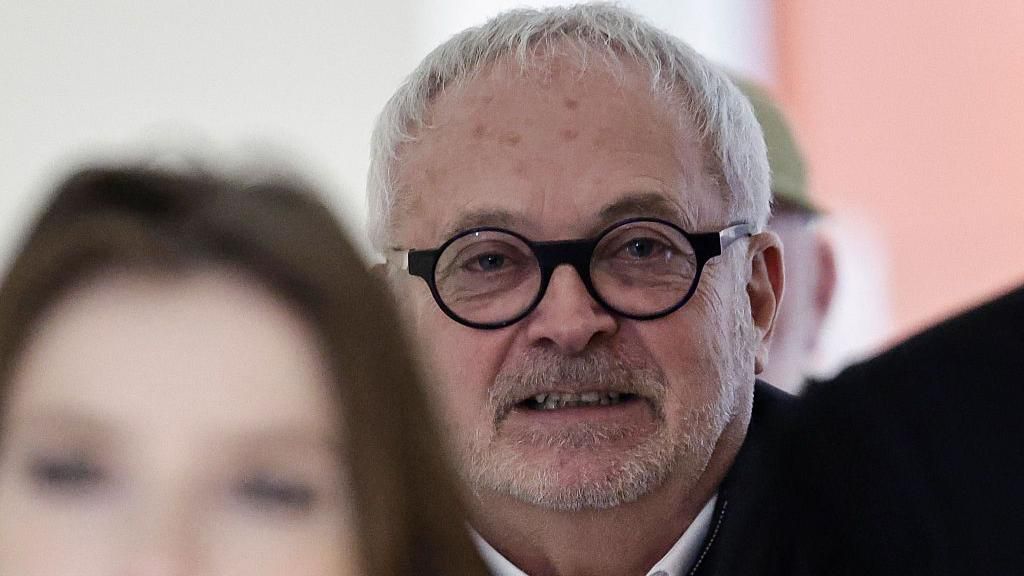
    A prominent French political scandal reached its judicial conclusion as former senator Joel Guerriau was convicted for drugging a fellow parliamentarian with ecstasy in what prosecutors characterized as a premeditated sexual assault attempt. The Paris criminal court delivered a four-year prison sentence against the 68-year-old politician, with 18 months to be served in custody and the remainder suspended.

    The case centers on an November 2023 incident where Guerriau invited Sandrine Josso, a 50-year-old MP from the center-right MoDem party, to his Paris residence under the pretense of celebrating his political re-election. According to court evidence, Josso consumed champagne laced with MDMA that triggered severe physical reactions and prompted her to seek medical assistance.

    Toxicology reports presented during the trial revealed Josso’s bloodstream contained triple the recreational dosage of MDMA. The parliamentarian testified about experiencing disorientation and intense vulnerability, describing how she strategically concealed her deteriorating condition to escape potential assault.

    Guerriau maintained throughout proceedings that the drugging was accidental, claiming he had prepared the substance for personal use during a depressive episode but inadvertently served it to his guest. However, prosecutors highlighted concerning internet searches regarding ecstasy and GHB—a known date-rape drug—found on Guerriau’s devices.

    The convicted former senator expressed remorse during testimony, stating he felt ‘disgusted with my recklessness and stupidity’ while simultaneously advocating for greater awareness about drug dangers. His legal team immediately announced plans for appeal following Tuesday’s verdict.

    For Josso, the ruling represents vindication after years of psychological trauma. She has emerged as a leading voice against chemical submission—drug-facilitated sexual assault—joining advocacy groups founded by victims of similar crimes. The case has sparked renewed political discourse about substance-assisted violence in France, particularly within elite circles.

  • Over 7.3 million people recorded as registered organ donation volunteers in China

    Over 7.3 million people recorded as registered organ donation volunteers in China

    China’s organ donation system has achieved remarkable growth since its inception, with official data revealing more than 7.3 million citizens have now registered as organ donation volunteers. The China Organ Donation Administrative Center reported that as of December 31, 2025, the country has documented over 63,000 organ donation cases involving more than 197,000 organs, successfully preserving the lives of approximately 190,000 recipients.

    According to Zhang Zongwei, deputy director of the administrative center, China’s organ donation program has evolved from non-existence to a sophisticated system since pilot initiatives began in 2010. The program has demonstrated world-leading post-transplant survival rates while making significant contributions to global medical knowledge in transplantation services.

    Demographic analysis reveals that posthumous organ donors are predominantly male (81%), with female donors comprising 19% of the total. The most represented age group consists of individuals between 46 and 60 years old, accounting for 40.2% of all donors.

    The human impact of this growing movement was highlighted through the story of Lu Qile, a vibrant teenager who tragically died in a traffic accident during the 2025 National Day holiday in Xiamen, Fujian province. Following his brain death diagnosis, Lu’s parents made the compassionate decision to donate his organs, including his heart, liver, lungs, kidneys, and corneas. Their donation provided five critically ill patients with life-saving transplants and restored vision to two individuals suffering from blindness.

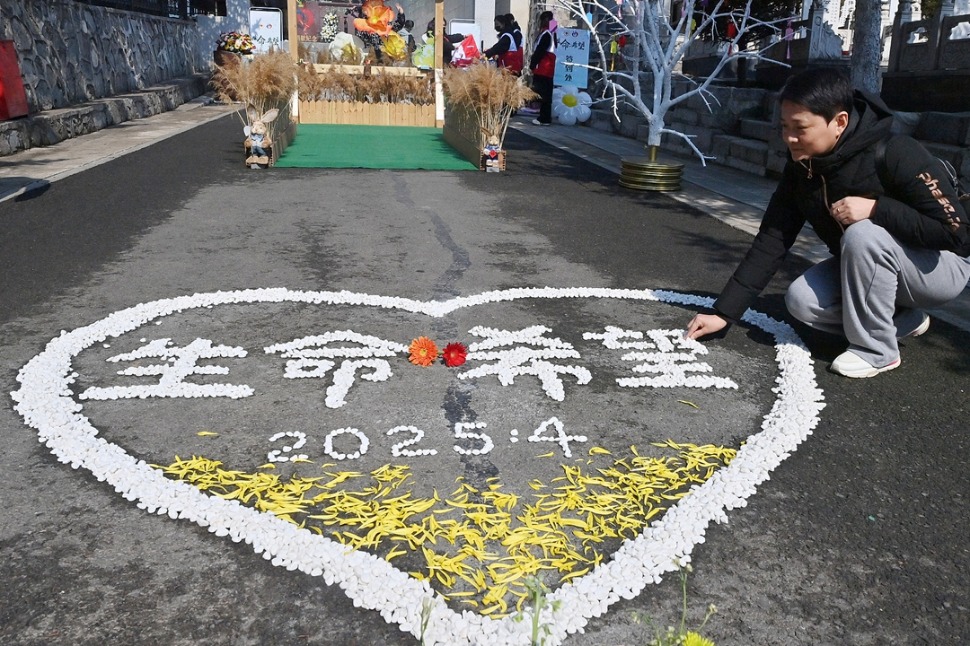
    Memorialization efforts have expanded significantly, with over 40 new organ donor memorial sites established at the county level and above in 2025 alone, bringing the national total to 316 such commemorative locations.

    In a significant policy development, several regions including Dingxi in Gansu province and Shanwei in Guangdong province have recently classified human organ donation as an act of ‘heroism’ through formal regulations, reflecting growing institutional recognition of this altruistic practice.

  • UAE weather tomorrow: Chance of fog; lowest temperature 15°C in Dubai, Sharjah

    UAE weather tomorrow: Chance of fog; lowest temperature 15°C in Dubai, Sharjah

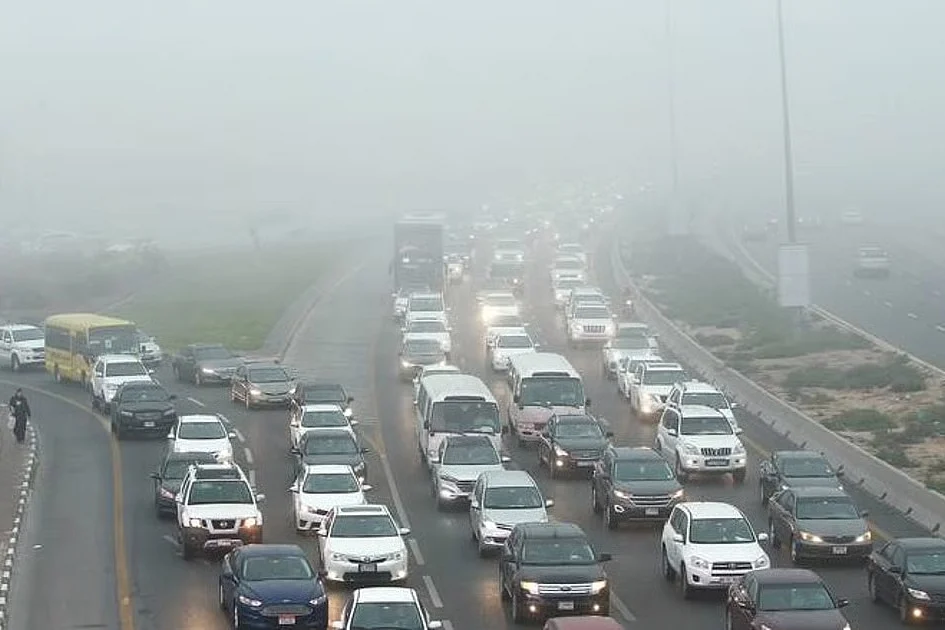
    The United Arab Emirates is experiencing characteristic winter weather patterns this week, with the National Centre of Meteorology (NCM) forecasting persistent morning humidity and potential fog formation through January 31st. Meteorological data indicates Wednesday will dawn with humid conditions particularly affecting western inland and coastal regions, where light fog patches are expected to develop during early hours.

    As the day progresses, weather patterns will transition to fair and partially cloudy conditions across the nation. Eastern and northern territories should anticipate the appearance of low cloud formations while temperatures demonstrate a gradual upward trend. Wind patterns will remain generally moderate, blowing from south-easterly to north-easterly directions at speeds ranging between 10-25 km/h, with occasional gusts potentially reaching 30 km/h.

    Maritime conditions remain calm with slight seas reported in both the Arabian Gulf and Oman Sea. Temperature readings show regional variations, with maximum temperatures reaching 27°C in both Dubai and Abu Dhabi, while Sharjah will see a high of 26°C. Nighttime brings cooler conditions with minimum temperatures dropping to 15°C in Dubai and Sharjah, and 14°C in Abu Dhabi.

    The meteorological trajectory indicates a continuing temperature increase on Thursday followed by a noticeable decrease by Friday. Tuesday’s maximum temperature of 27.1°C was recorded in Um Azimul (Al Ain) at 4:00 PM, establishing the week’s benchmark for warmth.

  • UAE’s child digital safety law: What actually changes for families, teens, tech platforms

    UAE’s child digital safety law: What actually changes for families, teens, tech platforms

    The United Arab Emirates has enacted groundbreaking child protection legislation that fundamentally redefines digital safety responsibilities. Unlike reactive approaches that intervene after harm occurs, the Child Digital Safety Law mandates preventive measures, requiring technology platforms to embed age-appropriate protections into their fundamental design.

    Effective January 2026, the legislation establishes that children under 18 must no longer encounter identical digital environments as adults. Platforms must now implement graduated protection systems that adjust content filtering, privacy settings, and interaction capabilities according to user age. Younger children, particularly those under 13, will experience significantly stricter controls including limited contact with strangers and enhanced data protection.

    Legal expert Hesham Elrafei emphasizes the transformative nature of this approach: “This statute focuses on foreseeable risk and systemic design rather than individual intent. The responsibility is placed on the system, not on the child or parent.”

    The law expands the definition of harmful content beyond explicit material to include any digital content that negatively affects a child’s moral, psychological, or social wellbeing. This encompasses subtle influences such as content promoting unrealistic body standards, normalizing excessive screen time, or encouraging risky behavior through cumulative exposure.

    Contrary to initial concerns, the legislation does not penalize parents for imperfect supervision. Instead, it provides supportive frameworks while holding technology companies legally accountable for implementing robust age verification systems, comprehensible privacy notices, and safety-focused design features.

    Non-compliant platforms face substantial consequences including warnings, mandatory corrections, administrative penalties, and potential service blocking in severe cases. The law represents a significant shift from voluntary platform policies to enforceable legal obligations, potentially establishing new global standards for digital child protection.

  • Indian tourist state of Goa weighs social media ban for children

    Indian tourist state of Goa weighs social media ban for children

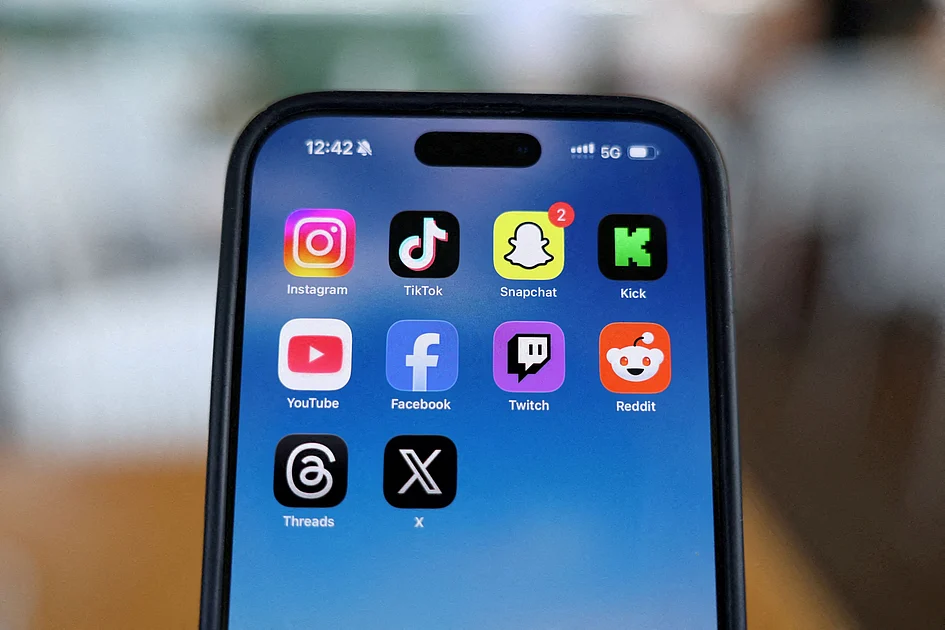
    In a significant move addressing digital wellbeing, the Indian tourist hotspot of Goa is actively exploring legislation to prohibit social media access for children under 16. This initiative mirrors a pioneering ban recently implemented in Australia and reflects growing governmental concern over the mental health risks associated with online platforms in a nation boasting over one billion internet users.

    Rohan Khaunte, Goa’s Minister for Information Technology, confirmed that state authorities are conducting a comprehensive study of Australia’s regulatory framework to devise an effective model for restricting minors’ access. “If possible, we will implement a similar ban on children below 16 for usage of social media,” Khaunte stated, adding that specific operational details would be announced subsequently.

    The southern state of Andhra Pradesh, with a substantial population exceeding 53 million, has simultaneously announced its own evaluation of comparable measures. This creates a notable contrast with Goa, which is India’s smallest state by area with an estimated population of 1.5 million, suggesting a nationwide trend may be emerging at the state level.

    Technology giants have begun responding to these potential regional bans. Meta, parent company of Facebook and Instagram, expressed a preference for legislation mandating parental oversight rather than outright prohibitions. A company spokesperson cautioned that bans might inadvertently push teenagers toward less secure, unregulated platforms, noting that teens typically use approximately 40 different applications weekly.

    India currently maintains no federal restrictions on social media usage by age, and there are no indications that the national government plans to institute such measures. The Ministry of Electronics and Information Technology did not immediately respond to requests for comment regarding these state-level initiatives. Other major platforms, including Google’s YouTube and X, have similarly remained silent on the proposals.

    This development places India among several nations, including France, Indonesia, and Malaysia, that are closely monitoring Australia’s groundbreaking social media ban for users under 16. The Australian legislation resulted in the deactivation of 4.7 million teen accounts within its first month of implementation, providing a substantial case study for other governments considering similar protective measures.

  • Dubai opens 29 new mosques in 2025 with capacity for up to 24,000 worshippers

    Dubai opens 29 new mosques in 2025 with capacity for up to 24,000 worshippers

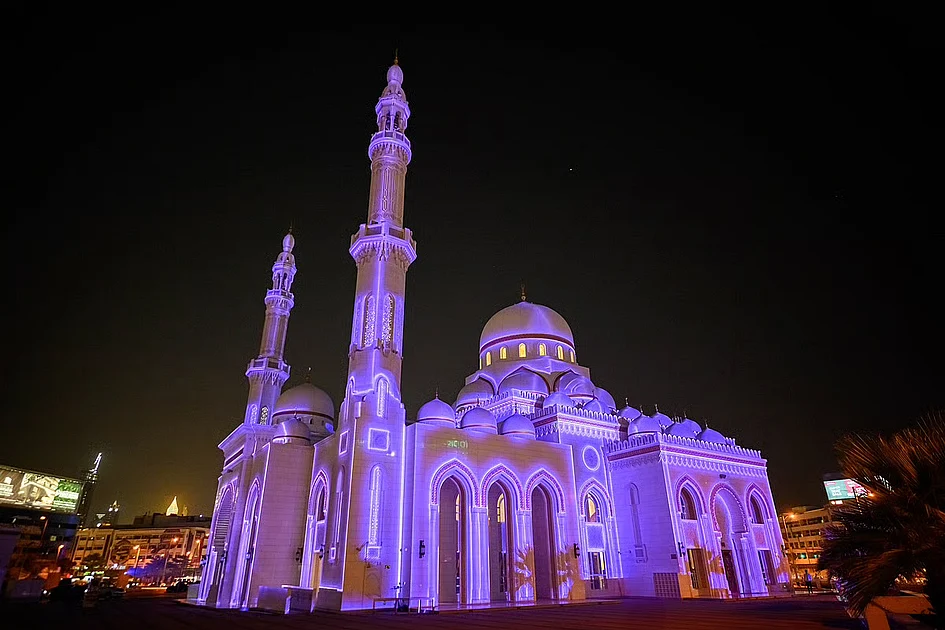
    Dubai has significantly enhanced its religious infrastructure through the inauguration of 29 new mosques in 2025, representing a major development in community facilities. The Islamic Affairs and Charitable Activities Department oversaw this Dh250 million project, creating capacity for approximately 24,000 worshippers across 28 different areas of the emirate.

    This expansion forms part of a comprehensive strategy to accommodate Dubai’s growing population and their religious needs. Beyond the completed structures, the department has allocated 56 land plots across 37 areas for future mosque construction. Simultaneously, 53 additional mosques are currently under development with an investment of Dh480 million, projected to accommodate 32,000 worshippers upon completion across 36 locations.

    The infrastructure expansion has prompted innovative solutions to manage increased foot traffic. Recognizing parking challenges during peak prayer times, particularly on Fridays, Dubai has implemented a reserved parking system for imams and muezzins to ensure uninterrupted access for religious leaders.

    In August 2025, Dubai introduced a sophisticated parking management system featuring new M and MP parking signs at mosque facilities. This initiative, part of Parkin’s managed parking system, affects over 2,100 parking spaces across 59 mosques. While implementing paid parking, the system maintains free access during prayer times, balancing revenue generation with religious accommodation.

    This dual approach of physical infrastructure expansion and smart management solutions demonstrates Dubai’s commitment to both religious accessibility and urban planning efficiency, addressing the needs of worshippers while maintaining orderly urban development.

  • Australia cancels visa of British-Israeli influencer for ‘spreading hatred’

    Australia cancels visa of British-Israeli influencer for ‘spreading hatred’

    In a decisive move against hate speech, Australian authorities have revoked the visa of British-Israeli social media influencer Sammy Yahood, preventing his entry into the country. The decision, executed just three hours before his scheduled departure from Israel, was confirmed by Home Affairs Minister Tony Burke on Monday evening.

    Yahood, an Instagram personality with 171,000 followers known for his anti-Islam rhetoric, had planned a speaking tour and self-defense workshops across Australia. The influencer has repeatedly characterized Islam as a ‘disgusting ideology’ and called for the deportation of Muslim politicians from Western nations.

    Minister Burke defended the cancellation, stating unequivocally that ‘spreading hatred is not a good reason to come to Australia.’ He emphasized that visitors must apply for appropriate visas and demonstrate legitimate purposes for their entry.

    The controversial figure, who recently relocated to Israel after growing up in London, serves as a volunteer instructor in Krav Maga, the martial art developed by the Israeli military. Following the visa denial, Yahood launched a social media tirade against Minister Burke, labeling him a ‘tyrant’ while praising the United Arab Emirates for their hospitality.

    This action occurs against the backdrop of Australia’s recently enhanced federal hate speech legislation, enacted following the mass shooting at a Jewish festival in Sydney’s Bondi Beach. The new legal framework empowers the government to designate groups that incite communal violence, deport associated individuals, and impose stricter penalties for hate crimes.

    Notably, this represents the third high-profile visa cancellation involving Israeli figures under Australia’s strengthened hate speech laws. Previous cases included far-right MP Simcha Rothman and tech entrepreneur Hillel Fuld, both denied entry over concerns about spreading division and Islamophobic rhetoric.

    The decision has drawn mixed reactions, with the conservative Australian Jewish Association issuing strong condemnation of Yahood’s visa cancellation, highlighting the complex intersection of free speech and social cohesion in contemporary immigration policy.

  • China’s garbage sorting drive still has a long way to go in many cities

    China’s garbage sorting drive still has a long way to go in many cities

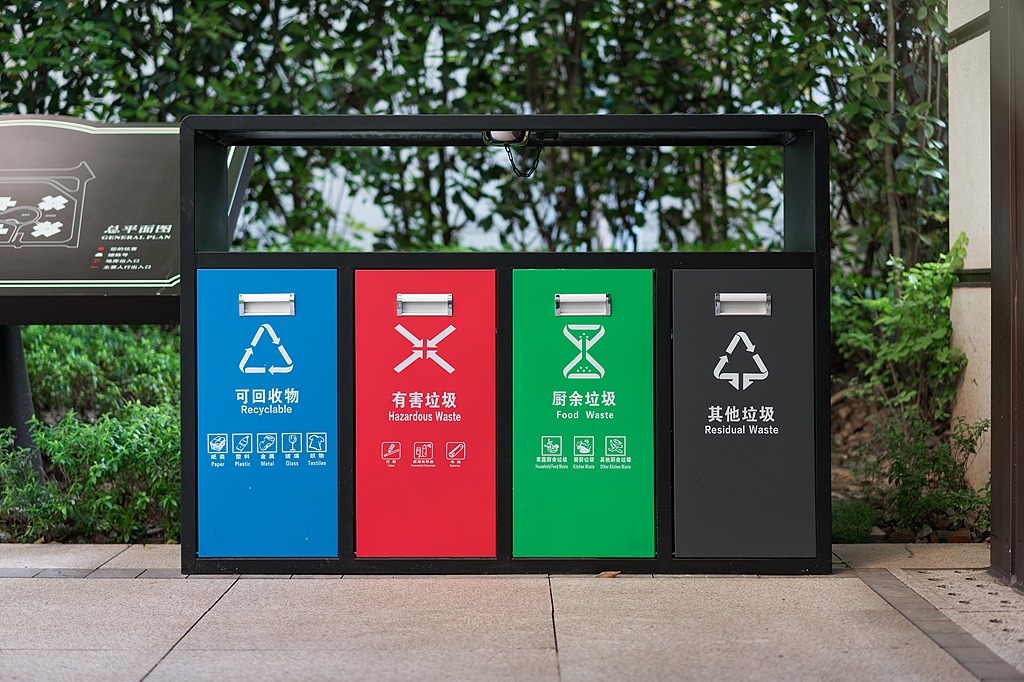
    China’s ambitious national garbage classification campaign demonstrates pronounced regional disparities, with only a handful of metropolitan areas achieving world-class implementation while most cities struggle with foundational adoption. According to a comprehensive five-year study by the Institute of Public and Environmental Affairs, the initiative remains in its preliminary stages across much of the country despite notable successes in pioneering urban centers.

    The environmental organization developed an innovative monitoring system that collected approximately 134,000 photographic and video submissions from public contributors to evaluate urban waste management performance. This crowdsourced data enabled the creation of a specialized garbage sorting index to measure and compare municipal effectiveness in promoting waste classification systems.

    Recent assessments reveal that China’s waste management infrastructure has transitioned from experimental pilot programs to an increasingly structured national framework. The eastern cities of Suzhou and Shanghai emerged as exceptional performers, with Suzhou leading the rankings at 95.74 points followed by Shanghai at 83.98 points, establishing global benchmarks for urban waste sorting efficiency.

    However, the report uncovered significant implementation challenges beyond these showcase municipalities. Among 41 designated key cities, the average waste sorting score reached merely 29.54 points, while other urban centers averaged a concerning 10.56 points. This disparity resulted in an overall national average of just 18.04 points across all 104 evaluated cities.

    Ma Jun, director of the Institute, emphasized that despite exemplary progress in leading cities, most urban areas remain in early developmental phases where voluntary waste separation habits have not taken root. The persistent practice of mixed waste disposal without effective oversight continues to hinder national progress, particularly affecting the recovery rates of less valuable recyclable materials that require more sophisticated sorting infrastructure.