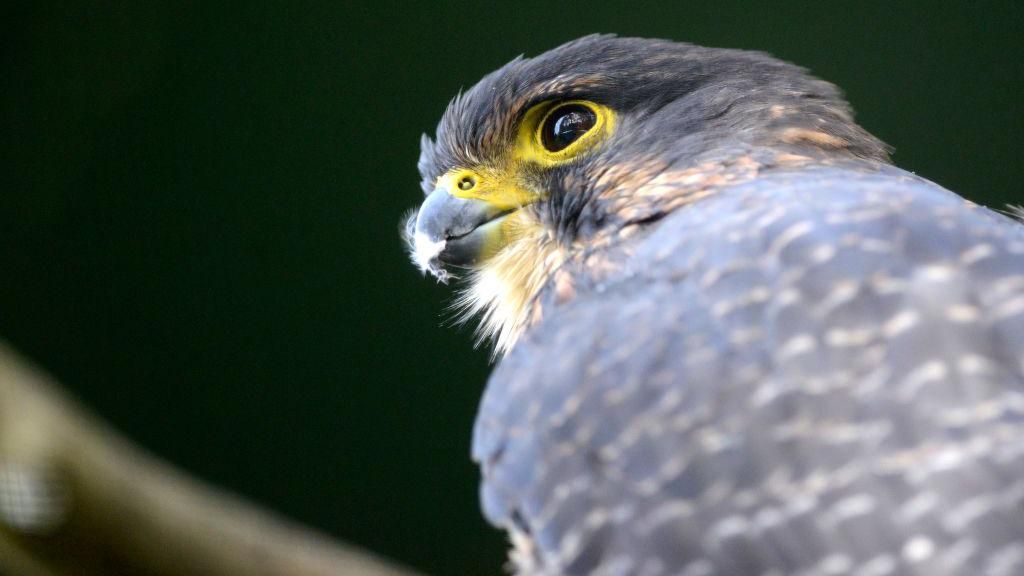
The New Zealand falcon, known by its Māori name kārearea, has soared to victory in the country’s annual Bird of the Year competition, securing 21% of the votes. Renowned for its incredible speed, reaching up to 200km/h in a dive, this high-speed hunter thrives in the dense forests of New Zealand. However, its population is dwindling, with only 5,000 to 8,000 individuals remaining. The competition, now in its 20th year, aims to raise awareness about the plight of New Zealand’s endangered native species. This year’s contest featured 73 birds, each championed by volunteer campaign managers who employed memes, reels, and hand-drawn posters to garner support. Nicola Toki, chief executive of conservation group Forest & Bird, emphasized the seriousness behind the campaign, noting that 80% of this year’s top 10 birds are at risk. Among them are the kākāpō and karure black robin, both classified as ‘nationally critical’ with fewer than 300 individuals each. Habitat destruction, climate change, and introduced predators continue to threaten these species, but Toki highlighted the power of public awareness. The competition saw a record-breaking 75,000 voters, with the kārearea not only earning the title but also inspiring a new waiata (Māori song). Other notable contenders included the kea and kakaruia black robin, which secured second and third place, respectively. The competition has gained international attention, with past controversies including voter fraud allegations and the unexpected win of a bat in 2021. New Zealand’s initiative mirrors similar efforts globally, such as Australia’s Bird of the Year competition, underscoring the importance of celebrating and conserving local birdlife.
分类: society
-
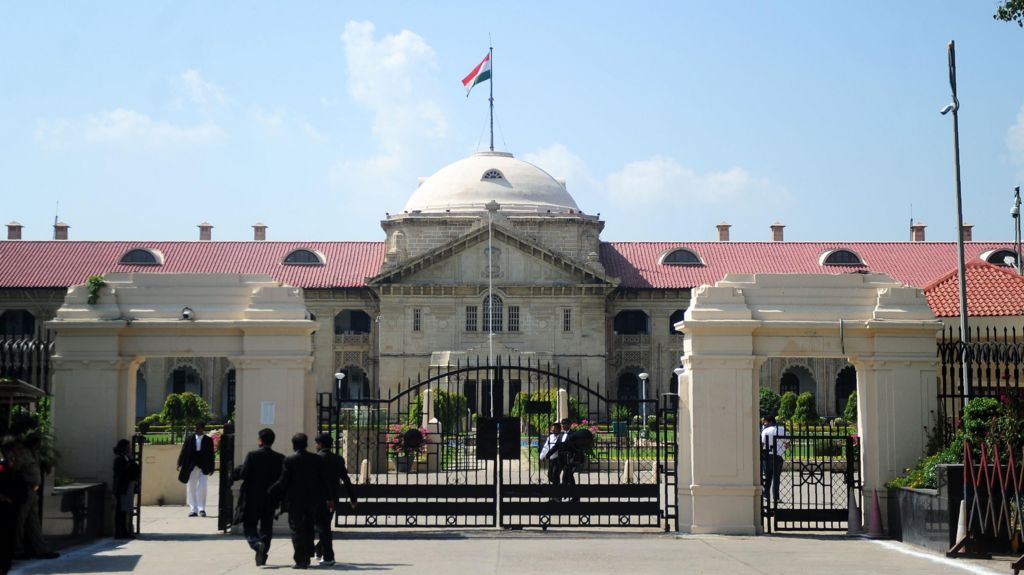
Justice on hold: India court crippled by a million-case backlog
The Allahabad High Court, one of India’s oldest and most esteemed judicial institutions, is grappling with an unprecedented crisis. With over a million pending cases, ranging from criminal trials to property disputes, the court has become a symbol of the broader challenges facing India’s judiciary. The court’s inability to resolve cases promptly has left thousands of litigants, particularly in Uttar Pradesh, India’s most populous state, in prolonged legal limbo.
-
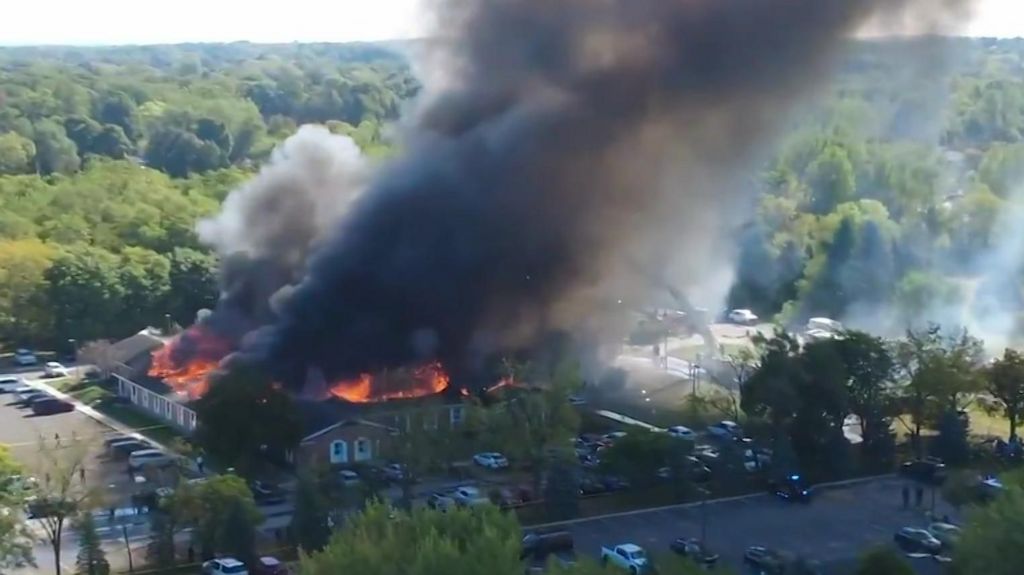
At least one person dead after shooting and fire at Mormon church in Michigan
A tragic incident unfolded at a Mormon church in Grand Blanc, Michigan, when a gunman drove a vehicle into the building and opened fire during a Sunday service, leaving one person dead and nine others injured. The attack occurred at the Church of Jesus Christ of Latter-day Saints, located approximately 60 miles northwest of Detroit, which regularly attracts hundreds of worshippers. The suspect, a 40-year-old man, allegedly set part of the church ablaze before being fatally shot by police. Authorities have since contained the fire but warned that additional victims might be discovered once it is safe to enter the building. The nine injured individuals are currently hospitalized in stable condition. Investigators are examining the suspect’s property and cellphone records to determine a motive for the attack. The FBI has deployed 100 agents to assist with the investigation, which is being led at the federal level. President Donald Trump, who was briefed on the incident, described it as “yet another targeted attack on Christians in the United States of America” in a post on Truth Social. Michigan Governor Gretchen Whitmer condemned the violence, emphasizing that such acts are “unacceptable” in places of worship. US Attorney General Pam Bondi expressed her heartbreak over the incident, urging prayers for the victims. The community remains in shock as authorities continue their investigation into this horrifying event.
-
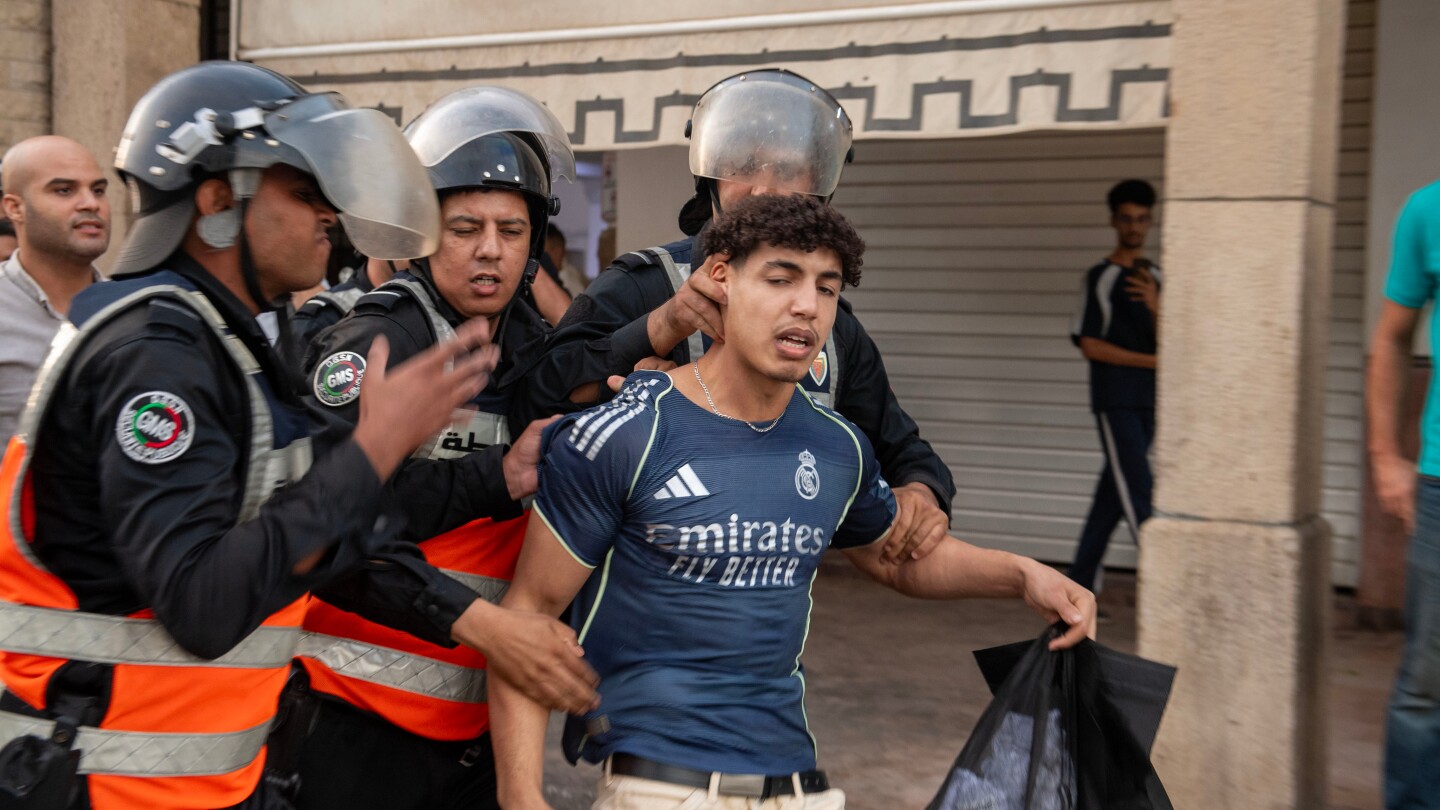
Young Moroccans clash with police while protesting stadium spending and health system decline
In a significant wave of dissent, Morocco witnessed some of its largest anti-government protests in years over the weekend, as youth-led demonstrators clashed with police and blocked highways across the nation. The protests, which spanned at least 11 cities, were fueled by widespread anger over corruption and the government’s alleged misallocation of resources. Demonstrators criticized the administration for investing heavily in international sporting events, such as the 2030 FIFA World Cup and the upcoming Africa Cup of Nations, while neglecting critical sectors like health and education. Slogans such as ‘Stadiums are here, but where are the hospitals?’ echoed through the streets, highlighting the dire state of public services. Police, both in plainclothes and riot gear, intervened to disrupt the protests, making numerous arrests in cities like Rabat, Marrakech, and Casablanca. Videos shared by local media showed plainclothes officers detaining protesters mid-interview, though authorities did not respond to inquiries about the arrests. The protests, largely organized through social media platforms like TikTok and Discord, were spearheaded by leaderless groups such as ‘Gen Z 212’ and ‘Morocco Youth Voices.’ These movements, driven by Morocco’s Gen Z population, have drawn inspiration from youth-led protests in Nepal, channeling frustration over systemic corruption, nepotism, and a lack of opportunities. The unrest was further exacerbated by recent tragedies, including the deaths of eight women during childbirth at a public hospital in Agadir. Despite government assurances of reforms, public anger remains high, with demonstrators demanding comprehensive systemic changes. The Moroccan Association for Human Rights reported over 120 arrests, condemning the crackdown on free expression. As the protests continue to gain momentum, the government faces mounting pressure to address the grievances of its youth, who represent the largest demographic in the country.
-
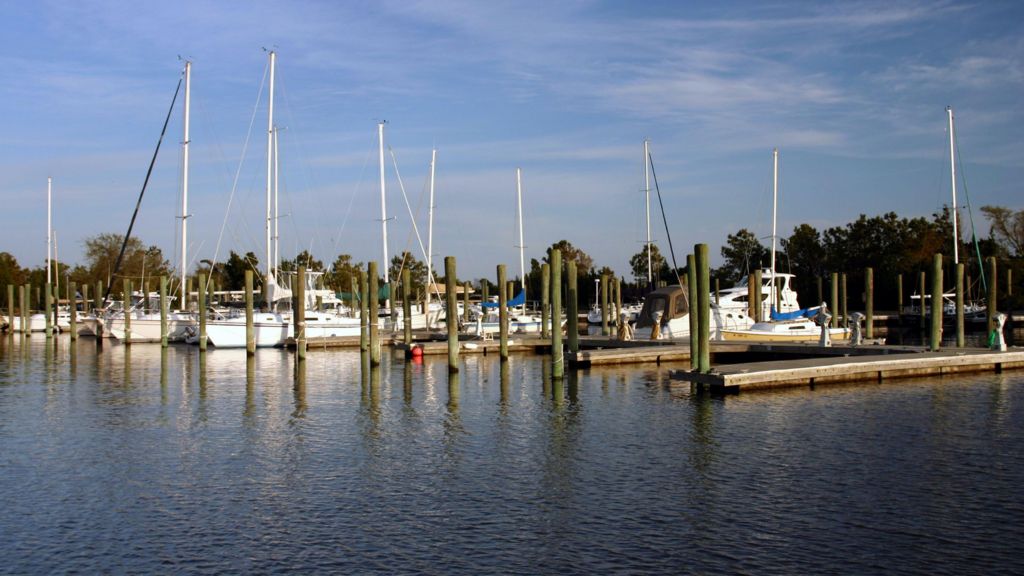
Three dead and several injured after shooting at US waterfront bar
Southport, North Carolina, a quaint coastal town with a population of just under 4,000, was struck by tragedy on Saturday evening when a shooter opened fire from a boat at a bustling waterfront bar. The incident, which occurred outside the American Fish Company at the Southport Yacht Basin, resulted in three fatalities and multiple injuries. According to city spokesperson ChyAnn Ketchum, the assailant arrived by boat around 21:30 local time (01:30 GMT) and began shooting before fleeing towards the Intracoastal Waterway. Law enforcement officials reported that a suspect matching the description was apprehended by the US Coast Guard approximately half an hour later near Oak Island, located about 12 miles (19km) west of the scene. The suspect’s identity remains undisclosed. Southport Police Chief Todd Coring expressed deep sorrow, describing the event as ‘a very tragic night’ for the close-knit community. ‘We’re a small community, one of the communities where everybody knows everybody,’ Chief Coring remarked. Authorities confirmed that six individuals were injured and are currently receiving medical treatment. The identities of the deceased have not yet been released. In response to the incident, Southport officials issued a statement advising residents to stay indoors during the active shooter investigation. Chief Coring later reassured the public, stating, ‘I’m comfortable to say that we don’t feel like there’s any additional threats to the community.’ This shocking event has once again highlighted the pervasive issue of gun violence in the United States.
-
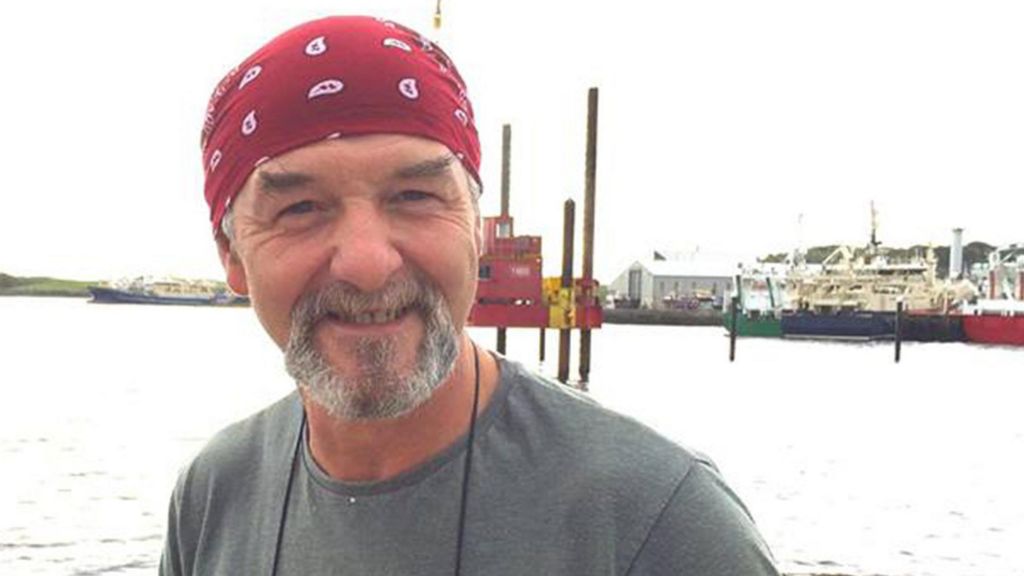
Fisherman ‘lost his life doing what he loved’
The Irish fishing community is mourning the loss of Kevin McCloskey, a seasoned fisherman and former chairman of the Killybegs Fishermen’s Organisation (KFO), who tragically lost his life after his boat ran aground off the Sligo coast. McCloskey, a resident of County Donegal, had been missing since Thursday evening when a member of the public alerted authorities after spotting his stranded vessel with its engine still running near Cliffoney Beach. An extensive three-day search operation, led by the Irish Coast Guard and involving multiple agencies, culminated in the discovery of his body off the port village of Teelin on Saturday evening. The KFO expressed deep sorrow over the incident, describing McCloskey as a respected and experienced fisherman who dedicated his life to the industry. The Coast Guard extended its condolences to his family and acknowledged the efforts of all search units and local fishing vessels involved in the operation. McCloskey’s death has been deemed a significant loss for the fishing community, with the KFO noting that he was known for his positive outlook on life and his passion for fishing.
-
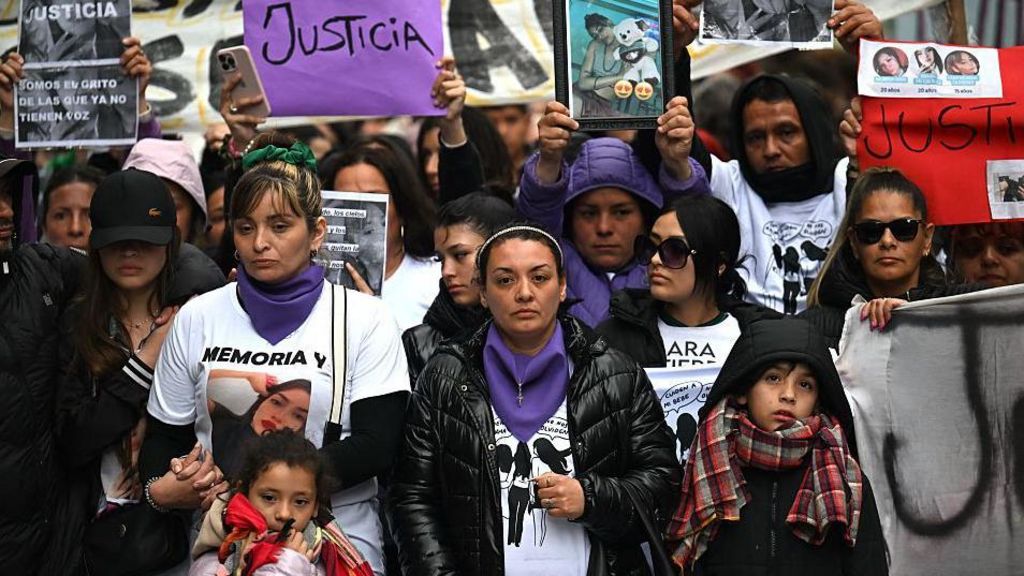
Brutal killings of young women leave Argentina in shock and anger
Thousands of demonstrators flooded the streets of Buenos Aires in a powerful anti-femicide protest, demanding justice for the horrific murders of a 15-year-old girl and two young women. The victims, identified as Lara Gutierrez, Morena Verdi, and Brenda del Castillo, were brutally tortured and killed in a crime that has sent shockwaves across Argentina. The gruesome act was allegedly livestreamed on social media by a drug-trafficking gang, purportedly as a warning to others. Authorities have arrested five suspects, including three men and two women, but the alleged ringleader, a 20-year-old Peruvian man, remains at large. The victims were reportedly lured into a van on September 19 under the pretense of attending a party, only to be subjected to a calculated act of violence for violating gang codes. A chilling video, discovered after one of the detainees disclosed its existence, features a gang leader stating, ‘This is what happens to those who steal drugs from me.’ The bodies of the victims were found buried in a suburban Buenos Aires yard five days after their disappearance. The protest, organized by human rights groups under the slogan ‘There are no good or bad victims, only femicide,’ saw emotional pleas from the victims’ families. Brenda’s father, Leonel del Castillo, emphasized the urgent need for greater protection for women, while her grandfather, Antonio del Castillo, condemned the perpetrators as ‘bloodthirsty.’ Argentina, where a woman is killed by a man every 36 hours, continues to grapple with the pervasive issue of gender-based violence.
-
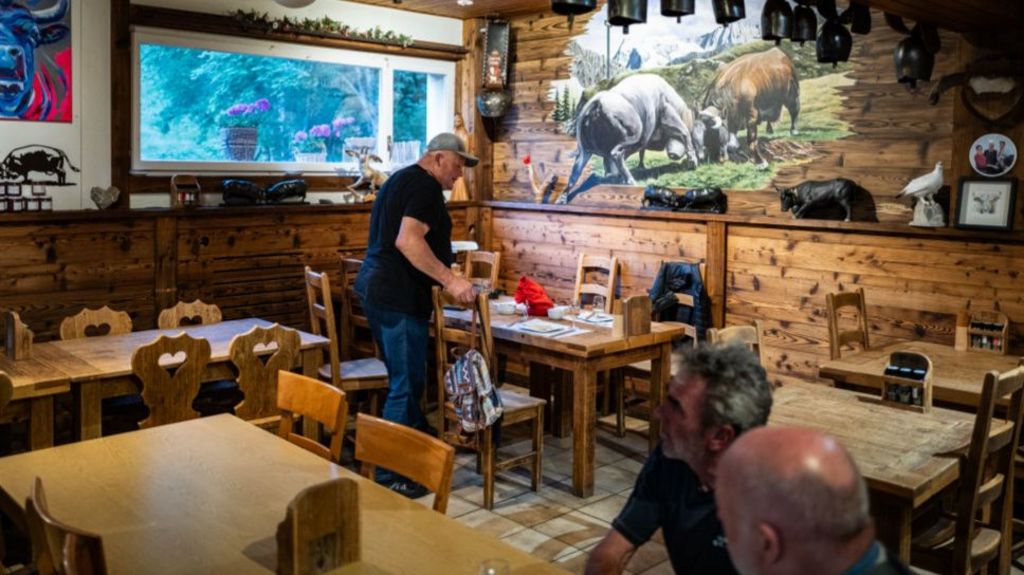
Swiss vote on electronic identity cards for second time
Swiss citizens are heading to the polls this Sunday to decide on the introduction of electronic identity cards, a proposal that has already gained parliamentary approval and government endorsement. This marks the second nationwide referendum on the issue, following a 2021 rejection driven by data protection fears and unease over private sector involvement. The revised plan ensures the system remains entirely public, with data stored on users’ smartphones rather than centrally, and participation remains optional. Citizens can still opt for the traditional national identity card, a long-standing standard in Switzerland. To address privacy concerns, authorities will only access specific details, such as proof of age or nationality, rather than comprehensive personal data. Proponents argue the system will streamline bureaucratic processes, from obtaining phone contracts to age verification for purchases, making daily life more convenient. However, Switzerland’s strong tradition of privacy protection, exemplified by its banking secrecy laws and stringent regulations on Google Street View, fuels opposition. Critics, who gathered enough signatures to force the referendum, fear the system could still enable tracking and marketing misuse, despite new safeguards. Recent polls suggest voters may now be more open to the idea, partly due to their positive experience with the Covid ID, which facilitated access to public spaces during the pandemic. Many Swiss, already active smartphone and social media users, acknowledge that tech giants already collect extensive personal data, leading some to believe that limited government access would not significantly impact privacy.
-

Instagram vs reality: Bali is becoming a victim of its own success
Bali, Indonesia’s iconic tropical haven, has long been a magnet for travelers seeking serenity and natural beauty. However, recent social media outcries reveal a growing disillusionment among tourists, who find the reality of Bali starkly different from the idyllic images portrayed online. Zoe Rae, a visitor who documented her experience on YouTube, expressed her disappointment, stating that the island’s charm was overshadowed by congestion and unfulfilled expectations. Her sentiments echo a broader trend of ‘expectations vs reality’ posts, highlighting issues like overcrowded beaches, traffic jams, and environmental degradation.
-
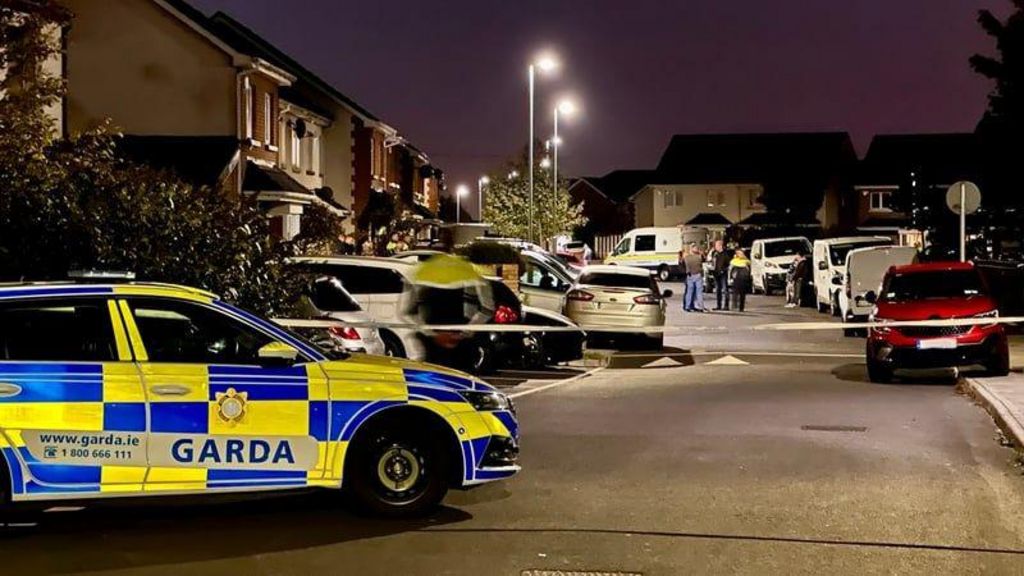
Bodies of child and man found at house in Dublin
A somber investigation is underway in Dublin following the grim discovery of two bodies at a residence in Finglas on Saturday evening. Gardaí, the Irish police force, were alerted to the scene in the Cappagh area shortly before 8:00 PM local time. The victims, identified as a young girl and a man, were found lifeless within the property. Authorities have cordoned off the location to facilitate a thorough forensic examination, ensuring that all potential evidence is meticulously preserved. The Office of the State Pathologist has been engaged to assist in determining the cause of death, and the coroner has been formally notified. This tragic incident has cast a shadow over the local community, with many awaiting further details as the investigation progresses.