分类: society

  • Year-ender: Moving moments of 2025

    Year-ender: Moving moments of 2025

    As 2025 draws to a close, a retrospective examination reveals a year remarkably characterized by profound human connections and selfless acts that transcended geographical and cultural boundaries. Across China and beyond, ordinary individuals demonstrated extraordinary compassion through both subtle gestures of kindness and courageous interventions that captured global attention.

    This year’s most memorable incidents collectively painted a mosaic of human resilience, ranging from spontaneous community responses to natural disasters to organized volunteer efforts supporting vulnerable populations. These narratives not only provided emotional solace during challenging times but also reinforced fundamental social values through practical action rather than mere rhetoric.

    Documented instances included grassroots initiatives addressing educational disparities, environmental conservation efforts driven by local communities, and cross-generational solidarity movements that bridged traditional divides. The cumulative impact of these developments suggests a growing societal recognition that meaningful change often originates from individual actions rather than institutional directives alone.

    Visual documentation through various media platforms has preserved these ephemeral moments, creating an archival record that future generations may study as evidence of 2025’s distinctive social fabric. This compilation serves not as comprehensive chronology but as representative sampling of how contemporary challenges were met with innovative empathy and collective determination.

  • Afghanistan’s historic Ariana Cinema torn down to make way for shopping center

    Afghanistan’s historic Ariana Cinema torn down to make way for shopping center

    KABUL, Afghanistan — The iconic Ariana Cinema, a cultural landmark that withstood decades of revolution and warfare in Afghanistan’s capital, has been completely demolished by municipal crews, marking the end of an era for Afghan cinema enthusiasts. The demolition began on December 16 and within one week, the historic structure was reduced to rubble.

    Established in 1963 during Afghanistan’s liberalizing monarchy, the cinema represented modernization efforts with its sleek architecture and became a cherished entertainment venue featuring Bollywood films and American action movies. Despite surviving Soviet invasion, civil war, and previous Taliban rule, the cinema couldn’t withstand the current administration’s urban development plans.

    The Taliban government, which seized power in 2021 following the withdrawal of U.S. and NATO forces, has implemented strict interpretations of Islamic law that prohibit most forms of entertainment. Earlier this year, the regime formally dissolved the Afghan Film Administration and ordered all cinemas to cease operations.

    Kabul municipal authorities justified the demolition by citing commercial development priorities. Niamatullah Barakzai, municipal spokesman, stated: ‘The area represents prime commercial real estate with significant market potential. Our objective is to generate substantial municipal revenue through strategic development of city-owned properties.’

    For Afghan artists and cinema enthusiasts, the destruction represents more than architectural loss. Amir Shah Talash, an Afghan film director and actor now residing in France, described the demolition as ‘devastatingly painful news.’ Talash, whose childhood visits to the Ariana inspired his cinematic career, noted: ‘They’re not merely destroying bricks and cement but eradicating the resilience of Afghan cinema lovers who persisted through immense security challenges and hardships.’

    The cinema had previously been destroyed during civil conflicts and was rebuilt in 2004 with French assistance following the Taliban’s initial ouster. It had recently served as a cultural hub where Kabul residents sought respite from daily struggles through film. ‘It provided mental and emotional relief during difficult times,’ Talash recalled. ‘This demolition signifies regression in our cultural development.’

    The loss resonates internationally among South Asian cinema enthusiasts. Pakistani film lover Sohaib Romi recounted traveling to Kabul in 1974 to watch Indian films during periods of cultural prohibition in Pakistan. ‘My most cherished memories now lie buried beneath the Ariana’s rubble,’ Romi lamented.

    Despite the physical destruction, Talash maintains hope for Afghan artistic expression: ‘While buildings may collapse, authentic art persists within people’s hearts and minds. The future appears challenging but not entirely hopeless.’

  • Sharjah Ruler announces govt employee status, pay for imams, muezzins

    Sharjah Ruler announces govt employee status, pay for imams, muezzins

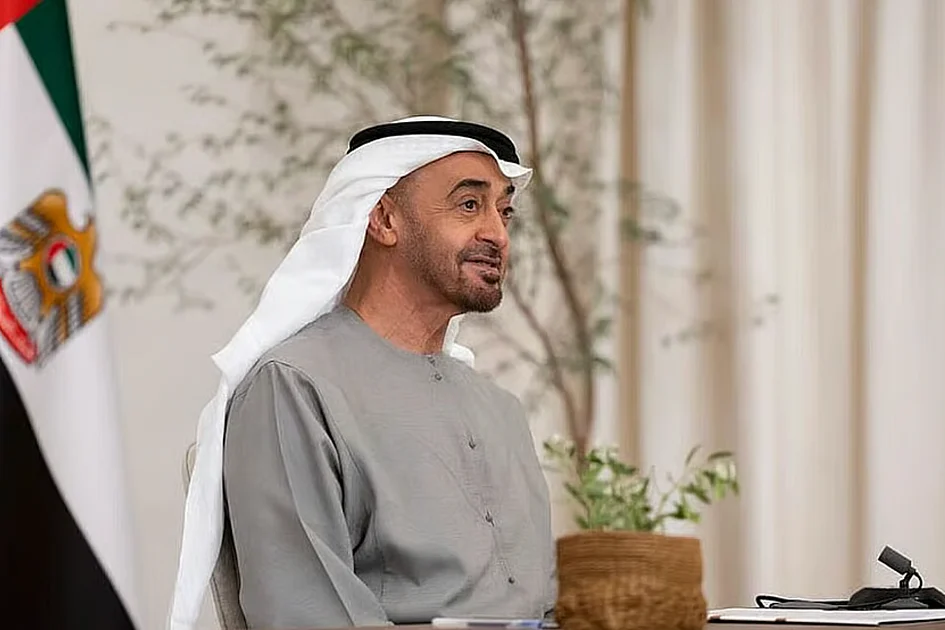
    In a landmark decision that recognizes the vital role of religious leaders, His Highness Sheikh Dr. Sultan bin Mohammed Al Qasimi, Supreme Council Member and Ruler of Sharjah, has officially designated all imams and muezzins throughout the emirate as government employees. This transformative policy shift, announced on December 25, 2025, grants these religious figures the complete spectrum of benefits and privileges enjoyed by public sector staff.

    The directive mandates the placement of mosque leaders on the emirate’s general government payroll, making them eligible for career promotions, comprehensive health insurance coverage, and various financial allowances. A significant component is a specialized work nature allowance of Dh3,000, acknowledging the unique demands of their spiritual duties.

    A particularly notable provision addresses periodic leave management. Imams and muezzins will retain their accrued leave balance indefinitely if they choose not to utilize it. In coordination with the Department of Islamic Affairs, they will receive monetary compensation equivalent to the value of this unused leave.

    This initiative represents a formal institutional recognition of the essential services provided by these religious leaders in maintaining places of worship and serving community spiritual needs. The policy underscores Sharjah’s commitment to supporting those who serve in houses of God, ensuring their dedication is met with appropriate professional and financial security.

  • Saudi Arabia: Man jumps from upper floor of Masjid Al Haram, ‘attempts to take own life’

    Saudi Arabia: Man jumps from upper floor of Masjid Al Haram, ‘attempts to take own life’

    A distressing incident unfolded at Islam’s holiest site on December 25, 2025, when an individual attempted suicide by jumping from an upper floor of Masjid Al Haram in Mecca. According to Saudi Arabia’s Ministry of Interior, security personnel from the Special Force for the Security of the Grand Mosque immediately responded to the emergency situation.

    During the intervention, a security officer sustained injuries while attempting to break the fall of the individual. Both the would-be suicide victim and the injured officer were promptly transferred to medical facilities for emergency treatment. Authorities confirmed that all necessary legal procedures have been completed following the incident.

    The Haram security forces issued an official statement clarifying: ‘There was an incident of a person attempting to take his own life from the upper floors of the Grand Mosque. A security officer was injured while trying to prevent him from hitting the ground at the moment of his fall.’ The statement emphasized that both individuals received immediate medical attention and that official protocols were followed.

    This event marks a rare security and humanitarian challenge at one of the world’s most frequently visited religious sites, which typically sees millions of worshippers annually during pilgrimage seasons. The incident highlights both the ongoing mental health challenges in society and the dedication of security forces tasked with protecting visitors to the holy site.

  • UAE: 3 types of official New Year holidays announced to welcome 2026

    UAE: 3 types of official New Year holidays announced to welcome 2026

    The United Arab Emirates has taken a decisive step toward safeguarding its younger generation with the introduction of comprehensive legislation designed to protect children from digital risks. This pioneering law establishes a robust framework to ensure the secure and responsible use of technology among minors, addressing growing concerns about online safety in an increasingly digital world.

    The legislation mandates strict guidelines for technology providers, educational institutions, and parents to collaboratively create a protected digital environment. It encompasses measures against cyberbullying, inappropriate content exposure, data privacy violations, and other potential threats that children might encounter online. The law also emphasizes digital literacy programs to empower children with the knowledge to navigate the digital landscape safely.

    Concurrently, Dubai continues its tradition of spectacular celebrations with announcements of an expansive New Year’s Eve display for 2026. The emirate plans to illuminate the sky with 48 synchronized fireworks displays across 40 different locations, creating a breathtaking panorama that will be visible throughout the city. This ambitious project underscores Dubai’s position as a global hub for tourism and grand-scale events, combining technological innovation with cultural celebration.

    The simultaneous revelation of these developments presents a striking contrast between the UAE’s forward-thinking approach to digital child protection and its commitment to maintaining its reputation for world-class entertainment and tourism experiences.

  • Dubai Courts to close payment operations on December 31, 2025

    Dubai Courts to close payment operations on December 31, 2025

    Dubai Courts has officially declared a temporary suspension of all in-person payment processing services on December 31, 2025, in observance of New Year’s Eve celebrations. The closure will affect both morning and evening operational periods, marking a strategic pause to accommodate the extensive festivities planned throughout the emirate.

    While traditional payment counters will remain inactive during this period, the judiciary body emphasized that digital payment channels will maintain uninterrupted service. Litigants and legal representatives can continue to process court fees and settlements through the official Dubai Courts website, ensuring minimal disruption to judicial proceedings.

    This operational adjustment reflects Dubai’s continued commitment to digital transformation in its judicial services. The announcement, made on December 25, 2025, provides ample notice for court users to plan their transactions accordingly, either utilizing the electronic platforms or scheduling in-person payments outside the specified closure window.

    The digital payment infrastructure has become increasingly sophisticated, building upon previous innovations such as Abu Dhabi’s pioneering adoption of AE Coin digital currency for judicial services. This stablecoin, regulated by the UAE Central Bank, represents the region’s progressive approach to integrating blockchain technology into governmental operations, though Dubai Courts’ current electronic systems utilize more conventional digital payment methods.

  • Quiz of the Year 2025, Part 2: What did Katy Perry sing on that all-female space flight?

    Quiz of the Year 2025, Part 2: What did Katy Perry sing on that all-female space flight?

    As the seasonal transition from spring to summer unfolded, several notable events captured international attention. Mark Carney unexpectedly guided Canada’s Liberal Party to a remarkable electoral triumph, while Britain’s Prince Harry disclosed to the BBC his earnest desire to mend fractured relationships within the Royal Family. Simultaneously, football icon David Beckham received prestigious royal recognition through knighthood honors.

    These developments, however, represent merely a fraction of the significant occurrences that shaped the global landscape during this period. The second installment of our comprehensive four-part annual quiz now challenges participants to assess their recollection of world events from April through June. This carefully curated assessment features 52 thought-provoking questions corresponding to each week of the year, compiled by quizmaster Ben Fell.

    For those seeking additional intellectual engagement, the publication offers access to part one covering January through March, alongside an extensive archive of historical quizzes spanning diverse topics including space tourism developments, Katy Perry’s cultural influence, evolving trends in pop music, United States current affairs, and broader musical phenomena.

  • Abu Dhabi: Five suffocate after using firewood, charcoal heating in homes

    Abu Dhabi: Five suffocate after using firewood, charcoal heating in homes

    Abu Dhabi police authorities have issued a critical public safety alert following multiple incidents of carbon monoxide poisoning from traditional heating methods. Five individuals required emergency medical attention after using firewood and charcoal heaters in poorly ventilated residential spaces during recent colder weather.

    Major General Mohammed Suhail Al Rashdi, Director of the Criminal Security Sector at Abu Dhabi Police, confirmed that rapid emergency response prevented fatalities in these cases. The incidents highlight a persistent public health challenge as some residents continue using traditional heating methods despite widespread availability of modern alternatives.

    Brigadier Saeed Humaid bin Dalmouj Al Dhaheri, Director of Al Ain Police Directorate, elaborated on the dangers: ‘The practice of lighting fires using firewood or charcoal inside enclosed spaces presents severe risks, particularly when safety measures are neglected.’ He specifically warned against overnight use of such heaters and sleeping in proximity to them due to dual threats of suffocation and fire hazards.

    Police recommendations include operating traditional heaters exclusively outdoors or ensuring they are equipped with specialized exhaust systems to direct smoke outside. Authorities emphasized the necessity of maintaining adequate ventilation in all living spaces and completely extinguishing heating devices outside residential areas after use.

    The warning comes during a period of increased heating needs in the region, with officials urging residents to prioritize modern, safe heating solutions over traditional methods that pose significant health and safety risks.

  • Abu Dhabi to allow pets in some restaurants, hotels under new law

    Abu Dhabi to allow pets in some restaurants, hotels under new law

    In a significant policy shift, Abu Dhabi has officially amended its municipal regulations to permit companion animals in designated hospitality venues across the emirate. The Department of Municipalities and Transport (DMT) announced the regulatory changes on December 25, 2025, marking a departure from previous restrictions that exclusively allowed certified service animals in food establishments.

    The amendments to Chairman’s Decision No. (4) of 2018, established under Law No. (2) of 2012, specifically enable hotels and restaurants holding tourism licenses to welcome pets alongside their owners. The revised legislation defines companion animals as domesticated pets that typically accompany owners outside residential settings, primarily encompassing cats and dogs.

    Under the new framework, participating establishments must implement specific zoning arrangements to accommodate animal companions. The regulations mandate designated pet-friendly areas, preferably in open-air environments such as outdoor terraces or balcony sections. For indoor accommodations, venues are required to create appropriately enclosed zones that comply with established health and safety protocols while ensuring animal welfare standards.

    The regulatory update emphasizes the importance of maintaining equilibrium between pet owners’ privileges and general public comfort. Establishments choosing to implement pet-friendly policies must ensure that their animal accommodation provisions do not compromise overall hygiene standards or disrupt the dining experience of other patrons. This balanced approach aims to foster a harmonious environment for all guests while progressively expanding pet accessibility in the emirate’s hospitality sector.

    The policy revision reflects Abu Dhabi’s ongoing efforts to modernize urban regulations in line with evolving societal trends and international best practices regarding animal companionship in public spaces.

  • Indonesians raise white flags as anger grows over slow flood aid

    Indonesians raise white flags as anger grows over slow flood aid

    In Indonesia’s Aceh province, a sea of white flags has emerged as a powerful symbol of desperation following catastrophic November floods. The disaster, triggered by an unusual cyclone, claimed over 1,000 lives across Sumatra with Aceh accounting for nearly half the fatalities. Despite widespread destruction that displaced hundreds of thousands, survivors face critical shortages of clean water, food, electricity, and medical supplies.

    The crisis has exposed deepening tensions between local authorities and President Prabowo Subianto’s administration. North Aceh Governor Ismail A Jalil emotionally pleaded for recognition of the devastation, while Prabowo has refused international assistance, asserting Indonesia can handle the disaster independently. His government has declined to declare a national disaster—a move that would unlock emergency funds and streamline relief operations.

    Protesters in Banda Aceh have transformed the white flag from a surrender symbol to an international distress call. ‘They are a signal to grab attention about the terrible conditions in Aceh,’ explained rally participant Husnul Khawatinnissa. The demonstrations highlight growing frustrations with what critics describe as reactive and disorganized governance.

    The situation evokes painful memories of the 2004 tsunami, with residents noting that despite that disaster’s greater scale, relief arrived more promptly. The current administration has allocated 60 trillion rupiah ($3.6 billion) for reconstruction, but many communities remain isolated with destroyed infrastructure.

    Analysts suggest Prabowo’s refusal of foreign aid represents a political calculation prioritizing sovereignty perceptions over practical crisis management. This stance has drawn criticism from researchers who note the government appears increasingly out of touch with ground realities. Meanwhile, flood survivors like Rindu Majalina describe fighting ‘like zombies’ for scarce supplies, highlighting the human toll of the political impasse.