
Thousands of residents in Gabes, a southern Tunisian city, took to the streets on Wednesday in a massive demonstration demanding the shutdown of a local chemical complex. The protest follows a series of alarming health incidents, including numerous cases of intoxication and fainting spells, particularly among schoolchildren living near the Tunisian Chemical Group (GCT), a major producer of phosphate-based fertilizers. Social media footage captured harrowing scenes of unconscious individuals being carried by firefighters and treated with oxygen masks. A local official reported that 122 people required medical attention, with symptoms ranging from suffocation to leg pain and numbness. This marks the third such incident since early September, reigniting long-standing grievances over environmental pollution caused by the plant. Residents have long accused GCT of contaminating beaches, groundwater, and air, leading to respiratory illnesses and a spike in cancer rates in an already impoverished community. The protest, organized by the Stop Pollution collective, saw chants of ‘Gabes wants to breathe!’ and ‘We have the right to live in a clean city!’ Tunisians nationwide expressed solidarity online using the hashtag ‘We are all Gabes.’ However, the demonstration was met with heavy-handed police intervention, including the use of teargas, which caused additional injuries. The crackdown has drawn widespread condemnation, with activists decrying the disproportionate response to a peaceful movement. Environmental protests in Tunisia have increasingly faced repression, particularly since President Kais Saied’s 2021 power consolidation. While Saied has criticized the plant’s poor maintenance and pledged to promote a ‘green Tunisia,’ the government remains conflicted due to phosphate’s economic significance. Despite a 2017 commitment to phase out the Gabes plant, recent policy shifts have reclassified phosphogypsum, a hazardous byproduct, as exploitable under certain conditions. Saied has also ordered a significant increase in fertilizer production to capitalize on global market trends, further complicating the path to environmental justice.
分类: society
-

Saudi Arabia launches huge Mecca expansion with tall towers overlooking Kaaba
Saudi Arabia has unveiled an ambitious expansion project near the Grand Mosque in Mecca, named ‘King Salman Gate’ in honor of the reigning monarch. Officially launched on Wednesday, the project spans an impressive 12 million square meters and aims to enhance the spiritual and logistical experience for pilgrims. The development will feature residential, hospitality, commercial, and cultural facilities, with capacity for approximately 900,000 indoor and outdoor prayer spaces. Renderings and a video released by the Public Investment Fund (PIF) depict towering skyscrapers overlooking the Grand Mosque, with pilgrims praying towards the Kaaba from various vantage points. The project, developed by RUA AlHaram AlMakki Co., a subsidiary of the PIF, is expected to generate over 300,000 jobs over the next decade, aligning with Saudi Arabia’s Vision 2030 economic diversification plan. While the project’s cost and construction timeline remain undisclosed, it underscores Riyadh’s commitment to expanding infrastructure in Mecca and Medina. The expansion aims to accommodate over 30 million foreign pilgrims annually by 2030, leveraging the cities’ religious significance for Hajj and Umrah pilgrimages. However, the project may face criticism due to the scale of the new buildings, reminiscent of the controversial Royal Clock Tower, which has been criticized for overshadowing the Kaaba and its opulent amenities. Despite potential backlash, Saudi Arabia continues to prioritize development in its holy cities, ensuring they remain central to global Islamic tourism.
-

India’s pollution refugees fleeing Delhi’s toxic air
In a growing trend, families in New Delhi are abandoning the city’s toxic air in search of healthier environments, prioritizing their children’s well-being over urban ties. Natasha Uppal, a 36-year-old maternal health advocate, and her husband made the life-altering decision to leave Delhi in 2022 after years of battling severe migraines and indoor confinement due to hazardous air quality. Their relocation to Bengaluru coincided with the discovery of her pregnancy, marking a pivotal moment in their lives. Uppal described the move as the ‘best decision,’ emphasizing that clean air is a ‘basic human right.’ While Bengaluru’s air quality occasionally exceeds World Health Organization (WHO) limits, it pales in comparison to Delhi’s months-long smog, allowing her son to play outdoors freely. Delhi, home to over 30 million people, consistently ranks among the world’s most polluted cities. Each winter, the capital is engulfed in a toxic haze fueled by crop burning, factory emissions, and vehicular pollution. PM2.5 levels, cancer-causing microparticles small enough to enter the bloodstream, have soared to 60 times WHO limits. Despite government measures like partial vehicle bans and cloud-seeding trials, the crisis persists. A 2022 study in The Lancet Planetary Health estimated that 3.8 million deaths in India between 2009 and 2019 were linked to air pollution. The UN children’s agency warns that polluted air heightens children’s risk of acute respiratory infections. Vidushi Malhotra, another Delhi expatriate, relocated to Goa in 2021 after her two-year-old son repeatedly fell ill. She now encourages others to follow suit, sparking what she calls a ‘mini-movement.’ Meanwhile, some families, like Roli Shrivastava’s, remain in Delhi but live in constant anxiety. Shrivastava, whose toddler suffers from worsening respiratory issues each winter, prepares for another season indoors, relying on air purifiers and nebulisers. She admits that relocation is a frequent consideration, stating, ‘Delhi is not a good place to raise kids when it comes to air pollution.’
-

Watch: Moment grain silo collapses in Illinois
A dramatic incident unfolded in Martinton, Illinois, approximately 80 miles south of Chicago, when a grain silo filled with soybeans unexpectedly collapsed. The event, captured on video, showed the structure giving way under the weight of its contents, sending debris and soybeans cascading to the ground. Fortunately, local authorities confirmed that there were no injuries reported in the aftermath of the collapse. The cause of the incident remains under investigation, with officials examining potential structural failures or other contributing factors. The collapse has raised concerns about the safety and maintenance of agricultural storage facilities in the region. Residents and workers in the area expressed relief that no one was harmed, but the incident serves as a stark reminder of the potential dangers associated with such structures. Authorities are now working to assess the damage and ensure that similar incidents are prevented in the future.
-

UAE emerges as Arab world’s most improved higher education system
The United Arab Emirates (UAE) has solidified its position as the Arab world’s most improved higher education system, according to the recently released QS World University Rankings: Arab Region 2026. This year, 15 UAE universities were featured in the rankings, with nine institutions climbing the ladder, one maintaining its position, and four experiencing slight declines. Notably, the University of Fujairah made its debut in the 151–160 band, marking a significant milestone for the nation’s academic landscape. The UAE, alongside Saudi Arabia, continues to dominate the region’s higher education sector, with both countries boasting three universities in the top 10 and six in the top 20—double the number of any other nation. Khalifa University achieved its highest-ever ranking, securing third place, while United Arab Emirates University held steady at fifth. The American University of Sharjah rose to ninth, and the University of Sharjah entered the top 20 for the first time, ranking fourteenth. Dr. Ashwin Fernandes, QS Executive Director for AMESA, highlighted the UAE’s excellence in internationalisation, with institutions like Al Ain University and The British University in Dubai ranking among the region’s most international universities. QS data projects that international student enrollment in the UAE will surge to nearly 120,000 by 2030. The UAE also recorded the highest system-wide improvement rate among Arab nations at 33%, with significant gains in employer reputation, web impact, and international student ratios. Nine of the top 10 universities for international faculty and seven for international students are based in the UAE, underscoring its growing global appeal.
-

Prince Andrew accuser says he acted as if sex with her was ‘birthright’: Memoir
In a shocking revelation from her posthumous memoir, Virginia Giuffre, a central figure in the Jeffrey Epstein scandal, has accused Britain’s Prince Andrew of behaving as if having sex with her was his “birthright.” The memoir, titled “Nobody’s Girl: A Memoir of Surviving Abuse and Fighting for Justice,” details Giuffre’s allegations of sexual encounters with Andrew, including when she was under 18. Giuffre, who passed away on April 25, rose to prominence after accusing Epstein of using her as a sex slave and alleging that Andrew had assaulted her. Despite Andrew’s repeated denials and a multimillion-dollar settlement to avoid trial, Giuffre’s memoir paints a damning picture of the prince’s alleged entitlement and misconduct. The book, set to be published by Knopf on October 21, includes extracts published by The Guardian, where Giuffre describes meeting Andrew in London in 2001. She recounts how Andrew correctly guessed her age, mentioning that his daughters were slightly younger. The memoir also details their visit to the Tramp nightclub and subsequent return to Ghislaine Maxwell’s London house, where Giuffre alleges the sexual encounter took place. Maxwell, Epstein’s associate, was sentenced to 20 years in prison in 2022 for recruiting underage girls for Epstein. Giuffre’s memoir further alleges that Epstein paid her $15,000 for “servicing the man the tabloids called Randy Andy.” Andrew’s association with Epstein has severely damaged his reputation, making him a source of embarrassment to King Charles III. His popularity has plummeted, and he now makes increasingly rare public appearances. The memoir is expected to reignite public scrutiny of Andrew’s actions and his ties to the Epstein scandal.
-
Oxford University invested in at least 49 firms linked to illegal Israeli activity
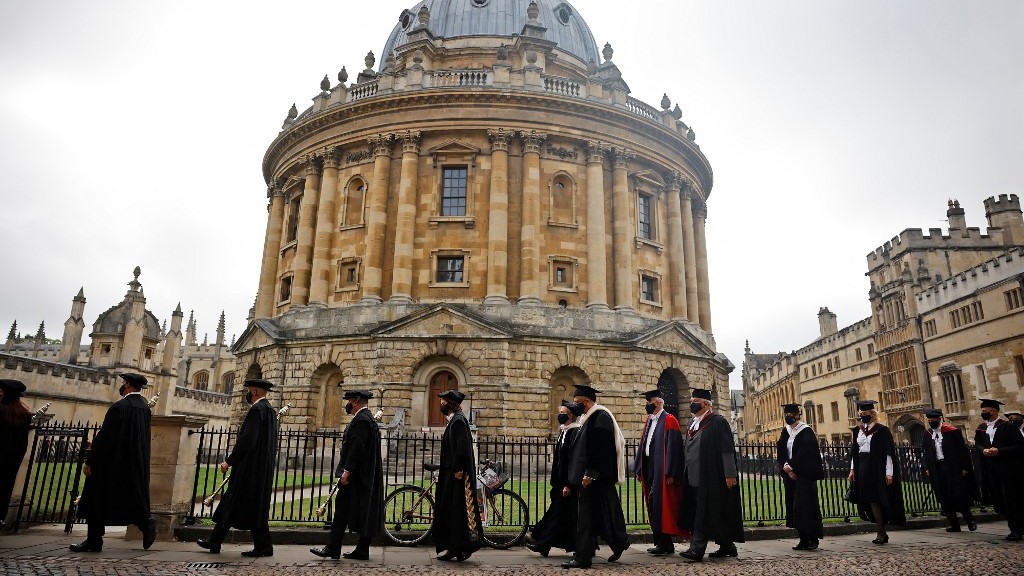
A recent investigation by Middle East Eye has uncovered that the University of Oxford holds indirect investments in at least 49 companies implicated in illegal Israeli activities within occupied Palestinian territories. These investments, valued at over £19 million ($25.5 million), represent a small fraction of Oxford’s £8 billion endowment but have sparked significant ethical concerns. Critics argue that these holdings contradict the university’s stated commitment to ethical investment practices and raise questions about the transparency of its broader financial portfolio. The investments are managed through a passive equity tracker fund developed in collaboration with BlackRock, the world’s largest asset manager. While the fund excludes companies involved in fossil fuels and controversial weapons, it does not screen out firms listed on a UN database for complicity in human rights violations related to Israeli settlements. Notable companies in the fund include major Israeli banks, travel-sector giants like Expedia and Airbnb, and U.S. technology firm Motorola Solutions. The Oxford BDS Coalition, comprising students and staff, has condemned the university’s involvement, accusing it of profiting from human rights abuses and calling for immediate divestment. Despite repeated awareness of these issues, Oxford has yet to take decisive action, prompting calls for greater accountability and transparency in its investment practices. The revelations come amid growing international criticism of Israel’s actions in Gaza, with other institutions, such as Norway’s sovereign wealth fund and the Dutch pension fund ABP, already divesting from companies linked to the occupation. The case highlights the broader ethical dilemmas faced by academic institutions in aligning their financial strategies with their missions and values.
-

Rising water levels attract tourists to Jinan’s famous springs
Jinan, the capital of Shandong province, has witnessed a remarkable surge in its famous springs’ water levels, drawing a wave of tourists to its scenic spots. According to the Jinan Culture and Tourism Development Group, Baotu Spring, one of the city’s most iconic attractions, reached a water level of 30.32 meters on Wednesday, marking the highest point in six decades. This unprecedented rise is attributed to persistent rainfall in the region. The increased water levels have not only revitalized Baotu Spring but also enhanced the beauty of other renowned springs, such as the Black Tiger Spring and the Crescent Spring. Spectacular water gushes at these sites have captivated visitors, creating a bustling atmosphere in the city. The phenomenon has turned Jinan into a hotspot for nature enthusiasts and photographers alike, showcasing the city’s unique geological and cultural heritage. Local authorities are leveraging this natural spectacle to promote tourism, highlighting Jinan’s reputation as the ‘City of Springs.’
-
Bears kill seven people in Japan this year as attacks hit record high
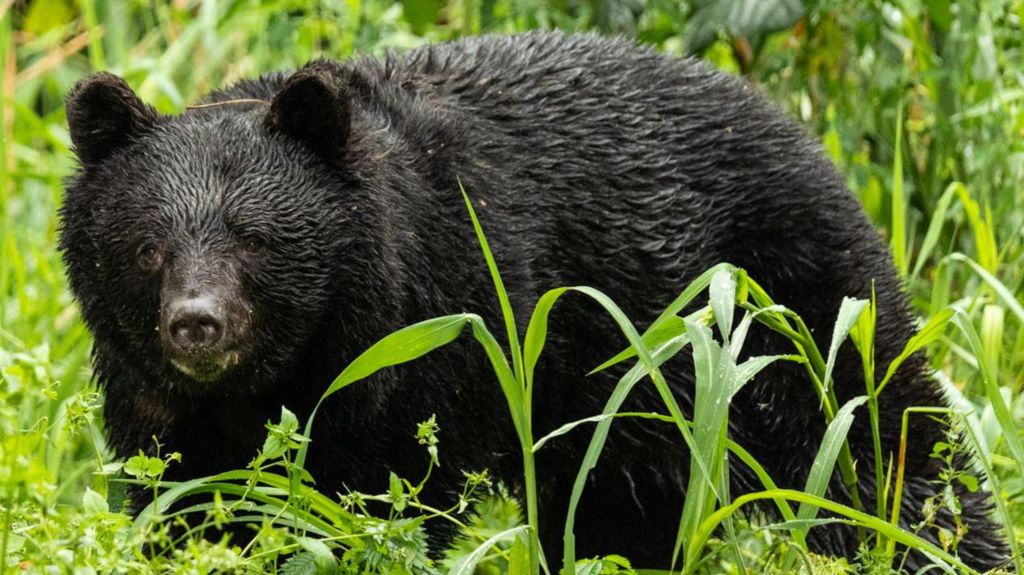
Japan is grappling with an unprecedented surge in fatal bear attacks, with the country’s environment ministry reporting seven deaths since April—the highest number since records began in 2006. The majority of these incidents have occurred in the northeastern regions and Hokkaido, where a 60-year-old man cleaning an outdoor hot spring bath has recently gone missing in what is suspected to be the latest bear-related tragedy. Experts attribute the rise in attacks to climate change, which has led to poor yields of beech nuts, a primary food source for bears, forcing them to venture into residential areas in search of sustenance. Additionally, depopulation in rural areas has exacerbated the issue, leaving fewer humans to deter wildlife. The ministry’s data reveals that this year’s fatalities have already surpassed the five recorded in the previous 12 months, with around 100 injuries reported so far. Recent incidents include a bear entering a supermarket in Numata, Gunma, injuring two elderly men, and a farmer in Iwate being attacked by a bear and its cub. The situation has raised alarms about the growing human-wildlife conflict in Japan, home to two bear species: the Asian black bear and the larger brown bear found in Hokkaido.
-
China speeding up efforts to secure autumn grain harvest
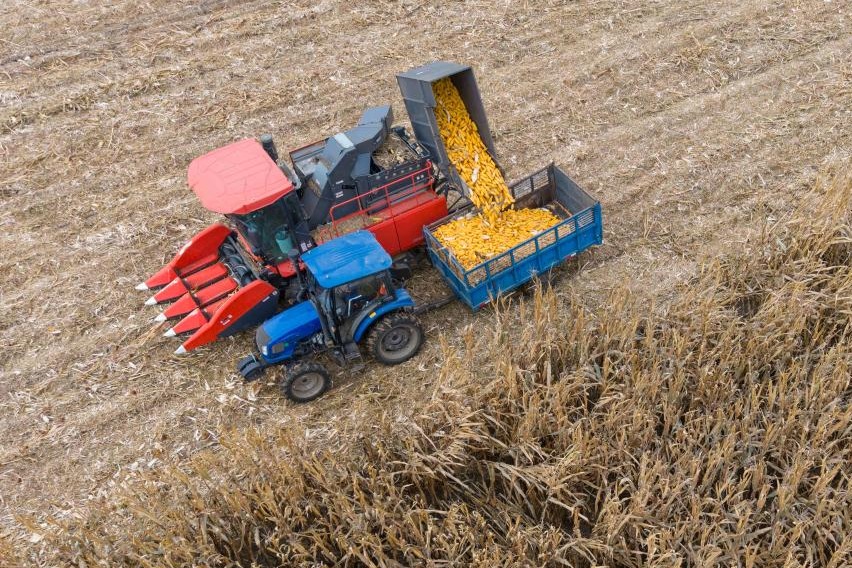
China is intensifying efforts to secure its autumn grain harvest, a critical component of the nation’s annual grain production, despite adverse weather conditions affecting several regions. According to the Ministry of Agriculture and Rural Affairs, over 60% of the autumn grain crops have already been harvested. Autumn grains typically constitute approximately 75% of the country’s total annual grain output. The harvest progress varies by crop type, with 70% of mid-season rice, 50% of corn, and 80% of soybeans already collected. Persistent rainfall since September has posed significant challenges, prompting both central and local governments to implement urgent measures. These include accelerated funding support to expedite the harvest process. The Ministry of Finance has allocated 484 million yuan (approximately $68 million) from the central budget to aid agricultural disaster prevention and relief efforts, particularly in seven provinces: Hebei, Shanxi, Jiangsu, Anhui, Shandong, Henan, and Shaanxi. These funds will support the use of agricultural machinery, drying damp grains, and draining waterlogged farmlands. Vice-Premier Liu Guozhong has emphasized the need for coordinated efforts to ensure a successful harvest, including the timely drying of grains to prevent spoilage. Concurrently, Chinese authorities are promoting food security awareness through themed activities during World Food Day, encouraging the public to reduce food waste. Recent years have seen campaigns like ‘clean your plates’ gain traction, fostering a culture of food conservation. Government data highlights China’s robust food security during the 14th Five-Year Plan period (2021-2025), with annual grain output consistently exceeding 650 million tonnes. In 2024, grain output surpassed 700 million tonnes for the first time, with per capita grain possession reaching 500 kilograms, well above the international food security benchmark of 400 kilograms. Liu Huanxin, head of the National Food and Strategic Reserves Administration, affirmed China’s self-sufficiency in grains and absolute security in staple foods. Additionally, China is enhancing international cooperation in agriculture, sharing expertise with developing nations through technology exchanges, joint research, and training programs, thereby contributing to global food security.