分类: society

  • First nighttime high-speed departs from Guangzhou for Wuhan

    First nighttime high-speed departs from Guangzhou for Wuhan

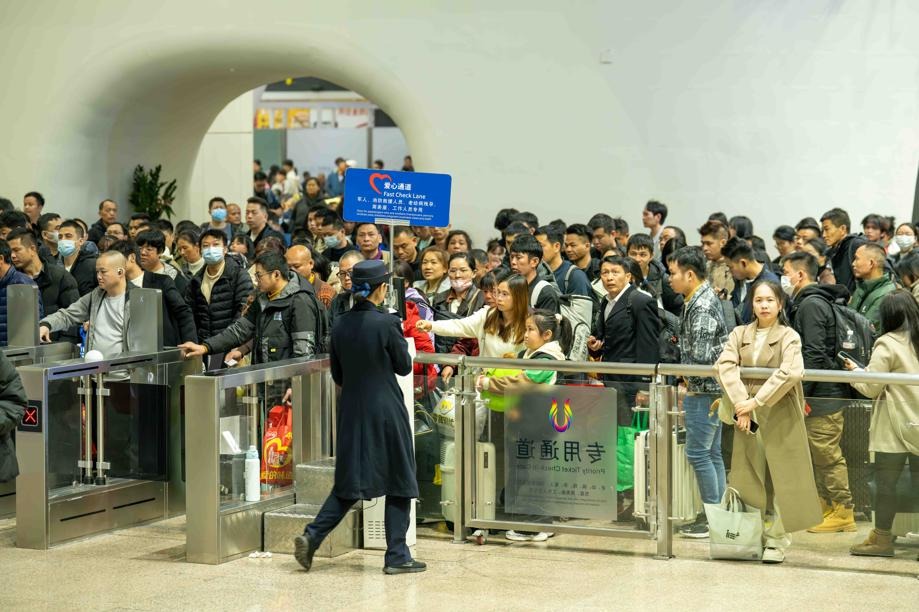
    In a significant development for China’s transportation infrastructure, the first nighttime high-speed rail service of the 2026 Spring Festival travel period departed Guangzhou South Station on Sunday evening, marking a new approach to handling the world’s largest annual human migration event.

    The historic G4736 service, operated by China Railway Guangzhou Group, embarked at 10:12 PM carrying more than 500 passengers bound for their hometowns. The train completed its journey to Wuhan Station in Hubei province at 2:07 AM Monday morning, demonstrating the efficiency of overnight high-speed rail connectivity between these major urban centers.

    This inaugural nighttime operation represents a strategic innovation by railway authorities to expand transportation capacity during the challenging 40-day Chunyun period. By utilizing typically idle nighttime hours, railway operators can significantly increase passenger throughput without adding to daytime congestion.

    The introduction of overnight high-speed services addresses critical capacity constraints during the Spring Festival travel rush, when hundreds of millions of Chinese citizens journey home for family reunions. This additional travel option provides passengers with greater flexibility and convenience while maintaining the speed and comfort characteristics of China’s advanced high-speed rail network.

    Railway officials indicate that successful implementation of this nighttime service could establish a precedent for future seasonal transportation planning, potentially expanding to additional routes in coming years to better accommodate peak travel demands.

  • Chongqing, Hunan, Guizhou host cross-province Spring Festival celebration

    Chongqing, Hunan, Guizhou host cross-province Spring Festival celebration

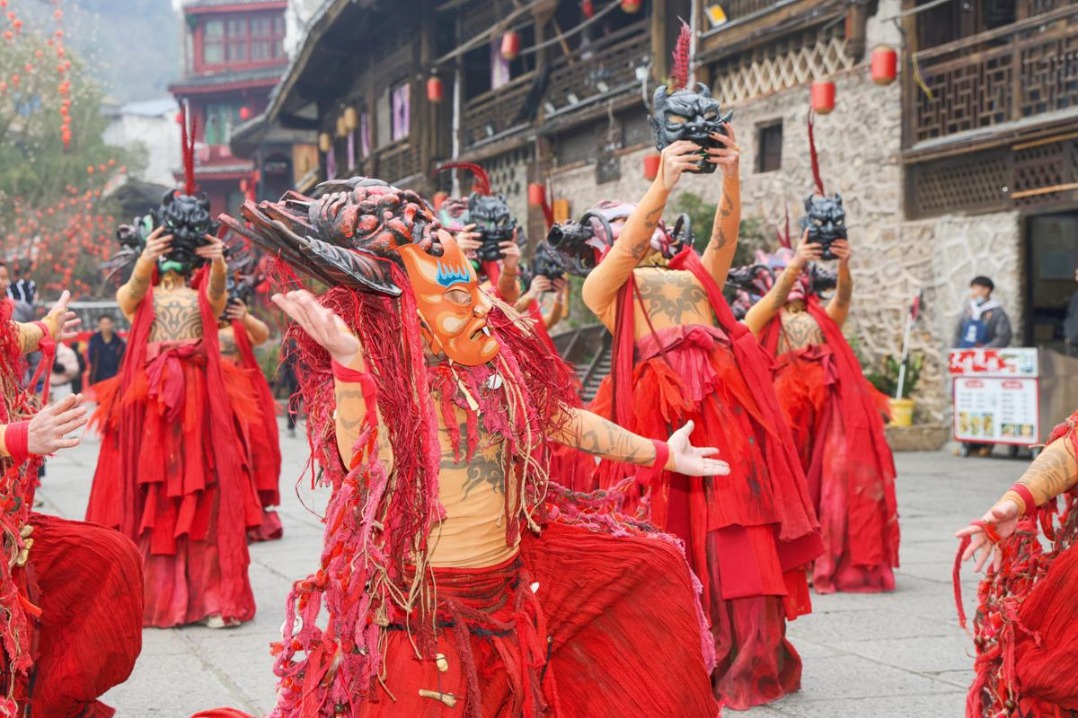
    Huayuan County in Hunan Province served as the spectacular backdrop for a five-day cross-provincial Spring Festival celebration that concluded on Sunday, brilliantly showcasing the intangible cultural heritage of Chongqing Municipality alongside Hunan and Guizhou provinces. The event transformed the region into a dynamic cultural crossroads where traditions from Southwest China converged in a vibrant display of regional diversity.

    The festivities commenced with an electrifying parade along the picturesque Qingshui River, featuring traditional lion and dragon dances that captivated attendees with their colorful performances and rhythmic energy. The cultural spectacle drew visitors from across the three regions and beyond, creating an atmosphere of shared celebration and cultural exchange.

    Central to the event was an expansive riverside festival market where master artisans demonstrated and sold exquisite handicrafts including intricate Miao embroidery, traditional batik textiles, and locally sourced herbal medicines. Interactive stalls provided visitors with unique opportunities to learn traditional techniques directly from cultural heritage inheritors, fostering hands-on engagement with centuries-old practices.

    Long Li’e, a renowned Miao embroidery artisan, highlighted the cultural significance and contemporary relevance of her craft during the celebration. ‘Miao embroidery represents not only our national intangible cultural heritage but also an essential skill that every woman in our Miao ethnic community traditionally masters,’ she explained to local media. ‘By adapting our embroidery techniques to create smaller, more accessible accessories for visitors, we’ve successfully bridged traditional artistry with modern market appeal.’

    The event demonstrated how cultural preservation efforts are evolving through innovative approaches that maintain traditional authenticity while creating sustainable economic opportunities for local communities. The successful convergence of these three regional cultures provided a powerful model for cross-provincial cultural cooperation and heritage conservation in contemporary China.

  • Foreign diplomats join Chongqing’s New Year market event

    Foreign diplomats join Chongqing’s New Year market event

    Chongqing’s Yuzhong district became a vibrant hub of international cultural exchange during a special Spring Festival market event held over the weekend. The “Galloping into Prosperity — Year of the Horse” celebration transformed the Chongqing International Friendship City Food Street into a multicultural gathering space that attracted foreign diplomats and local residents alike.

    The carefully curated event brought together consular representatives, culinary vendors, and cultural organizations with the explicit purpose of strengthening ties between Chongqing and its global partners. Eight nations established distinctive stalls showcasing their unique national identities through food, beverages, and traditional handicrafts. Participating countries included Australia, the Philippines, Italy, Vietnam, Uruguay, Pakistan, Myanmar, and Belarus.

    Diplomatic officials from several consulates attended the festivities, engaging directly with visitors and sharing insights about their cultural traditions. Chaudhary Talha, Pakistan’s Vice-Consul General based in Chengdu, expressed particular enthusiasm about the event, noting that the experience highlighted “close unity, friendship, and historical values” between participating nations.

    The market celebration served as both a cultural showcase and diplomatic platform, creating organic opportunities for cross-cultural dialogue against the backdrop of Spring Festival preparations. By integrating international elements with traditional Chinese New Year celebrations, the event demonstrated Chongqing’s growing role as a global city committed to fostering international understanding and cooperation through cultural diplomacy.

  • Indian priest arrested for cultivating marijuana worth Rs7 million within temple

    Indian priest arrested for cultivating marijuana worth Rs7 million within temple

    In a startling breach of religious sanctity, authorities in India’s Telangana state have uncovered a sophisticated marijuana cultivation operation operating within a temple’s sacred grounds. Avuti Nagaiah, a 48-year-old priest serving at Panchagam village temple, has been taken into custody following a coordinated raid by local police and excise officials.

    The investigation revealed that Nagaiah had transformed the temple garden into an elaborate camouflage for illicit activities. Among legitimate marigold plants—chosen specifically for their visual and olfactory similarity to cannabis—the priest cultivated nearly 700 marijuana plants with an estimated street value of Rs7 million (approximately Dh285,000).

    The discovery has sent shockwaves through the local community, with villagers expressing profound dismay at the exploitation of their place of worship. Law enforcement officials are now conducting an expanded investigation to identify potential accomplices and determine the distribution network that supported this operation.

    This incident coincides with heightened drug enforcement activities across Telangana, where police recently apprehended three additional suspects and confiscated over 16 kilograms of cannabis in operations throughout Hyderabad, the state capital. The case highlights growing concerns about innovative drug cultivation methods being employed in unexpected locations across India.

  • India launches inspection of 400 ‘uncontrolled airstrips’ post-Ajit Pawar tragedy

    India launches inspection of 400 ‘uncontrolled airstrips’ post-Ajit Pawar tragedy

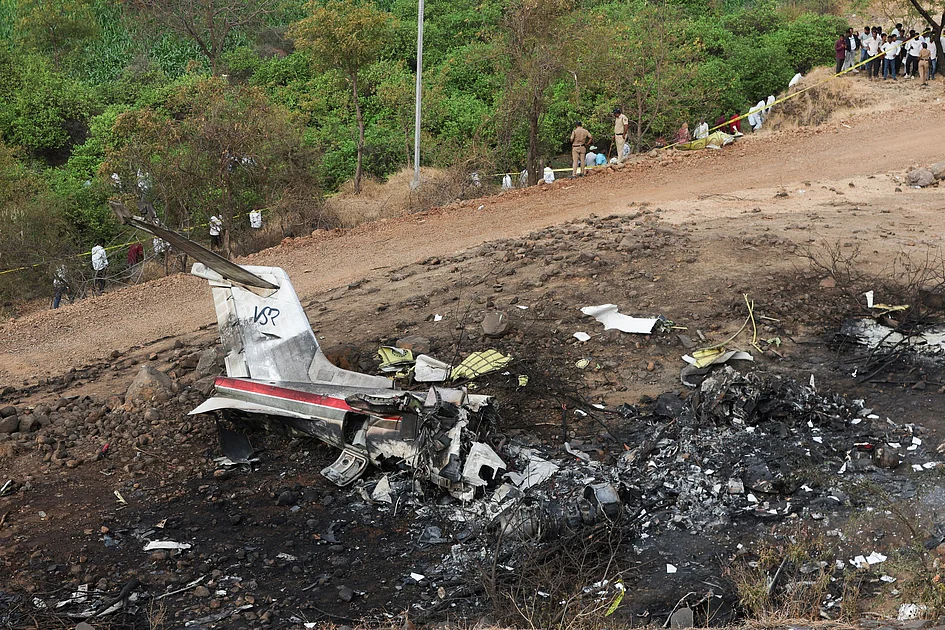
    In response to last month’s fatal aircraft crash that claimed the life of Maharashtra’s Deputy Chief Minister Ajit Pawar and four others, India’s civil aviation authorities have initiated comprehensive safety inspections of approximately 400 unregulated airstrips across the nation. The tragedy occurred at an uncontrolled airstrip in Baramati, prompting immediate regulatory action.

    The Directorate-General of Civil Aviation (DGCA) has commenced detailed examinations of Category A airports, which operate without air traffic control services. These facilities, managed by state governments, private operators, or flight training organizations, currently exist outside the DGCA’s regulatory framework despite their critical role in regional connectivity.

    Aviation experts emphasize that implementing basic safety measures at these landing strips would require minimal investment. According to Mark Martin of Martin Consultancy, essential infrastructure including windsocks, compact weather stations for monitoring atmospheric conditions, and CCTV surveillance systems could be established for approximately ₹200,000 (Dh8,125) per airstrip. Martin further recommended monthly safety inspections by state authorities to ensure operational integrity.

    The regulatory gap highlights India’s rapid aviation expansion, which has seen operational airports increase from 70 in 2014 to over 160 currently, with projections indicating 400 airports by 2047. The current initiative aims to establish standardized safety protocols while maintaining the operational flexibility of these vital regional aviation facilities.

  • Beautiful Tianjin episode 2 showcases city’s natural landscapes

    Beautiful Tianjin episode 2 showcases city’s natural landscapes

    Tianjin’s breathtaking natural scenery takes center stage in the newly released second chapter of the ‘Beautiful Tianjin’ visual series. Produced by China Daily’s Tianjin Bureau, this cinematic presentation masterfully captures the region’s diverse ecosystems through a compelling four-season narrative.

    The production showcases an artistic interplay of wide panoramic views and intricate close-ups, highlighting the seamless integration of wetlands, mountainous terrain, and lacustrine environments within Tianjin’s urban fabric. This visual journey demonstrates how natural landscapes form an integral component of the city’s structural identity rather than existing as separate entities.

    Through its carefully curated visuals, the video presents a compelling case study in balanced urban development, where ecological conservation and metropolitan advancement progress in harmonious synchronization. The footage reveals how natural elements fundamentally shape the city’s character, contributing significantly to Tianjin’s reputation as a highly livable urban environment where nature enhances daily life experiences.

    The production serves as both an aesthetic celebration and an informative document, illustrating the successful implementation of environmental policies within urban planning frameworks. It stands as a testament to Tianjin’s commitment to maintaining ecological integrity while pursuing developmental objectives, offering viewers worldwide a glimpse into China’s evolving approach to sustainable city development.

  • Qinling ice melting station guards power lines for Spring Festival

    Qinling ice melting station guards power lines for Spring Festival

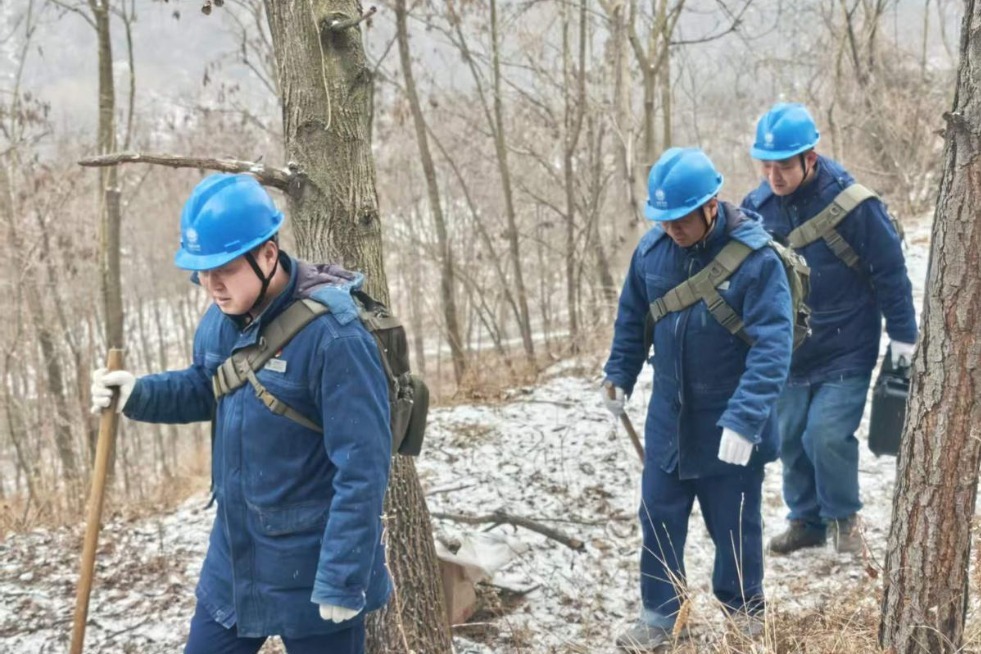
    Amidst the harsh winter conditions of the Qinling Mountains in Shaanxi province, a dedicated team of power maintenance professionals stands vigilant as the nation prepares for Lunar New Year celebrations. While millions journey home for family reunions, Zhou Hongliang and his specialized crew maintain round-the-clock surveillance at a critical 110kV ice melting station, combating the severe threat of ice accumulation on vital transmission infrastructure.

    The operational team employs advanced de-icing technology to prevent catastrophic power failures that could disrupt electricity supply to remote mountain communities and critically impact the Baoji-Chengdu Railway, a major transportation artery experiencing heightened passenger traffic during China’s Spring Festival travel rush. Their work represents an essential but often overlooked component of holiday infrastructure security.

    Zhou, who leads the transmission maintenance unit, articulated his team’s unique relationship with their equipment, stating: “What others perceive as cold steel represents something akin to family for us.” This philosophical approach to their critical infrastructure duties underscores the deep commitment required to maintain essential services under extreme environmental conditions.

    The team’s specialized winter operation protocols include continuous monitoring of meteorological conditions, strategic deployment of ice-melting technology, and physical inspections of transmission lines across challenging mountainous terrain. Their efforts ensure uninterrupted power delivery during one of China’s most important cultural periods, when energy demands peak amid increased domestic consumption and travel activity.

  • State Council to oversee probe into fatal explosion in N China’s Shanxi province

    State Council to oversee probe into fatal explosion in N China’s Shanxi province

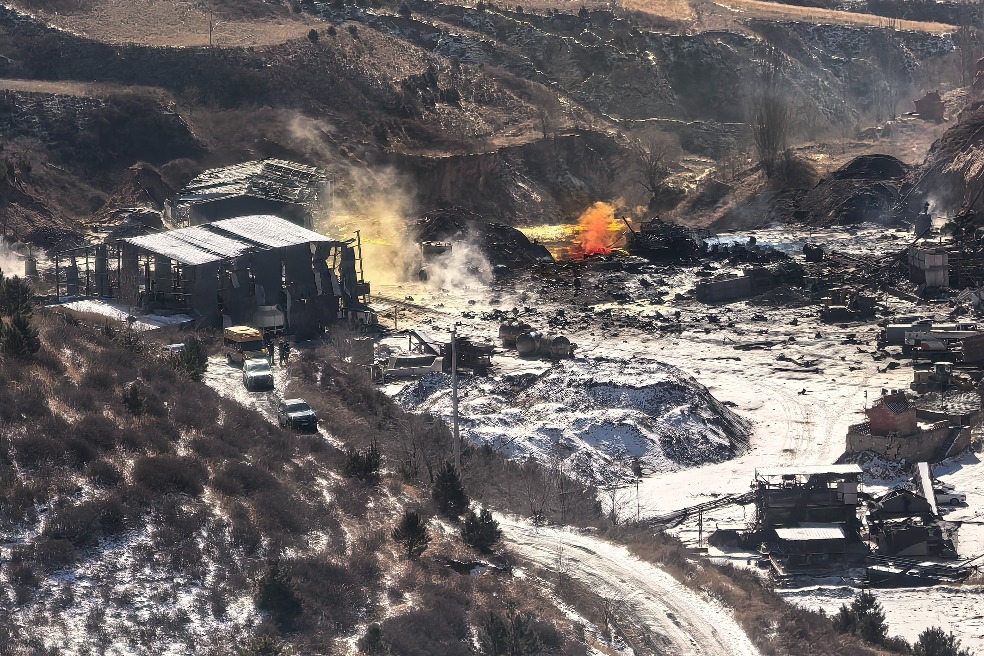
    China’s Ministry of Emergency Management announced Monday that the State Council Work Safety Committee Office will exercise direct supervisory control over the investigation into a catastrophic explosion at Jiapeng Biotech Company’s manufacturing facility in Shuozhou, Shanxi province. The industrial accident occurred Saturday and resulted in multiple fatalities, though specific casualty figures remain undisclosed.

    In response to this industrial tragedy, Chinese authorities have simultaneously initiated a comprehensive nationwide campaign targeting illegal production operations involving hazardous chemicals. This sweeping safety initiative will conduct rigorous inspections and mandate corrective measures across industrial sectors handling dangerous materials.

    The State Council’s direct intervention underscores the severity of the incident and demonstrates the central government’s commitment to workplace safety enforcement. This high-level oversight ensures the investigation will receive prioritized resources and authority to determine both the immediate technical causes and broader systemic failures that contributed to the explosion.

    The nationwide safety campaign represents a proactive measure to prevent similar tragedies, particularly as China continues to balance industrial production with enhanced safety protocols. This dual approach of specific incident investigation coupled with industry-wide preventive action reflects China’s evolving methodology for addressing industrial safety concerns.

  • Banned kite-flying festival Basant returns to Pakistan with new safety measures

    Banned kite-flying festival Basant returns to Pakistan with new safety measures

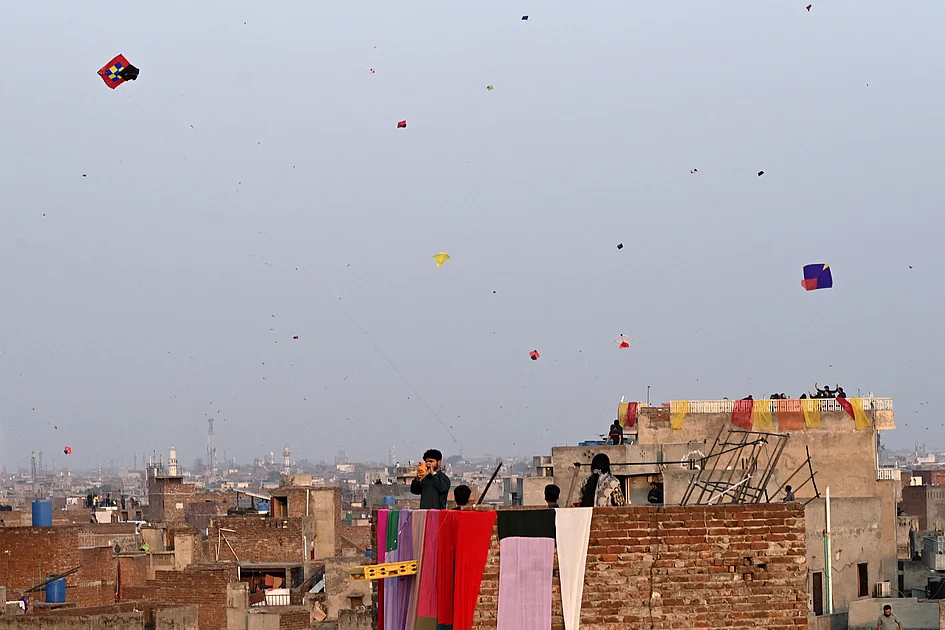
    After nearly two decades of prohibition, Lahore’s skies once again erupted in a vibrant tapestry of color as Pakistan’s renowned Basant kite-flying festival returned under stringent new safety measures. The three-day spring celebration, traditionally marking seasonal transition in Punjab province, resumed operations this weekend following its 2007 ban imposed after multiple fatalities caused by glass-coated kite strings and celebratory gunfire.

    The revival sparked widespread enthusiasm across the nation, with participants reporting unprecedented demand for kites and flying equipment. “The entire province, indeed all of Pakistan, is electrified with excitement. Finding kites and strings has become challenging due to overwhelming sales,” remarked Shahzaib, a festival participant, amid background drum celebrations.

    Authorities implemented comprehensive safety protocols including QR-code tracking systems for kite sales, confiscation of prohibited materials, and city-wide police deployment to enforce regulations. Hospitals remained on high alert for potential injuries, while motorcycle riders adopted protective rods to intercept dangerous strings before contact.

    Cultural activists and rights groups had long criticized the original ban, maintaining that inadequate enforcement rather than the festival itself caused previous tragedies. The economic impact proved significant, with kite maker Tariq revealing he sold 20,000-25,000 kites following the ban’s lifting, revitalizing workshops that had remained dormant for years.

    The celebration proceeded despite security concerns following a recent suicide bombing in Islamabad that killed 31 people, which prompted cancellation of some official events. The festival’s centerpiece remained kite-fighting competitions, where participants maneuvered kites to sever opponents’ strings amid cheers from rooftop spectators.

    Veteran string maker Chand Ustand, 51, expressed hope for the tradition’s sustained revival: “Purchasing and flying kites shouldn’t be temporary. Continued participation supports our livelihoods while preserving cultural heritage.”

  • Video: Bomb threats sent to 9 Delhi schools; probe underway

    Video: Bomb threats sent to 9 Delhi schools; probe underway

    A coordinated wave of bomb threats struck nine educational institutions across India’s capital on Monday morning, triggering massive security responses and widespread alarm. Between 8:30 AM and 9:00 AM local time, multiple schools in Delhi received threatening emails, prompting immediate deployment of Delhi Police, fire department teams, and specialized bomb disposal squads to all affected locations.

    The targeted institutions spanned various districts of the capital, including three schools in South Delhi—Air Force School on Lodhi Road, KR Mangalam School, and The Indian School in Sadiq Nagar. Additional schools receiving threats were identified as Loreto Convent School in Delhi Cantt, Cambridge School in Srinivasanpuri, Venkateshwar School in Rohini, Cambridge School in New Friends Colony, CM School in Rohini, DTA School in INA, and Bal Bharati School in Rohini.

    Security personnel conducted thorough sweeps of all premises while authorities maintained high alert status. This incident follows a similar pattern of threats that occurred on January 28 in the Union Territory of Chandigarh, where 30 schools received bomb threat emails. In that previous case, comprehensive inspections revealed no suspicious materials, but authorities implemented enhanced security measures and filed formal charges under the Bharatiya Nyaya Sanhita and Information Technology Act.

    The recurrence of such threats within weeks has raised serious concerns about the security of educational institutions and the potential psychological impact on students and staff. Investigations are ongoing to determine the origin and credibility of the threats, with authorities working to identify those responsible for disrupting educational activities and causing public safety concerns.