分类: society

  • Shanghai hosts Spring Festival reception for intl media

    Shanghai hosts Spring Festival reception for intl media

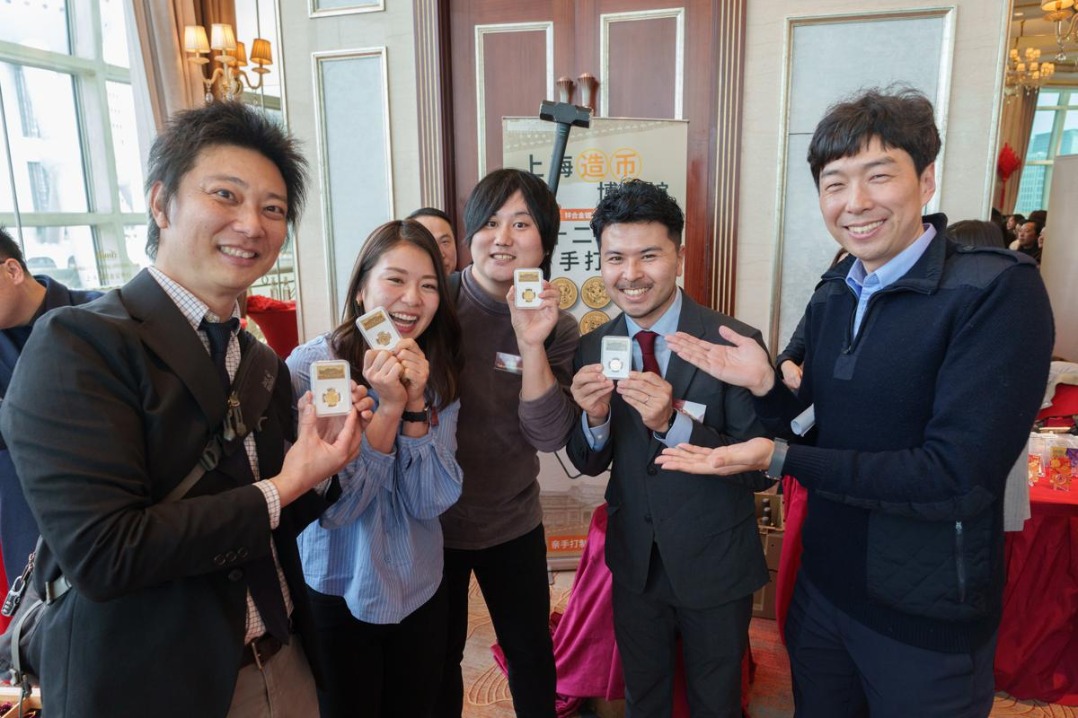
    The Shanghai Municipal Government Information Office convened a Spring Festival reception on Monday, bringing together international media representatives, business leaders, and foreign students in the city’s prominent Lujiazui financial district. The event served as both a cultural celebration and a significant platform for strengthening communication channels between the municipal government and the foreign press corps.

    A key announcement at the gathering revealed substantial upgrades to the city’s newsletter service for international correspondents. The enhanced service will pivot toward comprehensive economic reporting, featuring regular macroeconomic data releases, detailed updates on Shanghai’s leading industries, and expert analytical content. This strategic shift aims to provide foreign journalists with deeper insights into Shanghai’s economic landscape and development trajectory.

    Attendees from various nations expressed appreciation for the initiative, noting their observations of Shanghai’s consistent high-quality development throughout the previous year. Many participants committed to actively sharing Shanghai’s progress and dynamic story with global audiences through their respective media platforms. The reception facilitated networking opportunities and fostered dialogue between government officials and international media representatives, reinforcing Shanghai’s position as a global city committed to transparent communication and international engagement.
  • Buddhist monks’ 108-day Walk for Peace set to end in Washington DC

    Buddhist monks’ 108-day Walk for Peace set to end in Washington DC

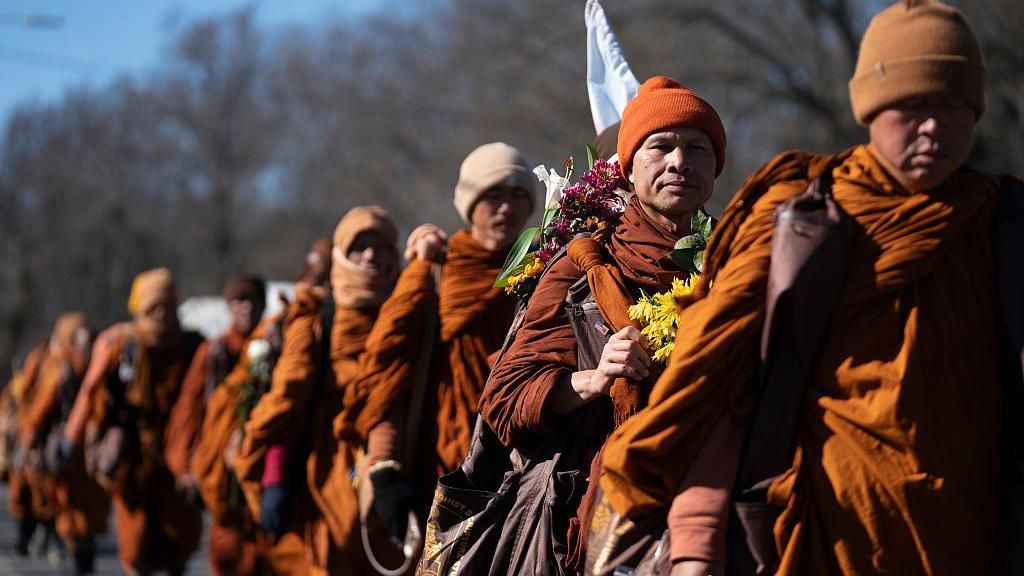
    After a remarkable 108-day pilgrimage spanning 2,000 miles, a group of 19 Theravada Buddhist monks is poised to complete their transcontinental ‘Walk of Peace’ from Texas to Washington D.C. on Tuesday. Their extraordinary journey, which commenced on October 26, 2025, from the Huong Dao Vipassana Bhavana Center in Fort Worth, has captivated national attention amid periods of intense political polarization.

    Braving extreme weather conditions—including barefoot marches through snow and freezing temperatures—the monks maintained single-file formation throughout their sacred expedition. The number 108 holds profound significance in Buddhism, symbolizing spiritual completion. Despite a serious November incident in Houston where an escort vehicle collision resulted in two monks being injured (one requiring leg amputation), the group persevered with their message of mindfulness.

    Venerable Bhikkhu Pannakara, the group’s leader, articulated their mission: “My hope is, when this walk ends, the people we met will continue practicing mindfulness and find peace.” Their arrival in the capital will include visits to the Washington National Cathedral and Lincoln Memorial, followed by an interfaith reception hosted by Washington Episcopal Bishop Mariann Budde, who noted their “gentle witness invite us all to deepen our commitment to compassion.

    While the monks plan to advocate for recognizing Vesak (Buddha’s birthday) as a national holiday, their impact has transcended policy objectives. Livestreams of their final steps through Arlington, Virginia, show supporters cheering as they complete their journey. The monks will return to Texas by bus, arriving in Fort Worth on Saturday.

  • Xinjiang through my eyes: The sound from Pamir Plateau

    Xinjiang through my eyes: The sound from Pamir Plateau

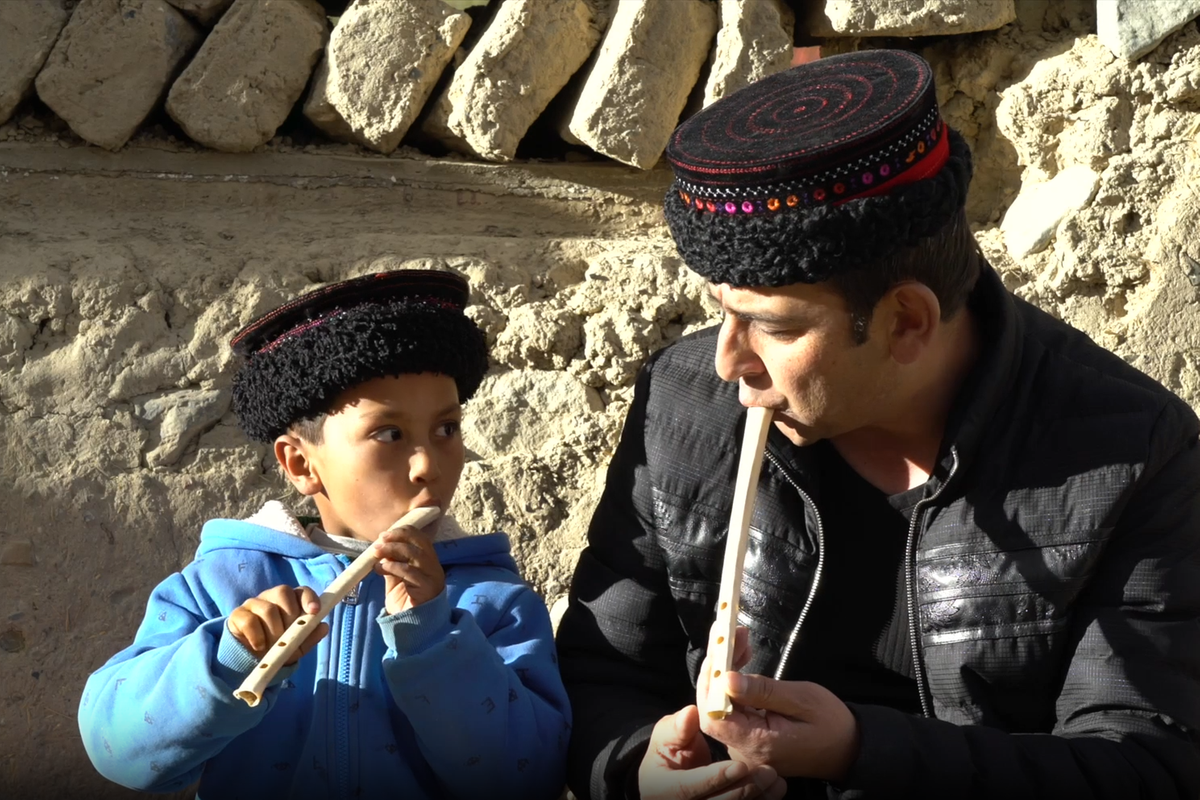
    In the high-altitude terrain of the Tashikurgan Tajik Autonomous County within China’s Xinjiang region, a unique cultural preservation story unfolds through the dedication of Aikebaier, a local artist. Once a professional dancer and now a drummer, Aikebaier has devoted his life to mastering and promoting the traditional eagle bone flute—an instrument recognized as part of China’s intangible cultural heritage.

    During his leisure hours, Aikebaier engages in rigorous practice sessions, documents the flute’s distinctive melodies, performs for community gatherings, and instructs younger generations in playing techniques. His efforts represent a personal mission to safeguard this auditory emblem of Tajik culture from fading into obscurity.

    “The eagle bone flute embodies my lifelong passion,” Aikebaier stated, emphasizing his commitment to both preserving and popularizing this traditional art form. His aspiration extends beyond local recognition—he aims to introduce the haunting sounds of the Pamir Plateau to international audiences, ensuring the flute’s legacy continues resonating globally.

    This cultural initiative reflects broader efforts within Xinjiang to maintain ethnic traditions while fostering intercultural dialogue. Through Aikebaier’s dedication, the eagle bone flute transforms from a historical artifact into a living testament to Tajik heritage, demonstrating how traditional arts can thrive in contemporary society.

  • Mobile museums bring cultural heritage of Gansu onto train

    Mobile museums bring cultural heritage of Gansu onto train

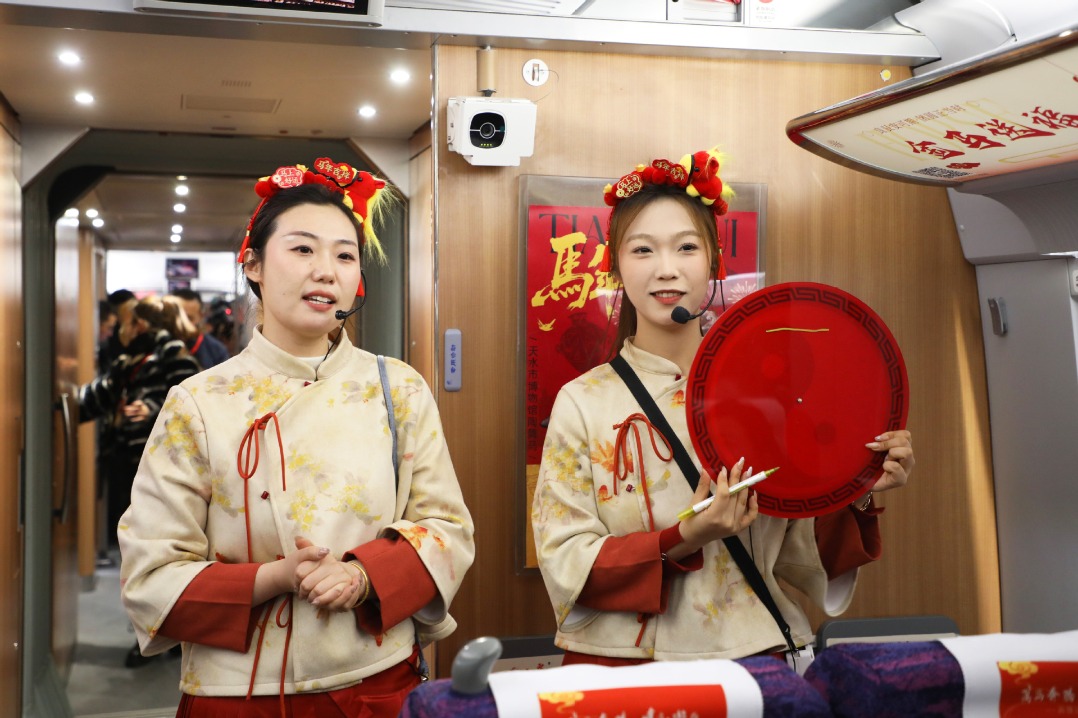
    In an innovative fusion of cultural preservation and modern transportation, Northwest China’s Gansu province has launched a groundbreaking ‘mobile museum’ initiative aboard high-speed rail services during the 2026 Spring Festival travel period. The program, which commenced on February 9th, transforms ordinary train carriages into dynamic cultural spaces where passengers encounter genuine artifacts and expert interpretations from nine of China’s most prestigious national first-grade museums.

    The specially designated train G848, traveling the extensive route from Lanzhou West Railway Station to Guangzhou South Railway Station, carries not just passengers but a carefully curated selection of Gansu’s cultural treasures. Representatives from renowned institutions including the Dunhuang Academy and Gansu Provincial Museum serve as onboard cultural interpreters, providing passengers with direct access to historical knowledge and traditional customs typically confined to museum walls.

    This initiative represents a significant advancement in cultural dissemination, effectively breaking down the physical barriers between heritage institutions and the public. During one of China’s busiest travel periods, when millions journey home for family reunions, passengers now experience an unexpected cultural enrichment opportunity. The mobile exhibition allows travelers to physically engage with replicas of artifacts while learning about the Silk Road’s historical significance, Buddhist cave art from Dunhuang, and various traditional practices indigenous to the Gansu region.

    The program’s timing during the Spring Festival travel rush—known as ‘chunyun’—is particularly strategic, capitalizing on captive audiences during long journeys while simultaneously addressing the cultural education needs of modern society. This approach demonstrates how traditional cultural promotion can adapt to contemporary lifestyles, making heritage appreciation accessible outside conventional museum settings. The initiative has been widely praised for its creative approach to public education and its success in transforming travel time into culturally productive experiences.

  • Teenagers deepen bonds through court chemistry spanning across Pacific

    Teenagers deepen bonds through court chemistry spanning across Pacific

    The rhythmic squeak of athletic shoes and distinctive pop of plastic balls striking paddles created an unconventional symphony of international diplomacy at the inaugural US-China Youth Pickleball Friendship Tournament. Held at the Dill Dinkers Pickleball Club in Rockville, Maryland, this sporting event served as the centerpiece of a cultural exchange program bridging teenagers across the Pacific.

    The exchange initiative traces its origins to April, when thirty students and staff from Maryland’s Montgomery County Public Schools embarked on an educational journey to Shanghai, Shenzhen, and Beijing. This February, reciprocity took shape as students from Shanghai’s Luwan Senior High School commenced a nine-day tour of American cities including New York, Philadelphia, Washington, and Maryland.

    Beyond competitive matches, the program fostered genuine cultural immersion. Chinese students visited Clarksburg High School and Hallie Wells Middle School, toured sports brand Joola’s headquarters, and attended a reception at the Chinese embassy. The exchange produced remarkable testimonies of cross-cultural connection, with American participants downloading language apps to study Chinese and even requesting lessons in Shanghai dialect.

    Zou Yan, a tenth-grade participant from Luwan High School, reflected: “I cherish this opportunity profoundly. The friendships forged through sport transcend winning or losing—what matters is the human connection we’ve established.”

    The tournament structure itself promoted integration, featuring mixed doubles teams pairing Chinese and American players. The courts buzzed with energy as dramatic saves, extended rallies, and powerful volleys drew enthusiastic cheers from spectators. Rajan Bell, a US participant, recounted a particularly memorable moment: “We were trailing significantly, but after an incredible save from my Chinese partner Michael, we swung the momentum and ultimately won the game.”

    Jeffrey Sullivan, Director of Athletics for Montgomery County Public Schools, contextualized the event within historical sporting diplomacy, noting how the University of Maryland had hosted China’s youth table tennis team during the famous 1972 ping-pong diplomacy era. “Now we employ pickleball as a contemporary medium to reunite Chinese and American youth,” Sullivan observed. “This represents a meaningful continuation of cross-cultural friendship.”

    Organizers from the Shanghai Magnolia Foundation for International Exchange expressed confidence that such people-to-people exchanges would strengthen future US-China relations, citing the genuine warmth and mutual curiosity demonstrated by participants from both nations.

  • China issues labor guidance for platform firms to protect workers’ rights

    China issues labor guidance for platform firms to protect workers’ rights

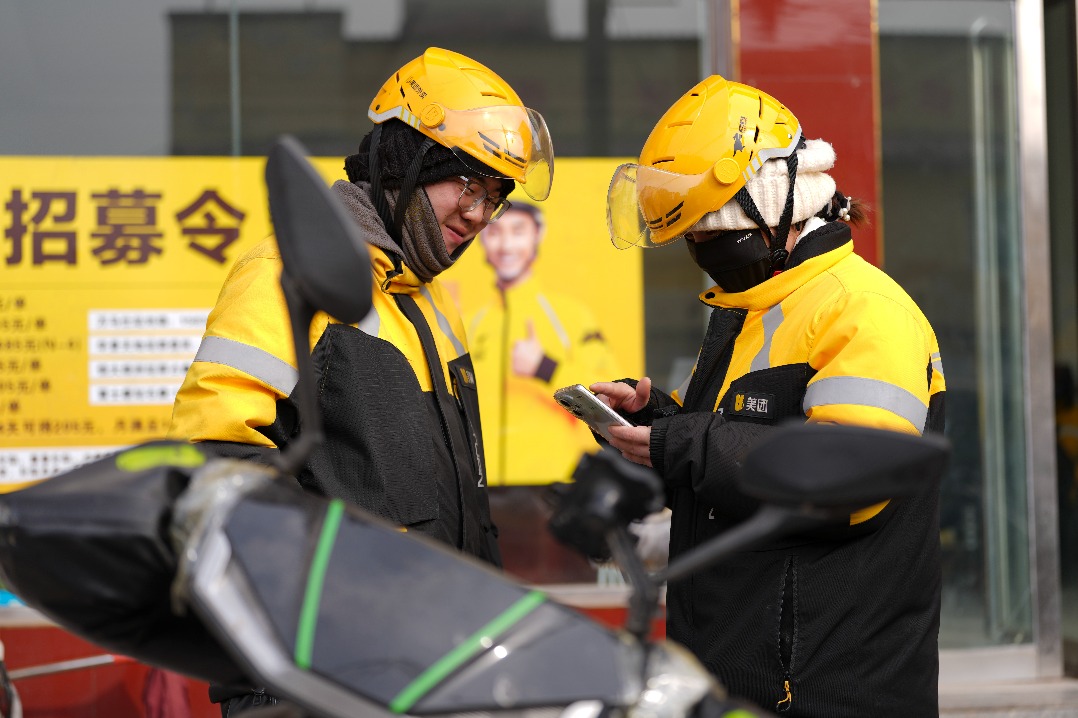
    In a significant move to regulate the rapidly expanding platform economy, China’s Ministry of Human Resources and Social Security has jointly issued comprehensive labor guidance alongside six other governmental bodies. The administrative directive specifically targets sixteen major corporations operating within the e-commerce, food delivery, ride-hailing, and logistics sectors, including industry giants Meituan, Didi Chuxing, and YTO Express.

    The newly implemented guidelines mandate that these platform enterprises fully acknowledge and fulfill their employer responsibilities while systematically enhancing their labor management frameworks. The measures specifically aim to safeguard the legitimate rights and interests of workers engaged in new forms of employment that have emerged alongside digital platform economies.

    This regulatory intervention represents a concerted effort by Chinese authorities to address growing concerns regarding labor protections within the nation’s rapidly evolving gig economy. The guidance emphasizes the need for companies to establish more transparent working conditions, fair compensation structures, and improved working environments for their flexible workforce.

    The initiative aligns with the Chinese government’s broader commitment to stabilize and expand employment opportunities while strengthening protections for individuals participating in non-traditional and flexible work arrangements. This development signals a maturing regulatory approach toward the platform economy that seeks to balance technological innovation with fundamental worker protections.

  • Ramadan 2026: One donor sponsors iftar tent serving 8,000 people daily in Dubai

    Ramadan 2026: One donor sponsors iftar tent serving 8,000 people daily in Dubai

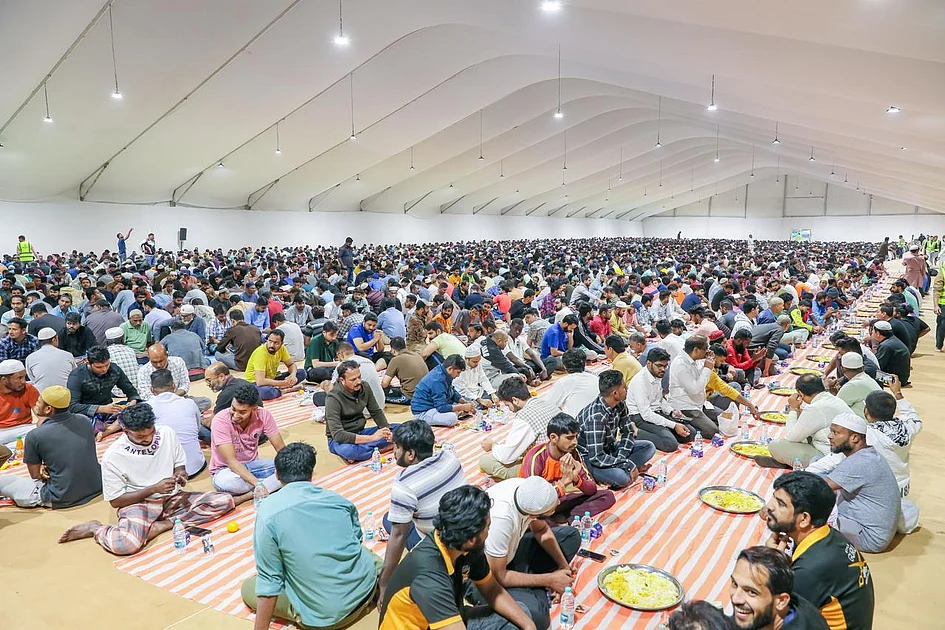
    A remarkable display of charitable giving has emerged in Dubai’s Hor Al Anz district, where a single anonymous donor has fully sponsored one of the UAE’s largest Ramadan iftar tents, providing daily meals for approximately 8,000 fasting individuals throughout the holy month.

    According to Khalifa Al Falasi, media and relations consultant for the organizing entity, the benefactor was motivated by both spiritual rewards and the project’s substantial humanitarian impact. The comprehensive initiative requires a multimillion-dirham budget covering all aspects of operation including meal preparation, logistical coordination, daily management, and on-site execution.

    The scale of the operation demands meticulous planning, with food preparation beginning in early morning hours to ensure quality, safety, and timely distribution before iftar. A coordinated effort between operational teams, volunteers, and suppliers ensures the smooth daily service of 8,000 meals throughout Ramadan.

    Al Falasi noted a significant evolution in charitable giving patterns, with donors increasingly preferring targeted, project-specific contributions rather than general donations. This trend reflects a growing desire among philanthropists to witness tangible results within defined timeframes, particularly during seasonal initiatives like iftar tents, food parcels, and zakat al-fitr distributions.

    Despite this shift toward project-specific funding, Al Falasi emphasized that general donations remain crucial for addressing urgent and critical cases that require flexible response from charitable organizations.

    The sponsorship model for iftar tents offers various engagement levels, with costs ranging from tens of thousands to millions of dirhams depending on tent size and beneficiary numbers. Additionally, digital donation methods including online links and QR codes have significantly enhanced efficiency, often enabling contributions to transform into actual meals or assistance within the same day.

  • South Korea will boost medical school admissions to tackle physician shortage

    South Korea will boost medical school admissions to tackle physician shortage

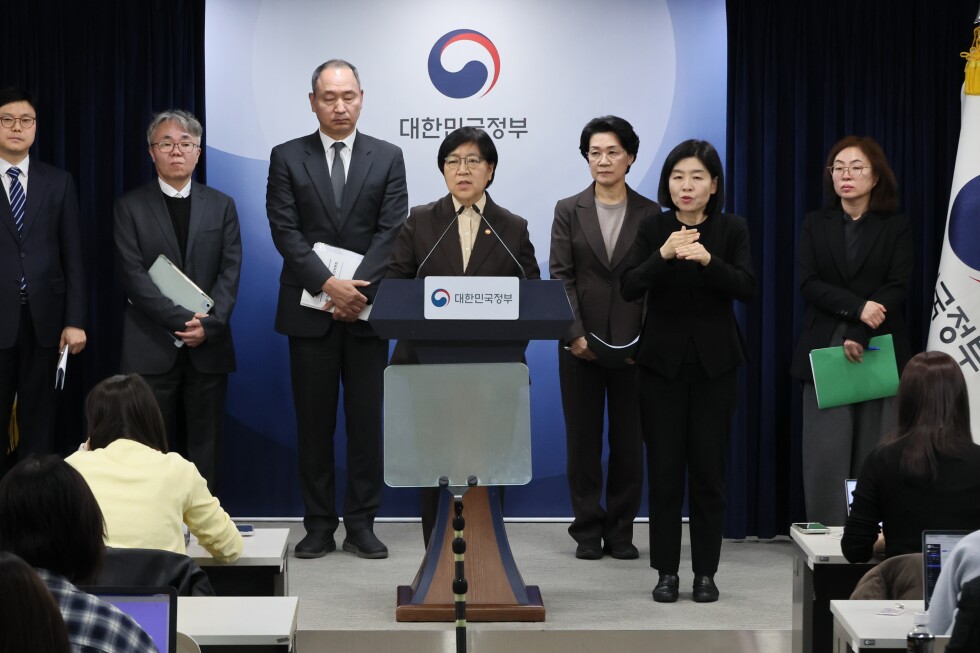
    The South Korean government unveiled a moderated plan on Tuesday to incrementally increase medical school admissions over a five-year period starting in 2027, aiming to alleviate physician shortages in one of the world’s most rapidly aging populations. This compromise solution emerges following months of tense negotiations with medical professionals who had previously staged extensive walkouts against more aggressive expansion proposals.

    Health Minister Jeong Eun Kyeong detailed the phased approach that will raise the annual admissions cap from the current 3,058 to 3,548 by 2027, with subsequent increases reaching 3,871 by 2031. This represents an average annual increase of 668 students—significantly more conservative than the 2,000-per-year hike initially proposed by former President Yoon Suk Yeol’s administration, which triggered months of disruptive strikes by thousands of doctors in 2024.

    The revised strategy includes provisions that all additional students will participate in regional physician programs specifically designed to address critical shortages in rural areas and small towns most affected by demographic challenges. The government emphasized its commitment to working with medical experts to develop comprehensive measures strengthening regional, essential, and public healthcare infrastructure.

    This announcement occurred amid ongoing tensions with medical associations. Kwak Soon-hun, a senior Health Ministry official, noted that the president of the Korean Medical Association attended the healthcare policy meeting but departed early to boycott the vote determining the scale of admission increases. Doctors’ groups have consistently argued that medical schools lack the capacity to handle substantial enrollment hikes without compromising educational quality, while critics have accused these groups of prioritizing income protection over addressing national healthcare needs.

    The current administration under liberal President Lee Jae Myung has sought to resolve the protracted conflict that began under the previous conservative government. After Yoon’s impeachment in December 2024 over his controversial declaration of martial law, the current government restored the admission cap to 3,058 for 2026, accommodating medical schools’ concerns and encouraging striking trainees to return to work. The specific admissions quota for each medical institution will be finalized in April.

  • E-commerce revamps farming area

    E-commerce revamps farming area

    In a remarkable demonstration of rural revitalization through digital innovation, Heilongjiang’s Shangguandi village has undergone a transformative journey from economic struggle to prosperous e-commerce success. Under the leadership of Chen Yujia, a former physical education teacher turned national legislator and village Party secretary, this agricultural community has embraced technological solutions to overcome traditional market limitations.

    Chen’s strategic vision began with recognizing the untapped potential of their premium ‘slate rice’ cultivated in volcanic soil. Despite producing high-quality grains, villagers historically faced profitability challenges due to conventional sales approaches. After abandoning her teaching career in 2016, Chen implemented a multi-faceted approach combining organic farming practices with digital market integration.

    The transformation involved introducing green agricultural methodologies including manual transplanting techniques, soil-specific fertilization protocols, and biological pest control using field ducks and specialized lamps. This ecological approach enhanced product quality while establishing unique selling propositions for market differentiation.

    Chen’s most significant innovation emerged through e-commerce integration. She mobilized young villagers to form dedicated livestreaming teams that virtually transported consumers to their fields, showcasing the authentic production process and farming environment. This transparent marketing approach built consumer trust and expanded market reach nationally.

    Further innovation came through the 2020 introduction of a ‘landlord planting’ model where urban consumers could adopt rice plots and receive harvest outputs while optionally participating in farming experiences. This agritourism integration created additional revenue streams and deepened consumer engagement.

    The results have been substantial: organic rice cultivation expanded from 3.33 to 120 hectares, creating employment for over 500 local farmers. The village transformed from economic deficit to becoming a regional model for rural development, attracting returning youth and stimulating comprehensive growth.

    As a National People’s Congress deputy, Chen has systematically advocated for rural digitalization policies, including enhanced e-commerce training, improved logistics infrastructure, and agricultural technology applications. Her upcoming legislative proposals focus on establishing standardized regulations for rural tourism and homestay management to ensure sustainable development.

    This case exemplifies how digital transformation, when combined with traditional agricultural wisdom and community mobilization, can effectively address rural development challenges while preserving cultural heritage and environmental sustainability.

  • China’s Lunar New Year travel rush begins with record 9.5 billion trips expected

    China’s Lunar New Year travel rush begins with record 9.5 billion trips expected

    China has embarked on its monumental annual migration period known as ‘chunyun,’ with government projections indicating an unprecedented 9.5 billion trips will occur during the 40-day travel window surrounding the Lunar New Year. This massive human movement, recognized as the world’s largest periodic migration, demonstrates both the enduring cultural significance of family reunions and the economic realities facing millions of Chinese workers.

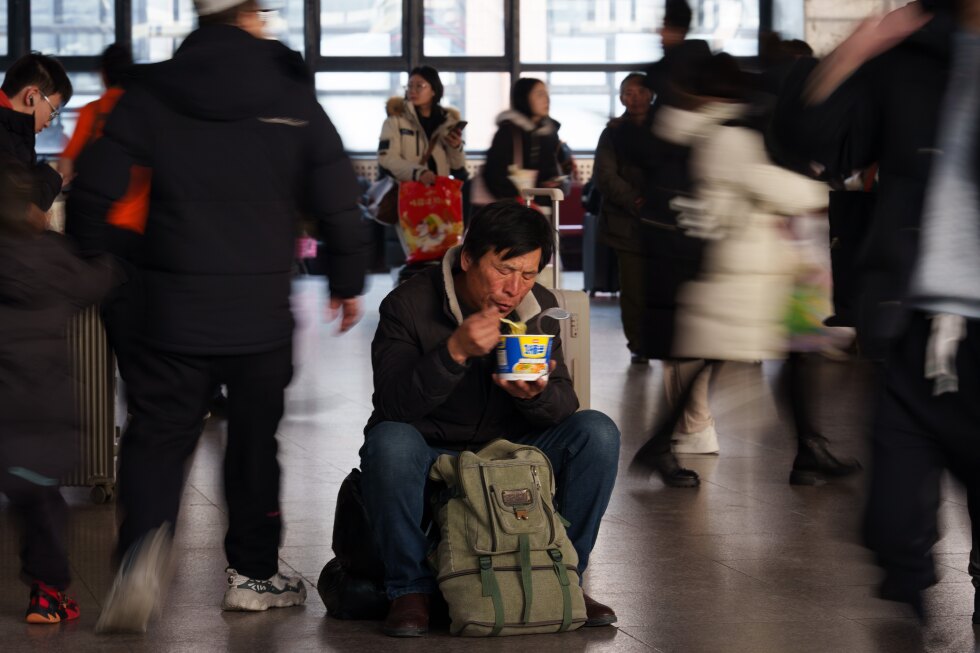
    At Beijing’s railway stations, travelers laden with oversized luggage and suitcases crowded waiting areas, many sustaining themselves with instant noodles between journeys. The stations provide complimentary hot water, facilitating this traditional travel sustenance for the millions undertaking long-distance trips.

    Liu Zhiquan, a construction worker, exemplifies the economic pressures affecting travel decisions. Opting for a 30-hour conventional train journey to Chengdu instead of the 9-hour high-speed alternative, Liu explained: ‘The economic situation feels more challenging this year. Making money has become increasingly difficult.’ His choice to endure the extended travel time reflects the financial calculations many workers must make to afford the traditional homecoming.

    Despite these economic concerns, the cultural pull remains powerful. Tian Yunxia, a breakfast stall operator from Henan province, emphasized: ‘The new year represents the ultimate festival. Without returning home, we cannot experience the authentic holiday atmosphere. I need to reunite with my children, grandchildren, and husband.’

    Young professionals like Tian Duofu, who recently entered Beijing’s workforce, recognize the diminishing opportunities for family gatherings. ‘After beginning my career, I’ve realized such extended holidays are rare occurrences. The decreasing frequency of in-person meetings makes the Spring Festival increasingly meaningful,’ she noted.

    The travel distribution reveals fascinating patterns: approximately 540 million journeys will occur via rail, 95 million by air, with the remainder utilizing road transportation. This migration phenomenon highlights the unique Chinese workplace culture where extended hours and limited annual leave make the Lunar New Year break a precious opportunity for family reconnection across vast distances.