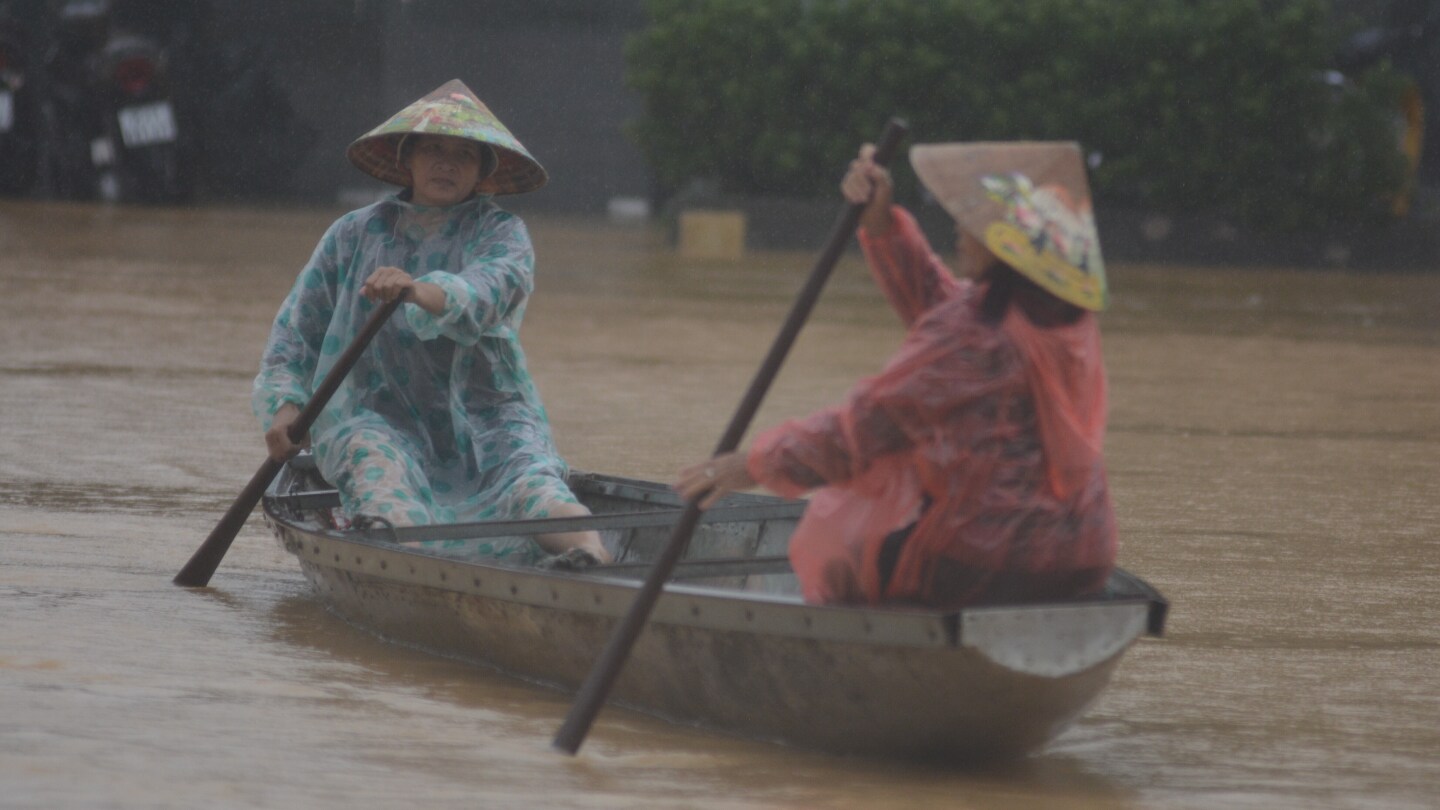
Central Vietnam is grappling with unprecedented flooding triggered by relentless heavy rains, which have submerged homes, farmland, and iconic tourist destinations, including the historic cities of Hue and Hoi An. According to Vietnam’s meteorological department, Hue recorded a staggering 1,085.8 millimeters (42 inches) of rainfall within 24 hours by late Monday, marking the highest volume ever documented in the country. The Perfume River in Hue surged to 4.62 meters (15 feet), while waist-deep floods engulfed Hoi An’s ancient town, forcing tourists to evacuate by boat. Persistent rainfall and water releases from hydroelectric dams caused the Hoai River to rise nearly 2 meters (6.5 feet), exacerbating the crisis. State media reported that 32 of Hue’s 40 residential areas were inundated, with residents resorting to boats to navigate submerged streets. The floods also disrupted the train route between Hanoi and Ho Chi Minh City, stranding thousands of passengers. In a bid to safeguard infrastructure, Vietnam’s railways deployed 19 train carriages loaded with 980 tonnes (1,080 U.S. tons) of heavy stones to stabilize a bridge at risk of being swept away. The Australian nonprofit Blue Dragon Children’s Foundation highlighted that approximately 1,000 people in rural Thua Thien Hue province, including 200 children, are isolated and in urgent need of assistance due to flooding and landslides. Meteorologists had earlier warned of severe rainfall, floods, and landslides as storm Fengshen approached. Experts attribute the intensification of such storms to global warming, which fuels tropical storms with warmer oceans, leading to stronger winds, heavier rainfall, and altered precipitation patterns across East Asia. Vietnam, one of the world’s most flood-prone nations, faces heightened risks with nearly half its population residing in vulnerable areas.
分类: society
-
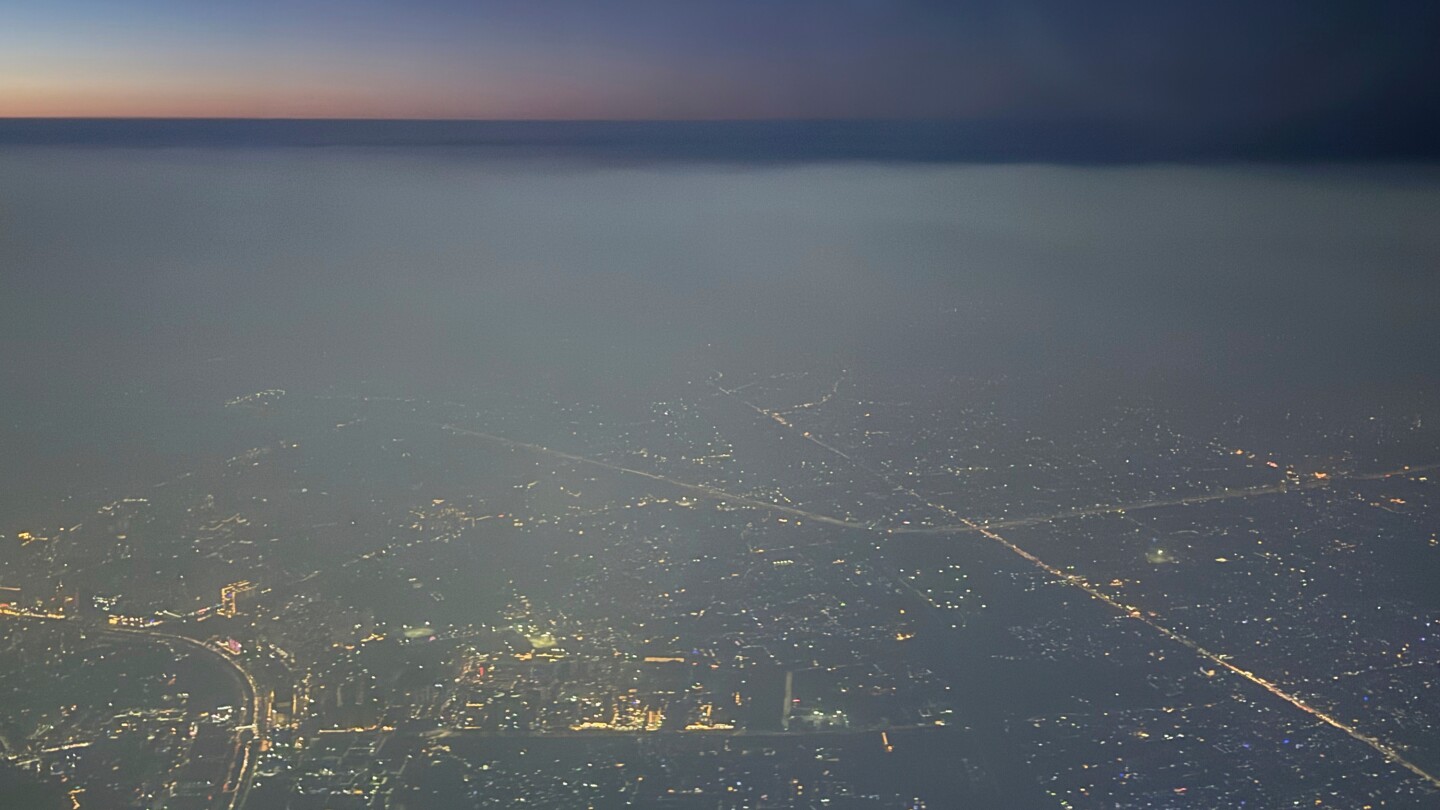
India conducts cloud-seeding trial to clear New Delhi’s smog
In a bold move to tackle the persistent air pollution crisis, Indian authorities conducted a cloud-seeding experiment over New Delhi on Tuesday. The initiative aimed to induce rainfall and alleviate the city’s hazardous smog levels, which have sparked widespread public discontent. A specialized aircraft dispersed chemicals into the clouds above select areas of the capital, hoping to trigger precipitation that would cleanse the atmosphere. Despite these efforts, air quality monitors classified the city’s pollution levels as “very poor,” underscoring the severity of the issue. Cloud seeding, a weather modification technique used in drought-prone regions like the western United States and the United Arab Emirates, remains a contentious solution due to its uncertain efficacy. Delhi Minister Manjinder Singh Sirsa revealed that the trial was conducted in collaboration with the Indian Institute of Technology Kanpur, with additional experiments planned in the coming days. He anticipated localized rainfall in the following hours, though experts remain skeptical about the long-term impact of such measures. New Delhi, home to over 30 million people, consistently ranks among the world’s most polluted cities. A recent report by IQAir, a Switzerland-based air quality monitoring database, identified six Indian cities among the top ten most polluted globally, with New Delhi topping the list as the most polluted capital. The city’s air quality deteriorates annually during winter due to crop residue burning in neighboring states, vehicle emissions, and industrial pollutants. While authorities have implemented measures such as construction bans, restrictions on diesel generators, and the deployment of anti-smog guns, critics argue that these are temporary fixes. Krishna Achuta Rao, a professor at the Indian Institute of Technology, New Delhi, emphasized that cloud seeding offers only a fleeting respite and fails to address the root causes of pollution. He advocated for stringent laws targeting emissions from industries, vehicles, and construction activities as the only viable long-term solution. “Cloud seeding is not a cure for pollution. It merely creates the illusion of action,” Rao stated.
-
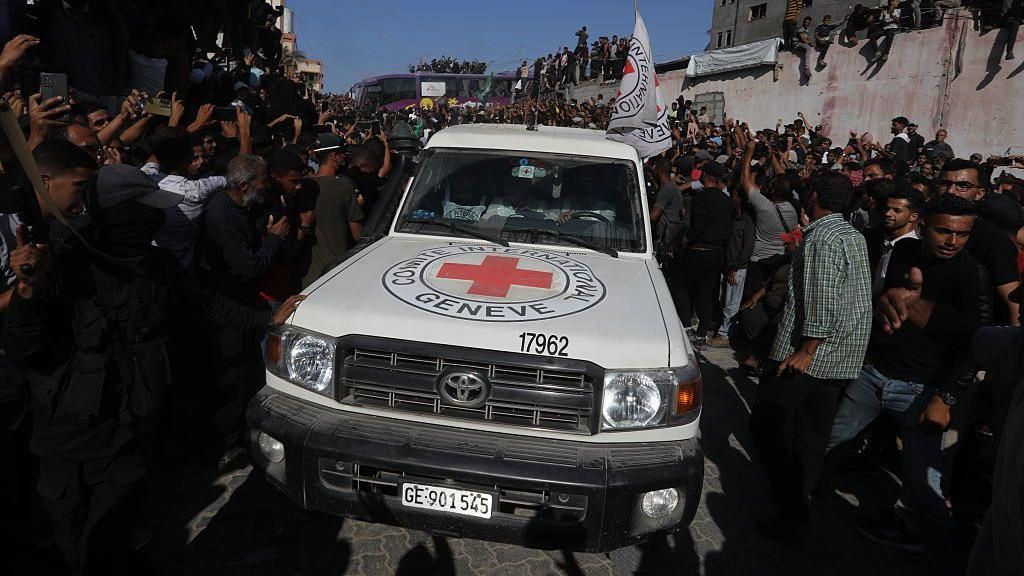
Palestinian children arrive in Ireland for medical treatment
A group of seven critically ill and injured Palestinian children, accompanied by 29 family members, have been evacuated from Gaza and arrived in Dublin, Ireland, to receive essential medical treatment. This marks the third such evacuation facilitated by the Irish government since September last year, following an appeal from the World Health Organization (WHO) to address the urgent health needs of Gaza’s population. The children were identified by doctors from Children’s Health Ireland (CHI) in collaboration with the WHO. The evacuation involved a complex, multi-stage journey: the group traveled overland from Gaza to Jordan as part of a WHO medevac convoy, before being flown to Ireland on a plane provided by the Norwegian government, accompanied by an Irish medical team. Upon arrival, the children and their families are undergoing comprehensive medical assessments to determine their treatment plans. Irish Deputy Prime Minister and Foreign Affairs Minister Simon Harris described the evacuation as a response to a ‘horrific ordeal’ endured by the families. Health Minister Jennifer Carroll MacNeill praised the operation as a testament to the ‘dedication, professionalism, and humanity’ of all involved. Ireland has committed to receiving up to 30 pediatric patients from Gaza under this initiative, with each case evaluated individually based on medical capacity. The Irish Red Cross is providing accommodation and support services, including translation and psychosocial care, to ensure the families’ well-being. Since January 2023, Ireland has contributed €101 million in aid to Palestine, with €89 million allocated since October 2023, following the escalation of conflict in Gaza. The IDF’s military campaign, launched in response to the October 7, 2023, Hamas-led attack on southern Israel, has resulted in significant casualties, with over 68,000 deaths reported by the Hamas-run health ministry, figures deemed reliable by the UN.
-

Chongyang Festival marked across China
Across China, communities and organizations came together to celebrate the Chongyang Festival, a traditional holiday dedicated to honoring the elderly. This year’s festivities, which culminated on October 29, 2025, were marked by a series of events aimed at promoting respect and care for senior citizens. In Xinghua city, East China’s Jiangsu province, legal professionals took to public parks to educate older adults on legal rights and protections related to elderly care. The Chongyang Festival, also known as Seniors’ Day in modern China, underscores the nation’s commitment to fostering intergenerational harmony and addressing the needs of its aging population. The celebrations included cultural performances, health check-ups, and community gatherings, reflecting the deep-rooted values of filial piety and social responsibility. These activities not only brought joy to seniors but also raised awareness about the importance of supporting the elderly in society.
-
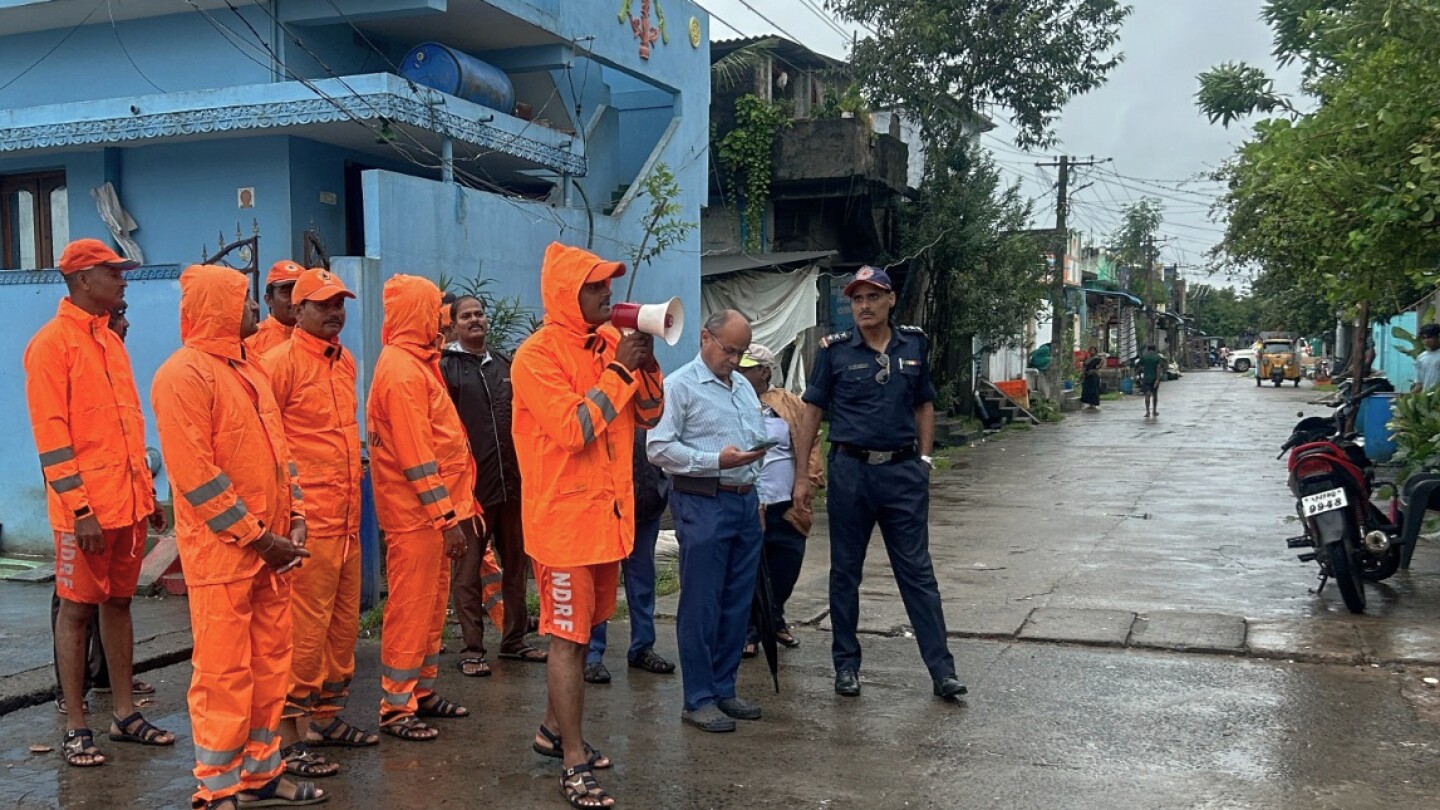
India closes schools and evacuates thousands as Cyclone Montha approaches
Indian authorities have initiated large-scale evacuations and closed schools as Cyclone Montha approaches the eastern coastline. The severe cyclonic storm, currently swirling over the Bay of Bengal, is expected to make landfall near Kakinada in Andhra Pradesh late Tuesday. With winds predicted to reach 90-110 kph (55-68 mph), the storm has prompted the issuance of red alerts—the highest weather warning level—for 19 districts in Andhra Pradesh. Neighboring states, including Tamil Nadu, Telangana, Kerala, and Karnataka, are also bracing for moderate to heavy rainfall. Disaster teams have evacuated 38,000 people from low-lying areas to relief camps, with an estimated 4 million residents in vulnerable zones. Andhra Pradesh has prepared 1,906 relief camps and 364 school shelters to accommodate evacuees from 1,238 at-risk villages. Schools and colleges remain closed until Wednesday, and fishermen have been warned against venturing into the sea. Train and flight services have been partially disrupted. In Odisha, around 32,000 people have been relocated to relief camps. Climate scientists attribute the increasing frequency and intensity of such storms to global warming, which fuels warmer oceans and more extreme weather patterns. India, one of the world’s largest emitters of greenhouse gases, is also among the most vulnerable regions to climate impacts. The 2023 cyclone season was particularly devastating, claiming 523 lives and causing $2.5 billion in damages. Tropical cyclones, known as hurricanes or typhoons in other regions, are among the most destructive natural disasters, especially in densely populated coastal areas. As global warming continues to escalate, the frequency and severity of such events are expected to rise, posing significant challenges for vulnerable regions like South Asia.
-
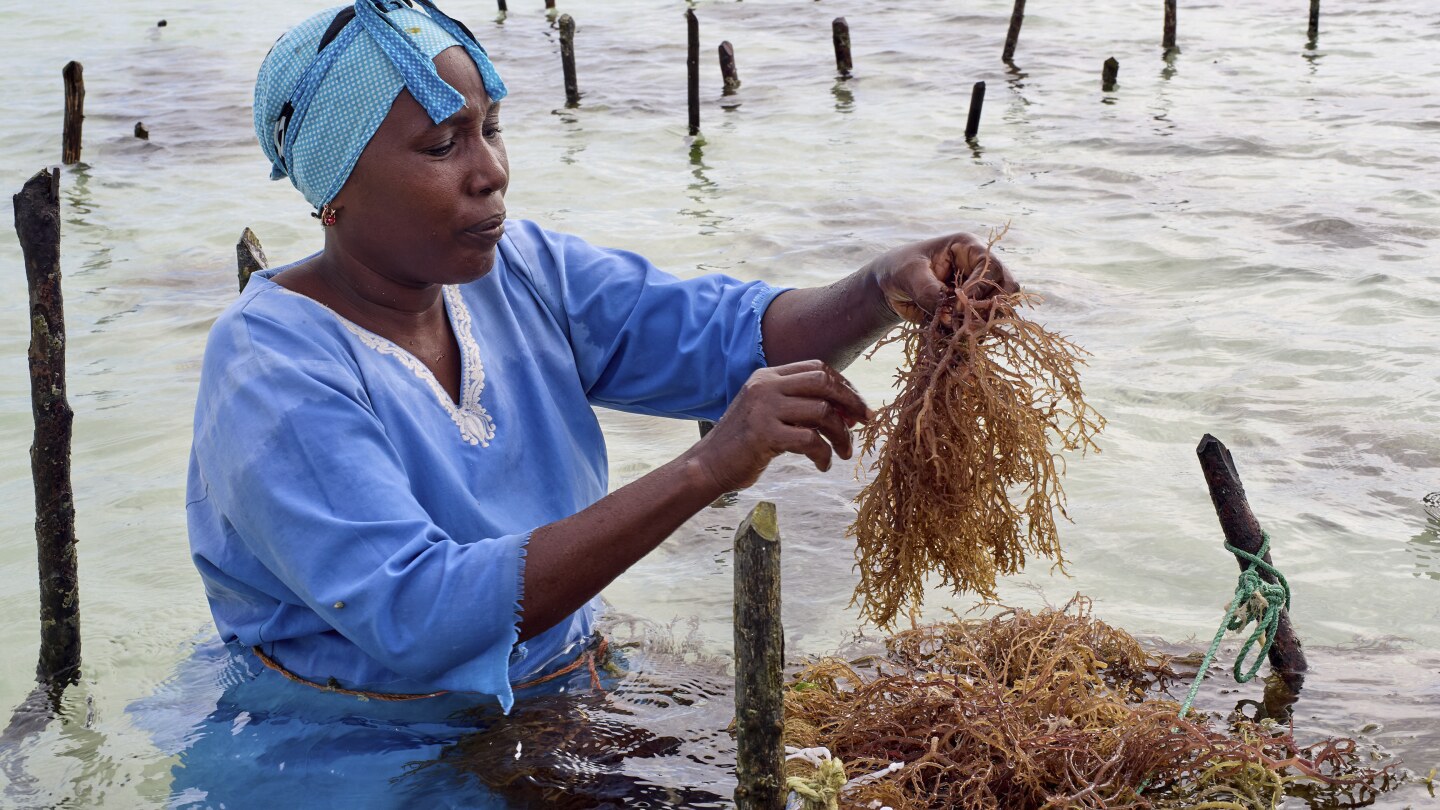
Zanzibar is seeing a seaweed boom. Can the women collecting it cash in?
In the picturesque coastal waters of Zanzibar, Tanzania, women clad in vibrant dresses wade through the shallows, their baskets filled with seaweed. This seemingly idyllic scene, often captured by tourists, belies the harsh realities of their labor-intensive work. Seaweed farming, a cornerstone of Zanzibar’s economy, employs thousands of women, yet it comes with significant physical and environmental challenges.
Seaweed, primarily exported for use in the global food, cosmetics, and pharmaceutical industries, has seen a surge in demand. This has spurred increased private investment and donor funding, making seaweed the third-largest contributor to Zanzibar’s economy after tourism and spices. However, the women who form the backbone of this industry often face grueling conditions.
Mwanaisha Makame Simai, a seaweed farmer, describes the physical toll: ‘I experience pain in my back, waist, and chest due to the labor in the sea. There are also risks of being stung or bitten. Sometimes strong waves sweep you away. I have personally witnessed three cases of people drowning.’
The industry’s growth is part of Zanzibar’s ‘blue economy’ initiative, aimed at leveraging sustainable marine resources for economic development. Global players like Cargill have invested in the sector, partnering with organizations like The Nature Conservancy to improve yields and farmers’ incomes. NGOs such as the Global Seaweed Coalition are also stepping up efforts to ensure the sector’s safety and sustainability.
Despite these advancements, the majority of Zanzibar’s 25,000 seaweed farmers, predominantly women, work independently or in collectives, selling to local middlemen with little to no protections. Long hours under the equatorial sun lead to backaches, skin irritation, and the risk of stings from sea creatures. Rising sea temperatures due to climate change have further compounded these challenges, forcing women to venture into deeper waters.
Efforts to empower these women are underway. Organizations like Milele Zanzibar Foundation are teaching women to swim to combat the growing drowning crisis. Mwani Zanzibar, a boutique seaweed farm and factory, is training women in cosmetics manufacturing, offering them higher-paying jobs and reducing their time spent in the sea.
However, concerns remain about the equitable distribution of benefits from the industry’s growth. Simai notes, ‘Most of the money ends up with those who have office jobs, rather than the hardworking farmers.’ As Zanzibar’s seaweed industry continues to expand, ensuring that its benefits reach those at the grassroots level remains a critical challenge.
-

Australia denies visa to Dutch Olympian convicted of child rape
The Australian government has denied a visa to Dutch Olympian Steven van de Velde, preventing him from competing in the upcoming Beach Volleyball World Championships in Adelaide. Home Affairs Minister Tony Burke cited van de Velde’s criminal record as the primary reason for the decision. Van de Velde, 31, was convicted in 2016 of raping a 12-year-old girl in Britain and served 13 months of a four-year prison sentence. Despite his return to professional sports in 2018, his participation in international events has remained controversial. Van de Velde acknowledged the likelihood of visa rejection, stating that he and his team had anticipated the outcome. His ban also sidelines his teammate Alexander Brouwer, as the pair cannot compete without him. The decision aligns with Australia’s stringent visa policies, which include a “character test” to bar individuals deemed a risk to public safety. This move follows recent high-profile visa denials, including those of U.S. conservative commentator Candace Owens and rapper Ye (formerly Kanye West). Volleyball Australia CEO Andrew Dee emphasized the focus on delivering a successful event, highlighting the participation of nine Australian teams. Van de Velde’s case has reignited debates about the eligibility of athletes with criminal records in international sports.
-

Dutch volleyball player and convicted child rapist denied visa to compete in Australia
Steven van de Velde, a Dutch Olympic volleyball player convicted of raping a 12-year-old British girl in 2014, has been denied a visa to compete in Australia. The 31-year-old athlete was scheduled to participate in the Beach Volleyball World Championships in Adelaide next month. However, South Australia’s Attorney-General Kyam Maher urged the federal government to reject his visa, describing his crimes as ‘utterly abhorrent’ and emphasizing that foreign child sex offenders should not be allowed entry into the country. Australia’s Home Affairs Minister Tony Burke affirmed the government’s commitment to using all available tools to ensure community safety. Van de Velde, who pleaded guilty to three counts of rape in 2016, served 12 months of a four-year sentence before resuming his professional career in 2018. Despite representing the Netherlands at the Paris Olympics last year, he faced public backlash, including boos from the crowd and an online petition with 90,000 signatures demanding his exclusion from the event. The BBC has reached out to the event organizers and the Dutch volleyball association for comments.
-

‘Emirates Loves India’ gates close early due to safety concerns; organisers issue apology
The much-anticipated ‘Emirates Loves India’ community celebration at Zabeel Park in the UAE faced an unexpected setback as authorities were compelled to close the gates early due to safety concerns. The event, which aimed to celebrate the cultural ties between Emiratis and the Indian community, drew an overwhelming crowd, prompting organisers to take precautionary measures. Despite opening in the afternoon with cars queuing from 1pm, many visitors arriving later were turned away by security personnel. Heavy patrols were deployed throughout the park to ensure crowd safety. In the aftermath, organisers issued a public apology to those unable to attend, expressing gratitude for the overwhelming response and understanding of the situation. The event, which featured performances by renowned artists like Neha Kakkar and Mika Singh, as well as yoga guru Baba Ramdev, showcased the vibrant creativity and rich talent of the Indian community in the UAE. Attendees enjoyed a lively mix of folk dances, traditional fashion, handmade crafts, and popular Indian dishes, creating a festive atmosphere that celebrated friendship and cultural harmony. However, for many like Damodar Basnet, Parvati Jishi, and Jamuna KC, the day ended in disappointment as they were unable to enter the venue due to the overwhelming crowd. Organisers acknowledged the challenges faced and reiterated their commitment to ensuring safety in future events.
-
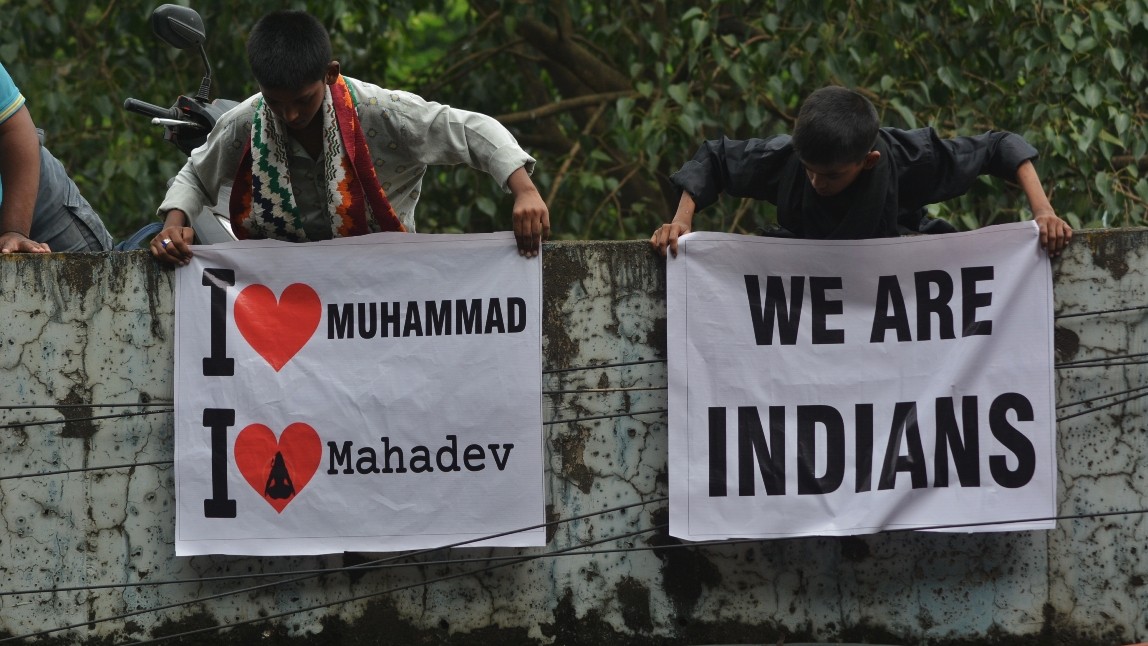
‘Absurd’: India’s widespread crackdown on Muslims saying ‘I Love Muhammad’
Since early October, Indian authorities have intensified a controversial campaign targeting Muslim communities across several states. Thousands of Muslims have been arrested, numerous buildings demolished, and internet services shut down in predominantly Muslim neighborhoods. The catalyst for this crackdown appears to be the widespread display of the phrase “I Love Muhammad” on banners, T-shirts, and social media, which authorities claim threatens public order. However, human rights activists argue that these actions are part of a broader, systemic effort to suppress India’s Muslim minority. According to the Association for Protection of Civil Rights (APCR), over 4,500 Muslims have been charged, and 265 arrested nationwide, with 89 arrests occurring in Bareilly alone. The first incident occurred on September 4 in Kanpur, Uttar Pradesh, during Milad-un-Nabi, a festival celebrating the Prophet Muhammad’s birth. A group of Muslims installed an illuminated sign reading “I Love Muhammad,” which some Hindus deemed provocative. This minor dispute quickly escalated into a national controversy, with young Muslims across India taking to the streets to assert their faith. Authorities responded with a heavy-handed crackdown, including arrests, property demolitions, and internet blackouts. Critics, including Aakar Patel of Amnesty International, have condemned these actions as violations of constitutional rights, including freedom of expression and due process. The situation has raised concerns about India’s commitment to secularism and religious freedom, particularly under the Modi government, which has been accused of promoting Hindu nationalism. With state elections approaching, observers warn that such crackdowns may intensify, further marginalizing India’s Muslim population.