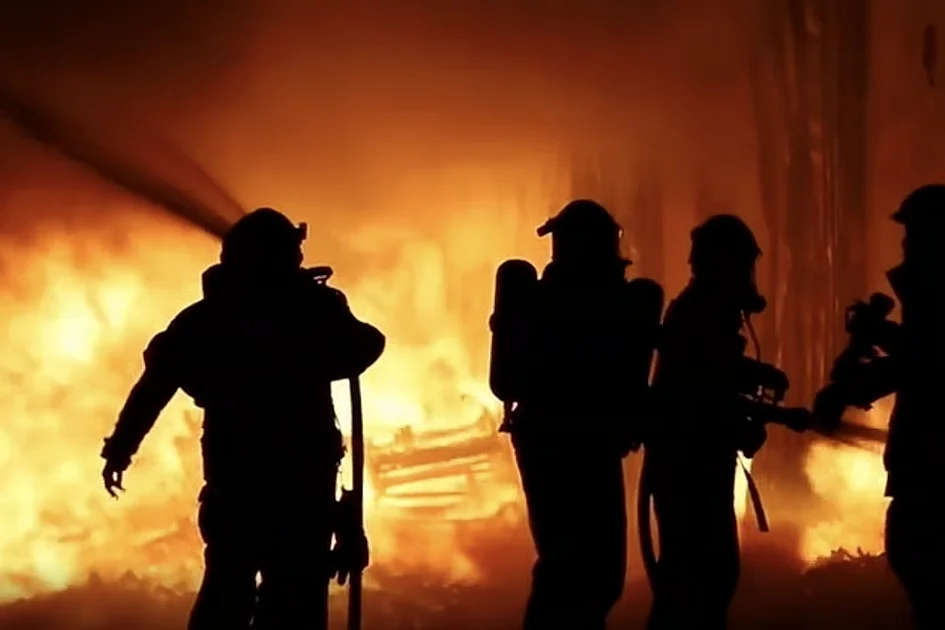
A significant fire erupted in the Musaffah Industrial Area of Abu Dhabi on the evening of Tuesday, October 28, 2025, prompting an immediate response from local authorities. Abu Dhabi Police, in collaboration with the Abu Dhabi Civil Defence Authority, swiftly mobilized to combat the blaze, which had engulfed several commercial shops. Through coordinated efforts, the fire was successfully brought under control, and subsequent cooling and smoke extraction operations were initiated to ensure the area’s safety. Authorities confirmed that no injuries or casualties were reported during the incident. In a statement shared on social media platform X, officials urged residents to rely solely on official government sources for accurate information. This incident follows a similar fire in the same industrial area last month, which was also promptly managed by emergency teams. The quick and efficient response highlights the preparedness and effectiveness of Abu Dhabi’s emergency services in handling such crises.
分类: society
-
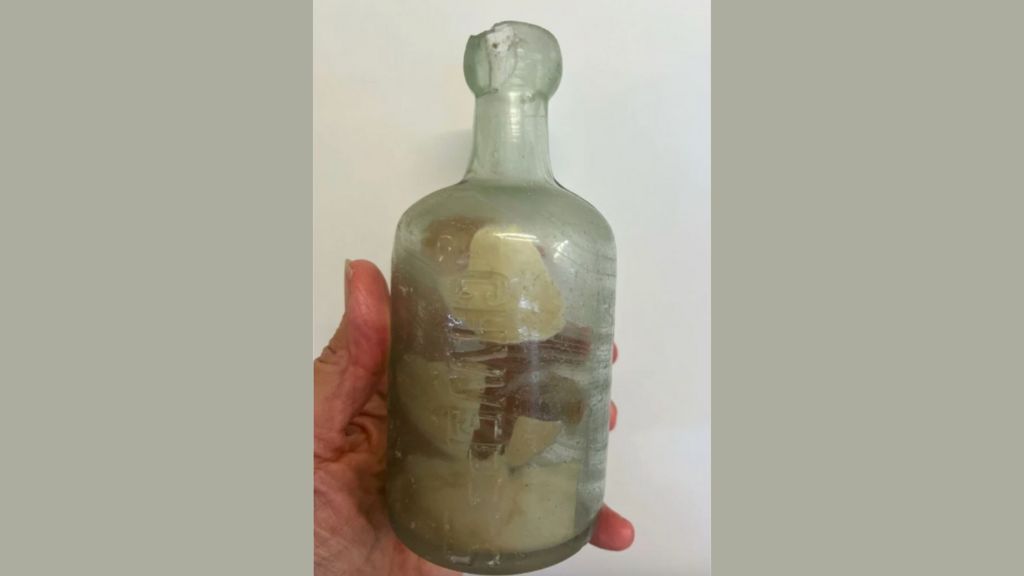
Messages in a bottle from WWI soldiers found on Australian coast
In a remarkable discovery, two messages in a bottle written by Australian soldiers during World War I have been found on the south-western coast of Australia, more than a century after they were penned. The letters, written in 1916 by Privates Malcolm Neville and William Harley, were unearthed earlier this month on Wharton Beach near Esperance, Western Australia, by local resident Deb Brown and her family. The Browns, who regularly clean up litter on the beach during their quad bike trips, spotted the thick glass bottle partially buried in the sand. Despite the paper being wet, the messages remained legible. The cheerful notes were written just days into the soldiers’ voyage to the battlefields of France. Private Neville, who was killed in action at the age of 28, wrote to his mother, describing the food on board as ‘real good’ and expressing his happiness. Private Harley, who survived the war and returned home, addressed his letter to whoever might find the bottle, as his mother had already passed away. Ms. Brown, determined to return the letters to the soldiers’ descendants, successfully traced Private Neville’s great-nephew, Herbie Neville, through online research. The discovery has deeply moved the families, particularly Private Neville’s 101-year-old niece, Marian Davies, who remembers her uncle leaving for war and never returning. Private Harley’s granddaughter, Ann Turner, described the find as a ‘miracle,’ feeling as though her grandfather had reached out from the grave. An oceanography professor suggested the bottle may have been in the water for only a few weeks before washing ashore, where it likely remained buried for a century. The letters, now in the hands of the soldiers’ descendants, serve as a poignant reminder of the personal stories behind the global conflict of World War I.
-

Nigeria’s Nobel-winning author Wole Soyinka says his US visa was revoked
Renowned Nigerian author and Nobel Prize laureate Wole Soyinka revealed on Tuesday that his non-resident visa to the United States had been revoked, suggesting that his recent criticism of former U.S. President Donald Trump might be the reason behind the decision. Soyinka, who became the first African to win the Nobel Prize in Literature in 1986, expressed his belief that the visa denial was less about him personally and more a reflection of broader U.S. immigration policies. The 91-year-old author, who has previously held a green card and taught in the U.S., humorously recounted how his green card ‘had an accident’ eight years ago when he destroyed it in protest of Trump’s inauguration. Soyinka stated that he has no intention of reapplying for a visa, emphasizing the principle of human dignity. The U.S. Consulate in Lagos referred inquiries to the State Department, which has yet to comment on the matter.
-
‘I have to get what I need right now’: Americans brace for expiry of critical food benefits
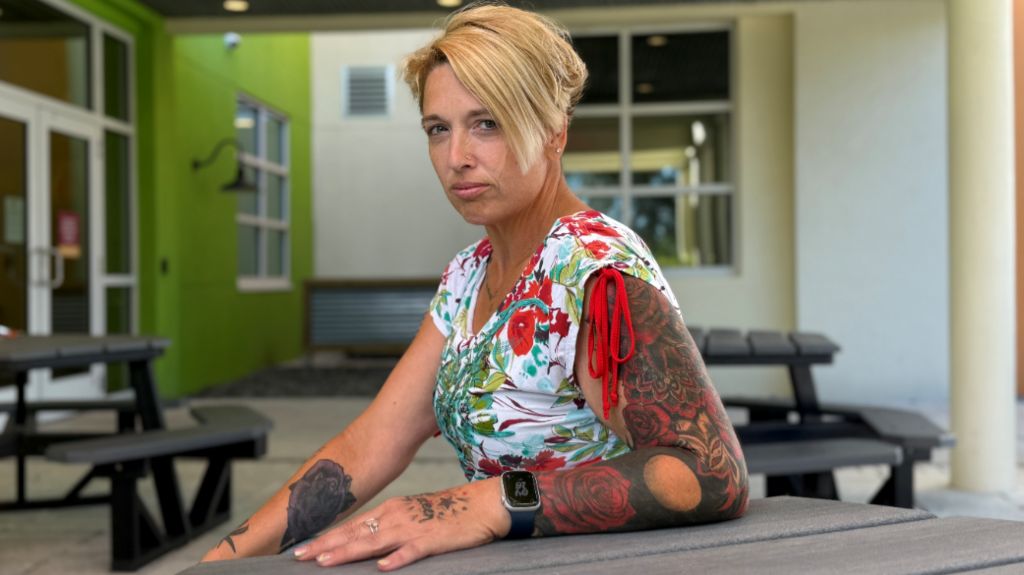
Chantille Manuel, a Florida resident, has achieved remarkable personal milestones over the past five years, including overcoming addiction, losing over 140 pounds, and launching her own beauty salon. Despite these accomplishments, she continues to rely on food assistance from local churches and the U.S. government to feed herself. ‘I don’t want to have to have help from anybody, I want to be self-sufficient,’ she says. However, her situation is precarious as the ongoing government shutdown threatens to cut off essential food aid for millions of Americans like her. The Supplemental Nutrition Assistance Program (SNAP), which provides reloadable debit cards for food purchases, is at risk of running out of funds starting November 1. This program is a lifeline for one in eight Americans, including Ms. Manuel, who spent her October benefits last week on essentials like coffee, creamer, and tuna. ‘It’s either going to be there or it’s not,’ she says. ‘So I might as well get what I need right now.’ The Trump administration has declined to use a contingency fund to continue SNAP benefits, citing the need to reserve funds for emergencies like natural disasters. Even if used, these funds would only cover about 60% of a single month’s benefits, according to the Center on Budget and Policy Priorities. Democrats and Republicans remain divided on the issue, with Democrats accusing the administration of prioritizing other services over SNAP. On Tuesday, Senate Democrats introduced legislation to fund SNAP during the shutdown, but its passage is uncertain. Meanwhile, food banks like All Faiths Food Bank in Sarasota, Florida, are bracing for increased demand. Last year, the food bank served over 80,000 people with more than 22 million pounds of food. ‘Receiving food is an inalienable right,’ says Nelle Miller, the food bank’s CEO. ‘I just can’t imagine denying food, water, or air to any human being.’ As the shutdown enters its 29th day, the longest in U.S. history, the fate of SNAP recipients hangs in the balance, with many fearing they will soon have to turn to food banks for survival.
-
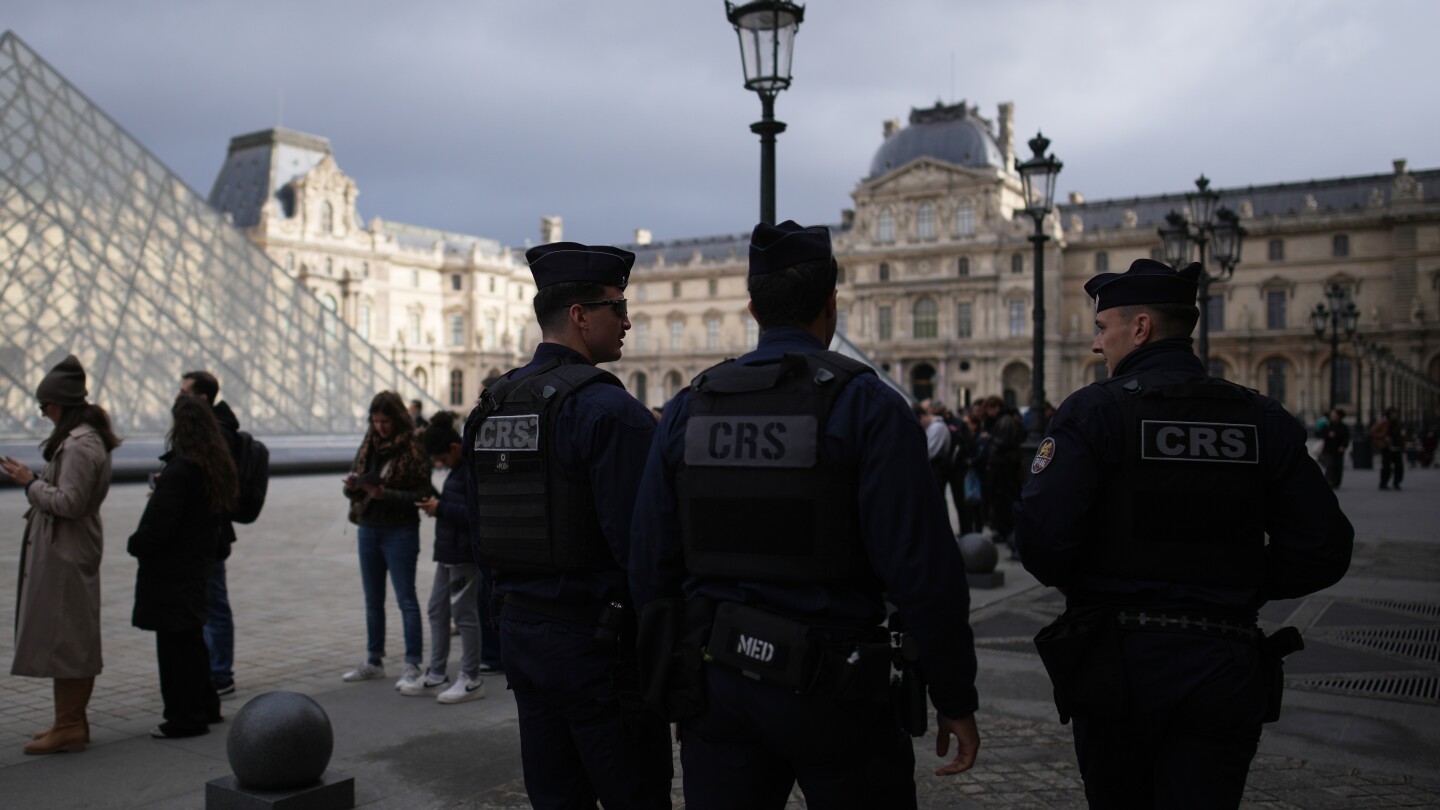
Paris police acknowledge major gaps in Louvre’s defenses after jewel theft
The recent daylight theft at the Louvre Museum has sparked a national reckoning over France’s ability to safeguard its cultural treasures. Paris Police Chief Patrice Faure revealed significant vulnerabilities in the museum’s security systems during a Senate hearing on Wednesday. He highlighted outdated technology, including analog video networks that produce low-quality images and slow real-time sharing. A long-awaited $93 million security upgrade, involving 60 kilometers of new cabling, is not expected to be completed until 2029–2030. Alarmingly, the Louvre’s authorization to operate its security cameras expired in July and was not renewed, a lapse that underscores broader negligence. On October 19, thieves exploited these weaknesses, breaking into the Apollo Gallery and stealing eight pieces of the French crown jewels valued at $102 million. The theft was first reported by a cyclist, not the museum’s alarms, further exposing flaws in the alert system. Two suspects were arrested, but their custody is set to expire, raising concerns about the investigation’s progress. The incident has also revealed an insurance blind spot, as the jewels were not privately insured, leaving the Louvre to bear the total financial loss. Faure emphasized the need for advanced tools like AI-based anomaly detection to enhance security, while rejecting calls for a permanent police post inside the museum. The heist has intensified scrutiny on the Louvre’s management, already strained by chronic understaffing and mass tourism. Experts fear the stolen jewels may be irreversibly altered, adding urgency to France’s debate on protecting its cultural heritage.
-

France expected to adopt consent-based rape law in the wake of landmark Gisèle Pelicot case
France is poised to take a monumental step in its fight against sexual violence as the Senate prepares to give its final approval to a landmark bill on Wednesday. The legislation redefines rape and sexual assault as any non-consensual sexual act, marking a significant shift in the country’s legal framework. This move follows the harrowing trial of Gisèle Pelicot, whose case exposed systemic issues in France’s approach to sexual violence and consent. The bill, introduced in January, gained momentum after 51 men were convicted of raping and abusing Pelicot over nearly a decade, sparking a national reckoning on rape culture. Lawmakers Marie-Charlotte Garin and Véronique Riotton, who spearheaded the initiative, emphasized the urgency of addressing sexual violence, stating, ‘It’s time to take action and take a new step forward.’ The legislation explicitly defines consent as ‘freely given, informed, specific, prior, and revocable,’ and clarifies that silence or lack of resistance does not imply consent. It also stipulates that any sexual act involving violence, coercion, threat, or surprise is non-consensual. The bill received overwhelming support in the National Assembly last week, with only the far-right opposing it. Once enacted, France will join other European nations like Germany, Belgium, and Spain in adopting consent-based rape laws. The Pelicot case, which revealed the role of pornography, online chatrooms, and misconceptions about consent in perpetuating rape culture, has made her a global symbol in the fight against sexual violence.
-

China records 50.6 billion cross-regional passenger trips in the first three quarters
China has witnessed a significant surge in cross-regional passenger travel during the first three quarters of 2025, with a total of 50.6 billion trips recorded. This marks a 3.1% increase compared to the same period in the previous year, reflecting the country’s robust transportation network and growing mobility demands. The data underscores the continued recovery and expansion of China’s domestic travel sector, driven by improved infrastructure, economic growth, and the easing of travel restrictions. The rise in passenger trips also highlights the increasing interconnectedness of regions across the nation, facilitating economic and cultural exchanges. This trend is expected to bolster related industries, including tourism, hospitality, and transportation services, contributing to the overall economic vitality of the country.
-

Methanol poisoning survivor says influencer campaign not enough
Bethany Clarke, a survivor of a mass methanol poisoning incident in Laos, has expressed concerns that current efforts to educate young travelers about the dangers of methanol are insufficient. Last November, Bethany and her friend Simone White were among a group of backpackers who consumed tainted shots in Laos. Tragically, Simone, along with five others, lost their lives. Methanol, a toxic chemical not meant for human consumption, can cause severe symptoms such as blurred vision, dizziness, and vomiting, and can be fatal if untreated.
The UK government has launched a campaign using social media influencers and student ambassadors to spread awareness about methanol poisoning. Bethany acknowledges this as a positive step but worries that the message may not reach all those at risk. She advocates for more direct and widespread education, including warnings in schools and airports.
The Foreign Office has updated its travel advice for Laos and other countries where methanol poisonings involving British nationals have been reported. They are also collaborating with influencers like Lia Groves, a content creator with a significant social media following, to produce safety videos. Lia, who has begun a six-month backpacking trip, has vowed to avoid homemade alcohol and free bar shots, citing the campaign’s impact on her travel habits.
Despite these efforts, Bethany criticizes the government’s reliance on social media algorithms, arguing that the information may not reach enough people. She suggests adopting more visible measures, such as signage in airports and hostels, similar to those in Australia. The Foreign Office has responded by stating they are using a wide range of methods, including QR codes and partnerships with influencers, to disseminate safety information.
Bethany’s petition for more comprehensive methanol safety warnings highlights the ongoing need for greater awareness and action to prevent future tragedies.
-

10.57 million new urban jobs created from Jan-Sept
China has made significant strides in urban employment, with approximately 10.57 million new jobs created from January to September 2025, according to the Ministry of Human Resources and Social Security. This achievement represents 88% of the annual target set by the government, showcasing the country’s robust efforts to stabilize and expand employment opportunities amid economic challenges. The data underscores China’s commitment to addressing labor market demands and fostering economic resilience. The ministry highlighted that this progress reflects the effectiveness of national policies aimed at promoting job creation and supporting urban development. As China continues to navigate global economic uncertainties, this milestone signals a positive trajectory for its employment landscape and overall socio-economic stability.
-

Rescue operations underway after 7-story building collapses in northwest Turkey
A tragic incident unfolded in the early hours of Wednesday in Gebze, a northwestern city in Turkey, when a seven-story apartment building collapsed, leaving five members of a single family trapped beneath the debris. Gebze Governor İlhami Aktas confirmed the identities of those trapped, though the status of their survival remains uncertain. Rescue operations are currently underway, led by teams from the Disaster and Emergency Management Directorate (AFAD). The cause of the collapse is still under investigation, with no definitive answers yet. However, Gebze Mayor Zinnur Büyükgöz speculated that ongoing metro construction in the vicinity might have contributed to the disaster. Gebze, situated along the north Anatolian fault line, has a history of seismic activity, most notably during the devastating 1999 earthquake that claimed approximately 18,000 lives. The incident has raised concerns about building safety and urban development practices in the region.