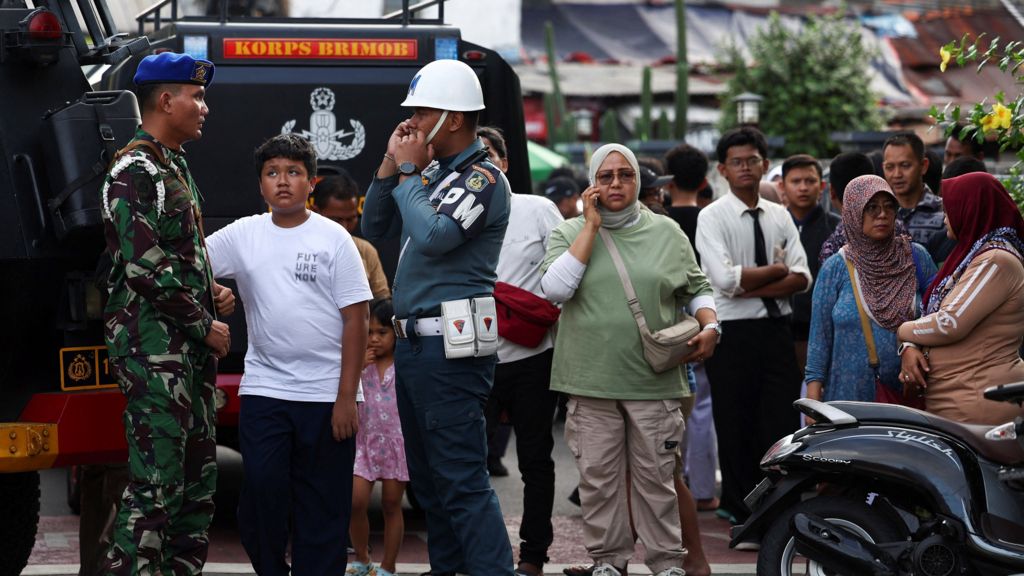
A devastating explosion occurred during Friday prayers at a mosque located within a high school complex in Kelapa Gading, North Jakarta, Indonesia. The incident resulted in injuries to dozens of worshippers, with 54 individuals rushed to hospitals for treatment. Jakarta Metropolitan Police Chief Asep Edi Suheri confirmed the casualties during a televised press briefing, noting that the injuries ranged from minor to severe, including burns. Authorities have launched a thorough investigation into the cause of the explosion, with a bomb disposal team from the Mobile Brigade Corps deployed to conduct a detailed search of the area. The incident has raised concerns about safety and security in public spaces, particularly in places of worship. As the investigation unfolds, the community remains on edge, awaiting further updates from law enforcement officials.
分类: society
-
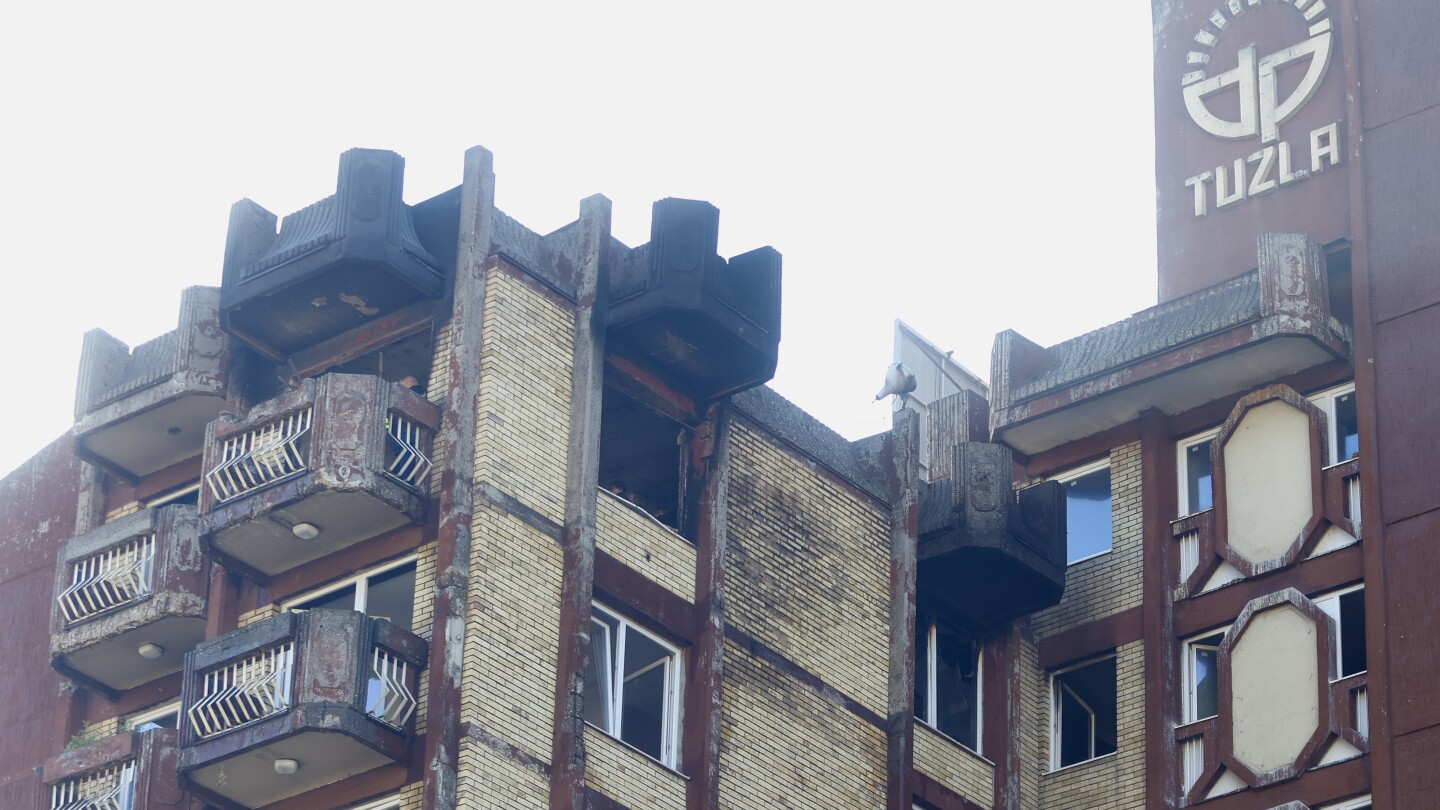
Two hospital deaths raise the toll from a retirement home fire in Bosnia to 13 dead
A devastating fire at a retirement facility in Tuzla, Bosnia-Herzegovina, has resulted in the deaths of 13 elderly residents, with two more succumbing to their injuries in the hospital on Friday. The blaze erupted on Tuesday evening on the seventh floor of the boarding house, causing panic as residents scrambled to escape. Initial reports indicate that 11 individuals died from smoke inhalation on the day of the incident. Thirteen others remain hospitalized, according to medical authorities in Tuzla. An official investigation is currently in progress to ascertain the cause of the fire. Local media highlighted that the upper floors of the facility housed elderly residents with limited mobility or chronic illnesses, raising concerns about safety protocols. In the wake of the tragedy, the facility’s manager has resigned. The incident has sparked widespread grief and calls for improved safety measures in care facilities across the region.
-
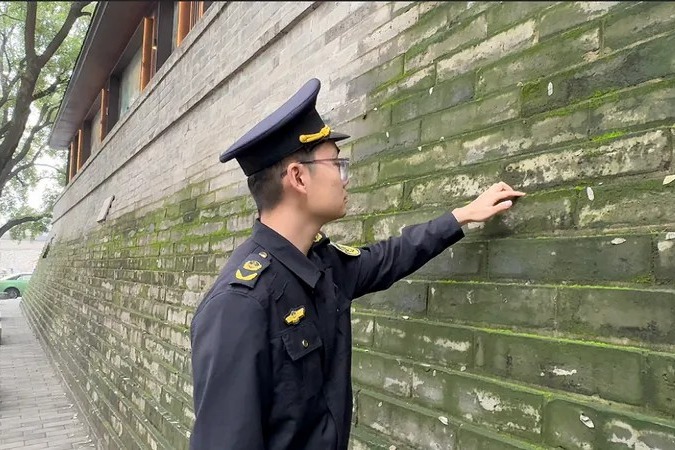
Xi’an City Wall gets health checkup after heavy rains
The historic Xi’an City Wall, a UNESCO World Heritage Site, is undergoing a thorough health assessment following months of heavy rainfall linked to climate change. Since September, Shaanxi province has experienced three prolonged rainy periods, with 87 monitoring stations recording over 20 days of rainfall. The average precipitation reached 314 millimeters, 1.6 times higher than the normal level, marking the second-highest rainfall since 1961. This has raised concerns about the structural integrity of the ancient wall, which dates back to the Ming Dynasty (1368-1644).
Gao Heng, head of the cultural heritage protection department of the Xi’an City Wall Management Committee, highlighted the risks posed by water infiltration. Increased moisture has led to surface deterioration, such as moss and lichen growth, and structural issues, including water seeping into the wall’s rammed-earth core. This can reduce the soil’s bearing capacity, potentially causing localized settlement or collapse.
To mitigate these risks, the committee has implemented a differentiated maintenance approach. Routine measures include sealing cracks and re-leveling surface bricks, while engineering solutions involve re-compacting loose soil and enhancing drainage systems. A key drainage project, approved by the National Cultural Heritage Administration, is underway to divert rainwater from the wall’s foundation.
Technology plays a crucial role in preservation efforts. Since 2018, a ‘digital cabin’ system with over 3,000 sensors has monitored settlement and crack displacement. Drones conduct aerial inspections quarterly, and a four-color warning system assesses risks based on damage severity. In 2023, a comprehensive ‘CT health scan’ using ground-penetrating radar revealed over 1,300 historical cavities and 800 areas of less compact soil within the wall.
Collaboration with local meteorological bureaus and academic institutions ensures specialized weather forecasts and technical support. The committee has also introduced a ‘wall chief’ system, assigning individuals to oversee specific sections for routine monitoring and early issue reporting.
Despite these challenges, Gao emphasized that the wall’s original structure remains intact, with only restored outer layers affected by recent damage. The ongoing efforts aim to safeguard this cultural treasure for future generations.
-

Protesters disrupt an Israeli Philharmonic concert in Paris. 4 people are detained
The Israel Philharmonic Orchestra’s performance in Paris was marred by repeated disruptions as protesters brandished flares and triggered sound alarms, causing panic among the audience and forcing musicians to leave the stage. The incident, which occurred on Thursday night at the Paris Philharmonic concert hall, led to the detention of four individuals. Pro-Palestinian activists also demonstrated outside the venue, highlighting the ongoing tensions surrounding the Gaza conflict spilling into European protests. The French government condemned the disruptions as antisemitic and an attack on cultural freedom. Witnesses inside the hall described a performance fraught with chaos, as the orchestra faced multiple interruptions. Osnat Menache, an official from the Israeli Embassy in Paris, recounted the ordeal, stating that every 10 to 20 minutes, someone attempted to sabotage the concert. Minutes into the performance, loud alarms forced the orchestra to halt and exit the stage. Protesters shouted slogans such as ‘Israel Assassin,’ as reported by Jonathan Arfi, president of France’s national Jewish organization CRIF. Flares were also ignited, with one landing dangerously close to the orchestra. Despite the turmoil, the musicians eventually returned to complete the concert. Interior Minister Laurent Nunez denounced the disruptions on social media, emphasizing that ‘nothing can justify them.’ Earlier, a group of pro-Palestinian musicians had urged the Paris Philharmonic’s director to cancel the event, arguing that it would endorse Israel’s impunity and misuse classical music to whitewash its policies. The group maintained its stance despite a recent ceasefire, citing unresolved historical issues. Arfi criticized the disruptions as an attempt to ‘kidnap culture and arts’ to propagate violent messages within French society. Menache emphasized the French government’s commitment to addressing such antisemitic acts, stating that ‘every antisemitic act should be brought to justice.’
-

Scam centers in southeast Asia are on the rise despite crackdowns to root out the illegal industry
In the shadows of Southeast Asia, a sinister industry thrives, exploiting both victims and laborers. Scam operations, often initiated through innocuous text messages, have become a global menace, siphoning billions of dollars from unsuspecting individuals. These schemes are powered by a network of forced laborers, many of whom are lured with false promises of lucrative jobs, only to find themselves trapped in sprawling compounds across the region. The scale of this crisis is staggering, with estimates suggesting that hundreds of thousands of people are coerced into working in these fraudulent operations. The issue is further complicated by the involvement of local elites and transnational criminal syndicates, making it a formidable challenge for law enforcement agencies. Despite recent crackdowns, such as the shutdown of Myanmar’s infamous KK Park, the problem persists, with new scam centers emerging across Southeast Asia and beyond. The United Nations has highlighted the global reach of these scams, which now target victims as far afield as Africa and Latin America. Activists argue that while rescuing victims is crucial, dismantling the criminal networks behind these operations is essential to eradicating the scourge. The fight against this global fraud epidemic requires coordinated international efforts and a sustained commitment to justice.
-

Multiple people fall ill after package delivered to Air Force One base
A potentially hazardous incident unfolded at Joint Base Andrews (JBA) in Maryland, near Washington DC, after multiple individuals fell ill upon opening a suspicious package delivered to the base’s operations center. The package, which contained an unidentified white powder, prompted an immediate evacuation of the building and a connected facility as a precautionary measure. Medical personnel confirmed that those affected were in stable condition.
-

Cafe leads aid drive for hurricane-hit Jamaica
In the wake of Hurricane Melissa’s devastating impact on Jamaica, a family-run cafe in Wolverhampton, UK, has stepped up to organize a significant relief effort. The L’ouis-Mella Cafe Patisserie, owned by Camille Lange and her family, is spearheading a donation drive to ensure aid reaches all 14 parishes of Jamaica, particularly the most remote and hardest-hit areas. The category five hurricane, with winds reaching 185 mph (297 km/h), has claimed at least 30 lives and left many communities isolated, without access to food, power, or clean water. Camille Lange, who has personal ties to Jamaica, emphasized the importance of community involvement, stating, ‘This is bigger than us. It’s going to take a community.’ The cafe is coordinating with local volunteers to distribute essential items such as food, water, and baby supplies, including pre-made milk formula. The Jamaican government has also provided a list of urgently needed items and online donation options. The L’ouis-Mella Cafe has already received generous contributions from the local community and is urging anyone with connections to affected areas to reach out for assistance. ‘Everything adds up,’ Lange added, ‘and everything will create some kind of aid to someone in need.’ The initiative highlights the resilience and solidarity of both the Jamaican diaspora and the global community in times of crisis.
-

At the 6-months mark, Pope Leo finds his footing and starts charting his own path and style
VATICAN CITY — Six months into his papacy, Pope Leo XIV is steadily adapting to his role, demonstrating a blend of continuity with his predecessor, Pope Francis, and a willingness to carve out his own path. During a historic visit to the Vatican last month, King Charles III remarked on the omnipresent television cameras, to which Leo responded with a casual, “You get used to it.” This offhand comment underscores the pontiff’s growing comfort in his position, according to Vatican observers.
-
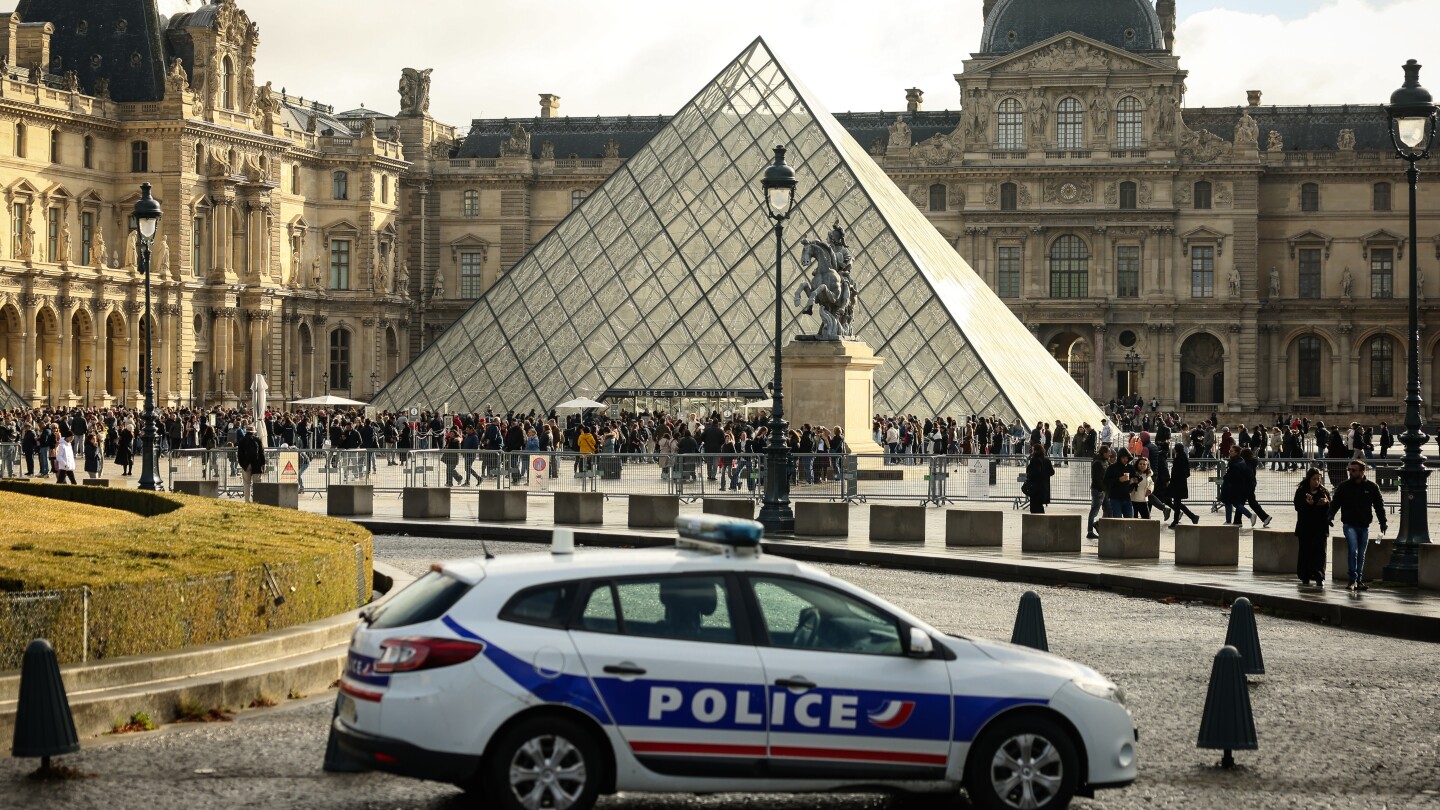
France mourns its stolen crown jewels as their uncomfortable colonial past returns to view
The recent theft of crown jewels from the Louvre in Paris has not only triggered a high-profile police investigation but also reignited a contentious debate about the origins of museum artifacts and the ethics of colonial-era acquisitions. While the stolen jewels were crafted in France, their gemstones trace back to former colonies, including Ceylon (Sri Lanka), India, Brazil, the Persian Gulf, and Colombia. This revelation has prompted calls for greater transparency from the Louvre and other European museums about the provenance of their collections. Experts argue that the heist presents an opportunity to confront the uncomfortable histories tied to these treasures and to push for restitution. The stolen items, including tiaras, necklaces, and brooches, once belonged to 19th-century French royalty, but their raw materials were sourced through imperial networks that exploited global labor and resources. Critics emphasize that while the theft is criminal, the colonial context of these jewels complicates the narrative of loss. The case parallels other high-profile restitution battles, such as India’s claim over the Koh-i-Noor diamond, which is currently held by the British Crown. France has taken limited steps toward restitution, returning some artifacts to Benin and Senegal, but critics argue that legal and institutional barriers hinder broader action. The Louvre, meanwhile, has been accused of narrowly defining what constitutes “looted” artifacts and demanding excessive proof for restitution claims. Scholars and activists advocate for museums to adopt a decolonized approach, providing honest accounts of how artifacts were acquired and acknowledging the exploitation involved. The Louvre heist, they say, could catalyze a broader reckoning with colonial legacies in Western museums.
-
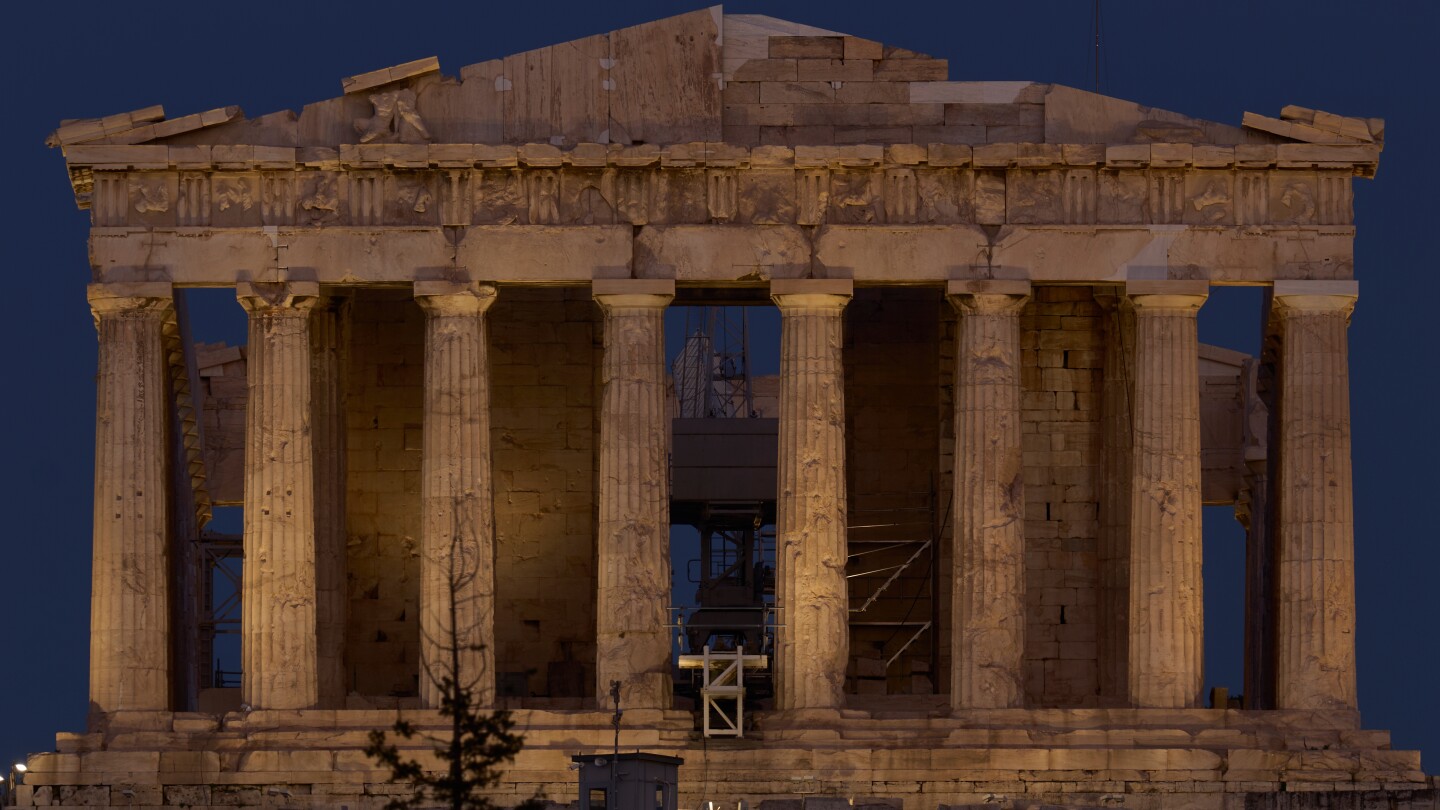
The Parthenon in Athens briefly shed its scaffolding. Here’s a look at its restoration
For the first time in years, the iconic Parthenon stood free of scaffolding, offering residents and visitors in Athens an unobstructed view of the ancient marble temple atop the Acropolis. This rare sight, lasting roughly four weeks, was a testament to the ongoing restoration efforts that have spanned decades. Culture Minister Lina Mendoni described the scene as “breathtaking,” likening the gleaming temple to its appearance nearly 2,500 years ago. However, the scaffolding returned in late September, albeit in a lighter and less intrusive form, to continue fine-tuning work on the western façade. The Parthenon has been under restoration since 1975, a process that has already taken more than three times longer than its original construction. The project involves 161 highly specialized professionals, including engineers, archaeologists, and marble craftsmen, who meticulously work to stabilize and preserve the temple. The restoration includes replacing rusted iron clamps with titanium fasteners and reassembling over 1,500 marble blocks like pieces of a colossal puzzle. The Parthenon, built between 447 and 432 BC, remains a symbol of Greece’s Golden Age, showcasing the unmatched skill of its ancient builders. With 4.5 million visitors in 2024, the Acropolis is Greece’s most-visited site, and the current restoration phase is expected to conclude in 2026, marking a significant milestone in preserving this architectural marvel.