分类: society

  • Columbia taps University of Wisconsin chancellor to lead school after 2 years of turmoil

    Columbia taps University of Wisconsin chancellor to lead school after 2 years of turmoil

    Columbia University has selected Jennifer Mnookin, currently serving as chancellor of the University of Wisconsin-Madison, to assume its presidential leadership effective July 1. This appointment marks a strategic move by the Ivy League institution to navigate beyond a period of significant disruption spanning the past two years.

    The university’s presidency has experienced considerable instability, with Mnookin becoming the fifth individual to hold this position within just four years. Her predecessor, Nemat Shafik, resigned in August 2024 following intense scrutiny of her administration’s handling of campus protests and deepening divisions within the university community.

    Columbia’s recent challenges have been substantially influenced by federal intervention during the Trump administration. Shortly after assuming office last year, the administration targeted Columbia as the initial focus of a broader campaign to reshape protest policies, admission criteria, and academic curricula at elite American universities.

    Federal authorities took severe measures against student activists, including the imprisonment of participants in pro-Palestinian demonstrations during 2024. The administration additionally canceled $400 million in research grants allocated to the university and its affiliated hospital network, citing concerns about combating antisemitism on campus. Further financial threats involved potentially withholding billions in government support.

    These pressures culminated in a settlement agreement wherein Columbia consented to pay over $220 million to reinstate research funding. The university also committed to restructuring its student disciplinary procedures and implementing a federally endorsed definition of antisemitism across both academic instruction and disciplinary committees investigating students critical of Israeli policies.

    Mnookin brings substantial academic leadership experience to her new role, having previously served as dean of UCLA School of Law before assuming her current position at Wisconsin-Madison in August 2022. She holds an undergraduate degree from Harvard University, a law degree from Yale Law School, and a doctorate in the history and social study of science and technology from MIT.

  • Rain, patriotic songs, and tricolour: UAE’s Indian community marks 77th Republic Day

    Rain, patriotic songs, and tricolour: UAE’s Indian community marks 77th Republic Day

    Under steady morning rainfall on the first working day of the week, hundreds of Indian expatriates gathered at the Indian Consulate in Dubai to commemorate India’s 77th Republic Day. Families with children arrived early, carrying national flags, demonstrating unwavering patriotic spirit despite weather challenges.

    At precisely 7:15 AM, Consul General of India in Dubai Satish Kumar Sivan hoisted the Indian tricolor flag while community members observed respectfully—some recording the moment, others watching with folded hands in contemplative silence. Parallel ceremonies occurred at the Indian Embassy in Abu Dhabi, followed by cultural programs honoring freedom fighters with special tributes to Dr. BR Ambedkar, architect of the Indian Constitution.

    Consul General Sivan highlighted significant milestones in India-UAE relations, noting bilateral trade has exceeded $100 billion in 2025-26. “These gains represent jobs created, products traded, markets expanded, and livelihoods transformed,” he emphasized, adding both nations have agreed to double trade volumes by 2032. He referenced recent agreements in energy, defense, space, and digital infrastructure following UAE President Sheikh Mohamed bin Zayed Al Nahyan’s visit, characterizing the relationship as “co-creating a future shaped by innovation, resilience, and mutual prosperity.”

    Beyond diplomatic achievements, the event held profound personal significance for participants. Sixteen-year-old Harsvartha Sathiskumar from the Just Dance team expressed performing instilled national pride, while first-time performer Ashil D’Souza, 20, described the emotional experience of representing different Indian states through dance. Sahil, a dance instructor with 15 years experience, noted how patriotic songs evoked deep emotions among expatriates living away from their homeland.

    Not all planned performances proceeded smoothly. JaiChitra Parasuraman, Manager at Just Dance, reported a student group traveling from Ajman encountered a minor vehicle accident that delayed their arrival, preventing them from performing after nearly a month of preparation.

    Across the UAE, Indian educational institutions celebrated with equal enthusiasm. The Indian High Group of Schools integrated themes of Aatmanirbhar Bharat and the 150th anniversary of Vande Mataram, involving over 7,000 students and 15,000 parents and guests—reportedly among the largest Republic Day events organized outside India. Shining Star International School conducted special assemblies, classroom viewings of the Delhi parade, and educational skits titled ‘Guru Versus Google.’

  • Rushdie warns of political violence as he recounts his attack

    Rushdie warns of political violence as he recounts his attack

    Author Salman Rushdie delivered a sobering warning about escalating political violence in the United States during the Sundance Film Festival premiere of “Knife: The Attempted Murder of Salman Rushdie” on Sunday. The documentary, directed by Alex Gibney, serves as a cinematic companion to Rushdie’s memoir detailing the horrific 2022 attack that left him blind in one eye and with permanent injuries.

    Rushdie characterized his near-fatal stabbing as symptomatic of broader societal dangers, stating that ‘everybody’s in danger now’ in America’s increasingly volatile climate. His comments coincided with recent fatal shootings of protesters by federal agents and an assault on Congressman Maxwell Frost at the same festival.

    The film incorporates graphic footage of the Chautauqua, New York attack where 24-year-old Hadi Matar stabbed Rushdie 15 times on stage. It also explores the historical context of the 1989 fatwa issued by Iran’s Ayatollah Khomeini, which forced Rushdie into decade-long hiding after declaring his novel ‘The Satanic Verses’ blasphemous.

    Rushdie connected his personal ordeal to wider patterns of authoritarian violence targeting cultural institutions. ‘For the authoritarian, culture is the enemy,’ he observed, citing current attacks on journalism, universities, and literature through book bans and rhetorical assaults. The author specifically referenced the Trump administration’s crackdown on higher education and immigration enforcement operations that have resulted in civilian casualties.

    Despite the documentary’s original focus on his personal trauma, Rushdie acknowledged its unintended relevance to contemporary political tensions. ‘I’m now beginning to think that maybe the film is here at a kind of apposite moment,’ he noted, suggesting that all citizens now face similar risks of ideological violence.

    Hadi Matar, sentenced to 25 years for the attack, admitted to barely reading Rushdie’s controversial work while claiming the author had ‘attacked Islam.’ The documentary juxtaposes this limited engagement with the profound consequences it inspired, examining how political manipulation transforms cultural disagreements into violent acts.

    The Sundance screening occurred against a backdrop of heightened security concerns, reflecting the very dangers Rushdie described in his warning about America’s deteriorating civic landscape.

  • China sees 6.522 billion domestic tourist trips in 2025

    China sees 6.522 billion domestic tourist trips in 2025

    China’s tourism sector has demonstrated extraordinary resilience and growth, with official data from the Ministry of Culture and Tourism revealing a record 6.522 billion domestic tourist trips throughout 2025. This impressive figure represents a substantial 16.2 percent increase compared to the previous year, signaling a robust recovery and expansion of China’s domestic travel market.

    The remarkable resurgence of domestic tourism highlights several key developments within China’s economy and society. The data indicates that Chinese citizens are traveling with unprecedented frequency, reflecting improved consumer confidence, increased disposable income, and successful government initiatives to stimulate domestic consumption. This tourism boom has created a positive ripple effect across numerous sectors including hospitality, transportation, retail, and entertainment.

    Regional tourism initiatives have contributed significantly to this growth, with destinations like Jilin Province in Northeast China capitalizing on winter sports attractions to draw visitors. Simultaneously, cultural events such as Zigong’s renowned lantern festival and specialized exhibitions like the agarwood showcase in Shanghai have emerged as significant tourist draws, blending traditional Chinese culture with modern tourism experiences.

    The tourism recovery also aligns with broader infrastructure developments and environmental conservation efforts. Enhanced transportation networks, restored natural sites like wetlands attracting migratory birds, and the development of special economic zones such as the Hainan Free Trade Port have collectively created a more accessible and diverse tourism landscape across China.

    This surge in domestic travel represents not just an economic indicator but also reflects shifting social patterns and preferences in post-pandemic China, where domestic exploration has gained prominence over international travel for many Chinese tourists.

  • Spain slashes speed limit on popular train route after fault found

    Spain slashes speed limit on popular train route after fault found

    Spain’s rail network is confronting a multifaceted crisis as authorities implement emergency speed restrictions on key high-speed lines while simultaneously grappling with severe service disruptions in Catalonia. The latest development involves a detected crack on the Madrid-Barcelona line, prompting transport officials to impose an 80km/h speed limit on a critical section approximately 110km west of Barcelona. Transport Minister Óscar Puente confirmed the fault was identified Sunday night between Alcover and l’Espluga de Francolí in the Catalonia region.

    This safety measure follows the devastating Adamuz collision in southern Spain that claimed 45 lives earlier this month, marking the country’s worst rail disaster in over a decade. The transport ministry has emphasized that the newly discovered crack does not immediately endanger trains, though the drastic speed reduction from normal operating speeds of 300km/h represents the most severe in a series of recent restrictions.

    Parallel to these high-line concerns, Catalonia’s Rodalies commuter service has experienced systemic collapse. Service suspensions began last week after a trainee driver died when a train struck a collapsed wall, prompting drivers to demand enhanced safety guarantees. On Monday, two separate incidents caused further chaos, with Spanish authorities acknowledging they haven’t determined the cause but not eliminating the possibility of cyber sabotage.

    The political fallout is intensifying as opposition politicians demand Minister Puente’s resignation, accusing him of misleading the public following the Adamuz tragedy. Investigations into that crash are focusing on a 40cm section of track that fractured at the junction between newly manufactured (2023) and older (1989) rail components. Meanwhile, the Catalan Republican Left party attributes the Rodalies breakdown to ‘decades of lack of investment,’ with local business leaders warning that reputational damage may exceed economic losses.

    Prime Minister Pedro Sánchez is scheduled to address Congress on February 11 regarding the escalating rail crisis, as Spain’s transportation infrastructure faces unprecedented scrutiny and challenges.

  • Watch: Hail, rain hit RAK, Dubai during cold winter spell

    Watch: Hail, rain hit RAK, Dubai during cold winter spell

    An extraordinary winter weather phenomenon captivated residents across the United Arab Emirates on Monday morning as rare hailstorms and rainfall transformed the typically arid landscape. The northern emirate of Ras Al Khaimah became the epicenter of this meteorological event, with social media platforms flooded with videos showing steady hailstones descending upon the region. In one particularly joyful clip, groups of men were seen embracing the unexpected weather, laughing and playfully engaging in hail-throwing exchanges.

    The National Centre of Meteorology (NCM) had previously forecast light precipitation around January 25th, but the intensity and nature of Monday’s weather surpassed expectations. While winter rainfall occurs periodically in the UAE, hailstorms remain exceptionally uncommon, particularly in coastal and low-lying areas. The mountainous terrain of Ras Al Khaimah, with its higher elevations and lower temperatures, created ideal conditions for this rare convective cloud activity.

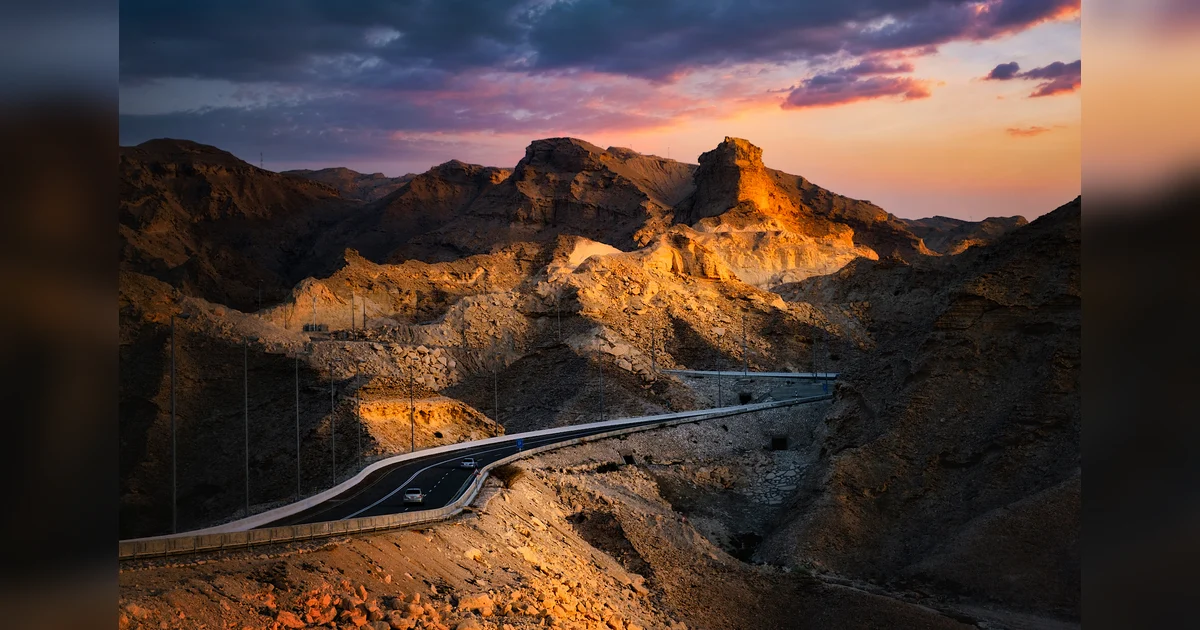
    Simultaneously, Dubai experienced its own winter transformation with steady rainfall, overcast skies, and brisk winds. Instagram footage from StormCentre.ae captured the precipitation streaming across vehicle windshields as traffic navigated the newly soaked roadways. The morning’s lowest temperature registered at 4.7°C on Jais Mountain in Ras Al Khaimah at 6:30 AM, contributing to the distinctly wintery atmosphere.

    Meteorological authorities have advised residents to exercise caution during these unstable weather conditions, emphasizing potential hazards from wet roads and reduced visibility. Dr. Mohamed Al Ebri, Director of Meteorology at NCM, previously explained to Khaleej Times that these temperature fluctuations represent normal winter patterns, with alternating cold spells and moderate warm periods expected throughout the season.

    Notably, Dr. Al Ebri contextualized the current cold spell within broader global climate dynamics, specifically referencing the La Niña phenomenon. This climate pattern, characterized by cooler-than-normal sea surface temperatures in the Pacific Ocean, continues to influence weather systems worldwide, including the Arabian Peninsula.

    The unexpected hailstorm provided residents with a memorable break from the region’s typically mild winter weather, creating moments of shared wonder and digital documentation across social media platforms.

  • Bahrain: 23-year-old dies in highway accident; one injured

    Bahrain: 23-year-old dies in highway accident; one injured

    A fatal traffic incident on Bahrain’s Sheikh Isa bin Salman highway resulted in the death of a young individual and left another person wounded during the early hours of January 26, 2026. The country’s Ministry of Interior has officially confirmed the tragic event, which occurred in the vicinity leading toward the King Fahd Bridge.

    Emergency response teams and relevant authorities were immediately dispatched to the accident site to provide necessary assistance and conduct preliminary investigations. The Ministry’s prompt announcement underscores the seriousness with which Bahraini officials are treating this roadway tragedy.

    While specific details regarding the circumstances leading to the collision remain under investigation by authorities, the incident highlights ongoing concerns about road safety in the region. The identity of the deceased 23-year-old victim has not been publicly disclosed pending notification of family members.

    This unfortunate event marks another addition to traffic-related fatalities in the Gulf region, where highway safety continues to be a priority for government agencies. The Ministry of Interior has not released additional information about the condition of the injured individual or the vehicles involved in the accident.

  • Perth plaza evacuated after man throws device into crowd

    Perth plaza evacuated after man throws device into crowd

    Australian authorities have apprehended a 31-year-old male suspect following an attempted attack during a contentious national holiday observance in Perth. The incident unfolded at approximately 12:30 PM local time on Monday in Forrest Place, a pedestrian square where thousands had gathered for an Invasion Day rally advocating for Indigenous rights.

    According to Western Australia Police Commissioner Col Blanch, the suspect threw a rudimentary explosive device toward a stage area where speakers were addressing the crowd. The mechanism, approximately the size of a medium coffee cup, contained ball bearings and screws wrapped around an unidentified liquid within a glass container. Forensic experts are currently analyzing the substance while the suspect remains in custody.

    Commissioner Blanch confirmed the device failed to detonate and no injuries were reported. He stated authorities “do not believe there is any ongoing threat to the community” despite the seriousness of the incident.

    The attack occurred on Australia Day, a national holiday marking the 1788 arrival of Britain’s First Fleet that many Indigenous Australians and supporters commemorate as Invasion Day due to its association with colonization. These annual protests typically draw significant crowds across major cities and frequently generate heated public discourse.

    Western Australia Premier Roger Cook condemned the act as “completely unacceptable,” emphasizing that “We can’t let hate win” and highlighting the importance of respecting diverse viewpoints in Australian society.

    This security scare follows closely on the heels of December’s Bondi Beach attack that killed 15 people during a Jewish festival. Australia’s national terror threat level currently remains at “probable,” the third-highest classification on the country’s five-point scale.

    Several Australia Day events were modified or canceled this year due to extreme heat conditions exceeding 40°C in some regions, adding another layer of complexity to the already tense national observance.

  • China hits 469m motor vehicles in 2025 amid drop in dangerous driving cases

    China hits 469m motor vehicles in 2025 amid drop in dangerous driving cases

    China’s transportation landscape reached a significant milestone in 2025 with the national motor vehicle fleet expanding to 469 million units, according to official data released by the Ministry of Public Security. This substantial inventory includes 366 million automobiles, reflecting the continued growth of personal and commercial transportation across the nation.

    The corresponding driver population similarly swelled to 559 million licensed operators, with automobile drivers constituting 525 million of this total. The licensing authorities remained active throughout the year, issuing approximately 20.51 million new driving credentials to accommodate the growing mobility demands.

    Vehicle registration statistics revealed 35.35 million new motor vehicles were formally registered nationwide in 2025, maintaining an eleven-year streak of annual registration figures surpassing the 30 million mark. Automobiles accounted for 26.19 million of these new registrations, demonstrating sustained growth in personal transportation despite market maturation.

    In a parallel development, judicial data from the Supreme People’s Procuratorate indicated substantial progress in road safety enforcement. Between January and November 2025, Chinese procuratorial organs processed 236,000 dangerous driving cases referred by public security authorities—representing a notable 22.1 percent reduction compared to the previous year. Prosecutions for dangerous driving offenses similarly declined by 17.2 percent year-on-year, with 211,000 individuals formally charged.

    Despite this encouraging downward trend, dangerous driving violations continue to represent the most prevalent category of criminal cases handled by prosecutors, comprising 14.4 percent of all criminal matters accepted by judicial authorities. This persistent pattern highlights both the scale of enforcement efforts and the ongoing challenges in promoting comprehensive road safety awareness.

  • France debates under-15s social media ban endorsed by Macron

    France debates under-15s social media ban endorsed by Macron

    The French government is advancing landmark legislation that would prohibit children under 15 from accessing certain social media platforms, positioning the country to follow Australia’s precedent in implementing youth digital protection measures. The proposed law, currently under debate in the National Assembly, would establish a comprehensive framework for restricting minors’ exposure to platforms deemed harmful to psychological development.

    President Emmanuel Macron has championed the initiative, emphasizing the urgency of implementing these protections before the September school year begins. ‘We cannot entrust our children’s mental and emotional well-being to entities whose primary objective is profit generation from their attention,’ Macron declared last month, highlighting the philosophical foundation of the legislative effort.

    The legislation would empower France’s state media regulator to compile and maintain two distinct lists of digital platforms. The first would identify networks considered fundamentally harmful to youth, resulting in complete access prohibition for users under 15. A secondary catalog would feature platforms with reduced risk profiles, permitting access only with explicit parental authorization through a verified consent mechanism.

    Additional provisions within the bill would extend existing mobile phone restrictions in junior and middle schools to include senior secondary institutions (lycées), creating a comprehensive educational environment free from digital distractions.

    Political analysts note broad parliamentary support emerging across the ideological spectrum, with pro-Macron factions expected to join forces with center-right Republicans and the populist right-wing National Rally. This unusual coalition suggests strong bipartisan concern regarding youth digital welfare.

    Implementation would require developing robust age-verification systems, potentially modeled after France’s existing framework for restricting access to online pornography, which mandates age confirmation for users over 18.

    This French initiative reflects a broader European trend, with Denmark, Greece, Spain, and Ireland considering similar measures following Australia’s pioneering approach. The UK government has concurrently launched consultations regarding potential social media restrictions for users under 16.

    The current legislation builds upon groundwork laid by deputy Laure Miller, who chaired a parliamentary investigation into TikTok and other platforms’ psychological impacts. The government accelerated its own legislative drafting after Macron identified youth digital protection as a priority for his final year in office.

    Procedurally, the government has requested fast-track parliamentary consideration to navigate legislative delays caused by budget negotiations. Without this accelerated process, the bill would face significant obstacles in reaching implementation before the intended September deadline.

    The legislation has undergone substantial revision to address concerns raised by the Council of State, France’s supreme court for administrative justice, which ensures compliance with national and European law. This careful drafting aims to avoid the fate of a 2023 proposal that was invalidated for violating European legal standards.