分类: society

  • Italy buys Caravaggio painting for about $35 million, one of its largest payouts for a single work

    Italy buys Caravaggio painting for about $35 million, one of its largest payouts for a single work

    In a landmark cultural acquisition, the Italian government has successfully purchased a rare Baroque-era portrait by master painter Caravaggio for €30 million (approximately $35 million), marking one of the most significant state investments in a single artwork in the nation’s history. The Culture Ministry announced the acquisition on Tuesday following more than a year of delicate negotiations with private collectors.\n\nThe artwork, created circa 1598 and formally attributed to Caravaggio in 1963, portrays Maffeo Barberini during his nobleman years prior to his ascension as Pope Urban VIII. The portrait captures Barberini in his thirties, adorned in clerical garments of the Apostolic Chamber during a pivotal period of his political and religious career.\n\nCulture Minister Alessandro Giuli hailed the purchase as \”a work of exceptional importance,\” emphasizing its crucial role in Caravaggio’s modern rediscovery and its contribution to strengthening the presence of the artist’s works within Italian public collections. The acquisition forms part of Italy’s broader strategic initiative to enhance its national cultural heritage, following recent purchases including Antonello da Messina’s \”Ecce Homo\” masterpiece.\n\nThe painting gained scholarly recognition through art historian Roberto Longhi’s seminal 1963 article, which identified the work as a genuine Caravaggio creation. Longhi celebrated the portrait as \”one of the founding moments of modern portraiture,\\” highlighting Caravaggio’s revolutionary approach to psychological intensity and emotional depth.\n\nCaravaggio, born Michelangelo Merisi, transformed European painting at the dawn of the 17th century through his innovative chiaroscuro technique—a dramatic interplay of light and shadow that became fundamental to Baroque aesthetics. Despite being among the most extensively studied artists globally, the number of authenticated Caravaggio works remains exceptionally limited.\n\nThe newly acquired masterpiece will join the permanent collection at Rome’s Palazzo Barberini, where it will be exhibited alongside other Caravaggio masterpieces, including the renowned \”Judith Slaying Holofernes\” acquired by the state in 1971. This placement creates one of the world’s most comprehensive collections of Caravaggio’s work, making these artistic treasures accessible to both scholars and the public.

  • Innovative courses enrich seniors’ lives in Shanghai

    Innovative courses enrich seniors’ lives in Shanghai

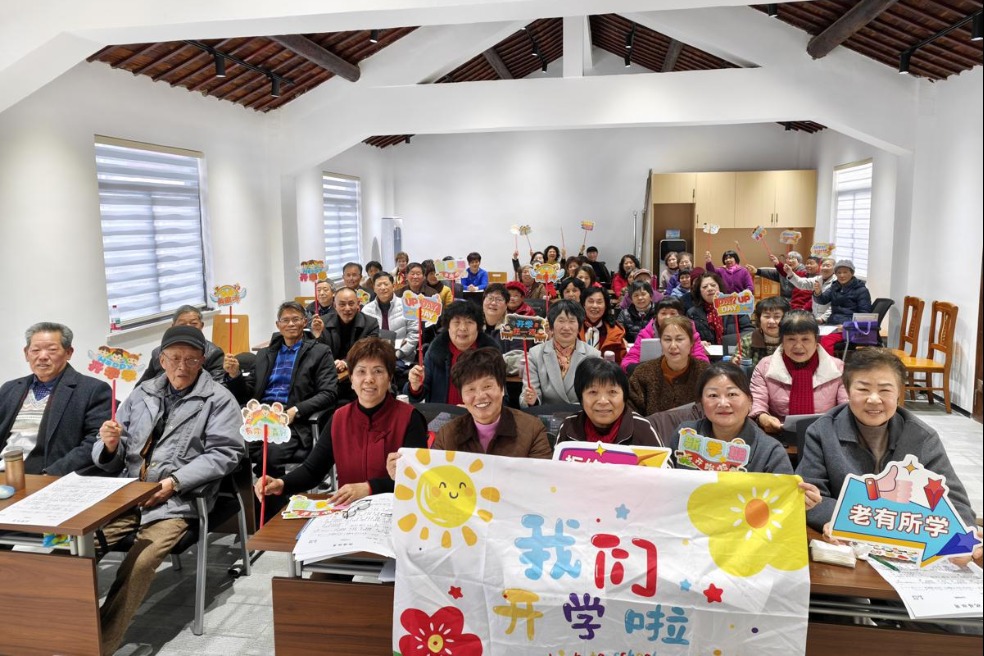
    Shanghai’s senior education system has entered a new era of innovation as the Shanghai University for The Senior launched its 2026 spring semester with groundbreaking courses tailored to modern interests. The institution unveiled an ambitious curriculum featuring cutting-edge disciplines including artificial intelligence applications, drone operation technology, and artisanal coffee brewing alongside traditional offerings.

    The semester commenced with a dynamic opening ceremony on March 9, 2026, featuring live online broadcasts, choral performances of the school anthem, and ceremonial transitions of class leadership roles. This term marks a significant expansion with over 28,000 enrollment opportunities available across Shanghai, supported by nearly 40 newly established educational centers strategically positioned in suburban regions to enhance accessibility for elderly residents.

    Among the most notable innovations are two specialized digital literacy programs designed specifically for senior learners. The first course focuses on social media content creation, guiding participants through the complete process of video production—from conceptualization and filming to editing and publication. The second program offers practical training in live-stream commerce, covering product curation, broadcasting techniques, and regulatory compliance within professional studio environments.

    Zheng Yueqi, assistant to the president of Shanghai Oriental-pearl Intelligent Shopping Co, Ltd, emphasized the practical nature of these courses: ‘Our curriculum empowers senior learners to master contemporary digital skills through hands-on experience and professional guidance, effectively bridging the technological gap for the silver-haired demographic.’

    The university’s comprehensive enhancements include upgraded network infrastructure, optimized faculty resources, and demand-driven course development, collectively transforming the landscape of senior education in China’s most populous city.

  • US, China chart clashing courses to make more babies

    US, China chart clashing courses to make more babies

    In March 2026, the world’s two superpowers unveiled strikingly divergent strategies to combat declining fertility rates, creating a natural experiment in demographic policy with global implications.

    China launched an ambitious five-year plan committing 180 billion yuan ($25.8 billion) to create a “childbirth-friendly society.” The comprehensive package includes free prenatal care, full IVF coverage, childcare subsidies, and housing support for families. Simultaneously, Beijing is developing a “silver economy” to address its aging population, projected to reach 400 million citizens over 60 by 2035—roughly equivalent to the combined populations of the United States and Italy.

    Across the Pacific, the Trump administration pursued a different path, combining modest financial incentives including a $1,000 “baby bonus” and discounted IVF drugs with restrictive measures that reduced contraceptive access and family-planning funding. The approach included defunding Title X services, stripping Planned Parenthood of Medicaid funding, and ordering the destruction of nearly $10 million worth of contraceptives destined for developing countries.

    The policy divergence occurs against the backdrop of East Asia’s unprecedented demographic crisis. Japan recorded just 705,809 births in 2025—its tenth consecutive annual decline. Taiwan now claims the world’s lowest fertility rate, while Singapore’s total fertility rate fell to a record low of 0.87 in 2025. South Korea’s modest rebound to 0.80 still places it among the lowest in OECD nations.

    Research suggests pro-natalist policies typically yield limited results, at best raising fertility by 0.1–0.2 births per woman. Experts note that declining fertility represents a rational response to rising education levels, economic opportunities, unaffordable housing, and the staggering costs of childrearing in modern economies.

    The most constructive approach for Asian governments may lie in decoupling demographic resilience from coercion and cultural warfare, instead focusing on restructuring pension systems, labor markets, and immigration policies for a future where below-replacement fertility becomes the permanent norm.

  • Learning the art of seeing beyond limitation

    Learning the art of seeing beyond limitation

    In February 2026, an extraordinary journey through Fujian province revealed profound insights about perception and social inclusion. Accompanying Wang Yongcheng—the National People’s Congress’s sole visually impaired deputy among nearly 3,000 representatives—journalist Cao Yin discovered that true vision extends far beyond physical sight.

    Wang, 58, demonstrated exceptional awareness despite his blindness, knowing intimate details about every disabled resident encountered during their travels. In Nanjing county, his conversation with blind massage therapist Wu Bojie uncovered an unexpected challenge: Wu and his colleagues struggled to create promotional videos due to inability to focus smartphone cameras. Wang immediately pledged to organize specialized training, declaring, “If we can master smartphones and computers, short videos won’t be a problem either.”

    The deputy’s approach reflects a deeper philosophy: “It’s not that people are inhumane, but unaware; not that they don’t understand, but lack knowledge; not that they don’t care, but issues are overlooked.” This perspective has driven tangible solutions—advocating for large-print textbooks for visually impaired students and working with civil authorities to make nursing homes accessible for blind seniors.

    Wang’s heightened sensitivity to unspoken needs—developed through attentive listening to pauses, tones, and silences—challenges conventional reporting methods. His ability to perceive what sighted observers miss demonstrates how navigating the world differently can become a unique strength. As Auguste Rodin noted about beauty, society’s problems aren’t hidden but require attention, patience, and will to address—qualities Wang embodies in his legislative work.

  • At the convent of Leonardo’s ‘Last Supper,’ Dominican friars still live, pray and welcome visitors

    At the convent of Leonardo’s ‘Last Supper,’ Dominican friars still live, pray and welcome visitors

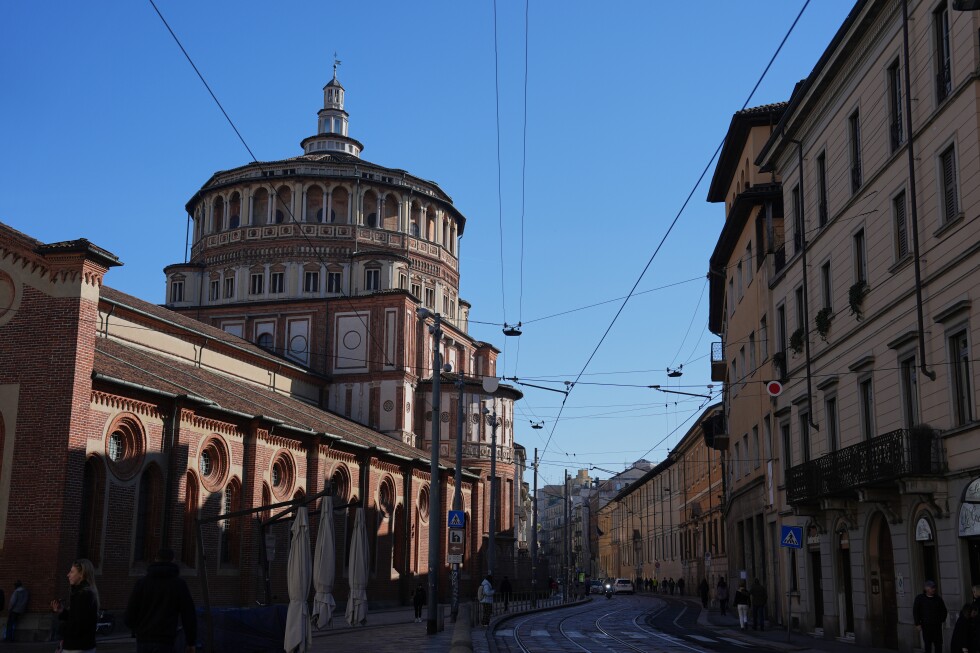
    Within the hallowed walls of Santa Maria delle Grazie in Milan, a living Dominican community maintains its spiritual practices just steps away from one of art history’s most celebrated masterpieces. While Leonardo da Vinci’s “The Last Supper” draws countless visitors to the former refectory, twelve priests and nine novices continue their monastic traditions in the adjacent basilica and convent.

    The current friars, including Reverend Paolo Venturelli, experience the famous mural from a unique perspective. Venturelli prefers to view the painting from across the room where it was originally created in the 1490s at the request of Milan’s ruler Ludovico Sforza. “From there, the painting looks as though it were painted in the middle of the refectory,” Venturelli observes. “It unleashes all kinds of human and spiritual reactions.”

    Historical circumstances have created a physical separation between the friars and the artwork that was originally created for their order. Following Napoleon’s suppression of religious houses in the 18th century, the refectory passed into state control. Today known as the Cenacolo Vinciano, it is managed by Italy’s Regional Directorate of Museums of Lombardy. “We don’t go often because we have to ask permission to enter,” Venturelli explains, noting that preservation rules limit visits to just 15 minutes for everyone, including friars. “It no longer belongs to us.”

    The Dominican community maintains an active religious presence despite the tourist crowds. Dressed in their iconic white robes or brown winter capes, the friars are regularly seen within the basilica. Many visitors who come specifically for Leonardo’s masterpiece also discover the spiritual significance of the adjacent church. “We came to see Leonardo’s Last Supper but we also wanted to see the church because it’s quite special,” noted Maria Teresa Bruzzi, a recent visitor from Genoa.

    The friars provide multiple services to both locals and tourists, including confessions in several languages. Reverend Llewellyn Muscat, prior of the community, explains: “Confessions are very much sought after and we maintain this service for the citizens of Milan but also for all visitors.” The friars accommodate speakers of Italian, English, Maltese, French, and German.

    The intellectual legacy of the Dominicans remains evident throughout the convent, where halls contain dozens of shelves filled with books. “Reading is part of our identity,” Muscat emphasizes. The friars follow a routine shaped by study, prayer, and ministry, with some teaching at local Catholic institutions or collaborating with the cultural center that organizes conferences and events.

    For the Dominicans, “The Last Supper” represents more than artistic achievement—it embodies their continuing spiritual connection. “For us, it does not awaken an emotion about something that belongs to the past,” Muscat reflects. “It is like a continuation in which we eat together with Jesus and his apostles, as though his words are also spoken to us.”

    The current refectory where the friars actually dine is located deep within the convent’s labyrinth-like structure, away from tourist traffic. It features several square tables rather than the long table depicted in Leonardo’s masterpiece. While appreciating their functional dining space, Muscat acknowledges the community’s historical connection to the famous painting: “Maybe one day the old refectory will belong to us again.”


  • Search called off after Indonesia landfill collapse kills seven

    Search called off after Indonesia landfill collapse kills seven

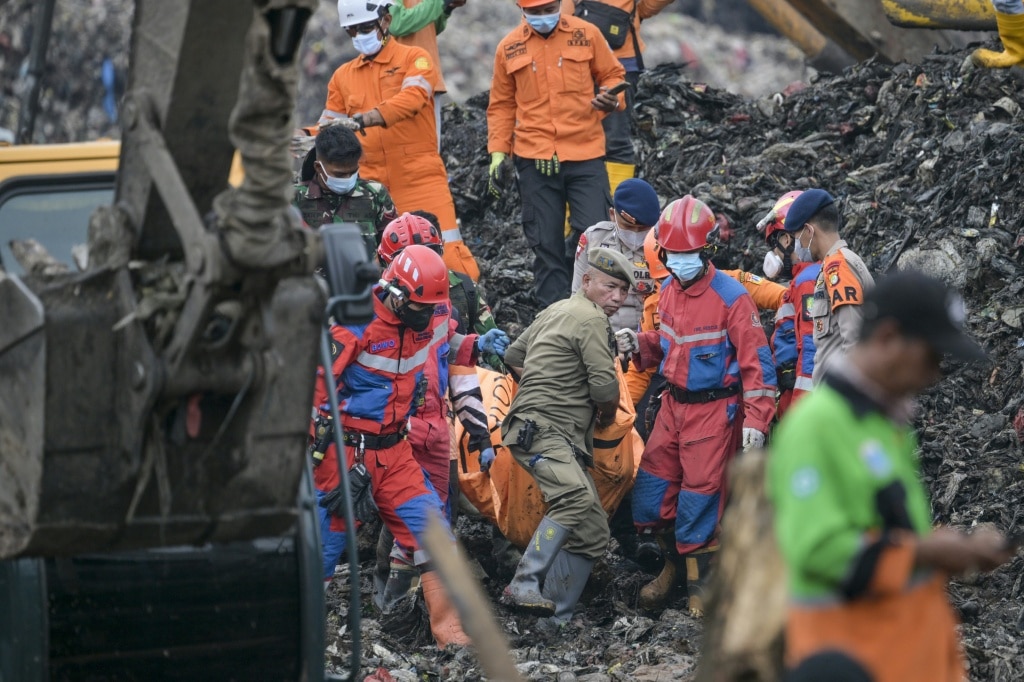
    Indonesian search and rescue teams have terminated operations following a catastrophic landslide at the nation’s largest open-air landfill, which resulted in seven fatalities. The incident occurred Sunday afternoon at the Bantargebang waste site, located merely 25 kilometers from Jakarta, after prolonged heavy rainfall triggered the collapse that buried multiple trucks and food stalls beneath tons of debris.

    Desiana Kartika Bahari, head of Jakarta’s search and rescue agency, confirmed the recovery of three bodies on Sunday and four additional victims on Monday. Six individuals were successfully rescued alive during the intensive operation that employed backhoes, canine units, and thermal drone technology to locate casualties. Authorities have verified that all missing persons have been accounted for.

    The National Disaster Mitigation Agency (BNPB) has initiated weather modification procedures to mitigate further rainfall intensity. This sophisticated technique involves dispersing sodium chloride particles via helicopter to induce premature precipitation over ocean areas rather than populated regions.

    The Bantargebang facility, spanning over 110 hectares and containing approximately 55 million tonnes of waste, represents one of the planet’s largest open landfills. The Jakarta metropolitan area and its satellite cities (collectively known as Jabodetabek), housing about 42 million residents, generate an estimated 14,000 tonnes of daily waste.

    President Prabowo Subianto recently warned that most Indonesian landfills would exceed capacity by 2028 as the nation phases out such facilities. The government has committed $3.5 billion to develop 34 waste-to-energy plants within two years, converting garbage into electricity through incineration processes.

    This tragedy echoes a 2005 landfill disaster in West Java that claimed 143 lives when methane gas explosions combined with heavy rains caused catastrophic collapse.

  • 15 years after Fukushima meltdown, an innkeeper makes radiation surveys to revitalize her hometown

    15 years after Fukushima meltdown, an innkeeper makes radiation surveys to revitalize her hometown

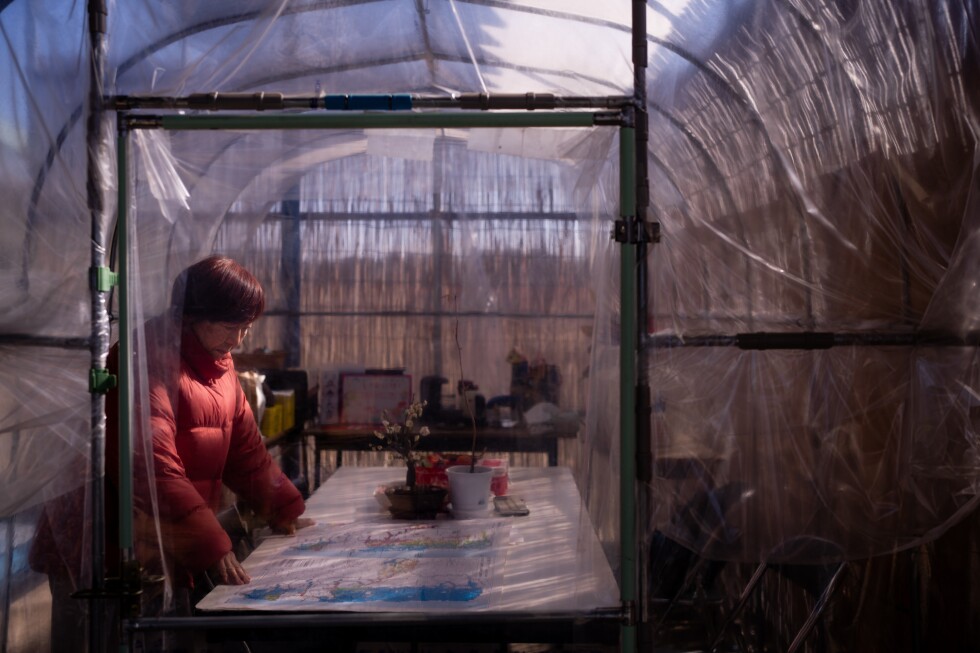
    Fifteen years after the catastrophic Fukushima nuclear disaster, a dedicated network of citizen scientists continues to monitor radiation levels in the affected regions, challenging official narratives of complete safety. Tomoko Kobayashi, who operates the family-run Futabaya Ryokan inn in the nearly deserted town of Odaka, has transformed her personal tragedy into a lifelong mission of radiation documentation and education.

    Kobayashi’s journey began when she returned to her hometown in 2012, conducting independent radiation surveys before reopening her inn in 2016. She now collaborates with fellow monitors who gather twice annually for intensive two-week measurement campaigns across hundreds of locations. Their color-coded radiation maps adorn the walls of her establishment, serving as both scientific record and memorial to the pre-disaster community that once thrived in this northeastern Fukushima region.

    The March 11, 2011 disaster unfolded when a magnitude 9.0 earthquake triggered a tsunami that overwhelmed the Fukushima Daiichi nuclear plant’s cooling systems, causing three reactor meltdowns. The subsequent hydrogen explosions released radioactive particles that forced hundreds of thousands to evacuate, with some areas remaining uninhabitable to this day.

    Despite government assurances of safety, Kobayashi’s team maintains a testing laboratory where they examine local produce and environmental samples. Their work reveals ongoing contamination challenges, with recent tests showing wild boar meat measuring 100 times above safety limits. Yukio Shirahige, a 76-year-old former plant worker who now assists the monitoring project, acknowledges that while radiation levels have significantly decreased, he remains cautious about declaring the area completely safe.

    Meanwhile, at the Fukushima Daiichi facility itself, decommissioning efforts continue using advanced robotics and remote-controlled technology. Plant officials have successfully collected minute melted fuel samples and deployed micro-drones to examine reactor interiors—technologies unimaginable at the time of the disaster. However, the process remains extraordinarily complex, with at least 880 tons of highly radioactive fuel debris still requiring removal, a task experts believe may take decades.

    As Japan reverses its nuclear phase-out policy in favor of reactor restarts, these citizen scientists face increasing pressure to silence their findings. Yet they persist in their mission, documenting radiation levels, testing local products, and maintaining a folk museum that preserves the disaster’s memory through art and photography—ensuring that both the physical and cultural aftermath of Fukushima’s nuclear crisis remains visible to future generations.

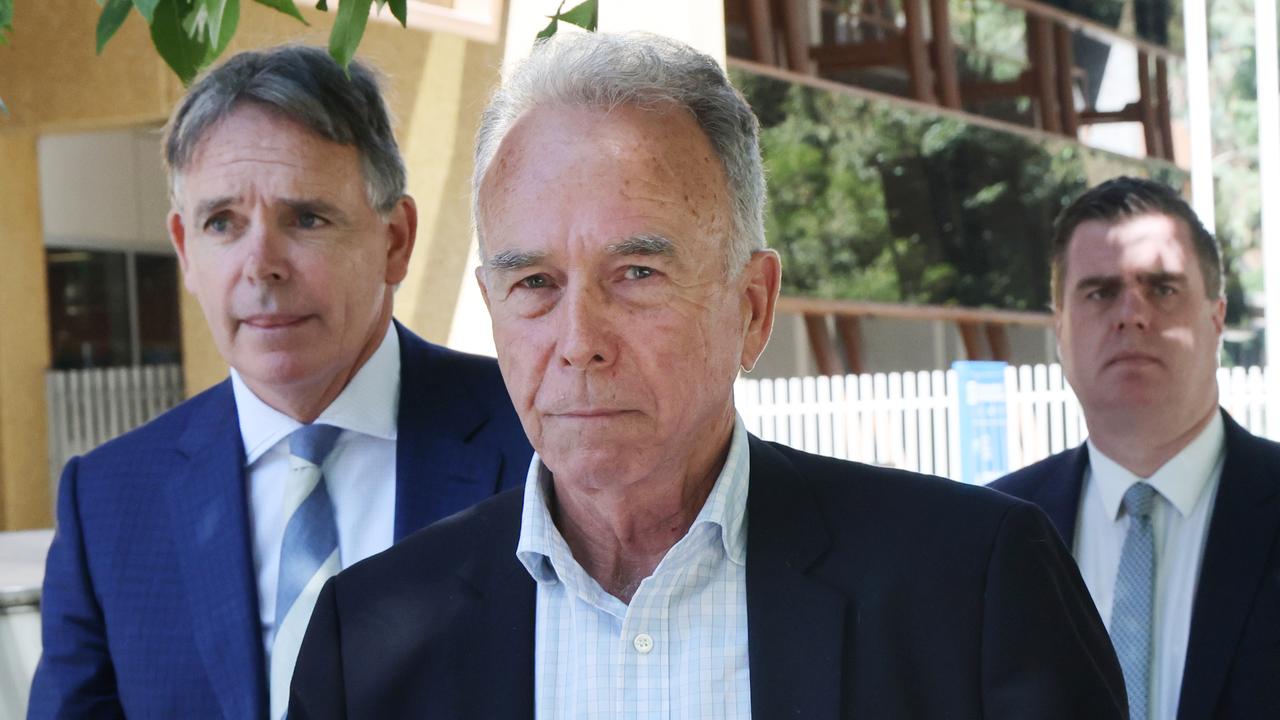
  • ‘Not making rational decisions’: Diabetic Driver William Swale breaks silence on horror Royal Daylesford hotel crash

    ‘Not making rational decisions’: Diabetic Driver William Swale breaks silence on horror Royal Daylesford hotel crash

    A Melbourne coronial inquest has opened into the devastating Daylesford beer garden crash that claimed five lives in November 2023, with the driver providing his first public testimony about the tragedy. William Herbert Swale, 69, appeared before the Coroners Court of Victoria describing a complete memory blackout surrounding the incident that killed two families.

    The court heard how Swale’s BMW X5 plowed into outdoor seating at the Royal Daylesford Hotel at approximately 6:00 PM on November 5, resulting in the deaths of Pratibha Sharma, 44, her nine-year-old daughter Anvi, her husband Jatin Kumar, 30, along with family friends Vivek Bhatia, 38, and his eleven-year-old son Vihann. Multiple other patrons sustained injuries in the horrific collision.

    Medical evidence presented to the inquest revealed Swale was experiencing a severe hypoglycemic episode with blood sugar levels recorded at dangerously low 2.9mmol/L shortly before the crash. Swale testified that his last conscious memory was entering the Winespeake deli seeking food to address his condition, after which he recalls nothing until waking in an ambulance.

    The diabetic driver described feeling “dark,” “hazy,” and “vague” prior to the incident, acknowledging he was not making rational decisions due to his medical state. Court documents indicated his continuous glucose monitor had triggered ten separate alarms on his phone that evening, though Swale claimed he never heard them, suggesting his car’s Bluetooth connection may have muted the alerts.

    Significant questions emerged during testimony regarding Swale’s medical management and driving certification. The 69-year-old revealed he had only learned of mandatory diabetes reporting requirements for Victorian drivers in 2019, and described a concerning gap in communication between his general practitioner and endocrinologist regarding his fitness to drive. Despite having been certified by endocrinologist Dr. Matthew Cohen just months before the tragedy, Swale admitted to not recalling educational materials about diabetes management and safe driving practices that had been provided to him.

    Coroner Dimitra Dubrow opened proceedings by acknowledging the profound grief and lasting trauma experienced by the victims’ families and survivors. The two-week inquest will continue examining the circumstances surrounding the tragedy, including medical oversight protocols and safety measures for diabetic drivers.

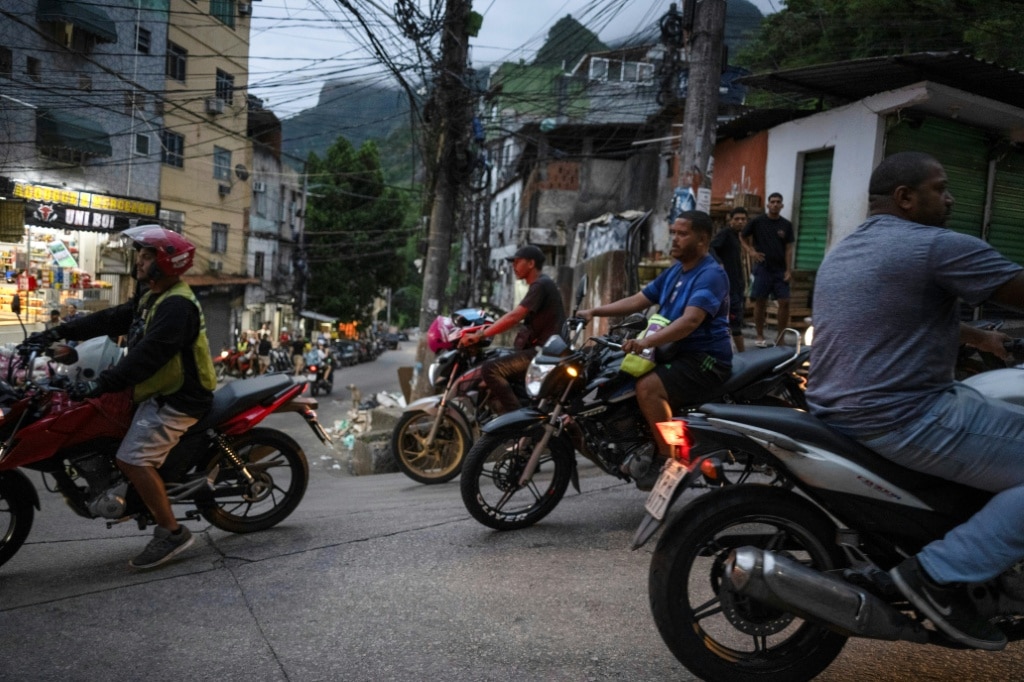
  • Viral drone video fuels debate about Rio favela tourism

    Viral drone video fuels debate about Rio favela tourism

    A viral drone video showcasing panoramic views of Rio de Janeiro’s Rocinha favela has ignited intense social media debate, coinciding with the city’s record-breaking tourism surge. The footage captures tourists primping and posing on a rooftop dubbed ‘Porta do Ceu’ (Gate of Heaven), set to an infectious rhythm that has garnered millions of views. While proponents argue it showcases community resilience, critics condemn it as poverty tourism that glamorizes structural inequalities.

    The video’s popularity has transformed this hillside community into an unexpected influencer hotspot, attracting international visitors and even marriage proposals. Access to the iconic rooftop requires guided tours through Rocinha’s labyrinthine alleyways, costing approximately $30 per drone selfie with wait times exceeding two hours. Brazilian influencer Ingrid Ohara, with over 32 million combined followers, defended her participation: ‘This showcases our culture and country to the world.’

    Behind the spectacle lies a carefully engineered safety system. Local entrepreneur Renan Monteiro developed monitored tourist routes and a real-time tracking app after past tragedies, including the 2017 fatal shooting of a Spanish tourist during police operations. His company trains local guides and drone pilots, while compensating residents for rooftop access. ‘We’re combating prejudice, not romanticizing poverty,’ Monteiro insists, noting the initiative has created 300 local guiding jobs.

    The debate reflects deeper tensions about representation and economic opportunity. While cleaner Claudiane Pereira dos Santos welcomes the tourist ‘frenzy’ that challenges negative stereotypes, researchers like Cecilia Olliveira of the Fogo Cruzado Institute warn against reducing complex communities to ‘exotic backdrops for impactful content.’ As Rio welcomes unprecedented visitor numbers—290,000 international tourists in January alone—the drone footage continues fueling discussions about ethical tourism in marginalized communities.

  • ‘Sharp spike’ in anti-Muslim posts on X since US-Israel war on Iran, study shows

    ‘Sharp spike’ in anti-Muslim posts on X since US-Israel war on Iran, study shows

    A dramatic escalation in anti-Muslim content has flooded Elon Musk’s X platform following the commencement of joint US-Israel military operations against Iran on February 28th, according to a comprehensive study by the Center for the Study of Organized Hate (CSOH). The Washington DC-based research organization documented an alarming tripling of explicitly dehumanizing, exclusionary, and violence-inciting posts targeting American Muslims, soaring from approximately 2,000 daily instances to over 6,000 immediately after the conflict initiation.

    The comprehensive monitoring, conducted between January 1st and March 5th, revealed that despite a subsequent decline in volume by early March, the underlying conditions fueling this digital hatred remain persistently active. The research specifically examined US-originating content targeting domestic Muslim communities, excluding international sources to focus on domestic hate patterns.

    Perhaps most disturbingly, the analysis demonstrated the viral amplification mechanics of digital hatred. When accounting for reposts and shares, the total visibility of Islamophobic content reached 279,417 instances—representing an eleven-fold multiplication beyond the original hate posts. This massive dissemination network allowed harmful content to transcend its original sources, reaching audiences far beyond the initial hate circles.

    The content spectrum ranged from personal vitriol to organized political advocacy, including calls for legislative measures such as a proposed ‘Muslim Exclusion Act’ and mass deportation initiatives. Particularly alarming was the normalization of dehumanizing rhetoric describing Muslims as ‘rats,’ ‘pests,’ ‘vermin,’ and ‘parasites’—linguistic patterns that historically precede extreme violence against targeted communities.

    The report identified concerning parallels with genocidal rhetoric, noting how calls for violence were frequently framed as matters of ‘self-defense’ or ‘civilizational survival,’ thereby granting perpetrators a false veneer of patriotic justification. This narrative construction effectively weaponizes nationalist sentiment against religious minorities.

    Platform enforcement mechanisms proved woefully inadequate. When CSOH reported 30 explicit violations under X’s own ‘Violent Speech’ and ‘Hate, Abuse or Harassment’ policies, only 11 were removed, with 19 remaining publicly accessible as of March 9th. This enforcement gap highlights critical disconnects between platform policies and their practical implementation, particularly regarding protections for Muslim communities.

    The report concludes with urgent recommendations, including establishing ‘Trusted Flagger status’ for Muslim civil rights organizations, creating dedicated reporting channels for mass incitement content, and enhancing monitoring capabilities for community organizations. Additionally, it calls for political accountability regarding rhetoric that conflates military conflicts with religious or civilizational struggles, noting how such language dangerously inflames domestic hostility toward minority communities.