分类: society

  • Social assistance data set to get privacy protection

    Social assistance data set to get privacy protection

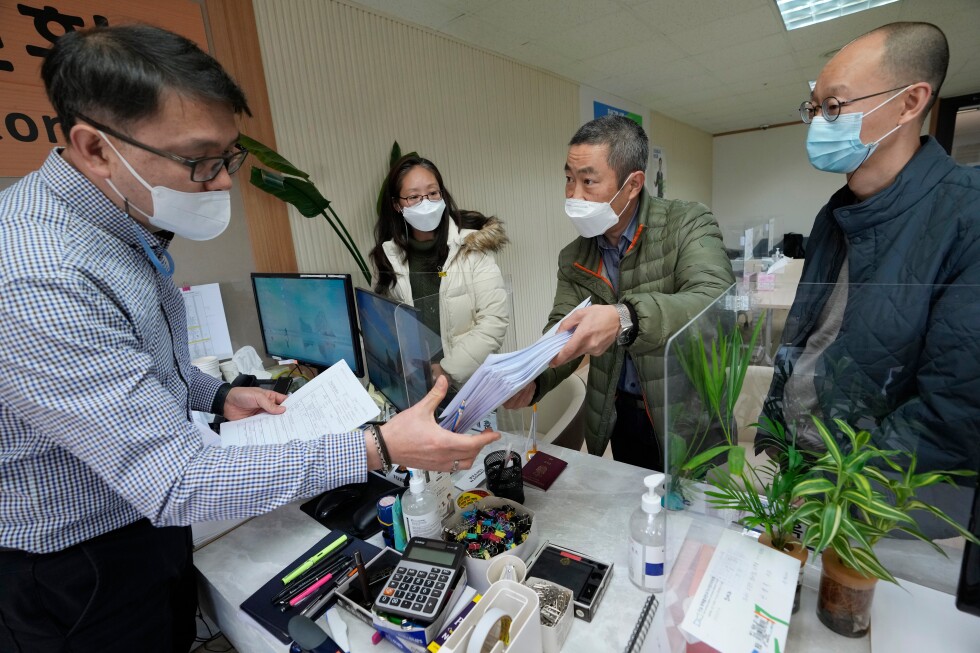
    Chinese lawmakers are advancing comprehensive privacy protections for social assistance applicants through a newly refined draft law currently under legislative review. The proposed legislation, submitted to the Standing Committee of the National People’s Congress for further deliberation, establishes stringent measures to safeguard personal information while maintaining the integrity of social welfare systems.

    The draft legislation mandates that applicants provide accurate personal and financial information, including family member details, household income, asset declarations, and essential expenditures. Crucially, it introduces explicit consent requirements, specifying that applicants must authorize verification processes conducted by social assistance management authorities.

    Luo Yuan, an official from the NPC’s Constitution and Law Committee, emphasized the legislation’s proactive approach to data protection. “We’ve established intensified personal information protection as a core principle in the draft’s first chapter,” Luo stated, addressing concerns about potential privacy risks during data collection and disclosure procedures.

    The proposed law introduces significant consequences for privacy violations, penalizing individuals who illegally access, disclose, sell, or share personal information unrelated to social assistance applications. Staff members causing serious consequences through intentional misconduct or gross negligence will face severe disciplinary measures.

    Beyond privacy protections, the draft law expands the concept of social assistance beyond traditional material support. It encourages the provision of care services and daily living assistance, creating legal foundations for more comprehensive, service-oriented welfare approaches.

    The legislation represents an evolution from China’s 2014 interim social assistance measures, seeking to address emerging challenges in the social welfare landscape. Civil Affairs Minister Lu Zhiyuan noted the law aims to make assistance “more efficient, accessible, and timely” while streamlining verification processes and encouraging broader public participation through corporate and nonprofit contributions.

    This legislative development occurs amid efforts to extend social assistance coverage beyond current beneficiaries, including extremely poor households and minimum living allowance recipients, reflecting China’s ongoing commitment to social equity and stability.
  • Law dedicated to firefighters taking shape

    Law dedicated to firefighters taking shape

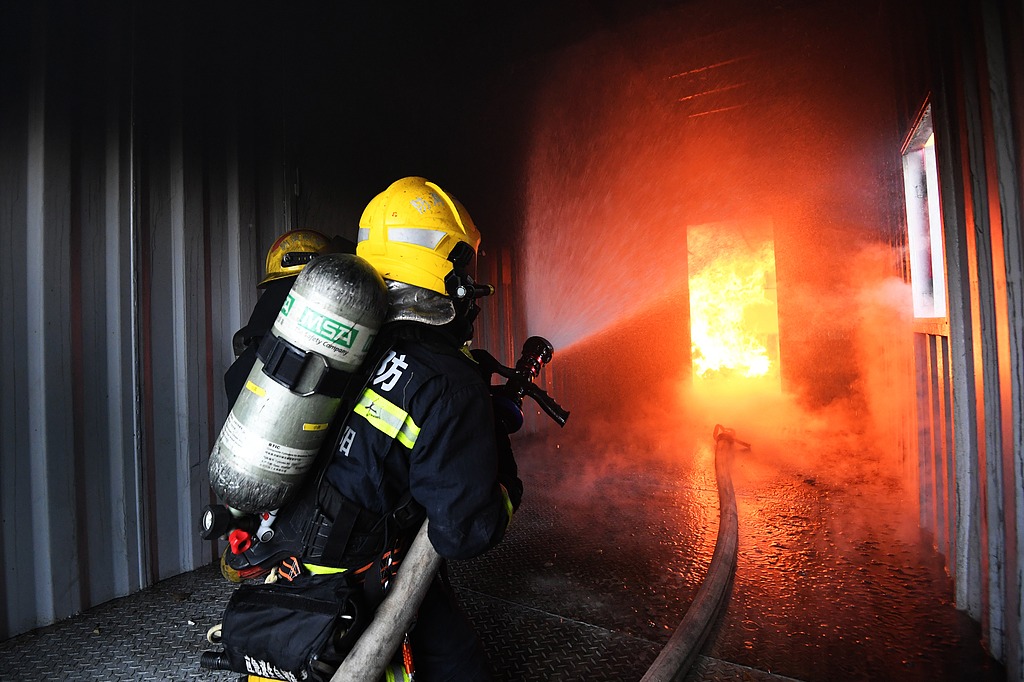
    China’s legislative body has initiated formal consideration of the nation’s inaugural specialized law governing firefighters and rescue personnel. The draft legislation, presented to the Standing Committee of the National People’s Congress for preliminary review, represents a comprehensive legal framework consisting of seven chapters and 47 distinct articles.

    Jointly developed by the Ministry of Justice and the Ministry of Emergency Management, the proposed law establishes precise operational parameters for China’s comprehensive national firefighting and rescue teams. These units, recognized as the primary emergency response force and national team for disaster management, will operate under clearly defined command structures and accountability measures.

    The legislative proposal specifies that managerial and command personnel within the firefighting and rescue force will be classified as civil servants, while operational firefighters will be designated as state employees. The draft explicitly outlines their core responsibilities, encompassing both emergency response operations and fire prevention supervision duties.

    A significant component addresses disciplinary protocols, prohibiting conduct such as mission hesitation, unauthorized departures from service, or refusal to execute duties during emergency operations. Individuals dismissed for such violations would be permanently barred from future civil service or public institution employment.

    The legislation also mandates enhanced support systems including structured recruitment processes, performance evaluation mechanisms, specialized training programs, and dedicated exit management procedures. Regarding compensation, the draft guarantees that necessary funding will be incorporated into government budgets, ensuring firefighters receive appropriate salaries, allowances, bonuses, and comprehensive social insurance benefits.

    Additional provisions strengthen occupational safety protections and establish interconnected policies covering medical treatment, retirement benefits, and compensation frameworks. This legislative initiative follows the 2018 institutional reforms that transferred firefighting services from public security authorities to the Ministry of Emergency Management, creating the current national comprehensive firefighting and rescue force.

    The NPC’s Social Development Affairs Committee, which conducted preliminary review of the draft, emphasized that the legislation would significantly enhance China’s capacity to address major disasters and extraordinary accidents, thereby improving protection for public safety and social stability.

  • Free trains and buses carry migrants back to work

    Free trains and buses carry migrants back to work

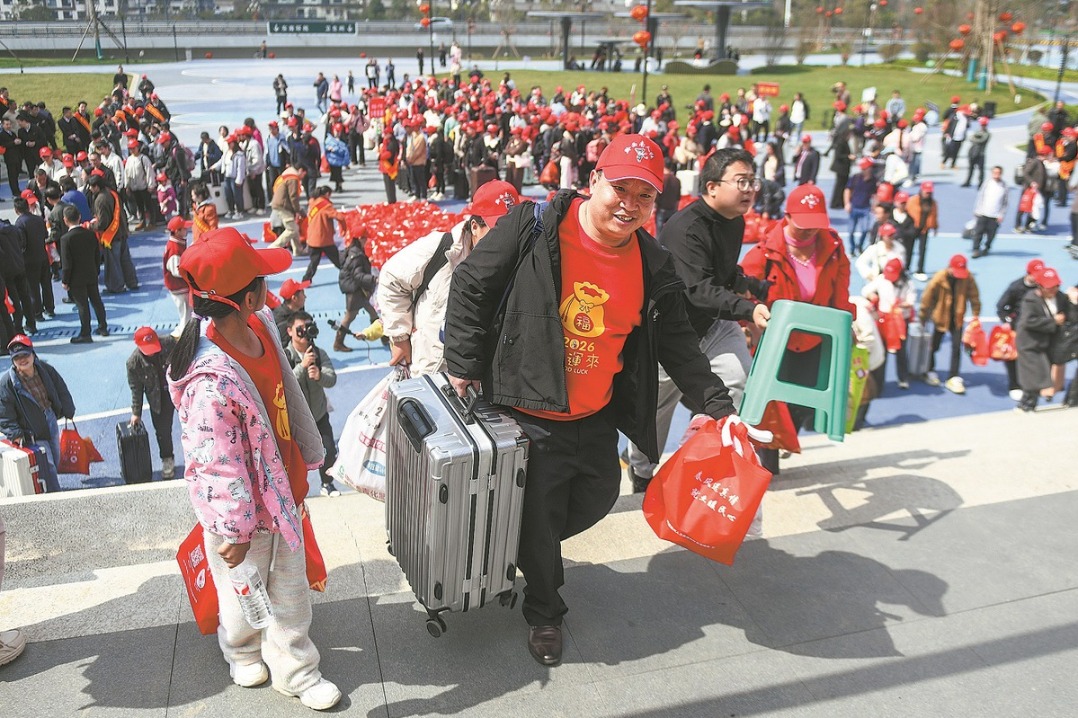
    In a massive nationwide effort to facilitate post-Spring Festival workforce mobilization, Chinese authorities are operating complimentary trains and dedicated buses to transport migrant laborers back to their workplaces. This annual migration sees millions of workers transitioning from central and western regions to industrial hubs along the eastern seaboard following the Lunar New Year celebrations.

    The Qianxinan Bouyei and Miao Autonomous Prefecture in Guizhou province has emerged as a focal point of this initiative, with human resources departments coordinating specialized rail services offering approximately 500 seats per train. These services connect workers to major manufacturing centers including Foshan, Hangzhou, and Guangzhou through February 28th.

    One beneficiary, surnamed Yang, described the streamlined application process: “After my village issued the notice, I simply scanned a QR code to register and received confirmation the following day.” This digital approach has significantly reduced the administrative burden on workers traditionally faced with complex multi-transfer journeys carrying heavy luggage.

    Wang Wanmin, Director of the prefecture’s Human Resources and Social Security Bureau, emphasized the program’s scale: “We will continue operating special trains and buses to transport 20,000 fellow townspeople to jobs, further stabilizing employment and boosting incomes.”

    Parallel initiatives are underway across China’s transportation network. The China Railway Chengdu Group plans to operate 32 post-festival special trains serving approximately 18,000 passengers through March 6th, primarily from labor-exporting regions like Sichuan and Guizhou.

    The coordination extends beyond transportation to employment matching. A recent special train from Xi’an to Suzhou carried workers pre-matched with positions in high-end intelligent manufacturing, electronic information, and precision machinery industries. Upon arrival at Suzhou North Railway Station, local authorities provided dedicated shuttle vehicles directly to factory dormitories.

    Guangdong province has implemented additional flexible solutions, introducing point-to-point bus routes from labor-exporting areas. Between February 19-25, workers could scan codes to arrange transportation from Hunan, Jiangxi, and Hubei provinces directly to Guangzhou. Huizhou city has established return-to-work shuttle services at major transport hubs, expected to serve over 3,000 workers with last-mile connections.

  • Time is the essence, as ‘slow travel’ becomes the norm

    Time is the essence, as ‘slow travel’ becomes the norm

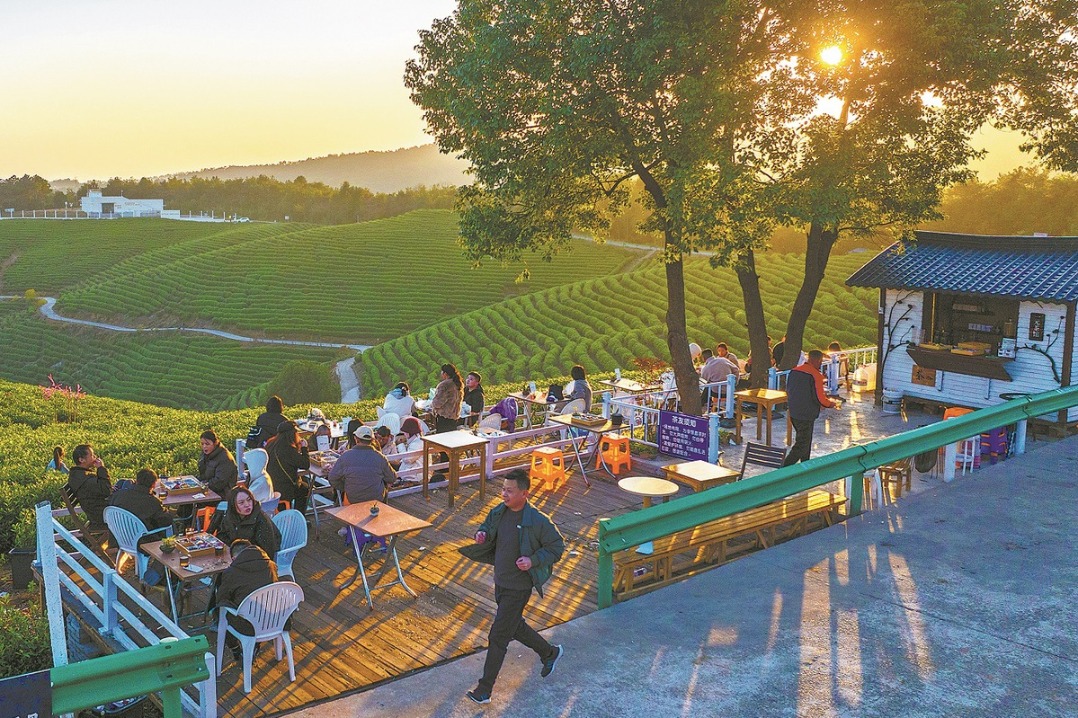
    A profound transformation is reshaping China’s tourism landscape as the era of breakneck-paced itineraries gives way to a more contemplative approach to exploration. The emerging ‘slow travel’ movement, spearheaded by Generation Z and millennial travelers, represents a fundamental shift in how vacations are conceived and experienced.

    Recent data from a 2025 China Youth Daily survey reveals that 55.3% of young respondents now express preference for immersive slow travel experiences, with over half opting for independent journeys rather than structured tour packages. This behavioral change reflects a growing desire for meaningful connection over mere destination collection.

    The commercial sector has responded dynamically to this trend. Meituan’s platform data indicates remarkable surges in searches for ‘gentle adventures’ throughout 2025, including a 135% increase in low-impact rafting interest, 65% growth in controlled bungee experiences, and over 80% rise in elevator-assisted mountain climbing inquiries.

    Across scenic regions in Guangdong, Zhejiang, and Hubei provinces, tourism operators have redesigned attractions to accommodate this new pace. At Foshan’s Xiqiao Mountain, modified bungee jumps now feature gentle descents instead of rapid drops. River valleys offer ‘lying-flat rafting’ experiences where participants float leisurely downstream, embracing relaxation over adrenaline.

    Accommodation providers have similarly adapted, prioritizing comfort over convenience by promoting spacious rooms, extended checkout times, and walkable environments. Cultural destinations including museums, historical neighborhoods, and heritage sites have become primary attractions, with 57.2% of young travelers identifying historical locations as their preferred destinations according to the China Youth Daily report.

    This movement transcends mere tourism preference, representing a philosophical reorientation toward quality of experience. As Shanghai office worker Li Yiran explained, ‘I’m not collecting places anymore—I’m collecting moments.’ This sentiment echoes among travelers who value atmospheric immersion and cultural engagement over checklist completion.

    The cultural dimension of this shift proves particularly significant, with many young travelers dedicating afternoons to traditional craft workshops or exploratory walks through ancient alleyways. This approach emphasizes depth over breadth, signaling a broader societal recalibration of values surrounding leisure, self-care, and meaningful experience.

  • ‘Public lynching’: Senegal cracks down on LGBTQ+ community

    ‘Public lynching’: Senegal cracks down on LGBTQ+ community

    Senegal has dramatically escalated its suppression of LGBTQ+ individuals through coordinated government action and public persecution, creating what human rights defenders describe as an atmosphere of ‘public lynching.’ The recent wave of repression includes increased arrests, online harassment, and newly proposed legislation that would impose stricter penalties on same-sex relations.

    Prime Minister Ousmane Sonko unveiled a draft bill this week seeking to double prison sentences for consensual same-sex relations to a maximum of ten years. The legislation would also criminalize advocacy for LGBTQ+ rights with prison terms ranging from three to seven years. This political maneuver aligns with longstanding demands from influential religious groups in the predominantly Muslim nation.

    The crackdown intensified in early February with the arrest of approximately thirty individuals, including local celebrities, on charges of ‘acts against nature’—a legal euphemism for homosexuality. Their identities were publicly disclosed, triggering widespread media coverage with sensational headlines such as ‘Big homo clean-up’ and ‘Bisexuals, walking dangers.’

    Social media platforms have become arenas for vitriolic discourse and unverified videos showing physical assaults against individuals suspected of being LGBTQ+. Senegal’s media ethics regulator CORED has issued calls for respecting human dignity and privacy amid the escalating public exposure of detainees.

    Human rights organizations report that community members are experiencing severe trauma, with many going into hiding or seeking exile. The Paris-based association STOP Homophobia documented eighteen requests for assistance to leave Senegal in recent days, noting increased reports of familial violence, threats, and housing insecurity among LGBTQ+ individuals.

    Public discourse has further been inflamed by accusations that detainees deliberately transmitted HIV, a characterization that health experts warn could undermine public health efforts by discouraging testing and treatment. The situation has become so dire that France’s refugee protection office no longer considers Senegal safe for individuals based on sexual orientation since 2021.

    Despite international concern, few local institutions have opposed the crackdown. Denis Ndour, the new president of Senegal’s human rights league, recently endorsed harsher penalties while describing homosexuality as an illness incompatible with local norms. This stance highlights the challenging environment for LGBTQ+ advocacy in a country where such rights are frequently characterized as foreign imports.

    For those without means to escape, the situation appears increasingly desperate. As one exiled individual told AFP under pseudonym: ‘The only thing they can do is see death coming and wait.’

  • Footage captures moment shirtless man arrested as NSW Police make first arrests in  ‘Coconut Cartel’ crackdown

    Footage captures moment shirtless man arrested as NSW Police make first arrests in ‘Coconut Cartel’ crackdown

    In a significant development against organized crime, New South Wales Police have apprehended two individuals linked to the notorious ‘Coconut Cartel’ criminal network. The arrests mark the first major operational success for the newly formed Strike Force Helston, established specifically to dismantle this violent syndicate.

    The breakthrough follows a January 21 incident in Guildford where a Toyota SUV was discovered engulfed in flames on Randolph Street. Crime scene investigators found cardboard signs referencing the ‘Coconut Cartel’ adjacent to the burned vehicle, prompting intensive forensic examination.

    Subsequent police investigations led authorities to a Daceyville property where law enforcement officers executed a search warrant. The operation yielded substantial evidence including a vehicle registration plate, a jerry can, a replica pistol, and thirteen mobile phones.

    A 24-year-old man was taken into custody at Maroubra Police Station and faces multiple charges, most notably possession of an unauthorized firearm. In a separate operation on Wednesday morning, officers arrested a 19-year-old alleged syndicate member in Silverwater. The younger suspect has been charged with property destruction by fire and active participation in a criminal organization. He was denied bail and appeared before Bail Division Local Court on Thursday.

    Police authorities indicate these arrests represent just the initial phase of an ongoing investigation into the group’s activities, which have recently escalated in violence and public threats across the region.

  • South Korea relaunches truth commission with focus on adoption fraud

    South Korea relaunches truth commission with focus on adoption fraud

    South Korea has inaugurated a new Truth and Reconciliation Commission with an expanded mandate to examine historical human rights violations, placing particular emphasis on systemic corruption within the nation’s foreign adoption program that spanned decades. This third such commission in the country’s history commenced operations on Thursday, accepting new cases while inheriting over 2,100 unresolved complaints from its predecessor, whose mandate concluded last November.

    The commission’s investigative scope encompasses 311 previously deferred or incompletely reviewed cases submitted by Western-based Korean adoptees. This follows the abrupt termination of a landmark adoption investigation in April last year by the previous commission, which stalled due to internal disagreements regarding case eligibility criteria.

    Advocacy groups report substantially heightened interest among the adoptee community, with hundreds already seeking investigations—many from the United States, which received the largest proportion of Korean children over the past seventy years despite being underrepresented in previous inquiries.

    However, operational challenges may delay substantive investigations until mid-year. The government has yet to appoint a commission chair, and investigative teams remain unformed, with initial operations being managed by civil servants responsible for case registration and documentation.

    Established under legislation enacted in January, the commission’s broadened authority extends beyond adoption cases to examine other government-attributable human rights violations, including civilian massacres during the 1950-53 Korean War, political repression under military dictatorships from the 1960s to 1980s, and prolonged institutional abuse within welfare facilities.

    Historical context reveals that South Korea exported thousands of children annually to Western nations between the 1970s and early 2000s, reaching peaks exceeding 6,000 children per year during the 1980s. The military government of that era viewed population control as essential to economic development and treated international adoptions as a mechanism to reduce domestic welfare burdens, creating what is now potentially the world’s largest diaspora of adoptees.

    The previous commission’s adoption investigation, suspended after nearly three years of reviewing cases across Europe, the United States, and Australia, confirmed human rights violations in only 56 of 367 complaints. Despite this low confirmation rate, the commission produced a significant interim report attributing government responsibility for a foreign adoption program fundamentally compromised by fraudulent practices and systemic abuse. The report documented how private agencies frequently manipulated children’s backgrounds and origins while implementing government policies aimed at reducing welfare expenditures.

    This official assessment challenged longstanding narratives in both South Korea and receiving nations that portrayed these adoptions as primarily humanitarian endeavors. The commission’s findings corroborated previous investigative reporting by The Associated Press and Frontline (PBS), which revealed collaborative efforts between South Korea’s government, Western nations, and adoption agencies to supply approximately 200,000 Korean children to overseas parents despite extensive evidence of corrupt and illegal procurement methods.

  • Australian PM apologises after calling child sex abuse survivor and advocate ‘difficult’

    Australian PM apologises after calling child sex abuse survivor and advocate ‘difficult’

    Australian Prime Minister Anthony Albanese has issued a public apology after facing significant backlash for describing prominent sexual abuse survivor and advocate Grace Tame as “difficult” during a rapid-response word association game. The comment, made during a lighthearted media segment, quickly escalated into a national conversation about gendered language and political accountability.

    Tame, who was named the 2021 Australian of the Year for her advocacy work with child sexual abuse survivors, immediately criticized the characterization as “misogynist’s code for a woman who won’t comply.” The 31-year-old activist pointed out that historical figures who demonstrated similar resistance were typically celebrated as “courageous” rather than labeled as difficult.

    In response to the growing controversy, Albanese clarified that his remark was intended to reference “the very difficult life” Tame has experienced rather than her personality or advocacy style. He expressed admiration for her ability to transform personal trauma into societal benefit, though he notably offered the conditional apology “if there was any misinterpretation” of his comments.

    The incident drew sharp criticism from political figures including Greens leader Larissa Waters, who publicly challenged the Prime Minister on social media platform X. Waters asserted that labeling women as difficult represents an attempt to silence critical voices and suggested alternative descriptors such as “unbreakable,” “warrior,” or “fierce” would have been more appropriate.

    This controversy emerges against the backdrop of Tame’s longstanding activism, which began with her successful campaign to overturn Tasmanian laws that prevented sexual abuse victims from speaking publicly about their experiences. Tame herself was groomed and raped by her 58-year-old mathematics teacher Nicolaas Ockert Bester at age 15, with her abuser serving just one year and nine months in prison for the 2011 assault.

    The current incident marks another chapter in Tame’s complex relationship with Australian political leadership. In 2022, she gained international attention for her visibly stern demeanor during a meeting with then-Prime Minister Scott Morrison, which occurred amid her criticism of the government’s handling of sexual assault allegations and toxic workplace culture in Parliament.

    Recently, Tame has faced separate criticism for her participation in pro-Palestine rallies where she used the phrase “globalise the intifada,” terminology currently under governmental review for potential inclusion in new laws targeting hate speech. Some conservative politicians, including recent One Nation defector Barnaby Joyce, have called for Tame to be stripped of her Australian of the Year title due to her use of the phrase, which some interpret as advocating violence against Jewish people while others view it as calls for peaceful resistance.

    The Prime Minister’s word association game also included descriptors for other political figures, with Albanese labeling Donald Trump as “president,” opposition leader Angus Taylor as “leader,” One Nation’s Pauline Hanson as “divisive,” and offering the critical term “grub” in reference to Andrew Mountbatten-Windsor, which drew audience applause.

  • Ex-US Treasury chief Summers quits Harvard over Epstein ties

    Ex-US Treasury chief Summers quits Harvard over Epstein ties

    Harvard University announced on Wednesday the resignation of former U.S. Treasury Secretary Lawrence Summers from his academic positions following revelations about his communications with convicted sex offender Jeffrey Epstein. The prestigious institution confirmed Summers would step down from his role as co-director of the Mossavar-Rahmani Center for Business and Government immediately and completely sever ties with the university by the end of the academic year.

    The development comes amid ongoing scrutiny of elite academic and political figures connected to Epstein, whose extensive network of powerful associates continues to generate consequences years after his death. Summers, who served as Treasury chief under President Bill Clinton and later as Harvard president, had previously expressed regret about his communications with the financier in a viral video address to students.

    According to university statements, Dean Jeremy Weinstein accepted Summers’ resignation from leadership positions while noting the professor would remain on leave until his complete departure. The resignation marks the second major Epstein-related departure from Harvard following former president Lawrence Bacow’s earlier exit.

    Court documents unsealed by the Department of Justice revealed extensive communications between Summers and Epstein, prompting the economist to previously step back from public commitments in November 2025. At that time, Summers acknowledged his ‘misguided decision’ to maintain contact with Epstein and accepted full responsibility.

    The Epstein case continues to reverberate through elite circles, with numerous prominent figures facing reputation damage from associations with the financier. Harvard disclosed Epstein had donated $9.1 million to the university between 1998 and 2008, though the institution maintains these funds were properly used for research purposes.

    While mere mention in the Epstein documents doesn’t imply wrongdoing, the released materials have established connections between Epstein and various public figures who previously minimized or denied such relationships. The case represents one of the most extensive reckonings for elite institutions regarding their associations with controversial donors.

  • ‘I can’t breathe any more’: Inside the night a mob burned a newspaper

    ‘I can’t breathe any more’: Inside the night a mob burned a newspaper

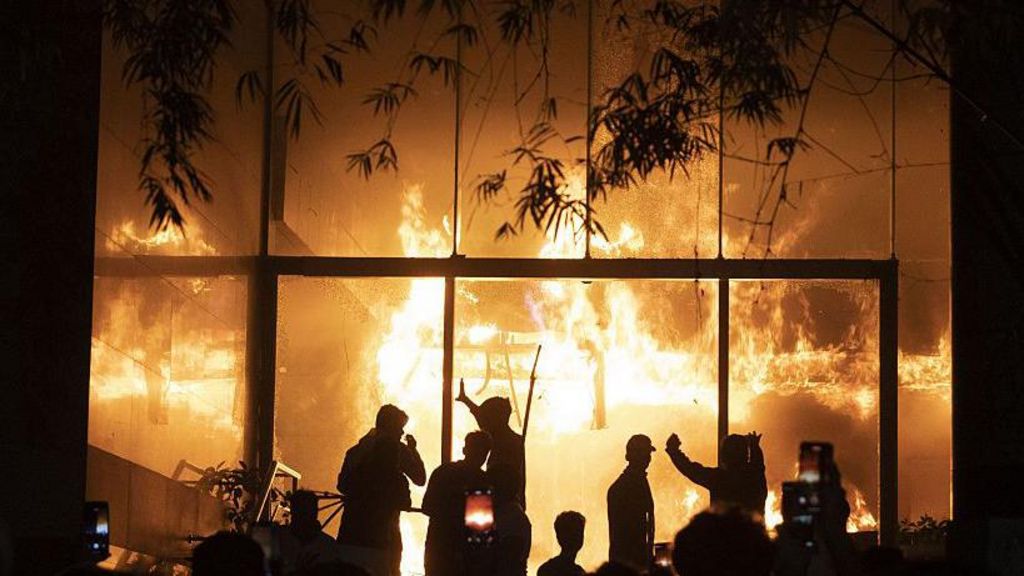
    In a harrowing display of press intimidation, twenty-eight staff members of Bangladesh’s leading English-language newspaper, The Daily Star, endured a four-hour rooftop siege after a violent mob set their Dhaka headquarters ablaze on December 18th.

    The incident unfolded as investigative reporter Zyma Islam was finalizing her coverage of Sharif Osman Hadi’s assassination—a prominent youth leader whose death had ignited political tensions. Without evidence, protesters accused The Daily Star and its Bengali-language sister publication Prothom Alo of complicity in Hadi’s killing and amplifying anti-India sentiments.

    As midnight passed, the building was stormed by assailants hurling bricks and incendiary devices. Islam and colleagues barricaded themselves on the ninth-floor rooftop, using potted plants to secure the entrance while smoke engulfed the structure. ‘The smoke wasn’t grey; it was black. I couldn’t see my own hand,’ Islam recounted in her firsthand account.

    Trapped journalists resorted to wet cloths against toxic fumes as colleagues embedded in the crowd warned of armed attackers ‘planning an assassination.’ After enduring psychological torment and near-asphyxiation, military forces orchestrated a daring 4:30 AM rescue involving a smoke-choked stairwell descent and escape over a rear wall.

    The newspaper sustained approximately $2 million in damages, including destroyed archives, looted equipment, and a gutted auditorium. Despite this, staff produced an eight-page edition within 15 hours under the headline ‘Unbowed.’

    Three months later, investigations remain stagnant with only 37 arrests made initially. Police have identified but not apprehended a key social media instigator, leaving the attack’s masterminds and motivations unresolved.

    The event underscores deteriorating press freedoms in Bangladesh, where journalists routinely face threats without institutional protection. Despite physical and psychological trauma, The Daily Star’s team continues reporting—embodying a resilience that transforms survival into defiance.